
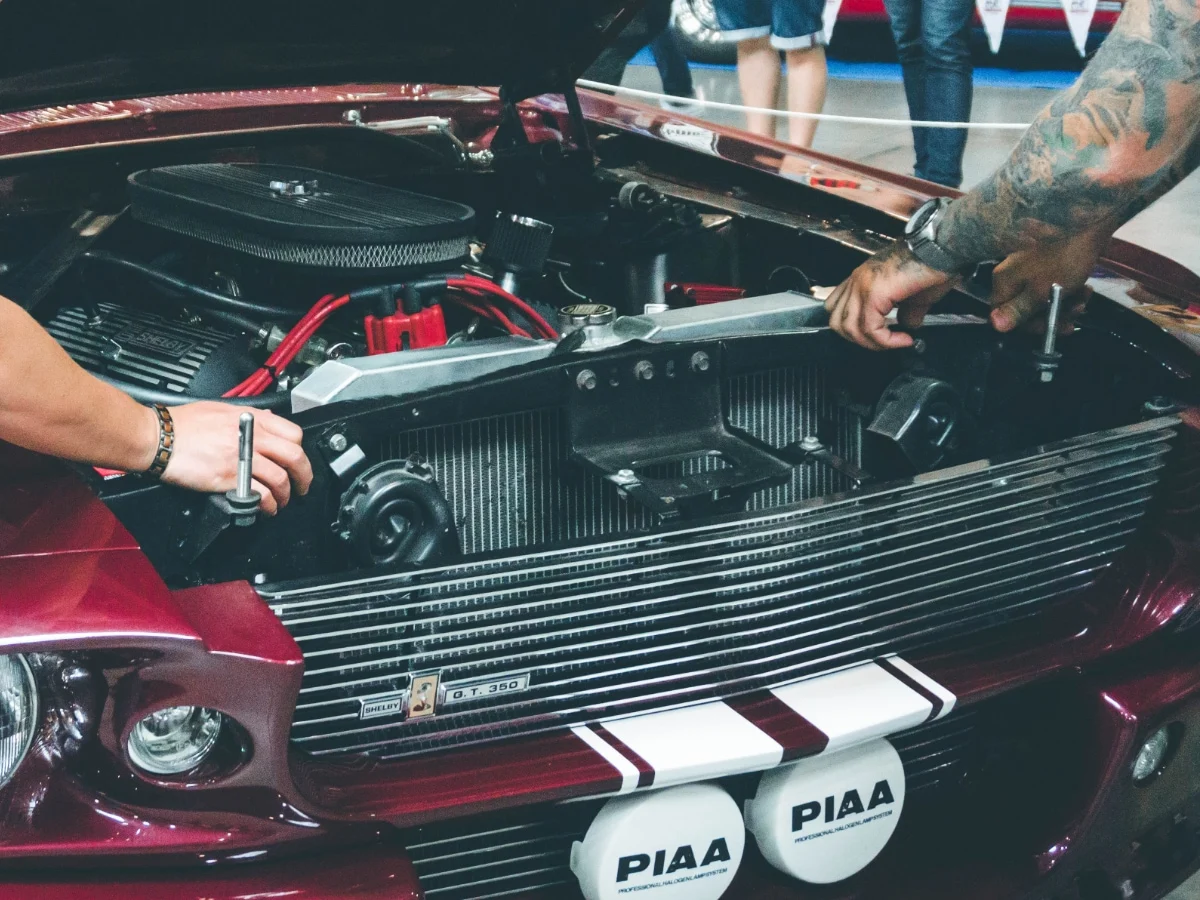
Replacing a radiator can cost anywhere from a few hundred dollars to more than $1,500, depending on the type of radiator, vehicle or heating system, labor rates, and the parts required.
For many homeowners and car owners, the final bill can be difficult to predict because a radiator replacement may involve related components, coolant, hoses, fittings, or additional repairs. Understanding the typical radiator replacement cost before approving the work can help you prepare a realistic budget.
This guide explains the main expenses involved, what affects the price, when replacement is necessary, and how to avoid paying for repairs your radiator does not actually need.
Average Cost to Replace a Radiator
For a typical car, radiator replacement commonly costs between $500 and $1,200, including parts and labor. Basic vehicles with easily accessible radiators may fall toward the lower end of that range, while larger vehicles, luxury models, and cars with complicated cooling systems can cost considerably more.
The radiator itself may cost roughly $150 to $600, while labor can add several hundred dollars. Prices vary significantly by vehicle make, model, location, and repair shop. Getting a written estimate before work begins gives you a clearer idea of what you will actually pay.
For a home heating radiator, the cost structure is different. Replacing a standard radiator may cost several hundred dollars, while larger or more specialized units can push the project toward $1,000 or more.
Labor may account for a significant part of the bill because a heating technician may need to drain the system, remove pipe connections, install the new unit, refill the system, and check for leaks. If pipework needs modification, the total cost can increase. The type of heating system also affects the amount of work required.
The price of the replacement radiator is another major factor. Aftermarket radiators are often less expensive than parts supplied directly by the vehicle manufacturer. However, the cheapest available component is not always the most appropriate choice.
Radiators need to match the vehicle or heating system correctly, including their dimensions, connections, capacity, and mounting points. A reputable replacement part can provide a better balance between price and reliability. Your mechanic or heating professional can explain which options are compatible with your system.
Labor rates can vary significantly from place to place. A repair shop in a major city may charge more per hour than a shop in a smaller community. Independent garages may also have different pricing structures from dealerships.
Radiator replacement is usually a multi-step job, so the hourly rate matters when calculating the final invoice. Ask how many labor hours the shop expects to charge and whether the quoted price includes coolant, disposal fees, and system testing. This makes it easier to compare estimates from different providers.
The final cost can also depend on what caused the radiator to fail. If the radiator is simply old and leaking, replacement may be relatively straightforward. If overheating has damaged other cooling system components, the repair can become more expensive.
A failing water pump, thermostat, cooling fan, hose, or head gasket can create additional costs. A professional diagnosis is important before replacing the radiator because a radiator may not always be the actual source of an overheating problem.
What Affects Radiator Replacement Cost?
The vehicle or heating system itself has a major influence on replacement pricing. Some radiators are positioned where they can be removed relatively easily, while others require the removal of surrounding components.
Modern vehicles may have tightly packed engine compartments, increasing the amount of labor needed. For home heating systems, access to pipework and the location of the radiator can have a similar effect. A radiator located in an easy-to-reach area generally requires less preparation than a unit surrounded by fixtures or difficult-to-access pipework.
The radiator material and design can also affect the price. Automotive radiators commonly use aluminum cores combined with plastic or metal tanks, while some applications use more specialized designs. Heavy-duty vehicles may require larger cooling capacity and stronger components.
Home radiators are available in different sizes, materials, and styles. Decorative or custom heating radiators can cost considerably more than basic models. Choosing a unit based on the required performance rather than appearance alone can help control the project cost.
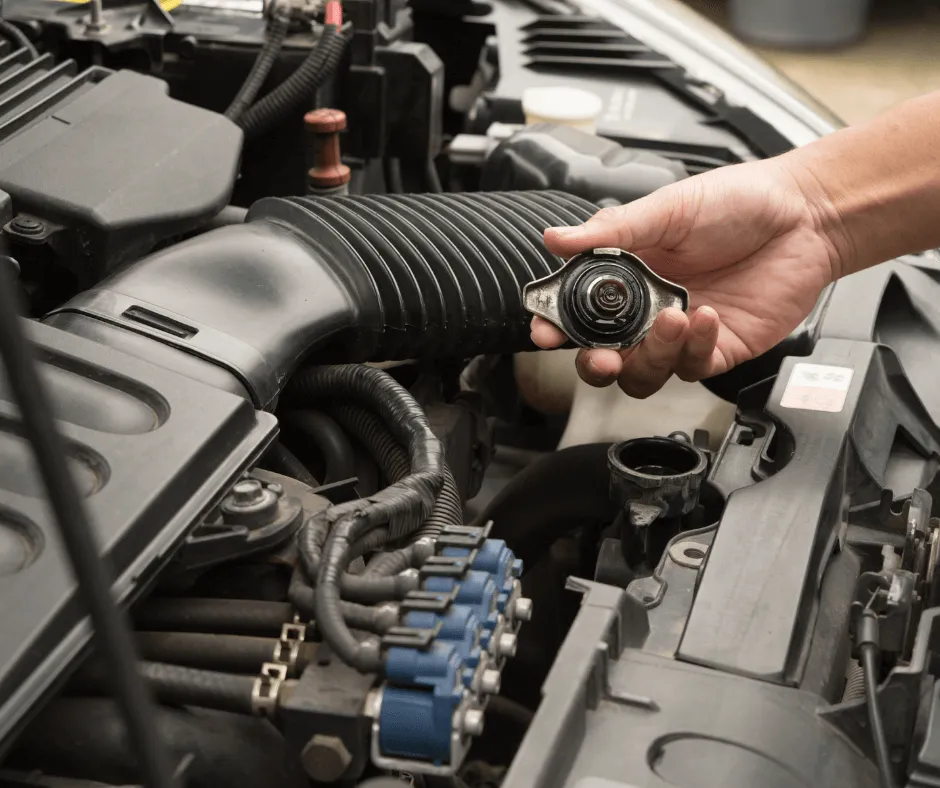
Additional parts may be needed during installation. A vehicle radiator replacement may require new hoses, clamps, coolant, a radiator cap, or other small components. Reusing worn hoses can create problems later if they are already brittle or damaged.
A technician should inspect the surrounding cooling system while replacing the radiator. For home heating systems, valves, fittings, pipe connections, and brackets may need attention. These parts can add to the invoice, but replacing damaged components during the same repair may prevent the need for a second service visit.
Coolant is another expense that should be included in a vehicle radiator replacement estimate. When the radiator is removed, coolant normally needs to be drained and the system refilled. The correct coolant specification is important because different vehicles require different formulations.
The system may also need to be properly bled to remove trapped air. Incorrect coolant or poor filling procedures can contribute to cooling problems. A professional repair should include appropriate coolant handling and a check that the system reaches normal operating temperature without leaks.
Warranty coverage can influence the value of the repair as well. A replacement radiator may come with a parts warranty, while a repair shop may provide separate coverage for its labor. Warranty terms differ, so ask what is covered and for how long.
A cheaper repair with no meaningful warranty may not be a better financial choice if the component fails shortly afterward. Keep your invoice and warranty documentation after the repair. These records can be useful if a problem develops and you need to establish when and where the work was performed.
Signs You May Need a New Radiator
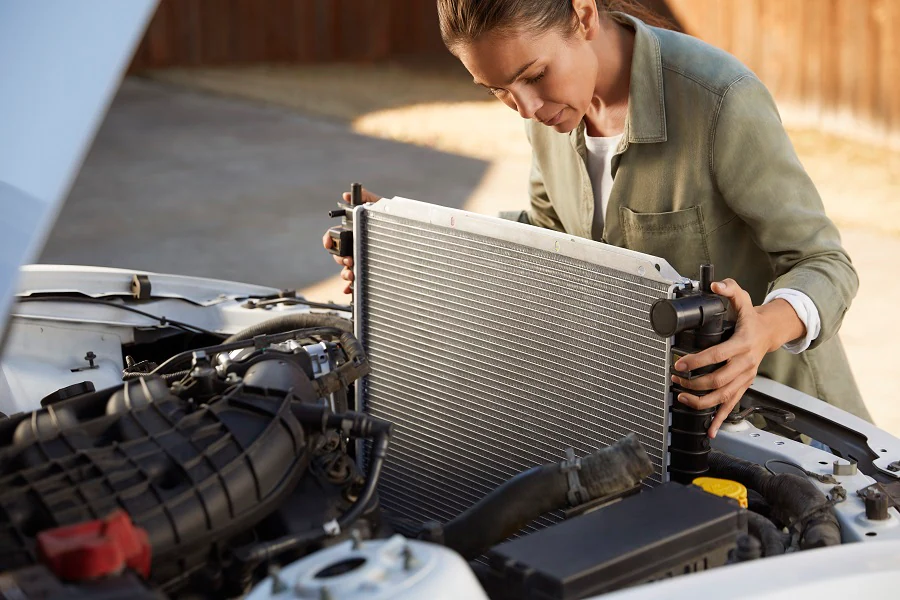
A visible coolant leak is a common warning sign. Automotive coolant may appear beneath the vehicle as a brightly colored or watery liquid, depending on the coolant type.
Some radiators develop cracks, corrosion, or damage around their tanks and connections. Home heating radiators can also leak around valves, joints, or the body of the radiator. Any unexplained liquid around a heating or cooling system deserves attention. Continuing to operate a system with a significant coolant leak can lead to overheating or other damage.
Frequent overheating is another important warning sign for a vehicle. A temperature gauge that repeatedly rises above its normal range should not be ignored. Overheating can have many causes, including a blocked radiator, failed thermostat, damaged water pump, faulty cooling fan, low coolant, or combustion-related problems.
Replacing the radiator without identifying the actual cause may not solve the issue. A proper inspection can determine whether the radiator is restricted or leaking and whether other components are contributing to the temperature problem.
Rust and corrosion can also indicate that a radiator is approaching the end of its service life. Corrosion can weaken the radiator and eventually cause leaks. Older systems may also contain deposits or contamination that restrict coolant flow.
In some cases, flushing or repairing the system may be possible. If the radiator has extensive structural damage, replacement is generally more practical. A technician can inspect the unit and determine whether cleaning or repair is likely to provide a dependable solution.
Poor heating performance can be relevant for home radiators. If a radiator remains cold in sections, fails to heat properly, or develops persistent cold spots, there may be trapped air, sludge, a valve problem, or restricted water flow.
These symptoms do not automatically mean the radiator needs replacing. Bleeding the radiator or servicing the heating system may solve the issue. Replacement becomes more appropriate when the radiator itself is damaged, badly corroded, or no longer suitable for the heating requirements of the room.
Unusual smells, steam, or repeated loss of coolant should receive prompt attention. A vehicle that continues operating while overheating can suffer serious engine damage, potentially turning a relatively manageable cooling-system repair into a much larger engine repair.
Similarly, a leaking home heating radiator can damage flooring, walls, or nearby furnishings. If you notice a serious leak or rapid overheating, stop using the affected system when it is safe to do so and arrange a professional inspection.
