
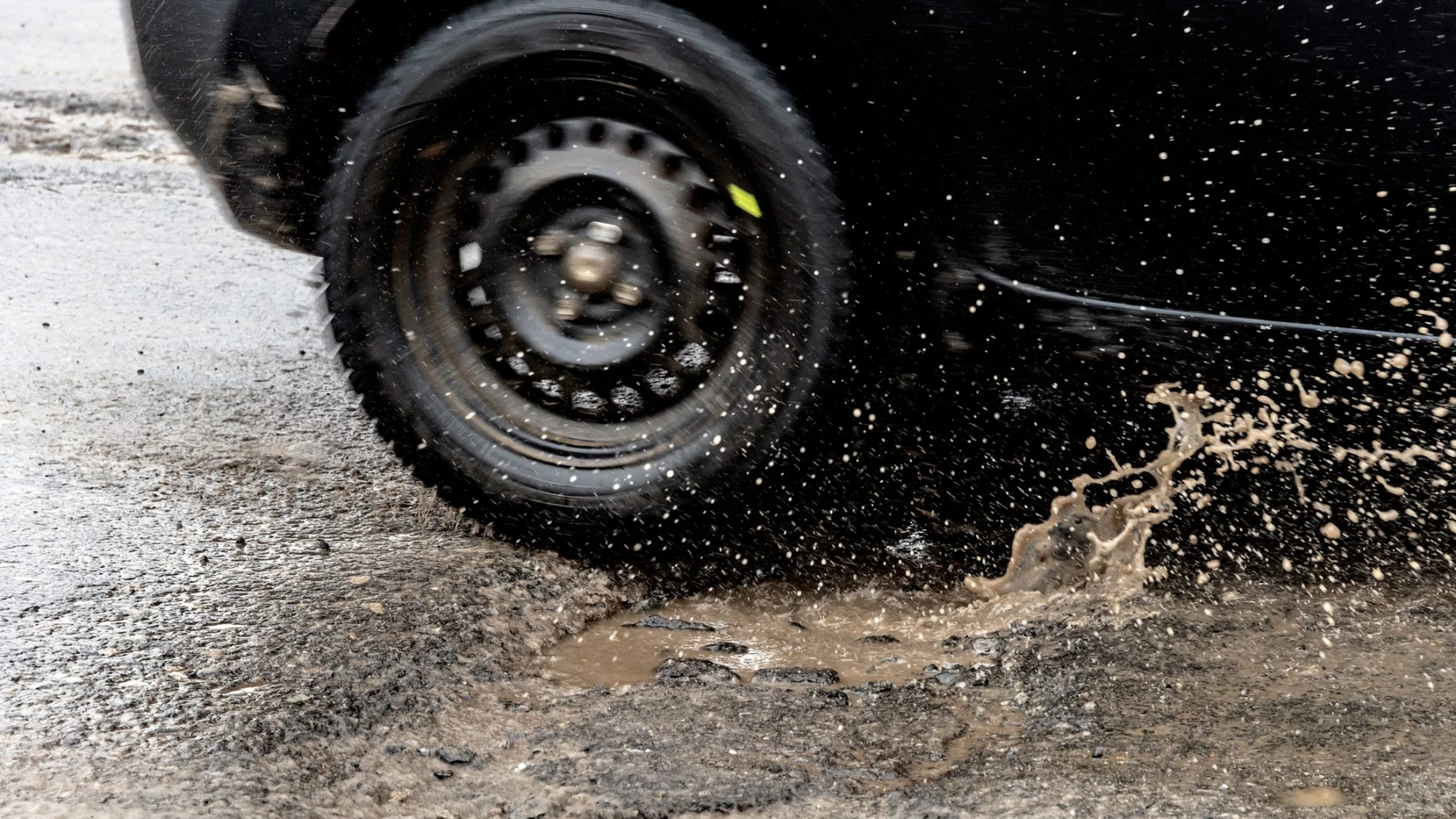
Wheel alignment plays a major role in how safely and smoothly a car travels on the road. When the wheels are correctly aligned, the vehicle can track straight, the tires can wear evenly, and steering can feel predictable. Many drivers, however, unknowingly develop habits that gradually push the wheels out of their correct position.
Hitting potholes, driving over rough roads quickly, ignoring tire pressure, carrying excessive loads, and delaying suspension repairs can all contribute to alignment problems.
Understanding these habits can help drivers protect their tires, suspension components, fuel economy, and driving comfort while reducing the risk of expensive repairs caused by neglected wheel alignment issues.
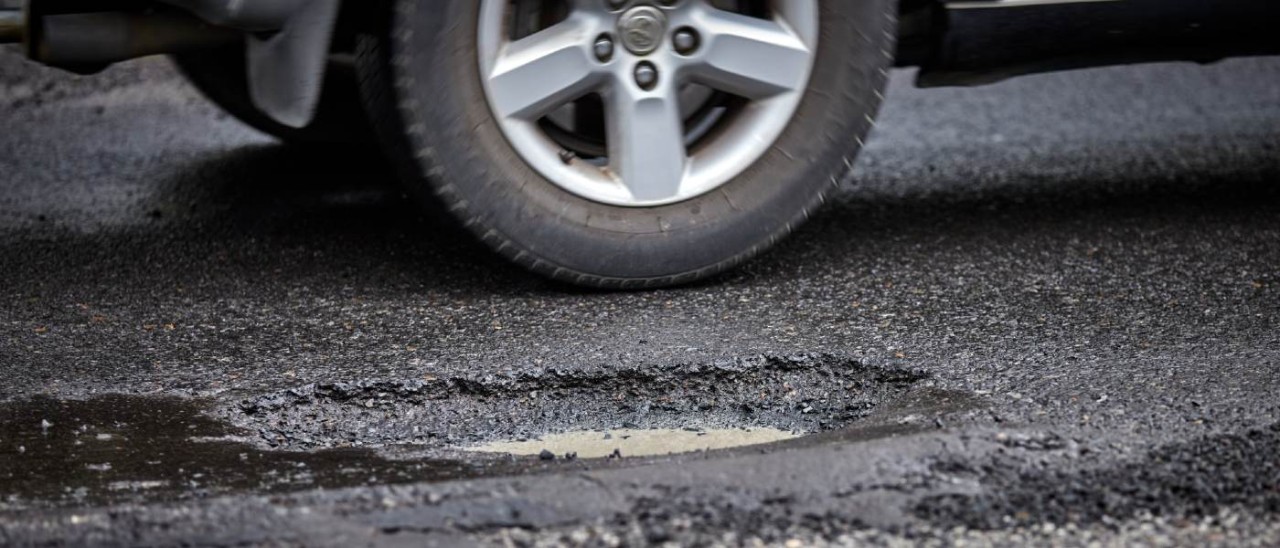
1. Hitting Potholes at High Speed
Potholes are among the most common causes of wheel alignment problems. A deep pothole can deliver a sudden impact through the tire and wheel directly into the suspension system.
When a vehicle enters a pothole at high speed, the force can be strong enough to affect steering and suspension components. Even if there is no visible damage, the impact may alter alignment angles and gradually create uneven tire wear.
The risk becomes greater when the pothole is deep, sharp-edged, or filled with water. Water can make it difficult to judge its depth, while a sharp edge can strike the wheel or tire with considerable force.
The suspension is designed to absorb normal road imperfections, but it cannot eliminate every effect from severe impacts. Repeated encounters with potholes can place additional stress on components such as tie rods, control arms, ball joints, and wheel bearings.
Drivers sometimes assume that a vehicle is fine because the steering wheel still appears normal after hitting a pothole. Alignment problems do not always produce immediate symptoms.
A small change in toe, camber, or caster may initially be difficult to notice. Over time, the tires can begin wearing unevenly, the car may pull toward one side, or the steering wheel may no longer sit straight when traveling on a level road.
Reducing speed when approaching damaged sections of road is a simple way to reduce impact forces. Drivers should also avoid sudden braking or sharp steering movements immediately before entering a pothole when doing so would create an unstable situation. If a pothole cannot be avoided, maintaining controlled steering and a suitable speed can reduce the severity of the impact.
After a particularly hard pothole strike, pay attention to changes in steering, tire pressure, vibration, and handling. A visual inspection can identify obvious problems, but alignment equipment is required to accurately measure wheel angles.
If the car begins pulling, the steering wheel becomes crooked, or the tire starts wearing unevenly, having the alignment and suspension inspected can prevent a small problem from becoming a costly repair.

2. Driving Over Speed Breakers Too Quickly
Speed breakers are designed to force vehicles to slow down, yet many drivers approach them at excessive speed. Going over a speed breaker quickly can compress the suspension abruptly and transfer a large amount of force through the wheels. Repeated impacts can contribute to premature wear of suspension components and may affect the vehicle’s alignment.
The problem becomes more noticeable when speed breakers are poorly marked or unusually tall. A vehicle with low ground clearance can experience additional stress because the suspension has less room to absorb the movement. If the front wheels hit the raised section aggressively, steering and suspension parts can receive a substantial impact.
Crossing speed breakers at an angle can also create uneven loading. Some drivers intentionally approach them diagonally to reduce the chance of scraping the underside of a low vehicle.
While the correct approach depends on the road design and vehicle, excessive twisting should be avoided. Smooth, controlled movement allows the suspension to work as intended and reduces unnecessary strain.
A better habit is to slow down before reaching the speed breaker rather than braking heavily while the wheels are already climbing it. Gentle acceleration after the front wheels pass over the obstacle can also help maintain a smoother ride. The objective is not simply to protect alignment, but to reduce stress throughout the suspension system.
If a car regularly travels over poorly designed speed breakers, periodic suspension and alignment checks become useful. Watch for symptoms such as knocking sounds, uneven tire wear, steering changes, or increased bouncing.
These signs may indicate that suspension parts are wearing out. Replacing damaged components and then checking alignment can restore proper handling and prevent premature tire wear.
3. Ignoring Incorrect Tire Pressure
Tire pressure does not directly change every wheel alignment angle, but incorrect pressure can create symptoms that resemble alignment problems and can worsen tire wear.
Underinflated tires have more sidewall flex, which can affect steering response and cause the tire to wear heavily along its edges. Overinflated tires have a smaller contact patch and may wear more heavily through the center.
Incorrect pressure also changes the way a vehicle responds to bumps and road surfaces. When tires are not inflated according to the manufacturer’s recommendation, the suspension and steering system may not operate under their intended conditions. The driver may notice a softer, harsher, or less predictable steering response.
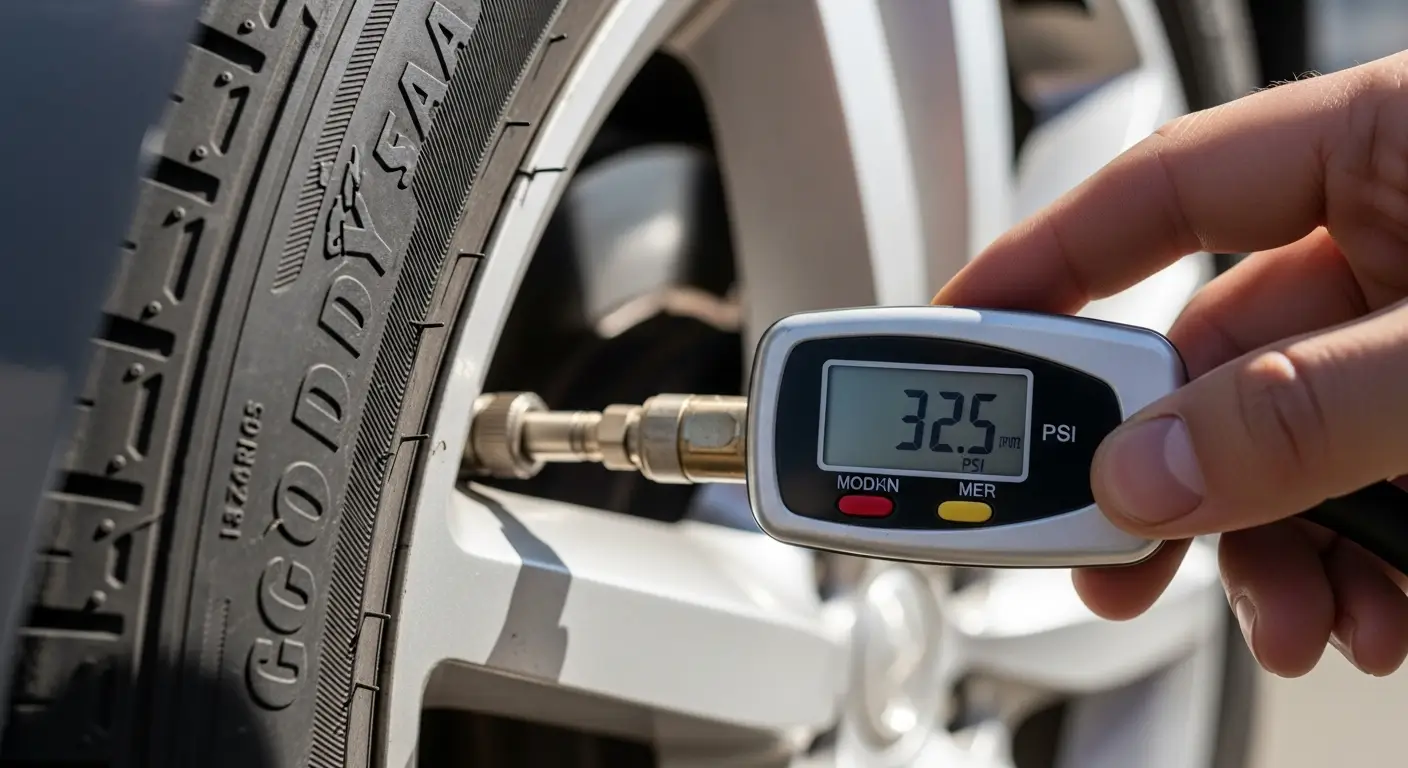
Many drivers check tire pressure only when a tire looks visibly low. This is unreliable because a tire can lose pressure without appearing flat. Temperature changes can also influence pressure readings. Regular measurement with a suitable pressure gauge provides a more accurate picture than relying on appearance.
The recommended pressure is generally listed on the vehicle information label, often located inside the driver’s door area, or in the owner’s manual. The correct figure may differ between front and rear tires depending on the vehicle. Drivers should use the manufacturer’s specified pressure rather than copying the maximum pressure printed on the tire sidewall.
Maintaining proper tire pressure can support even tire wear, stable handling, and predictable steering. If a tire repeatedly loses pressure, the cause should be investigated rather than simply adding air.
A puncture, damaged valve, wheel problem, or bead leak could be responsible. Correct tire pressure should be treated as a basic part of alignment and suspension care.

4. Driving With a Heavy Load
Carrying more weight than the vehicle is designed to handle can place considerable stress on its suspension. Excessive loads compress the suspension and can change the geometry through which the wheels move. A vehicle carrying heavy luggage, equipment, passengers, or other cargo may therefore behave differently from a lightly loaded vehicle.
Suspension geometry is designed around specific operating conditions. Adding excessive weight can increase the load on springs, shock absorbers, bushings, control arms, and other components.
If heavy loads are carried frequently, suspension parts may experience faster wear. Worn components can then make it harder for the vehicle to maintain stable wheel geometry.
The problem can be particularly noticeable when a heavily loaded vehicle travels over potholes or speed breakers. The suspension may have less available travel, meaning impacts can be transferred more sharply through the system. Combining excessive weight with rough roads creates additional stress that can accelerate wear.
Drivers should check their vehicle’s specified load capacity and avoid treating the cabin and trunk as unlimited storage areas. Heavy objects should also be distributed sensibly rather than concentrated heavily at a single point.
Proper weight distribution helps the vehicle remain more stable and allows the suspension to operate more predictably.
If a vehicle regularly carries heavy loads for work, travel, or family use, suspension inspections become especially important. Signs such as excessive rear-end sagging, poor ride quality, unusual tire wear, or reduced steering stability should not be ignored.
A technician can determine whether the suspension remains within acceptable condition and whether an alignment check is necessary.
5. Ignoring Worn Suspension Components
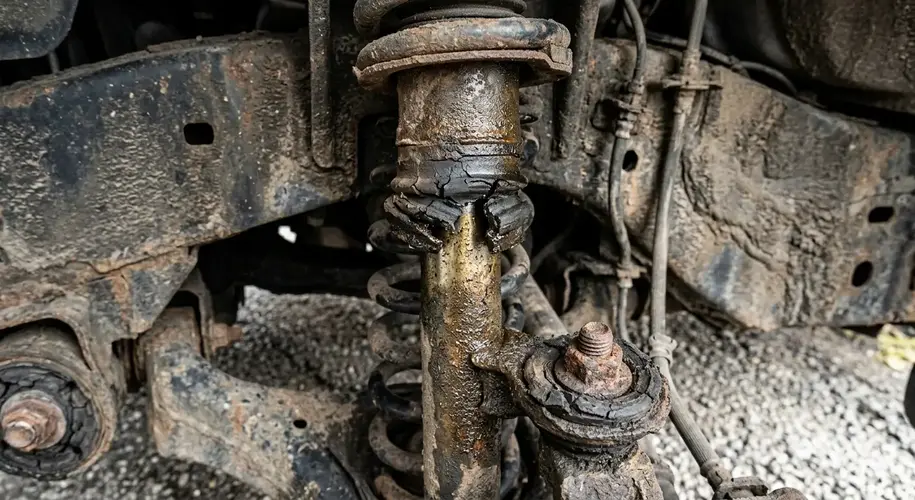
Wheel alignment depends on the condition of the suspension and steering system. A technician can adjust alignment angles accurately, but worn components may prevent those settings from remaining stable.
Components such as tie rods, ball joints, control arm bushings, and wheel bearings can affect how the wheels sit and move.
Worn bushings can allow unwanted movement within the suspension. During acceleration, braking, cornering, or contact with uneven roads, a damaged bushing may permit a component to shift more than intended. This movement can alter wheel positioning while the vehicle is moving, even if the static alignment measurement appears acceptable during a brief inspection.
Tie rods are also important because they connect steering components and help control the direction of the front wheels. Excessive play can make steering feel loose and can contribute to inconsistent wheel positioning.
Ball joints perform a different mechanical function, allowing controlled movement between suspension and steering components. Excessive wear in these parts can affect handling and safety.
Drivers sometimes respond to uneven tire wear by requesting an alignment without addressing worn parts. If a component has excessive play or damage, an alignment may not solve the underlying issue. A professional inspection should identify mechanical problems before final alignment measurements are made.
Regular attention to suspension noises and handling changes can help identify problems earlier. Clunking sounds, loose steering, excessive vibration, uneven tire wear, or unusual movement during braking can indicate a need for inspection.
Repairing worn suspension components before completing a wheel alignment helps the alignment settings remain accurate for longer.
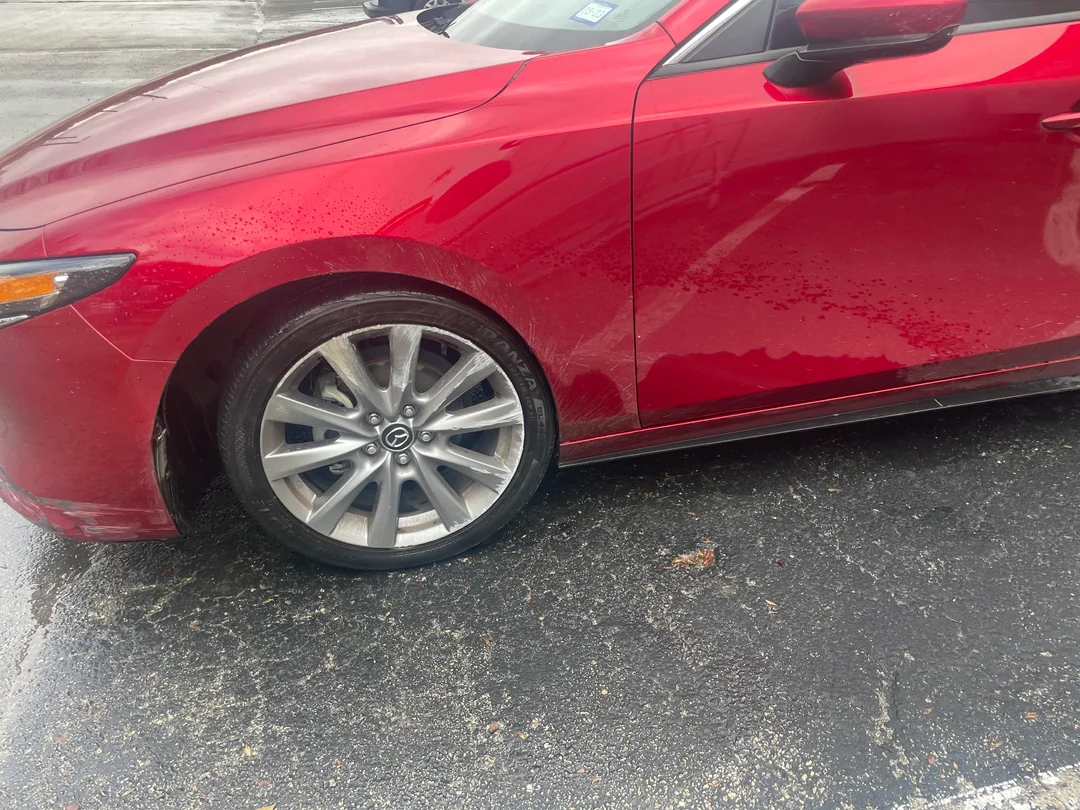
6. Frequently Parking With the Wheels Against the Curb
Regularly hitting or pressing the wheels hard against a curb can contribute to steering and suspension stress. Drivers sometimes roll into a curb while parking and allow the tire to remain pressed firmly against it.
A single gentle contact may not cause significant harm, but repeated impacts can damage tires, wheels, and suspension components.
Curb strikes can be especially problematic when they happen at an angle or while the vehicle is moving quickly. The sidewall of the tire can receive a sharp impact, while the wheel may suffer bending or cracking. The force can also travel through steering and suspension components.
A bent wheel can create vibration and may make the vehicle feel unstable. It can also produce an air leak if the wheel’s sealing surface has been damaged. In some cases, a driver may focus on the tire because it appears damaged while overlooking a wheel or suspension problem.
Good parking technique reduces unnecessary impacts. Drivers should approach curbs slowly and leave a small amount of space rather than repeatedly pushing the tire against the curb.
When parallel parking, careful steering and low vehicle speed help reduce the chance of striking the curb with force.
After a strong curb impact, inspect the tire sidewall and wheel for visible damage. If the steering wheel position changes, the car begins pulling, or vibration develops, an inspection is sensible. Alignment measurements can determine whether the wheel angles remain within the manufacturer’s specified range.

7. Driving Aggressively on Rough Roads
Aggressive driving on rough roads places repeated loads on the entire suspension system. Accelerating hard over broken pavement, braking suddenly near potholes, and making abrupt steering movements can increase the forces experienced by the wheels and suspension.
The suspension is designed to maintain tire contact with the road while absorbing bumps and controlling vehicle movement. It performs this work through springs, dampers, control arms, bushings, and other components. Rough-road driving at high speed gives these components less opportunity to absorb impacts smoothly.
Repeated harsh impacts may contribute to premature wear. Once bushings, joints, or other parts develop excessive movement, the wheel can become less stable. The resulting change may eventually show up as uneven tire wear or steering irregularities.
A smoother driving style is particularly valuable on roads with broken surfaces. Reducing speed gives the suspension more time to respond to bumps. Maintaining a controlled line through damaged pavement also reduces unnecessary steering corrections and sudden loading.
Drivers who frequently use poor-quality roads should pay closer attention to alignment symptoms. Tire wear should be inspected periodically, and unusual steering behavior should not be dismissed as a normal consequence of road conditions. Small changes can provide an early warning that the suspension or alignment needs attention.
8. Neglecting Uneven Tire Wear
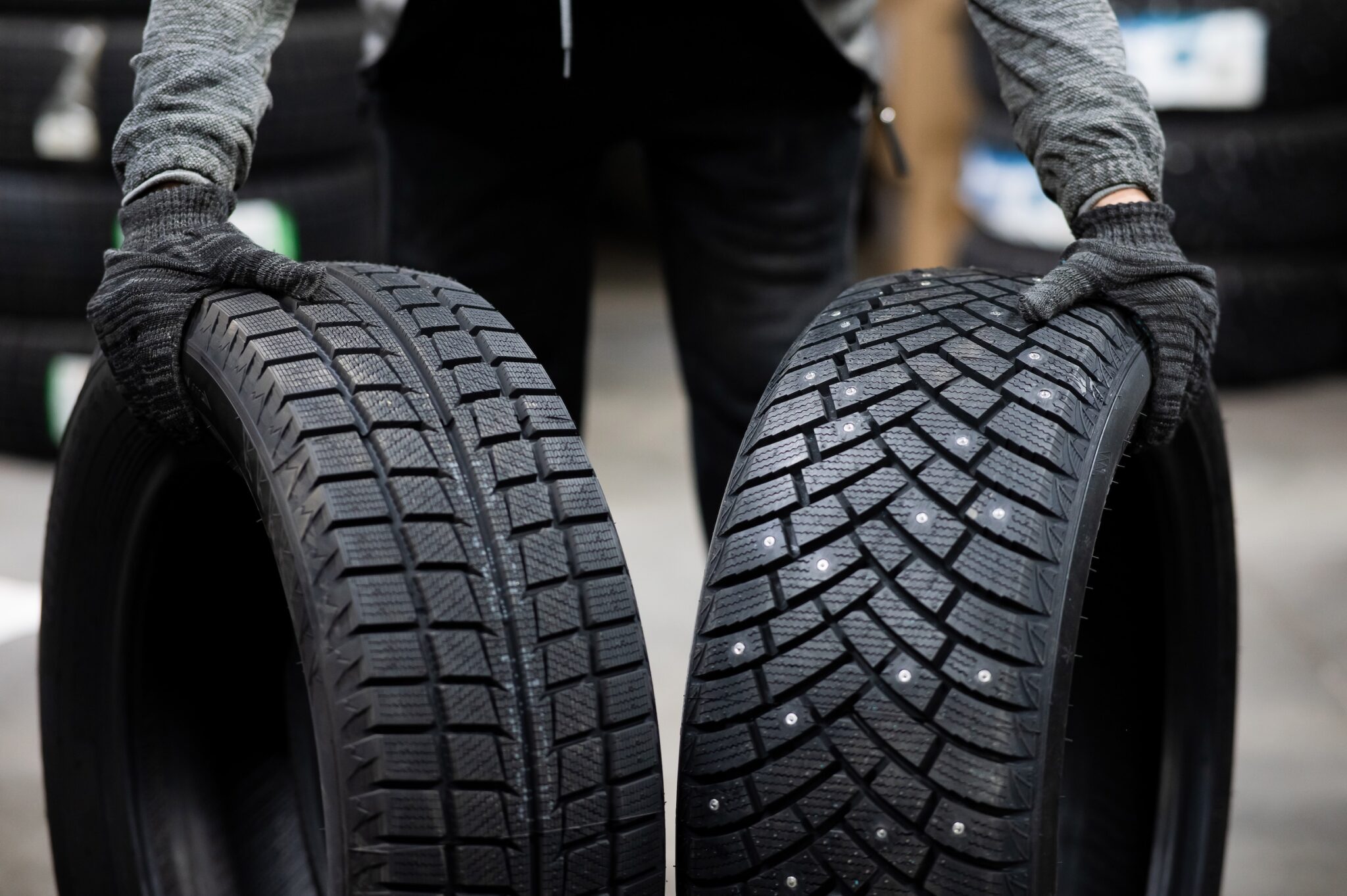
Uneven tire wear is not merely a tire problem. It can be an indication that the wheels are not positioned correctly or that a suspension component is allowing abnormal movement. Ignoring the pattern can result in accelerated tire wear and may allow an underlying mechanical problem to continue.
Different wear patterns can provide useful clues. Excessive wear along an inner or outer edge may be associated with alignment or suspension conditions. Feathering across the tread can also indicate an issue involving wheel positioning. However, tire wear patterns should not be used alone to diagnose a specific fault because pressure, rotation, tire construction, road conditions, and suspension condition can also influence wear.
