

A power steering pump makes driving easier by supplying hydraulic pressure that helps the steering system respond smoothly. Yet many drivers unknowingly shorten its life through simple habits that place unnecessary stress on the pump.
Ignoring fluid levels, holding the steering wheel against its limit, using the wrong fluid, and overlooking leaks can gradually cause serious damage. Some problems develop slowly, while others can turn into expensive repairs without much warning.
Understanding these common mistakes can help protect the pump, improve steering performance, and reduce maintenance costs. A few sensible driving and maintenance habits can make a significant difference over time.
1. Driving With Low Power Steering Fluid
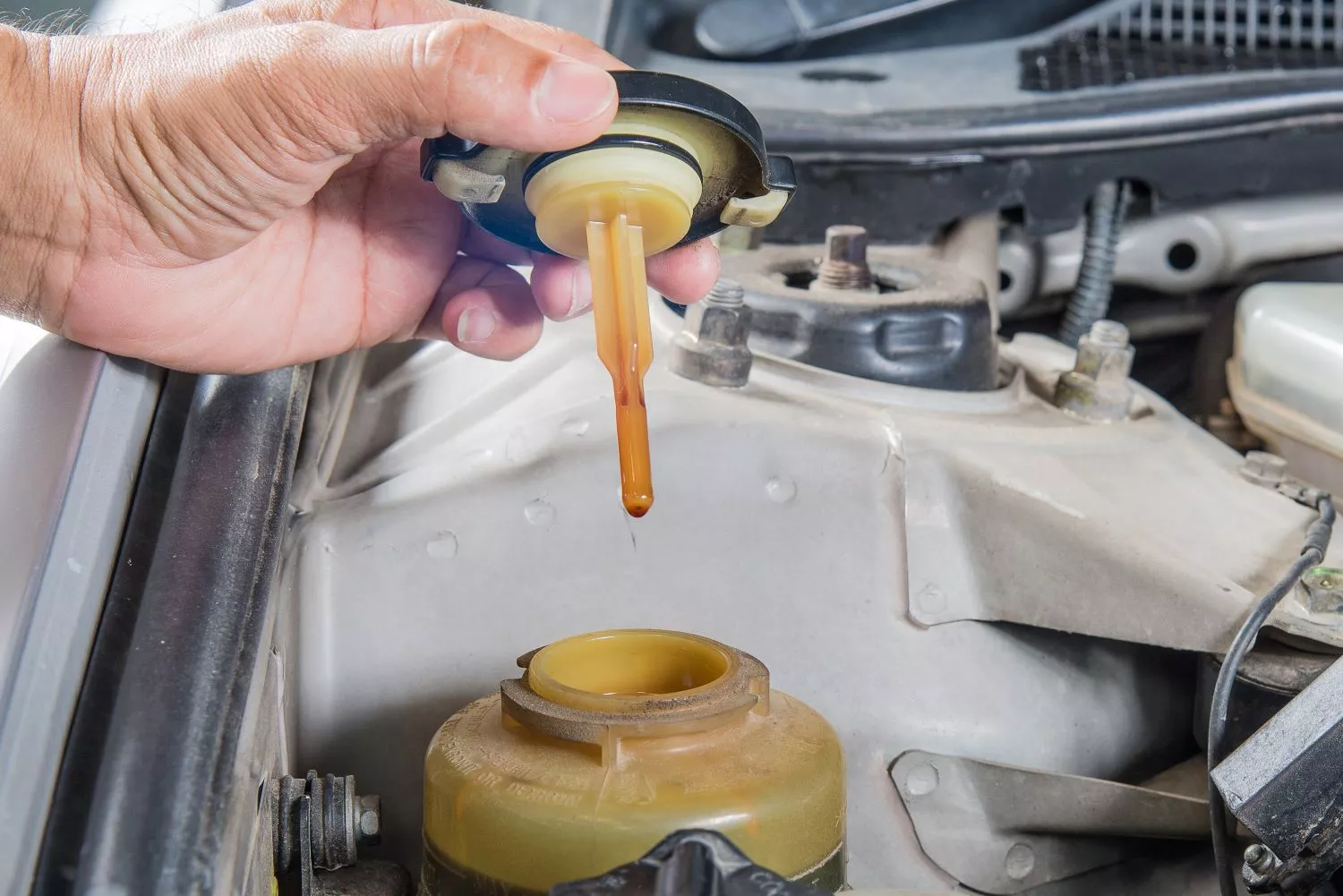
Low power steering fluid is a common problem that can put significant strain on a hydraulic steering pump. The fluid transfers pressure through the system and also helps lubricate internal components.
When the level drops too far, the pump may not receive enough fluid to operate properly. This can cause increased friction, poor lubrication, and abnormal operating temperatures.
A driver may notice a whining or groaning noise when turning the steering wheel. Steering can also become heavier, particularly during parking or low-speed maneuvers. These symptoms should not be treated as normal. They can indicate that the pump is working harder than it should and may eventually suffer internal wear.
Low fluid is often a symptom rather than the actual problem. A leak from a hose, seal, reservoir, steering rack, or pump can gradually reduce the fluid level. Simply adding more fluid without finding the source may temporarily improve the situation while allowing the underlying fault to continue.
Checking the power steering reservoir periodically is a simple preventive habit. The fluid should normally sit between the marked minimum and maximum levels when checked according to the vehicle manufacturer’s instructions. If the level repeatedly falls, the vehicle should be inspected for leaks rather than continually topped up.
Keeping the correct fluid level protects hydraulic components and helps the pump maintain consistent pressure. Drivers should pay attention to changes in steering feel and unusual noises as well. Addressing low fluid early is usually far less complicated than replacing a damaged pump and dealing with related steering-system repairs.

2. Holding the Steering Wheel at Full Lock
Turning the steering wheel completely to one side and holding it there can place considerable pressure on a hydraulic power steering system. At full lock, hydraulic pressure can rise sharply because the steering mechanism has reached its travel limit. Keeping the wheel in this position forces the pump to work against high resistance.
Many drivers develop this habit while parking or making tight turns. They may turn the steering wheel fully and continue holding it there while waiting for the vehicle to move. A brief moment at full lock may be allowed by the vehicle design, but continuously maintaining that position creates unnecessary hydraulic load.
The increased pressure can cause the fluid and pump to operate under greater stress. Heat can build up within the hydraulic system, especially when the steering is held against its stop repeatedly.
Excessive heat can affect fluid condition and contribute to deterioration of seals and internal components.
A better technique is to release the steering wheel slightly once the vehicle reaches full steering angle. This reduces pressure while still keeping the vehicle in the desired position. The same principle applies during parking, tight U-turns, and maneuvering in confined areas.
Changing this small driving habit can reduce unnecessary stress on the power steering pump. It is particularly useful for drivers who spend a lot of time in urban traffic or frequently perform tight parking maneuvers. Smooth steering inputs are generally kinder to hydraulic steering components than keeping the system under maximum pressure.
3. Ignoring Power Steering Fluid Leaks
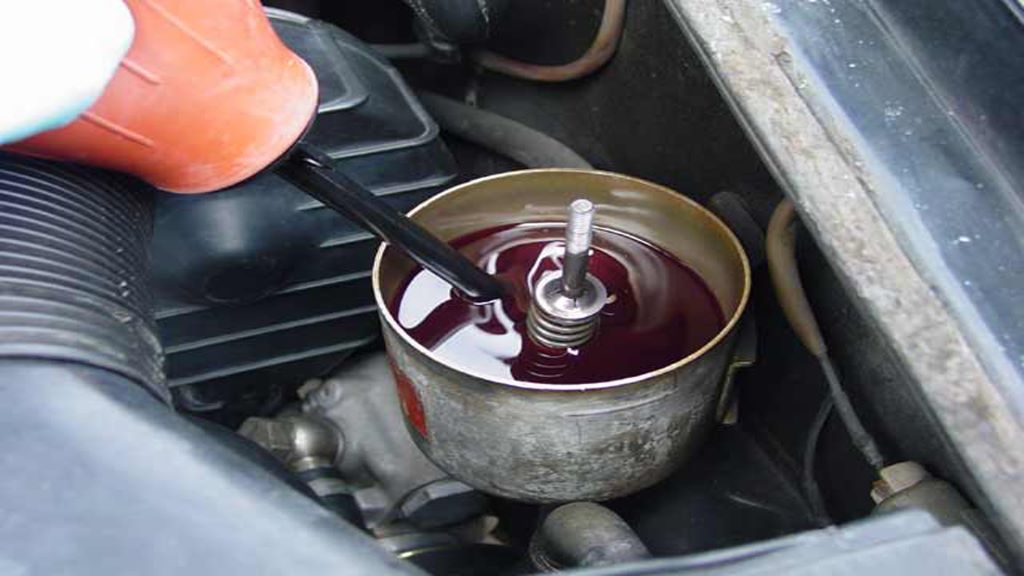
A power steering leak can begin as a small problem and become a major mechanical issue if ignored. Fluid may escape from a damaged hose, loose connection, worn seal, reservoir, steering rack, or pump. The leak might initially leave only a small spot beneath the vehicle, making it easy to dismiss.
As fluid continues to escape, the pump has less hydraulic fluid available for circulation. Eventually, the fluid level can become low enough to cause aeration or inadequate lubrication. The pump may then produce a whining sound as it struggles to operate normally.
Leaks can also allow air to enter the hydraulic system. Air bubbles interfere with smooth hydraulic operation and may create noise, inconsistent steering assistance, or foaming in the reservoir. Continuing to drive under these conditions can increase wear on the pump.
A wet area around steering components should therefore receive attention. Fluid on the ground is not something that should automatically be attributed to engine oil or another vehicle system. Identifying the fluid and tracing its source can prevent a relatively small leak from turning into a larger repair.
Regularly checking beneath the vehicle and around the power steering components can help detect problems early. If the reservoir requires frequent refilling, there is a strong possibility that fluid is escaping somewhere. Finding and repairing the leak protects the pump and helps maintain reliable steering assistance.
4. Using the Wrong Power Steering Fluid
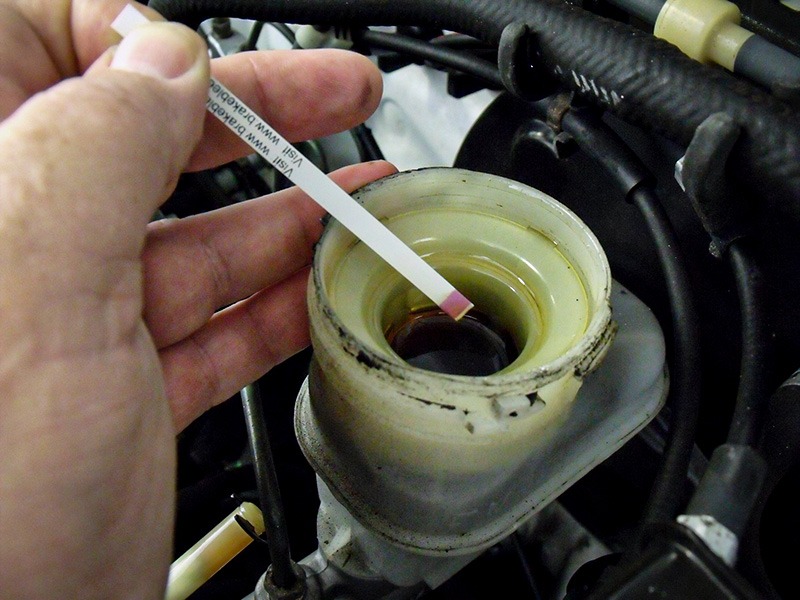
Power steering systems are designed to operate with specific hydraulic fluids. Using an incorrect product can affect lubrication, seal compatibility, viscosity, and system performance. A fluid that looks similar to the recommended product may not have the properties required by a particular steering system.
Some vehicles require a dedicated power steering fluid, while others may specify automatic transmission fluid or a manufacturer-specific hydraulic fluid. The correct specification should come from the vehicle owner’s manual or an appropriate service reference for that vehicle.
Mixing incompatible fluids can also create problems. Different formulations may contain additives designed for particular seals and hydraulic components. If incompatible products are combined, the resulting fluid may not provide the intended protection or operating characteristics.
The consequences may not appear immediately. Steering may initially feel normal after the wrong fluid is added, while seals and internal components gradually experience unsuitable conditions. Noise, leakage, stiff steering, or premature pump wear can eventually follow.
Before adding fluid, checking the specified type is essential. If the wrong fluid has already been installed, the appropriate repair procedure depends on the vehicle and the fluid used. In some situations, draining and replacing the fluid correctly may be necessary. Correct fluid selection is a small maintenance detail with major importance for pump longevity.
5. Ignoring Whining or Groaning Noises
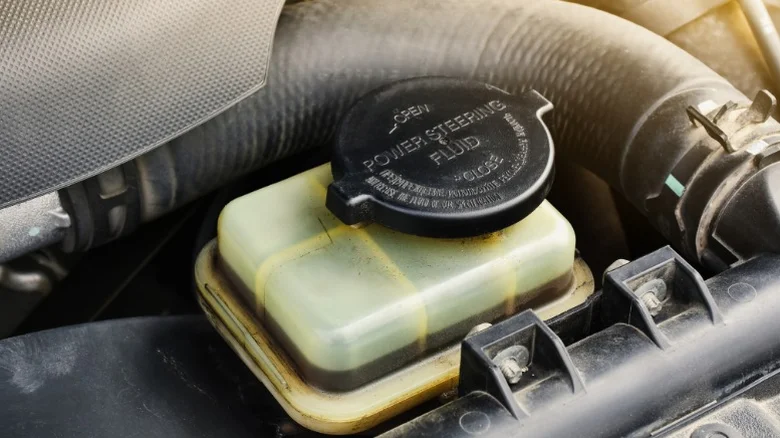
Unusual noises from the power steering system should not be ignored. A whining, humming, or groaning sound that changes when the steering wheel is turned can indicate a problem with fluid level, air in the system, belt operation, or pump condition.
Some drivers become accustomed to gradually increasing noises and assume they are simply part of an older vehicle. This can allow a minor issue to continue until the pump becomes significantly damaged. A noise that appears during steering deserves attention, particularly if it is new or becoming louder.
Low fluid is a frequent cause of power steering noise. When the pump draws insufficient fluid, air can enter the hydraulic circuit. The resulting aeration can produce a characteristic whining sound and may interfere with smooth pressure generation.
A worn belt, pulley, bearing, or related component can also produce sounds that resemble a failing pump. That is why replacing the pump immediately based only on noise can lead to unnecessary expense. Proper diagnosis should identify the actual source before parts are replaced.
Paying attention to changes in sound is a valuable maintenance habit. If steering noise appears suddenly, checking the fluid level and arranging an inspection can help prevent further damage. Early diagnosis gives the pump a better chance of receiving the correct repair before internal wear becomes severe.

6. Driving Through Deep Water Without Checking the System
Water can affect several components associated with the power steering system. Depending on the vehicle design, belts, pulleys, electrical connections, and other components may be exposed to water during heavy rain or deep puddles.
Driving through deep water at speed can cause water to splash into areas that normally remain relatively dry. A wet drive belt may slip temporarily, producing noise or reducing the pump’s ability to operate correctly. Repeated exposure can also contribute to belt deterioration.
Floodwater can contain dirt, mud, chemicals, and other contaminants. If contaminated water reaches vulnerable components, it may accelerate corrosion or interfere with mechanical operation. This is especially relevant after driving through unusually deep standing water.
Drivers should avoid water that is deeper than the vehicle is designed to handle. If a vehicle has been through significant flooding, checking the steering system and other mechanical components is sensible before returning to normal driving.
Water exposure does not automatically mean the power steering pump has been damaged. However, ignoring unusual noises or steering changes after driving through deep water can allow a developing problem to continue. A quick inspection can identify belt problems, leaks, contamination, or other faults before they become expensive.
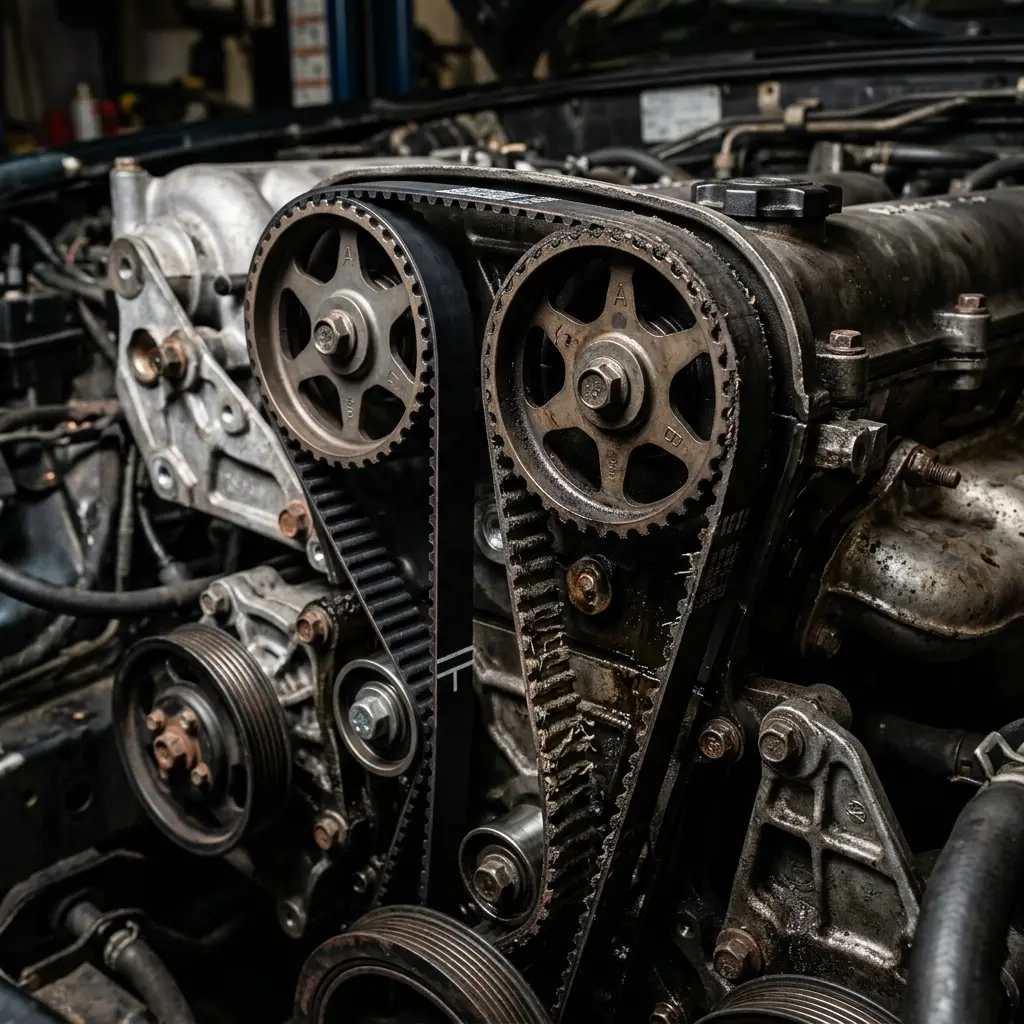
7. Neglecting the Drive Belt
Many hydraulic power steering pumps rely on an engine-driven belt to turn the pump pulley. If that belt becomes loose, worn, cracked, contaminated, or incorrectly tensioned, the pump may not operate at the required speed.
A slipping belt can create a squealing or chirping sound, particularly when the steering wheel is turned. Since turning the steering system increases the pump’s workload, belt problems may become more noticeable during parking or low-speed maneuvers.
A damaged belt can also affect other accessories if it is part of a shared serpentine belt system. Depending on vehicle design, the same belt may operate the alternator, air-conditioning compressor, water pump, or other accessories.
Ignoring belt wear can therefore create consequences beyond power steering. A belt that breaks may suddenly stop the pump from providing hydraulic assistance. In some vehicles, other critical accessories can also be affected.
Checking belt condition during routine maintenance is a practical preventive measure. Cracks, fraying, glazing, unusual looseness, or persistent squealing should be investigated. Replacing a worn belt is generally much simpler than dealing with a pump problem caused by prolonged belt issues.

8. Continuing to Drive With Heavy Steering
Heavy steering is a warning sign that should receive attention rather than being treated as a normal characteristic of the vehicle. A sudden increase in steering effort can result from low fluid, belt problems, pump failure, steering rack issues, or other mechanical faults.
Continuing to drive while steering assistance is reduced can increase the workload on the driver and may place additional stress on components. If the pump is struggling to generate pressure, continued operation can worsen existing internal wear.
Some drivers compensate for heavy steering by applying greater force to the wheel. This does not solve the underlying mechanical problem. It simply allows the vehicle to continue operating while the fault remains unresolved.
Heavy steering can also create a safety concern because steering response may feel different from normal. The driver may need substantially more effort during parking, turning, or emergency maneuvers. The cause should therefore be identified promptly.
If steering becomes noticeably heavier than usual, checking the fluid and belt can be an initial step where appropriate. If the problem remains, professional diagnosis is advisable. Ignoring the symptom can turn a repairable hydraulic problem into a damaged pump or a broader steering-system repair.

9. Skipping Routine Fluid Maintenance
Power steering fluid does not necessarily remain in perfect condition throughout the entire life of a vehicle. Over time, heat, friction, contamination, and normal system operation can change the condition of hydraulic fluid.
Old fluid may become darker or develop an unusual smell. Contaminants can circulate through the hydraulic system and potentially contribute to wear in precision components. The pump relies on clean fluid for proper lubrication and hydraulic operation.
Maintenance requirements vary between vehicles. Some manufacturers specify inspection intervals, while others provide particular replacement recommendations. Drivers should follow the service information appropriate to their vehicle instead of applying a universal fluid-change schedule.
Replacing fluid incorrectly can also cause problems. The system may require a particular bleeding procedure to remove air after service. If air remains trapped inside, the pump may become noisy and hydraulic operation may be inconsistent.
Routine inspection and appropriate fluid service can help maintain system performance. The important point is to follow the vehicle’s specified maintenance procedure and use the correct fluid. Preventive maintenance is particularly useful for vehicles that experience frequent short trips, heavy traffic, high temperatures, or demanding steering conditions.

10. Ignoring Small Steering Problems
Small steering problems often provide useful warning signs before a major failure develops. A slight noise, minor fluid leak, intermittent stiffness, or unusual steering feel may indicate that a component needs attention.
Ignoring these symptoms allows the vehicle to continue operating under abnormal conditions. If a pump is losing fluid or developing internal wear, continued driving may increase the damage and raise the eventual repair cost.
Another problem is assuming that an occasional symptom does not matter. Mechanical faults can be intermittent during their early stages. A pump might operate normally when the engine is cold and become noisy after the fluid reaches operating temperature.
Keeping track of when symptoms occur can help with diagnosis. Drivers can note whether noise appears during cold starts, tight turns, parking, acceleration, or after extended driving. These details can help a technician distinguish between possible causes.
Prompt attention to small problems is one of the simplest ways to protect a power steering pump. A vehicle does not need to wait until steering assistance disappears completely before receiving an inspection. Early diagnosis can reduce component damage, prevent inconvenient breakdowns, and keep steering performance consistent.
