
Faded black trim can make a vehicle look older and less cared for, even when the paint and interior remain in good condition. Exterior plastic trim loses its deep color because of sunlight, heat, weather, road grime, and repeated washing. Fortunately, you do not always need to replace faded trim to improve its appearance.
Several cleaning, restoration, and protection methods can help restore a darker finish. The right approach depends on the type of plastic, the level of fading, and how long you want the result to last. This guide covers twelve practical ways to bring faded black trim back to black safely.
1. Clean the Trim Thoroughly Before Restoring It
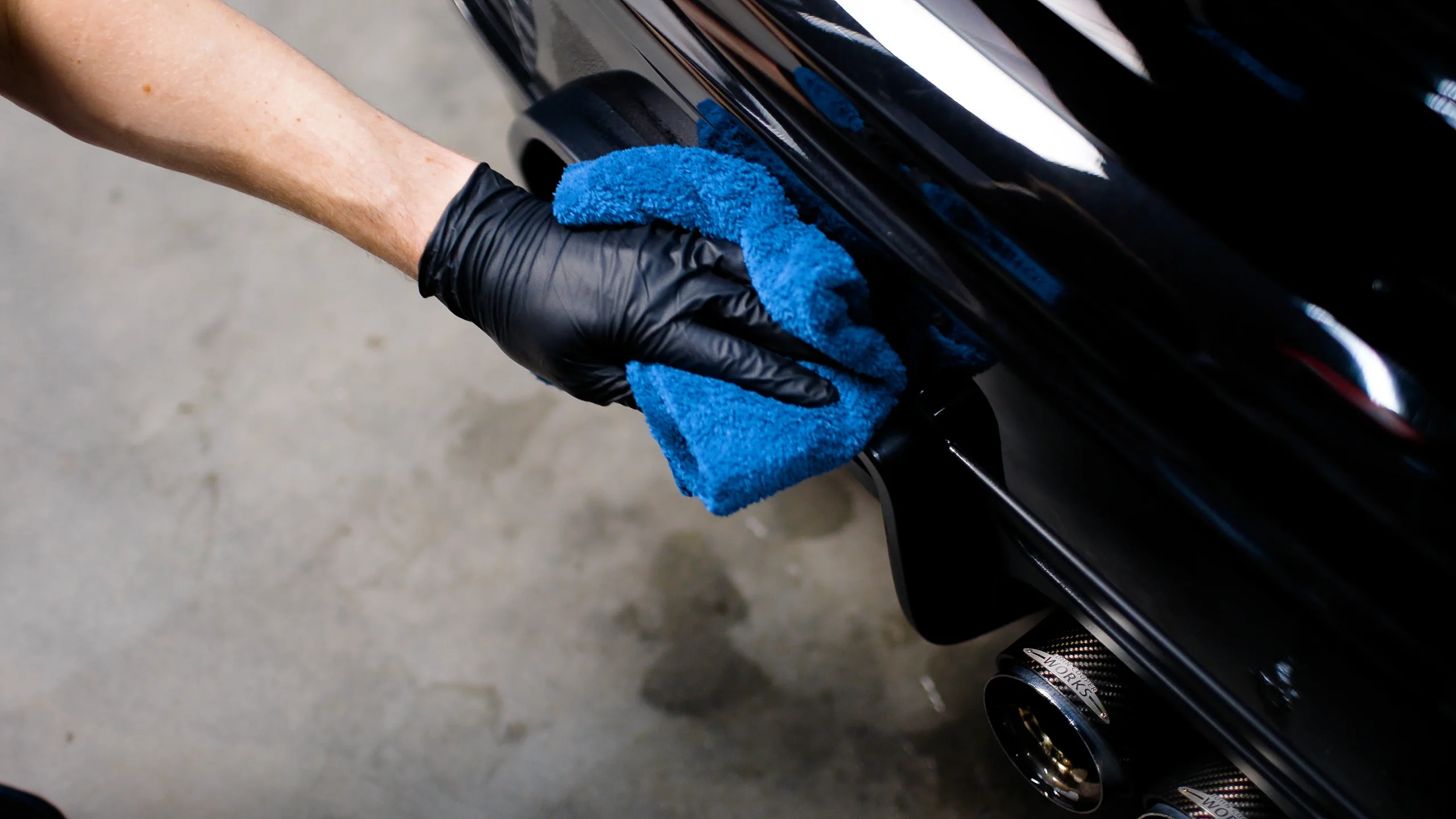
Before applying any restoration product, wash the faded black trim thoroughly. Dirt, road film, wax residue, grease, and other contaminants can sit inside the texture of exterior plastic. Applying a dressing over this buildup may temporarily make the surface darker, but the finish can become uneven as the residue moves or washes away.
Use a mild automotive car wash soap with water and a soft detailing brush or microfiber cloth. Work the cleaner into textured areas where dirt tends to collect. Avoid using an aggressive household cleaner unless its label specifically states that it is suitable for automotive plastic.
After washing, rinse the trim carefully and dry it with a clean microfiber towel. Inspect the surface in good lighting. Some trim may appear significantly darker once surface grime has been removed.
If the plastic still looks gray or chalky after cleaning, the fading is probably caused by ultraviolet exposure and surface oxidation rather than simple dirt. That means you will need a restoration treatment rather than another round of washing.
Cleaning is also important because many trim restoration products work best on a dry, residue-free surface. Skipping this preparation step can shorten the life of the treatment and make the final appearance less consistent.
2. Use a Dedicated Plastic Trim Restorer
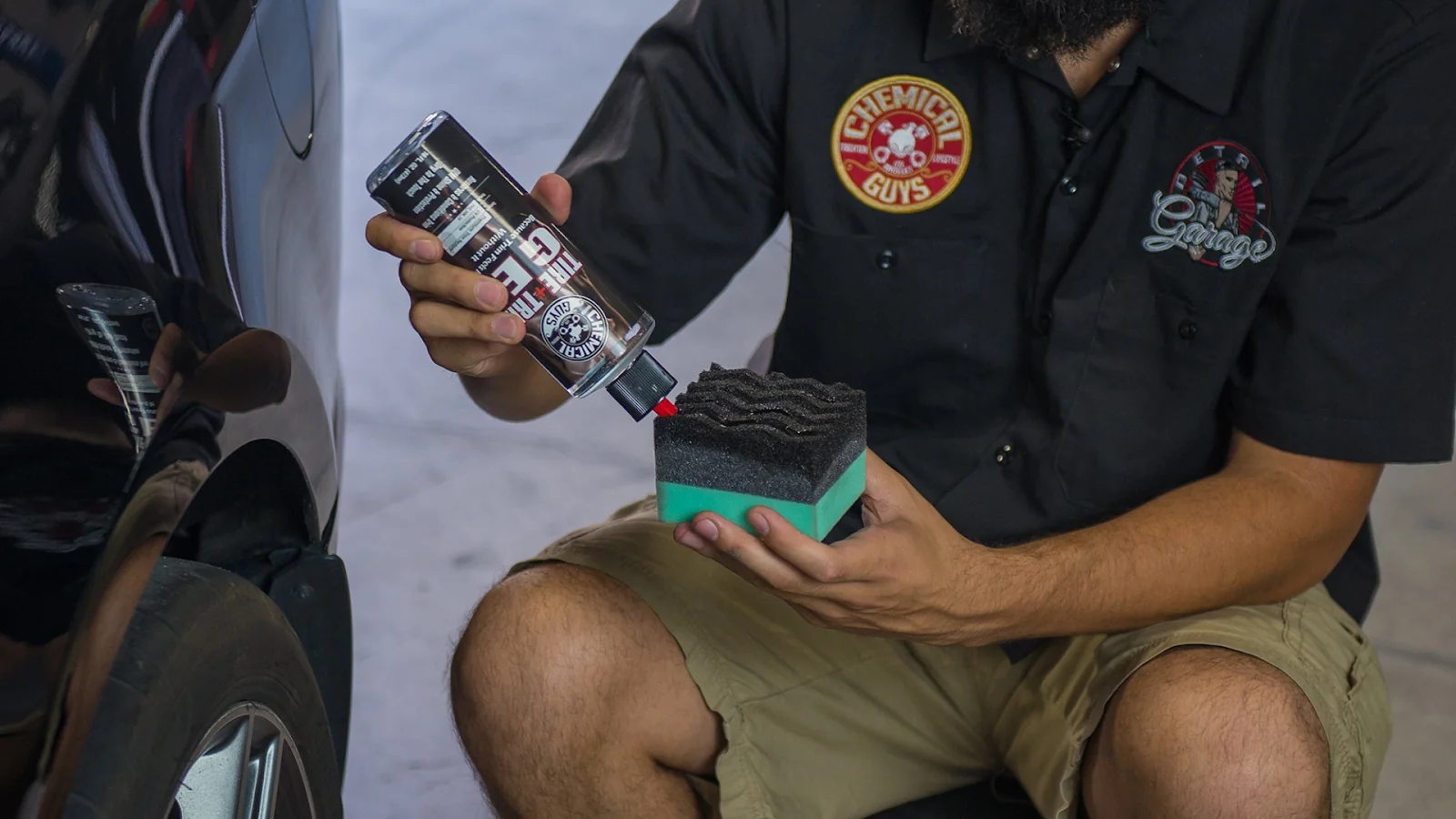
A dedicated plastic trim restorer is designed specifically for faded exterior plastics. These products generally contain oils, polymers, or other ingredients that darken the appearance of weathered plastic while adding some protection against moisture and environmental exposure.
Apply the product according to the manufacturer’s directions. Most restorers should be spread evenly across clean, dry trim using a foam applicator or microfiber pad. Work in small sections so you can control the amount of product being used.
Do not assume that applying more product will produce a better result. Excess material can leave a greasy appearance, attract dust, or create streaks when exposed to rain. A thin, even layer usually provides a cleaner finish.
Allow the restorer to sit for the recommended period before wiping away excess product. Pay attention to edges and textured areas because product can collect in small grooves and leave visible spots.
A quality trim restorer can provide a noticeable improvement without requiring specialized equipment. Its longevity varies according to the product, weather exposure, washing habits, and condition of the plastic.
3. Try a Water-Based Trim Dressing
Water-based trim dressings provide another option for restoring the dark appearance of faded plastic. They are commonly used by detailers because they can provide a clean finish without the heavy, oily appearance associated with some traditional dressings.
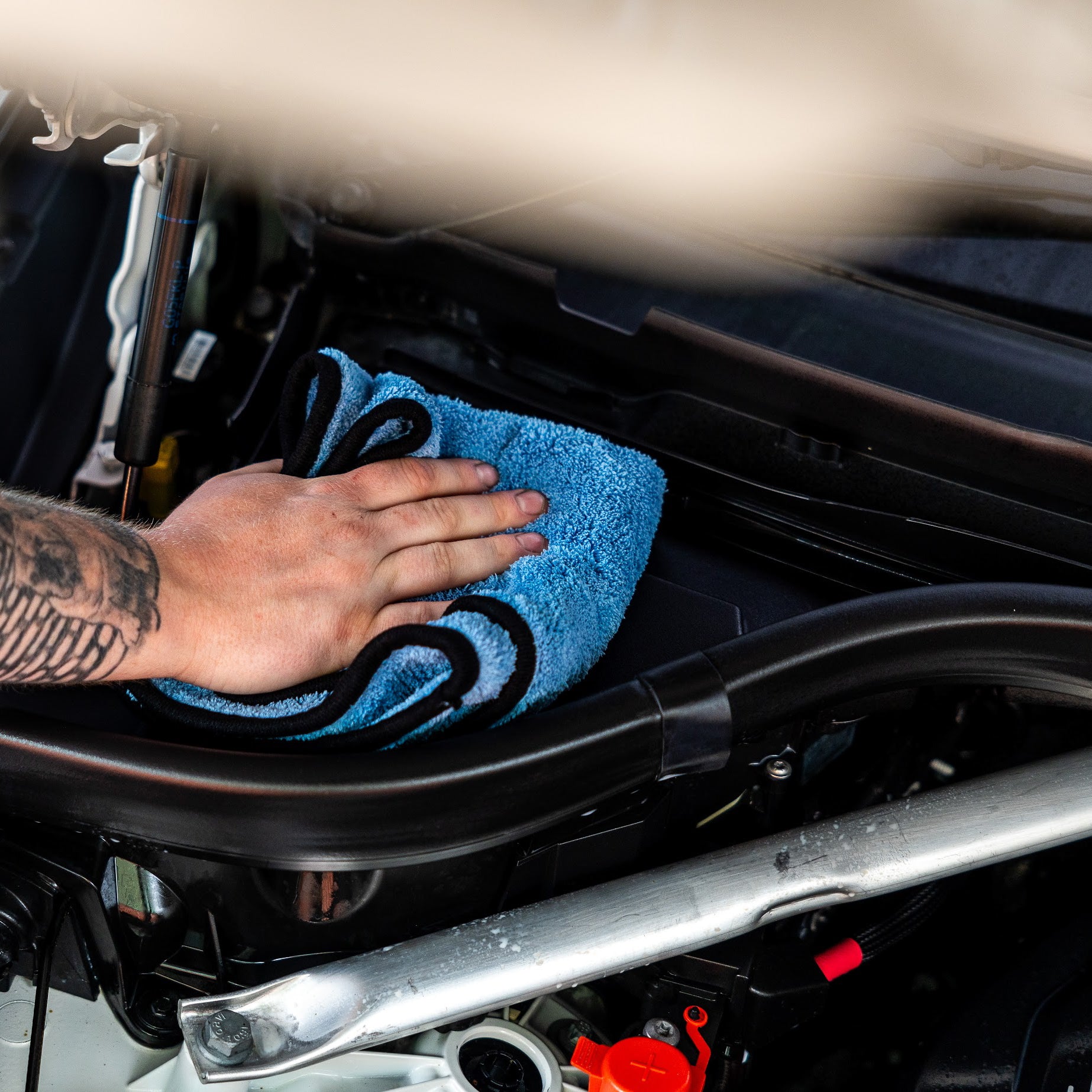
Start with completely clean and dry trim. Apply a small amount of dressing to an applicator rather than spraying a large quantity directly onto the vehicle. This gives you better control around painted panels, glass, lights, and rubber seals.
Spread the dressing evenly across the plastic. Textured trim may require gentle brushing or several passes to distribute the product properly. Wipe away excess material with a clean microfiber towel.
Water-based dressings are often useful when you want a natural-looking finish rather than a glossy appearance. The final effect can range from satin to moderately dark depending on the formula and the condition of the plastic.
Keep in mind that dressings are usually maintenance products rather than permanent restoration solutions. Rain, washing, sunlight, and repeated exposure can gradually reduce their effect, so regular reapplication may be necessary.
4. Use a Heat Gun Carefully
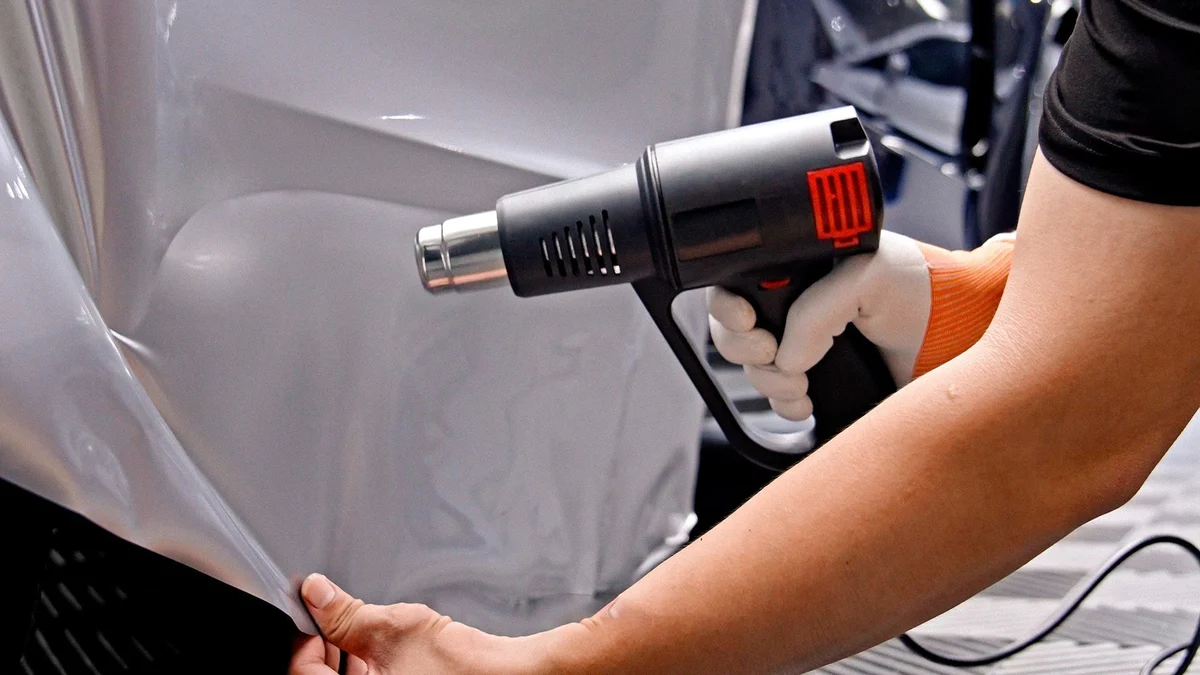
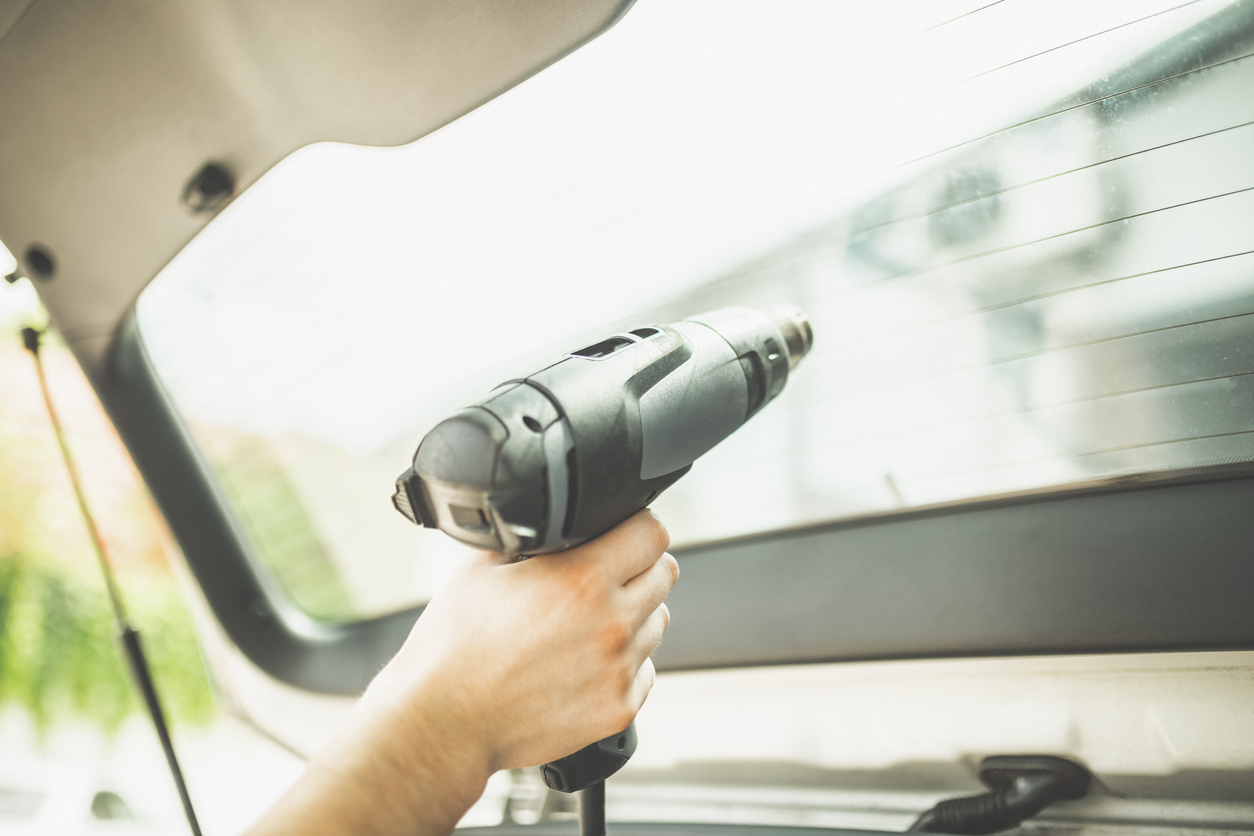
A heat gun can sometimes darken severely faded black plastic by carefully warming the surface. Heat may cause certain plastics to regain some of their original darker appearance by changing the surface layer.
This method requires considerable caution. Too much heat can permanently damage plastic, create shiny patches, warp trim, or produce an uneven finish. It should never be treated as a quick process where high heat is concentrated in one location.
If attempting this technique, use a controlled low-temperature setting and keep the heat gun moving constantly. Maintain a safe distance from the plastic and work slowly across a small area.
Watch the surface continuously. If the plastic begins changing appearance rapidly, stop and allow it to cool. Practicing on an inconspicuous section first can help you understand how the material reacts.
Heat restoration may produce an impressive visual change on certain plastics, but results vary considerably. It is better suited to experienced DIY detailers who understand how different automotive plastics respond to heat.
5. Apply a Trim Ceramic Coating
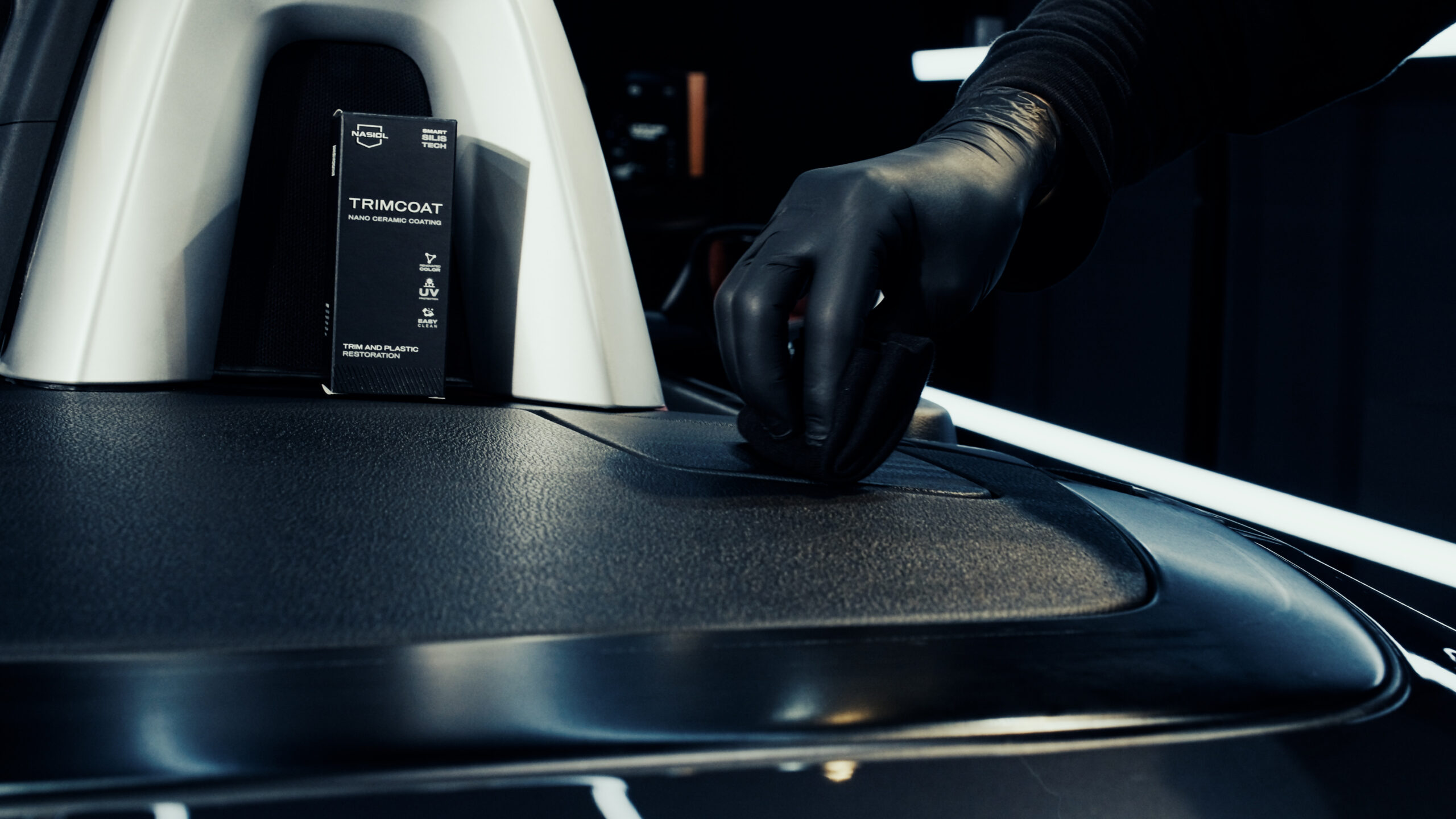
Trim ceramic coatings are designed to provide longer-lasting protection than conventional dressings. These coatings can darken faded plastic while creating a protective layer over the surface.
Preparation is especially important with ceramic coatings. The plastic should be washed, dried, and free from oils and old dressing residues. Some products may also require a specific preparation solution before application.
Apply the coating in small sections using the applicator supplied with the product. Follow the manufacturer’s instructions carefully because curing times and application methods vary between formulations.
After application, inspect the trim for high spots or uneven areas. Excess coating that is not leveled properly can leave visible marks. Avoid allowing the product to contact surfaces where it is not intended to be used.
A trim coating can help reduce the frequency of restoration treatments and provide resistance to water, dirt, and environmental exposure. It is particularly useful for vehicles that spend significant time outdoors.
6. Use an Automotive Plastic Dye
When plastic is severely faded, an automotive plastic dye may offer a more substantial cosmetic change. Unlike a dressing that mainly changes the surface appearance temporarily, a dye is intended to recolor the plastic.
Choose a product specifically formulated for automotive plastics and follow its preparation instructions carefully. The surface generally needs to be extremely clean because grease, silicone, and old dressing can interfere with adhesion.
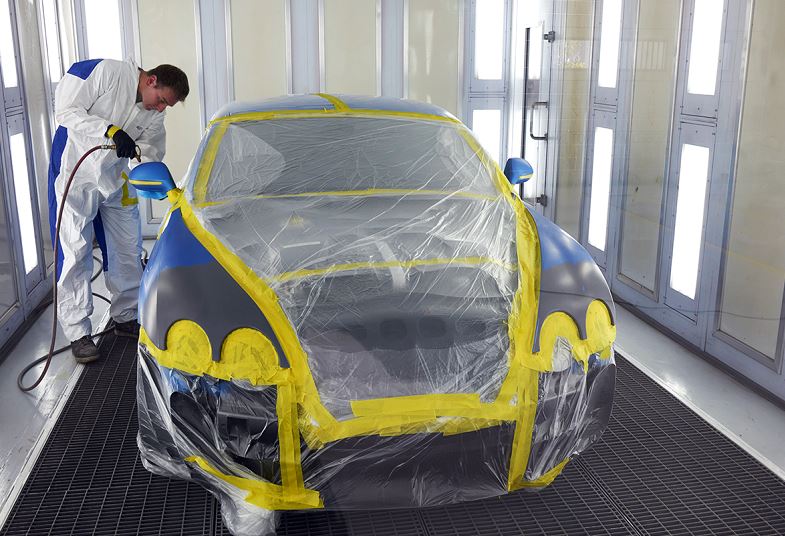
Mask surrounding paint, glass, metal, and rubber components before application. Dye products can permanently stain surfaces that are not protected. Good preparation is essential for achieving sharp edges and an even finish.
Apply the dye in controlled coats rather than trying to cover the surface with a heavy application. Multiple light coats can provide more consistent coverage and reduce the possibility of runs or uneven coloration.
Plastic dye can be useful when trim has become heavily gray or blotchy. However, it requires more preparation and care than a simple dressing, making it a better choice for significant restoration projects.
7. Restore the Trim With a Polymer-Based Product
Polymer-based trim restorers are formulated to bond to plastic surfaces and provide a darkened appearance with some resistance to washing and weather. They can be a practical middle ground between short-term dressings and more involved coating systems.
Before application, clean the plastic carefully and allow it to dry completely. Any remaining moisture can interfere with even coverage and cause the product to spread unpredictably.
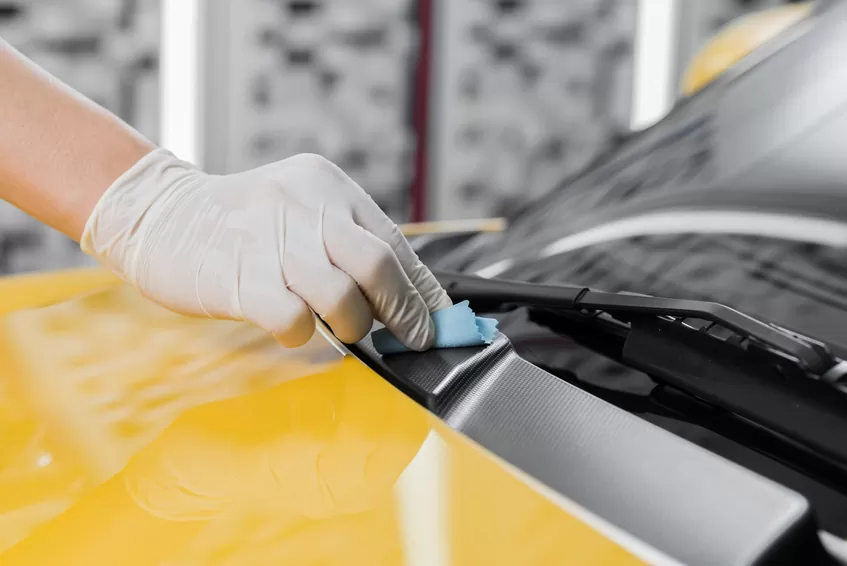
Use an applicator pad to distribute a thin layer. Work methodically from one section to the next, keeping the amount of product consistent across the entire trim piece.
After applying the product, follow its recommended curing time. Avoid washing the vehicle immediately if the instructions call for a longer period before water exposure.
Polymer products can work particularly well on textured bumpers, mirror surrounds, grille components, door moldings, and other unpainted plastic pieces. Their durability depends heavily on preparation and environmental conditions.
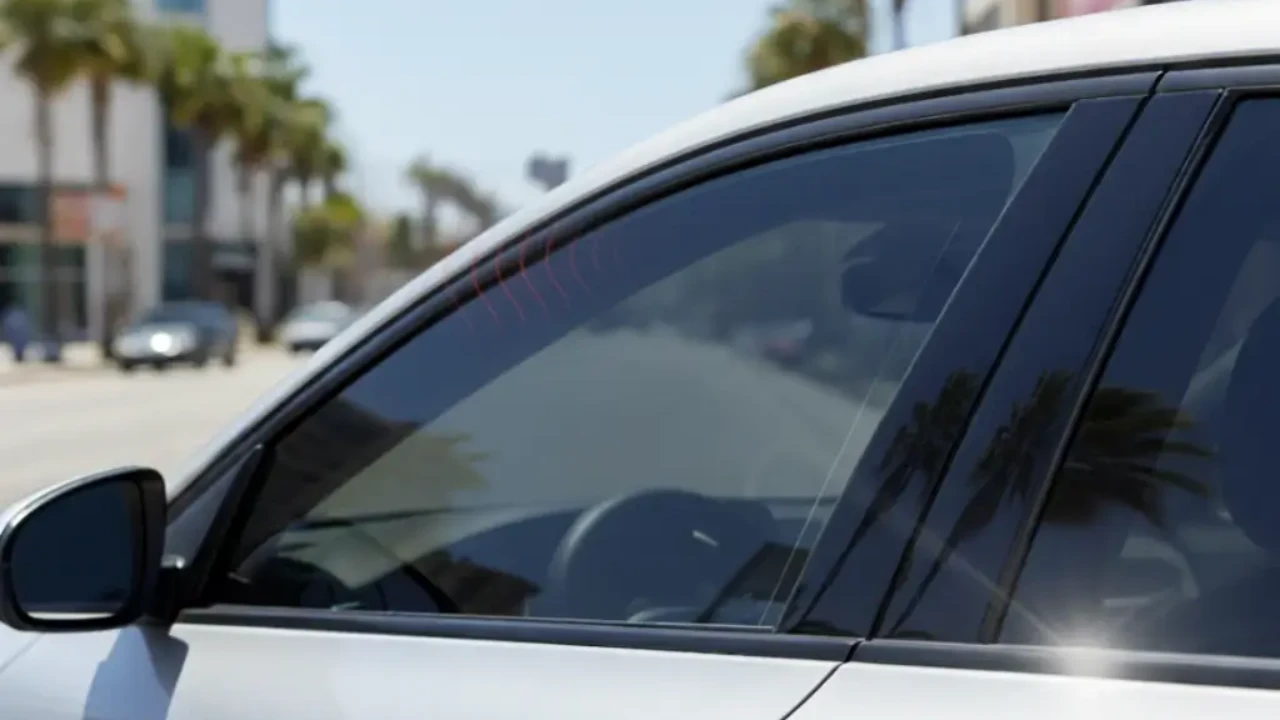
8. Try an Automotive Trim Restorer With UV Protection
Ultraviolet radiation is a major contributor to fading on exterior black plastic. A trim restorer containing UV protection can therefore address both appearance and future exposure.
Look for products that specifically mention UV resistance or protection for exterior automotive plastics. Such formulas are intended to help maintain the darker appearance after restoration.
Clean the trim before applying the product. This removes contamination that could prevent the treatment from contacting the plastic evenly.
Apply the product according to its instructions and allow it to cure properly. Avoid applying it under intense direct sunlight unless the manufacturer specifically permits it.
UV protection is particularly valuable for vehicles that remain parked outdoors for long periods. Even a freshly restored surface can fade again if it receives continuous sunlight without adequate protection.
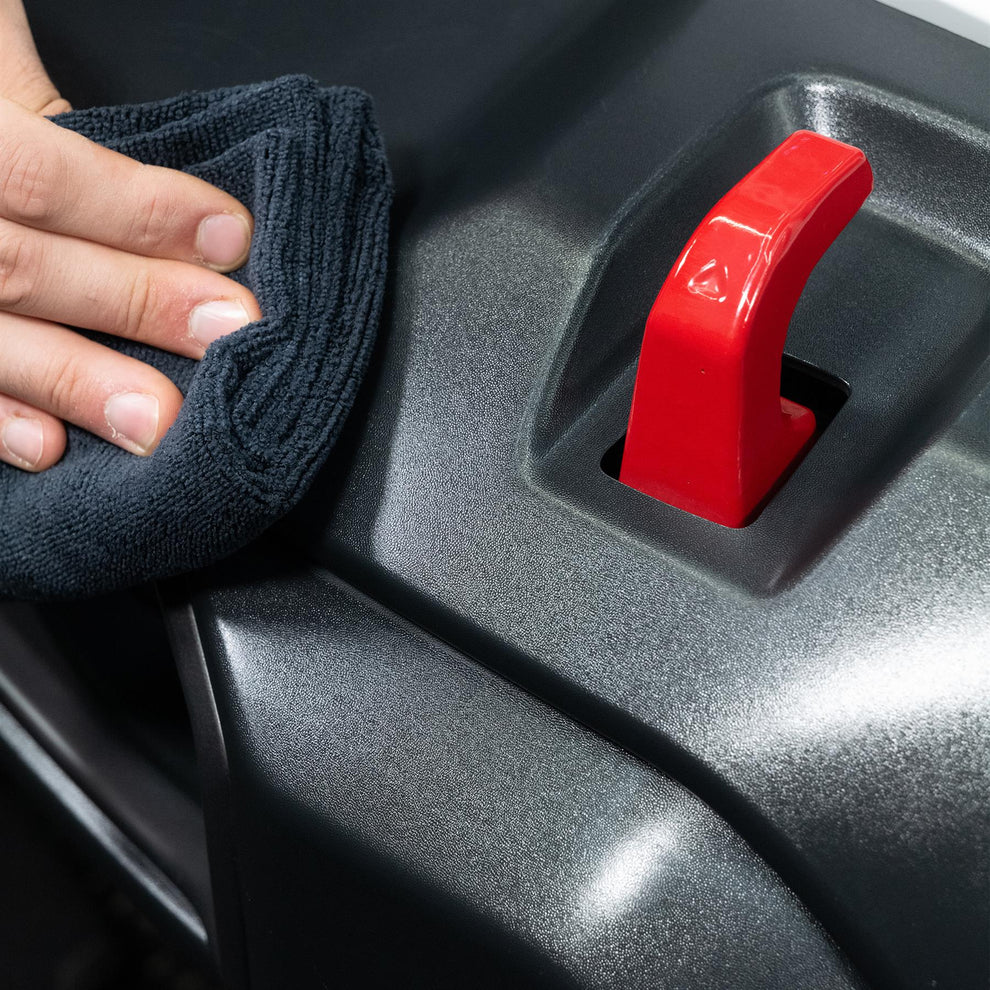
9. Use a Trim Restorer Pen for Small Areas
A trim restorer pen can be useful for small faded sections, narrow moldings, grille details, and difficult-to-reach areas. These products are generally easier to control than liquid restorers when working on small surfaces.
Before using a pen, clean the affected area thoroughly. The applicator needs a clean surface to produce consistent coverage.
Test the product in an inconspicuous location first. Different plastics can react differently to dyes and restoration formulas, so a small test can help prevent an unwanted result.
Apply the product carefully rather than repeatedly going over the same area while it is wet. Uneven pressure can produce darker sections and visible streaks.
Trim pens are most useful for spot repairs rather than large body panels. For extensive fading, a dedicated liquid restorer, coating, or dye may provide a more consistent result.
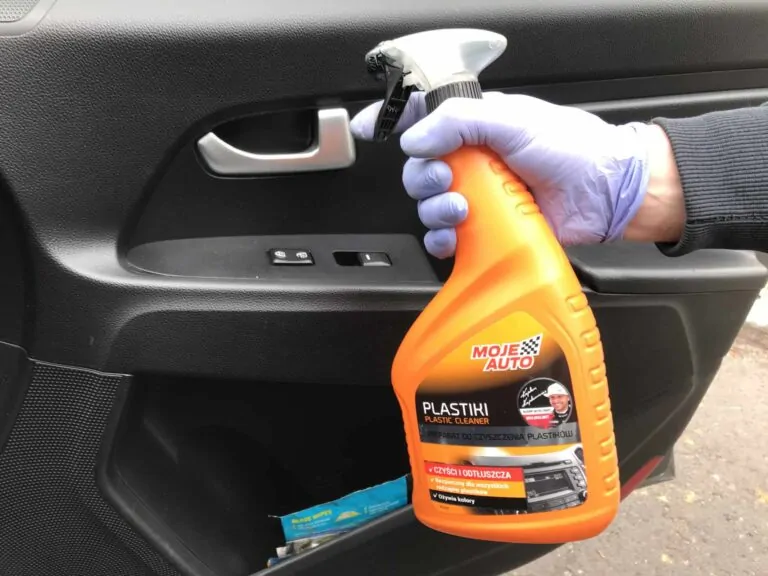
10. Use a Mild Plastic Cleaner for Light Fading
Not every faded-looking trim piece needs a restoration chemical. Light grayness can sometimes be caused by embedded dirt, old wax, road film, or contamination sitting on the plastic surface.
A mild plastic cleaner can help remove this material without adding color. Choose a cleaner intended for automotive interiors or exteriors, depending on where the trim is located.
Apply the cleaner to a microfiber towel or soft detailing brush. Work gently and avoid aggressive scrubbing that could change the texture of the plastic.
Once the surface has been cleaned, rinse or wipe away the remaining cleaner as directed. Dry the trim completely before evaluating its appearance.
If the plastic looks darker after cleaning, you may only need a protective dressing to maintain it. This approach can be simpler than using a stronger restoration product when the underlying plastic remains in good condition.
11. Protect Restored Trim From Future Fading
Restoring black trim is only part of the job. Preventing future fading can help maintain the darker appearance for longer. Sunlight, heat, rain, road salt, chemicals, and frequent washing can all affect exterior plastic over time.
Whenever possible, park the vehicle in a garage, covered area, or shaded location. Reducing direct sunlight exposure can slow the weathering process.
Use a suitable trim protectant after cleaning. Products containing UV protection can help reduce the effects of sunlight, although they cannot completely stop plastic from aging.
Be careful when applying wax, polish, or compound near unpainted black plastic. Some polishing products can leave pale residue in textured trim. If residue appears, remove it promptly using an appropriate plastic cleaner.
Regular maintenance is usually easier than restoring severely faded plastic. A simple cleaning and protection routine can keep trim looking darker and reduce the need for aggressive treatments.
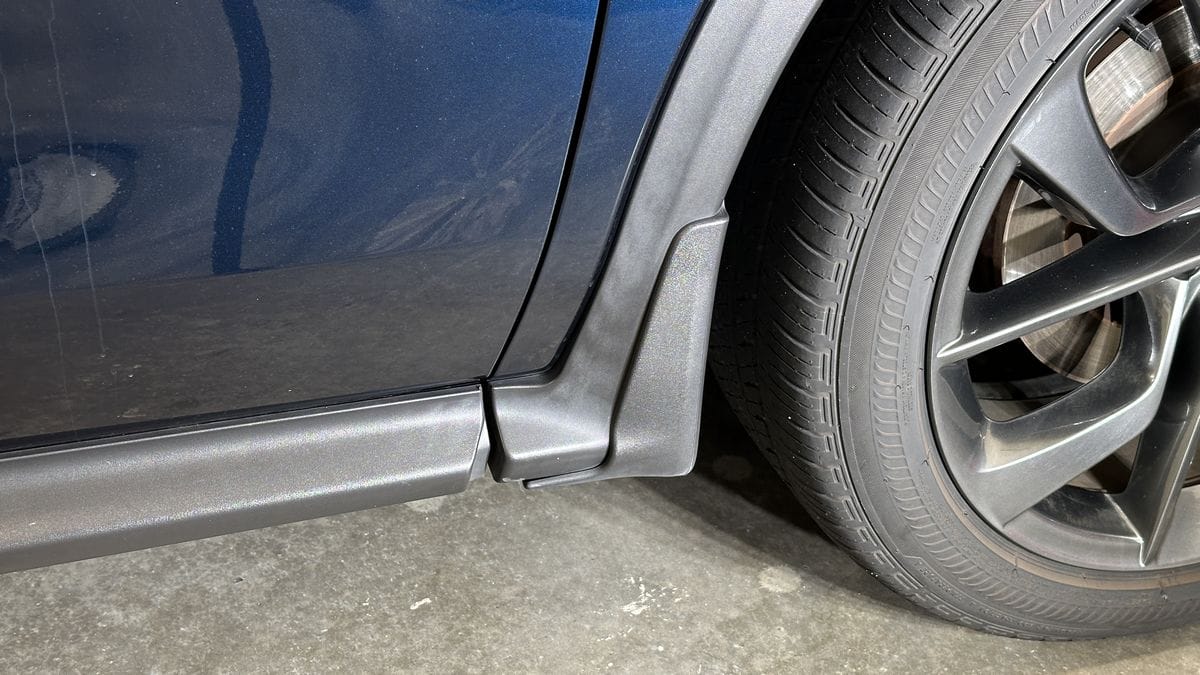
12. Replace Trim That Cannot Be Restored
Sometimes faded plastic has deteriorated too far for a restoration product to produce a satisfactory result. Deep oxidation, cracking, peeling, brittleness, and severe discoloration can indicate that replacement is the more practical solution.
Inspect the trim closely before spending money on several restoration products. If the surface is physically damaged, a dressing may only hide the problem temporarily.
Replacement trim may be available through vehicle manufacturers, aftermarket suppliers, salvage yards, or automotive parts retailers. The exact availability depends on the vehicle’s make, model, year, and trim configuration.
When replacing a piece, compare the new component with surrounding trim. A new component can sometimes look noticeably darker than adjacent aged pieces, so restoring nearby pieces may still be useful.
Replacement is not necessary for ordinary fading, but it becomes worth considering when the plastic has lost its structural integrity. Cosmetic restoration works best when the underlying material is still sound.
