
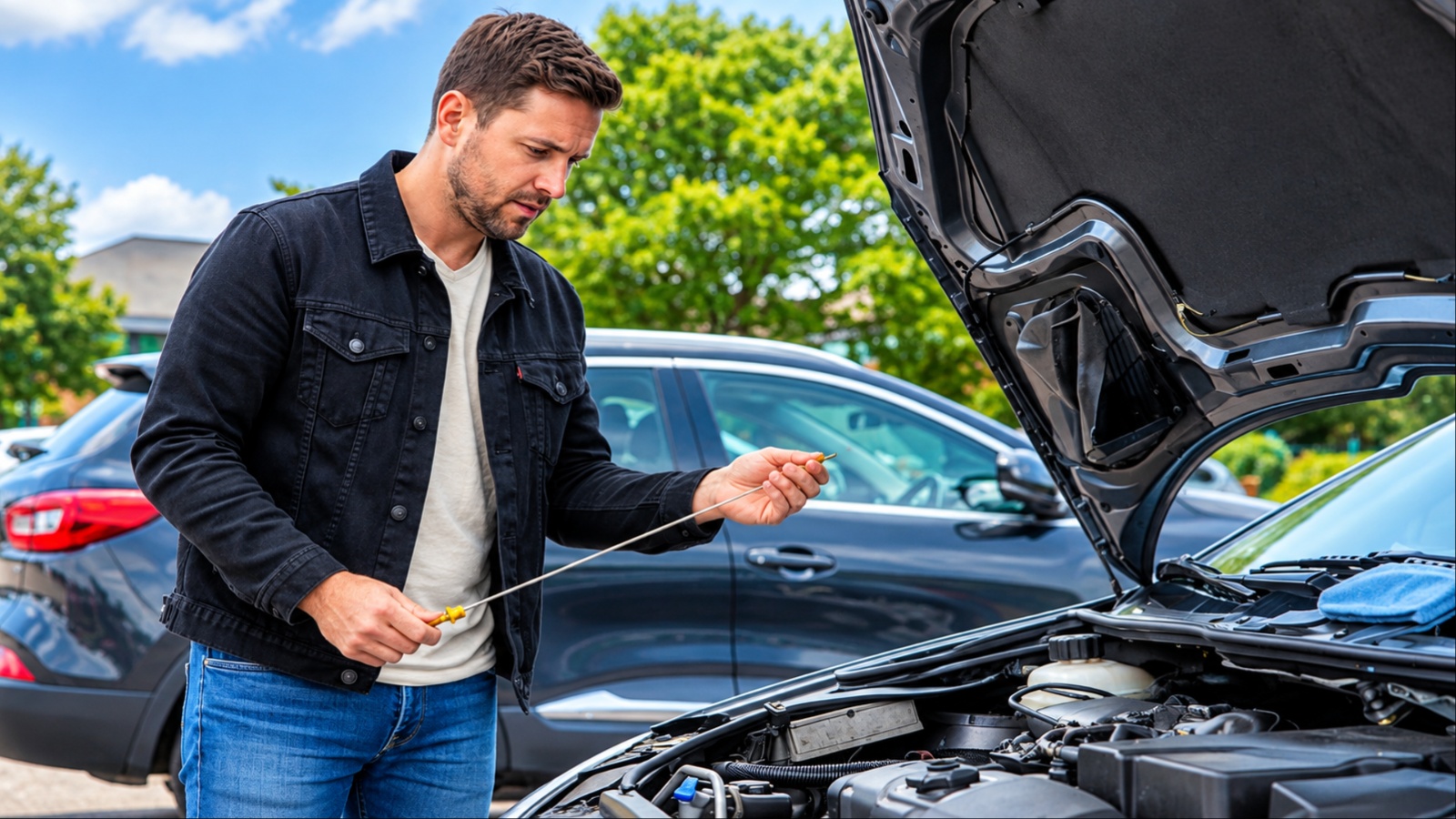
Buying a used car can feel exciting, but a quick inspection can reveal problems that sellers may not mention. You do not need to be a mechanic to spot many warning signs before handing over your money. Asking the right questions helps you examine the car’s history, condition, maintenance, ownership, and mechanical behavior in a short time.
In just five minutes, you can identify clues that deserve closer attention or professional inspection. This guide covers eight practical questions every used car buyer should ask before making a decision, helping you avoid expensive surprises and choose a vehicle that matches your needs and budget.

1. Can I See the Car’s Service and Maintenance Records?
A used car’s service history can tell you much more than its mileage figure. Ask the seller to show invoices, service receipts, inspection reports, or digital maintenance records. Regular oil changes, brake servicing, coolant replacement, tire changes, and other routine work indicate that the vehicle has received attention during its life.
Missing records do not automatically mean the car is bad, but they create uncertainty. A seller who has kept documentation can usually provide a clearer picture of how the vehicle was maintained and what parts have already been replaced.
Pay close attention to the dates and mileage shown on maintenance documents. The numbers should generally progress in a logical order. If a receipt shows a mileage figure that does not match the current odometer or previous records, ask why.
A sudden change in mileage deserves further investigation because odometer tampering can make a vehicle appear less used than it really is. Service records can also reveal periods when the car covered unusually high distances, which may indicate extensive highway or commercial use.
Look for repeated repairs involving the same component. A vehicle that has had the same cooling, transmission, electrical, or suspension problem repaired several times may need more attention.
Replacement parts are not automatically negative because wear items naturally require replacement as a vehicle ages. The important point is to understand whether the maintenance history shows normal aging or a recurring mechanical problem. Ask the seller directly about any repair that appears repeatedly in the records.
If the seller says the car was maintained by a particular workshop, verify whether the paperwork supports that statement. A consistent maintenance trail is useful because it gives you evidence rather than relying entirely on verbal claims.
Ask when the engine oil was last changed, when the brakes were serviced, whether the battery is recent, and whether major components have been replaced. Clear answers should match the documentation wherever possible.
If there are no service records, do not immediately walk away, but adjust your inspection approach. Ask more questions about ownership and maintenance, and consider paying for an independent inspection before buying. A professional mechanic can check areas that are difficult to evaluate during a short viewing.
Documentation cannot guarantee that a car is mechanically sound, but missing documentation can make it harder to establish what you are actually buying.

2. Has the Car Ever Been in an Accident?
Accident history is another important question because previous collision damage can affect a car long after the repair is completed. Ask the seller directly whether the vehicle has been involved in an accident.
Then inspect the body rather than relying solely on the answer. Look for differences in paint shade, uneven gaps between body panels, overspray around rubber seals, and bolts that appear to have been disturbed. These signs do not prove major accident damage, but they can justify a closer inspection.
Check the alignment of the doors, hood, trunk, or tailgate. Panels should generally sit evenly when the vehicle has not suffered structural damage or poor-quality repairs. Open and close each door and examine whether it moves smoothly.
Pay attention to areas where panels meet because inconsistent spacing can indicate previous bodywork. A repaired bumper or replacement fender is not necessarily a serious concern, since minor parking damage is common, but substantial structural repairs deserve much greater scrutiny.
Look beneath the hood and inside the trunk for additional clues. Factory welds and seams often have a consistent appearance, while repaired areas may show unusual welding, paint, sealant, or metal distortion.
Check the spare-wheel well for signs of impact or water entry. You can also compare the condition of the headlights and other exterior components. A newer headlight on one side may suggest that the vehicle received a replacement after damage, though parts can also be replaced for other reasons.
Ask whether airbags have ever deployed. Airbag replacement can be expensive, and improper repairs can create serious safety concerns. Warning lights on the dashboard should also be checked when the ignition is switched on and after the engine starts.
A professional inspection is appropriate if you notice signs of previous collision work, especially around the front or rear structure. Modern cars contain numerous sensors and electronic safety systems that may require specialist diagnostic equipment.
The seller’s answer matters, but physical evidence matters too. A car that has had a documented minor accident and received proper repairs can still be a reasonable purchase.
A vehicle with unexplained bodywork, inconsistent panel gaps, warning lights, and missing accident information presents a different situation. Your goal is not to find a car with a perfectly untouched exterior. Your goal is to understand what happened to the vehicle and whether repairs were completed properly.

3. Why Are You Selling the Car?
This simple question can reveal useful information about the seller’s situation. A straightforward answer might involve upgrading to a newer vehicle, moving to a different type of car, reducing household expenses, or no longer needing a second vehicle.
These reasons are not inherently concerning. What matters is whether the explanation is consistent with the vehicle’s condition, history, ownership period, and asking price.
Listen carefully to how the seller describes the reason for selling. If the explanation changes significantly during the conversation, ask for clarification.
For example, a seller might initially say they are upgrading but later mention repeated mechanical problems. That does not automatically prove dishonesty, but it gives you a reason to investigate the vehicle more carefully. Ask specific questions rather than making accusations.
You can also ask how long the seller has owned the vehicle and how frequently it was driven. A person who has owned the car for several years may be able to explain its maintenance history in detail.
Ask where it was normally driven, who used it, and whether it was used for commuting, long trips, delivery work, or other demanding purposes. Usage patterns can influence wear on the clutch, brakes, suspension, tires, and interior.
Ask whether there are any known problems that need attention. A direct question such as, “If you were keeping the car, what would you repair next?” can encourage the seller to mention issues that may not be obvious during a quick inspection. Listen for answers involving warning lights, oil consumption, overheating, transmission behavior, electrical faults, or unusual noises.
The purpose of this question is not to judge the seller’s personality. Instead, it helps establish context. A reasonable explanation supported by maintenance records gives you useful information.
An unclear explanation combined with missing documents, mechanical symptoms, and pressure to complete the purchase quickly should encourage greater caution. Take your time and let the condition of the car support or challenge what you have been told.

4. Can I Start the Car From Cold?
A cold start can reveal problems that may be less noticeable once an engine has warmed up. Before inspecting the vehicle, ask the seller not to start the engine before you arrive.
When you get there, touch the hood carefully to determine whether the engine appears to have been recently running. Do not put your hands near belts, fans, or other moving components. A warm engine is not automatically suspicious, but a cold start provides useful information.
When the engine starts, listen for unusual sounds. Brief noises can occur in some engines during startup, but persistent knocking, loud tapping, rattling, grinding, or squealing deserves attention.
The exact meaning depends on the engine design and condition, so avoid diagnosing a specific fault based only on sound. Instead, note anything unusual and ask a mechanic to inspect it before buying.
Watch the exhaust after startup. Some visible vapor can be normal, particularly in cool conditions, because condensation collects in the exhaust system. Persistent thick smoke can indicate a mechanical issue.
The color and behavior of exhaust emissions can provide clues, but modern emissions systems can make visual diagnosis difficult. A professional inspection is more reliable than trying to identify an engine problem from smoke alone.
Pay attention to how smoothly the engine runs during the first few minutes. Excessive shaking, unstable idle speed, repeated stalling, or strong vibrations can indicate a problem involving the engine, fuel system, ignition system, mounts, or electronics.
Dashboard warning lights should also be observed. Several lights may illuminate briefly during the ignition self-check and then switch off after the engine starts. Lights that remain illuminated require an explanation.
A cold start is particularly useful because it gives you a glimpse of the vehicle’s behavior before it reaches normal operating temperature.
Sellers may warm a car before a viewing for innocent reasons, such as moving it from another parking area, but a consistently warm engine can make certain symptoms harder to observe. If possible, ask to see the car after it has been sitting for several hours and combine the cold-start check with a test drive.
5. Does the Odometer Mileage Match the Car’s Condition?
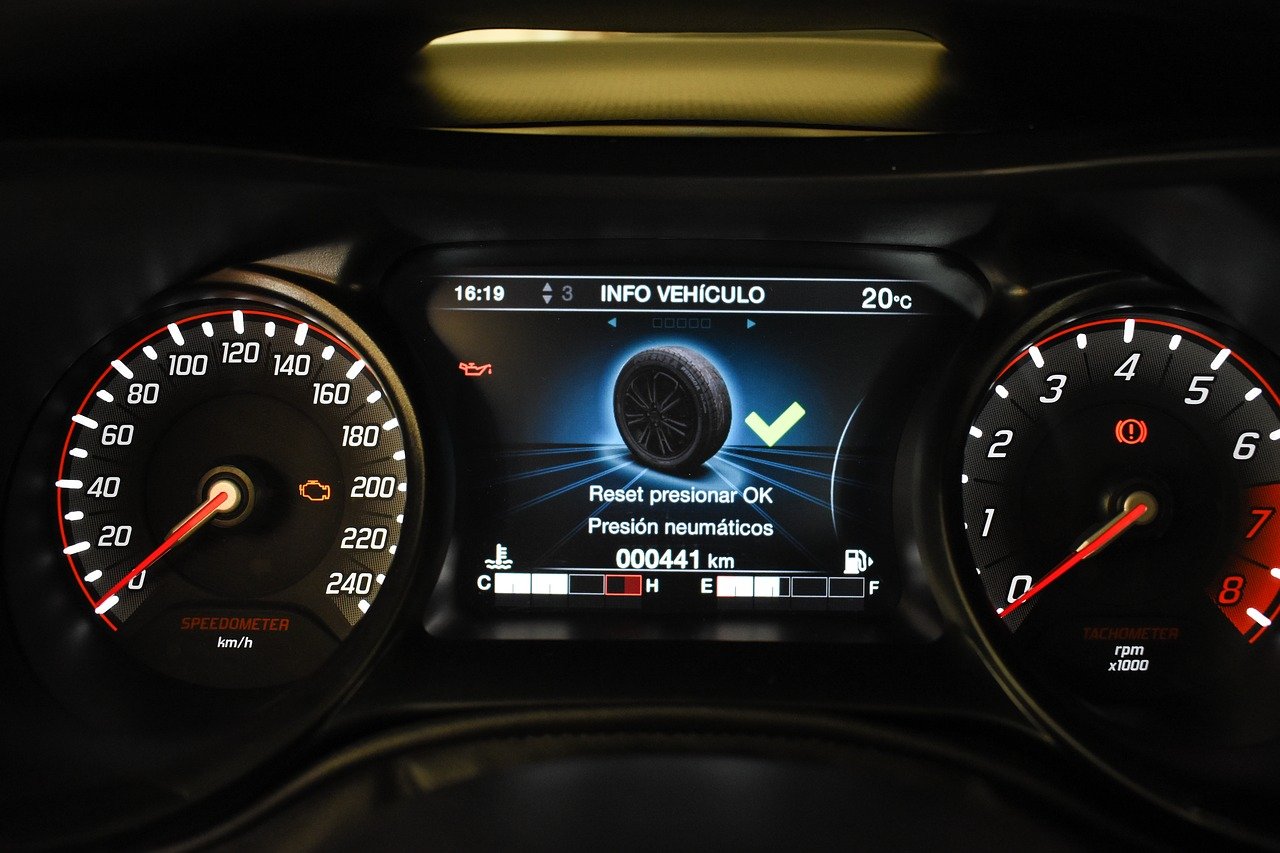
Mileage is useful, but it should never be considered in isolation. Compare the odometer reading with the condition of the steering wheel, pedals, driver’s seat, gear selector, door handles, and other frequently touched areas.
Heavy wear on these components can sometimes indicate extensive use. However, interior wear also depends on the driver’s habits, climate, materials, and maintenance, so it should be treated as supporting evidence rather than proof of mileage.
Check the tires as well. Tire age and tread condition can tell you something about recent maintenance. A car showing relatively low mileage but wearing several sets of tires may deserve additional questions.
Tire replacement can happen for many legitimate reasons, including age, punctures, poor road conditions, alignment problems, or different tire preferences. The key is to compare all available evidence rather than relying on a single clue.
Service invoices provide another way to compare mileage. Suppose an older maintenance record shows a significantly higher mileage figure than the current odometer. That would be an important warning sign.
Digital service records, inspection documents, insurance paperwork, and previous sales records may also contain mileage information depending on the country and vehicle. Consistency across several records gives you greater confidence in the odometer reading.
Ask the seller how the mileage accumulated. A vehicle that was driven mostly on highways may have substantial mileage but can still have a well-maintained drivetrain.
A lower-mileage car used for frequent short trips and heavy traffic can experience different types of wear. Clutch, brakes, battery, suspension components, and engine operating conditions can vary considerably based on driving patterns.
Do not automatically assume that low mileage means a better purchase. Very low mileage on an older vehicle can raise questions about long periods of inactivity, storage conditions, or unusually limited use.
Age affects rubber components, fluids, seals, tires, batteries, and other parts even when the car travels relatively few kilometers or miles. Look for consistency between mileage, records, physical condition, and ownership history.

6. Can I Take It for a Proper Test Drive?
A test drive is essential because some problems cannot be identified while the car is parked. Ask to drive the vehicle yourself, preferably on a route that includes slow traffic, normal roads, and a section where you can safely reach typical driving speeds.
Pay attention to acceleration, braking, steering, gear changes, suspension behavior, and unusual sounds. Follow local laws and make sure the vehicle is legally insured and permitted for the test drive.
When accelerating, check whether the engine responds smoothly. Hesitation, surging, unusual vibration, or a lack of expected power may require investigation.
For automatic transmissions, pay attention to delayed engagement, harsh shifting, slipping, or unusual noises. For manual transmissions, check whether the clutch engages smoothly and whether the gears select without excessive resistance or grinding. These observations do not establish a diagnosis, but they can reveal symptoms worth checking.
Test the brakes in a safe location. The vehicle should generally slow in a controlled and predictable manner without strong pulling to either side. Pulsation through the brake pedal can indicate a problem that requires inspection. Listen for persistent grinding or other abnormal noises.
Never perform aggressive braking simply to test a vehicle. Normal, controlled braking provides enough information for a basic assessment.
Steering and suspension deserve attention too. On a suitable road, notice whether the vehicle tracks straight and whether the steering feels consistent. Listen for knocking or clunking sounds when traveling over bumps. Excessive bouncing after uneven surfaces can suggest worn suspension components, though road conditions and vehicle design influence how a car naturally feels. Uneven tire wear may also point toward alignment or suspension issues.
Turn off the audio system during part of the drive so you can listen to the vehicle. Check the air conditioning, heating, windows, mirrors, lights, infotainment system, parking sensors, cameras, and other equipment if time permits.
Electrical faults can become expensive when several systems are involved. A five-minute test drive will not identify every problem, but it can expose symptoms that make a professional inspection worthwhile.
7. Are There Any Warning Lights or Mechanical Problems?
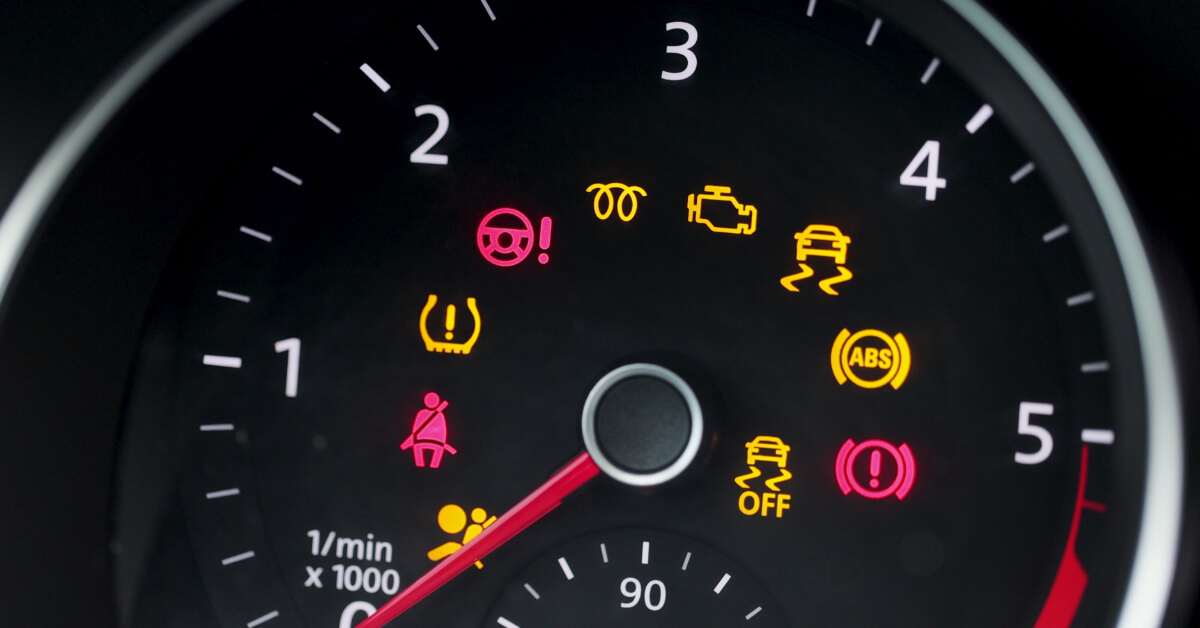
Dashboard warning lights provide valuable information about the vehicle’s systems. When the ignition is switched on, several warning indicators may illuminate as part of the normal system check.
After the engine starts, many should turn off. If an engine, transmission, airbag, ABS, battery, or other warning light remains illuminated, ask the seller for an explanation and supporting documentation.
Do not accept the explanation that a warning light is “just a sensor” without verification. A sensor may indeed be responsible, but the only reliable way to identify the cause is to diagnose the vehicle.
Modern cars use electronic control modules and multiple sensors, so a warning indicator can represent a range of possible faults. An inexpensive diagnostic scan can provide additional information, but even scan codes should be interpreted by someone familiar with the specific vehicle.
Check fluid levels and look for visible leaks when the engine is safely off and cool where appropriate. Look underneath the vehicle for fresh oil, coolant, transmission fluid, or other unusual deposits.
Some minor seepage can occur on older vehicles, while active leaks may require immediate attention. Never crawl under a vehicle that is supported only by an ordinary jack. A professional inspection is much safer for examining the underside.
Open the hood and observe the engine bay. Excessive oil residue, damaged wiring, missing covers, cracked hoses, unusual corrosion, or signs of recent cleaning can all justify questions. A freshly cleaned engine bay is not proof of a problem, but heavy cleaning may make it harder to identify fresh leaks. Ask what work was recently completed and request receipts for major repairs.
Finally, ask the seller to identify every known mechanical issue. A good question is, “Is there anything currently not working as it should?” Give the seller time to answer. Then compare the response with what you observed.
If the seller openly discloses a minor fault and adjusts the price accordingly, you have useful information. If important problems appear only after you discover them yourself, you should investigate the vehicle much more carefully.
8. Can I Have an Independent Mechanic Inspect It?
An independent inspection can provide valuable confirmation before purchasing a used car. Ask the seller whether you can take the vehicle to a mechanic of your choice or arrange for a mobile inspection.
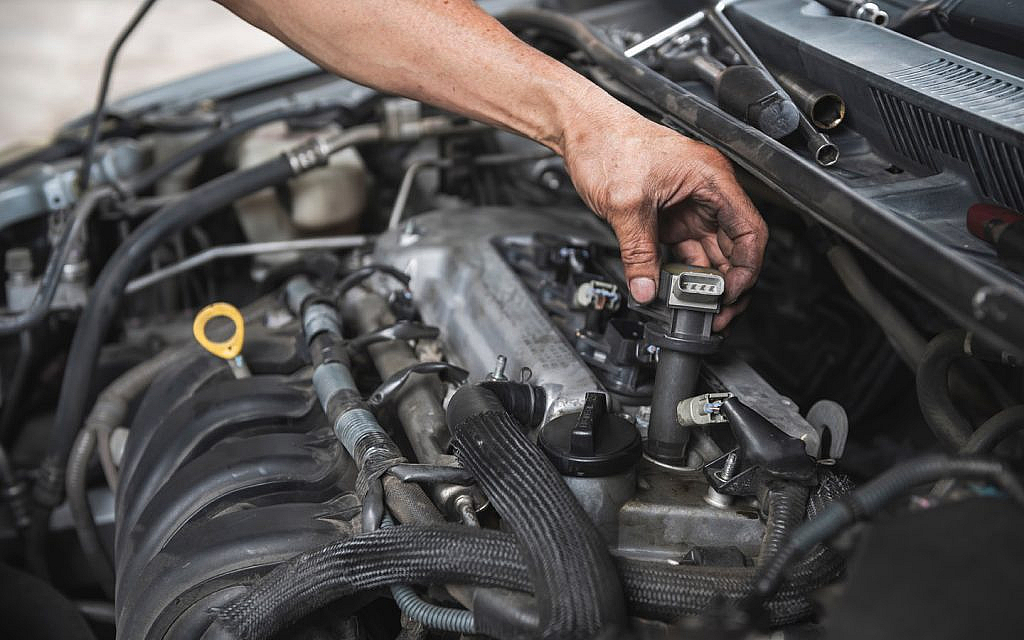
A seller who agrees to a reasonable inspection gives you an opportunity to verify the vehicle’s condition independently. The mechanic should inspect the engine, transmission, suspension, brakes, tires, steering, electrical systems, cooling system, underbody, and signs of accident repairs as appropriate for the vehicle. A diagnostic scan may also identify stored fault codes or other system issues.
The exact inspection should depend on the car’s age, design, mileage, and known problem areas. An inspection is especially valuable for vehicles with complicated mechanical or electronic systems. If a seller refuses an inspection without a convincing reason, treat that refusal as important information.
Ask the mechanic to separate urgent repairs from normal maintenance. Used vehicles naturally require maintenance as they age, so not every recommendation means the car is a poor purchase. A worn tire, aging battery, or upcoming fluid service may be manageable. A serious transmission problem, structural damage, overheating issue, or major engine fault could have much larger financial consequences.
You should also ask for an estimate of likely repair costs. Knowing what needs attention allows you to calculate the realistic cost of ownership rather than focusing only on the purchase price.
A car that appears inexpensive can become costly if several major repairs are immediately required. Conversely, a vehicle with a few routine maintenance items may still be perfectly usable if the price and condition make sense.
