

Getting a repair quote that seems higher than expected can be frustrating, especially when you were not prepared for the final figure. Asking questions before agreeing to the work can help you understand what you are paying for and whether the proposed repair makes sense.
You do not need to sound confrontational or accuse a repair professional of overcharging. A calm conversation can reveal labor costs, replacement parts, diagnostic fees, warranties, and other expenses included in the estimate. Knowing what to say can also help you compare quotes and make a more informed decision before authorizing costly repair work.

1. “Can You Break Down the Quote for Me?”
A detailed breakdown is a sensible place to start when a repair estimate seems too high. Instead of immediately asking for a discount, ask the repair professional to explain how the total was calculated. A quote may include several separate expenses, such as labor, parts, diagnostic work, service charges, taxes, disposal fees, or additional materials.
Seeing these costs individually can make the total easier to understand. Sometimes a figure that initially looks excessive becomes more reasonable after you see what is included. In other cases, a breakdown can reveal charges that you did not expect or fully understand.
Asking for a breakdown also gives you useful information without creating unnecessary tension. A reputable repair business should generally be able to explain what it plans to charge and why. You can ask questions about the number of labor hours, the hourly rate, the parts being installed, and any additional fees.
If the estimate contains vague descriptions such as “miscellaneous” or “service adjustment,” ask what those charges cover. Clear explanations help you determine whether the quote reflects actual work that needs to be completed.
The parts section deserves particular attention. A repair quote can vary considerably depending on whether the technician plans to use original equipment parts, aftermarket components, refurbished parts, or a specific brand. Ask what type of replacement part is included in the price.
You can also ask whether there are less expensive alternatives that meet the necessary specifications. This does not mean you should automatically choose the cheapest component. The goal is to understand the choices available and the effect each choice may have on reliability, performance, and warranty coverage.
Labor charges can also account for a significant portion of a repair bill. Ask how long the repair is expected to take and whether the labor rate is calculated by the hour or according to a standard repair time.
Some businesses use established labor times rather than charging for every minute a technician spends working. Understanding this method can help explain why the labor portion may look higher than expected. If the repair is unusually complicated, the professional may also be able to explain what makes the job more time-consuming.
Once you have the breakdown, you can make a better decision about your next step. You may discover that the quote includes necessary work that you had not considered. You may also find charges worth questioning or comparing elsewhere.
Either way, asking for details gives you facts to work with rather than relying on a general feeling that the price is too high. A simple question such as, “Could you walk me through each part of this estimate?” keeps the conversation respectful while giving you valuable information.

2. “Is There a Less Expensive Repair Option?”
If the recommended repair is expensive, ask whether there is a less costly solution that would still address the problem safely and properly. Repair professionals sometimes have several possible approaches depending on the condition of the equipment, vehicle, appliance, plumbing system, electrical system, or other item being repaired.
A complete replacement may be recommended in certain circumstances, while a smaller repair may be possible in others. Asking about alternatives does not obligate the professional to offer a cheaper solution, but it gives you a chance to understand your options.
Be specific when discussing alternatives. You might ask whether a particular component can be repaired rather than replaced, whether a less expensive compatible part is available, or whether certain work can be postponed without creating a safety problem.
The answer will depend heavily on the type of repair. Some temporary solutions can create larger expenses later, while other repairs can reasonably be handled in stages. A qualified professional should be able to explain the practical consequences of choosing each option.
It is also helpful to ask what happens if you choose the less expensive approach. A cheaper repair may have a shorter expected lifespan, a more limited warranty, or a greater chance of requiring additional work later. Those details matter when comparing prices. Paying less today does not always mean spending less over time. At the same time, an expensive solution is not automatically necessary simply because it is more comprehensive. You need enough information to understand the trade-offs.
When asking about alternatives, avoid framing the conversation as a demand for a lower price. Instead, focus on the problem you need solved and the amount you are comfortable spending.
For example, you can say, “My budget is lower than this estimate. Are there any safe repair options that would bring the cost down?” This communicates your concern clearly without telling the professional how to perform the technical work. The repairer can then explain whether a different approach is realistic.
A useful response may include several choices with different costs. You might receive an immediate repair option, a more extensive repair, or a replacement recommendation.
Ask how each option affects reliability and future expenses. You can then compare the choices based on more than the initial price. Having this conversation is particularly helpful when the quote is large enough to affect your household budget or when the item being repaired has significant value.
3. “Can I Get the Same Repair Quoted Somewhere Else?”
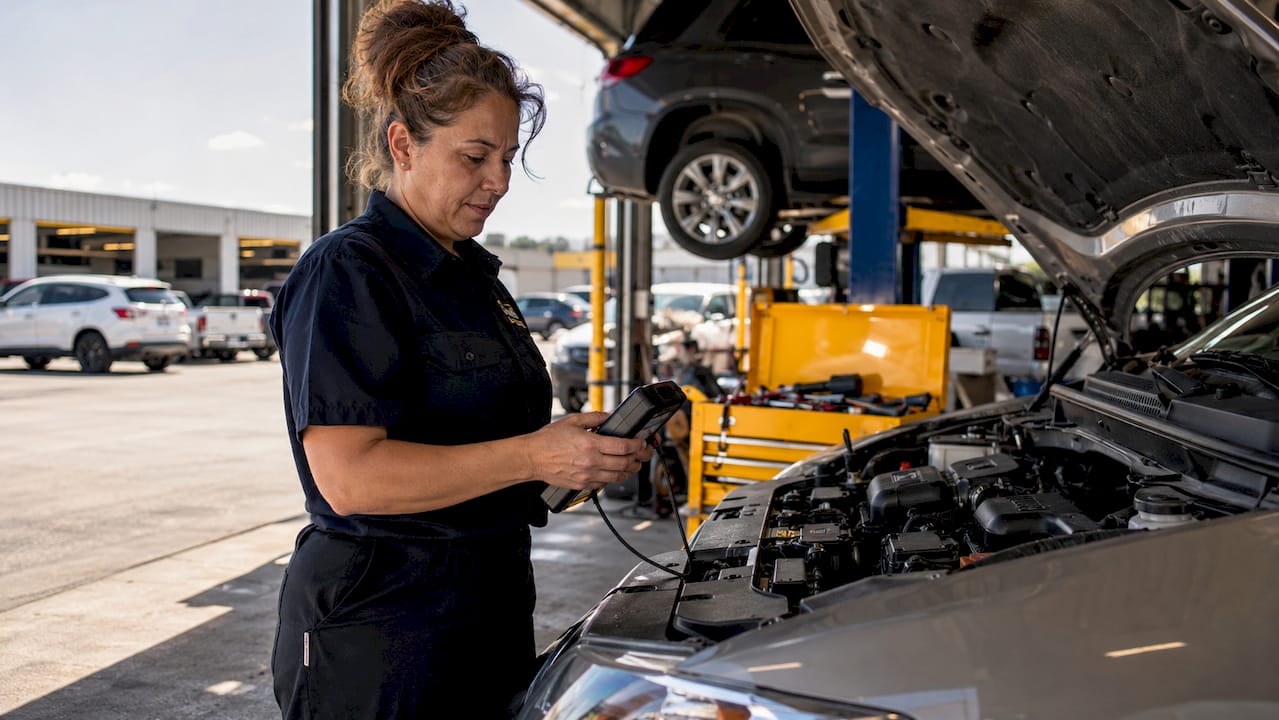
When a repair quote feels unusually high, getting another estimate can give you a useful reference point. Prices can differ between businesses because of labor rates, parts suppliers, experience, overhead, warranty policies, and the scope of work included.
A second quote does not automatically prove that either business is charging too much. It simply gives you more information before you commit to a significant expense.
Tell the original repair professional that you would like to compare estimates if you are not ready to authorize the work. You can say, “I would like to get a second quote before making a decision.”
This is a straightforward statement and does not require you to criticize the business. A professional who understands that customers may compare prices should be able to respond without turning the conversation into an argument.
When comparing quotes, make sure you are comparing the same repair. A lower estimate may leave out diagnostic work, certain parts, labor, taxes, or additional procedures. Ask each business to specify what is included.
If possible, provide the same description of the problem and share relevant information from previous inspections. This makes the comparison more meaningful and reduces the chance of choosing a quote that appears cheaper simply because it covers less work.
You should also compare warranty terms and parts quality. A business charging more may include a longer warranty or higher-quality components, while a cheaper estimate may have different conditions.
Ask how long the repair is covered and whether the warranty applies to both labor and parts. If a component fails later, knowing who is responsible for the replacement can make a major difference to your eventual cost.
A second opinion can be particularly useful for expensive or complicated repairs. You do not need to collect a large number of estimates for every small repair. For a major expense, however, comparing two or three detailed quotes may reveal the typical price range in your area.
The key is to compare equivalent work rather than simply choosing the lowest number. A clear comparison can help you decide whether the original quote is reasonable for the work being proposed.
4. “Is This Repair Necessary Right Now?”
Sometimes a repair quote feels high because several recommended services have been grouped together. Asking which work is urgent and which work can wait can help you understand your immediate financial commitment.
This is particularly useful when you are dealing with a complicated system that has several issues. Some problems may affect safety or prevent the equipment from operating, while others may be maintenance concerns that can reasonably be scheduled later.
Ask the professional to explain what could happen if a particular repair is postponed. A useful question is, “What happens if I wait a few weeks or months before doing this part?” The answer should focus on practical consequences rather than pressure. If postponement could cause additional damage, increase safety risks, or make the eventual repair more expensive, you should know that before making your decision.
You can also ask the professional to separate the estimate into urgent, recommended, and optional work when that distinction makes sense. This creates a clearer picture of what you actually need to spend today.
For example, an inspection might identify a failed component that must be replaced immediately and several maintenance items that can be addressed later. Having those categories separated may make the financial decision easier.
Safety-related repairs require particular care. If a professional identifies a problem involving electrical hazards, structural instability, gas leaks, brakes, heating equipment, or another serious safety concern, do not postpone work simply because the price is inconvenient.
Ask for an explanation of the specific risk and what steps are needed to make the situation safe. Financial concerns are important, but certain repairs should not be delayed without understanding the consequences.
5. “Are There Different Parts or Materials I Can Choose From?”
Parts and materials can have a major effect on the final repair price. If the quote includes an expensive component, ask whether there are other suitable choices.
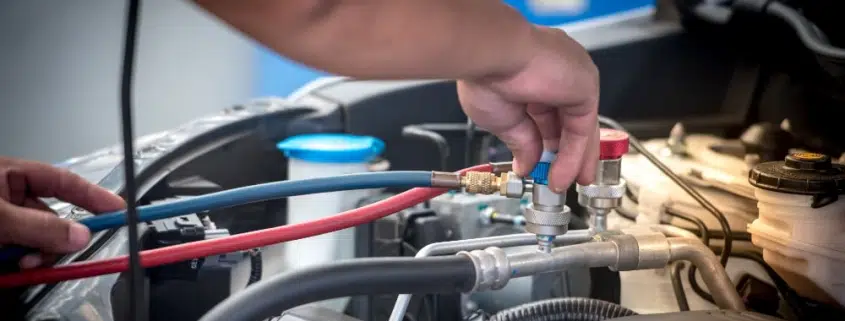
Depending on the type of repair, you may have options involving manufacturer-branded parts, aftermarket components, refurbished parts, or different grades of materials. Not every alternative will be appropriate, so ask the repair professional to explain the differences before making a choice.
You can keep the question simple. Ask whether there are alternative parts that would work for the repair at a lower cost. This gives the professional an opportunity to explain the available options and any differences between them.
Ask about the expected lifespan, performance, compatibility, and warranty for each option. A cheaper part may be perfectly suitable for your needs in some situations, while in other cases the lower price could come with limitations that make it less attractive.
Warranty coverage is especially important when comparing components. Find out whether the warranty covers the part, the labor required to replace it, or both. Also ask whether using an alternative part changes any existing warranty coverage on the equipment or vehicle. A small reduction in the initial repair bill may not be worthwhile if it creates a larger expense later.
You can also ask whether the part is currently available from another supplier. Sometimes a business uses a particular supplier because of convenience, availability, or established purchasing arrangements.
Another supplier may offer the same required component at a different price. The repair professional may have reasons for using a specific source, so ask for an explanation rather than assuming the difference represents unnecessary markup.

6. “Is There Any Flexibility in the Labor Cost?”
Labor can represent a substantial portion of a repair estimate, particularly when the job requires specialized knowledge or several hours of work. If the parts appear reasonably priced but the total remains higher than expected, ask how the labor charge was calculated.
You can say, “Could you explain the labor portion of the estimate?” This question may reveal whether the business uses an hourly rate, a fixed labor charge, or a standard time estimate.
It is reasonable to ask whether the labor rate is negotiable, but the answer will vary from business to business. Many repair companies have established rates that apply consistently to their work. Others may have some flexibility depending on the job, scheduling, or circumstances. Asking politely gives you information without assuming that the professional has room to reduce the price.
You can also ask whether there are service fees included in the labor total. Diagnostic charges, travel fees, inspection costs, emergency service rates, and after-hours charges can all affect a final estimate depending on the type of business. Understanding these costs helps you determine whether the labor figure reflects actual repair time or includes additional services.
If the repair is expected to take several hours, ask whether the quoted labor time is an estimate or a fixed charge. You may also ask what happens if the technician discovers additional problems after beginning the work.
A clear answer about authorization for extra labor can protect you from unexpected costs. Ideally, you should know when the business will contact you before exceeding the agreed price.

7. “What Happens If I Only Approve Part of the Work?”
When a repair estimate includes several services, you may not be able to afford everything at once. Asking whether you can approve part of the work can help you manage the expense.
Start by asking which repairs can be completed independently and which ones must be performed together. Some tasks may be closely connected, while others may be separate jobs that can be scheduled later.
A useful phrase is, “If I cannot complete everything today, which repairs should I prioritize?” This gives the professional an opportunity to explain the order in which the work should be handled.
The answer may depend on safety, damage progression, equipment operation, or the risk of additional failures. Having that information can help you make a practical plan instead of rejecting the entire repair because the full estimate is beyond your current budget.
Ask whether delaying a specific repair could affect the price of another repair later. In some cases, completing related work at the same time can reduce duplicated labor. In other cases, waiting may have little financial effect.
You should also ask whether the item will remain safe and usable while the postponed work remains unfinished.
These details can help sometimes make a difficult expense easier to manage, but it is not appropriate for every situation. A professional should be able to explain whether partial repairs make technical and financial sense. You can say, “I need to stay within a certain budget.
Can we handle the most important work now? Verbal estimates can be difficult to remember, especially when a repair involves several parts, labor charges, and additional services. Ask for a written estimate that lists the work to be done so you can determine whether splitting the repair is sensible.
If you decide to approve only part of the estimate, make sure you understand exactly what is being authorized. Ask for the approved work and expected price in writing when possible.
Clarify whether the repair professional will contact you before performing any additional work. This is particularly important when a technician may discover additional problems after disassembly.

8. “Can You Give Me the Quote in Writing?”
A written quote can help you understand exactly what you are agreeing to before work begins. Verbal estimates can be difficult to remember, especially when a repair involves several parts, labor charges, and additional services.
Ask for a written estimate that lists the work to be performed, the expected cost, and any important terms. This gives you something concrete to review before making a decision.
Look for details such as parts, labor, taxes, diagnostic charges, service fees, warranty information, and the expected completion time. If something is unclear, ask for clarification before approving the work.
You can also ask whether the quoted amount is a fixed price or an estimate that may change if additional problems are discovered.
Make the limit clear by telling the repair shop to contact you before exceeding the approved amount. This establishes a clear point for communication. If the estimate is too high, you can contact another repair shop, describe the same repair, and request a comparable estimate.
Be careful when sharing documents that contain personal information or sensitive details. The purpose of the comparison is to understand pricing for the same repair, not necessarily to pressure a business into matching a quote after they have already inspected the problem. You can thank the technician, request the written quote, and take time to consider your options when circumstances allow.
A simple statement such as, “Please send me the detailed quote so I can review it before authorizing the repair,” automatically means that the repair professional is charging unfairly.
Costs can be influenced by parts, labor, diagnostic work, technical complexity, warranties, business expenses, and local market conditions.
At the same time, you have every right to understand what you are being asked to pay for. Asking clear questions is a practical way to gather information without turning the conversation into a dispute over how the price was calculated. These questions can reveal whether the estimate is based on necessary work or whether there are choices that could reduce costs, particularly for expensive repairs.
Make sure each quote covers comparable work before comparing the prices. Look at the parts being used, labor costs, warranty coverage, and expected lifespan. These factors can all affect the total value of a repair and should be part of the discussion.
If the proposed repair costs more than you can comfortably afford, say so clearly. Ask whether the work can be prioritized, scheduled in stages, or completed with a suitable alternative part.
A repair professional may not be able to give an immediate yes or no. Ask questions, request details, compare equivalent estimates when appropriate, and understand the consequences of delaying or changing the proposed repair. Simple statements such as “Can you break can prevent unpleasant surprises later.
