
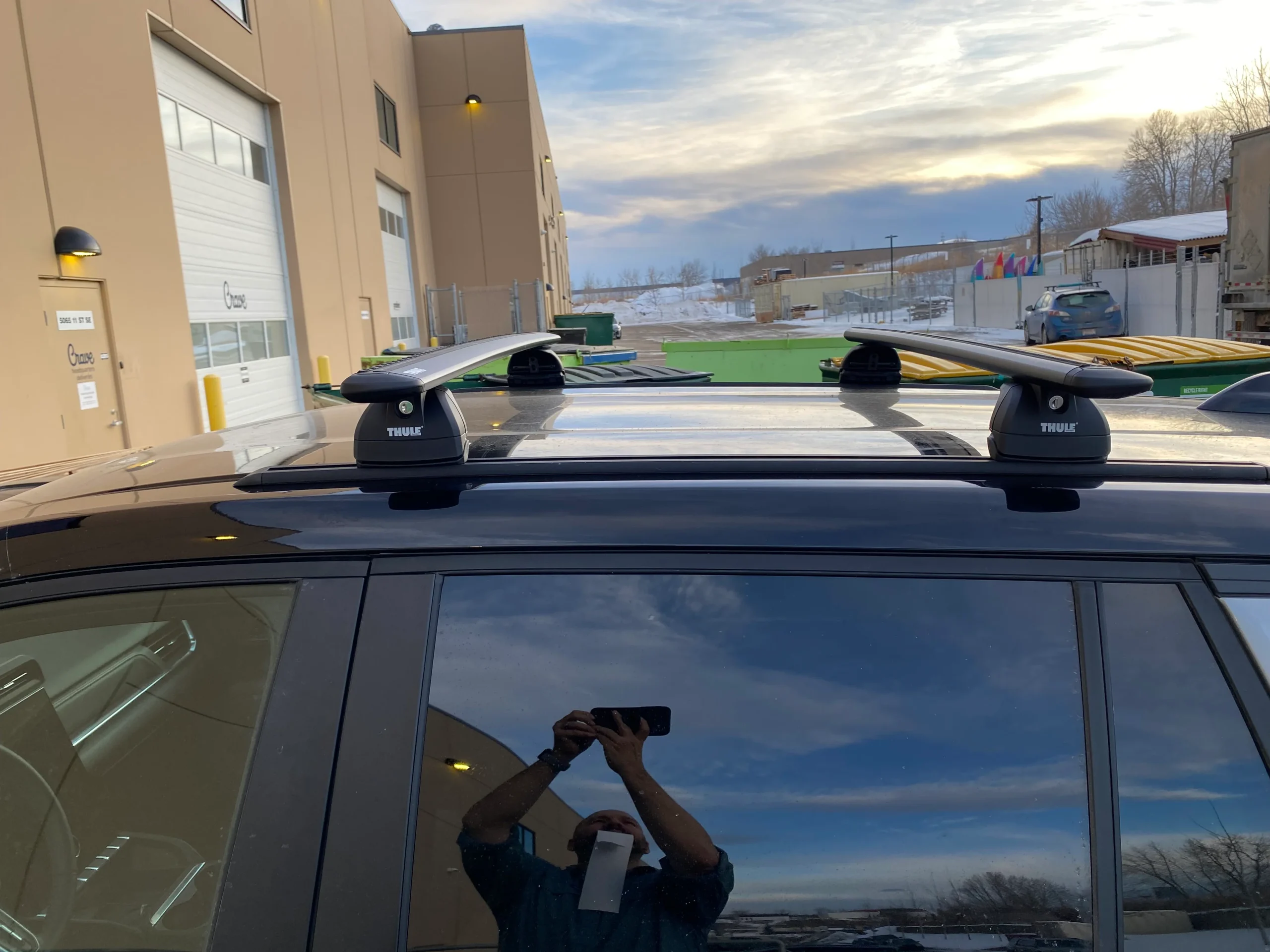
Roof racks make it easier to carry bikes, luggage, kayaks, cargo boxes, and other bulky items without filling the cabin. Yet adding weight above the vehicle changes how forces move through the roof, mounting points, suspension, and body structure.
Problems can develop when drivers exceed the recommended roof load, distribute weight poorly, or leave heavy equipment mounted for long periods. Some failures happen gradually through stress, vibration, corrosion, or repeated impacts.
Others can appear after a single severe event, such as hitting a pothole with a heavily loaded rack. Understanding which parts carry these loads can help drivers prevent expensive repairs and unsafe situations before damage occurs.
1. Roof Rack Mounting Points
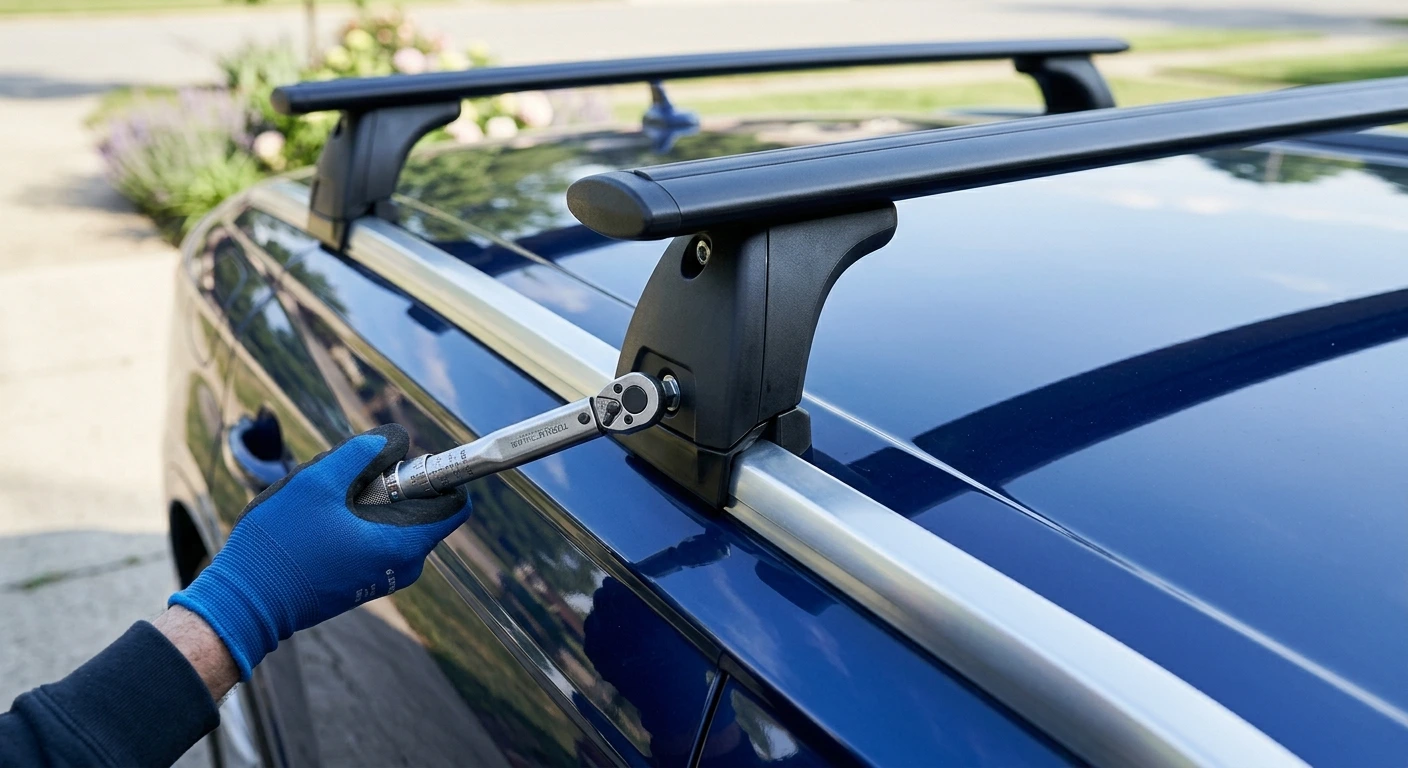
Roof rack mounting points carry the direct force generated by the rack and everything attached to it. These locations vary between vehicles.
Some cars have fixed mounting points beneath small covers, while SUVs and wagons may use raised rails or tracks. The mounting system is designed for a specific load and installation method.
When that limit is exceeded, the mounting points can experience forces that the vehicle manufacturer did not intend them to handle.
A heavy load does not simply push straight downward. As the vehicle accelerates, brakes, turns, and travels over uneven roads, the cargo can create additional forces.
A roof box filled with luggage can move slightly against its mounting system, while a bicycle or kayak can act like a lever when exposed to wind. Those forces are transferred through the rack feet into the mounting points.
Repeated stress can cause mounting hardware to loosen. In some designs, the surrounding sheet metal can also deform if excessive force is applied. Once a mounting point changes shape, the rack may no longer sit correctly. That can increase movement and place even greater stress on nearby components.
Water and corrosion can make the situation worse. A mounting location that has developed damaged paint, cracked seals, or distorted metal may allow moisture to reach areas that normally remain protected. Corrosion reduces the strength of metal over time, particularly when the vehicle is regularly exposed to road salt or harsh weather.
Drivers should always check the vehicle manufacturer’s roof-load rating rather than relying on the rack manufacturer’s maximum rating alone. The lower limit applies.
Proper installation also matters because uneven tightening, incorrect hardware, or an improperly positioned rack can create concentrated loads. A rack that looks secure when parked may still be transferring excessive force into the roof during normal driving.
2. Roof Rails
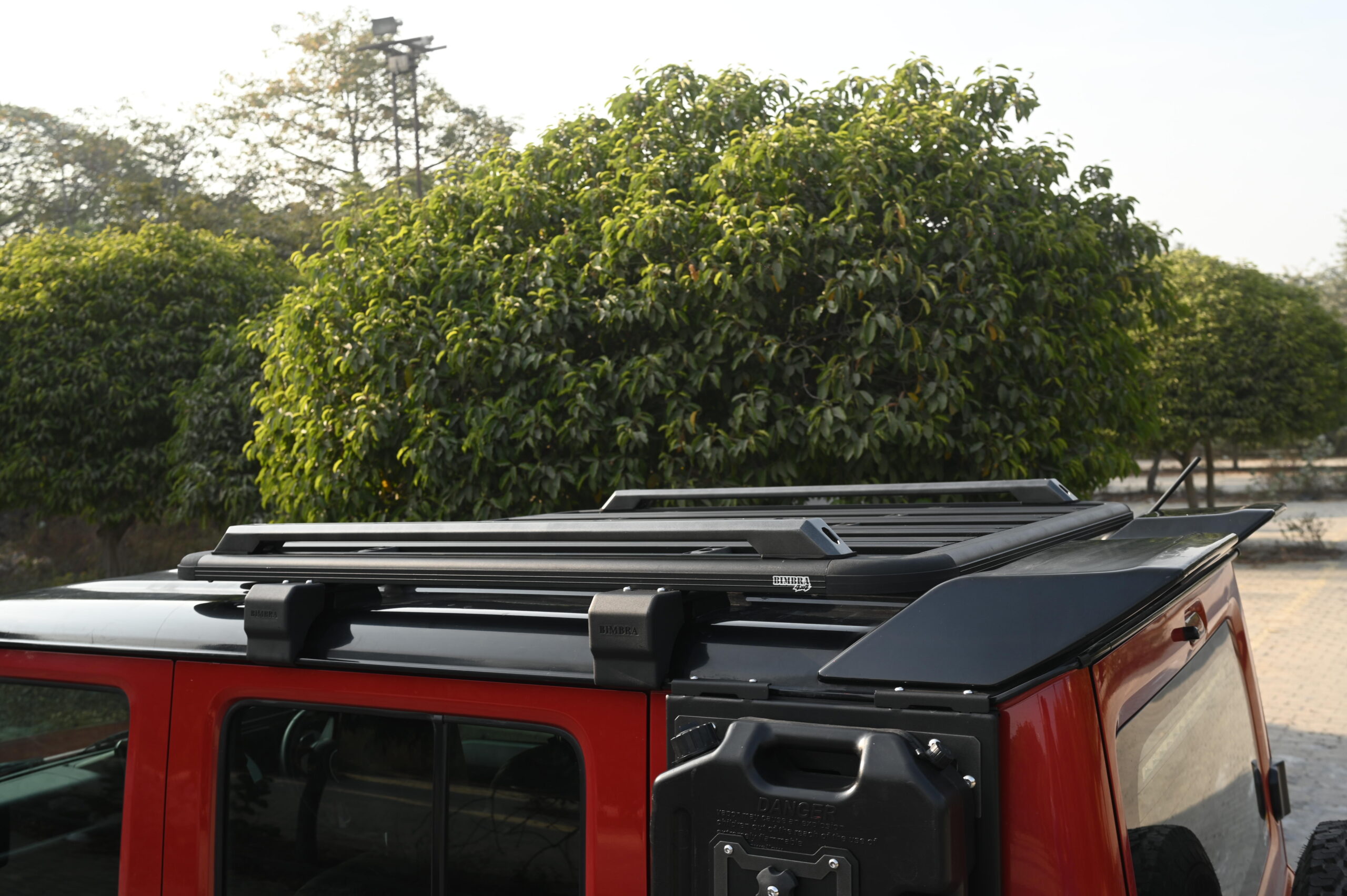
Factory roof rails can appear strong because they are designed to run along a large section of the roof. Their appearance can be misleading, however, because their actual load capacity depends on how they are attached to the vehicle. Some rails are structural components, while others are primarily decorative and rely on specific mounting points underneath.
A roof rack crossbar transfers cargo weight to these rails or their attachment points. If the permitted load is exceeded, the rails can bend, shift, or develop damage around their mounting hardware.
The risk increases when the cargo is tall or bulky because aerodynamic forces can produce additional upward and sideways loading.
Long-term stress can also affect seals around rail mounting locations. Movement that is barely noticeable during normal driving can gradually damage weather seals. Water may then enter the roof structure or interior trim. Wet headliners, stains around the roof, or unexplained moisture near overhead lights can indicate a sealing problem.
Loose rails can create a second problem because they allow the rack to move. Once movement starts, vibration can loosen fasteners further.
This creates a cycle in which a small amount of play becomes progressively worse. Drivers may notice wind noise or a clicking sound before visible damage becomes obvious.
Regular inspection is especially important for vehicles that frequently carry roof cargo. Check the rails for movement, cracks, unusual gaps, and changes in alignment. If a rail moves when it should be rigidly attached, the rack should not continue carrying heavy cargo until the mounting system has been inspected.

3. Roof Sheet Metal
The roof panel itself is another area that can suffer when a rack is overloaded. Modern vehicle roofs use relatively thin sheet metal supported by structural members beneath the panel. The panel provides part of the vehicle’s body structure, but it is not intended to support unlimited concentrated weight.
Roof rack feet distribute load over specific contact areas. If those feet are incorrectly installed or heavily overloaded, force can become concentrated in small sections of the roof. This may produce dents, creases, or permanent deformation. The damage may be subtle at first, particularly on vehicles with complex roof contours.
Dynamic loads are more concerning than the stationary weight listed on a luggage scale. A vehicle carrying 50 kilograms of cargo while parked is not experiencing the same forces as it does when that cargo moves over a rough road. Every bump can briefly increase the load transferred through the rack.
A poorly distributed load can also cause localized stress. Placing most of the weight toward the front or rear of a roof box changes how forces are transferred through the crossbars and mounting feet.
Heavy objects should generally be positioned according to the rack and vehicle manufacturer’s instructions, with weight distributed appropriately.
Roof damage can also affect appearance and sealing. A deformed panel may prevent trim pieces or seals from sitting correctly. Repairing a damaged roof can be expensive because the panel may need to be reshaped, replaced, or refinished. Preventing excessive loading is far cheaper than repairing structural or cosmetic damage.
4. Roof Seals and Weatherstripping
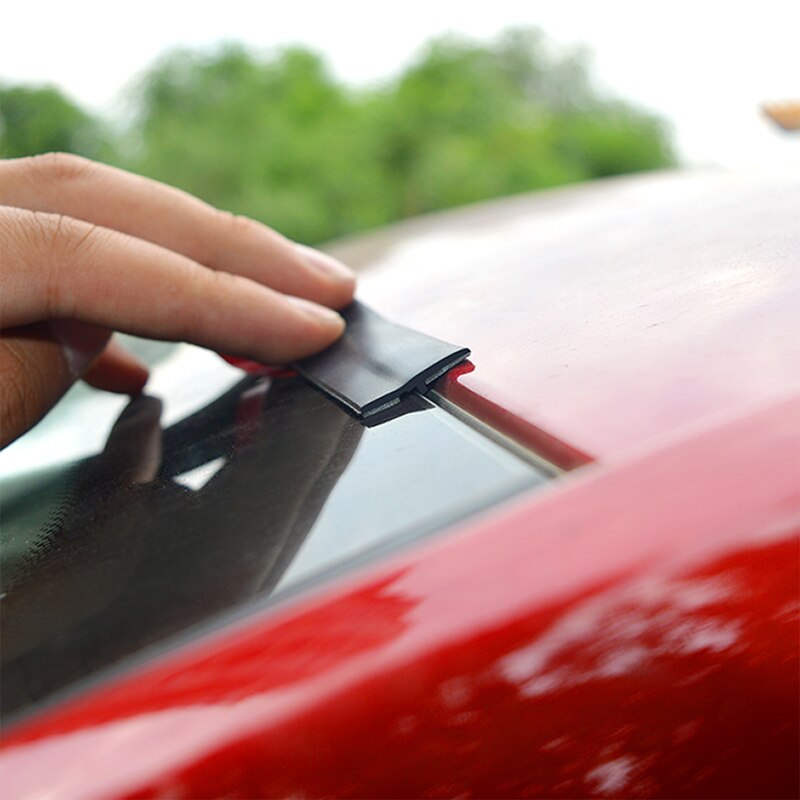
Weather seals around roof mounting points are designed to keep rain and moisture outside the vehicle. When excessive loads cause movement around these locations, seals can become compressed, displaced, or damaged. The resulting leak may not appear immediately after the rack is installed.
Water entering through the roof can travel along the inside of the roof structure before becoming visible. A driver might first notice a damp headliner, a water stain, or moisture around an overhead console. In some cases, the actual entry point is several inches away from where the water becomes visible.
Repeated rack installation can also increase wear. Removing and reinstalling components frequently can disturb protective covers and sealing surfaces. If a driver uses a roof rack seasonally, inspecting the mounting areas before each major trip is a useful precaution.
Water damage can affect more than upholstery. Persistent moisture may reach electrical connectors, interior lighting components, sensors, or wiring.
Modern vehicles contain considerable electrical equipment near the roof, especially models equipped with panoramic glass roofs, overhead consoles, satellite antennas, and other roof-mounted systems.
A small leak should therefore not be dismissed as a cosmetic issue. Once moisture is discovered, the mounting system and surrounding seals should be inspected. Keeping the roof-load system within its specified limits reduces movement and helps protect the sealing surfaces from unnecessary stress.

5. Roof Rack Crossbars
Crossbars are the main horizontal supports that hold cargo above the vehicle. Their load rating is not unlimited, and manufacturers generally specify both a maximum weight and approved mounting positions. Exceeding either requirement can place excessive bending forces on the bars.
Cargo position matters because a load placed far from the support points creates greater leverage. A long kayak, ladder, or similar item can extend significantly beyond the crossbars. Wind pressure on such an object can create forces that are much greater than its static weight.
Repeated vibration can also fatigue components. Metal and composite materials can tolerate repeated loading, but excessive or poorly distributed stress can eventually cause cracks or deformation. A crossbar that begins bending may not fail immediately, making regular inspection important.
The attachment hardware can experience similar stress. Clamps and feet must keep the bar firmly positioned while resisting movement from wind and road vibration. If the bar shifts, its load can become unevenly distributed between the mounting points.
A damaged crossbar should be replaced rather than repaired with improvised hardware. Welding, drilling additional holes, or using unrelated clamps can change the component’s strength and load characteristics. The correct replacement should match the vehicle, rack system, and manufacturer’s specifications.
6. Suspension Components
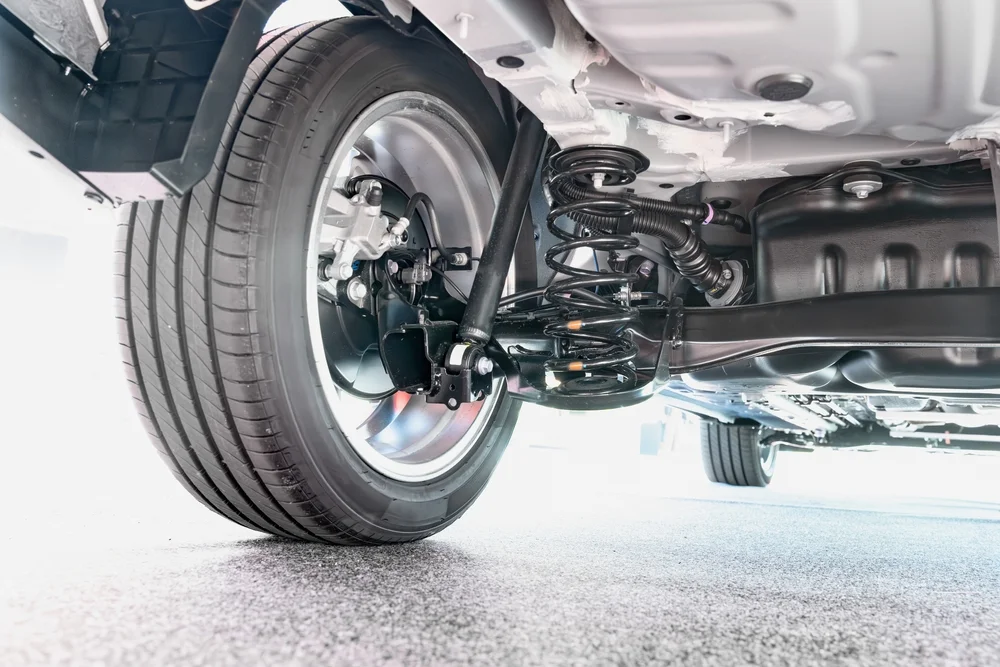
Roof cargo raises the vehicle’s center of gravity and adds weight that the suspension must support. The suspension does not carry the roof load directly, but it supports the vehicle’s total mass through the body and chassis. Adding substantial weight can therefore change suspension behavior.
The effect is particularly noticeable when the vehicle is loaded near its maximum permitted capacity. Springs compress more under additional weight, while dampers have to control the increased movement. If the vehicle is already carrying passengers and luggage inside, roof cargo adds to an already significant load.
Repeated operation near maximum weight can accelerate wear in some suspension components. Shock absorbers, struts, bushings, springs, and related hardware experience forces whenever the vehicle encounters bumps, dips, or sudden changes in direction.
Roof cargo can also change how the vehicle behaves during emergency maneuvers. A higher center of gravity can increase body roll and alter weight transfer. Drivers may notice that the vehicle feels different through corners or during quick lane changes.
This does not mean a properly loaded roof rack will automatically damage the suspension. Vehicles are engineered to carry specified loads. Problems become more likely when the combined weight exceeds recommended limits or when the vehicle is repeatedly driven on rough roads with heavy cargo mounted above the roof.
7. Shock Absorbers and Struts
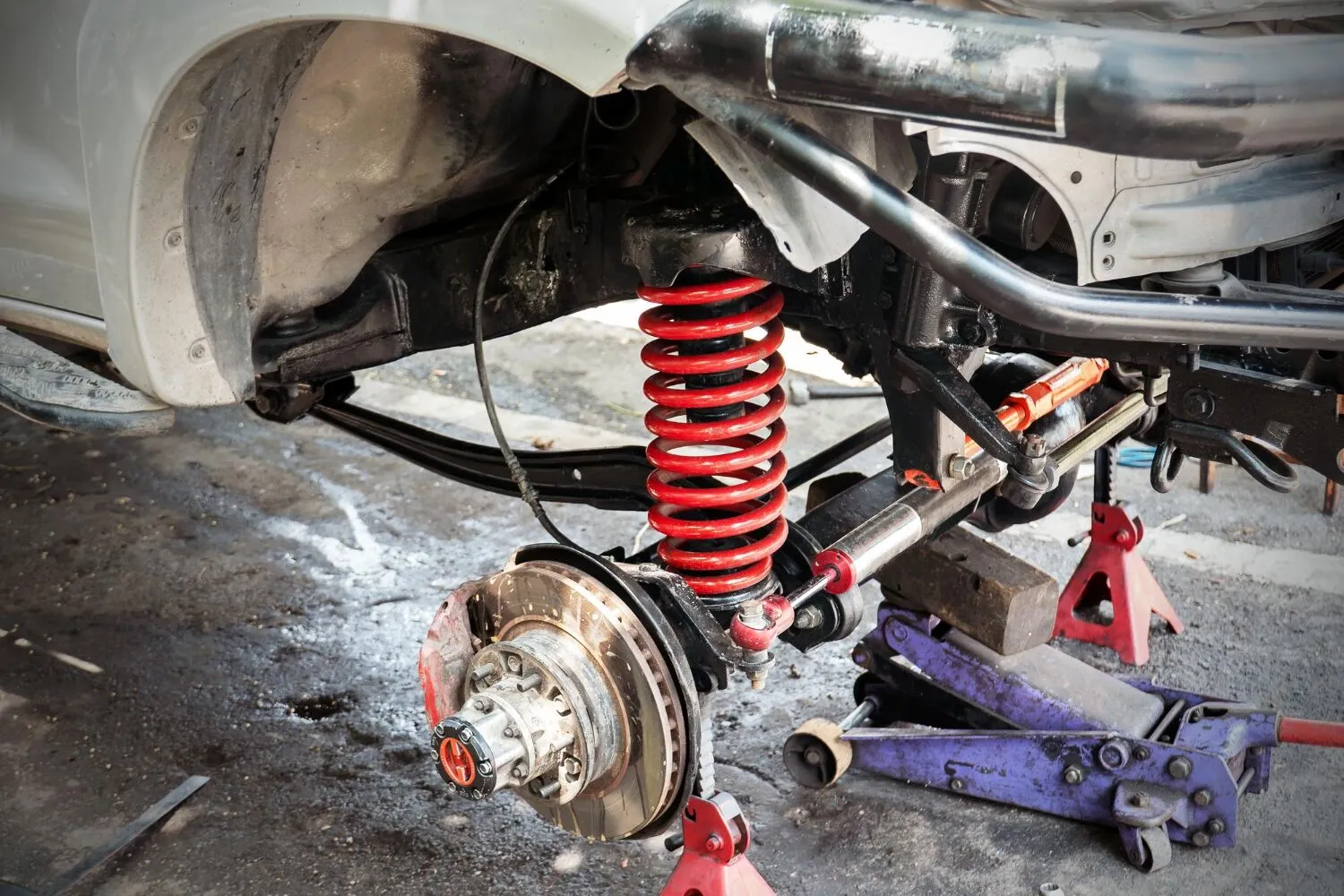
Shock absorbers and struts control the movement of the vehicle’s suspension. They are particularly important when additional weight changes the vehicle’s normal ride characteristics. Heavy roof cargo can make the body move differently over bumps, especially when the total vehicle load is high.
The higher center of gravity can also influence how quickly the body rolls and settles. When the vehicle turns, brakes, or encounters uneven pavement, the suspension has to control both vertical movement and body motion. A heavily loaded vehicle can therefore place greater demands on dampers.
Worn dampers may become noticeable when roof cargo is installed. The vehicle might bounce more than usual after a bump, feel less settled on uneven roads, or require more steering correction in windy conditions. These symptoms do not prove that the roof rack caused the problem, but added weight can expose existing suspension wear.
Dampers can also suffer from heat buildup when working continuously under demanding conditions. Long trips with a heavily loaded vehicle, rough roads, and high ambient temperatures can create a demanding operating environment.
Maintaining the suspension becomes especially important for vehicles used regularly with roof racks. Checking for leaking dampers, worn bushings, damaged springs, and uneven tire wear can help identify problems before they affect handling.
Roof cargo should be treated as part of the vehicle’s total loading plan rather than as weight that exists separately from the suspension.
8. Wheel Bearings
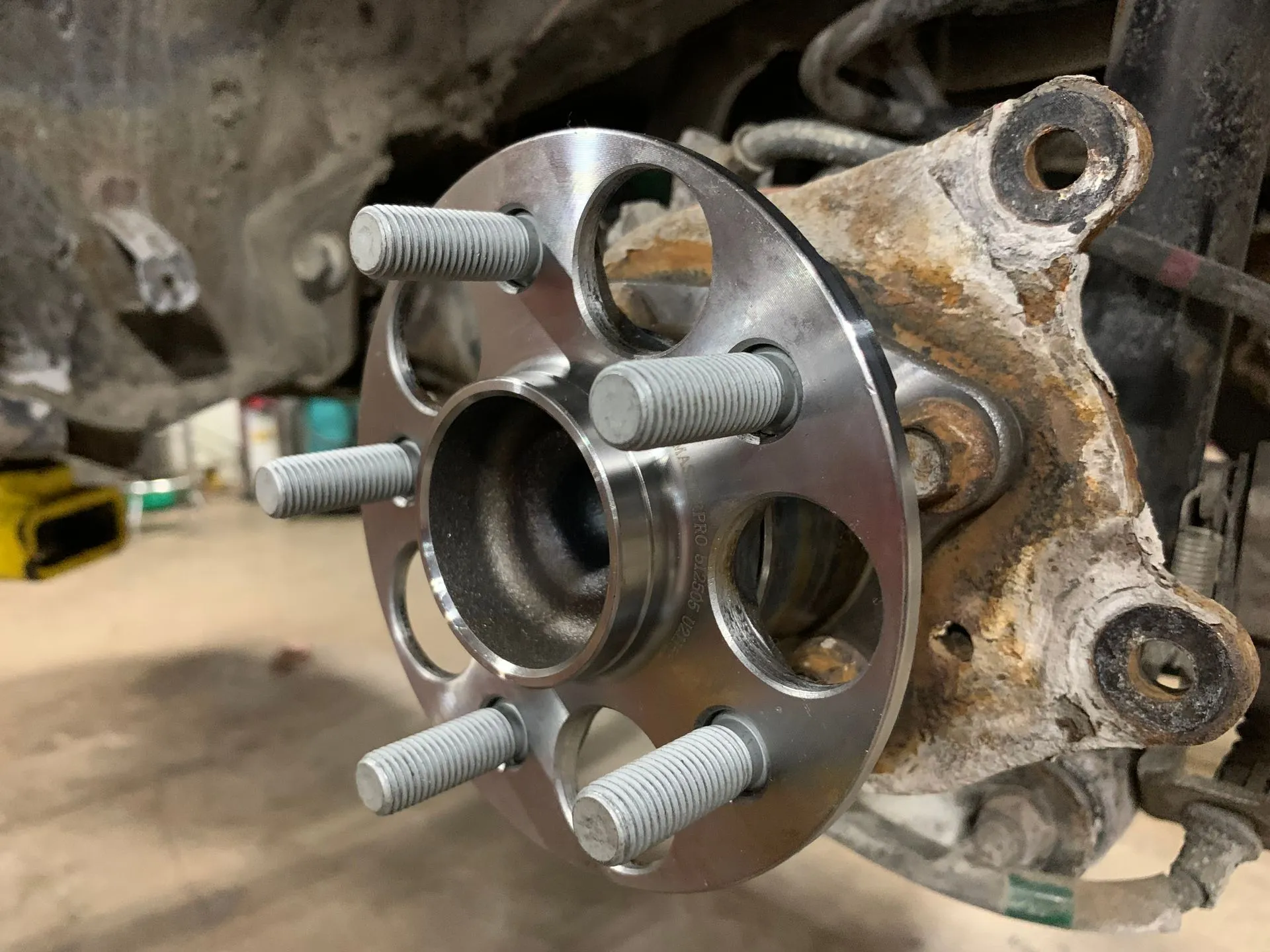
Wheel bearings support the vehicle’s wheels and allow them to rotate with limited friction. They are designed to handle substantial forces, but every additional kilogram carried by the vehicle contributes to the loads transmitted through the suspension and wheels.
A roof rack does not normally damage a healthy wheel bearing by itself. The concern arises when heavy roof cargo is combined with passengers, luggage, towing, or other loads that push the vehicle toward or beyond its maximum permitted weight. Continuous operation under excessive load can increase stress throughout the wheel-end system.
Driving conditions matter as well. Heavy loading combined with rough roads, potholes, high speeds, or frequent cornering can produce larger forces than gentle driving on smooth pavement. These factors can accelerate wear in components that are already aging.
A worn wheel bearing may produce a humming, growling, or rumbling sound that changes with vehicle speed. In some cases, the noise changes when the vehicle turns because the load on the bearing changes. Such symptoms should be investigated rather than automatically blamed on tire noise.
Keeping the vehicle within its rated gross weight and axle limits is an important part of bearing protection. Tire pressures should also be adjusted according to the vehicle manufacturer’s load recommendations. Correct loading reduces unnecessary stress across the wheel, suspension, and chassis system.
9. Body and Chassis Fasteners
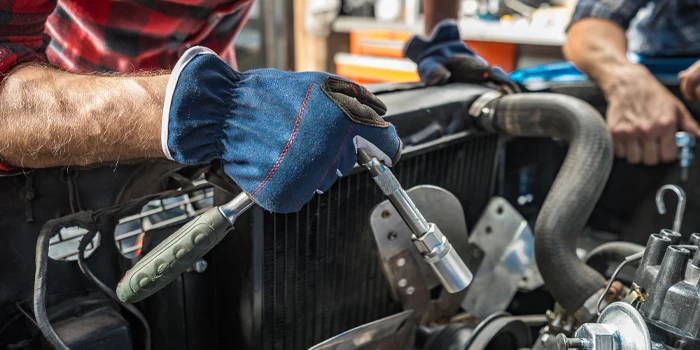
A roof rack can transfer forces into the vehicle body through bolts, threaded inserts, brackets, and other fasteners. These components are often hidden beneath trim, making their condition difficult to assess without proper inspection.
Fasteners are exposed to different forces when a vehicle carries heavy roof cargo. Braking creates forward forces, acceleration creates rearward forces, and cornering produces lateral forces. Wind creates additional pressure, particularly when the cargo is tall or has a large surface area.
Repeated movement can cause fasteners to loosen if the rack is not installed correctly. Incorrect tightening can also be harmful. Too little torque may allow movement, while excessive torque can damage threads, crush mounting surfaces, or distort surrounding materials.
Once a mounting fastener loses its proper clamping force, the rack may begin shifting. That movement can increase stress on nearby bolts and brackets. A problem that begins with a small amount of looseness can therefore become more significant over time.
Drivers should follow the rack manufacturer’s installation instructions and use the specified tightening method. If a mounting bolt repeatedly loosens, simply tightening it again may not solve the underlying problem. The threaded insert, bracket, surrounding metal, or rack component may require inspection.

10. Tailgate, Hatch and Liftgate Components
Roof cargo can indirectly affect the operation of a vehicle’s tailgate or liftgate. This is especially relevant when the rack is installed near the rear of the roof or when a long item extends toward the back of the vehicle.
Power liftgates can be particularly sensitive to interference. A cargo box, bicycle, kayak, or other item may prevent the tailgate from opening fully. If the powered mechanism attempts to move against an obstruction, unnecessary stress can be placed on hinges, struts, drive mechanisms, or related components.
Gas struts and powered lift supports also have to counterbalance the weight of the tailgate. While roof cargo does not normally add weight directly to the hatch, rack equipment or improperly positioned accessories can interfere with its movement. Repeated contact can cause scratches, dents, misalignment, or damage to trim.
Long cargo can also create leverage if it contacts the rear portion of the vehicle. A kayak or board that extends beyond the roof may move with wind and vehicle vibration. If it is not properly secured, it can strike the tailgate or rear spoiler.
Before loading a roof rack, drivers should check the full operating range of the tailgate. Open and close it carefully after installing the rack and cargo, following any clearance instructions supplied by the manufacturer.
Some vehicles require the power liftgate feature to be disabled when certain roof-mounted accessories are installed.
