
Car insurance costs are beginning to rise again after a period when drivers benefited from falling premiums. The shift is putting fresh pressure on household budgets as insurers respond to higher repair bills, expensive vehicle parts, severe weather losses, and changing claims patterns.
For motorists, even a modest increase can make a noticeable difference when insurance is combined with fuel, maintenance, financing, and registration expenses. Understanding why premiums are moving upward can help drivers make informed choices when their policies come up for renewal.
Several factors are contributing to this change, and the trend could affect drivers differently depending on their vehicle, location, driving history, and coverage needs.
Why Car Insurance Prices Are Rising Again
Car insurance premiums are closely connected to the cost of paying claims. When repairing or replacing damaged vehicles becomes more expensive, insurers generally face higher expenses.
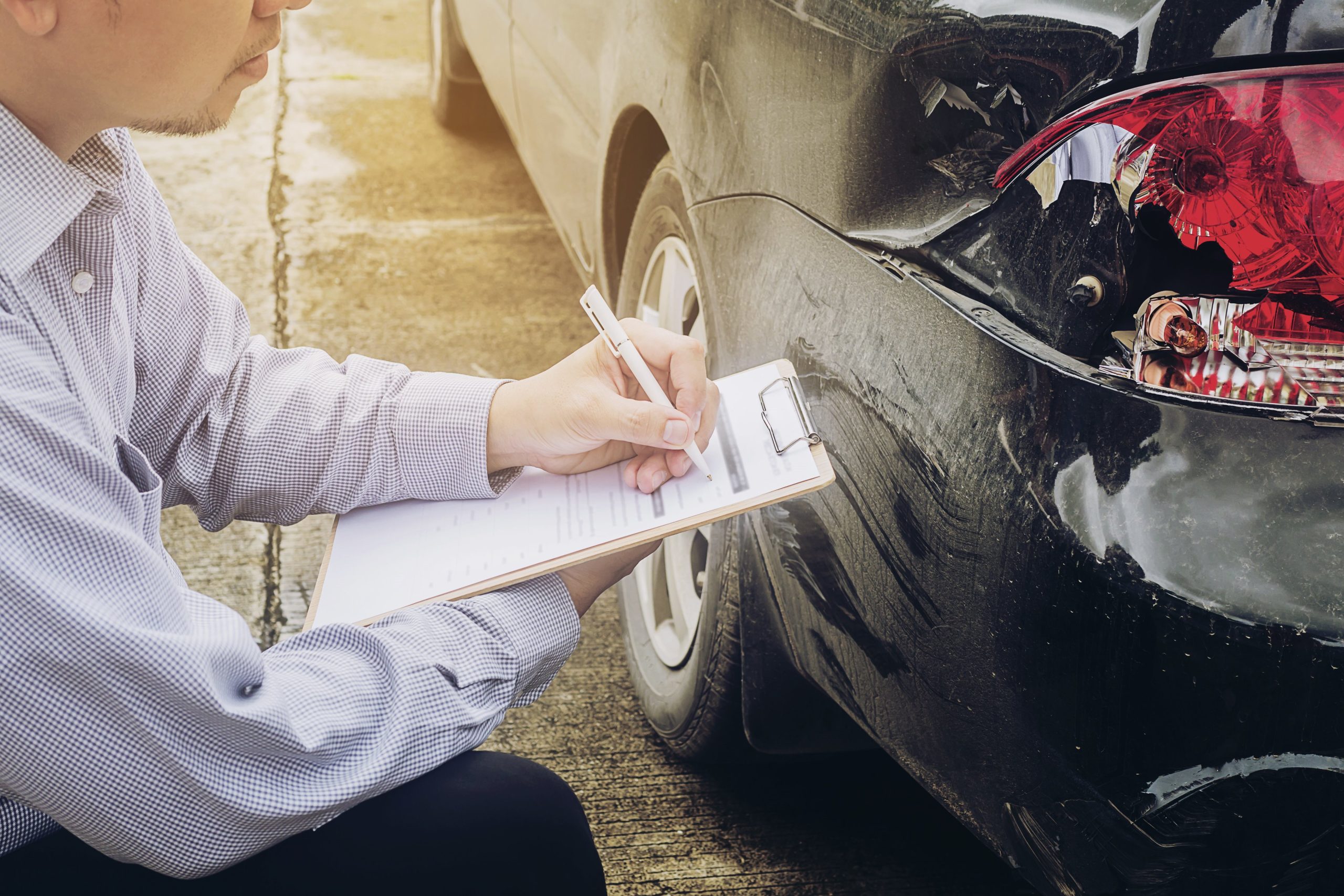
Modern cars contain advanced sensors, cameras, computer systems, specialized materials, and electronic components that can increase repair costs after even relatively minor accidents.
A damaged bumper may require replacement of sensors or calibration of safety equipment rather than a simple body repair. These additional expenses can eventually influence the amount motorists pay for coverage.
Vehicle repair costs have also been affected by labor expenses and parts prices. Repair shops need trained technicians who can work with increasingly sophisticated vehicle systems. Some repairs require specialized equipment, diagnostic software, or manufacturer-specific procedures.
If parts are difficult to obtain, vehicles can also spend more time in repair facilities. Longer repair periods may increase costs associated with replacement vehicles and other claim-related services.
Weather-related losses are another factor affecting the insurance market. Floods, hailstorms, hurricanes, wildfires, and other severe weather events can result in large numbers of vehicle claims within a short period.
When insurers experience significant losses across a region, premiums may be adjusted to reflect changing risk. Drivers in areas exposed to frequent storms or flooding can therefore experience different pricing patterns from motorists in regions with fewer weather-related claims.

Falling Prices Did Not Mean Insurance Costs Were Permanently Lower
The recent period of declining insurance prices provided some relief for motorists, but insurance premiums can change as market conditions develop. A reduction during a particular period does not necessarily establish a long-term direction. Insurers continually assess claims, operating costs, vehicle values, repair expenses, and regional risks when determining future pricing.
Insurance companies also need to maintain sufficient funds to cover future claims. Premiums are calculated using estimates about how frequently accidents may occur and how expensive those accidents could become.
If claim severity increases, pricing models can change even when accident frequency remains relatively stable. This helps explain why drivers may see higher renewal prices without having made a claim themselves.
A driver can also experience a premium increase when broader conditions in the insurance market change. Personal driving records remain important, but insurers consider much more than an individual’s history. Regional accident rates, theft levels, repair costs, weather risks, and insurance regulations can all influence pricing.
For motorists who enjoyed a lower premium during the previous year, a higher renewal quote can therefore come as a surprise. The change may have little connection to personal driving behavior. It can reflect expenses affecting thousands or millions of policyholders across a market.
Modern Vehicles Are Becoming More Expensive to Repair
Technology has transformed the way cars are designed and repaired. Features such as automatic emergency braking, lane departure warnings, adaptive cruise control, parking cameras, blind-spot monitoring, and sophisticated infotainment systems can improve convenience and safety. They can also make certain accident repairs more complicated.
Sensors are often positioned behind bumpers, grilles, mirrors, windshields, and other parts that can be damaged during collisions. After a repair, these systems may need testing or recalibration.
A windshield replacement, for example, can involve additional procedures if a camera used by driver-assistance technology is mounted near the glass.
Electric vehicles can introduce additional considerations. Their battery systems, specialized components, and repair procedures may require technicians with specific training. The cost of repairing certain types of damage can vary considerably depending on the vehicle and the nature of the incident.
The growing complexity of vehicles means that insurance pricing is increasingly connected to technology and repair infrastructure. Drivers may not notice these costs during everyday use, but they can become significant when a vehicle is involved in an accident.
What Higher Premiums Mean for Drivers
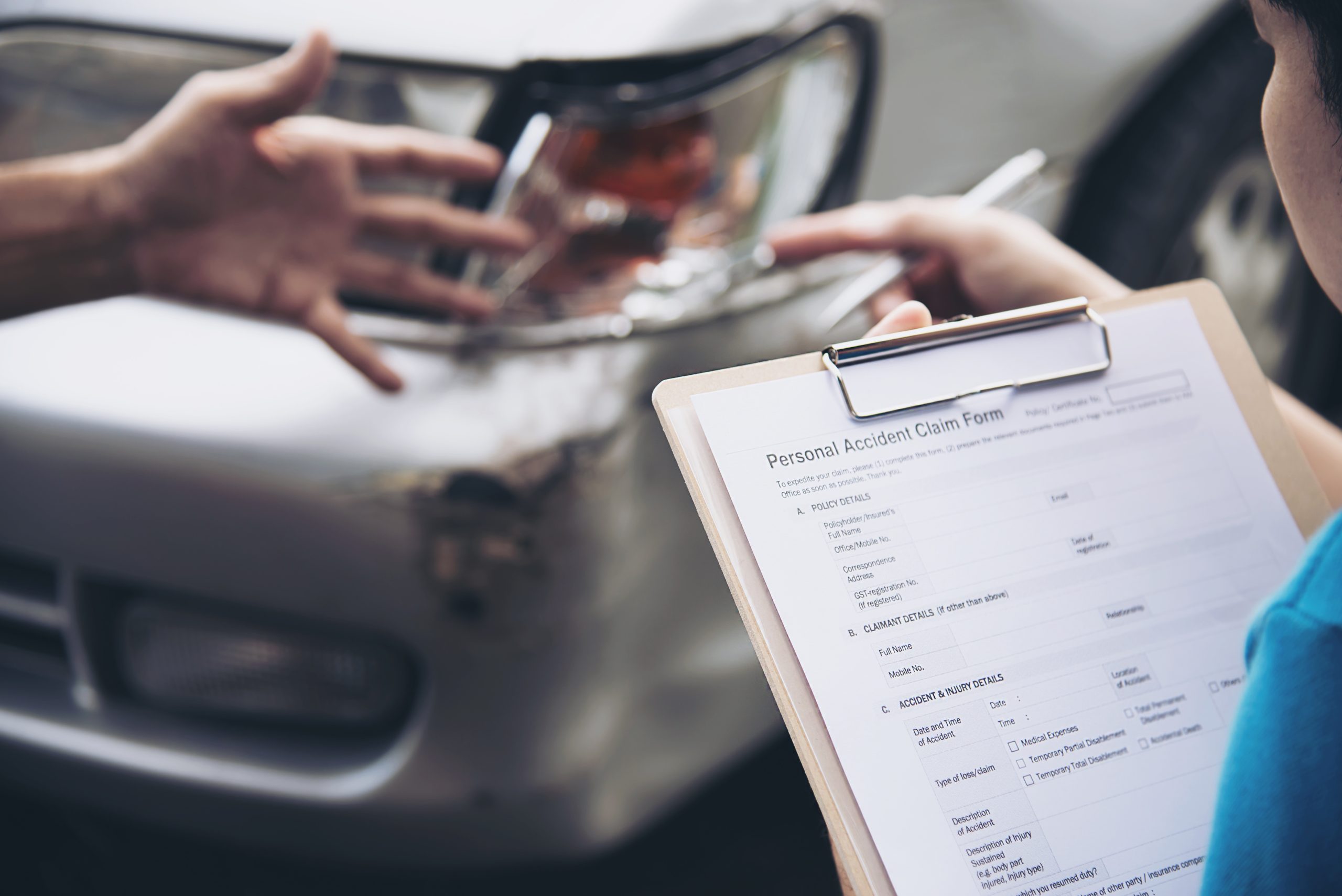
Rising premiums can put pressure on drivers who are already dealing with higher transportation expenses. Insurance is usually a recurring cost, so even a relatively small annual increase can add up over several years.
Households with multiple vehicles may feel the change more strongly.
Some motorists may respond by reducing optional coverage to lower their monthly payment. That approach can reduce immediate expenses, but it may also leave a driver responsible for higher costs following an accident, theft, or weather-related event. The right level of coverage depends on the vehicle, financial circumstances, lender requirements, and personal risk tolerance.
Drivers should pay attention to their policy when renewal approaches rather than automatically accepting the new premium. Comparing available coverage and checking whether discounts still apply can reveal opportunities to reduce expenses without simply removing important protection.
It is also useful to review deductibles. A higher deductible can sometimes reduce the premium, while a lower deductible generally means paying less out of pocket when a covered claim occurs. Drivers should consider whether they could comfortably pay the selected deductible before changing it.
Ways Drivers Can Manage Rising Insurance Costs
Shopping around can be an effective way to respond to changing premiums. Insurance companies use different pricing models, meaning two providers can offer different rates for similar coverage.
Comparing quotes can help drivers understand whether a higher renewal price reflects broader market conditions or a difference between insurers.
Maintaining a clean driving record can also help control long-term insurance expenses. Speeding tickets, at-fault accidents, and other violations can affect premiums depending on the insurer and jurisdiction. Safe driving remains important for both financial and personal reasons.
Drivers should also check available discounts. Insurers may offer savings for features such as multiple policies, defensive driving courses, low annual mileage, safety equipment, or eligible payment arrangements. Discount programs vary, so motorists should confirm which options are available under their policy.
Telematics programs can provide another potential option for eligible drivers. These programs may use driving data to assess behaviors such as braking, acceleration, mileage, or driving times.
The impact varies by insurer and program, so motorists should understand how their information is collected and how driving patterns may affect pricing before enrolling.

What Drivers Should Watch During Renewal
A renewal notice is a useful opportunity to review more than just the new premium. Drivers should check their liability limits, collision and comprehensive coverage, deductibles, exclusions, listed drivers, vehicle information, and available discounts. Changes in circumstances can make an old policy less suitable than it was previously.
Vehicle owners should also consider the current value of their car. The relationship between a vehicle’s value and the cost of certain coverage can become important as a car gets older. Drivers financing or leasing a vehicle should pay particular attention to contractual insurance requirements before making changes.
It is important to compare policies based on coverage rather than focusing exclusively on the lowest price. A cheaper policy may have different limits, deductibles, exclusions, or optional protections. Comparing equivalent coverage provides a clearer picture of the actual cost.
For consumers, the return of higher premiums does not mean there is nothing they can do. Careful comparison, regular policy reviews, safe driving, and awareness of available discounts can help manage insurance expenses while maintaining appropriate protection.
