
Motorcycles are a visible part of transportation across the United States, but their presence varies considerably from state to state. Looking at total registrations alone can favor heavily populated states, so a per capita measure provides a different view of motorcycle ownership.
Using Federal Highway Administration Highway Statistics 2023 data, this article examines the 10 states with the highest number of registered motorcycles relative to their resident populations. The calculation uses total motorcycle registrations reported in FHWA Table MV-1 and resident population figures in Table DL-1C.
The resulting figures show substantial differences in motorcycle ownership patterns across the country, with smaller states appearing prominently in the rankings.
1. Montana
Montana stands out by a wide margin in the FHWA 2023 data. The state reported 423,458 registered motorcycles, while its resident population was 1,132,812.
Using those figures produces approximately 373.7 registered motorcycles per 1,000 residents, or about 37.4 motorcycles for every 100 residents.
The size of Montana’s motorcycle registration figure becomes clearer when it is compared with the state’s population. Montana had fewer than 1.2 million residents in the FHWA population data, yet its motorcycle registrations exceeded 400,000.
This means motorcycles account for a substantial registration presence relative to the size of the state’s population. The result is not simply a product of Montana having a large number of motorcycles. Its comparatively small population makes the per capita figure much larger.
Montana’s total motorcycle registrations also differ sharply from those of states with much larger populations. California, for example, reported 775,650 motorcycles in 2023, nearly twice Montana’s total.
Yet California’s resident population was approximately 39 million, compared with Montana’s roughly 1.13 million. A comparison of the two illustrates why per capita measurements can produce a very different picture from rankings based solely on total registrations.
The Montana figure should also be read in light of FHWA’s registration methodology. Registration totals cover vehicles registered at some point during the calendar year, and state registration systems can differ.
The number does not indicate that 37 out of every 100 Montana residents personally own a motorcycle. It simply reflects the relationship between the number of motorcycles recorded in the registration data and the state’s resident population.
Montana’s position therefore provides a useful example of why population-adjusted transportation statistics matter. A state can have a relatively modest absolute number of registered motorcycles while producing a very high per capita result.
In the 2023 FHWA data, Montana’s 423,458 motorcycles and 1,132,812 residents create a ratio that is far above the other states examined here. That numerical gap is the defining feature of Montana’s position in this comparison.
2. South Dakota
South Dakota ranks near the top when motorcycle registrations are adjusted for population. FHWA reported 144,747 total registered motorcycles for the state in 2023. Its resident population was 919,318. Dividing the motorcycle count by the population gives approximately 157.5 motorcycles per 1,000 residents, or about 15.8 motorcycles per 100 residents.
South Dakota’s result is substantially lower than Montana’s, yet it remains considerably higher than the figures for the remaining states in the top 10. The state had fewer than one million residents, which means a motorcycle registration total approaching 145,000 creates a relatively high per capita figure.
The relationship between population size and registration volume is particularly important for understanding why South Dakota appears so high in a population-adjusted ranking.
The state’s total motorcycle count is not especially large when compared with highly populated states. California, Florida and New York, for instance, reported hundreds of thousands of motorcycles in 2023.
South Dakota’s count was much smaller in absolute terms. Its position comes from the comparatively small population denominator rather than from having the largest motorcycle fleet in the country.
South Dakota also illustrates why raw registration totals and per capita statistics answer different questions. A total-registration ranking asks where the largest number of motorcycles are registered.
A per capita calculation asks how large the registered motorcycle population is relative to the number of residents. Those two measurements can produce very different lists because population sizes vary so dramatically among states.
The FHWA figures provide a consistent basis for this comparison, but they do not explain why motorcycle registrations differ among states. Factors such as climate, transportation patterns, tourism, licensing practices, vehicle preferences, and seasonal riding conditions could potentially affect registration patterns, but the registration table itself does not establish the causes.
The data establish the size of the registered motorcycle population relative to the state’s resident population, which is the basis for South Dakota’s position in this article.
3. Utah
Utah recorded 210,847 registered motorcycles in the 2023 FHWA data. Its resident population was 3,417,734. Based on those figures, Utah had approximately 61.7 registered motorcycles per 1,000 residents, equivalent to roughly 6.2 motorcycles per 100 residents. This places Utah within a much tighter group of states following the two leading states.
Utah’s motorcycle count is considerably larger than the counts reported by several smaller states. More than 210,000 motorcycles were recorded in the state, which means Utah combines a sizeable absolute motorcycle population with a population that is still relatively modest compared with the largest states. This combination produces a high per capita result without requiring the unusually large ratio seen in Montana.
The distinction between total motorcycles and motorcycles per capita is particularly useful when considering Utah. California had more than three times as many registered motorcycles as Utah in the FHWA data, but California also had more than ten times Utah’s resident population. Consequently, California’s much larger motorcycle fleet does not translate into a comparable per capita figure.
Utah’s data also demonstrate that a high per capita motorcycle registration rate does not necessarily correspond to a small absolute fleet. The state has enough residents to support a substantial number of registered motorcycles while still producing a comparatively high ratio. This makes the state relevant for readers interested in both the size of the motorcycle market and the density of registrations relative to population.
As with every state in the ranking, the Utah figure should be interpreted as a registration statistic rather than a measure of active riding. FHWA’s methodology includes vehicles registered at some point during the calendar year.
Registration data therefore provide an important administrative measure, but they do not reveal how many miles those motorcycles traveled or how frequently they were used.
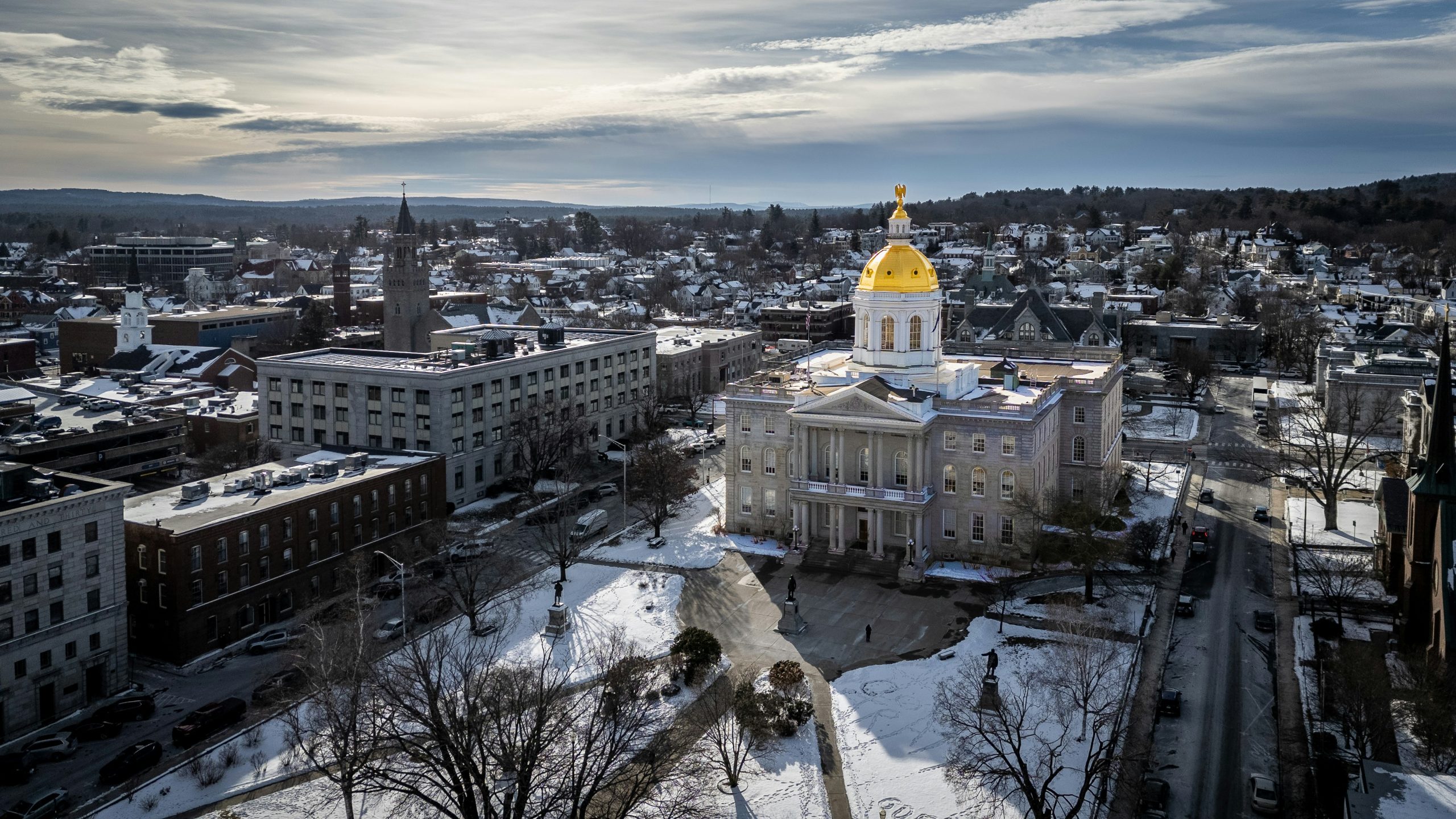
4. New Hampshire
New Hampshire recorded 86,105 registered motorcycles in 2023, according to FHWA Table MV-1. The state’s resident population was 1,402,054. That produces a rate of approximately 61.4 motorcycles per 1,000 residents. In percentage terms, the figure is equivalent to roughly 6.1 registered motorcycles for every 100 residents.
The New Hampshire figure is important because the state reaches the upper part of the per capita list without having a particularly large motorcycle fleet in absolute terms. Its 86,105 motorcycles are far below the totals reported by California, Florida, New York, and other large states.
The relatively small are spread across a population of approximately 3.42 million, while New Hampshire’s 86,105 motorcycles are spread across approximately 1.40 million residents. The resulting ratios are nearly identical, resident population changes the interpretation of that figure when the registration count is normalized.
New Hampshire sits very close to Utah in the calculation. Utah’s 210,847 motorcycles are spread across a population of approximately 3.42 million, while New Hampshire’s 86,105 motorcycles are spread across approximately 1.40 million residents.
The resulting ratios are nearly identical, demonstrating how population size can narrow or widen differences between states when registration totals are converted into per capita figures.
The state’s placement should not be interpreted as evidence that every resident has equal access to or interest in motorcycles. A population-level ratio does not identify individual owners. Some residents may own multiple motorcycles, while other residents may not own any. The statistic simply relates the total number of registered motorcycles reported by the state to the total resident population used by FHWA.
New Hampshire’s position also highlights how small population differences can have a noticeable effect on rankings when states have similar registration ratios. Utah and New Hampshire are separated by only a small amount in motorcycles per 1,000 residents.
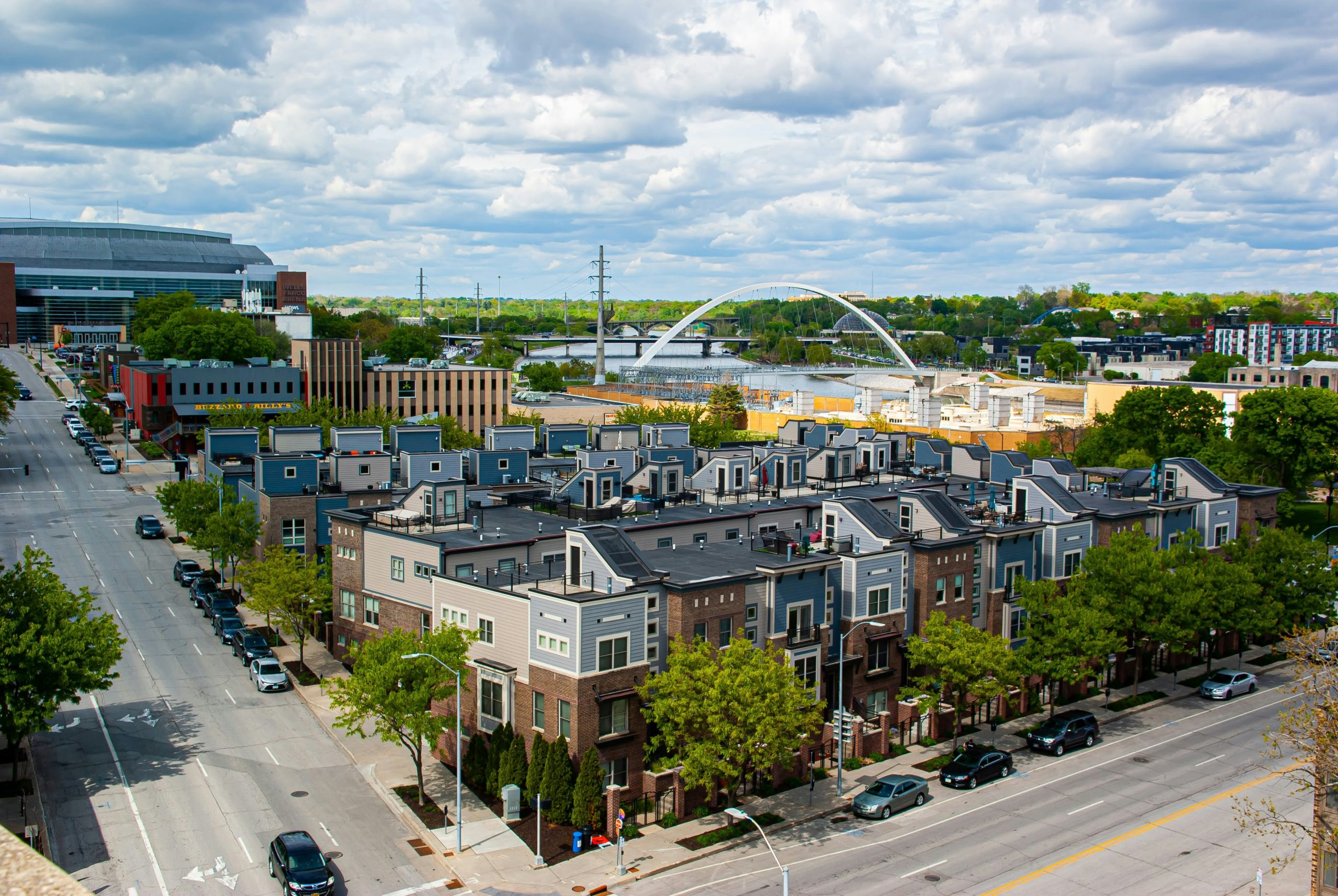
5. Iowa
Iowa reported 193,405 registered motorcycles in 2023, while FHWA listed its resident population at 3,207,004. The resulting calculation is approximately 60.3 registered motorcycles per 1,000 residents, or about 6.0 motorcycles per 100 residents. This puts Iowa close to Utah and New Hampshire in terms of population-adjusted motorcycle registrations.
The Iowa figure is interesting because the state has nearly twice as many registered motorcycles as New Hampshire, yet its population is also more than twice as large.
The two states therefore arrive at similar per capita results through different combinations of registrations and population. This illustrates why examining both components of the calculation is useful when interpreting the data.
Iowa’s total motorcycle registration count is also considerably higher than that of several states outside the top 10. Still, its position is not based solely on the absolute number of motorcycles.
The population denominator keeps the calculation focused on the relationship between motorcycles and residents rather than simply identifying states with the largest motorcycle markets.
FHWA’s registration statistics include motorcycles classified under the motorcycle category in Table MV-1. The table separates motorcycles from automobiles, buses, and trucks, allowing researchers to examine motorcycle registrations as their own vehicle category.
The agency’s notes also explain that some registration figures can be affected by state reporting practices and data-quality considerations.
Iowa’s 2023 figures show that motorcycles are relatively common across the state. There were 193,405 registered motorcycles among a population of 3,207,004 residents, resulting in a rate of just over 60 motorcycles per 1,000 people. This puts Iowa among the states with a relatively high concentration of registered motorcycles compared with their population size.
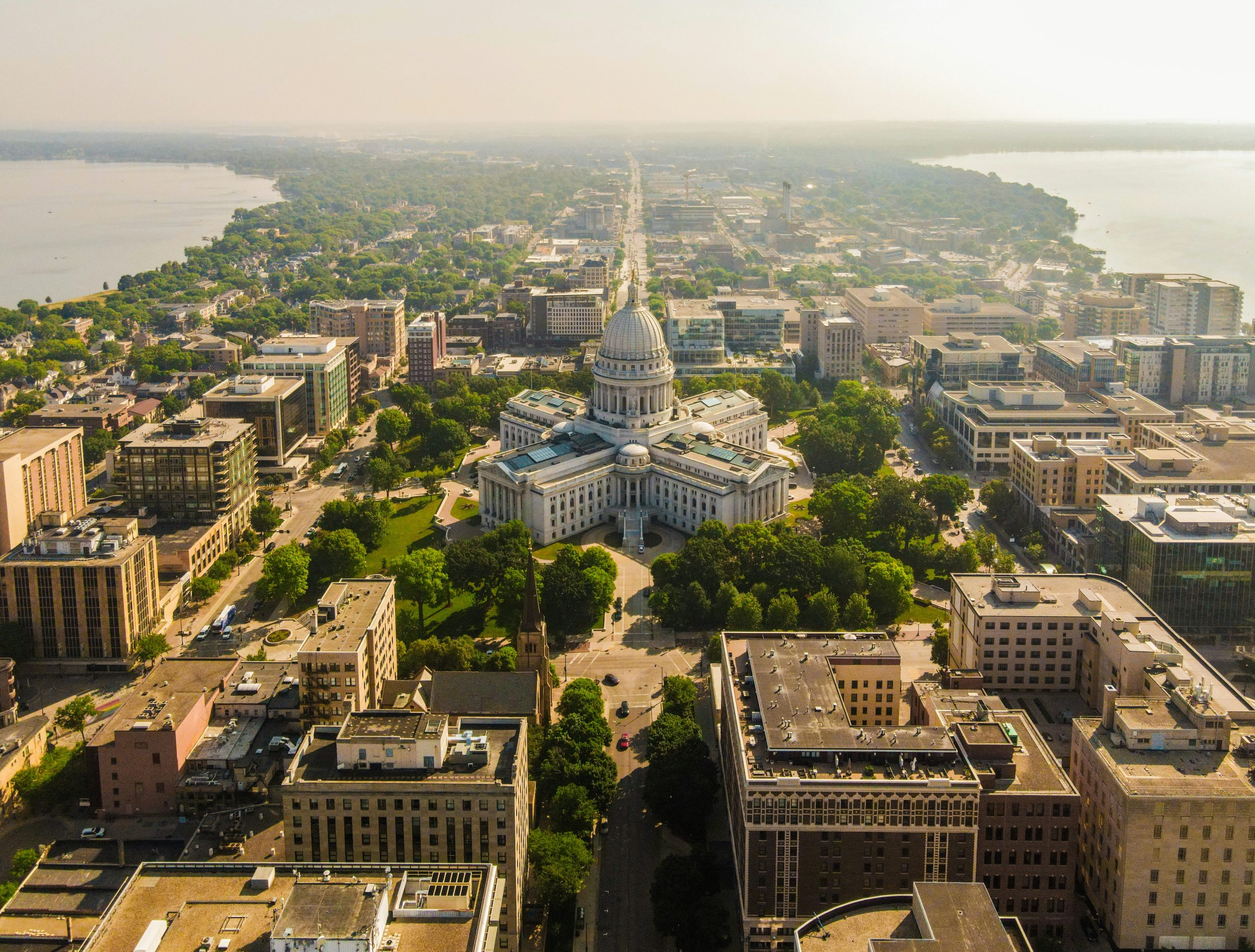
6. Wisconsin
Wisconsin recorded 323,755 registered motorcycles in 2023. FHWA listed the state’s resident population at 5,910,955. Dividing the motorcycle total by the population gives approximately 54.8 motorcycles per 1,000 residents, or around 5.5 motorcycles per 100 residents.
Wisconsin has a considerably larger motorcycle registration total than several states above it in the per capita calculation. Its 323,755 motorcycles exceed the totals reported by New Hampshire, Maine, Alaska and Vermont. However, Wisconsin also has a much larger population, which lowers its ratio when the motorcycle count is adjusted for residents.
This is a useful reminder that per capita rankings are not rankings of the largest motorcycle fleets. A state can have more registered motorcycles than a state above it while still having fewer motorcycles per resident.
The Wisconsin data make that distinction particularly clear because its absolute registration total is substantial, yet its population is large enough to produce a lower per capita rate than smaller states.
Wisconsin’s figure also shows that the top 10 are not limited to very small states. The state had nearly six million residents in the FHWA population data, placing it among the more populous states represented in this group. Its appearance indicates that a relatively high motorcycle registration ratio can occur in a state with a sizeable population.
The 2023 data show 323,755 registered motorcycles compared with 5.91 million residents. That relationship results in approximately 0.055 registered motorcycles per resident. Expressed another way, there were roughly 55 registered motorcycles for every 1,000 residents. This provides a more meaningful comparison with states that have very different population sizes.
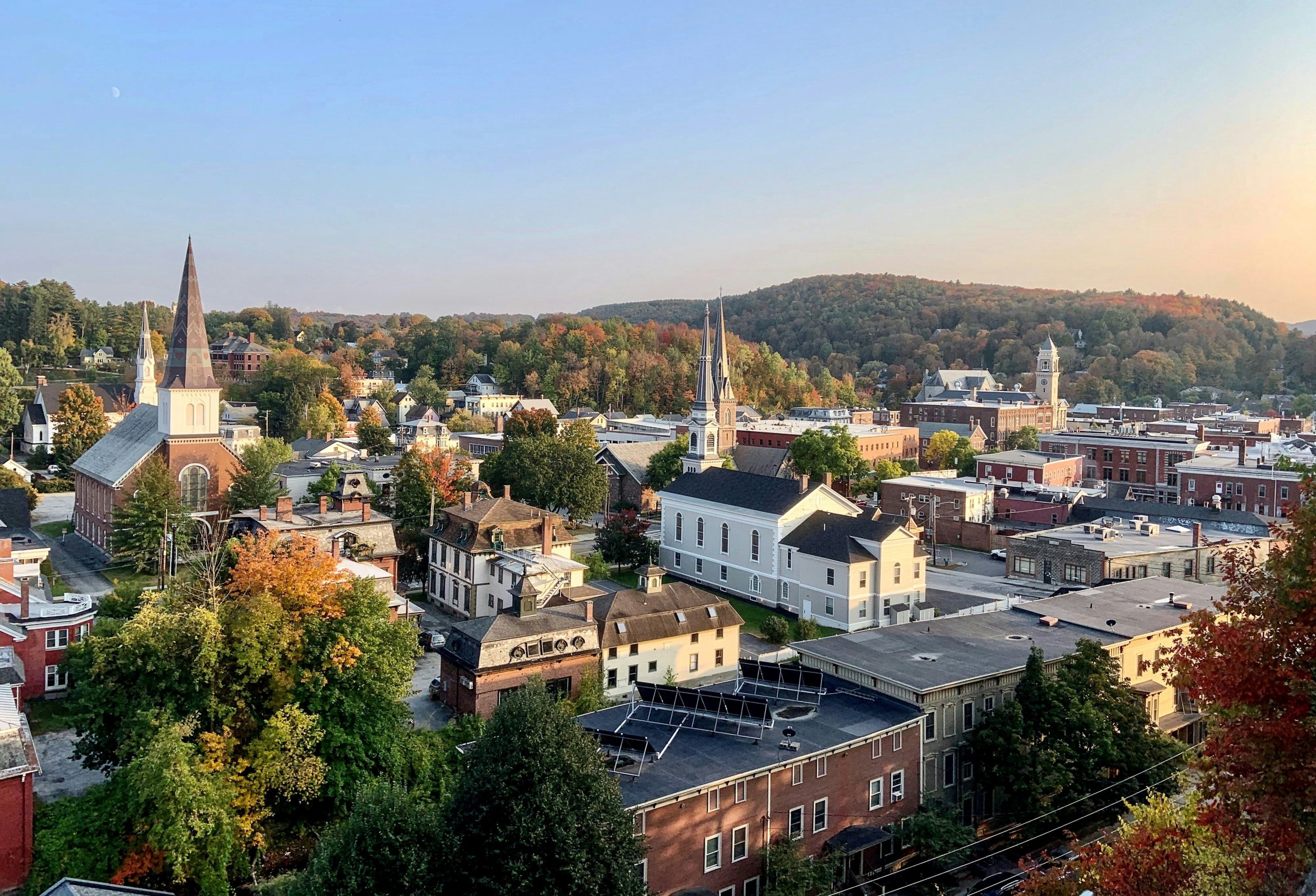
7. Vermont
Vermont reported 34,037 registered motorcycles in 2023, including 34,037 private and commercial motorcycles in the FHWA table and no publicly owned motorcycles listed in that category. Its resident population was 647,464. The resulting rate is approximately 52.6 motorcycles per 1,000 residents, or 5.3 motorcycles per 100 residents.
Vermont’s absolute registration count is small compared with large states. California, for example, reported more than 775,000 motorcycles, while Florida reported more than 626,000. Vermont’s total was only about 34,000. Yet its much smaller population means that the registration count represents a substantial number of motorcycles relative to residents.
The Vermont example is particularly useful for understanding the impact of the denominator. A total of 34,037 motorcycles might appear modest when viewed without context. Once that number is compared with a population below 650,000, the resulting per capita rate moves Vermont into the upper tier of states in this analysis.
Vermont’s data also show why a per capita ranking should not be confused with a ranking of motorcycle sales or economic activity. Registration figures describe vehicles recorded by state systems.
They do not directly measure new motorcycle purchases, motorcycle tourism, miles traveled, repair activity or spending by riders. Additional information would be required to analyze those subjects.
The FHWA data give Vermont approximately 52.6 registered motorcycles for every 1,000 residents. That places it below Wisconsin but above Wyoming in the calculation used here. The relatively narrow gap between some states in this portion of the ranking means small changes in either registrations or population could alter their relative positions in a future year’s data.
8. Wyoming
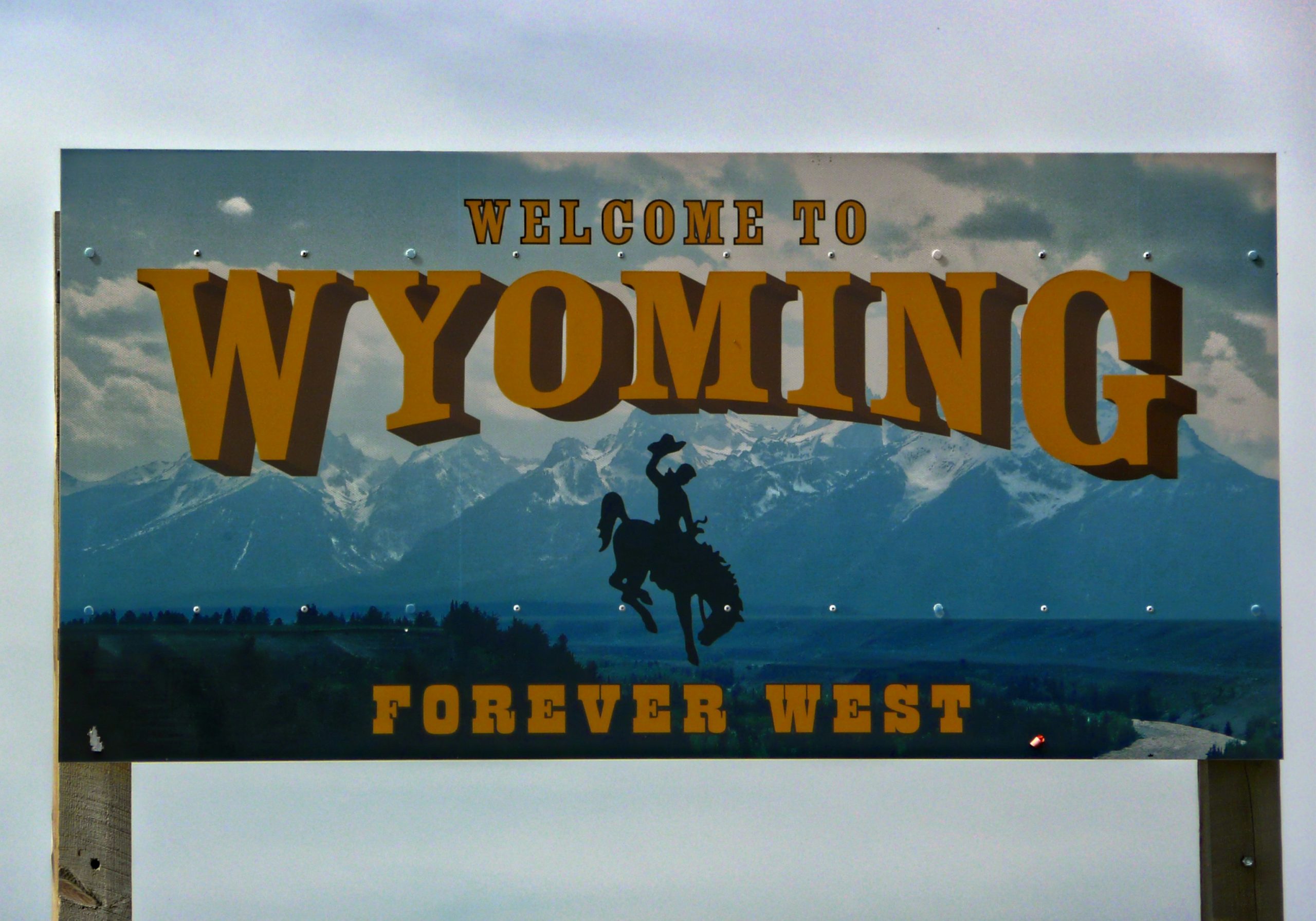
Wyoming recorded 28,041 registered motorcycles in 2023. FHWA’s resident population figure for the state was 584,057. Those figures result in approximately 48.0 motorcycles per 1,000 residents, equivalent to about 4.8 motorcycles per 100 residents.
Wyoming has the smallest motorcycle registration total among the states discussed in the top 10, with fewer than 30,000 motorcycles. That number would place it far below large states in any ranking based strictly on registrations. The per capita calculation changes the comparison because Wyoming also has fewer than 600,000 residents.
The Wyoming example demonstrates how population size can transform the interpretation of a vehicle-registration statistic. A state does not need hundreds of thousands of motorcycles to have a high motorcycle registration rate. When the population is comparatively small, tens of thousands of registrations can produce a ratio.
The state’s 2023 registration figure includes 28,031 private and commercial motorcycles and 10 publicly owned motorcycles in FHWA Table MV-1. The total of 28,041 is therefore the figure used in the per capita calculation. This distinction matters because the table provides separate figures for privately and commercially registered vehicles and publicly owned vehicles.
Wyoming’s calculated rate of approximately 48 motorcycles per 1,000 residents places it below Vermont and above Minnesota in this particular comparison.
Its position is a product of both the registration count and the resident population. The data do not by themselves identify the factors behind the registration pattern, but they clearly show the numerical relationship between motorcycles and population in 2023.
9. Minnesota
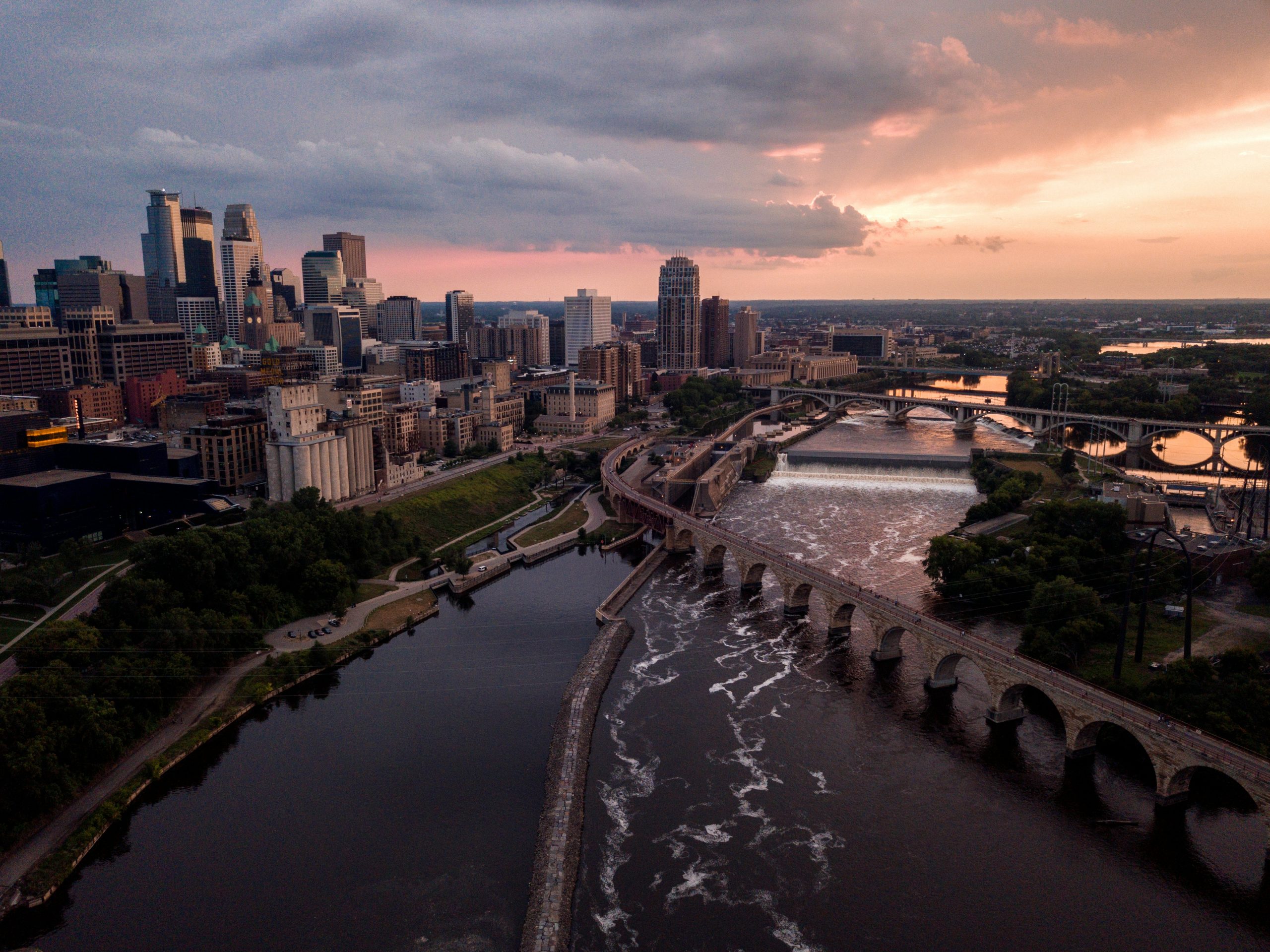
Minnesota recorded 225,802 registered motorcycles in 2023. Its resident population was 5,737,915. Dividing those figures produces approximately 39.4 registered motorcycles per 1,000 residents, or close to 3.9 motorcycles per 100 residents.
Minnesota has a much larger motorcycle registration total than several states appearing higher in the per capita calculation. Its 225,802 motorcycles exceed the totals reported by Vermont, Wyoming, New Hampshire and Alaska. The difference is that Minnesota’s population is also much larger, reducing the ratio when registrations are adjusted for residents.
The state’s position demonstrates the distinction between absolute and relative measures particularly well. A reader looking only at motorcycle registrations might naturally focus on states with large totals. A per capita analysis tells a different story by showing how substantial the motorcycle fleet is in relation to the size of the population.
Minnesota’s FHWA data include 225,802 private and commercial motorcycle registrations and no publicly owned motorcycles reported in the table.
This gives the state a total motorcycle registration figure of 225,802. The resident population figure of 5,737,915 comes from FHWA’s driver and population table, which identifies its underlying population source as the Census Bureau.
At approximately 39.4 motorcycles per 1,000 residents, Minnesota sits below Wyoming and above Maine in this calculation.
The gap between these states is not enormous, which means the precise registration and population figures are useful when presenting the results. Rounding to whole numbers can hide small differences, so the underlying data should remain part of any detailed comparison.
10. Maine
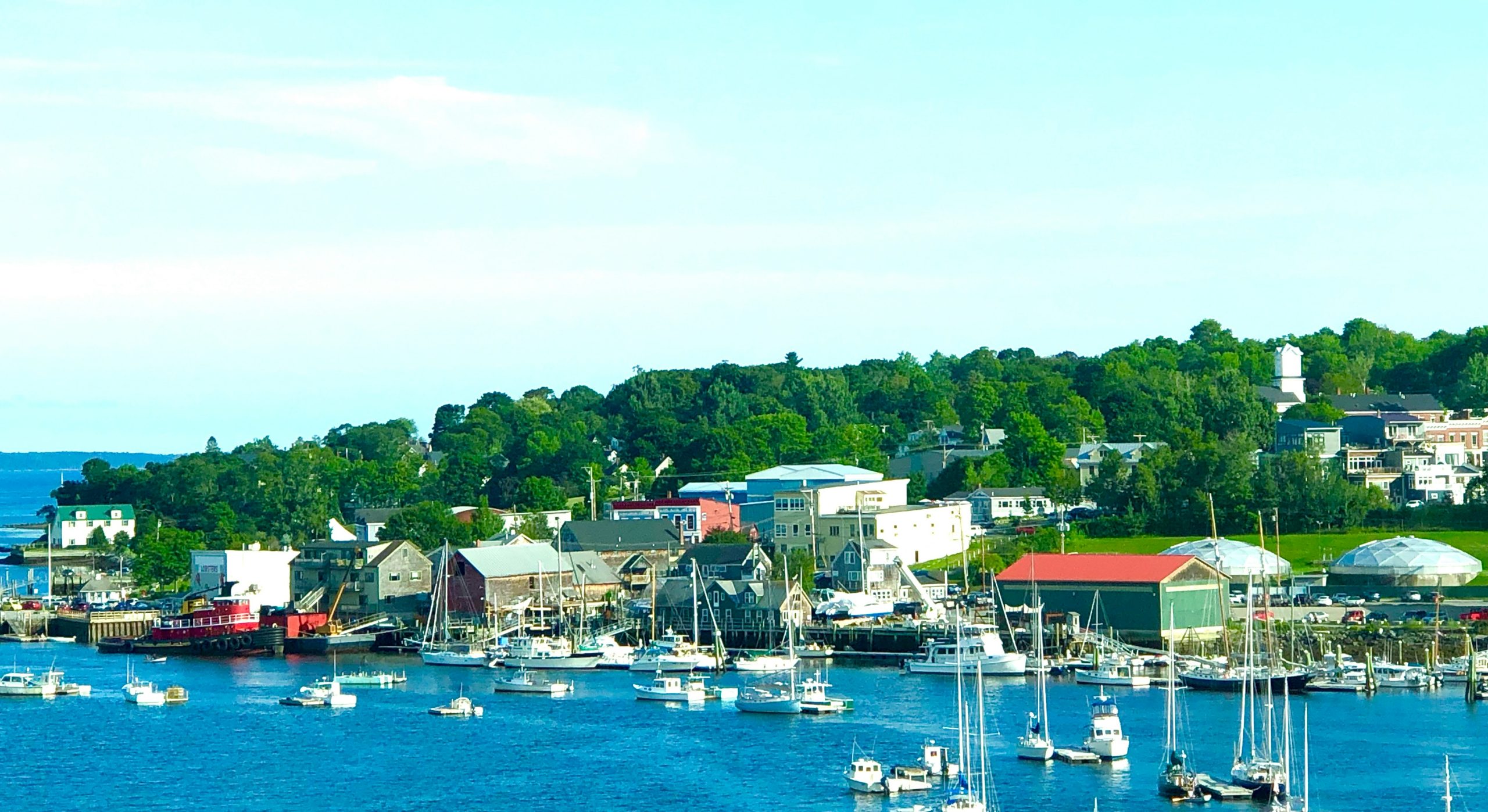
Maine recorded 51,477 registered motorcycles in 2023, while FHWA listed its resident population at 1,395,722. These figures produce approximately 36.9 motorcycles per 1,000 residents, or about 3.7 motorcycles per 100 residents. This places Maine at the tenth position in the calculation used for this article.
Maine’s absolute motorcycle count is modest when compared with large states. Its 51,477 registrations are far below California’s 775,650 and Florida’s 626,534. Yet the state’s population is also much smaller, allowing the motorcycle registration rate to appear much higher after population adjustment. This is precisely why per capita statistics are useful for comparisons involving states of different sizes.
The Maine figure also sits close to Alaska’s result. Maine has a larger population and more registered motorcycles, while Alaska has fewer residents and fewer motorcycles. The two combinations produce relatively similar per capita rates. Such comparisons demonstrate how the same ratio can emerge from very different absolute registration totals.
Maine’s motorcycle total consists of 51,448 private and commercial registrations and 29 publicly owned motorcycles according to FHWA Table MV-1. The resulting total is 51,477. FHWA’s table notes that its published data reflect state-supplied information without FHWA estimation procedures unless otherwise noted, while individual state footnotes identify certain reporting issues.
With approximately 36.9 motorcycles per 1,000 residents, Maine completes the top 10 in this analysis. The result provides a useful population-adjusted view of motorcycle registrations and shows why states with relatively small populations can appear prominently when transportation data are expressed on a per-resident basis.
The figure should still be interpreted as a registration ratio rather than a direct measure of motorcycle ownership or riding frequency.
