

Buying a used car can save money, but its history matters just as much as its age, mileage, and appearance. Some vehicles spend their early years as rental cars, accumulating miles from dozens or even hundreds of different drivers.
A rental background does not automatically mean a car is unreliable, yet it can reveal a pattern of heavy use that deserves closer attention. From unusual wear inside the cabin to service records and registration history, several clues can help identify a former rental vehicle.
Knowing what to check before buying can help you understand the car’s past and make a more informed decision about its condition and value.
1. Unusually High Mileage for the Car’s Age
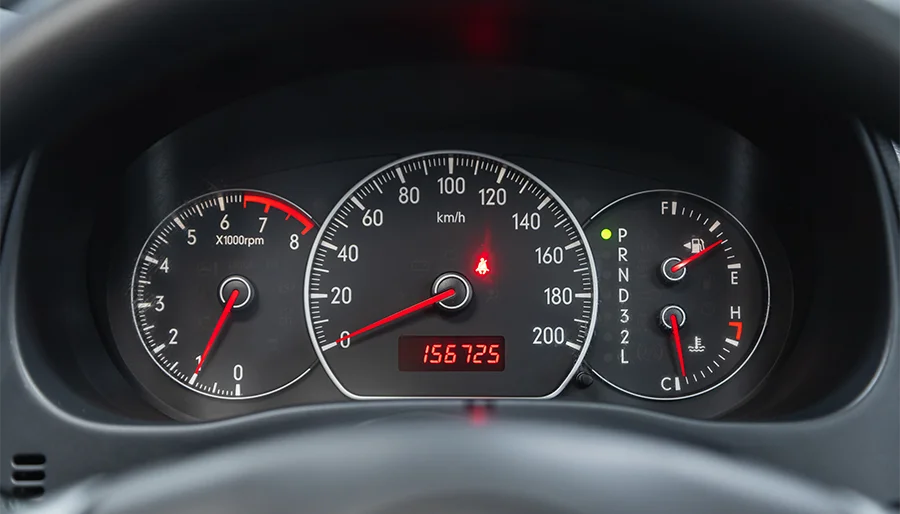
Mileage is among the first details buyers usually check when looking at a used car. A vehicle that has covered significantly more miles than similar cars of the same age may deserve additional investigation. Rental vehicles often accumulate mileage quickly because they can be driven daily, sometimes by multiple customers during the same week.
High mileage by itself does not prove that a vehicle was previously rented. A privately owned car used for commuting, business travel, road trips, or delivery work can also accumulate miles rapidly. The key is to compare the odometer reading with the vehicle’s age and its maintenance history.
For example, a relatively young vehicle with mileage far above comparable listings may have had commercial or fleet use. This pattern becomes more meaningful when combined with other signs, such as fleet-style maintenance records or accelerated interior wear.
The odometer should also be checked against paperwork. Service invoices, inspection reports, registration documents, and dealership records may show mileage at different points in the vehicle’s life. Consistent mileage progression provides more confidence than a single odometer reading.
A high-mileage car can still be a sensible purchase when it has been properly maintained. The concern is not simply the number on the dashboard. A buyer needs to determine how those miles were accumulated and whether the vehicle received timely maintenance throughout that period.
2. Interior Wear That Seems Excessive
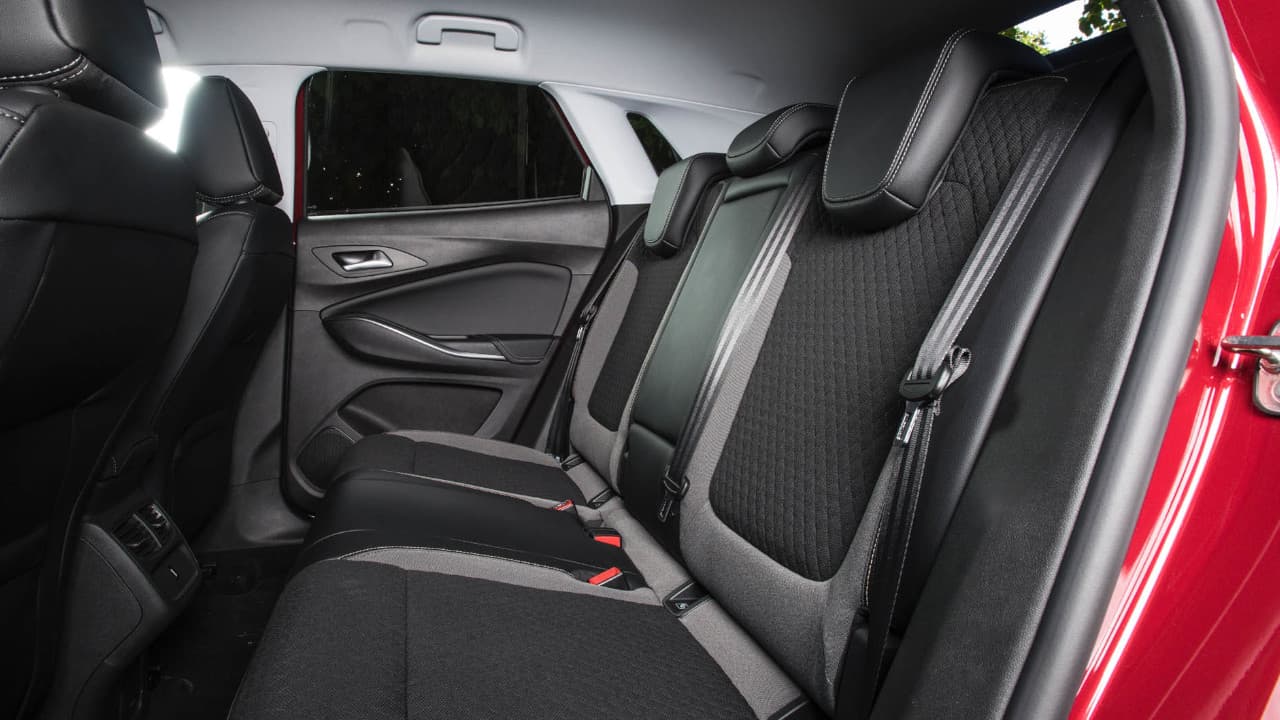
The condition of a car’s interior can provide useful clues about how frequently it was used. Rental cars regularly carry different drivers and passengers, so the seats, steering wheel, door handles, switches, and floor areas can experience more frequent contact than a privately owned vehicle.
Look closely at the driver’s seat. Heavy creasing, flattened cushioning, worn fabric, or shiny patches on leather can indicate extensive use. Compare the driver’s seat with the passenger seat because a large difference may reveal repeated entry and exit by drivers.
The steering wheel is another useful area to inspect. Smooth or polished sections, worn stitching, faded buttons, and excessive surface wear can be difficult to explain on a vehicle with relatively low mileage. Door handles, window switches, and gear selectors can show similar patterns.
Pay attention to the rear cabin as well. Rental vehicles may carry families, groups, luggage, and passengers with different habits. Scratches around door openings, scuffed plastic, stains, and damaged seatback areas may provide additional evidence of intensive use.
Interior wear needs to be considered alongside mileage and service records. A vehicle that looks heavily used inside but has unusually low mileage should receive careful scrutiny. Wear patterns rarely establish a rental history by themselves, but several matching clues can form a stronger picture.

3. Fleet or Rental History Appears in Vehicle Records
Vehicle history records can sometimes provide direct information about previous use. Depending on the country and the records available, a report may identify a vehicle as part of a rental, fleet, corporate, or commercial operation.
Before purchasing a used car, obtain the most complete history report available for that vehicle. Check the recorded ownership changes, registration details, mileage entries, accident information, and service events. The exact information available varies between countries and reporting services.
A history entry indicating fleet or rental use is more significant than physical clues because it provides documentary evidence. Buyers should read the entire report rather than focusing only on accident history or the number of owners.
Registration information can also be useful. A vehicle may have been registered to a business or fleet organization before reaching a private owner. Such a record does not necessarily mean the vehicle was rented to consumers, but it can justify asking the seller for additional documentation.
If the seller says the vehicle was privately owned while the history report suggests commercial use, ask for clarification. A reputable seller should be willing to discuss the discrepancy. Buyers should be cautious when important parts of a vehicle’s history cannot be explained.

4. Maintenance Records Show Fleet-Style Servicing
Rental companies generally need vehicles to remain available for customers, so maintenance is often scheduled according to mileage, time, or manufacturer recommendations. This can create a recognizable pattern in the service history.
Look for frequent oil changes, inspections, tire replacements, brake work, and other routine maintenance. A car with regular service entries at predictable mileage intervals may have been managed as part of a fleet.
Service records may also list a business, fleet operator, rental company, or large service center. Seeing the same commercial service location repeatedly can be a useful clue, particularly when it coincides with rapid mileage accumulation.
A well-documented maintenance history can actually be beneficial. Regular servicing may mean the vehicle received attention more consistently than a privately owned car that was neglected by its previous owner. The condition of the maintenance matters more than simply knowing the car was rented.
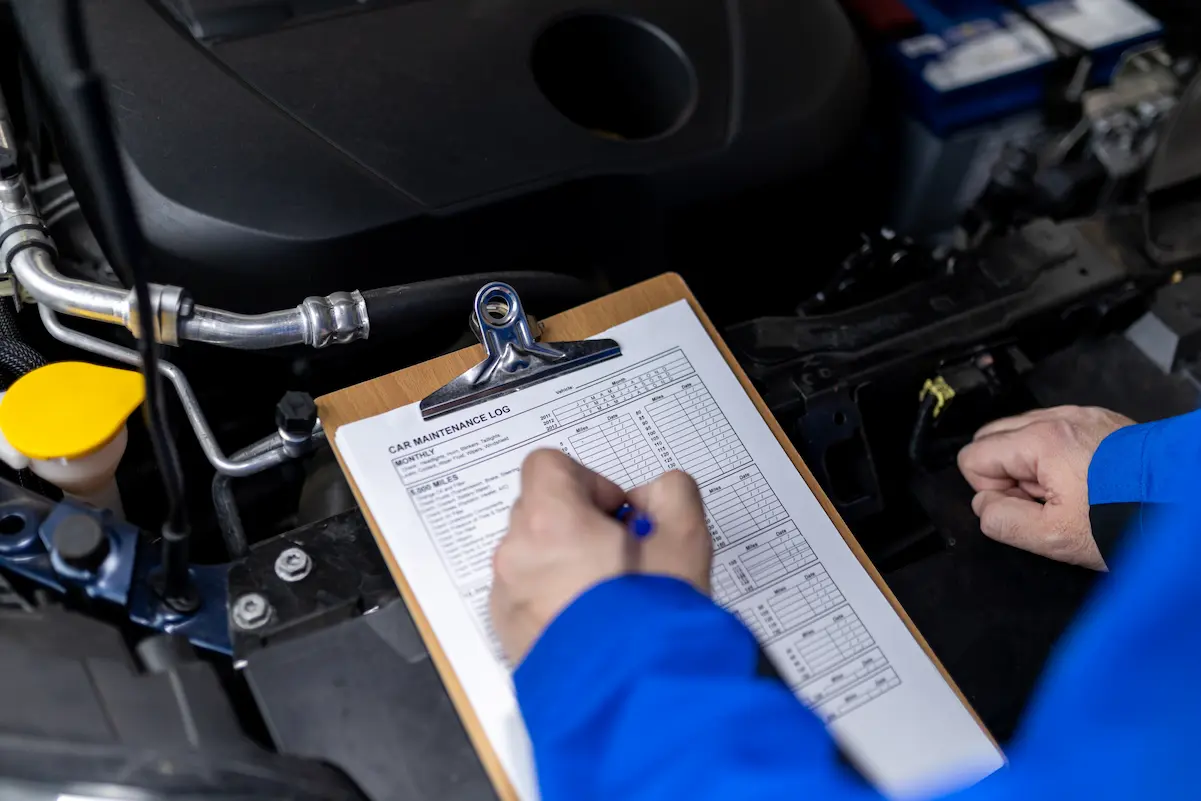
Still, records should be examined carefully. Missing periods, unexplained mileage jumps, or long gaps in maintenance deserve questions. Ask for invoices when available, since detailed paperwork can reveal what was replaced and when the work occurred.
5. Multiple Minor Scratches and Dents Are Visible
Rental cars are exposed to a wide range of drivers, parking situations, roads, and weather conditions. Small cosmetic damage can therefore be a useful clue when assessing a vehicle’s history.
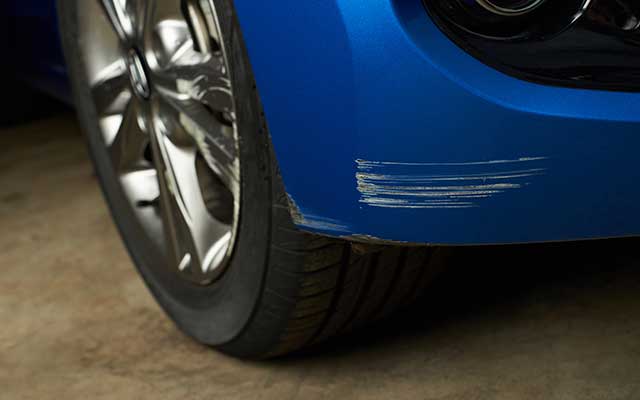
Walk around the car in good daylight and inspect each body panel. Look for shallow dents, door dings, bumper scuffs, scratches around the handles, and marks near the trunk or hatch. A collection of small imperfections may indicate frequent use.
Pay particular attention to areas that are commonly damaged during parking. Bumper corners, wheels, mirrors, and lower doors can reveal repeated contact with curbs, posts, shopping carts, or other vehicles.
Not every scratch points toward rental use. City driving, family use, poor parking habits, and outdoor storage can create similar damage. What matters is the quantity, location, and relationship between the cosmetic condition and the rest of the vehicle’s history.
Check whether repairs have been performed. Differences in paint texture, panel gaps, overspray, or color can indicate previous bodywork. A professional inspection can help distinguish normal cosmetic wear from evidence of more significant incidents.
6. The Car Has a Large Number of Former Owners or Users
A used car that changed hands several times can have a complicated history. Rental vehicles may not always appear as traditional private-owner changes because registration and fleet records vary by location.
Ask the seller how the vehicle reached its current ownership. If the explanation involves a rental company, fleet operator, dealership acquisition, or auction, request supporting paperwork.
Rental companies frequently rotate vehicles through their fleets. Once a car reaches a certain age, mileage, or operating point, it may be sold through a dealership, auction, or other resale channel. The next buyer may then see a relatively ordinary used-car listing.
Auction history can sometimes provide additional context. Fleet vehicles may be sold in batches, meaning several similar cars can appear with comparable mileage and equipment. A history report may reveal such patterns.
The number of owners should never be treated as a simple quality score. A single owner can neglect a vehicle, while a fleet can maintain a vehicle carefully. The important question is what happened during each stage of the car’s life.
7. The Vehicle Has a Fleet-Friendly Trim and Equipment Package
Rental companies often purchase vehicles in configurations that make sense for large fleets. These may include common colors, popular body styles, practical equipment, and widely available mechanical specifications.
A basic or mid-level trim is not proof of rental use. Many private buyers prefer practical vehicles without expensive options. However, a common fleet configuration combined with other clues can make the vehicle’s history worth investigating.
Look at the color as well. Rental fleets often favor neutral colors because they appeal to a broad customer base and can be easier to resell. White, silver, gray, and black vehicles are frequently seen in fleet markets.
Equipment can provide additional context. A vehicle with practical features, durable materials, and limited luxury options may have been purchased for commercial use. This is not a negative characteristic, but it can help explain the car’s original sales channel.
Search the vehicle’s original equipment details using its identification number when possible. Factory information can confirm the trim and build configuration. Comparing that information with common fleet specifications may provide another piece of the puzzle.

8. Tire and Brake Wear Does Not Match the Advertised Mileage
Tires and brakes experience wear according to driving conditions, driver habits, vehicle weight, and mileage. Their condition can therefore provide useful information during a used-car inspection.
If a car supposedly has modest mileage but has already required several tire replacements, ask why. Tires can age out, suffer punctures, or wear rapidly because of alignment problems, so replacement history must be interpreted carefully.
Brake components deserve similar attention. Rental cars may experience frequent urban driving, repeated short trips, and varied driving habits. Those conditions can increase brake use compared with steady highway driving.
Ask for maintenance invoices showing when tires and brake components were replaced. A vehicle that has accumulated substantial mileage should generally have a maintenance trail that makes sense for its age and usage.
A mechanic can also inspect current wear. Tire tread depth, uneven wear, brake rotor condition, pad thickness, and suspension components can reveal how the vehicle has been used. These findings are useful regardless of whether the car was formerly rented.

9. The Seller Cannot Clearly Explain the Car’s Early History
A missing or vague history is a reason to slow down before completing a purchase. Sellers may have limited information about a vehicle acquired from an auction or trade, but buyers should still ask direct questions.
Ask where the vehicle was purchased, who owned it before the seller, and whether any commercial or fleet use is known. Request service records and previous inspection documents if they are available.
Pay attention to contradictions. For example, a seller might describe the car as having a single private owner while the history report shows commercial registration. A mismatch does not automatically prove rental use, but it needs an explanation.
Be careful with statements such as “It was just a company car” or “It came from a fleet” when no paperwork supports them. Company cars and rental cars are not identical forms of use, and a buyer should understand which type of history applies.
A transparent seller should allow reasonable time for inspection and documentation. If basic questions about ownership, mileage, repairs, or registration cannot be answered, consider getting an independent history report and mechanical inspection before making a commitment.

10. The Vehicle Was Sold Through a Fleet or Rental Auction
The strongest clue may come from the way the vehicle entered the used-car market. Large rental operators regularly replace vehicles, and retired fleet cars can enter wholesale auctions before reaching dealerships or private buyers.
Auction records may identify a vehicle as belonging to a rental or corporate fleet. The terminology can vary, so buyers should examine the actual description rather than assuming every auction vehicle had the same type of use.
Some dealerships purchase former rental vehicles because they can offer attractive prices and predictable equipment. These cars may be mechanically sound, but their previous use should still be disclosed when known.
If you discover that a vehicle came from a rental fleet, focus on its present condition rather than automatically rejecting it. Check the engine, transmission, suspension, brakes, tires, electronics, air conditioning, bodywork, and interior.
A professional pre-purchase inspection is particularly valuable when the car has a high-mileage or commercial-use history. A mechanic can identify problems that are difficult to spot during a short test drive and can help you understand likely repair needs.
