
Driver-assistance technology has become common in modern American cars, but its presence does not automatically mean a system offers strong protection against driver distraction or misuse. In 2024, the Insurance Institute for Highway Safety tested 14 partial driving automation systems and found that 11 had poor safeguards.
These evaluations examined driver monitoring, attention alerts, emergency procedures, lane changes, adaptive cruise control behavior, and other safeguards.
This article looks at 9 U.S. market vehicles whose tested driver-assistance systems received poor ratings. The findings provide useful data for buyers who want to understand what these systems can and cannot safely handle on American roads.
1. Tesla Model 3
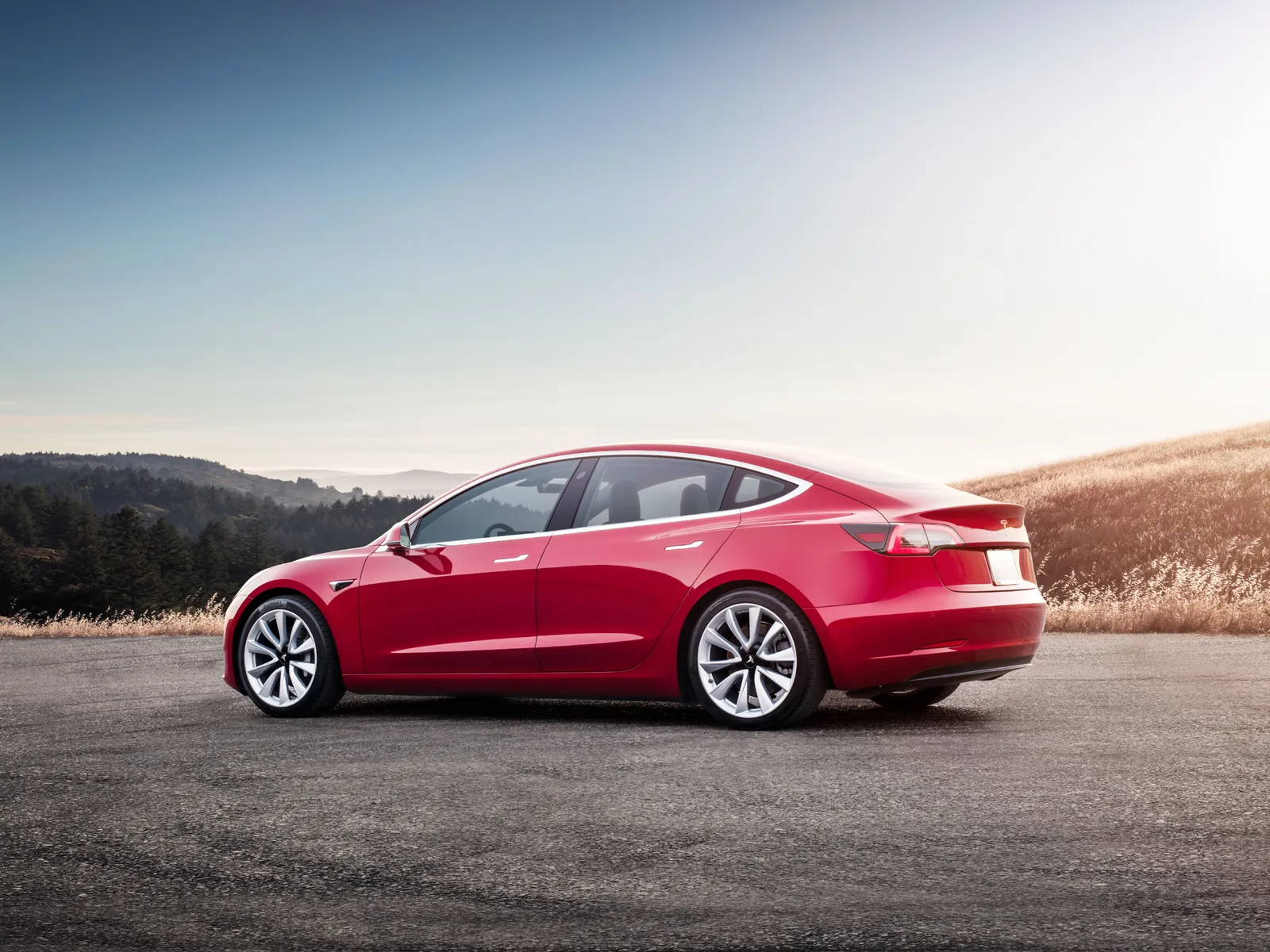
The Tesla Model 3 is among the vehicles included in the IIHS evaluation of partial driving automation safeguards. The organization tested Tesla Autopilot version 2023.7.10 on 2021 to 2023 Model 3 vehicles and gave the system a poor safeguard rating.
IIHS also tested Tesla’s Full Self-Driving Beta software on the same model-year range, and that system received a poor rating as well. This makes the Model 3 particularly relevant when discussing weaknesses identified in driver-monitoring and automation safeguards.
The Autopilot evaluation received poor marks in several individual categories. IIHS rated its driver monitoring poor, attention reminders poor, cooperative steering poor, and safety features poor. Its emergency procedure received an acceptable rating, while lane-change behavior and adaptive cruise control resumption received good ratings.
The result shows why a safeguard rating cannot be reduced to whether a vehicle can maintain its lane or follow traffic. The system can perform certain driving tasks effectively while still having shortcomings in how it manages driver attention.
The Full Self-Driving Beta evaluation also received a poor rating. IIHS rated driver monitoring poor, automated lane-change safeguards poor, adaptive cruise-control resumption poor, cooperative steering poor, and safety features poor.
Attention reminders and emergency procedures received acceptable ratings. These results concern the safeguards around partial automation rather than establishing that every feature of the vehicle performs poorly in every driving situation.
This distinction matters because Level 2 driver assistance remains dependent on the human driver. IIHS explains that systems combining functions such as adaptive cruise control and lane centering are considered partial driving automation.
The driver remains responsible for operating the vehicle and must stay engaged. The technology is not equivalent to a vehicle that can independently conduct the entire driving task.
For consumers considering a used Model 3 equipped with these versions of Tesla’s systems, the IIHS findings provide a specific warning about safeguard design.
The rating does not mean the Model 3 itself failed a conventional crash test. It means the tested automation system did not meet IIHS’s criteria for a strong set of protections against misuse and lapses in driver attention.
2. Ford Mustang Mach-E
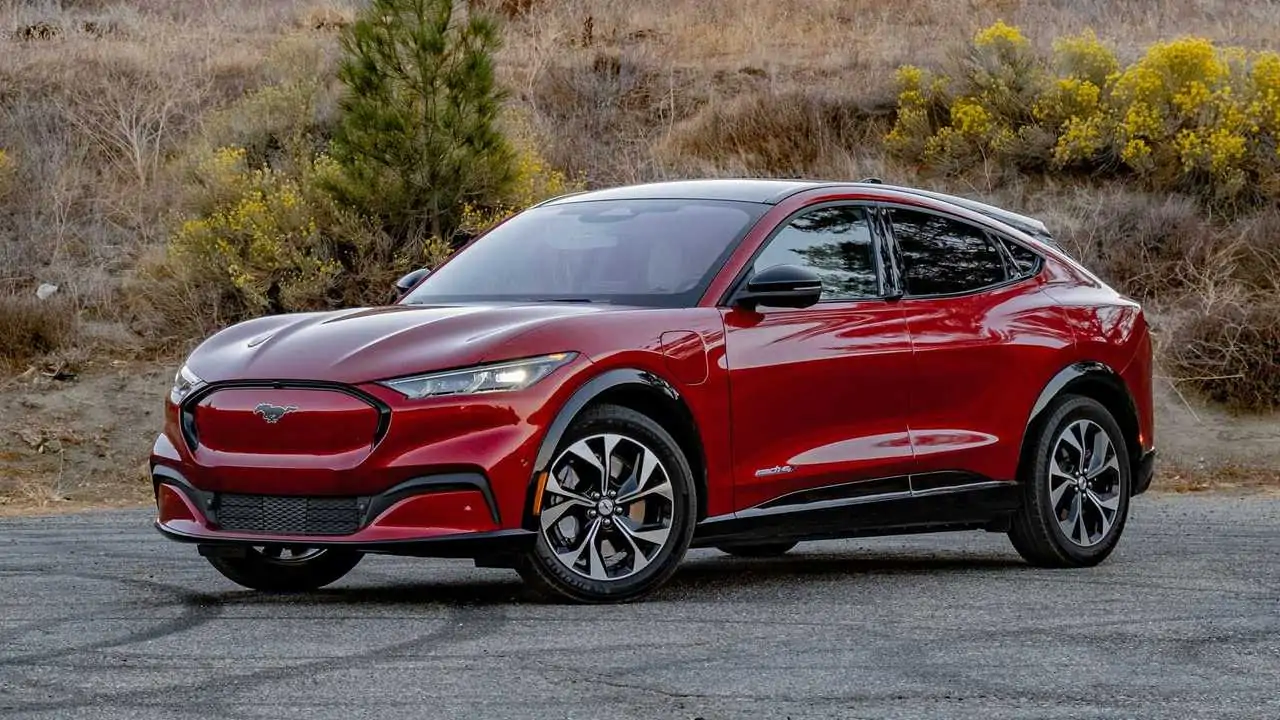
The Ford Mustang Mach-E was also included in IIHS’s initial partial-automation safeguard testing. The organization evaluated Ford BlueCruise on 2021 to 2024 Mustang Mach-E models and assigned it a poor safeguard rating under the 2024 protocol.
IIHS also evaluated the Mach-E’s adaptive cruise control with Stop & Go and Lane Centering Assist, which received a poor rating as well.
The BlueCruise evaluation produced a mixed set of individual results. Driver monitoring was rated acceptable, while attention reminders received a good rating. Emergency procedures received a marginal rating, and safety features received a poor rating.
IIHS also rated lane-change behavior good, adaptive cruise control resumption marginal, and cooperative steering good. These individual scores illustrate that a poor rating can result from weaknesses in particular safeguards rather than uniformly poor performance across every tested function.
The Mach-E’s conventional adaptive cruise control and lane-centering combination received a poor rating too. Its driver monitoring was acceptable, attention reminders were good, emergency procedures were marginal, lane-change behavior was good, adaptive cruise control resumption was good, and cooperative steering was good. Safety features, however, received a poor rating.
Ford’s BlueCruise is designed to provide hands-free assistance on designated roads, but hands-free operation does not remove the driver’s responsibility.
Consumer Reports has also emphasized the importance of direct driver-monitoring systems for active driving assistance. Its testing found that Ford’s system used an infrared camera to monitor the driver’s face and issue warnings when attention moved away from the road.
The Mach-E example demonstrates why consumers should look at the specific version of a driver-assistance system rather than simply choosing a car based on the presence of advanced technology. Software, hardware, model year, and system configuration can affect how a driver-assistance feature operates.
IIHS specifically notes that its safeguard ratings apply to the tested models and should not automatically be transferred to every vehicle carrying the same system name.
3. Genesis G90
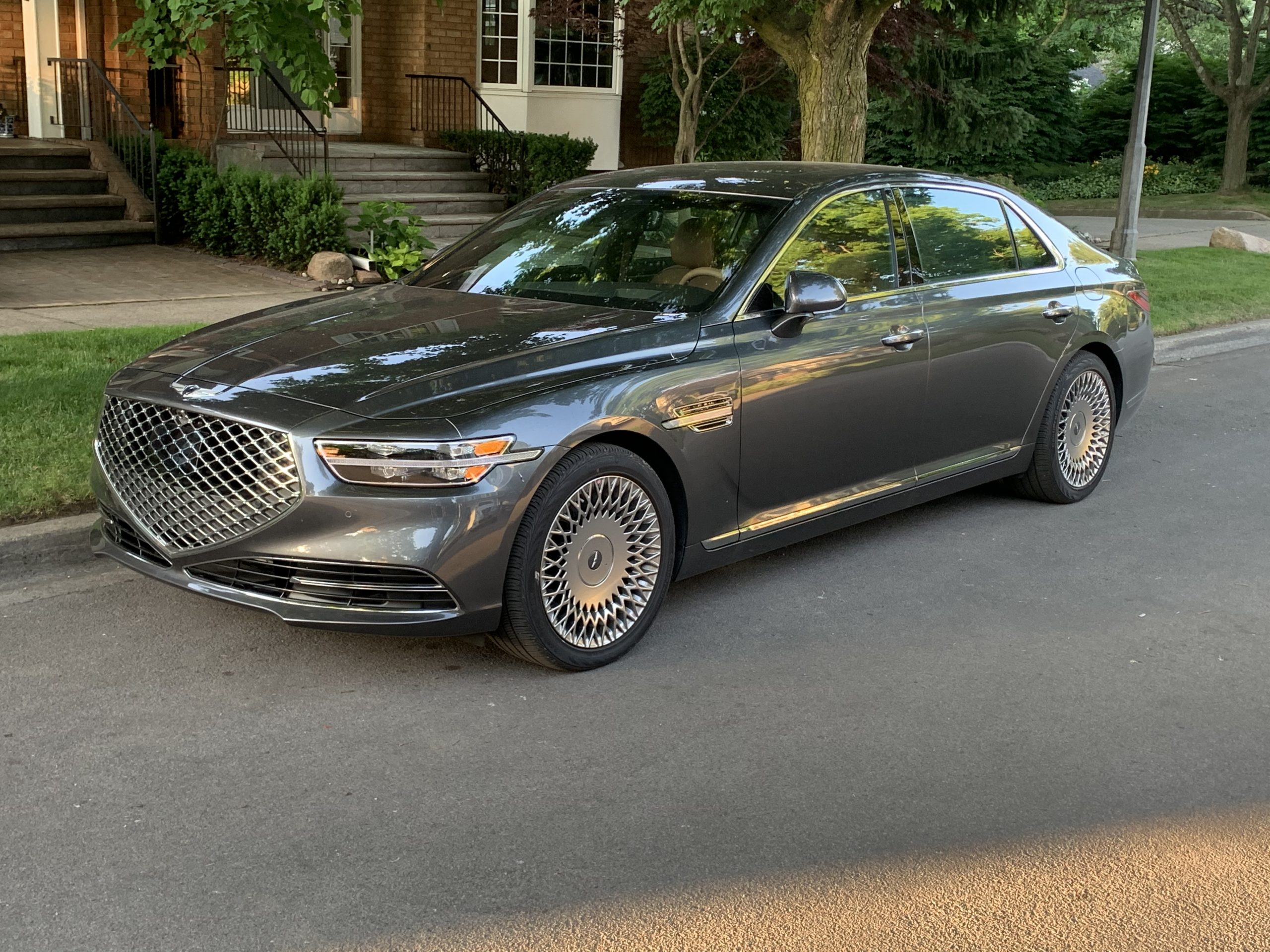
The Genesis G90 appeared in the IIHS testing with two different partial-driving-automation configurations, and both received poor safeguard ratings. The first was Highway Driving Assist 2, tested on 2023 to 2024 G90 vehicles. The second was the combination of Genesis Smart Cruise Control and Lane Following Assist. Both versions were rated poor.
Highway Driving Assist 2 received poor ratings for driver monitoring, attention reminders, emergency procedures, and safety features. Its lane-change safeguards were rated good, while adaptive cruise control resumption was marginal and cooperative steering was good.
The combination illustrates how a system can contain useful driving functions while still falling short of the IIHS requirements for robust safeguards.
The Smart Cruise Control and Lane Following Assist combination produced an even broader set of poor category results. IIHS rated driver monitoring poor, attention reminders poor, emergency procedures poor, and safety features poor. Lane-change behavior and cooperative steering were good, while adaptive cruise control resumption was also good.
IIHS highlighted Genesis’s safety-feature performance in its explanation of the first round of results. The organization reported that the two Genesis systems failed all of its safety-feature requirements. These requirements include restrictions involving features such as seat belts, automatic emergency braking, and lane-departure prevention or warning.
The G90 therefore provides an important example of why a vehicle’s luxury positioning or extensive technology list does not tell consumers how well an automation system handles driver attention.
The IIHS result is specifically about partial-automation safeguards. It should not be interpreted as a complete assessment of the G90’s crashworthiness, reliability, or every active-automation evaluation. IIHS tested the Mercedes-Benz Active Distance Assist DISTRONIC with Active Steering Assist on 2022 to 2023 C-Class models. The system received a safety feature rating.
4. Mercedes-Benz C-Class
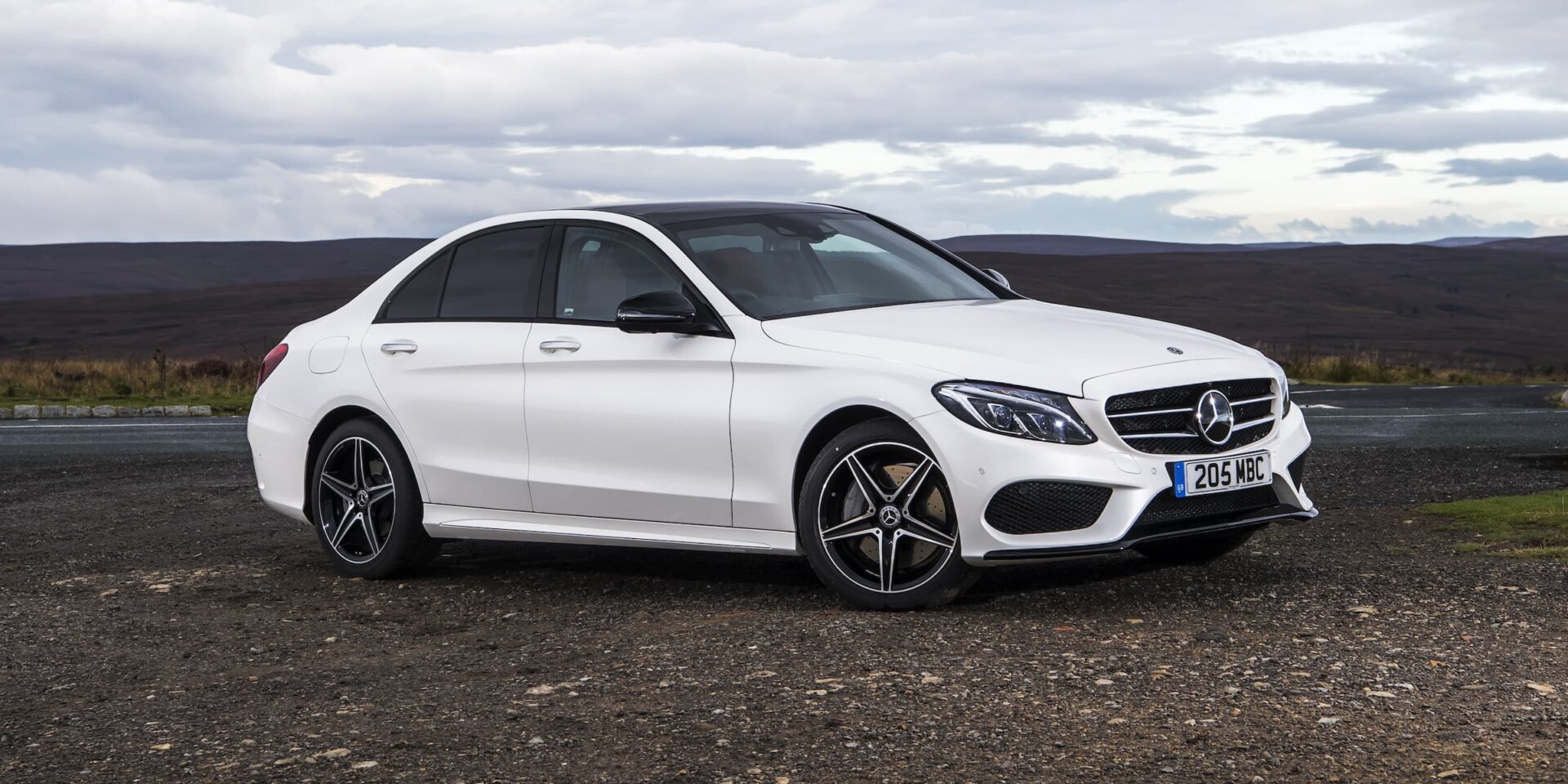
The Mercedes-Benz C-Class was another U.S. market vehicle receiving a poor rating in the IIHS partial-driving-automation evaluation. IIHS tested the Mercedes-Benz Active Distance Assist DISTRONIC with Active Steering Assist on 2022 to 2023 C-Class models. The system received a poor safeguard rating.
The individual category scores help explain the result. Driver monitoring received a marginal rating, while attention reminders were rated poor. Emergency procedures earned an acceptable rating, while lane-change safeguards, adaptive cruise control resumption, and cooperative steering were all rated good.
The safety-feature category received a poor rating. This is a useful example of a system that performs reasonably in several operational categories while still having weaknesses in the safeguards designed to manage driver engagement.
Attention monitoring is particularly significant in partial automation. When a vehicle controls steering and speed for extended periods, the driver may have fewer physical tasks to perform.
The IIHS testing program therefore examines whether the system can detect lapses in attention and escalate warnings appropriately. Its criteria for a good rating include monitoring the driver’s gaze and hand position, issuing visual and audible warnings, and taking action if the driver does not respond.
Mercedes-Benz has also offered increasingly advanced automation technology in the U.S. market. IIHS notes that Mercedes-Benz introduced Level 3 driving automation for consumers in the United States beginning with the 2024 model year under specific conditions. That is a separate technology category from the C-Class system evaluated in the IIHS 2024 safeguard program.
The C-Class results should therefore be read within their specific testing context. The poor rating does not mean every driver-assistance feature on every C-Class performs poorly. It identifies weaknesses in the safeguards surrounding the particular Active Distance Assist DISTRONIC with Active Steering Assist system evaluated by IIHS.
5. Volvo S90
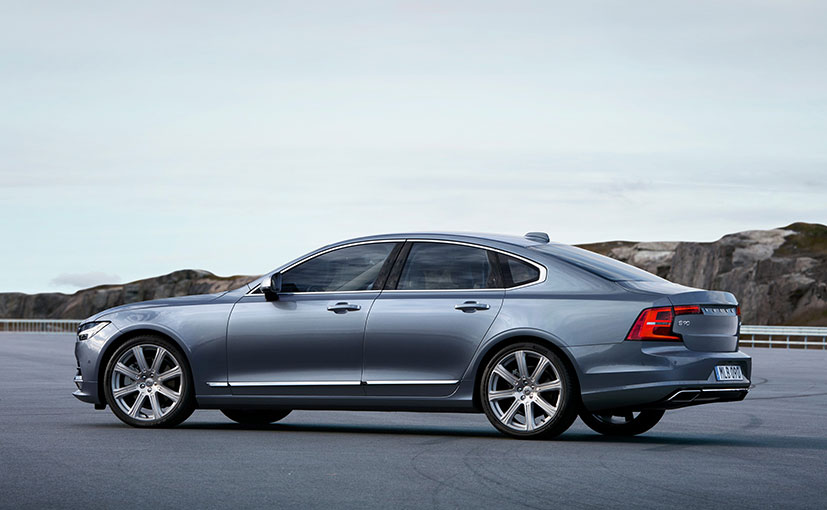
The Volvo S90 was tested with Volvo Pilot Assist, and the system received a poor safeguard rating from IIHS. The organization evaluated 2022 to 2024 S90 vehicles. Pilot Assist received poor ratings for driver monitoring, attention reminders, and safety features, while its emergency procedures received a marginal rating.
The S90 performed better in several other categories. IIHS rated lane-change behavior good, adaptive cruise control resumption good, and cooperative steering good.
This contrast is important because the IIHS rating is focused on safeguard performance, not a general statement about whether Pilot Assist can perform steering or speed-control functions under suitable conditions.
IIHS specifically discussed Volvo Pilot Assist when describing safety-feature shortcomings. According to the organization, the system could deactivate without an alert when the driver unbuckled, could be activated with lane-departure prevention turned off, and could remain active if that feature was switched off during a drive. These behaviors contributed to its poor safety-feature assessment.
Driver monitoring also formed a major part of the evaluation. IIHS’s testing protocol expects systems with strong safeguards to monitor whether the driver is actually paying attention rather than relying solely on the driver’s hands being positioned on the steering wheel.
This reflects a broader concern about the difference between physical interaction with the vehicle and genuine visual attention to traffic.
The S90 case shows that sophisticated driver assistance can still have weaknesses in how it handles safety-feature status and driver engagement. Buyers researching a used S90 should therefore check the model year and equipment configuration rather than assuming that every Pilot Assist implementation has identical behavior.
6. BMW X1
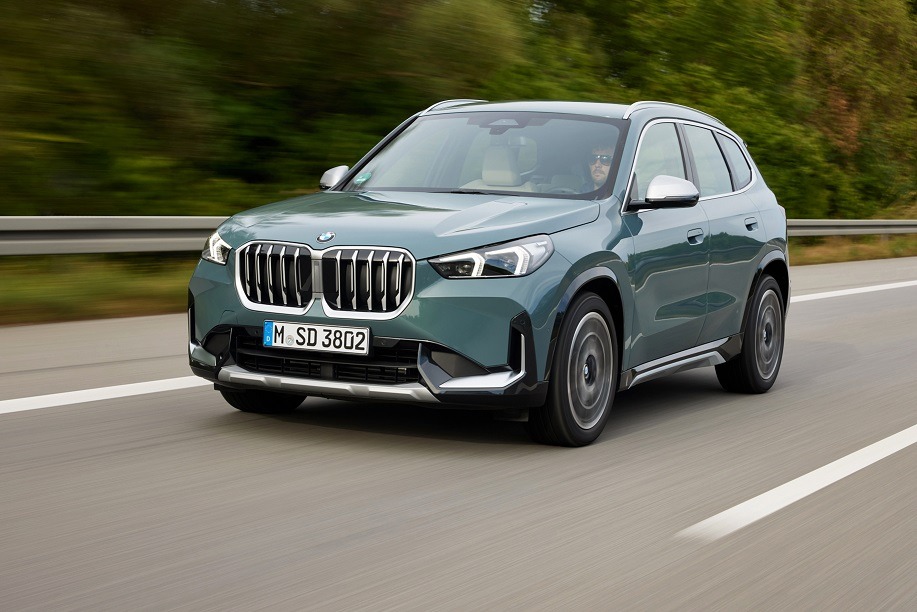
The BMW X1 was included in IIHS’s evaluation of BMW Active Driving Assistant Professional. The system, tested on 2023 to 2024 X1 models, received a poor safeguard rating. The category scores were mixed, making the X1 another example where specific weaknesses influenced the result.
IIHS rated driver monitoring marginal, attention reminders poor, and emergency procedures acceptable. Lane-change behavior received a good rating, while adaptive cruise control resumption was poor.
Cooperative steering was good, and safety features were acceptable. These results indicate that BMW’s system met the stronger criteria in some areas but had significant weaknesses in others.
The adaptive cruise control result is particularly relevant because IIHS examines how systems behave after a prolonged stop and when the driver’s attention is not directed toward the road.
A system that automatically resumes speed control without sufficiently confirming driver engagement can create a situation where automation continues while the driver is not prepared to supervise it.
Consumer Reports has also investigated driver-monitoring technology across automakers. In earlier testing, CR found that BMW’s Traffic Jam Assist used a driver-monitoring camera at lower speeds, but its evaluation found that adaptive cruise control and lane-keeping assistance could be engaged at higher speeds under certain circumstances even when the camera was covered or disabled through system controls. That earlier test involved a BMW X7 and should not be treated as a direct test result for the X1.
The X1 belongs on this list because of its specific IIHS result for Active Driving Assistant Professional. The rating focuses on safeguards designed to keep the driver engaged and reduce the risk of misuse. Simply having an advanced driver-assistance system is not enough to earn this distinction, since the evaluation also considers how effectively the system manages driver engagement and related safety measures.
7. Lexus LS
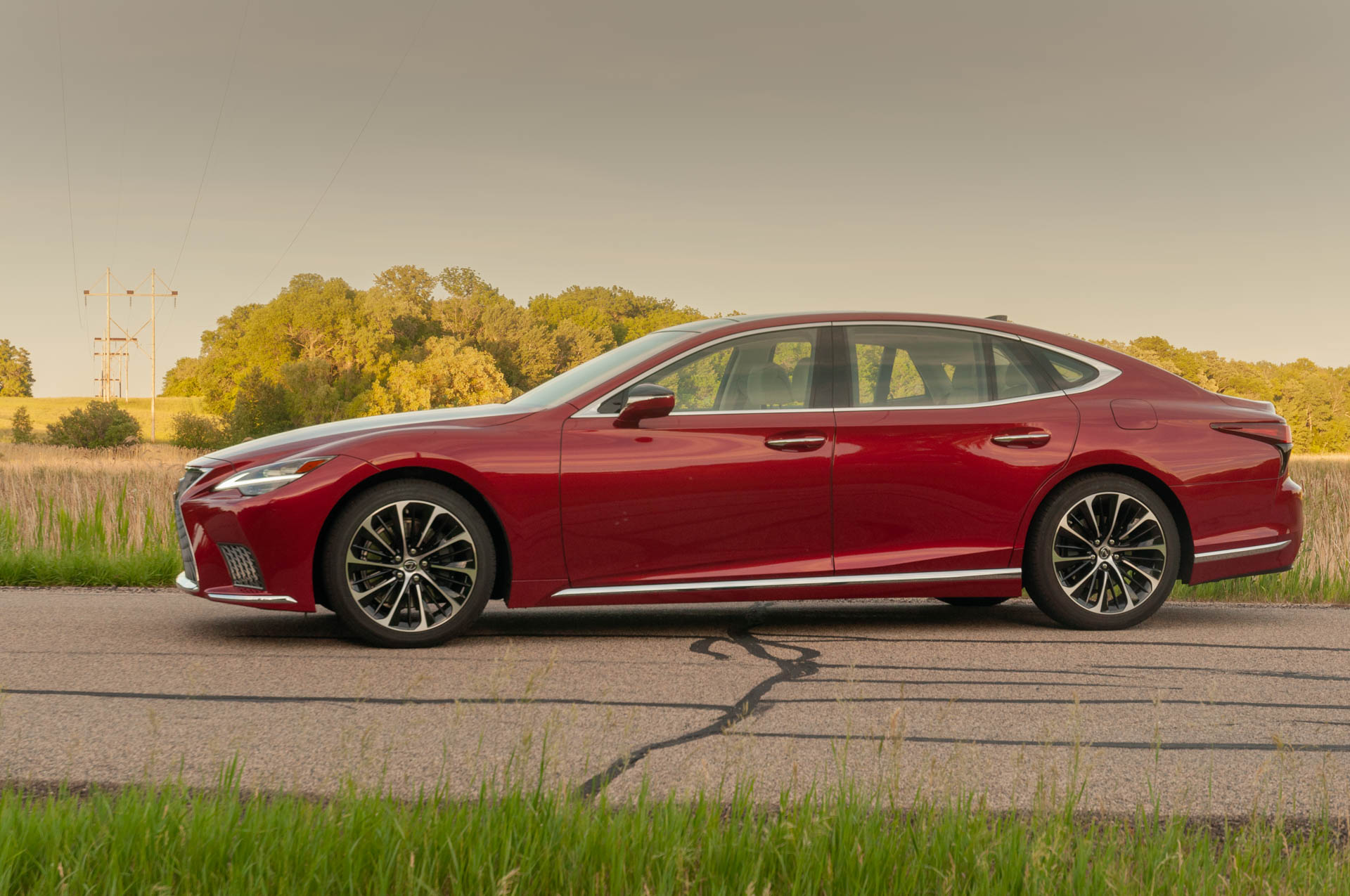
The Lexus LS presents a particularly interesting data point because IIHS tested two different partial-automation systems on the vehicle. Lexus Teammate with Advanced Drive received an acceptable safeguard rating, while the Lexus Dynamic Radar Cruise Control with Lane Tracing Assist system received a poor rating. The IIHS evaluation covered 2022 to 2024 LS models.
The poor-rated Dynamic Radar Cruise Control with Lane Tracing Assist system received poor scores for driver monitoring, attention reminders, and emergency procedures. Lane-change behavior, adaptive cruise control resumption, and cooperative steering received good ratings, while safety features received a marginal rating.
The results demonstrate that two different driver-assistance packages available on the same vehicle can have substantially different safeguard performance.
The comparison is useful for consumers because it shows why saying that a particular car “has advanced driver assistance” is not enough. The exact technology package matters. In the LS, the IIHS data show that Teammate with Advanced Drive and Dynamic Radar Cruise Control with Lane Tracing Assist did not receive the same safeguard assessment.
The Teammate system’s acceptable rating was the strongest result in IIHS’s first 14-system evaluation. IIHS said it was the only system in that initial group to earn an acceptable rating, while two systems were marginal and 11 were poor.
For the purpose of this article, the LS qualifies because its Dynamic Radar Cruise Control with Lane Tracing Assist system received a poor rating. That should not obscure the fact that the same vehicle was also tested with a different system that received a higher rating. Consumers should check the exact driver-assistance package fitted to a specific vehicle.
8. Nissan Ariya
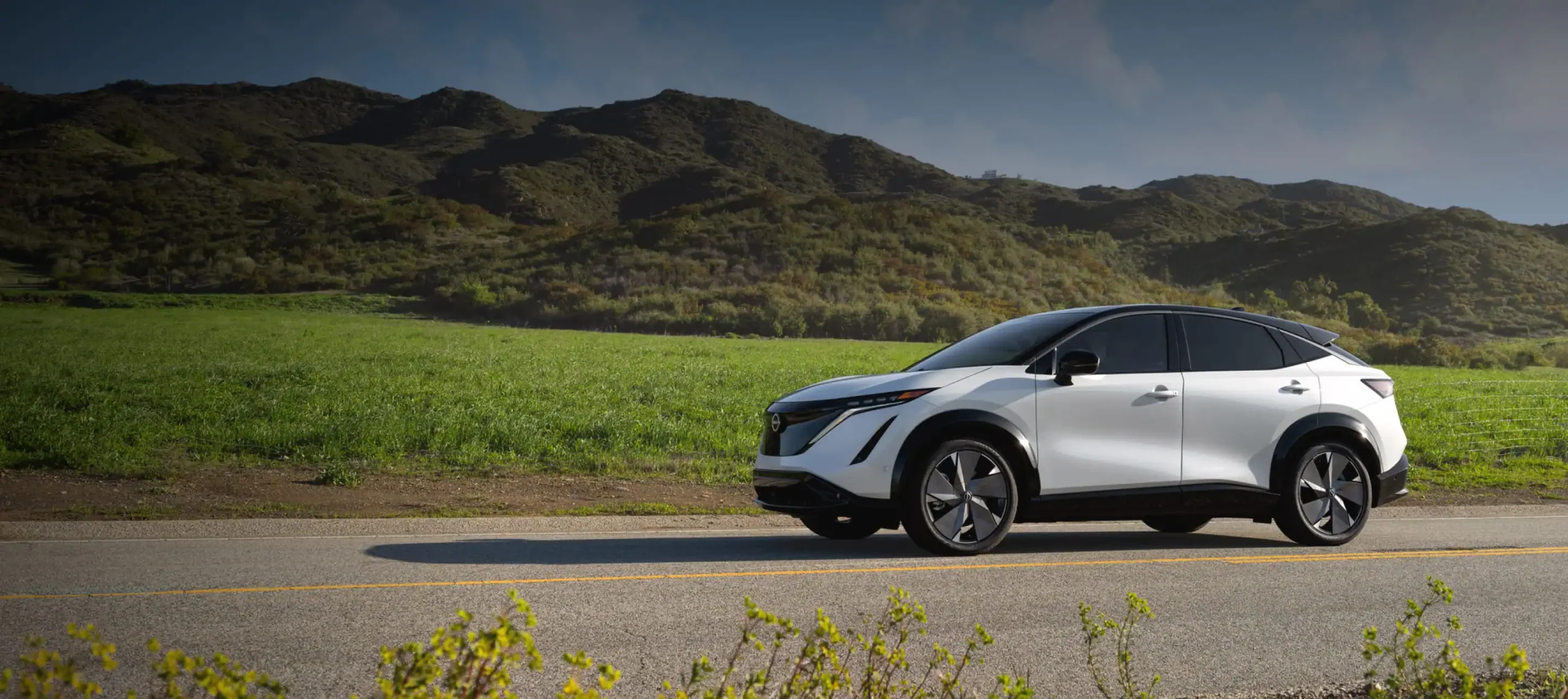
The Nissan Ariya was evaluated with two partial-driving-automation systems by IIHS. ProPILOT Assist with Navi-link received a marginal rating, while ProPILOT Assist 2.0 received a poor rating. Both were evaluated on 2023 to 2024 Ariya models.
ProPILOT Assist 2.0 received poor ratings for driver monitoring and emergency procedures. Attention reminders were acceptable, while lane-change safeguards, adaptive cruise control resumption, and cooperative steering were rated good. Safety features also received a good rating. The result shows that the system’s poor rating was not caused by weak scores in every individual category.
The Ariya is particularly useful when explaining how IIHS’s system-specific approach works. The vehicle itself does not have a single universal driver-assistance rating in this evaluation. Different technology configurations can produce different results. IIHS specifically reported that the Ariya offered both a marginal-rated and a poor-rated partial-automation system.
Nissan’s results also highlight the importance of distinguishing partial automation from autonomous driving. IIHS states that Level 2 systems cannot replace the driver. Even when a vehicle can steer, accelerate, and brake under certain circumstances, the driver remains responsible for supervising the system and taking control when necessary.
Consumers considering an Ariya should therefore identify whether the vehicle has the relevant version of ProPILOT Assist before using the IIHS results to judge its technology. The poor rating applies specifically to ProPILOT Assist 2.0 as tested on the 2023 to 2024 Ariya.
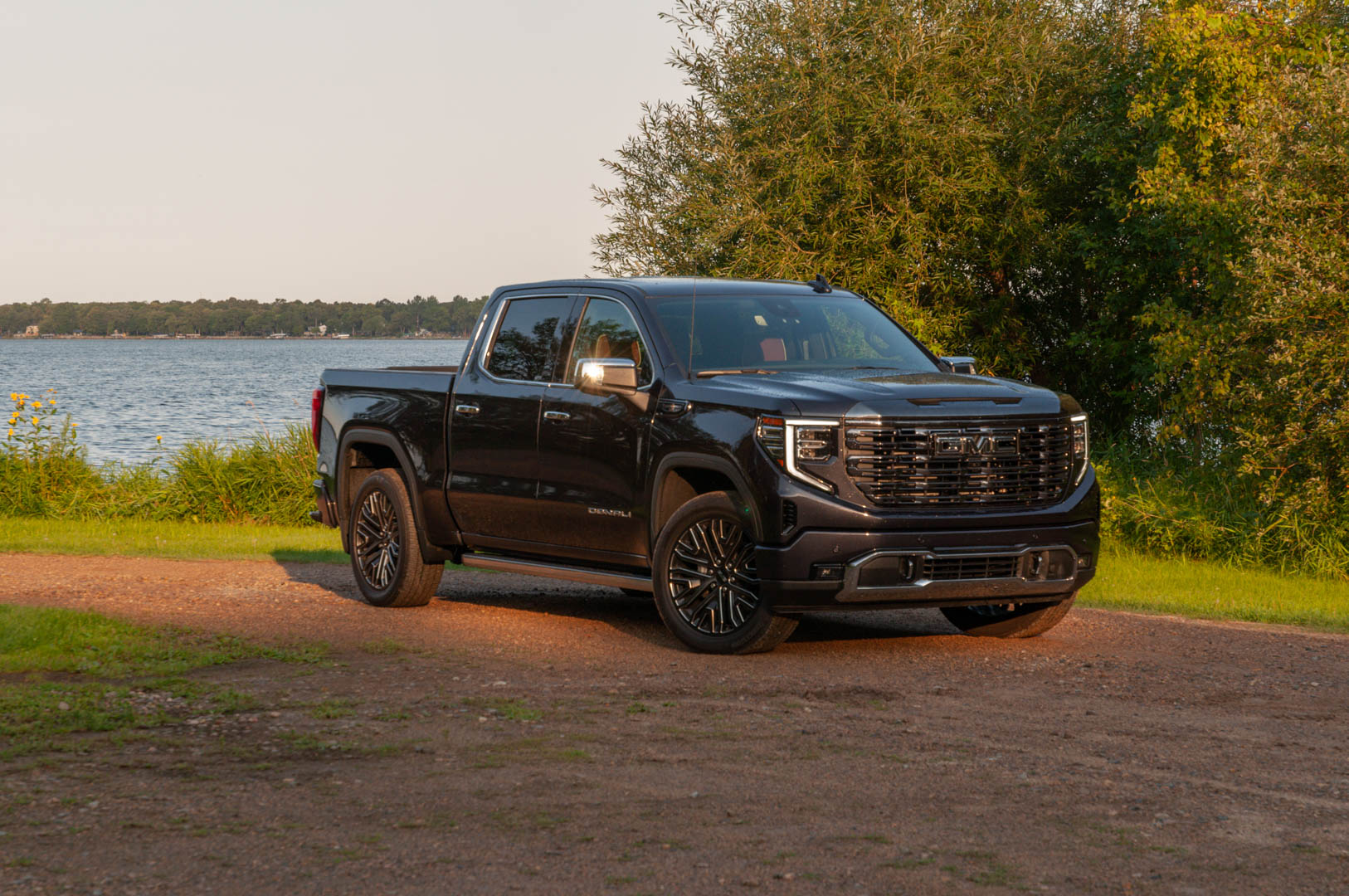
9. GMC Sierra
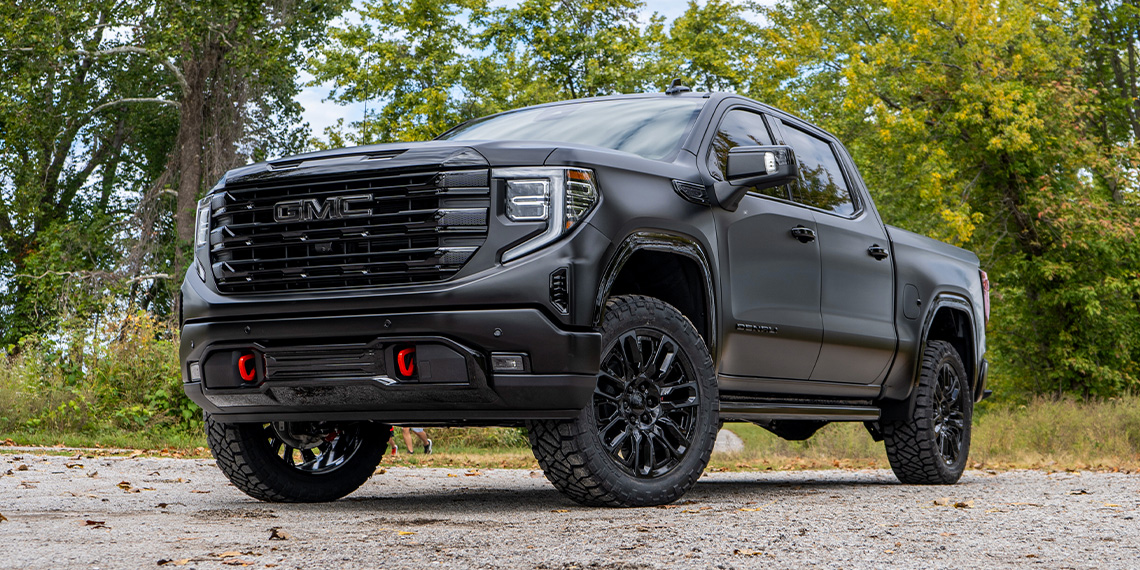
The GMC Sierra was included in the IIHS testing with General Motors Super Cruise. Unlike several vehicles on this list, the system received a marginal, rather than poor, rating.
That means the Sierra should not technically be included among the 10 vehicles whose tested systems received a poor rating. The distinction matters because the goal here is to remain faithful to the underlying data.
The Sierra result also demonstrates why relying on headlines without examining the underlying table can produce inaccurate automotive content. IIHS rated the Super Cruise system’s driver monitoring poor, lane-change safeguards poor, and cooperative steering poor. Attention reminders and emergency procedures received good ratings, while adaptive cruise control resumption was acceptable and safety features were good.
Because the rating was marginal, not poor, it would be factually incorrect to describe the Sierra as a vehicle whose driver-assistance system received a poor rating in this test. The system did have poor individual-category scores, but those are not the same thing as the rating.
This distinction is particularly important for SEO content because readers may search for “cars with poor driver-assistance ratings” and expect the article to use the published ratings rather than selectively choosing poor scores from individual categories. A trustworthy article should preserve that difference.
