
In the United States, the line between a car and a truck can become surprisingly blurry. Federal classifications, body styles, cargo ratings, and manufacturer decisions can place certain vehicles in the truck category even when they look and behave more like everyday cars.
Some are compact, low-slung, comfortable, and designed mainly for carrying people rather than heavy loads. Others use a unibody platform or a car-derived architecture that makes them feel far removed from traditional pickups. Here are 10 U.S.-market vehicles that can reasonably make you pause and ask whether they really feel like trucks.
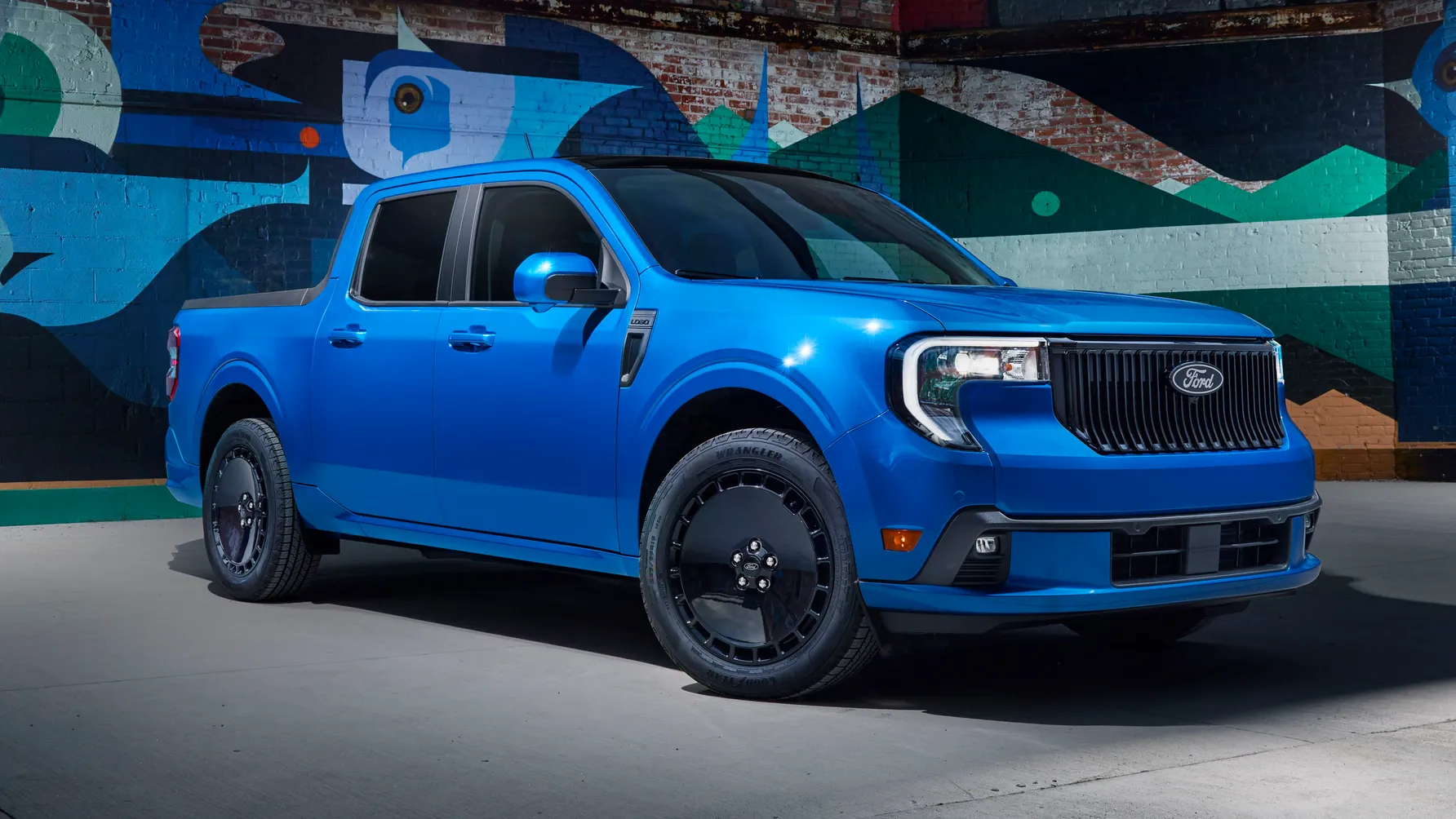
1. Ford Maverick
The Ford Maverick is a compact pickup that challenges the traditional idea of what a truck should be. It has a small footprint, a relatively low step-in height, and road manners that feel closer to a compact crossover than a conventional body-on-frame pickup.
Its unibody construction also separates it from traditional trucks such as the Ford F-150. For people who primarily need transportation and only occasionally need an open cargo bed, the Maverick can feel remarkably car-like.
The Maverick was designed with everyday usability in mind. Its compact dimensions make it easier to maneuver through city streets and parking lots than a full-size pickup. The cabin provides seating for five, while the rear bed provides useful space for bicycles, tools, outdoor equipment, home-improvement supplies, and other items that may be awkward to carry inside a conventional passenger vehicle.
Its available hybrid powertrain adds to its unusual character. A vehicle with a hybrid powertrain, compact proportions, and car-like driving characteristics can feel very different from the stereotypical American truck. Yet the Maverick retains a pickup bed and is classified as a truck, giving owners some of the practical benefits associated with that category.
The interior also contributes to the car-like impression. The driving position is elevated compared with a sedan, but the vehicle does not have the massive proportions associated with a full-size pickup.
The cabin layout, controls, and seating position are straightforward and familiar to drivers of modern compact vehicles. This makes the pickup well suited for everyday driving while avoiding the bulky feel associated with larger trucks.
For buyers who want an open bed without committing to a large pickup, the Maverick occupies an unusual position. It combines passenger-vehicle practicality with truck functionality. That combination is precisely why it belongs on a list of trucks that many people would casually describe as cars.
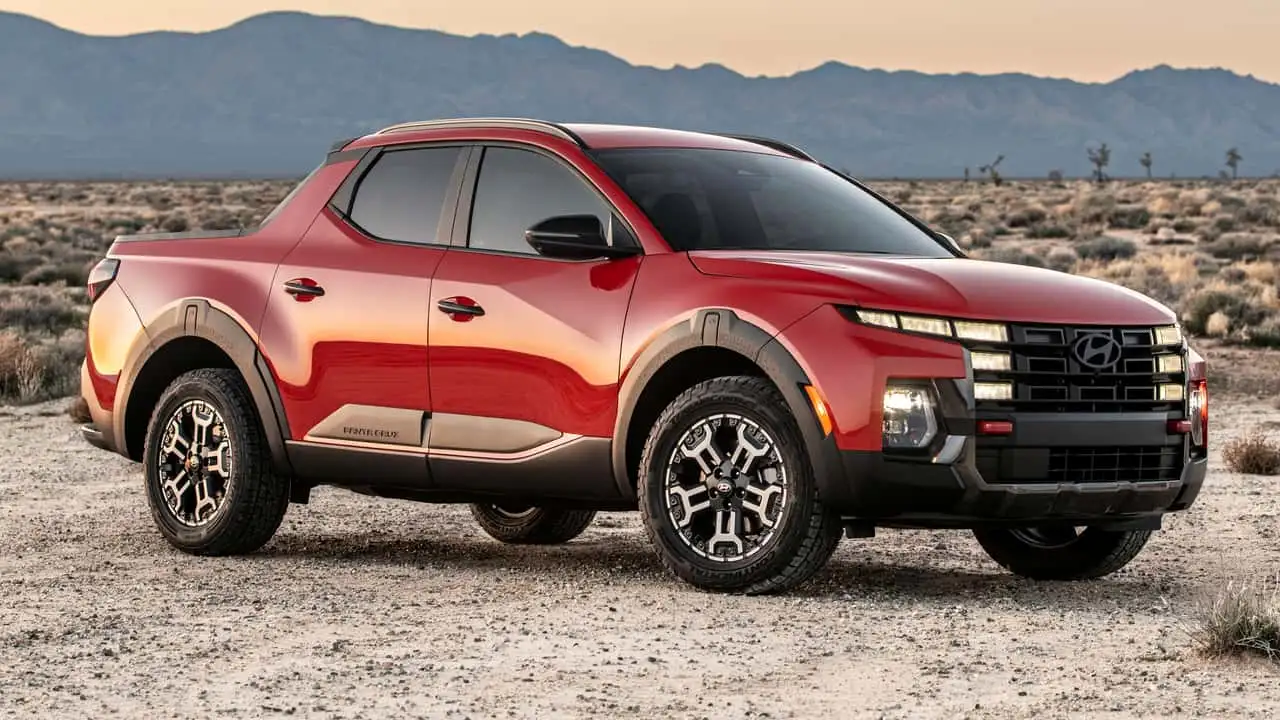
2. Hyundai Santa Cruz
The Hyundai Santa Cruz is another vehicle that makes the truck-versus-car distinction difficult. Hyundai describes it as a Sport Adventure Vehicle, while its physical design clearly incorporates a pickup bed. Its compact proportions and unibody construction give it a very different character from conventional American pickups.
From the driver’s seat, the Santa Cruz feels closer to a crossover than a traditional truck. The cabin is designed primarily around passenger comfort, with a relatively refined interior and seating for five. Its driving position provides the visibility people expect from an SUV, while its compact body makes it less intimidating in tight urban environments.
The rear bed is the feature that places the Santa Cruz firmly into pickup territory. It can accommodate recreational equipment, work supplies, luggage, and other cargo. The bed is not as large as those found on full-size pickups, but its dimensions are appropriate for people who need occasional hauling capability rather than a dedicated work truck.
The vehicle’s unibody architecture further separates it from traditional truck construction. Instead of relying on the classic body-on-frame layout used by many larger pickups, the Santa Cruz shares its fundamental engineering approach with passenger-oriented vehicles. That helps explain why its ride and handling can feel more familiar to crossover and car drivers.
Its styling also avoids the enormous grille and towering body associated with many full-size trucks. The Santa Cruz has a compact stance and a relatively short bed, making it visually closer to a crossover with a cargo box than a conventional work pickup. For someone unfamiliar with automotive classifications, calling it a car would not be particularly surprising.
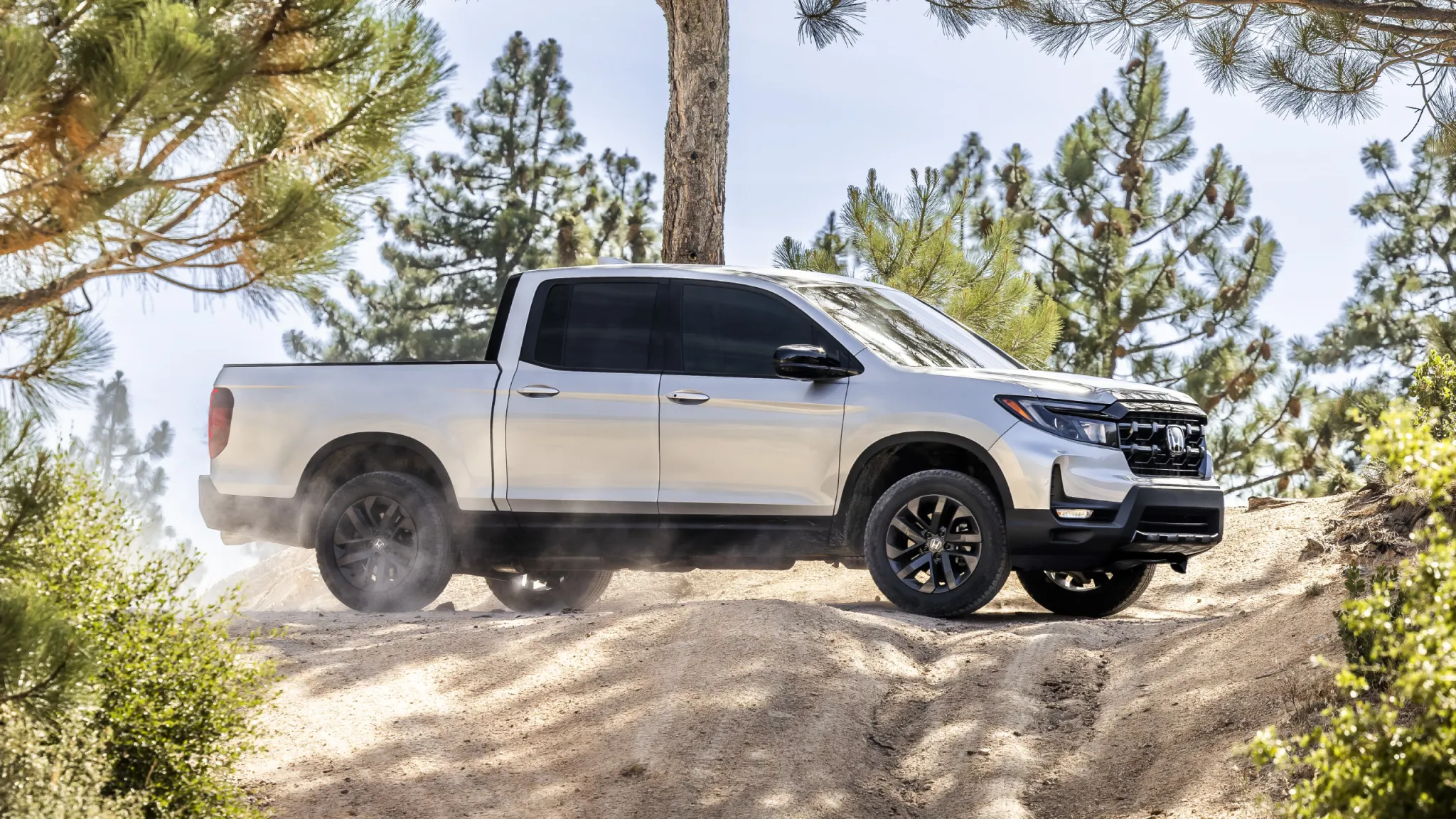
3. Honda Ridgeline
The Honda Ridgeline has spent years challenging traditional assumptions about what a pickup truck should feel like. It uses a unibody platform and has been engineered with a strong focus on passenger comfort. Its independent rear suspension contributes to a smoother driving experience than the heavy-duty setup found in many traditional trucks.
On paved roads, the vehicle can feel remarkably composed, particularly for drivers accustomed to making its road behavior quite different from many conventional pickups.
The Ridgeline provides seating for five and has a cabin that emphasizes comfort and usability. Its independent rear suspension contributes to a smoother driving experience than the heavy-duty setup found in many traditional trucks. On paved roads, the vehicle can feel remarkably composed, particularly for drivers accustomed to sedans or crossovers.
Its truck credentials come from the rear cargo bed. The bed provides genuine utility for hauling recreational equipment, landscaping supplies, furniture, and other items. Honda also gave the Ridgeline useful features such as an in-bed trunk, which provides enclosed storage beneath the cargo floor.
The Ridgeline’s proportions further blur the distinction. It is smaller and less imposing than many full-size pickups, and its interior is laid out more like a family vehicle than a work-oriented truck.
There is plenty of space for passengers, while the driving experience prioritizes comfort rather than the rugged character associated with heavy-duty pickups.
That combination makes the Ridgeline particularly interesting. It has the basic functionality of a pickup but the personality of a practical family vehicle. If someone sees it parked next to a sedan and assumes it is simply a larger passenger vehicle, the mistake is understandable.
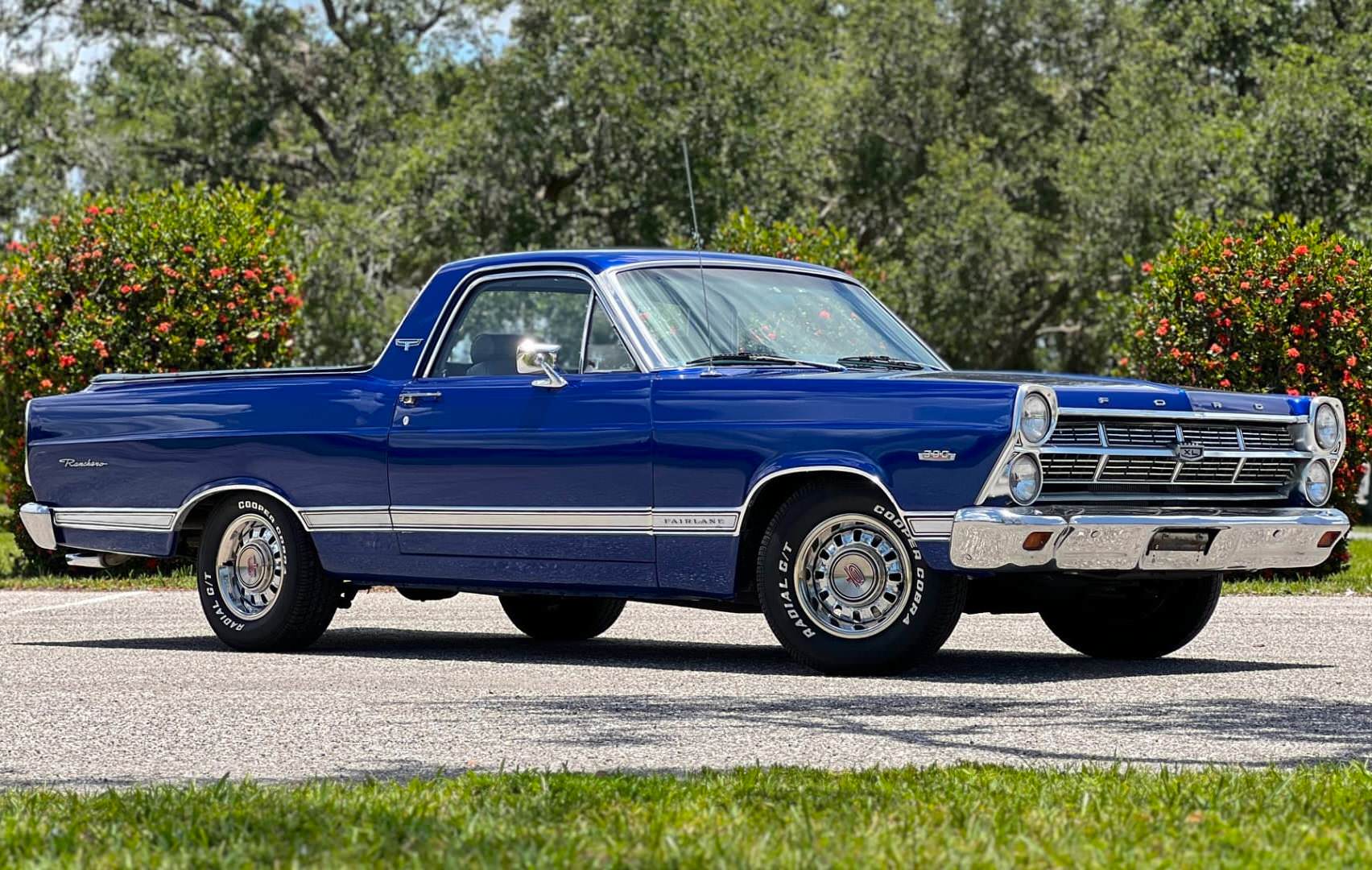
4. Ford Ranchero
The Ford Ranchero represents an earlier approach to combining passenger-car characteristics with truck utility. Introduced in the United States in 1957, the Ranchero used a car-based design while incorporating an open cargo bed. This made it a fascinating hybrid at a time when American manufacturers were experimenting with new vehicle formats.
Rather than starting with a conventional pickup chassis, Ford based the Ranchero on passenger-car architecture. That gave it proportions that looked dramatically different from the work trucks of its era.
The front section, cabin, and general driving position were closely related to Ford’s passenger cars, while the rear section transformed into a cargo area.
The Ranchero evolved through several generations, with later versions becoming particularly stylish. Some examples looked almost like muscle cars with their rear seats removed and a bed added behind the cabin. That visual connection to American performance cars makes the Ranchero an especially strong candidate for the “truck that feels like a car” category.
Its usefulness was also part of the appeal. Owners could drive a vehicle that looked and behaved more like a car while retaining the ability to carry cargo. This made the Ranchero suitable for people who wanted more versatility without moving to a large traditional pickup.
Although the Ranchero was eventually discontinued in the United States, its concept continues to influence modern compact pickups and car-based utility models. It offered a straightforward formula by combining a passenger car with an open cargo bed, creating a vehicle that bridged the gap between traditional cars and trucks.
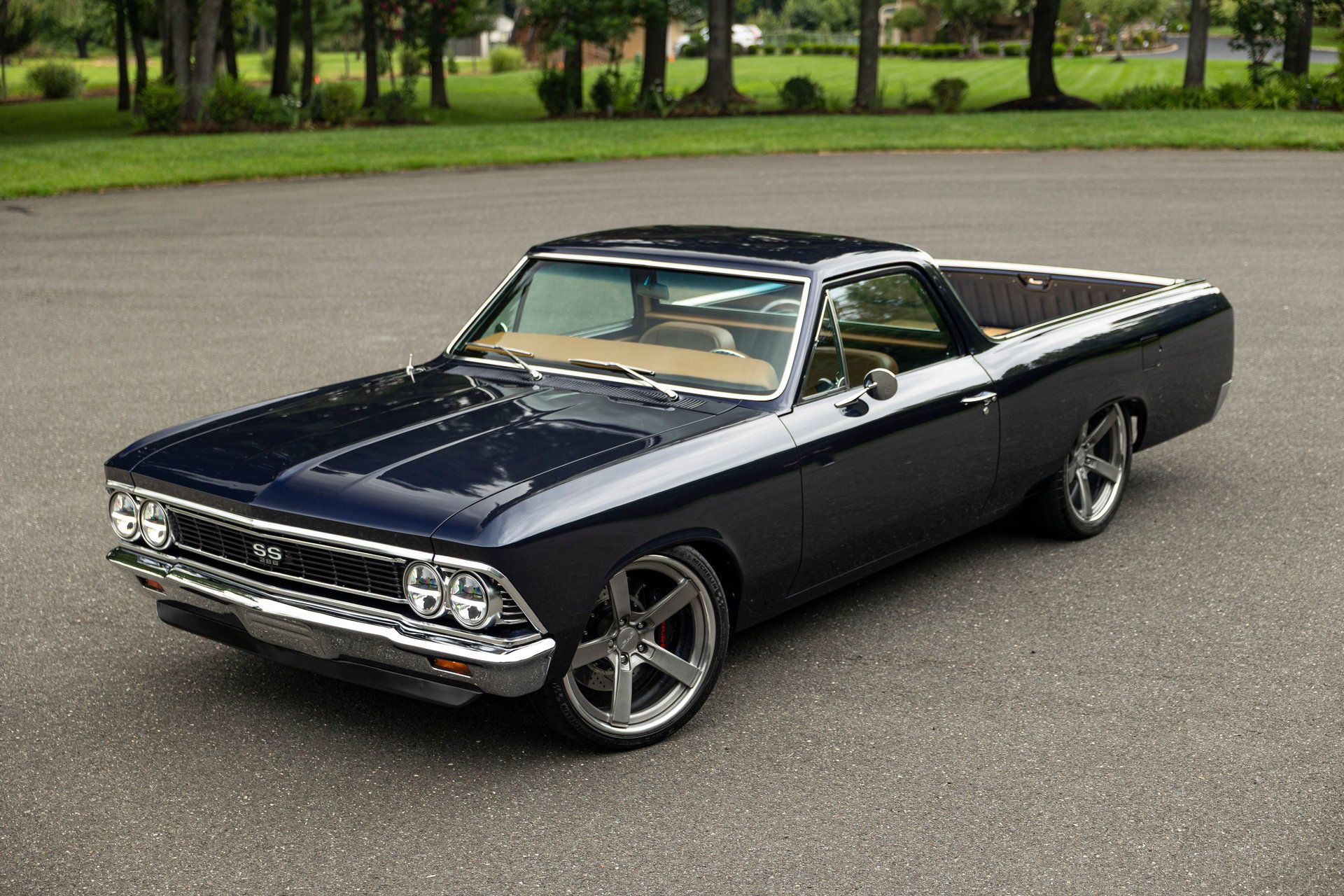
5. Chevrolet El Camino
The Chevrolet El Camino is perhaps the most famous American example of a vehicle that looks like a car but carries a truck classification. Chevrolet introduced the El Camino in 1959, and the model eventually became an iconic part of American automotive culture.
Its basic formula was straightforward. The front half resembled a passenger car, while the rear incorporated a pickup bed. This gave drivers the appearance and road-going character of a car with the practical cargo-carrying ability of a pickup.
Later generations became particularly distinctive. The El Camino was offered with increasingly powerful engines, and certain versions became associated with the muscle-car era. This created an unusual combination of performance-car styling and pickup functionality.
The cabin was also more familiar to car buyers than the interiors of conventional trucks. The seating position, dashboard arrangement, and general proportions reflected its passenger-car roots. From the outside, the cargo bed clearly identified it as a pickup, but from behind the wheel, the experience could be far closer to that of an American coupe.
The El Camino remains a memorable example of how flexible the term “truck” can be. It demonstrates that a vehicle does not have to look like a traditional pickup to provide truck-style utility. Its car-like design is precisely what made it so distinctive.

6. Subaru Baja
The Subaru Baja is another unusual American-market vehicle that combined passenger-car characteristics with an open cargo bed. Sold in the United States during the early 2000s, the Baja was based on the Subaru Outback platform and combined wagon-like practicality with pickup functionality.
The Baja stood out from traditional pickups with its distinctive proportions. Its compact body featured four doors and room for five passengers, while the design looked more like a raised wagon fitted with a small cargo bed than a smaller version of a conventional truck.
Subaru’s emphasis on all-wheel drive and outdoor-oriented practicality gave the Baja a particular identity. It was designed for people who wanted to transport recreational equipment and gear while retaining the comfort and versatility of a passenger vehicle.
The cargo bed was smaller than the beds found on full-size pickups, but that was never really the point. The Baja was designed around the idea that a driver might need an open cargo area occasionally rather than every day. That philosophy made it feel closer to a lifestyle vehicle than a commercial work truck.
Its rarity today has made the Baja especially recognizable among enthusiasts. The model demonstrated that a car-derived platform could support a pickup-style body without adopting the dimensions and driving characteristics of a traditional truck. In many respects, it was a precursor to today’s compact unibody pickups.
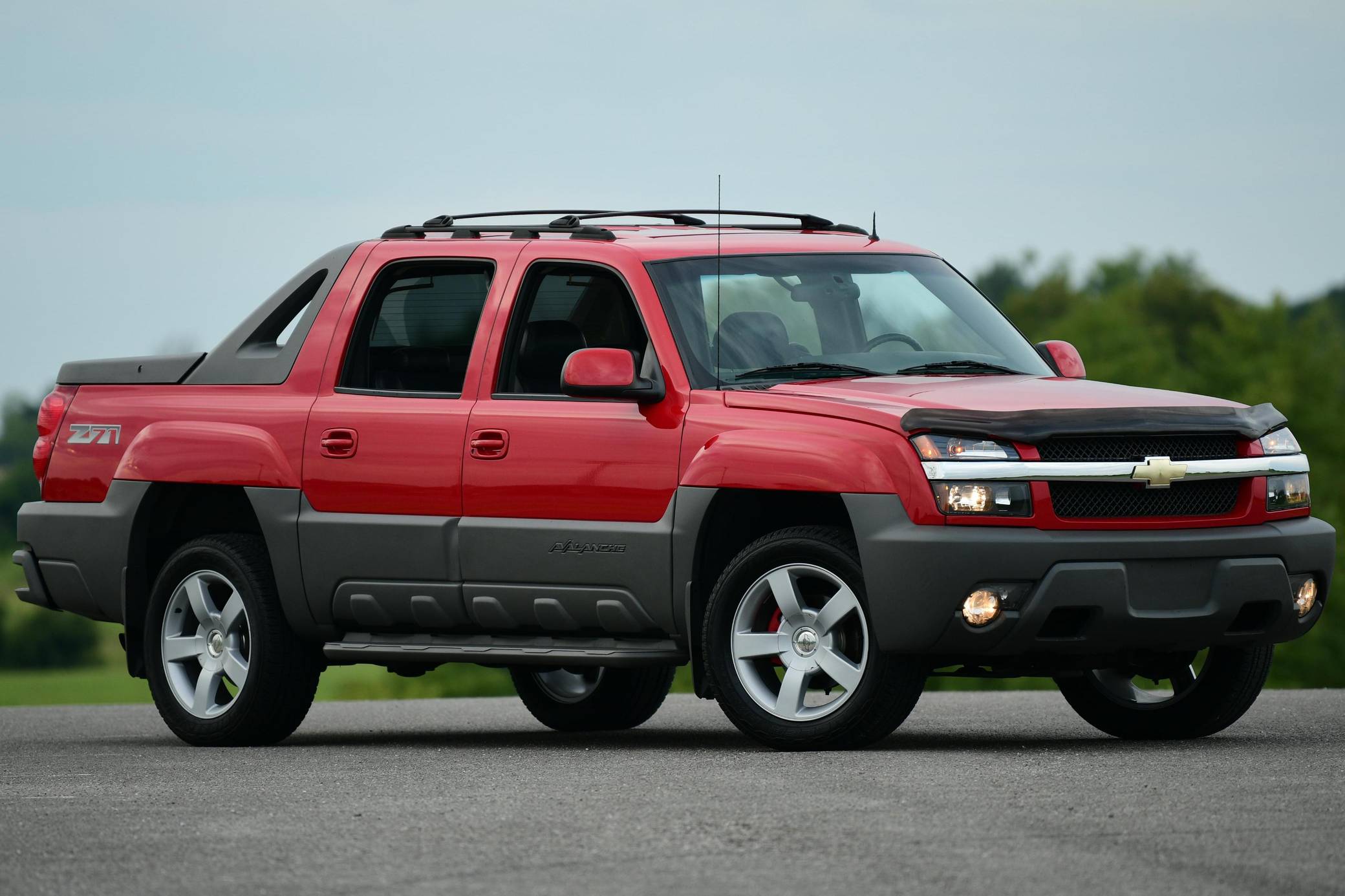
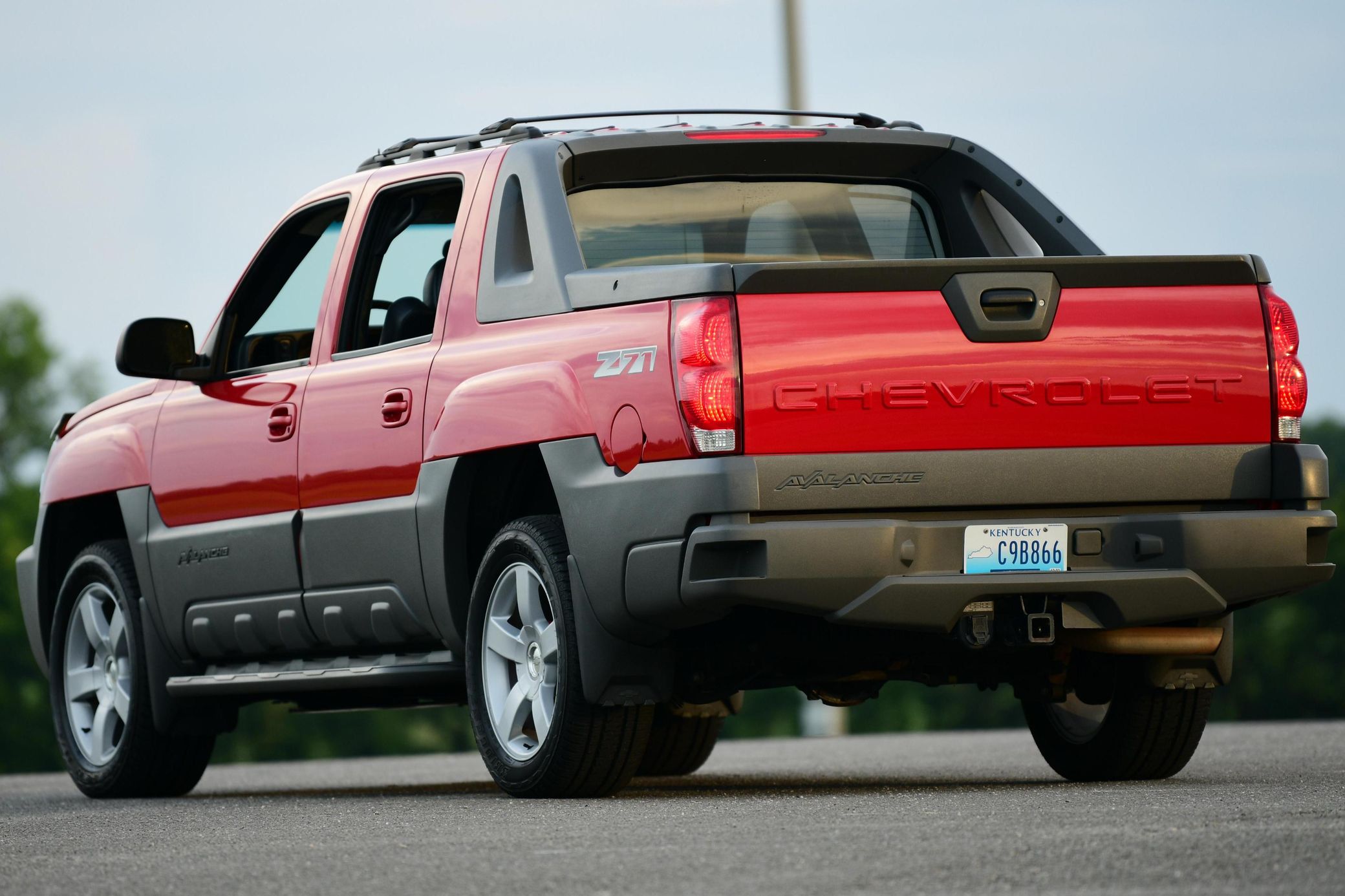
7. Chevrolet Avalanche
The Chevrolet Avalanche occupies a fascinating place between the SUV and pickup categories. Built using a General Motors truck platform with an unusually large cabin. In practice, however, it could function much like a large family vehicle. The cabin architecture, it combined a large passenger cabin with an open cargo bed and a distinctive midgate system.
At first glance, the Avalanche looks like a pickup with an unusually large cabin. In practice, however, it could function much like a large family vehicle. The cabin offered substantial passenger space, while the bed provided additional utility for cargo.
The midgate was particularly important to the Avalanche’s identity. By folding portions of the rear cabin structure, owners could extend the usable cargo area into the passenger compartment. This created flexibility that was unusual for a conventional pickup.
The Avalanche was also marketed toward people who wanted a vehicle that could serve several roles. It could transport a family during the week and handle recreational or hauling duties when required. That dual-purpose nature made it less narrowly focused than a traditional work truck.
Its dimensions prevent it from being truly car-like in the same way as the Maverick or El Camino. Still, the Avalanche deserves consideration because its passenger-focused design and unusual cargo arrangement made it feel more like a giant multipurpose vehicle than a conventional pickup.
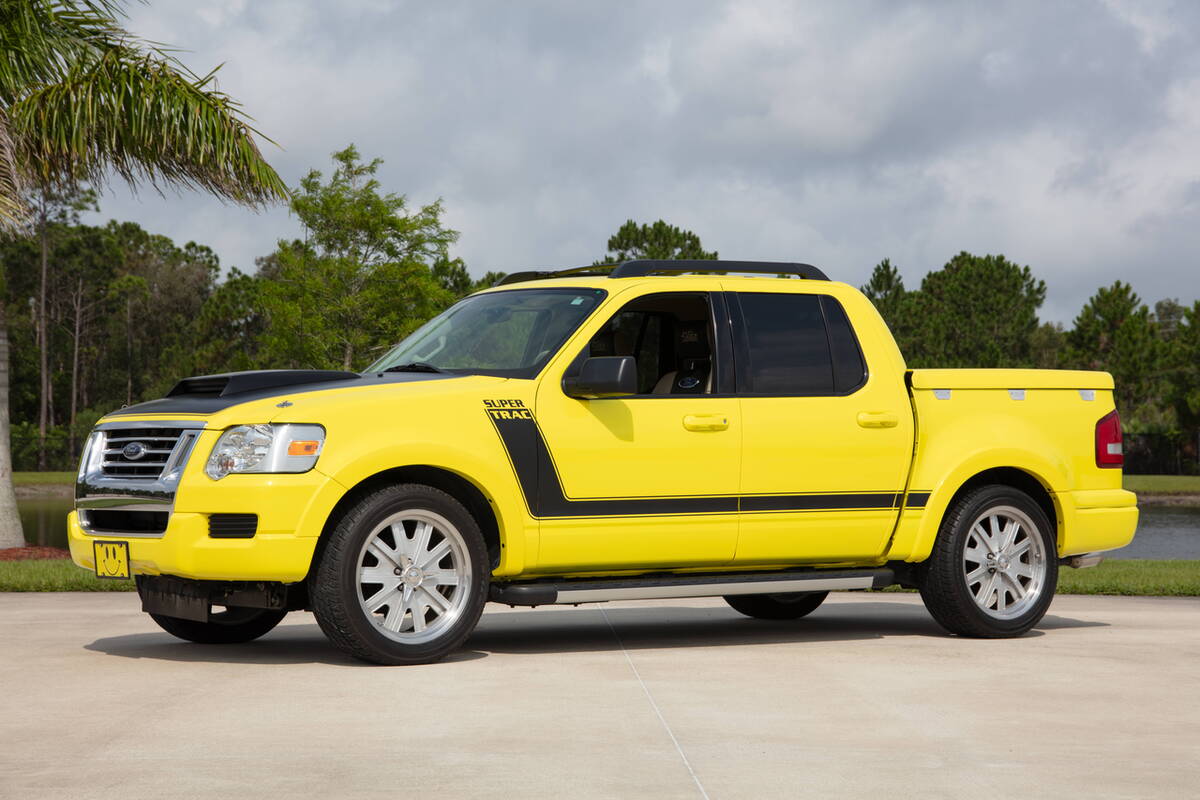
8. Ford Explorer Sport Trac
The Ford Explorer Sport Trac was created by combining SUV characteristics with a pickup-style rear section. Based on the Explorer, the Sport Trac provided four doors, seating for passengers, and a separate open cargo bed.
That layout gave the vehicle a distinctly family-oriented character. Drivers could carry several passengers comfortably while retaining the ability to transport muddy, bulky, or outdoor equipment in the bed. This was particularly appealing to people who did not need the capacity of a full-size pickup.
The Sport Trac’s SUV origins were obvious from its proportions and interior. The cabin felt more like an SUV than a conventional truck, with a relatively upright seating position and passenger-oriented controls. Its size also made it more approachable for drivers accustomed to sport-utility vehicles.
Its open bed nevertheless gave it legitimate truck functionality. Owners could haul construction materials, sporting equipment, landscaping supplies, and other cargo without placing everything inside the passenger compartment.
The Sport Trac therefore sits between two familiar categories. It has enough pickup characteristics to be considered a truck, yet enough SUV DNA to feel like a passenger vehicle. For many drivers, that combination made it easier to live with than a conventional pickup.
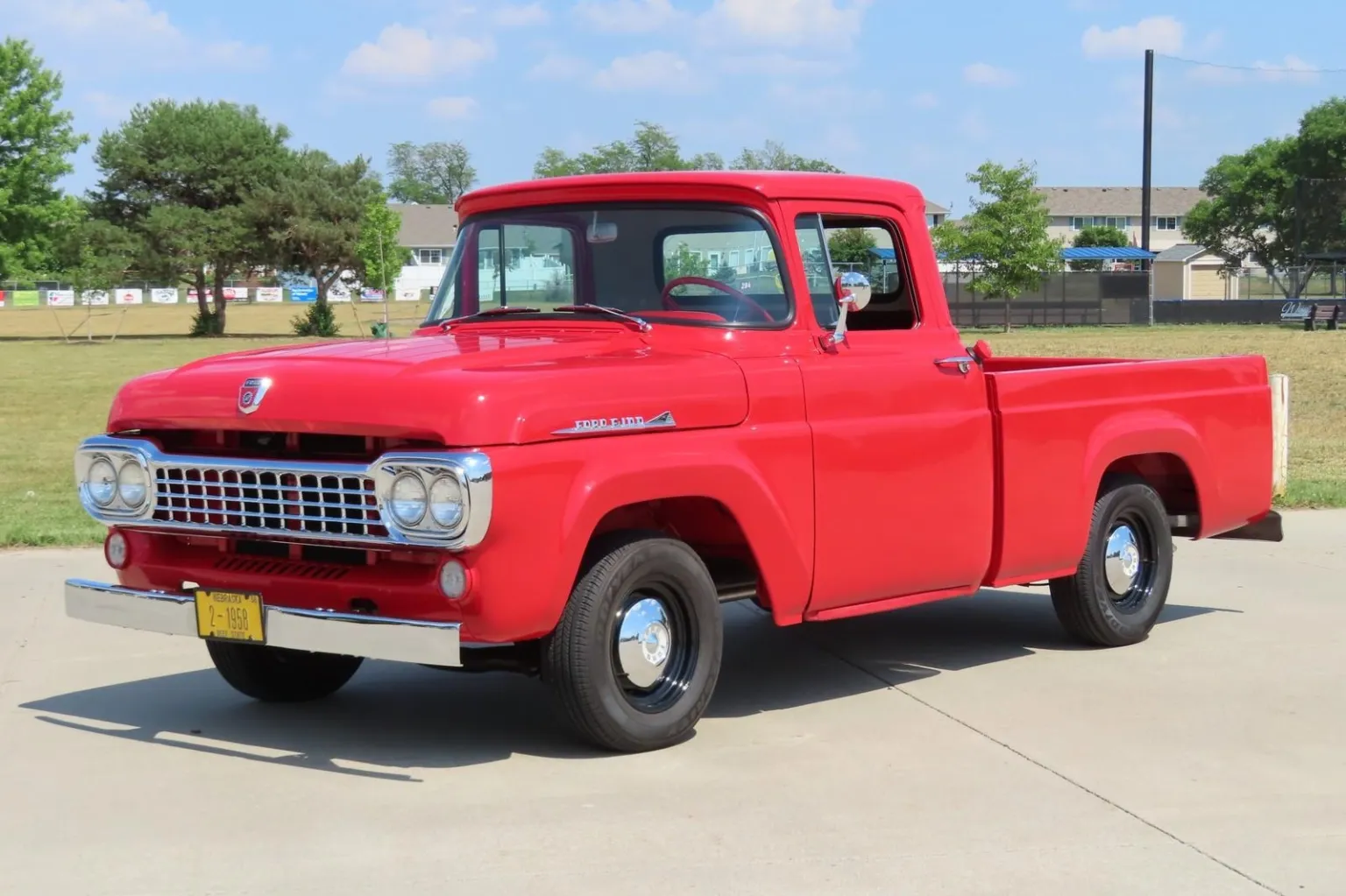
9. Ford F-100 Styleside
The Ford F-100 is unmistakably a truck by traditional standards, but certain generations and configurations had proportions that could make them feel surprisingly close to passenger vehicles. The F-100’s history stretches back decades, and earlier versions were considerably smaller than today’s full-size pickups.
Older F-100 models had narrower bodies and more compact dimensions than modern trucks. Their proportions were easier to navigate on ordinary roads, and their cabins were relatively straightforward. They were work vehicles, but they did not have the enormous physical presence associated with many contemporary pickups.
Some versions also received stylish bodywork that connected them visually with the passenger vehicles of their era. Chrome trim, sculpted panels, distinctive grilles, and attractive paint schemes could make an F-100 look more like a personal vehicle than a purely commercial machine.
The driving experience of an older pickup naturally differs from that of a modern sedan. Ride quality, steering, braking, and cabin refinement were generally more basic. Still, their compact dimensions and simple mechanical layouts made them feel much closer to everyday passenger transportation than today’s massive trucks.
The F-100 is therefore an interesting historical example. It reminds us that the modern American pickup has grown substantially in size. What counted as a full-size truck several decades ago could look almost compact when placed beside a current full-size pickup.
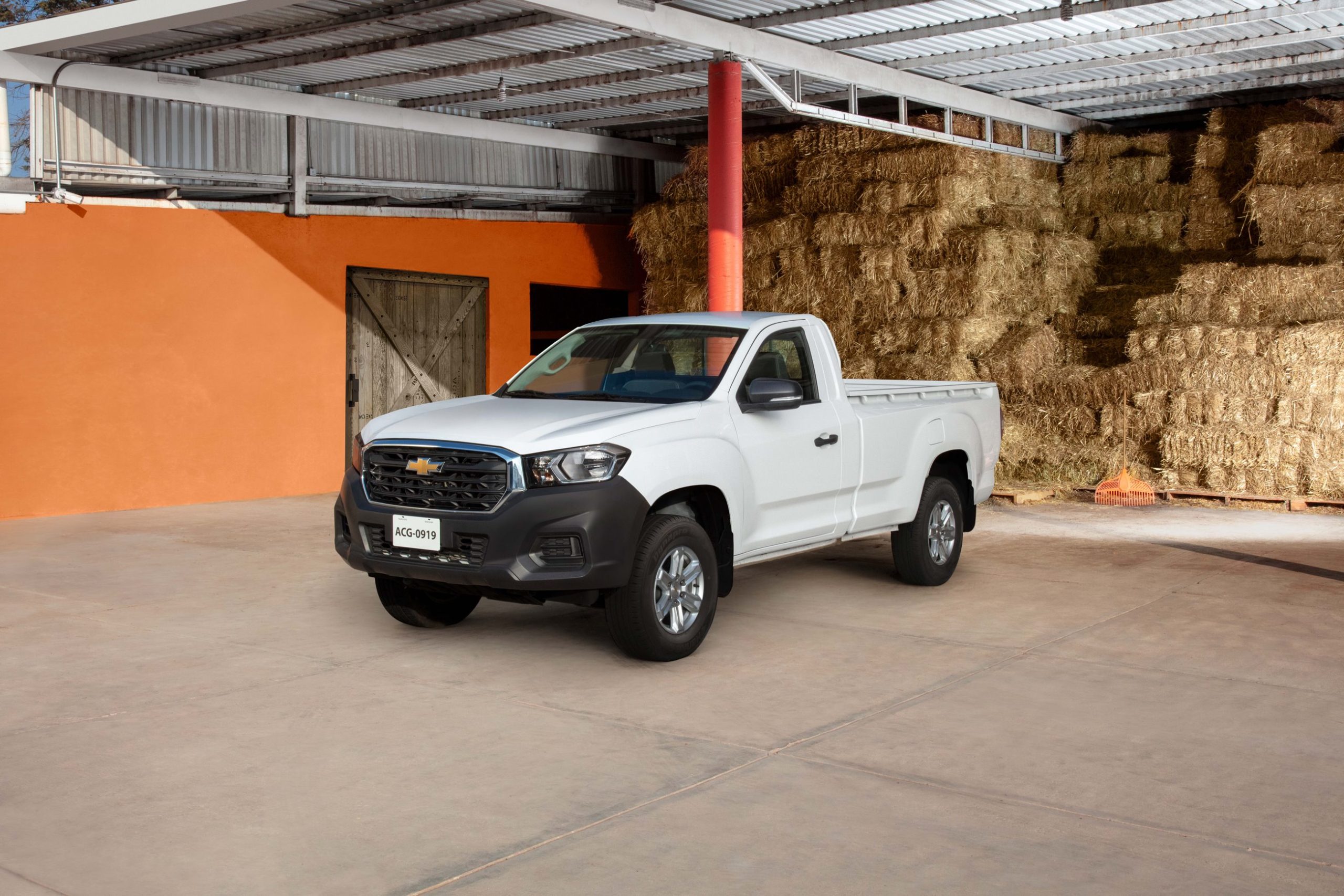
10. Chevrolet S-10
The Chevrolet S-10 was a compact pickup sold in the United States for several decades, and its relatively small dimensions gave it a distinctly car-like presence compared with modern trucks. It was developed for buyers who wanted pickup functionality without moving into the larger truck segment.
The S-10 had a conventional pickup layout, but its compact footprint made it much easier to maneuver in urban environments. Parking was simpler, narrow roads were less challenging, and the vehicle did not tower over ordinary passenger cars.
The cabin could accommodate passengers while the rear bed handled cargo. This combination made the S-10 suitable for tradespeople, recreational users, and drivers who wanted a practical utility vehicle without needing the capability of a heavy-duty truck. Modern full-size pickups have grown substantially-duty pickup.
Size is one of the most noticeable differences when comparing the S-10 with today’s trucks. Modern full-size pickups have become much wider, taller, and heavier over the years. As a result, an S-10 from its time can look surprisingly small when parked next to a current Silverado or another full-size pickup.
The S-10 shows that the definition of a truck has never depended entirely on size. A vehicle can have a pickup bed, provide useful cargo capacity, and meet truck classifications while still feeling closer to a small passenger vehicle during everyday driving.
