

Buying a new vehicle in the United States has become a major financial decision, with average transaction prices remaining near $50,000 in 2026. Yet the national average hides large differences between vehicle segments. A compact car can cost less than $30,000, while high-performance cars can average well above $100,000.
This guide ranks 10 major new-vehicle segments by average transaction price, using recent Kelley Blue Book and Cox Automotive data. Where August 2026 figures are available, they are used to reflect current market conditions. The figures represent transaction prices, not simply advertised starting prices, so they show what buyers actually paid on average.
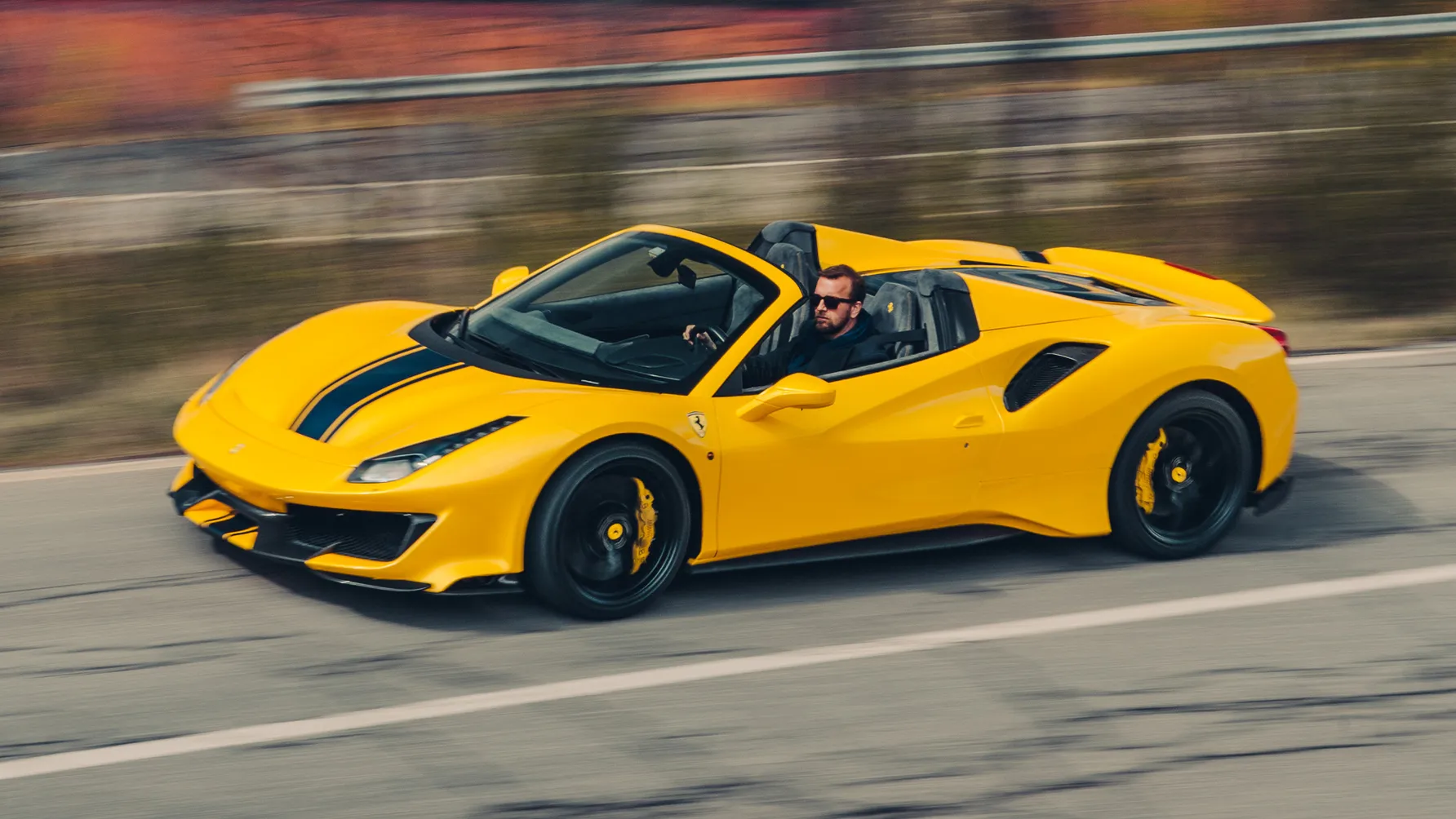
1. High-Performance Cars – About $134,000
High-performance cars sit at the top of this ranking by a wide margin. Kelley Blue Book’s December 2025 segment data put the average transaction price for high-performance cars at $134,124. That figure is dramatically higher than the national average for all new vehicles.
It reflects a category where buyers often pay for powerful engines, advanced chassis systems, specialized brakes, premium interiors, sophisticated electronics, and limited-production configurations. The segment’s average price was also up 9.2% from December 2024, showing how quickly pricing can move when expensive performance models make up a larger share of sales.
The term high-performance car covers a very different market from an ordinary commuter vehicle. These cars are generally designed around acceleration, handling, braking, and high-speed capability rather than simply providing transportation.
That engineering comes with expensive hardware. Larger engines, advanced transmissions, performance tires, adaptive suspension systems, and upgraded cooling systems can add thousands of dollars before buyers begin selecting optional equipment.
The average transaction price also needs to be interpreted carefully. It does not mean every high-performance car costs $134,124. Some models are available for substantially less, while specialized performance cars can cost considerably more.
A transaction-price average is influenced by which vehicles consumers actually purchased during the month. If expensive versions account for a greater portion of sales, the segment average rises. This is why an average transaction price should never be treated as the starting price of every model in a segment.
Pricing in this category can also change quickly because the product mix is small compared with mainstream segments. A handful of expensive models can have a meaningful effect on the average.
The December 2025 figure is therefore useful as a benchmark, but it should not be interpreted as a fixed 2026 price for every high-performance vehicle. KBB’s data methodology specifically treats average transaction price as a reflection of vehicles sold during a particular period.
For shoppers considering a performance car, the purchase price is only part of the financial picture. Insurance, tires, brakes, fuel, maintenance, and financing can all cost more than they do for an ordinary passenger car.
A lower transaction price within the segment does not necessarily translate into lower ownership expenses. The $134,124 average illustrates just how far the high-performance category sits above the mainstream US new-car market.
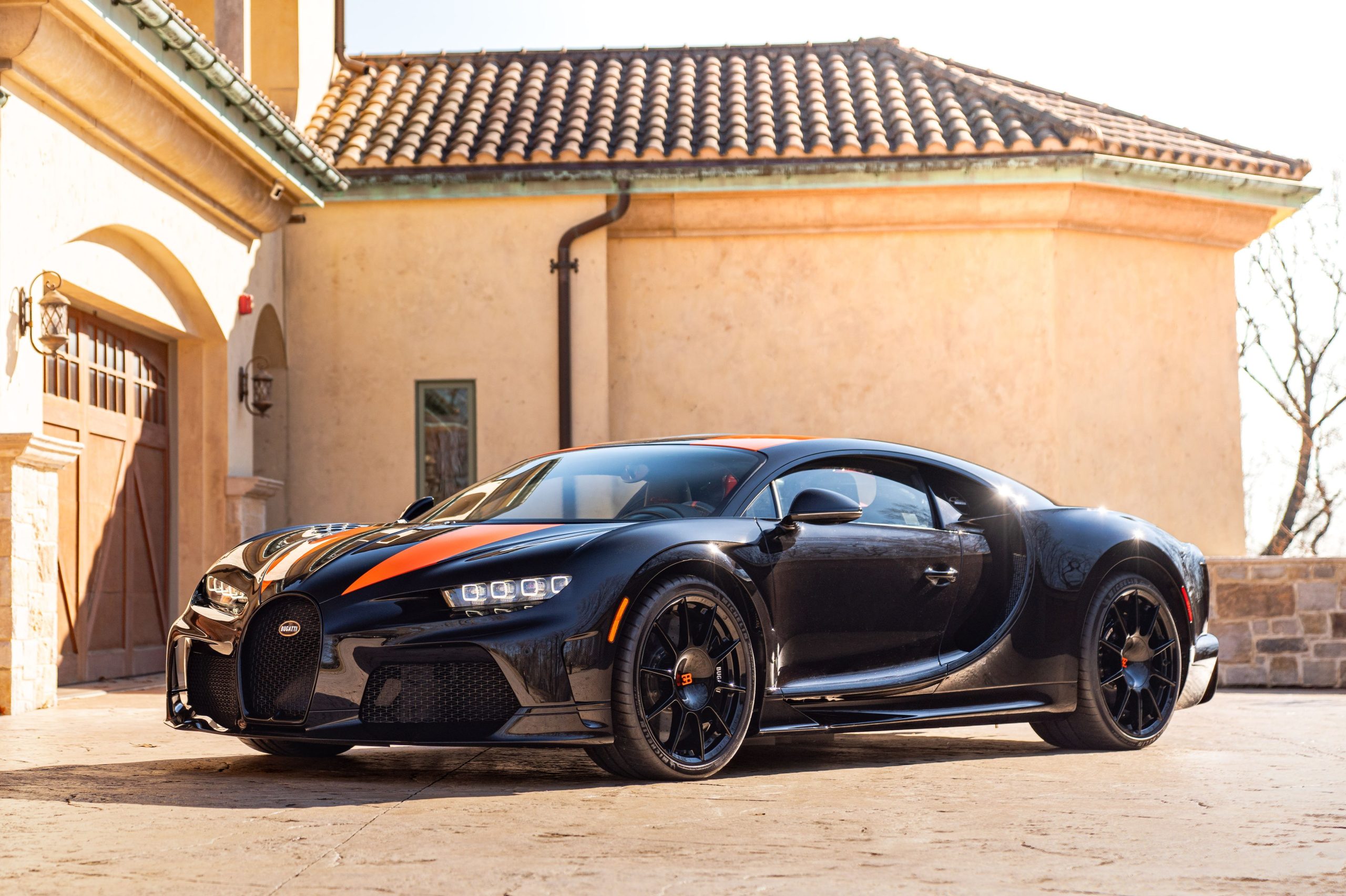
2. High-End Luxury Cars – About $125,000
High-end luxury cars occupy the second position, with a December 2025 average transaction price of $122,369. This category sits far above entry-level luxury vehicles because it generally includes larger, more prestigious, and extensively equipped automobiles.
Buyers in this part of the market are paying for premium materials, powerful drivetrains, advanced technology, sophisticated ride systems, and extensive standard equipment. The December average was 2.7% higher than a year earlier
Luxury pricing becomes particularly interesting when transaction prices are compared with advertised starting prices. A premium vehicle might have a relatively accessible base price, but the version that customers actually purchase can be substantially more expensive.
Optional packages, larger wheels, upgraded interiors, advanced driver assistance systems, and more powerful engines can push the final transaction value much higher.
The high-end luxury segment is also affected by the mix of vehicles sold in a particular month. If customers purchase more expensive configurations or if a manufacturer delivers more high-priced models, the average can rise without every vehicle in the segment becoming more expensive. This distinction matters when comparing transaction-price statistics with manufacturer MSRP figures.
Kelley Blue Book’s broader market data also shows how much luxury sales can influence the national average. In December 2025, nearly 20% of shoppers purchased luxury vehicles, according to Cox Automotive’s analysis. That unusually strong luxury mix helped push the industry average transaction price to a record $50,326 that month.
The high-end luxury category therefore represents a very different purchasing environment from mainstream cars and SUVs. A buyer looking at this segment is typically choosing between premium features, performance, and refinement rather than simply trying to minimize the purchase price.
With an average transaction price above $120,000 in the latest comprehensive segment table, high-end luxury cars demonstrate how strongly the premium market can influence the picture of US vehicle pricing.
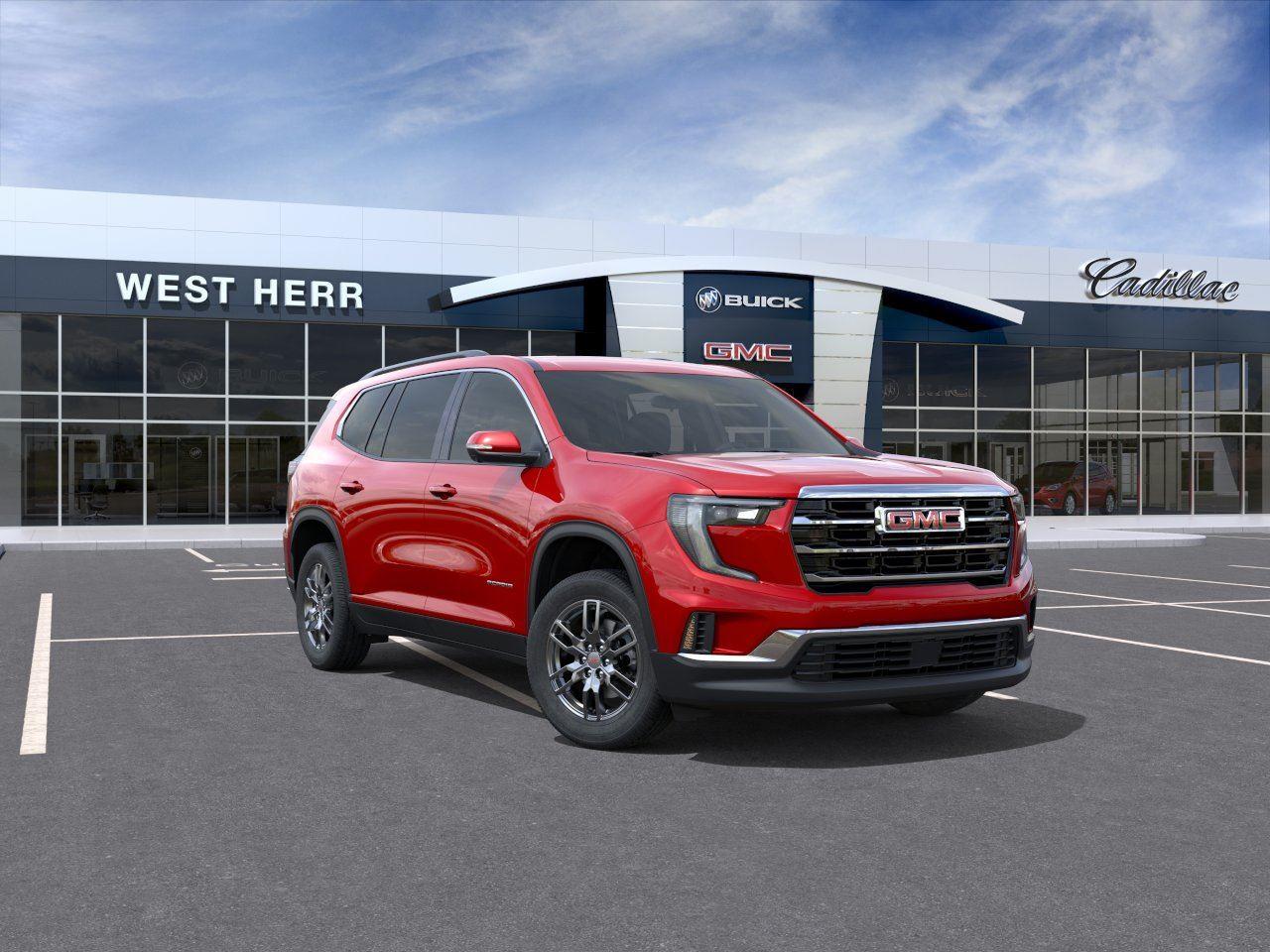
3. Luxury Full-Size SUVs – About $99,000
Luxury full-size SUVs recorded a December 2025 average transaction price of $98,865. That makes the segment considerably more expensive than mainstream full-size SUVs and well above the industry-wide average.
These vehicles bring together three factors that significantly increase costs, larger dimensions, upscale features, and powerful drivetrains. Their higher prices reflect the expense of building bigger vehicles and equipping them with premium materials, sophisticated suspension systems, advanced technology, and a wide range of comfort features.
Full-size SUVs also tend to offer three rows of seating and substantial cargo capacity. That makes them attractive to families who want passenger space without giving up luxury features.
The problem for buyers is that size itself carries a cost. Larger bodies require more material, while heavier vehicles generally need stronger drivetrains and braking systems. Luxury versions add another layer of expense.
The December 2025 average was actually lower than the corresponding figure a year earlier. KBB’s table showed a 9.0% year-over-year decline for the luxury full-size SUV category. The segment averaged $98,865 in December 2025 compared with $108,603 in December 2024. This is a useful reminder that new-car prices do not move upward in every category at the same rate every year.
Mainstream full-size SUVs are also expensive. In the same December 2025 KBB data, the non-luxury full-size SUV/crossover category averaged $79,739. That means the luxury version carried a substantial price premium over the mainstream category. The difference comes from equipment, branding, materials, powertrains, and the way manufacturers position these vehicles.
For shoppers, the luxury full-size SUV category is therefore among the most expensive practical vehicle choices. It provides space and capability that smaller vehicles cannot match, but the financial commitment is significant.
Buyers also need to consider fuel consumption, insurance, tires, and maintenance. A vehicle costing close to $100,000 on average can remain expensive long after the initial transaction is complete.
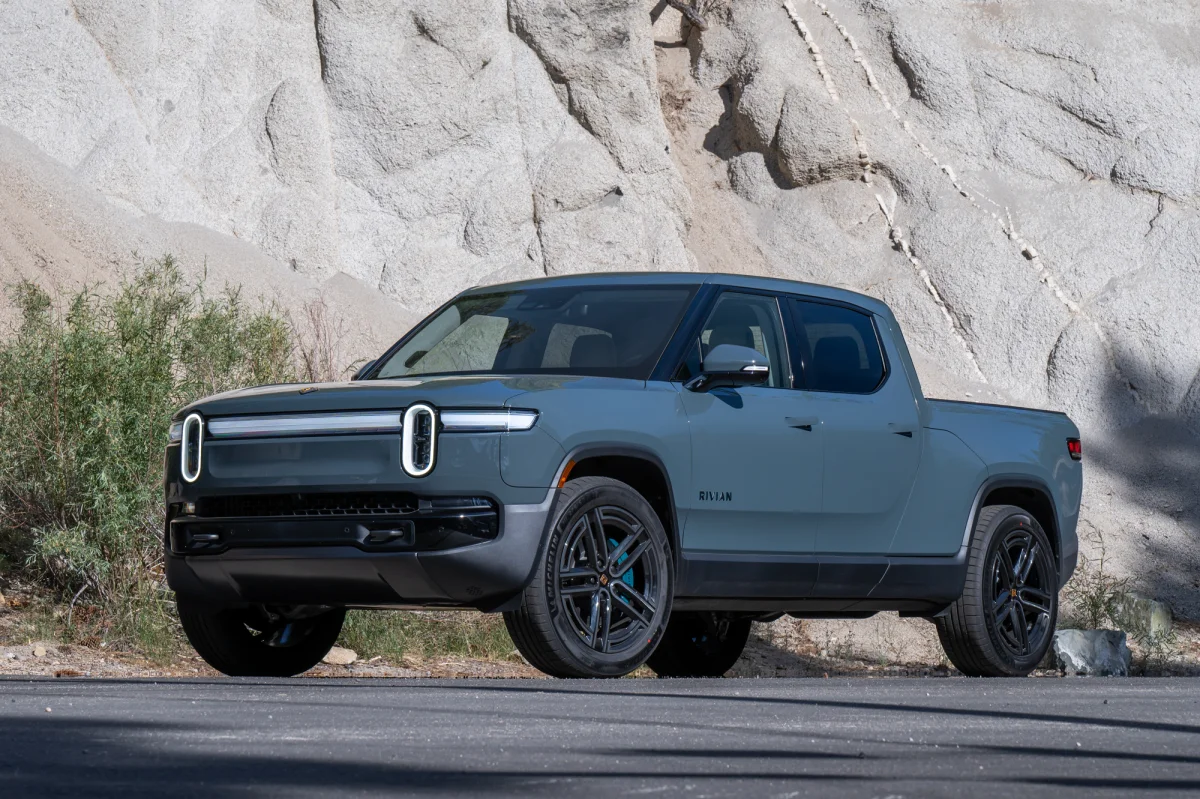
4. Luxury Midsize SUVs – About $73,000
Luxury midsize SUVs averaged $73,473 in December 2025, placing them well above mainstream midsize SUVs. The category occupies a popular middle ground for buyers who want premium features without moving to the physical size of a full-size luxury SUV. Its price reflects a combination of upscale interiors, sophisticated technology, premium powertrains, and relatively high equipment levels.
The midsize format has become particularly important in the US market. Mainstream midsize SUVs were the best-selling vehicle segment in August 2026, with an average transaction price of $50,315. That figure was up 1.6% from August 2025. The strong demand for midsize SUVs has helped make them a central part of the US new-vehicle market.
Luxury midsize SUVs build on that formula with higher-end materials and equipment. Buyers can expect features such as leather or premium synthetic upholstery, larger infotainment displays, premium audio systems, advanced driver assistance technology, and stronger engines. Higher trims can move substantially beyond the average transaction price.
The distinction between mainstream and luxury midsize SUVs is important when researching a new vehicle. A buyer may find a mainstream midsize SUV with a starting price in the $30,000s or $40,000s, while a luxury competitor can move into the $60,000 to $80,000 range. The two categories may have similar exterior dimensions, yet their transaction prices can be very different.
The December 2025 luxury midsize SUV average of $73,473 therefore provides a useful benchmark for the premium side of the segment. It should not be interpreted as a universal price for every 2026 vehicle, since transaction prices change with model mix and incentives. Still, it shows how quickly the cost of a midsize SUV can rise when buyers move into the luxury market.
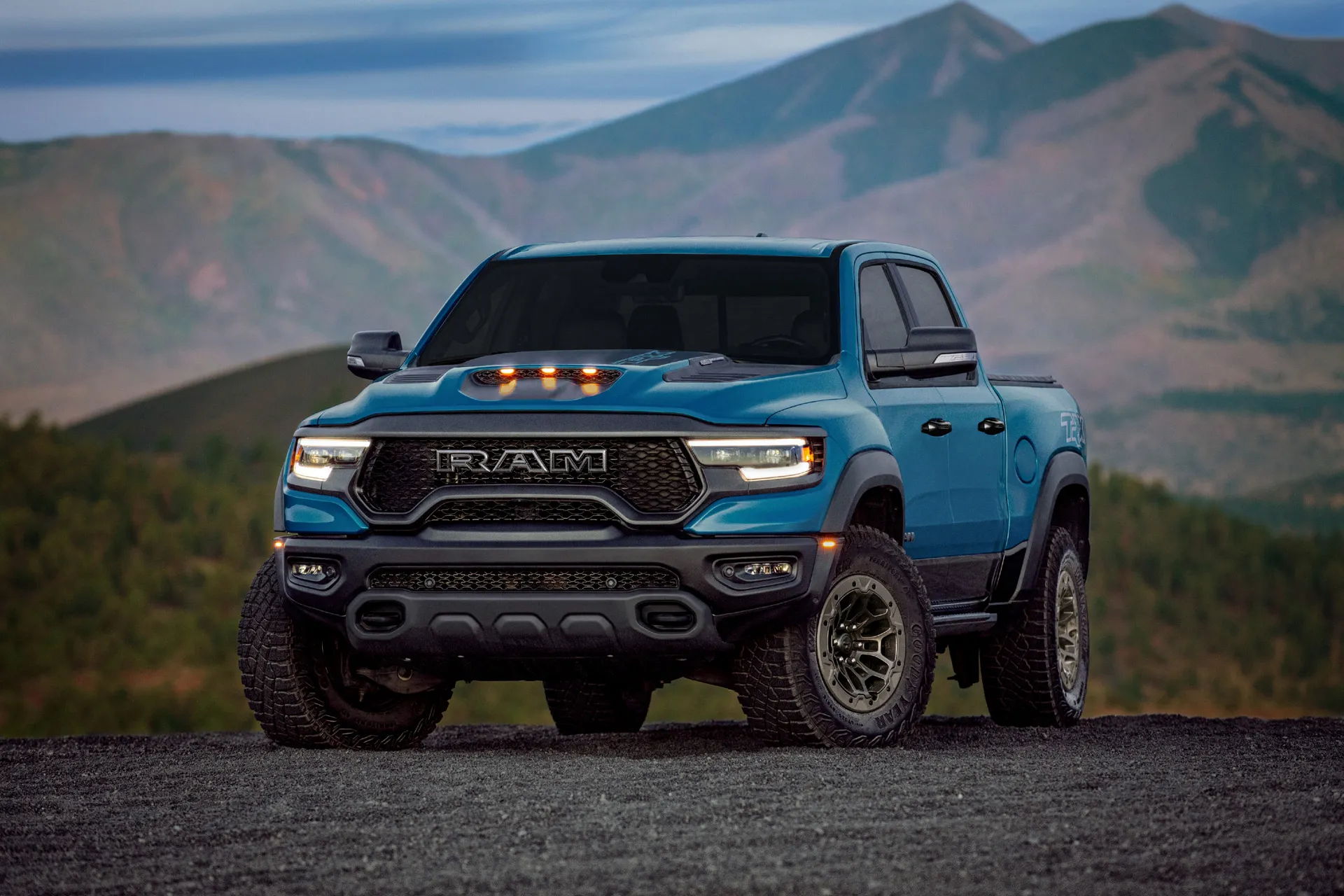
5. Full-Size Pickup Trucks – About $67,000
Full-size pickup trucks are among the most expensive high-volume vehicles sold in the United States. In August 2026, their average transaction price reached $67,446, up 2.1% from August 2025. This was the highest average among the five largest-volume segments tracked in KBB’s August report.
The gap between starting price and actual transaction price is particularly important with pickup trucks. KBB noted that every full-size truck on the market has a starting price near or below $40,000, yet the average truck sold for much more. This happens because customers frequently purchase higher trims, larger engines, crew-cab configurations, and expensive options.
A modern full-size pickup can be configured as a basic work vehicle or as a highly equipped luxury-oriented truck. The same model family may include inexpensive fleet versions alongside premium trims costing well beyond $70,000. This wide range makes the segment average particularly sensitive to what customers choose.
Truck pricing also has a major influence on the US new-vehicle average. Full-size pickups sell in large numbers, and their prices are considerably higher than compact cars and subcompact SUVs. In December 2025, Cox Automotive estimated that retail and fleet sales of full-size pickups generated more than $15 billion in combined revenue during that month.
The August 2026 figure of $67,446 shows that pickup trucks remain a major financial commitment for new-car buyers. A shopper who needs towing or hauling capability may find the expense justified by the vehicle’s intended use, while a buyer who mainly needs passenger transportation may find smaller segments considerably less expensive.
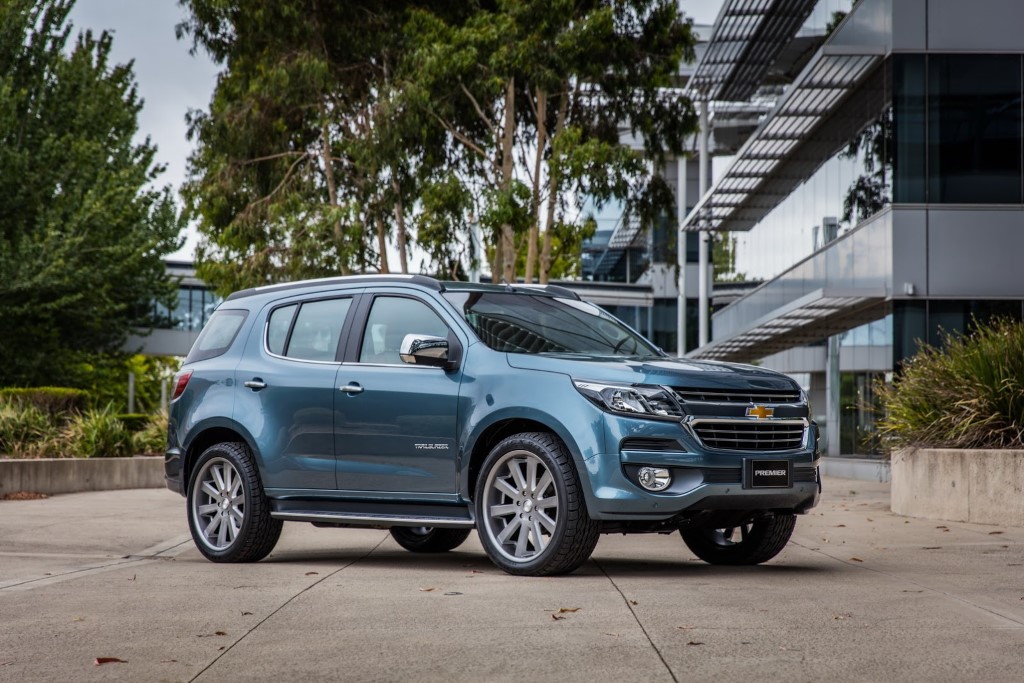
6. Full-Size SUVs – About $80,000
Mainstream full-size SUVs averaged $79,739 in December 2025, according to KBB’s comprehensive segment table. That put the category well above the industry average and surprisingly close to the pricing of luxury-oriented vehicles. Large SUVs are expensive because they combine substantial dimensions, three-row seating, powerful engines, and extensive equipment.
These vehicles are generally designed for buyers who need substantial passenger and cargo capacity. They can also provide towing capability and available four-wheel-drive or four-wheel-drive-based systems. Those capabilities require larger mechanical components and more substantial platforms than compact cars or small SUVs.
The price difference becomes clearer when full-size SUVs are compared with midsize SUVs. In August 2026, mainstream midsize SUVs averaged $50,315. That means a buyer moving from a midsize SUV to a full-size model can encounter a very large increase in average transaction price.
Fuel costs can also become more important as vehicle size increases. Full-size SUVs typically weigh significantly more than compact cars and smaller crossovers. Their larger engines and greater mass can lead to higher fuel consumption, though exact fuel economy varies considerably between powertrains.
The $79,739 December figure should be viewed as a recent comprehensive benchmark rather than a claim that every full-size SUV currently sells for that amount.
Individual models, trim levels, and available incentives can result in transaction prices that are either lower or higher. Even so, the figure illustrates where the segment stands in the U.S. new-vehicle market, with large SUVs occupying one of the higher-cost categories.
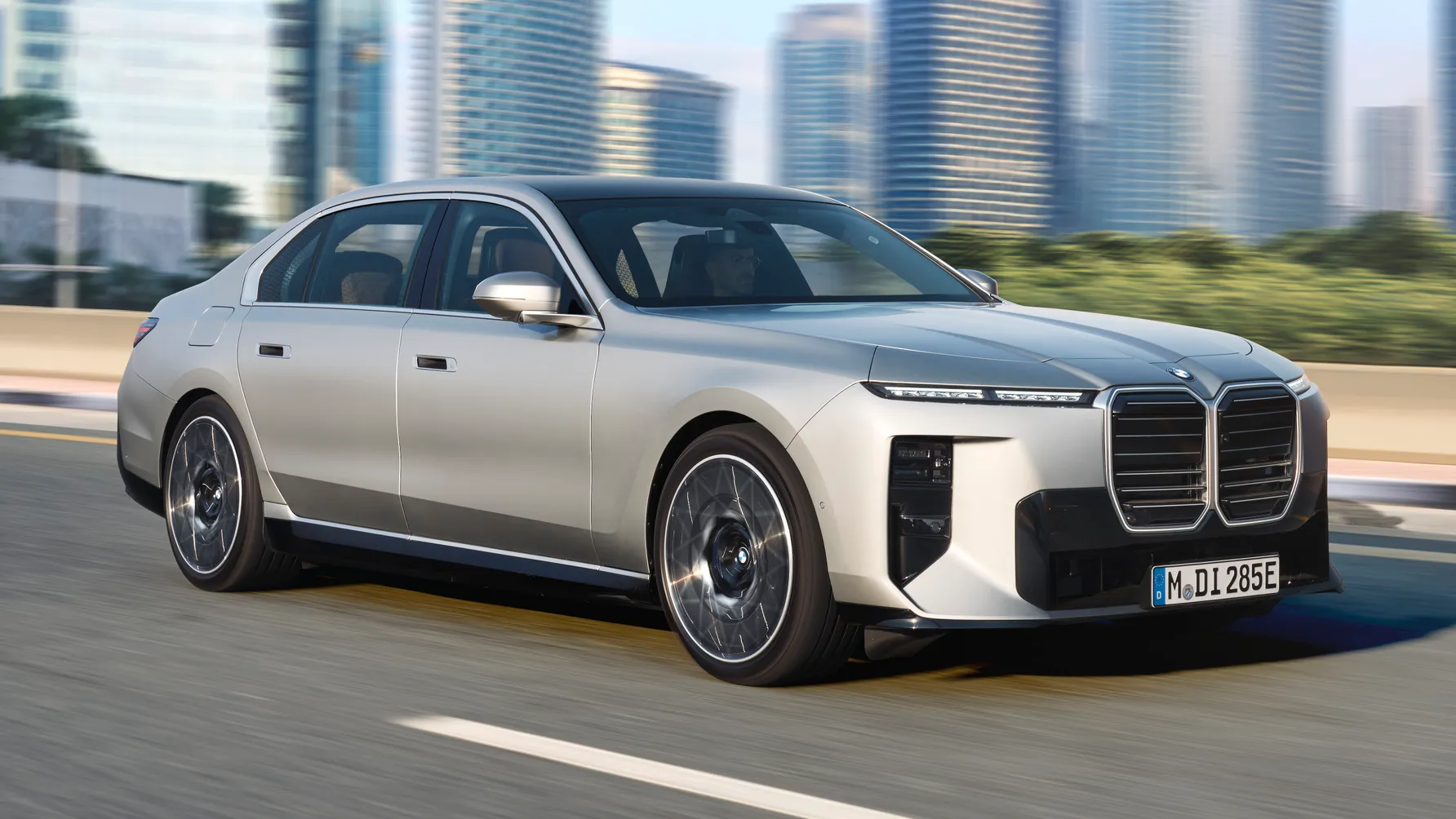
7. Luxury Cars – About $63,000
Luxury cars had a December 2025 average transaction price of $62,558. This category is considerably less expensive than high-end luxury cars but remains far above mainstream compact and midsize cars. The segment increased 6.2% year over year in December 2025, according to KBB’s transaction-price table.
Luxury cars can range from relatively compact premium sedans to large, powerful vehicles loaded with technology. Their pricing is affected by engine choices, vehicle dimensions, equipment levels, and brand positioning. A base model can sit well below the segment average, while a heavily optioned vehicle can move significantly higher.
Technology has become a major part of the premium-car price equation. Large displays, premium audio, advanced parking systems, adaptive cruise control, sophisticated suspension systems, and high-end driver assistance technology can all contribute to a higher transaction price.
The category also demonstrates why advertised prices and transaction prices should be treated separately. An entry price tells shoppers what a manufacturer charges for the least expensive version of a vehicle.
A transaction price captures the average amount customers actually paid, including the effect of trim selection and optional equipment, while KBB’s ATP methodology does not simply represent a vehicle’s base MSRP.
For shoppers interested in a luxury car, the $62,558 benchmark is useful for understanding the market’s middle ground. It is possible to spend substantially less, particularly by choosing an entry-level model, but premium vehicles can quickly become expensive once buyers add equipment. The segment’s average illustrates the financial gap between ordinary transportation and premium motoring.
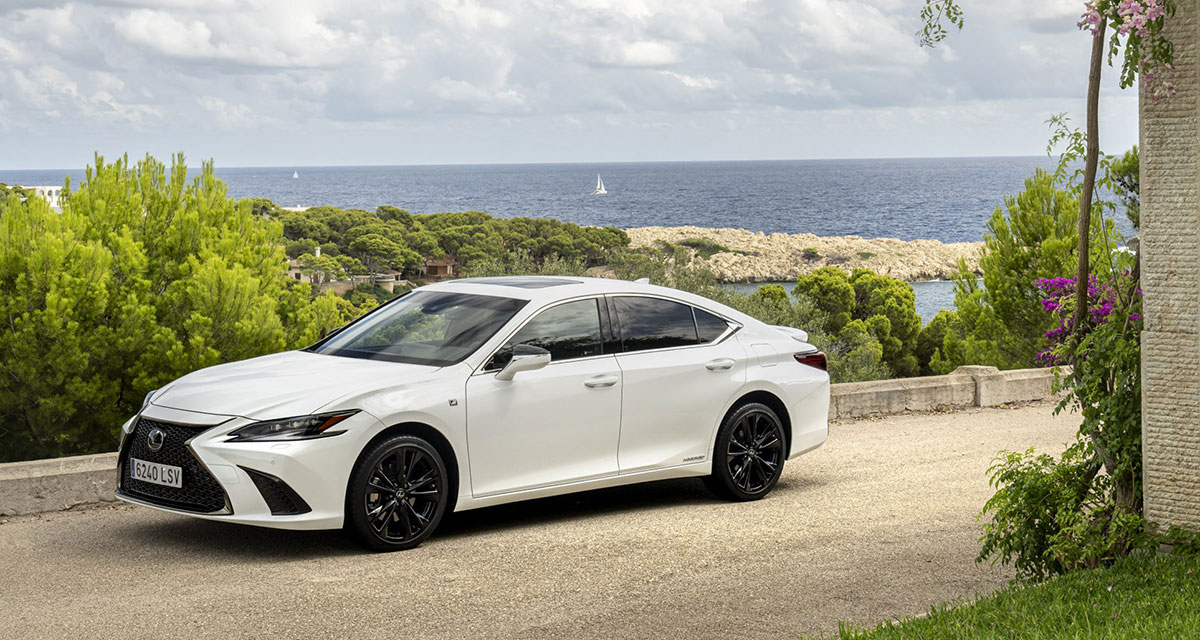
8. Entry-Level Luxury Cars – About $58,000
Entry-level luxury cars averaged $57,649 in December 2025. That makes them significantly less expensive than high-end luxury cars, yet they remain far above compact and midsize mainstream cars. KBB’s data showed the segment rising 2.7% year over year in December 2025.
The phrase entry-level can be misleading. These vehicles are positioned as gateways into premium brands, but they are still equipped with features that can make them considerably more expensive than mainstream alternatives. Premium interiors, stronger engines, larger wheels, advanced infotainment systems, and brand-specific technology contribute to the higher transaction price.
There can also be a substantial difference between an entry-level luxury vehicle’s starting MSRP and its typical transaction price. Buyers frequently select packages that add technology, comfort features, and appearance upgrades. As those options become common in actual purchases, the average transaction price moves higher.
The segment also sits close to the national new-vehicle average in a way that makes it relevant to shoppers with larger budgets. In August 2026, the average transaction price for all new vehicles in the US was $50,089. That was 1.9% higher than August 2025 and marked the first month in 2026 when the national average exceeded $50,000.
An average of $57,649 for entry-level luxury cars therefore illustrates how a relatively modest step into the premium market can add several thousand dollars to the purchase price. Buyers need to compare equipment carefully because a well-equipped mainstream vehicle may overlap with an entry-level luxury model in both price and features.
9. Sports Cars – About $52,000
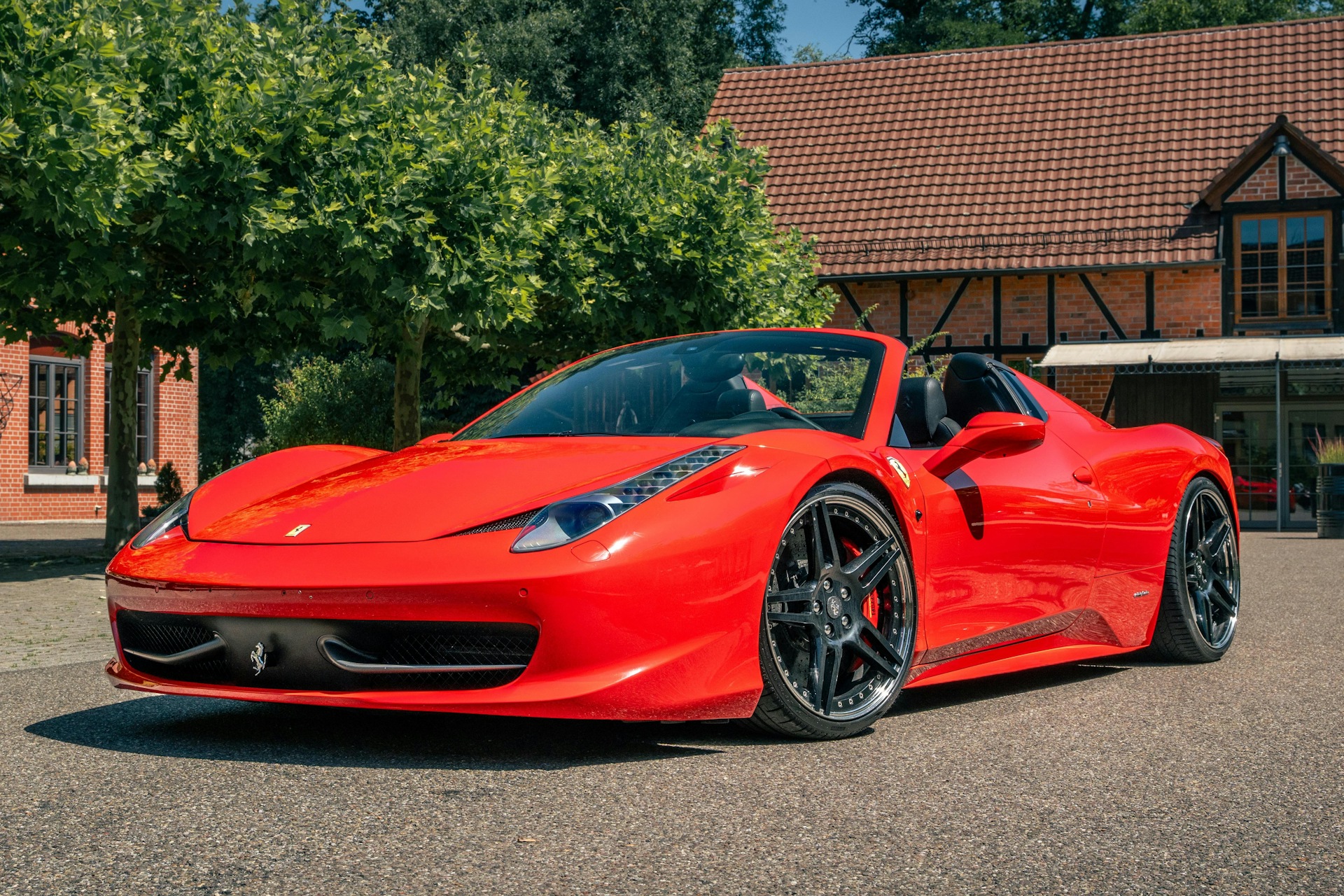
Sports cars averaged $51,540 in December 2025, according to Kelley Blue Book’s detailed transaction-price table. That places them slightly above the industry average recorded during that month. The sports-car category increased 4.4% year over year, making it a different proposition from the much more expensive high-performance category.
The distinction between a sports car and a high-performance car matters. Sports cars can include relatively affordable two-seat or performance-oriented models, while high-performance cars capture a much more expensive group of specialized vehicles. The result is a large price gap between the two categories.
Sports-car buyers are generally paying for handling, design, and driving characteristics rather than maximum practicality. A smaller body, limited seating, and reduced cargo capacity can allow manufacturers to focus more heavily on chassis tuning and performance. The purchase decision therefore involves more than comparing interior space and fuel economy.
The $51,540 average also demonstrates how the national new-car average has moved upward. In August 2026, the industry ATP was $50,089, only modestly below the December 2025 sports-car figure. That does not mean every sports car costs around $50,000, but it shows that the segment average has moved into territory that was once associated with much more expensive vehicles.
Sports cars can also produce large differences in ownership costs. Performance tires, brakes, and insurance can add to annual expenses. A shopper focused on purchase price should therefore consider the complete cost of ownership before comparing a sports car with a conventional sedan or crossover.
10. Midsize SUVs – About $50,000
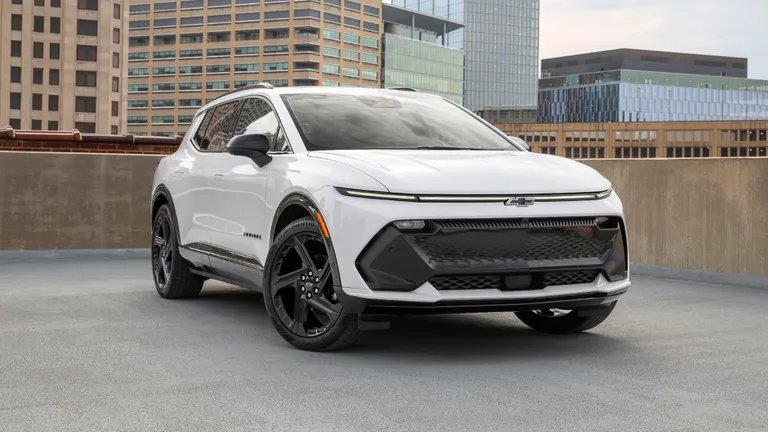
Midsize SUVs have become a central part of the US new-car market. In August 2026, the average transaction price reached $50,315, up 1.6% from August 2025. KBB reported that midsize SUVs had moved into the top position among the five highest-volume vehicle segments in 2026.
The popularity of midsize SUVs helps explain why their average transaction price is so important. These vehicles offer a combination of passenger room, cargo capacity, driving position, and available all-wheel drive that appeals to a broad range of American buyers. They are generally less expensive than full-size SUVs but provide more space than compact crossovers.
The August 2026 figure is almost exactly in line with the national average new-vehicle price. The industry ATP was $50,089, while midsize SUVs averaged $50,315. This means the typical transaction in this segment was slightly more expensive than the market average.
Prices have also been rising gradually. The August midsize SUV ATP was 1.6% higher than a year earlier. KBB has noted that new-vehicle prices commonly increase during the second half of the year as newer model-year vehicles arrive at dealerships. The arrival of 2027 models has contributed to higher sticker prices during 2026.
For buyers seeking a balance between price and utility, the midsize SUV category is worth watching closely because it sits near the center of the current US market. The $50,315 average does not mean shoppers must spend that much. Individual models, trims, incentives, and dealer pricing can create meaningful differences.
It does show, however, how a vehicle category that was once viewed primarily as a practical family choice now occupies a major share of the new-car market at around $50,000.
