

The United States has a large and diverse network of car dealerships, with stores spread across major cities, suburban markets, and smaller communities. The states with the most car dealerships tend to combine large populations, strong vehicle demand, broad geographic coverage, and established automotive markets.
Using 2025 data from the National Automobile Dealers Association, this article looks at the twelve states with the highest numbers of franchised new light vehicle dealerships.
The list offers a useful snapshot of dealership concentration and helps explain where consumers can find the largest dealer networks across the country today, and provides useful market context.
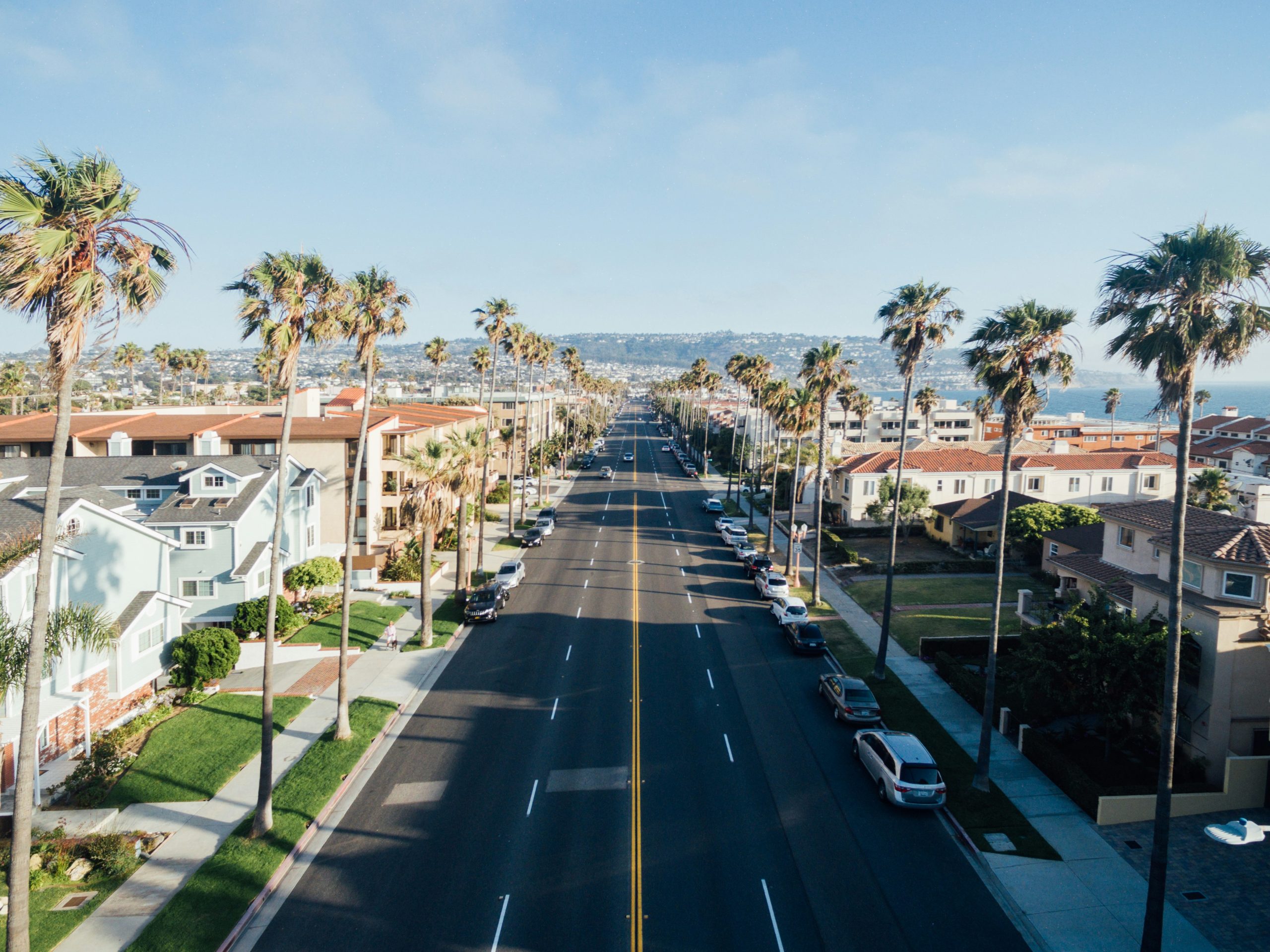
1. California – 1,334 Car Dealerships
California has more franchised new light vehicle dealerships than any other state, with 1,334 dealerships recorded in 2025. The figure represents a substantial share of the 16,990 franchised dealerships counted nationally by the National Automobile Dealers Association.
California’s large population, extensive metropolitan areas, and high volume of vehicle registrations help support a broad retail automotive network.
The state’s dealership network serves a population spread across major markets such as Los Angeles, San Diego, San Jose, San Francisco, Sacramento, and surrounding communities.
Different parts of California have distinct transportation needs, ranging from dense urban commuting to long-distance driving in less concentrated regions. This creates demand for many vehicle categories and dealership brands.
California is also a significant automotive sales market. NADA reported approximately $153.5 billion in total dealership sales in the state during 2025, the highest total among the states. The average dealership generated about $115 million in sales, showing the scale of the state’s retail automotive industry.
Consumers searching for new cars in California can find dealerships representing domestic, Japanese, Korean, European, and luxury manufacturers.
Dealership groups also operate multiple locations, allowing larger automotive retailers to maintain a presence in several cities or metropolitan areas. Independent used vehicle businesses add further choice beyond the franchised network.
For buyers, the high number of dealerships can mean access to a wider selection of vehicles, financing programs, service departments, and competing offers.
For automotive businesses, California represents a large and complex market. Its dealership concentration reflects the state’s population size, vehicle demand, and long-established importance within the American automotive sector.

2. Texas – 1,285 Car Dealerships
Texas ranks second with 1,285 franchised new light vehicle dealerships in 2025. The state has a vast population and a large geographic area, creating demand for dealerships in major metropolitan areas as well as smaller cities and regional communities. NADA’s figures place Texas only 49 dealerships behind California.
Large markets such as Houston, Dallas-Fort Worth, San Antonio, and Austin support extensive dealership networks. Texas also has many communities separated by significant driving distances, making vehicle ownership particularly important for residents who depend on personal transportation for work, family activities, and travel.
Texas generated about $139.3 billion in total dealership sales during 2025, according to NADA. The state’s average dealership sales figure was approximately $108.4 million. These figures demonstrate that the large number of dealerships is accompanied by substantial retail activity.
The Texas automotive market includes dealerships selling pickup trucks, SUVs, sedans, electric vehicles, luxury cars, and commercial-oriented vehicles. Pickup trucks have a particularly important role in many Texas communities, where vehicles may be used for work, recreation, towing, and everyday transportation.
The size of Texas means dealership availability varies considerably by region. Someone living in a major city may have dozens of brands and dealerships within a relatively short drive, while customers in rural areas may travel farther for a particular manufacturer. The state’s 1,285 franchised dealerships nevertheless provide a broad retail network throughout the state.
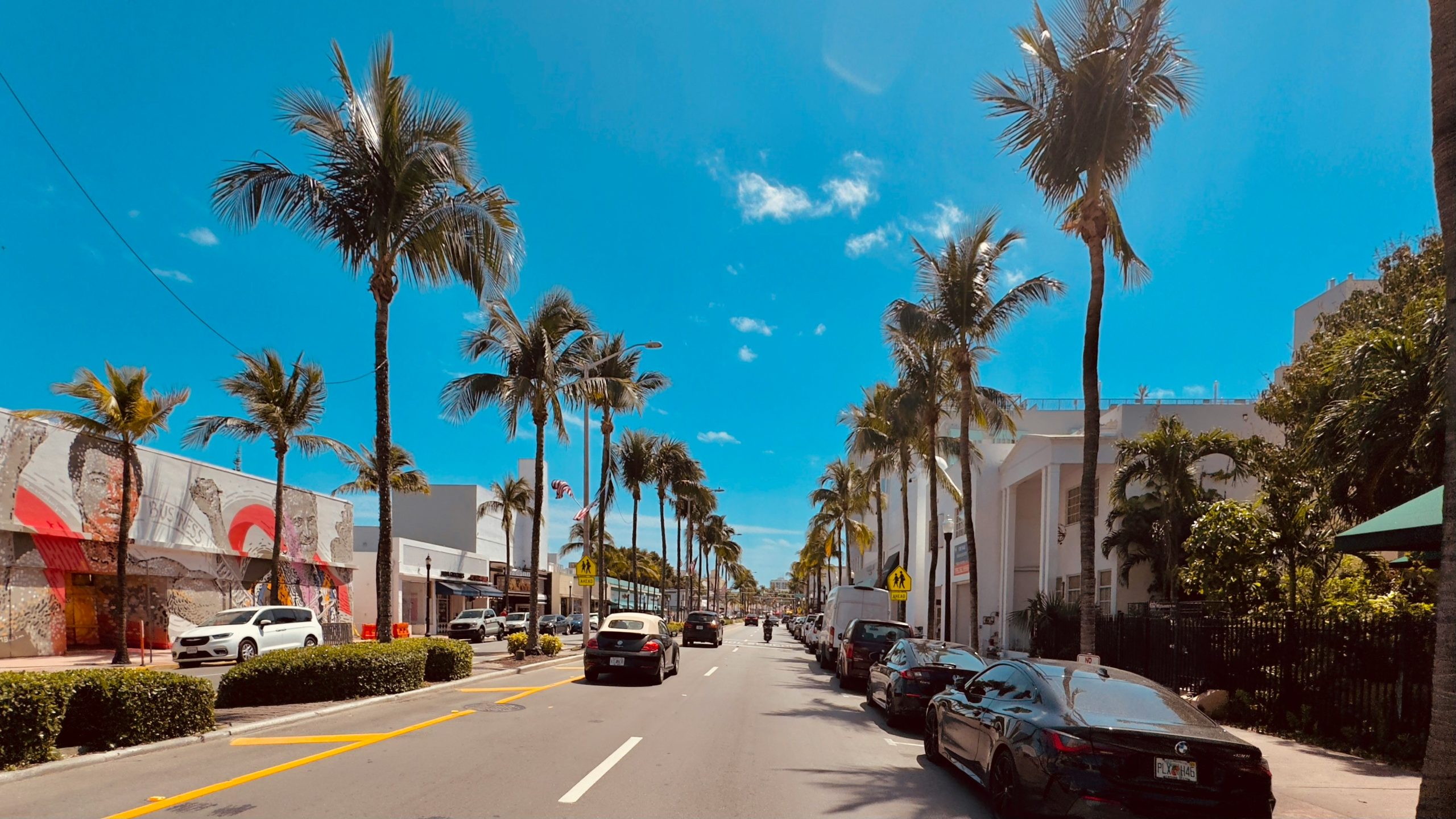
3. Florida – 953 Car Dealerships
Florida had 953 franchised new light vehicle dealerships in 2025, making it the third-largest state by dealership count. The state has a large population, major metropolitan centers, substantial tourism activity, and a strong dependence on personal transportation. These factors contribute to a sizeable automotive retail market.
Dealerships are distributed across markets including Miami, Orlando, Tampa, Jacksonville, Fort Lauderdale, West Palm Beach, and many smaller communities. Florida’s population is also spread across a long peninsula, creating numerous local markets rather than a single dominant automotive center.
NADA recorded approximately $123 billion in dealership sales in Florida during 2025. Its average dealership generated roughly $129 million in sales, which was higher than the national average of about $76.6 million.
Florida’s climate and population characteristics influence the types of vehicles customers consider. SUVs, crossovers, pickup trucks, family vehicles, luxury models, and fuel-efficient cars all have established markets. The state also has a substantial population of retirees, families, commuters, and seasonal residents with different vehicle requirements.
The large dealership count gives Florida consumers access to a wide selection of new vehicles and automotive services. Competition among stores can also create more opportunities to compare inventory, pricing, financing, warranties, and service offerings.
Florida’s dealership network therefore reflects both its population and the considerable economic activity generated by vehicle sales.

4. Pennsylvania – 861 Car Dealerships
Pennsylvania had 861 franchised new light vehicle dealerships in 2025, placing it fourth among U.S. states. The state has a large population and a mixture of major metropolitan areas, suburban communities, smaller cities, and rural regions. This varied geography creates many separate markets for automotive retailers.
Philadelphia and Pittsburgh are the state’s largest metropolitan markets, while cities such as Allentown, Erie, Harrisburg, Scranton, and Lancaster also support dealership activity. Many customers outside the largest cities depend heavily on automobiles for commuting and daily transportation.
According to NADA, Pennsylvania dealerships generated about $48 billion in total sales during 2025. The average dealership recorded approximately $55.8 million in sales. These figures place Pennsylvania among the largest state markets by total dealership activity.
Pennsylvania’s climate also means dealerships commonly serve customers looking for vehicles suitable for winter weather. SUVs, crossovers, all-wheel-drive vehicles, and pickup trucks have strong relevance in areas that experience snow and difficult road conditions during winter months.
The state’s 861 franchised dealerships provide consumers with access to numerous vehicle manufacturers and dealership services. Customers can compare different brands and models while also considering certified pre-owned vehicles, trade-ins, financing, maintenance, and repairs.
The broad network serves both densely populated areas and communities where dealerships function as important regional businesses.

5. New York – 860 Car Dealerships
New York recorded 860 franchised new light vehicle dealerships in 2025, placing it fifth nationally and just one dealership behind Pennsylvania. The state’s dealership network serves a highly varied population, from the New York City metropolitan area to suburban communities and rural regions across upstate New York.
The New York automotive market is shaped by significant differences between regions. Residents in New York City may rely more heavily on public transportation, while people in suburban and rural areas often depend on cars for commuting and daily activities. Dealerships are therefore distributed across markets with very different transportation patterns.
NADA reported approximately $75.8 billion in total dealership sales in New York during 2025. The average dealership generated about $88.2 million in sales, putting the state above the national average on this measure.
New York customers can choose from a broad range of mainstream, premium, luxury, electric, hybrid, and performance-oriented vehicles. Seasonal weather across much of the state also affects vehicle preferences, particularly for customers who need stronger traction and practical features during winter.
With 860 franchised dealerships, New York remains a major center of automotive retail. The number of stores reflects the state’s population and geographic diversity. Consumers can find dealerships in major metropolitan markets as well as smaller communities, creating a network that supports vehicle purchases, trade-ins, financing, maintenance, repairs, and other automotive services.

6. Ohio – 714 Car Dealerships
Ohio had 714 franchised new light vehicle dealerships in 2025, ranking sixth among the states. The state has a long automotive history and remains an important market for vehicle manufacturing, transportation, and retail. Its combination of major cities and smaller communities supports a widespread dealership network.
Columbus, Cleveland, Cincinnati, Dayton, Toledo, and Akron are among the major population centers served by Ohio dealerships. Smaller cities and rural communities also contribute to dealership demand, particularly where residents rely on personal vehicles for work and everyday transportation.
NADA reported approximately $47 billion in dealership sales in Ohio during 2025. Average dealership sales were around $65.8 million. The figures show that Ohio’s dealership industry represents a substantial component of its broader automotive economy.
Ohio’s location in the Midwest gives it strong connections to surrounding states and major consumers with considerable choice among vehicle brands and body styles. Buyers can compare new vehicles, used inventory, financing options, trade-in values, service packages, and manufacturer-backed programs.
Ohio’s dealership presence is along transportation corridors. Dealerships can serve customers from wide geographic areas, particularly in communities where a particular brand may have only a limited number of nearby locations.
The 714 dealerships also provide consumers with considerable choice among vehicle brands and body styles. Buyers can compare new vehicles, used inventory, financing options, trade-in values, service packages, and manufacturer-backed programs.
Ohio’s dealership presence is closely connected to its population distribution and its historic role in the U.S. automotive industry.

7. Illinois – 698 Car Dealerships
Illinois ranked seventh with 698 franchised new light vehicle dealerships in 2025. The state’s large population and economic activity create a substantial market for vehicle sales. Chicago is the dominant metropolitan area, but dealerships operate throughout suburban and downstate communities as well.
The Chicago metropolitan area contains a particularly large concentration of automotive retailers serving a diverse customer base. Beyond Chicago, cities such as Rockford, Peoria, Springfield, Champaign, and other regional centers contribute to dealership activity across the state.
Illinois dealerships generated approximately $44.2 billion in total sales during 2025, while average dealership sales were about $63.3 million. These numbers illustrate the significant scale of automotive retail in the state.
Illinois customers have access to a broad range of vehicles, including compact cars, SUVs, pickup trucks, hybrids, electric vehicles, and luxury models. Weather conditions also influence vehicle purchasing decisions. The state saw new light vehicle dealerships in 2025, ranking eighth nationally.
Few states have a stronger historical connection to the automobile industry. Detroit and southeastern Michigan have long been associated with vehicle manufacturing, while dealerships across the state serve urban, suburban, and rural customers. , particularly important for residents who need vehicles capable of handling snow and changing road conditions.
The state’s 698 franchised dealerships create a substantial network for consumers and manufacturers. Dealerships also support service departments, parts operations, sales staff, technicians, administrative employees, and other local jobs. Automotive retail therefore contributes to Illinois communities beyond the initial purchase of a vehicle.
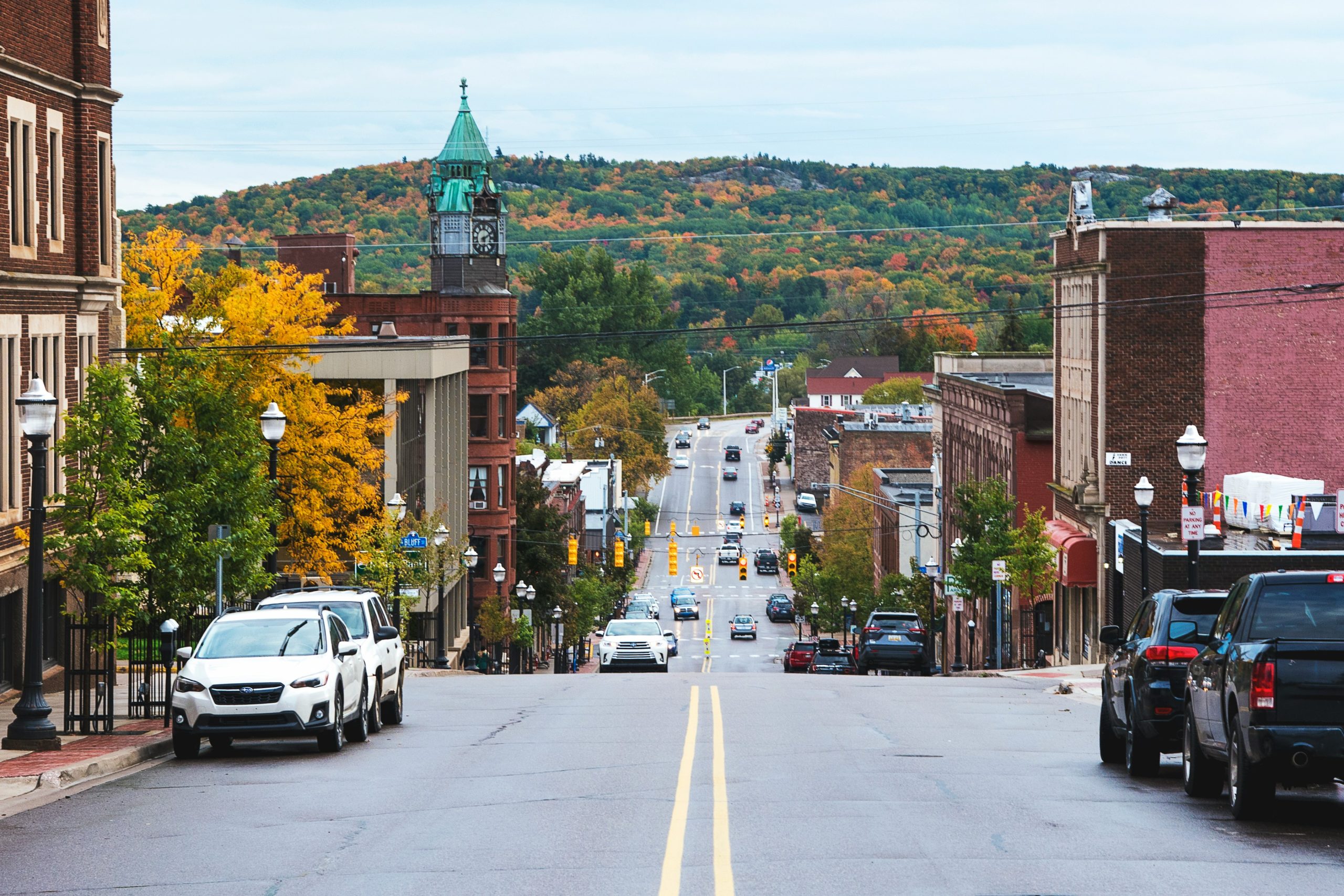
8. Michigan – 617 Car Dealerships
Michigan had 617 franchised new light vehicle dealerships in 2025, ranking eighth nationally. Few states have a stronger historical connection to the automobile industry. Detroit and southeastern Michigan have long been associated with vehicle manufacturing, while dealerships across the state serve urban, suburban, and rural customers.
Detroit, Grand Rapids, Lansing, Ann Arbor, Flint, and other population centers contribute to Michigan’s automotive retail market. The state’s extensive road network and relatively dispersed communities also create steady sales.
The state’s sales activity demonstrates the continuing importance of automotive retail within its economy. Sales, financing, maintenance, repairs, parts, and other services keep vehicles operating long after their initial purchase. For consumers, this creates access to both new vehicles 587 franchised new light vehicle dealerships in 2025, ranking ninth in the country.
The state’s growing population, expanding metropolitan areas, and mix of urban and rural communities support a broad automotive retail network. 587 franchised dealerships, North Carolina gives consumers substantial access to competing brands and automotive services.
The network also reflects the state’s broad geographic distribution, allowing dealerships to serve customers outside the largest cities. As population demand for personal vehicles.
NADA recorded approximately $45 billion in dealership sales in Michigan during 2025. Average dealership sales reached about $72.9 million. The state’s sales activity demonstrates the continuing importance of automotive retail within its economy.
Michigan customers have access to a wide selection of domestic and international brands. Pickup trucks and SUVs are important parts of the market, while smaller cars, hybrids, electric vehicles, and luxury models also have established customer bases.
The 617 dealerships form a network connected to Michigan’s deep automotive heritage. Dealerships provide sales, financing, maintenance, repairs, parts, and other services that keep vehicles operating long after their initial purchase. For consumers, this creates access to both new vehicles and long-term automotive support throughout the state.

9. North Carolina – 587 Car Dealerships
North Carolina recorded 587 franchised new light vehicle dealerships in 2025, ranking ninth in the country. The state’s growing population, expanding metropolitan areas, and mix of urban and rural communities support a broad automotive retail network.
Charlotte, Raleigh, Greensboro, Durham, Winston-Salem, and Fayetteville are among the important markets for vehicle retailers. Rapid development around several metropolitan areas has also expanded suburban communities where residents frequently depend on automobiles for commuting and family transportation.
NADA reported approximately $39.5 billion in total dealership sales in North Carolina during 2025. Average dealership sales were about $67.3 million. This places the state among the larger dealership markets in the United States.
The state’s geography creates different automotive needs. Urban customers may prioritize fuel efficiency, technology, and commuting comfort, while rural customers may place greater emphasis on pickup trucks, SUVs, towing ability, and utility.
With 587 franchised dealerships, North Carolina gives consumers substantial access to competing brands and automotive services. The network also reflects the state’s broad geographic distribution, allowing dealerships to serve customers outside the largest cities. As population centers continue to develop, dealership locations remain an important part of local transportation infrastructure.

10. Georgia – 493 Car Dealerships
Georgia had 493 franchised new light vehicle dealerships in 2025, making it the tenth state on this list. Atlanta is the state’s largest metropolitan market and has a major concentration of automotive businesses, but dealerships can also be found across cities and communities throughout Georgia. Suburban development.
The Atlanta metropolitan area has a large and diverse population, extensive suburban development, and significant commuting activity. These conditions create a strong market for sedans, SUVs, crossovers, pickup trucks, hybrids, and other vehicles used for daily transportation.
Georgia dealerships generated approximately $39.5 billion in total sales during 2025. The average dealership recorded roughly $80.1 million in sales, which was higher than the national dealership average of $76.6 million.
Georgia’s climate and geography also influence purchasing patterns. Many drivers can use vehicles year-round without the severe winter conditions found in northern states. This can broaden the range of vehicle configurations that appeal to customers across different regions.
The state’s 493 franchised dealerships provide access to major automotive brands and supporting services. Customers can shop for new vehicles, compare used inventory, arrange financing, trade in existing cars, and obtain maintenance or repairs. Georgia’s dealership network reflects the state’s population growth and its importance as a southeastern transportation market.
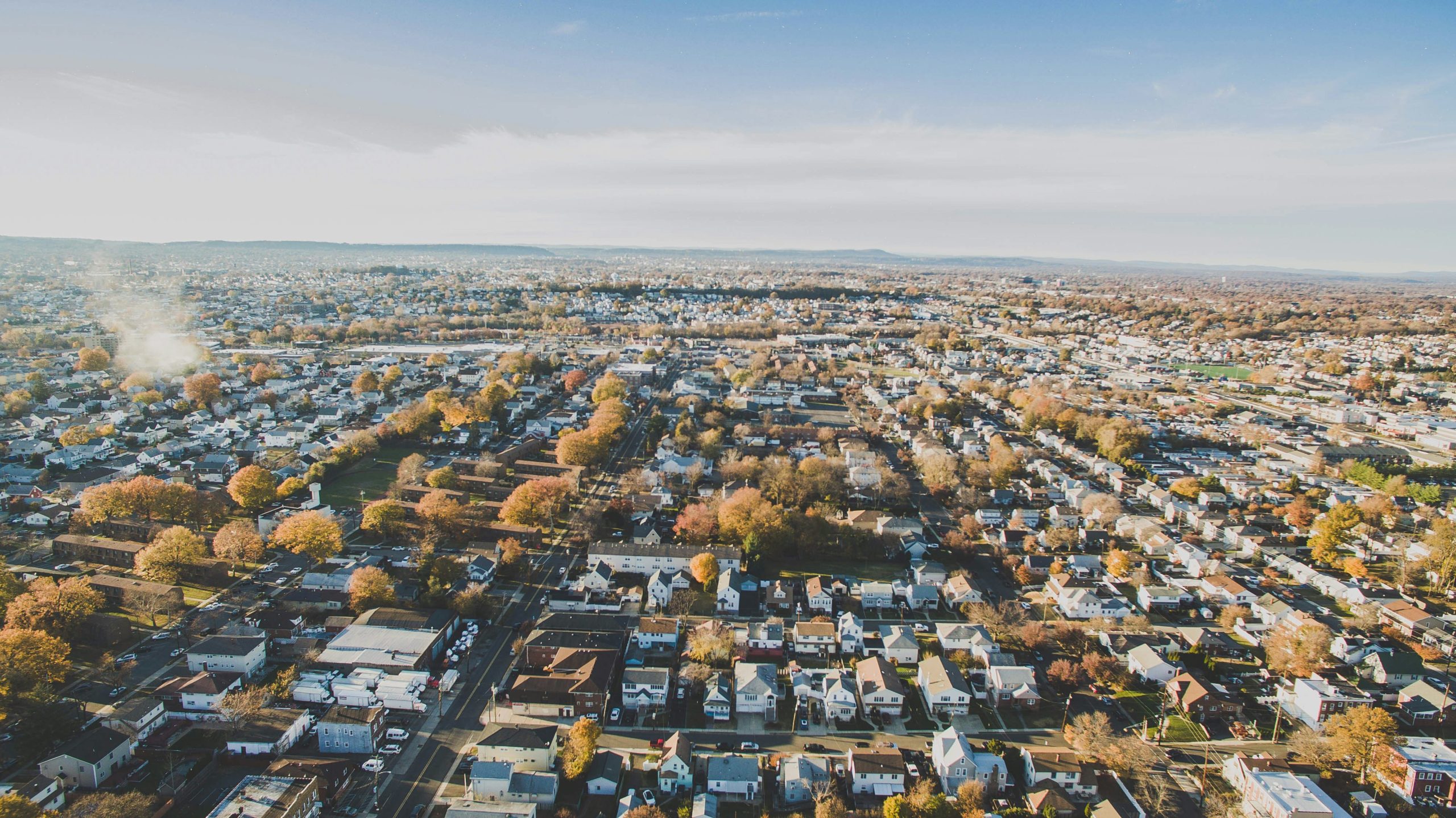
11. New Jersey – 472 Car Dealerships
New Jersey recorded 472 franchised new light vehicle dealerships in 2025, ranking eleventh nationally. The state is densely populated and closely connected to the New York City and Philadelphia metropolitan regions, creating a large customer base for automotive retailers.
Dealerships serve communities across northern, central, and southern New Jersey. The state’s compact geography means customers in many areas can access multiple dealerships within relatively short driving distances, particularly around major population centers.
NADA reported approximately $43.3 billion in total dealership sales in New Jersey during 2025. Average dealership sales were around $91.8 million, considerably higher than the national average.
New Jersey’s customers have varied transportation needs. Commuters may prioritize fuel economy, comfort, and technology, while families may look for SUVs and crossovers. Luxury brands also have a significant presence in affluent suburban communities surrounding major metropolitan areas.
The 472 dealerships give New Jersey consumers a broad range of purchasing and service options. The state’s dense population allows retailers to serve large numbers of potential customers within relatively small geographic areas.
That combination of population density and proximity to major metropolitan markets helps explain the strength of New Jersey’s franchised dealership network.
12. Massachusetts – 386 Car Dealerships
Massachusetts had 386 franchised new light vehicle dealerships in 2025, placing it twelfth among states with the most franchised new light vehicle dealerships. The state has a large population concentrated around Boston and several other urban and suburban communities.
Boston and its surrounding suburbs represent the state’s largest automotive market, while dealerships also operate in cities such as Worcester, Springfield, Lowell, Cambridge, and other communities. The state’s dense population creates numerous localized markets for vehicle retailers.
NADA reported approximately $28 billion in total dealership sales in Massachusetts during 2025. Average dealership sales were approximately $72.6 million. These figures show that Massachusetts has a substantial automotive retail sector relative to its size.
Weather is an important consideration for many Massachusetts drivers. Winter snow, ice, and cold temperatures can influence preferences for SUVs, all-wheel-drive vehicles, and other models suited to seasonal driving. At the same time, urban customers may have different needs because of public transportation and dense development.
The state’s 386 dealerships provide access to a wide variety of manufacturers and vehicle types. Customers can compare new and used vehicles, financing programs, trade-in opportunities, warranties, and service departments. Massachusetts completes the list of twelve states with the largest franchised new light vehicle dealership networks in NADA’s 2025 data.
