
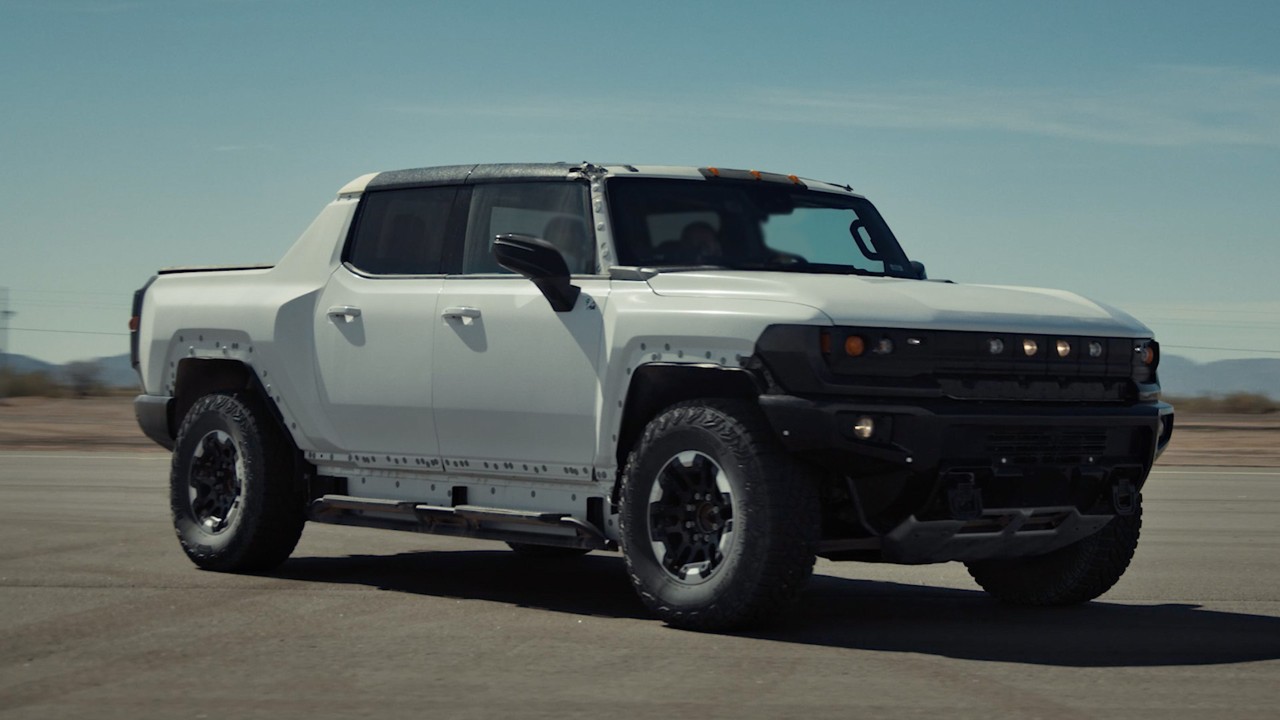
Electric vehicles have become much heavier as automakers install large battery packs, powerful motors, durable frames, and substantial equipment. Some of the largest EVs sold in the United States now weigh more than 8,000 pounds before passengers or cargo are added.
That figure is striking when compared with conventional passenger cars, which often weigh far less. Heavy EVs are increasingly found among full-size pickups, luxury SUVs, and commercial vans.
This article looks at eight electric vehicles connected to the U.S. market, explains their published weight figures, and clarifies the difference between curb weight and gross vehicle weight rating so readers can understand what the numbers actually mean.
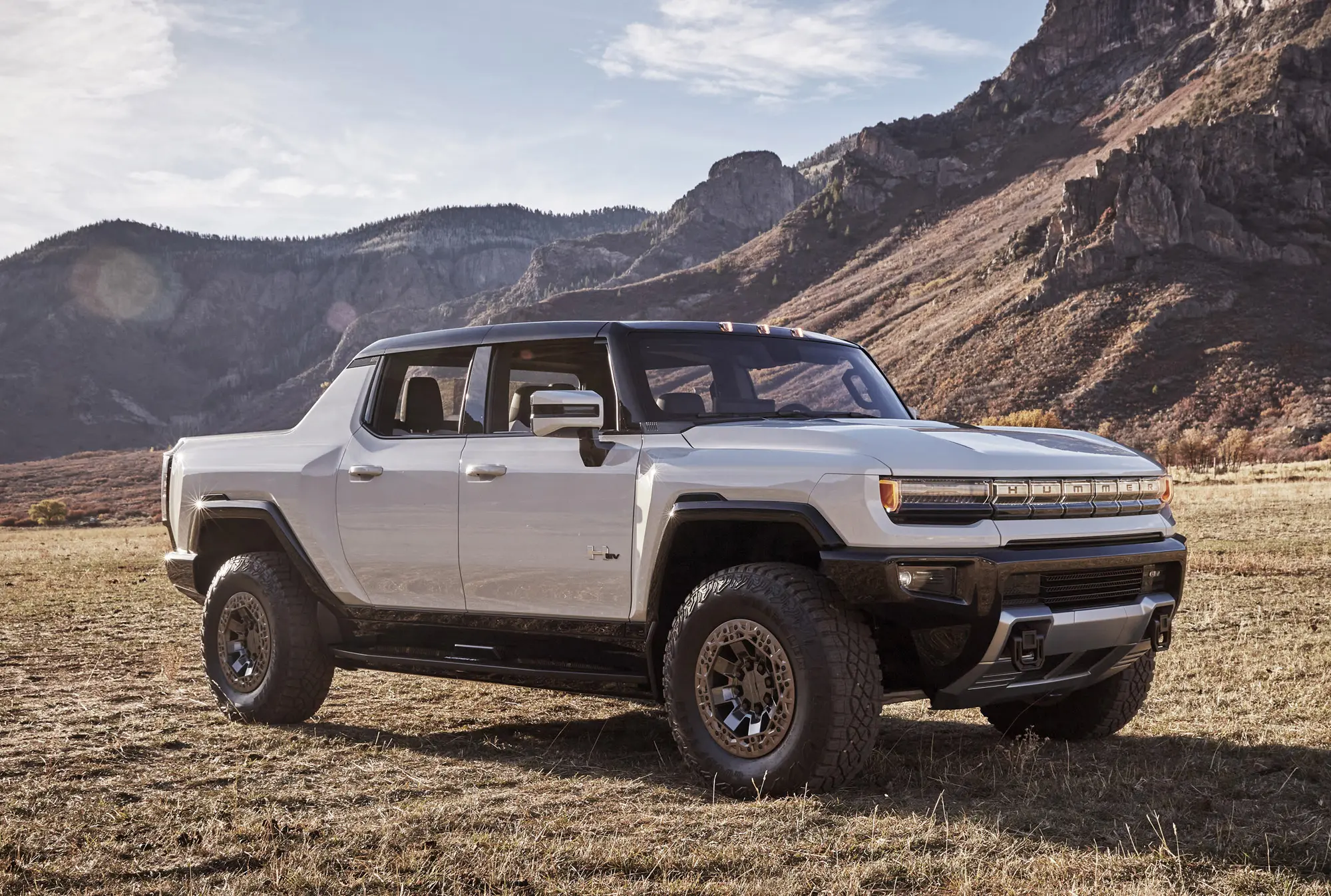
1. GMC Hummer EV Pickup
The GMC Hummer EV Pickup is among the heaviest battery-electric passenger vehicles available in the United States. A tested Hummer EV Pickup weighed approximately 9,640 pounds, placing it comfortably above the 8,000-pound mark. That figure refers to the vehicle’s curb weight rather than its maximum loaded weight.
The enormous mass comes largely from its very large battery system, heavy-duty chassis, electric motors, suspension hardware, and off-road equipment. Its size also helps explain why this electric pickup feels very different from smaller battery-powered trucks.
The Hummer EV Pickup was designed as a high-performance electric truck with serious off-road capability. GMC equipped it with multiple electric motors, four-wheel steering, adjustable air suspension, and the CrabWalk feature.
Higher-output versions have been rated at up to 1,000 horsepower in earlier configurations, while later versions have received even higher advertised outputs. The combination of instant electric torque and substantial battery capacity gives the Hummer strong acceleration while also contributing to its considerable weight.
The battery is a major part of the explanation. Electric vehicles carry a large energy-storage system beneath the passenger compartment, and a truck designed for long range and high output needs a particularly large pack.
The Hummer EV’s battery is measured in hundreds of kilowatt-hours, depending on configuration. That adds considerable mass before occupants, luggage, tools, or other equipment are placed inside the truck. The heavy battery also sits low in the chassis, which helps lower the center of gravity.
Weight is not simply a disadvantage for a vehicle such as the Hummer EV. Its mass works with the suspension, tires, electric motors, and chassis to provide stability and traction during off-road driving.
The truck also has considerable ground clearance and specialized drive modes intended for difficult terrain. Electric motors can deliver torque immediately, which allows the Hummer to produce impressive performance even while carrying a very large battery and a substantial body.
The GMC Hummer EV Pickup demonstrates how far the definition of an electric vehicle has expanded. EVs are no longer limited to small hatchbacks or lightweight commuter cars.
A vehicle approaching five tons can now be powered entirely by electricity while delivering pickup-truck capability. Its approximately 9,640-pound tested curb weight makes it a clear example of an EV exceeding 8,000 pounds, rather than simply reaching that figure when fully loaded.
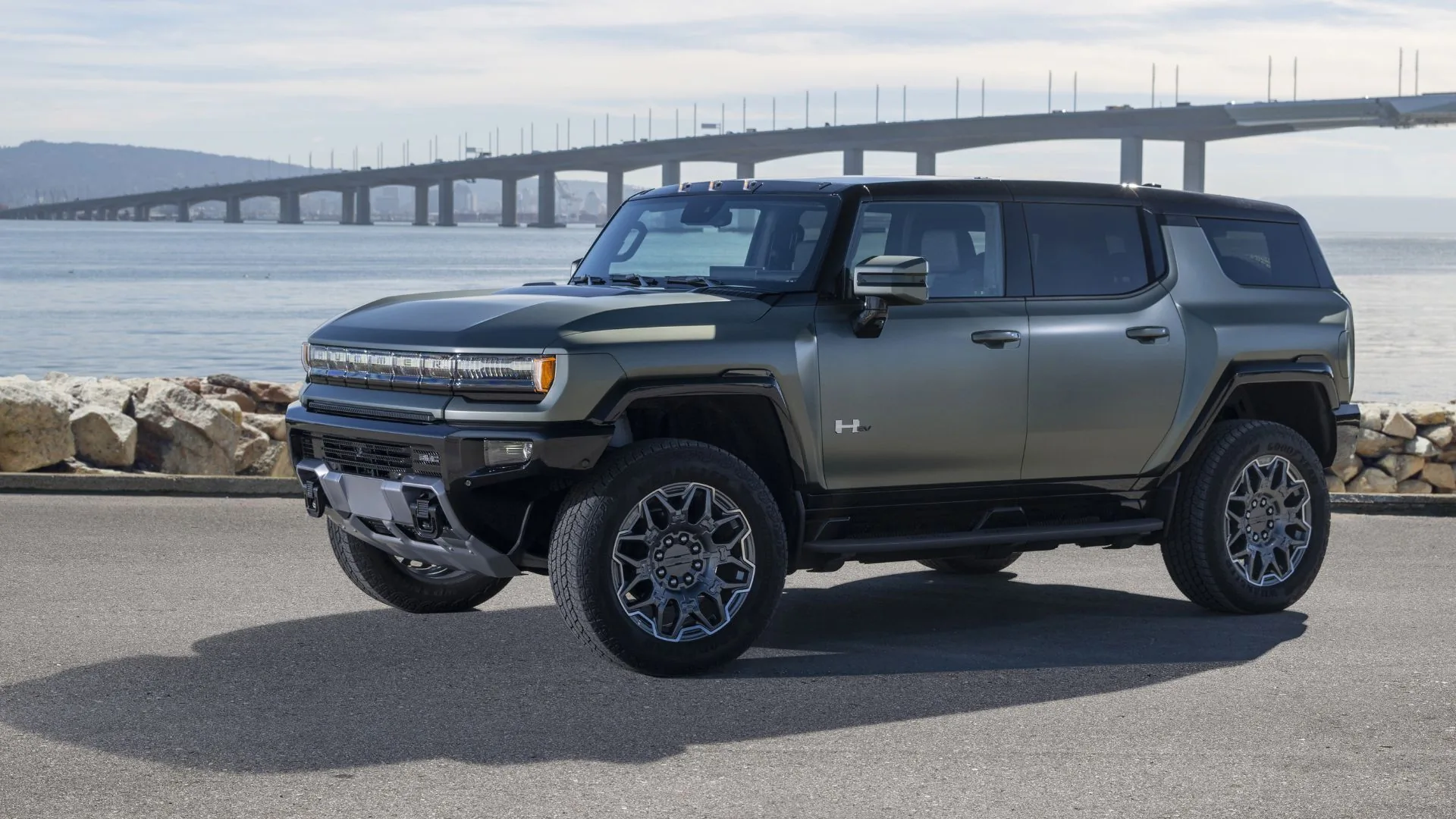
2. GMC Hummer EV SUV
The GMC Hummer EV SUV is slightly lighter than the pickup but still comfortably belongs in the 8,000-pound class. A tested Hummer EV SUV 3X weighed 8,660 pounds at the curb.
This makes it significantly heavier than most electric SUVs currently available in the United States. The SUV’s weight comes from its large battery, three-motor powertrain, reinforced structure, off-road hardware, large wheels and tires, and other equipment designed for demanding driving conditions.
The SUV uses the same basic electric philosophy as the Hummer pickup but places its emphasis on enclosed passenger and cargo space. Its shorter body and different battery configuration help reduce weight compared with the pickup.
The tested version carried a 170-kWh battery pack, which remains enormous by normal passenger-vehicle standards. That battery supplies the electricity required by multiple motors and contributes significantly to the vehicle’s final curb weight.
Performance is a major part of the Hummer SUV’s identity. The tested 3X version used three electric motors and produced a combined 830 horsepower and 1,200 pound-feet of torque.
Car and Driver recorded a 0-to-60-mph time of 3.4 seconds during testing. Those numbers are remarkable for any SUV, particularly for a vehicle weighing more than four tons. The Hummer achieves this through the immediate torque delivery associated with electric motors.
The vehicle also provides features aimed at off-road use. Four-wheel steering can reduce the effective turning radius and contributes to GMC’s CrabWalk function. The adjustable suspension allows changes to ground clearance, while specialized drive settings help manage traction over loose or uneven surfaces.
Large tires add capability but also contribute to the vehicle’s mass. Every major component has to work with a platform that is substantially heavier than a conventional midsize SUV.
The Hummer EV SUV is useful when discussing 8,000-pound EVs because its weight is not a theoretical maximum. The 8,660-pound curb weight measured during independent testing represents the actual vehicle before ordinary passenger and cargo loading.
That means the Hummer SUV starts above the 8,000-pound threshold rather than reaching it only after being filled with people and equipment.
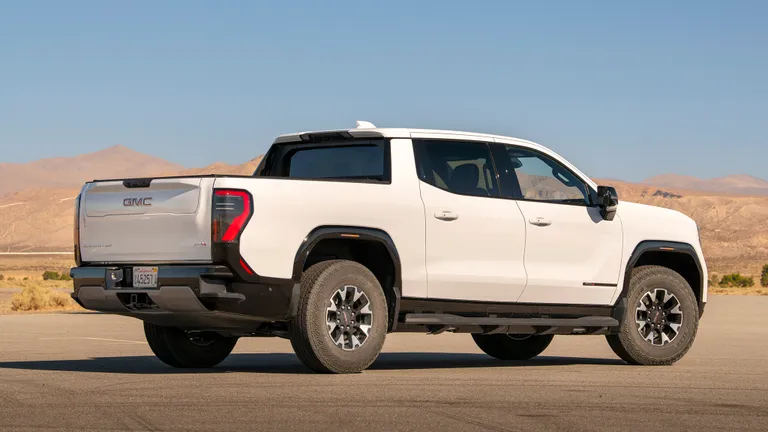
3. GMC Sierra EV
The GMC Sierra EV is another large electric pickup that can exceed 8,000 pounds without passengers or cargo. MotorTrend recorded a curb weight of 8,844 pounds for a 2026 Sierra EV AT4 test vehicle.
The truck used a 205-kWh battery and dual-motor all-wheel drive, helping explain why its empty weight approaches 4.4 tons. This particular measurement makes the Sierra EV a legitimate example of a U.S.-market electric pickup exceeding the 8,000-pound curb-weight threshold.
The Sierra EV combines traditional full-size pickup dimensions with a battery-electric powertrain. Its long wheelbase creates room for the battery and passenger compartment, while the large body provides substantial bed capacity.
The tested AT4 measured more than 233 inches in length. This is a very large vehicle even before its electric powertrain is considered. The combination of size, battery capacity, and equipment puts the Sierra EV firmly into the heavy EV category.
The AT4 version tested by MotorTrend produced 725 horsepower and 775 pound-feet of torque. Its 205-kWh battery is among the largest battery packs used in a production passenger vehicle.
GMC has also offered Sierra EV versions designed around long-distance travel, towing, luxury equipment, and off-road use. Battery capacity, equipment levels, wheels, tires, and drivetrain specifications can all affect the final weight of a particular vehicle.
The Sierra EV also shows why curb weight matters when comparing electric trucks. A truck’s maximum tow rating is not the same as the truck’s own weight.
The Sierra EV can tow substantially more than 8,000 pounds in certain configurations, but that does not mean the truck itself weighs 8,000 pounds. In this case, independent testing provides a direct curb-weight figure of 8,844 pounds for the specified AT4 model.
For buyers interested in large electric pickups, the Sierra EV illustrates the tradeoff between size, battery capacity, performance, and mass. The large battery supports long-distance driving and high power output, while the full-size structure provides useful passenger and cargo space.
The result is an EV that can weigh considerably more than many gasoline-powered passenger vehicles. At 8,844 pounds in the tested configuration, it sits clearly beyond the 8,000-pound point.
4. Chevrolet Silverado EV
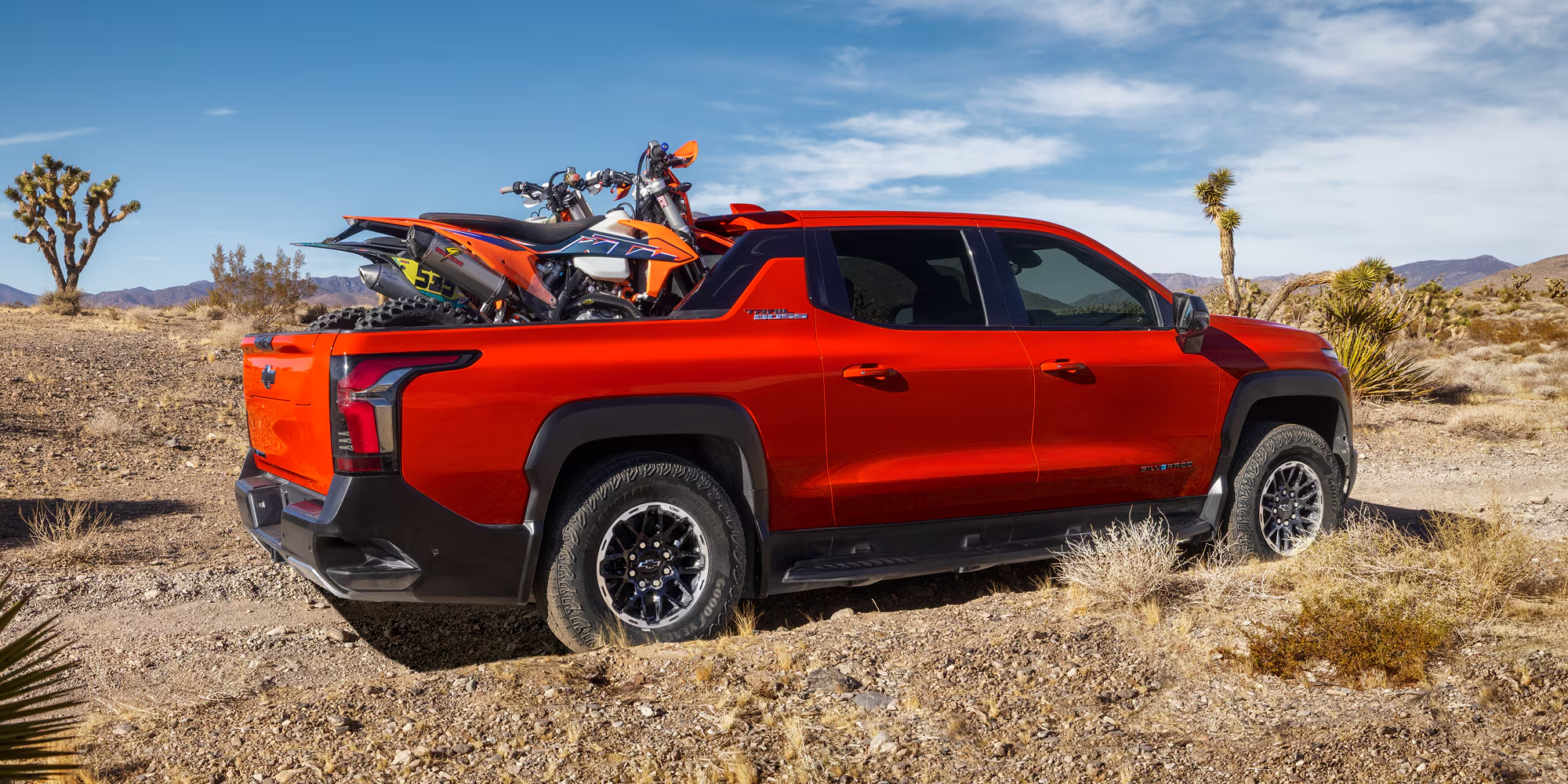
The Chevrolet Silverado EV is another electric pickup that can cross the 8,000-pound curb-weight line. Chevrolet states that the 2026 Silverado EV ranges from 7,403 to 8,464 pounds when unloaded, depending on configuration and equipment.
That means some versions remain below 8,000 pounds while others exceed it by several hundred pounds. The figure is important because it demonstrates that the Silverado EV cannot be assigned a single universal weight. Configuration has a direct effect on the number.
The Silverado EV is built as a full-size electric truck rather than as a conventional Silverado converted to battery power. Its platform accommodates a large battery underneath the vehicle, while the electric motors provide all-wheel drive. Chevrolet says four-wheel drive is standard across the current Silverado EV range.
The truck also offers a large cargo bed, a front storage compartment, and substantial towing capability, making it suitable for drivers who need more than simple urban transportation.
The heaviest published versions reach 8,464 pounds unloaded, according to Chevrolet’s current information. That number places those configurations above the 8,000-pound threshold by 464 pounds. Lighter versions, including some extended-range configurations, can fall below the threshold.
This distinction matters for anyone writing about heavy EVs because a vehicle’s weight can change significantly with battery selection, trim level, wheels, equipment, and drivetrain specifications.
The Silverado EV also benefits from the charging capabilities associated with GM’s Ultium-based electric architecture. Chevrolet says compatible versions can add substantial range during a short DC fast-charging session when connected to a sufficiently powerful charger.
The truck is also compatible with a growing charging ecosystem, including access to Tesla Supercharger locations through an approved adapter. These features make the vehicle more practical for long-distance driving than its substantial weight might suggest.
The Silverado EV proves that an 8,000-pound electric pickup does not have to be a specialized luxury or extreme off-road vehicle. It can also be a practical full-size truck designed around hauling, towing, passenger space, and daily usability.
Still, readers should remember that only the heavier configurations exceed 8,000 pounds. Chevrolet’s published unloaded range of 7,403 to 8,464 pounds is the most accurate way to describe the model rather than claiming every Silverado EV weighs more than 8,000 pounds.
5. Cadillac Escalade IQ
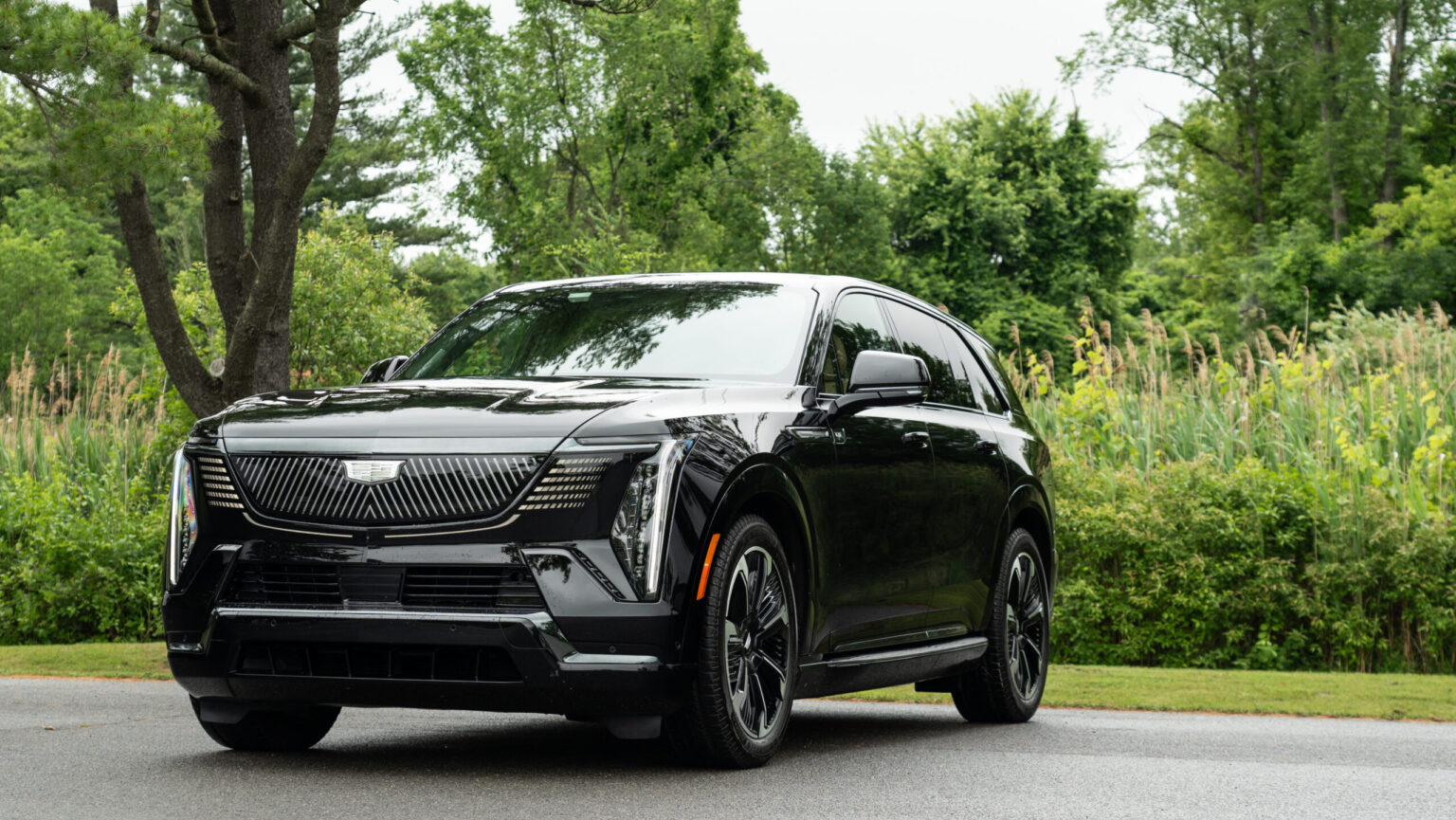
The Cadillac Escalade IQ is among the heaviest electric SUVs sold in the United States. Independent testing has recorded curb weights around 9,000 pounds, with MotorTrend recording 9,061 pounds for a 2026 model and Car and Driver reporting approximately 9,120 pounds for a tested configuration.
These measurements place the electric Escalade far above the weight of the gasoline-powered Escalade. The large battery is a central factor in the difference.
Cadillac built the Escalade IQ as a dedicated electric vehicle rather than simply installing electric components into the gasoline model. It uses a large 205-kWh battery and dual electric motors.
Cadillac lists as much as 750 horsepower and 785 pound-feet of torque when its maximum-performance mode is activated. The SUV can also seat up to seven people and provides substantial cargo capacity, making it a large family vehicle as well as a luxury EV.
Range is another reason the Escalade IQ carries such a large battery. Cadillac currently advertises an estimated range of up to 465 miles for the 2026 model year. Actual range depends on factors such as temperature, driving speed, terrain, battery condition, equipment, and passenger or cargo load.
Independent testing has produced lower real-world highway figures, which demonstrates why manufacturer estimates and measured road-test results should not be treated as identical figures.
The Escalade IQ also offers significant towing capability. Cadillac gives the SUV a maximum trailering rating of 8,000 pounds, meaning it can tow a trailer weighing up to that amount under specified conditions. That figure refers to the vehicle’s towing capacity, not the weight of the Escalade IQ itself.
The vehicle’s actual curb weight is considerably higher. Keeping these two measurements separate prevents a common mistake when comparing heavy electric SUVs.
The Escalade IQ is therefore a strong example of how battery size can transform vehicle weight. Its approximately 9,000-pound curb weight is several thousand pounds higher than many conventional SUVs.
Yet it still offers rapid acceleration, long claimed range, three-row seating, luxury equipment, and substantial towing ability. The numbers show that large electric SUVs can reach weights once associated primarily with heavy-duty trucks.
6. Cadillac Escalade IQL
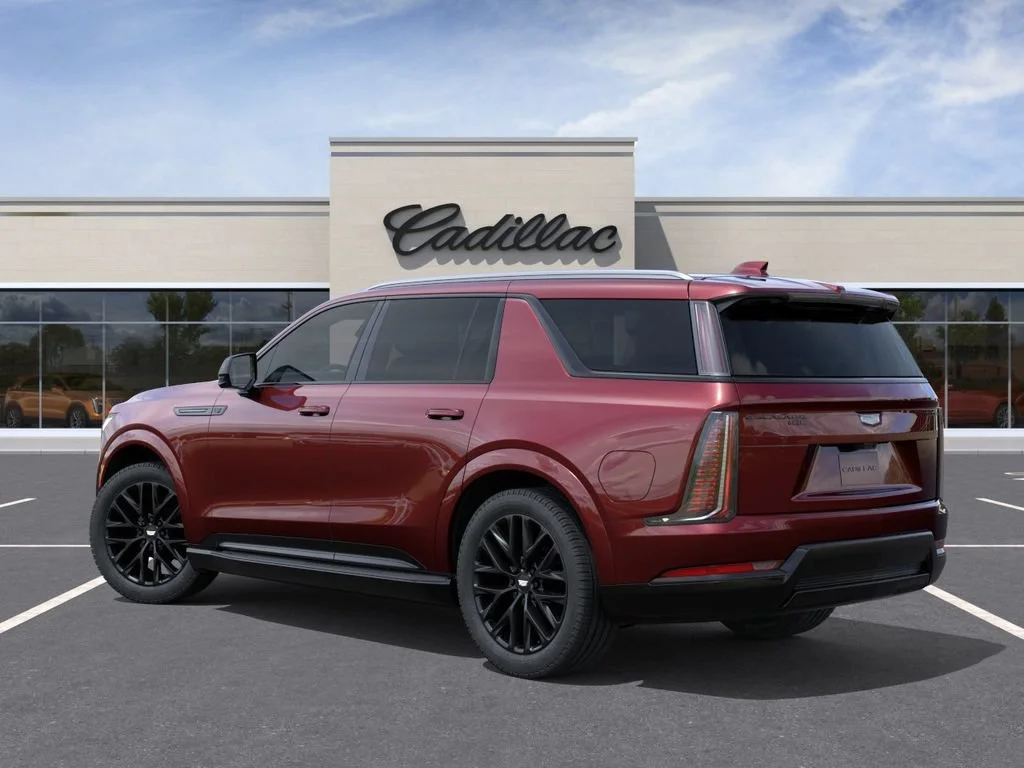
The Cadillac Escalade IQL takes the basic formula of the Escalade IQ and stretches it into a longer electric SUV. Independent testing by Car and Driver recorded a 9,220-pound curb weight for a 2026 Escalade IQL.
That makes the IQL heavier than 8,000 pounds by more than 1,200 pounds. Its additional length creates more room for passengers and cargo, while the large battery and electric powertrain retain the substantial mass associated with the standard IQ.
The IQL is designed for buyers who need more interior room than the standard Escalade IQ provides. Cadillac extended the vehicle’s body and increased passenger and cargo capacity. The model offers three rows and a large storage area behind the third row, along with the front eTrunk. This makes the IQL particularly large among battery-electric SUVs sold in the American market.
Power comes from a dual-motor all-wheel-drive system. Cadillac lists up to 750 horsepower and 785 pound-feet of torque in its performance mode. The company estimates a 0-to-60-mph time of 4.7 seconds.
Those figures demonstrate that high weight does not prevent an electric SUV from delivering strong straight-line acceleration. Electric motors provide immediate torque, allowing the IQL to move its substantial mass with considerable force.
The IQL’s maximum towing rating is 7,500 pounds, which is slightly lower than the 8,000-pound rating listed for the standard Escalade IQ. That difference shows why towing capacity and curb weight should never be used interchangeably.
A vehicle can weigh more than 9,000 pounds while having a maximum trailer rating below 8,000 pounds. The rating depends on engineering factors beyond the vehicle’s empty mass.
The Escalade IQL is particularly interesting for this list because its weight comes from a combination of size and electric hardware. The long body adds room, while the battery pack powers the motors and vehicle systems. At 9,220 pounds in independent testing, it clearly belongs among the heaviest passenger EVs available in the United States.
7. Ford E-Transit
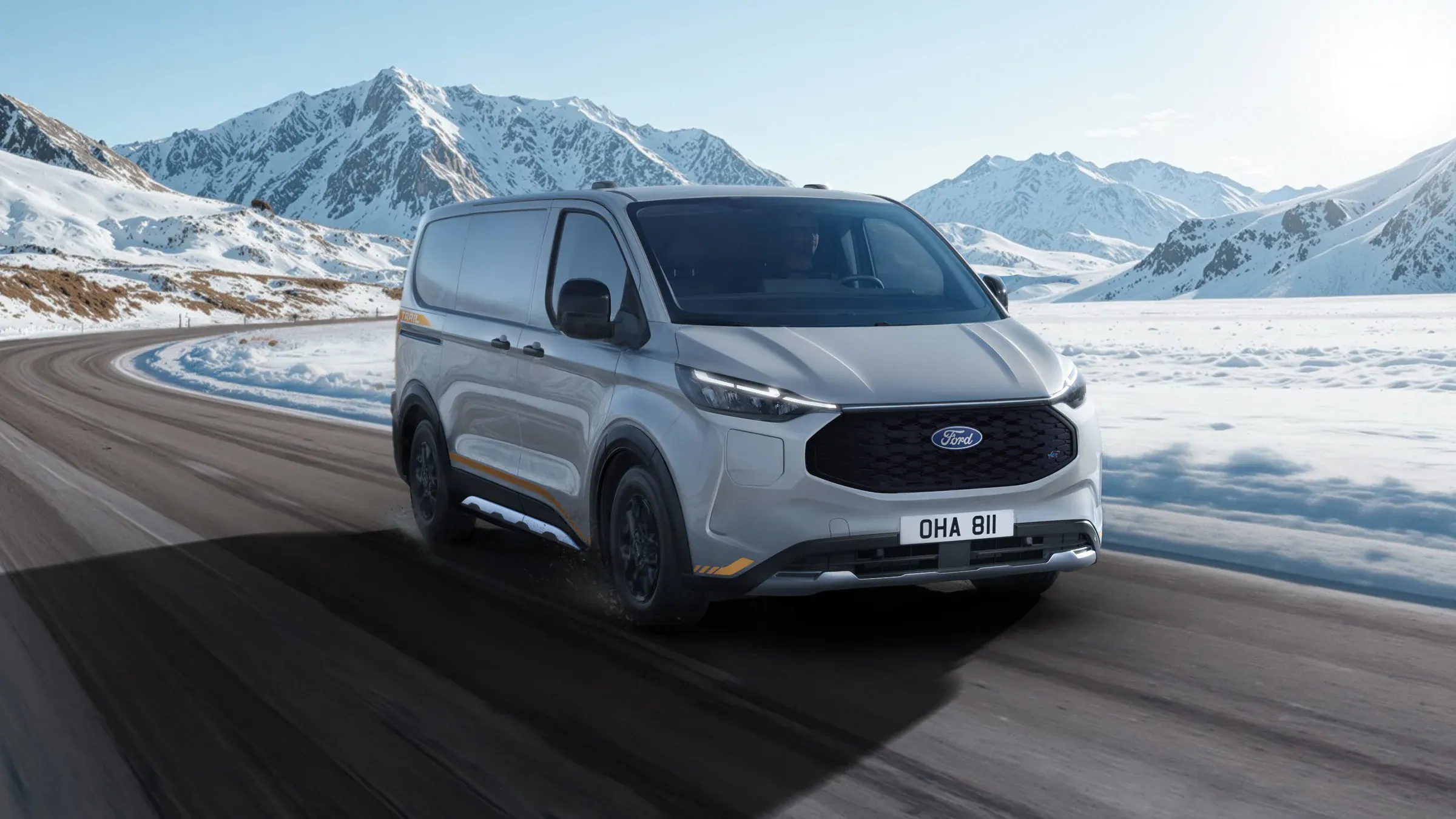
The Ford E-Transit needs a different explanation because its gross vehicle weight rating can exceed 8,000 pounds, but its empty curb weight does not. Ford’s specifications show E-Transit configurations with GVWR figures reaching 9,500 pounds.
GVWR is the maximum permitted weight of the vehicle, including occupants, cargo, and equipment. It is therefore incorrect to say that an E-Transit weighs 9,500 pounds when unloaded. The correct statement is that certain versions are rated for a gross vehicle weight of up to 9,500 pounds.
The E-Transit is an electric commercial van designed for delivery companies, tradespeople, fleet operators, and other businesses. Its body can be configured in different lengths and roof heights, allowing customers to choose a layout suited to their work.
Unlike large electric pickups and SUVs, the E-Transit places much of its design emphasis on usable cargo capacity. Its weight rating allows operators to carry substantial equipment while remaining within the manufacturer’s limits.
The 9,500-pound GVWR figure is especially relevant for commercial operators. A van’s payload consists of the people, tools, equipment, materials, and other items placed inside or on the vehicle.
Starting with a GVWR of 9,500 pounds does not mean a business can automatically load the van with 9,500 pounds of cargo. The empty vehicle already consumes part of that allowable weight, and the remaining payload depends on the specific configuration.
Ford offers several E-Transit configurations, and the company’s body decoder lists different GVWR figures depending on the body and drivetrain. Some versions have ratings below 9,500 pounds, while other configurations reach that figure.
This is a good example of why EV specifications should be checked by trim and configuration rather than using a single number for an entire model family.
The E-Transit belongs on a broader list of 8,000-pound EVs only when the measurement is clearly identified as GVWR. It should not be described as an 8,000-pound curb-weight vehicle.
This distinction improves the accuracy of any article about heavy electric vehicles because it separates passenger EVs that physically weigh more than 8,000 pounds from commercial vehicles designed to operate at a gross weight above that level.
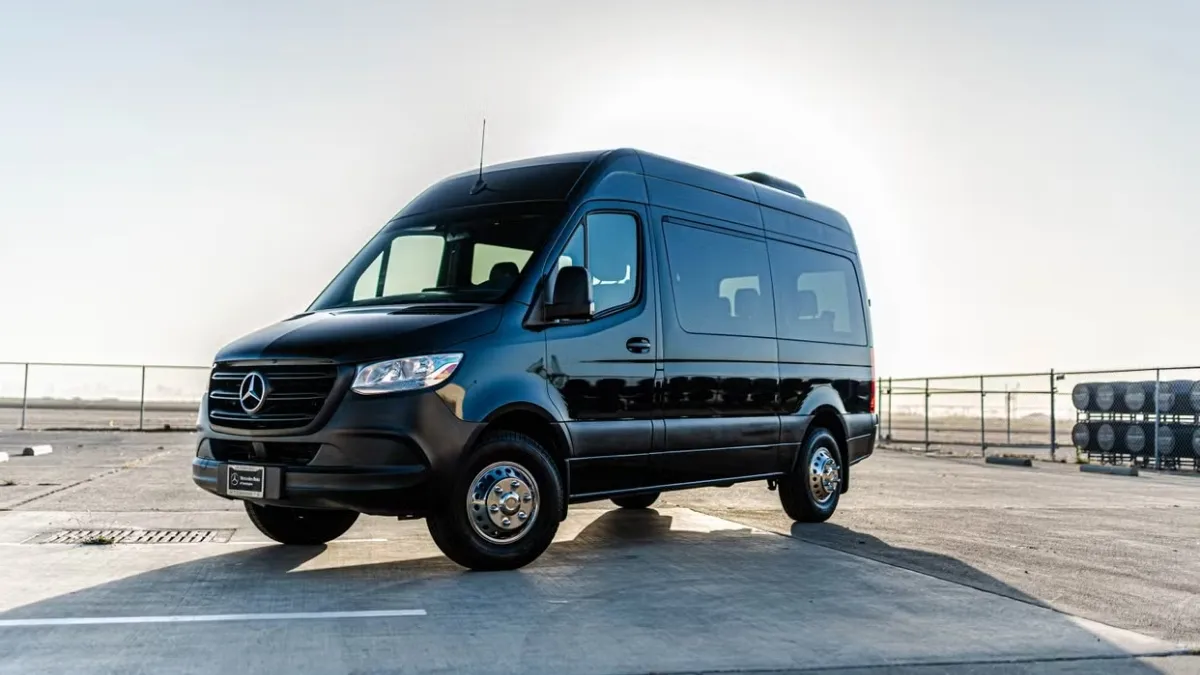
8. Mercedes-Benz eSprinter
The Mercedes-Benz eSprinter is another commercial EV with a GVWR above 8,000 pounds. Mercedes-Benz lists a 9,370-pound GVWR for the U.S.-market eSprinter. As with the Ford E-Transit, that number does not represent the empty weight of the van.
It is the maximum permitted gross vehicle weight, which includes the vehicle itself, occupants, cargo, and applicable equipment. Mercedes-Benz specifically lists the 9,370-pound figure in its U.S. specifications.
The eSprinter is intended primarily for commercial transportation. It is available in configurations designed to provide substantial cargo capacity, with different wheelbases and body arrangements. Mercedes-Benz lists cargo volume reaching more than 488 cubic feet in certain configurations.
That makes the eSprinter considerably different from a large luxury SUV. Its high weight rating exists because businesses may need to carry tools, parcels, components, supplies, and other materials throughout the working day.
The eSprinter uses a rear-wheel-drive electric powertrain and can be specified with different battery capacities. Mercedes-Benz currently lists usable battery capacities of 81 kWh and 113 kWh, depending on configuration.
Maximum range varies with battery selection and operating conditions. The company lists up to 206 miles under its stated U.S. specifications for the larger battery configuration. Real-world range can vary with cargo weight, weather, speed, temperature, and driving conditions.
The 9,370-pound GVWR also demonstrates why commercial EVs need to be discussed differently from consumer vehicles. A delivery van can have a high gross weight rating while its empty curb weight remains substantially lower. The additional capacity is reserved for payload.
That makes GVWR a useful figure for fleet operators, while curb weight is generally more useful when comparing how heavy different passenger vehicles actually are.
The eSprinter therefore qualifies for an 8,000-pound EV list when the article includes vehicles with an 8,000-pound-plus GVWR. It should not be presented as a 9,370-pound empty van. Mercedes-Benz’s own specification identifies 9,370 pounds as the GVWR, making that distinction essential for a technically accurate article.
