
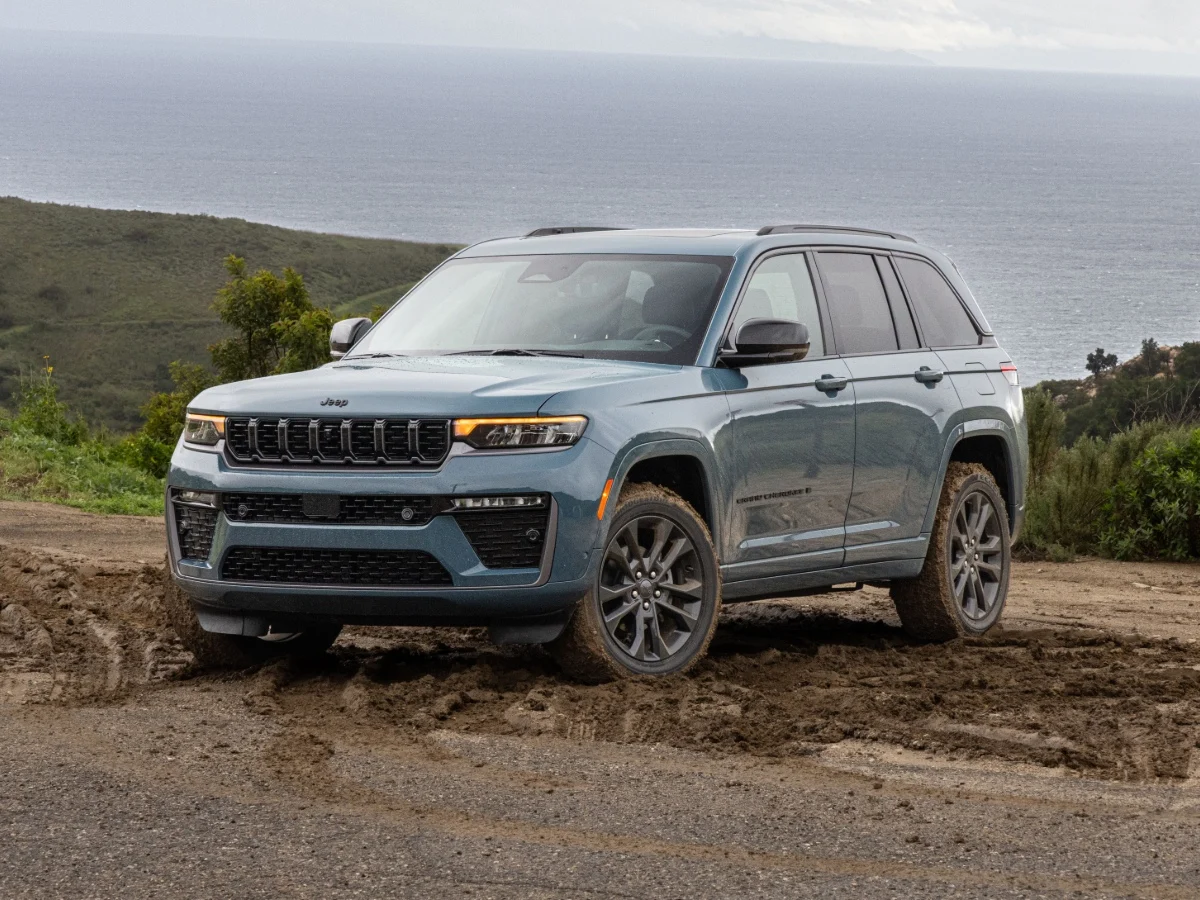
After hurricane season, buying a used car requires extra caution because flood-damaged vehicles can return to the US market after being cleaned, repaired, and transported away from affected areas. A vehicle can look normal while hiding corrosion, electrical faults, water contamination, or title problems.
The safest approach is to judge each car by its history and condition, not simply its model. This guide covers 11 popular used vehicles that deserve especially careful inspection after hurricane season, along with warning signs that can help buyers avoid expensive problems.
1. Ford F-150
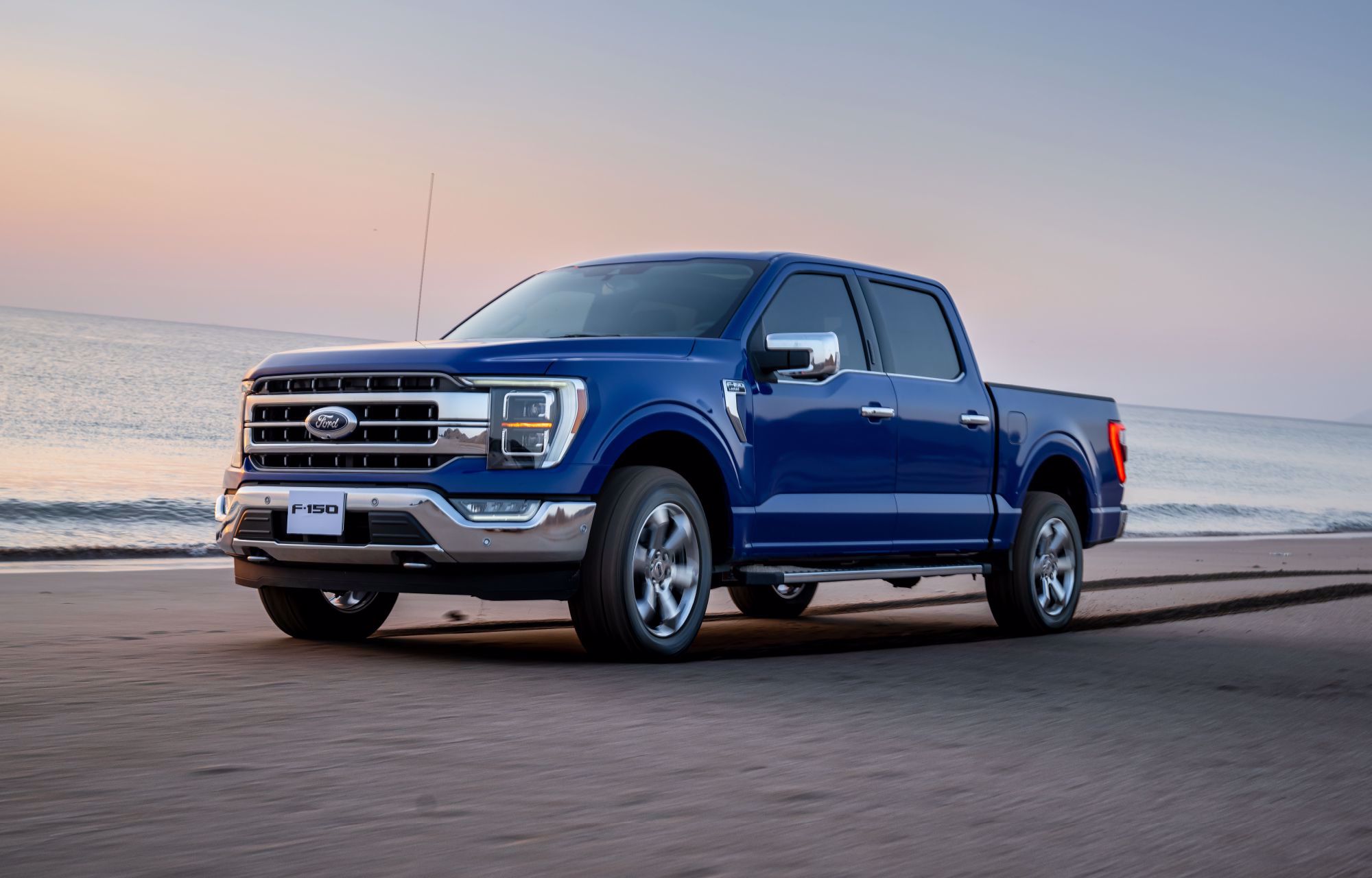
The Ford F-150 is among the most common used trucks shoppers encounter in the United States, which makes it an important vehicle to inspect carefully after hurricane season. A flood-damaged F-150 may look particularly convincing because its large body, durable interior, and work-oriented image can create the impression that it can handle almost anything.
Water damage, however, can affect electrical components, wiring, sensors, computers, connectors, and mechanical systems regardless of the vehicle’s size.
Pay close attention to the cabin and cargo areas. Check underneath carpets, around seat mounting points, beneath floor mats, inside storage compartments, and around the spare tire area.
Sand, silt, dried mud, water stains, unusual rust, or a strong cleaning smell can indicate that the truck has received more attention than the seller is describing. NHTSA specifically recommends checking hidden areas for dirt, waterlines, and corrosion when shopping for a used vehicle after flooding.
The electrical system deserves particular attention in a modern F-150. Flood exposure can affect wiring and connectors even when the engine starts and the dashboard appears normal.
Test the lights, power windows, locks, infotainment system, climate controls, cameras, sensors, and driver-assistance features. Warning lights that appear during a test drive should never be dismissed simply because the truck otherwise drives normally.
Title history is just as important as the physical inspection. A flood-damaged truck can be moved between states, and title washing can make a damaged vehicle appear to have a clean history.
NICB recommends checking the VIN through its VINCheck service and obtaining additional vehicle-history information before purchasing. A clean VINCheck result is useful, but it does not guarantee that a vehicle has never experienced flood damage.
The F-150 itself is not a vehicle that buyers need to avoid simply because it is an F-150. The concern is a particular truck with unexplained corrosion, inconsistent records, suspicious repairs, or evidence of water exposure.
If the seller refuses an independent inspection or cannot explain the vehicle’s history, walking away is safer than gambling on a seemingly cheap truck.
2. Chevrolet Silverado 1500
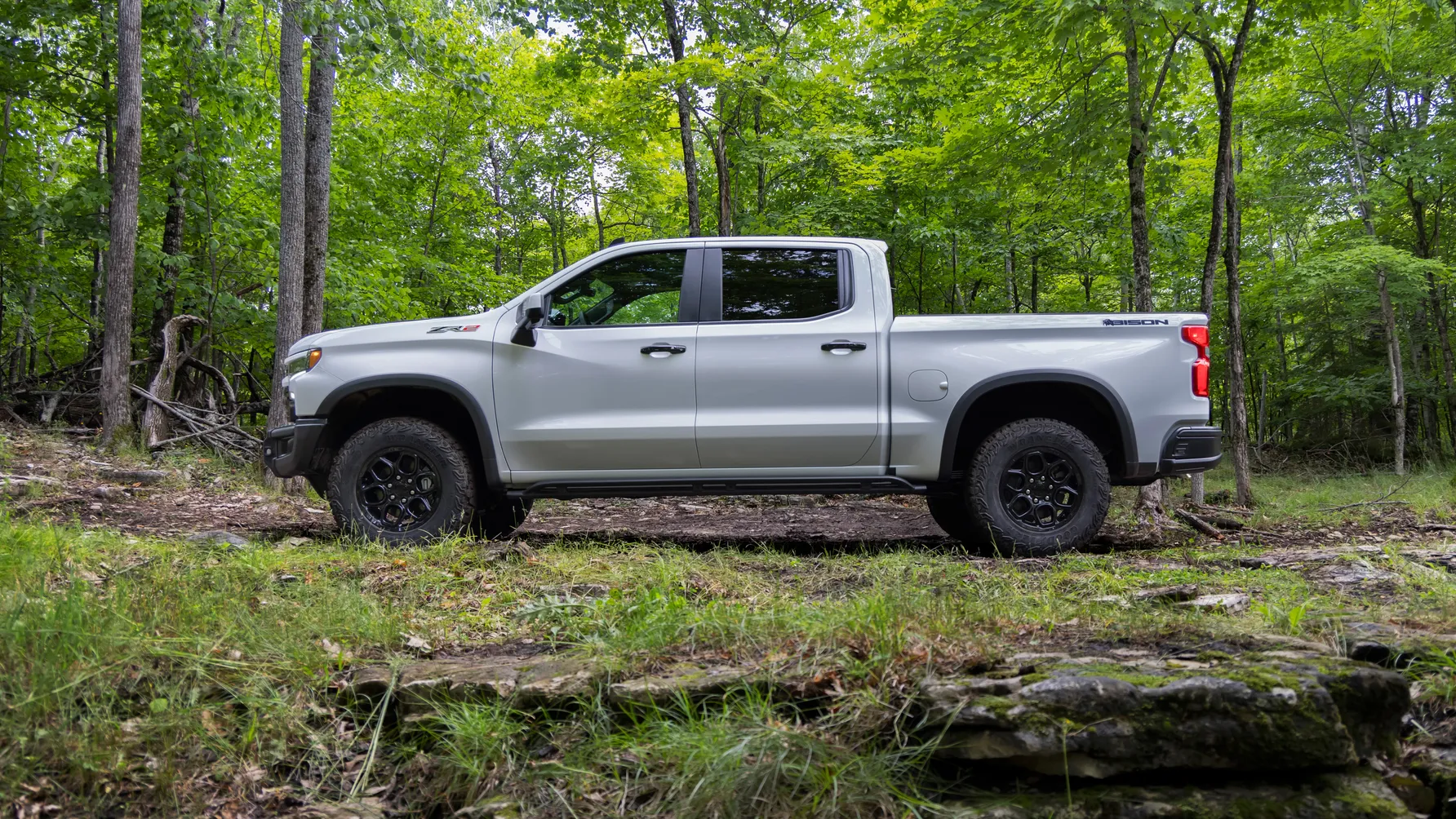
The Chevrolet Silverado 1500 is another widely available used pickup that deserves a close inspection after major storms. Its popularity means buyers may encounter many examples in the used market, including trucks that have spent time in areas affected by hurricanes or coastal flooding.
The important question is not whether the Silverado is reliable in normal conditions, but whether the specific truck has been exposed to floodwater.
Look closely at the carpet, seat rails, door panels, center console, and areas beneath the dashboard. Mud or silt in places that normally remain clean can be difficult to explain through ordinary use.
Check the trunk or bed-related storage areas and inspect the spare tire compartment. A recently detailed cabin is not automatically suspicious, but a powerful chemical fragrance combined with mismatched carpeting deserves further investigation.
A flood-damaged Silverado may develop electrical problems long after it has been dried. Water can reach connectors and wiring that are difficult to replace completely.
Test every electrical feature you can safely operate. Look for intermittent dashboard warnings, malfunctioning switches, flickering lights, audio problems, inconsistent climate controls, or electronic features that stop working during the inspection.
The title should match the vehicle’s history. Ask to see the actual title and compare the VIN on the paperwork with the VIN on the truck. Then obtain a vehicle history report and use available VIN databases.
NICB says its VINCheck system can identify vehicles reported as salvage or flood damaged by participating insurers, but also notes that its database does not capture every vehicle.
A Silverado with a documented history, clean inspection, consistent maintenance records, and no evidence of water exposure can still be a sensible used-truck candidate. The risk rises when a low price is combined with missing records, fresh upholstery, unexplained rust, or pressure to complete the purchase immediately.
3. Ram 1500
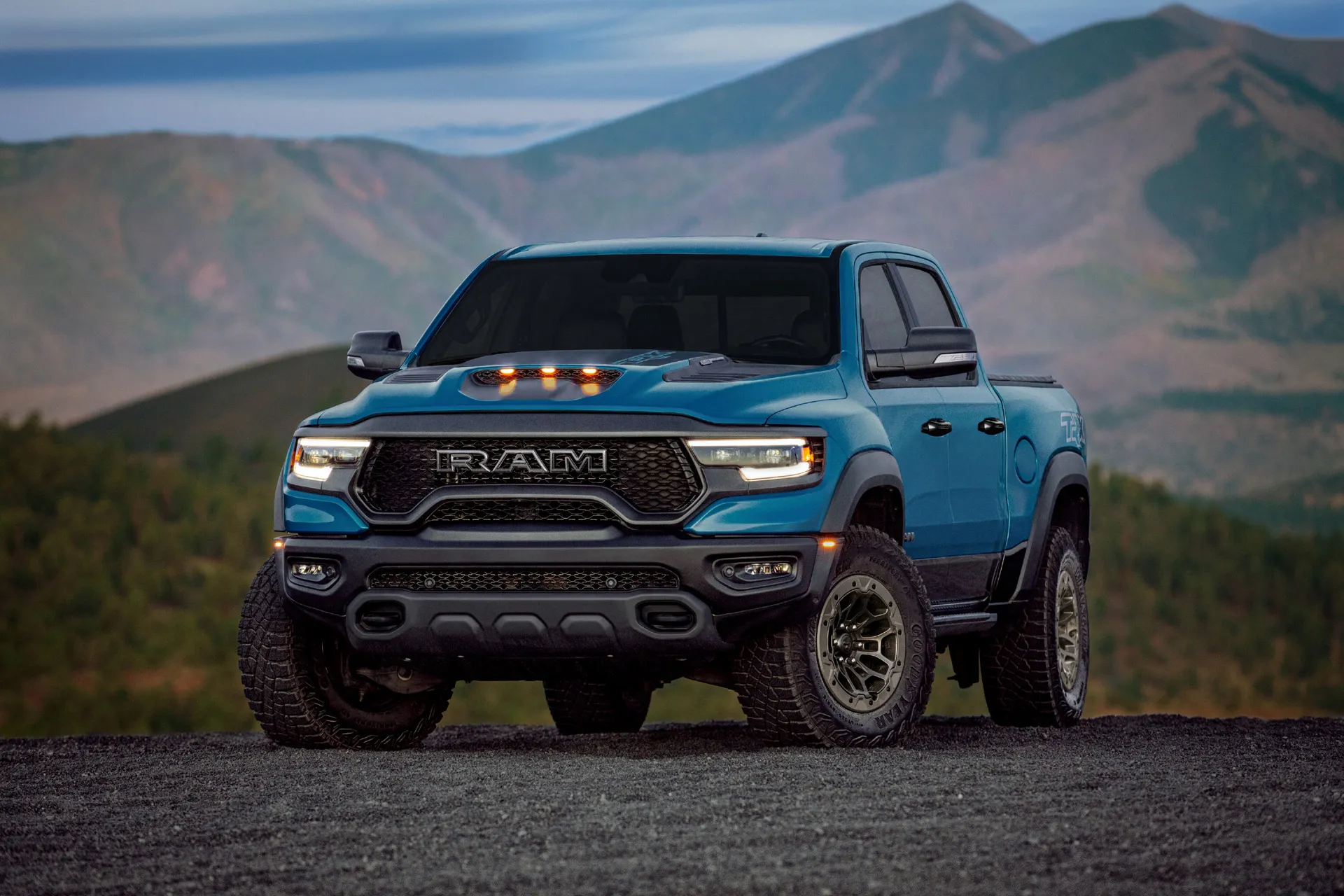
The Ram 1500 has become a common choice among American truck buyers, making it another model worth scrutinizing when shopping after hurricane season.
A used Ram can be perfectly sound, but a truck that has been submerged can develop problems that are not obvious during a short test drive. Floodwater does not need to destroy the engine immediately to create expensive problems later.
Inspect the interior carefully before driving. Lift floor mats and examine carpet edges. Look beneath the seats and around seatbelt mounting areas. Look for moisture, staining, corrosion, silt, or unusual discoloration. NICB recommends checking areas such as seatbelt retractors, carpets, headliners, and hidden compartments for evidence of water exposure.
Under the hood, look for unusual corrosion or mud around components that are not normally exposed to standing water. The engine bay can collect debris after flooding, particularly around lower-mounted components. A professional inspection can reveal issues that are difficult for an ordinary buyer to spot during a dealership walkaround.
Do not assume that a rebuilt or repaired truck has automatically been restored to its original condition. Some flood-damaged vehicles can be repaired and legally retitled, but buyers need to understand exactly what happened before the repairs.
NHTSA notes that totaled flood vehicles may receive salvage or flood-related titles, while rebuilt vehicles can later receive a rebuilt title depending on state requirements.
The best approach with a used Ram 1500 is to treat every post-hurricane listing as a history-checking exercise. A reputable seller should allow reasonable inspection time and provide documentation. A seller who discourages an independent mechanic, refuses a VIN check, or cannot answer basic questions about the truck’s past gives you a strong reason to keep looking.
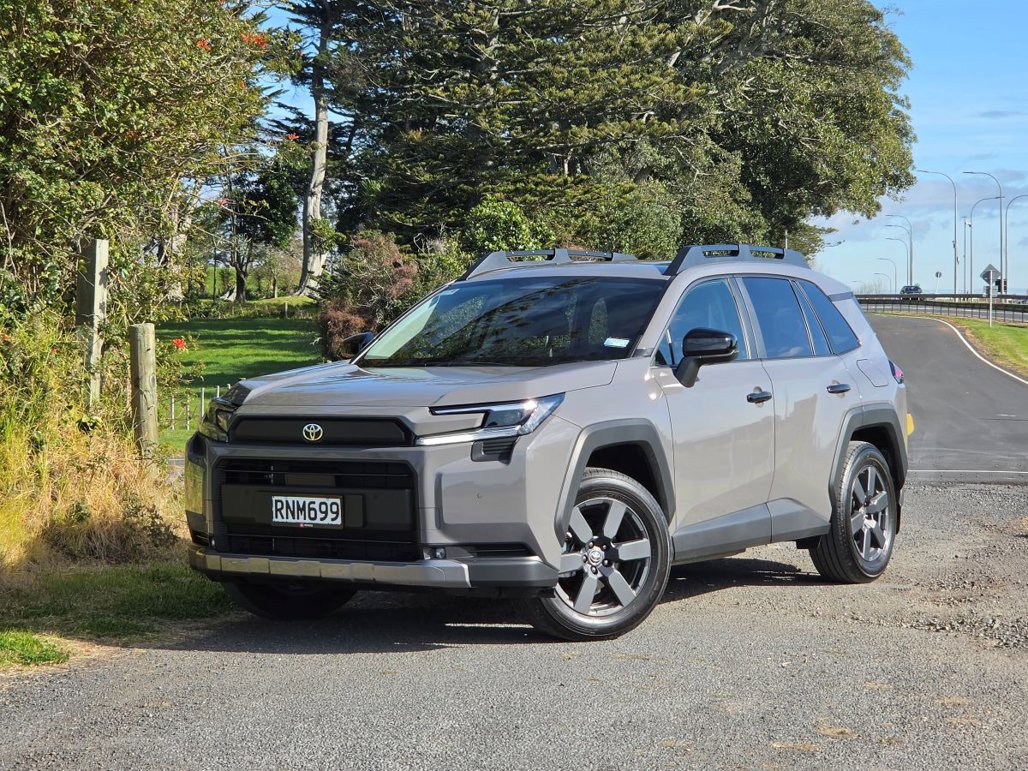
4. Toyota RAV4
The Toyota RAV4 is a popular compact SUV and can appear attractive to used-car shoppers looking for practicality and fuel efficiency. Its reputation for long-term ownership should not encourage buyers to skip a flood inspection. A reliable model can still become an expensive problem if water reaches sensitive electronics, wiring, sensors, or interior components.
Start with the cabin. Check the carpeting, under-seat areas, cargo floor, spare tire well, and lower sections of the doors. A musty smell can be significant, particularly when combined with freshly shampooed carpet or strong air freshener. NHTSA identifies musty odors, waterlines, mud, and corrosion as warning signs that buyers should investigate.
Pay attention to modern driver-assistance equipment. Depending on the model year and trim, a RAV4 can have cameras, radar-related systems, electronic controls, sensors, and numerous computer modules.
A vehicle may drive normally while still having an electronic fault that appears later. Test warning indicators and have diagnostic equipment used by a qualified technician when appropriate.
Hybrid versions require additional caution after serious water exposure. NHTSA warns that hybrid and electric vehicle batteries should not be exposed to standing water because flooded high-voltage systems can present shock and fire hazards.
The important distinction is that buyers do not need to avoid every RAV4 sold after hurricane season. Instead, they should avoid examples with uncertain flood history or unexplained evidence of water exposure.
A clean inspection, consistent records, verified title information, and a trustworthy seller provide much more useful information than the Toyota badge alone.
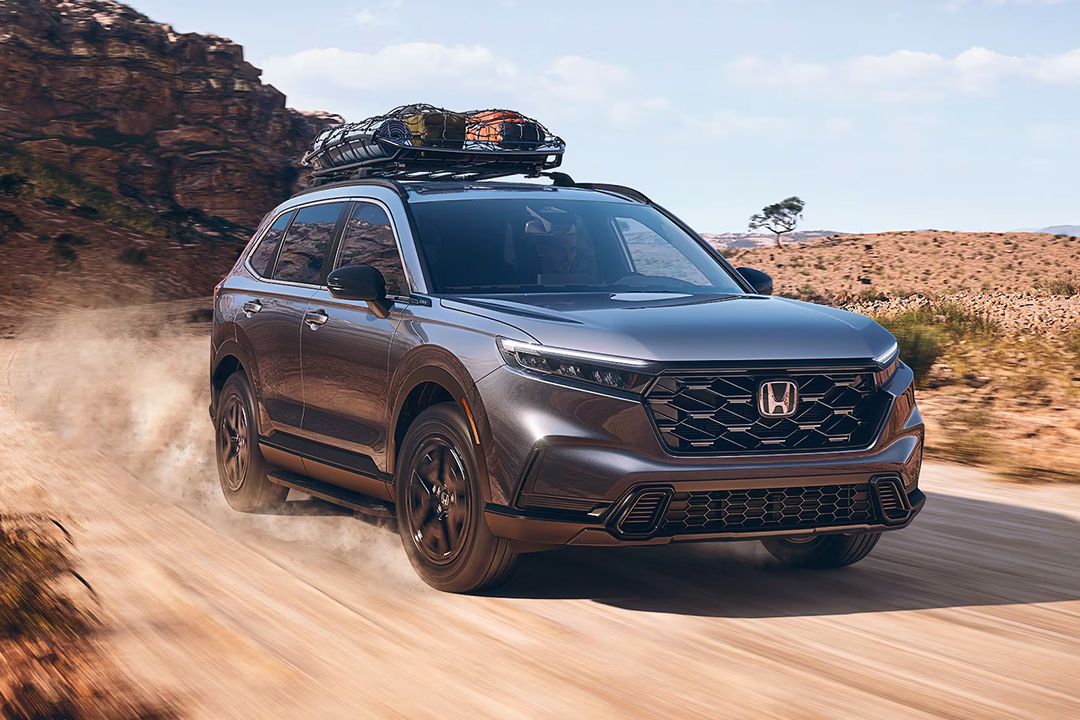
5. Honda CR-V
The Honda CR-V is another popular used SUV that can attract buyers after hurricane season because of its practicality, manageable size, and broad availability. Its popularity makes it important to inspect individual examples carefully rather than assuming that a familiar nameplate means a particular vehicle is safe.
Check the carpet and floor areas first. Lift the mats and inspect edges that may conceal water staining. Examine the cargo floor and spare tire compartment. Look inside door pockets and around the lower dashboard for signs of silt or residue. Fresh carpeting in an older vehicle can be worth questioning, particularly if it does not match the rest of the interior.
Look at areas where corrosion should not normally be visible. Rust on screws, brackets, connectors, or metal surfaces located inside the cabin can provide clues about previous water exposure. NICB specifically lists unusual rust on screws and moisture in seatbelt retractors among the signs buyers should check.
Before paying a deposit, compare the VIN on the vehicle with the title and history report. Ask about previous states of registration and look for gaps in the record. A CR-V with a documented history and professional inspection can be considered on its own merits. A CR-V with missing records and evidence of water exposure is a very different proposition.
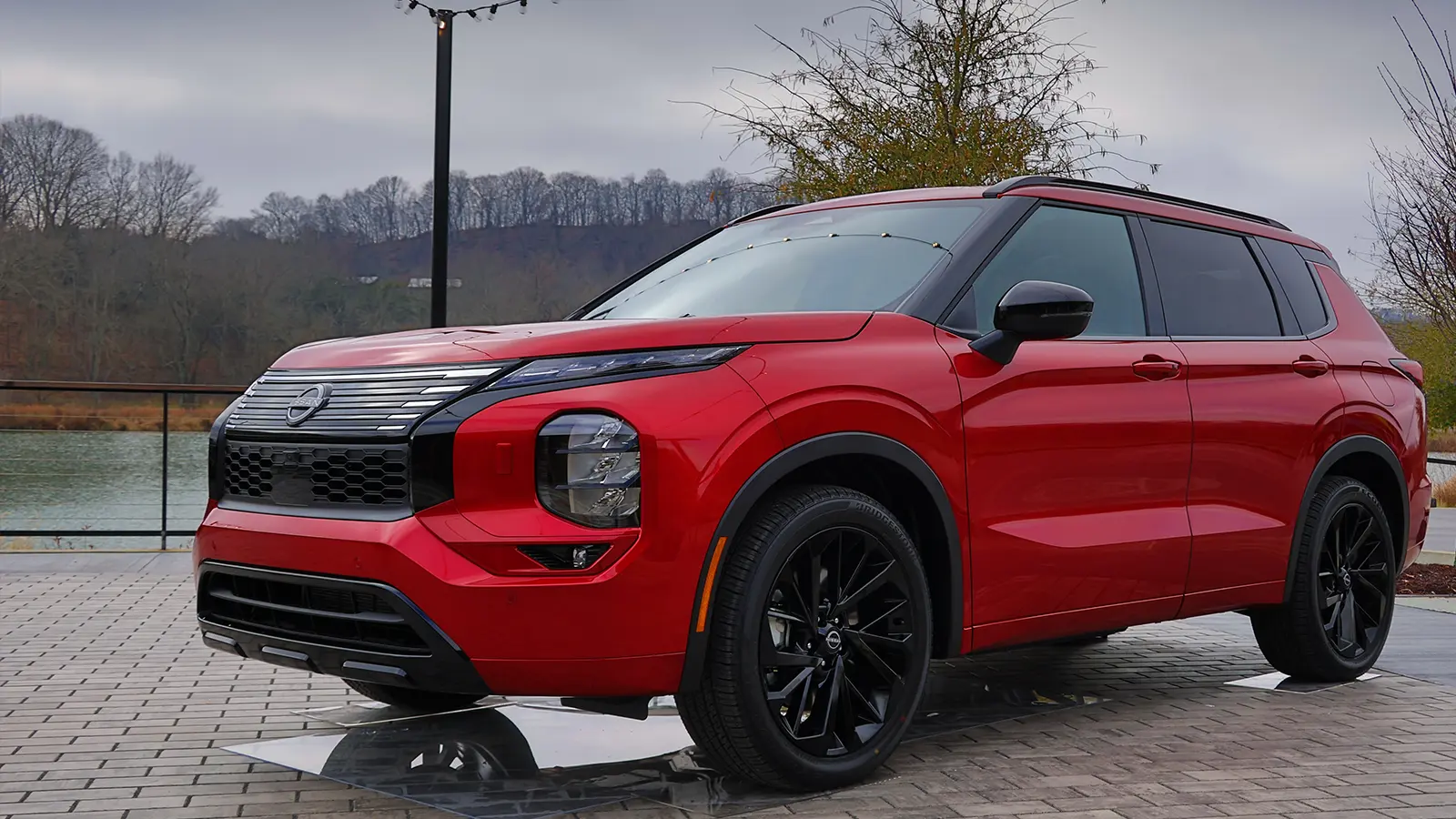
6. Nissan Rogue
The Nissan Rogue is widely represented in the US used-car market, so shoppers may encounter many examples while searching for an affordable SUV. After hurricane season, the temptation to focus on price can be dangerous. A large discount may reflect hidden damage rather than a genuine bargain.
Inspect the interior for moisture, stains, mildew, sand, and recently replaced materials. Check under seats and around the carpet edges. Look closely at the cargo area and spare tire compartment. If the interior has been extensively cleaned, ask why. A clean cabin is desirable, but unexplained new carpeting or upholstery in an older vehicle deserves a closer look.
Electronic features should be tested individually. Operate the windows, locks, lights, climate system, infotainment controls, backup camera, and available driver-assistance equipment. Flood exposure can damage electrical connections that may not fail immediately. The absence of a warning light during a short inspection is not proof that the vehicle escaped water damage.
Check the history through several sources rather than relying on a single report. NICB explains that VINCheck depends on information supplied by participating insurers, meaning a clean result does not guarantee a completely clean history.
A used Rogue should therefore be judged by documentation, condition, inspection results, and ownership history. If the vehicle comes with a clear paper trail and passes an independent inspection, its model name alone should not make it unacceptable.
The bigger warning is a combination of low price, rushed sales tactics, missing records, and physical signs of flooding.
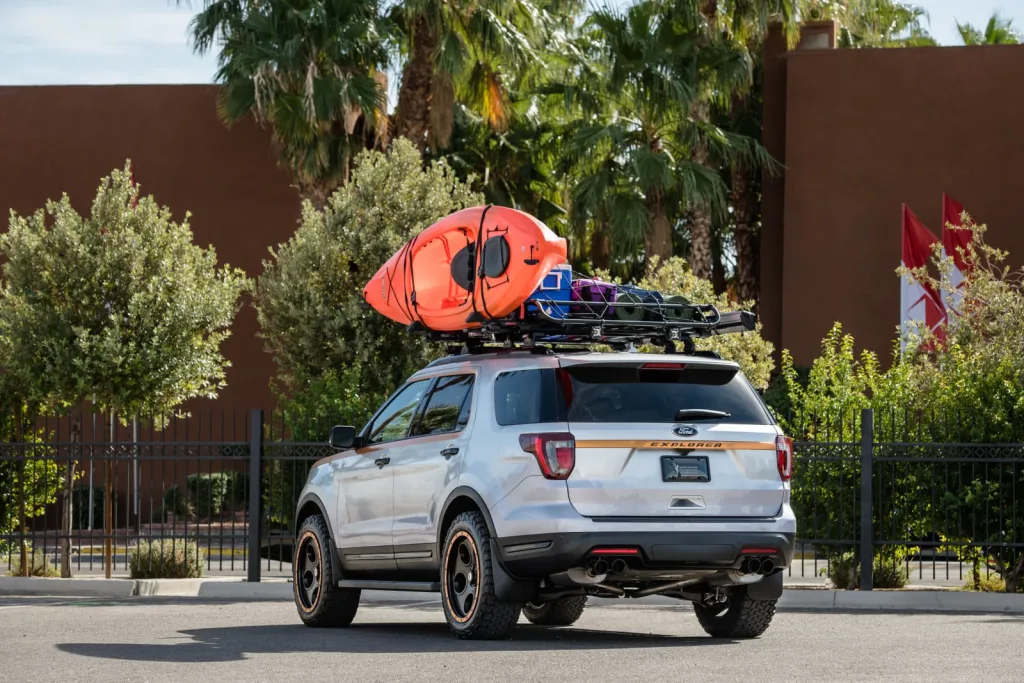
7. Ford Explorer
The Ford Explorer is a common midsize SUV with multiple generations and powertrain configurations represented in the US used market. Buyers looking after hurricane season should pay attention to the specific vehicle’s age, history, and equipment rather than treating every Explorer as a problem vehicle.
Begin inside the cabin. Inspect the carpeting, seat rails, lower door areas, dashboard underside, and cargo compartment. Check for sand, silt, water marks, or corrosion. A musty odor can be important, but a strong perfume or cleaning-product smell can also deserve attention because sellers may use fragrances to cover unpleasant odors.
Look at the title and vehicle history before negotiating the final price. NHTSA advises buyers to be cautious of flood-damaged vehicles with clean or lost titles and points consumers toward NMVTIS for title-history information.
An Explorer with a verified history can still make sense as a used vehicle. The issue is the individual example. If the seller cannot explain where the vehicle was registered during a hurricane, refuses a professional inspection, or provides inconsistent information, there is little reason to accept the uncertainty.
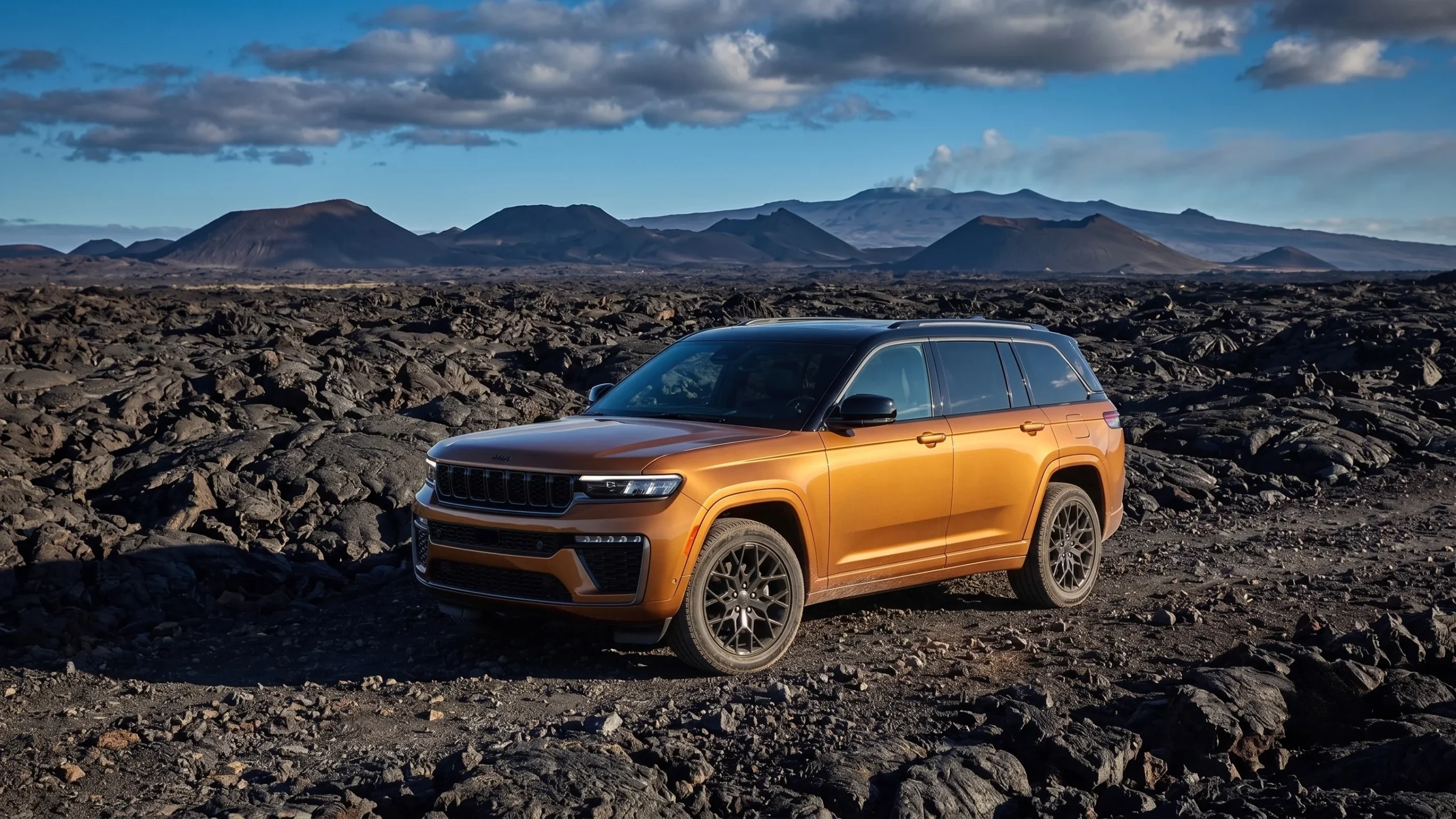
8. Jeep Grand Cherokee
The Jeep Grand Cherokee is frequently sold across the United States, including in areas where hurricanes and flooding can affect used-vehicle inventories. Its higher ground clearance may make some buyers assume it is less vulnerable to water. Ground clearance does not make a vehicle immune to flood damage.
Inspect the cabin and cargo areas carefully. Water can enter through doors, windows, vents, and other openings. Look for dampness, stains, silt, corrosion, or signs of replacement carpeting. Examine the spare tire compartment because debris and moisture can sometimes remain there after other areas have been cleaned.
The underbody also deserves attention. Rust or corrosion is not automatically proof of flooding because road salt and age can cause similar problems. However, unusual corrosion combined with interior water evidence is much more significant. A mechanic can help distinguish ordinary age-related wear from suspicious damage.
Test electronic systems and look for warning lights. Modern Grand Cherokee models can contain many electronic components, so the inspection should cover all available equipment. Water-related electrical problems can appear as intermittent faults rather than immediate failures.
The safest buying process involves documentation before negotiation. Obtain the VIN, check title information, review a vehicle-history report, use VINCheck, and arrange an independent inspection. NICB recommends this layered approach because no single database can provide every piece of a vehicle’s history.
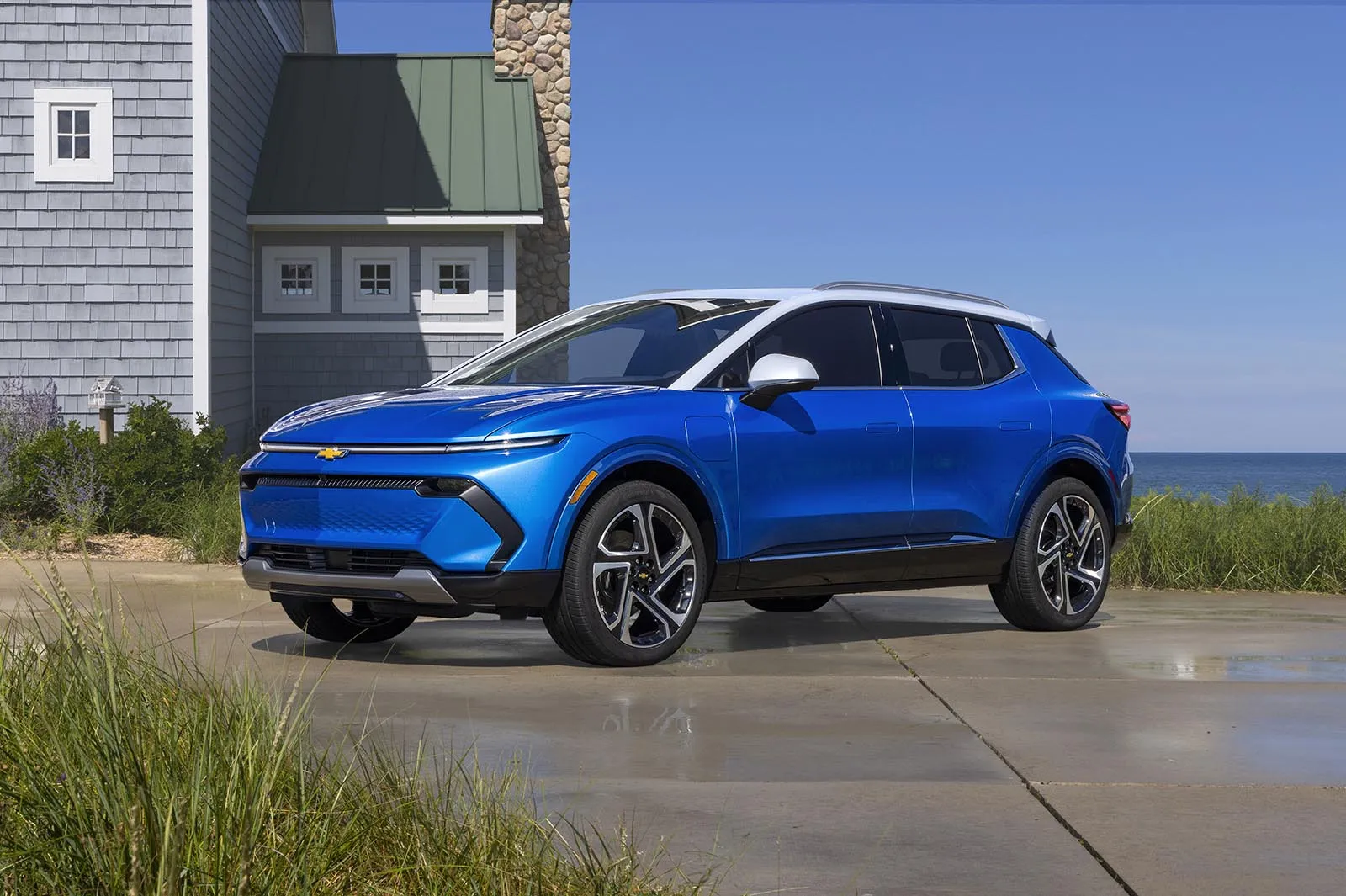
9. Chevrolet Equinox
The Chevrolet Equinox is another widely available used SUV that can appear on dealership lots and private-party listings after hurricane season. Its affordability can make it attractive to buyers working with a limited budget, but price should never replace a proper flood inspection.
Check the electrical equipment one feature at a time. Test windows, locks, lights, climate controls, audio equipment, cameras, and other available electronics. Intermittent problems deserve attention because water damage can cause corrosion that develops over time.
Review the title carefully. A salvage, rebuilt, or flood-related history does not tell the entire repair story by itself. Buyers need to understand the extent of the damage, who repaired the vehicle, what components were replaced, and whether the current condition has been independently verified.
The Equinox is not inherently a vehicle to avoid. The sensible rule is to avoid a specific Equinox when the history cannot be verified or when physical evidence suggests flooding. FTC guidance recommends checking the vehicle history and having an independent mechanic inspect a used vehicle for water damage before purchase.
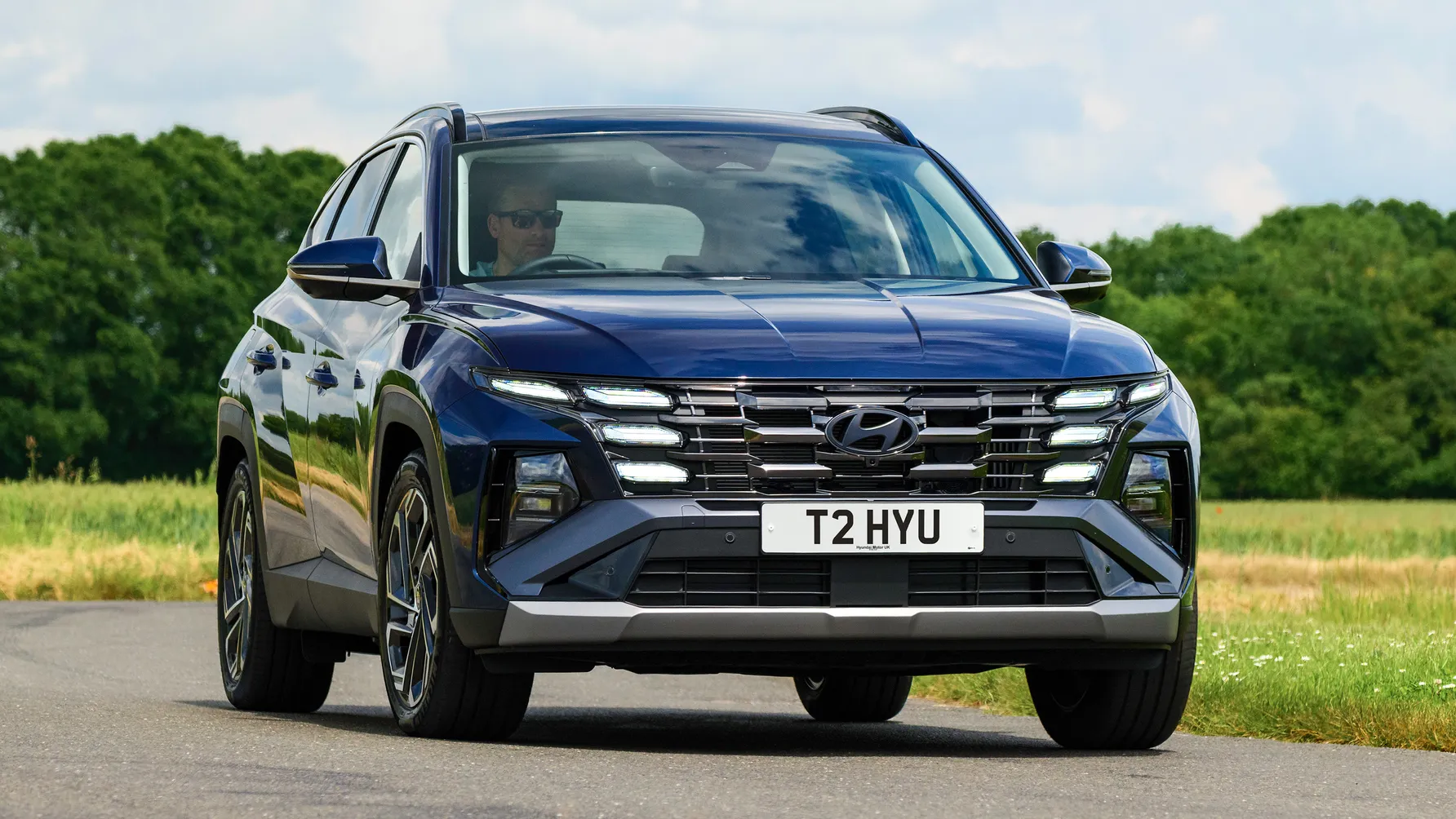
10. Hyundai Tucson
The Hyundai Tucson is a popular compact SUV with a large presence in the used-car market. After hurricane season, shoppers should inspect individual Tucson listings carefully, particularly vehicles priced significantly below comparable examples. A low price can have many explanations, but hidden flood damage is a possibility worth ruling out.
Inspect the interior for dampness, stains, unusual odors, and replacement materials. Check under mats, around seats, inside the cargo area, and beneath removable panels where practical. Look for silt or mud in areas that ordinary driving would not normally contaminate.
Check the underside and engine compartment for unusual corrosion. Surface rust alone does not prove that a vehicle was flooded. However, rust around electrical connectors, fasteners, or protected areas can be more meaningful when combined with interior evidence.
Run a comprehensive history check using the VIN. The FTC advises consumers to use available title and vehicle-history resources and recommends professional inspection because water damage can gradually affect mechanical and electrical systems.
A Tucson with consistent records, normal wear, a clean inspection, and no flood indicators can be evaluated like any other used SUV. A Tucson with unexplained repairs, fresh interior materials, title inconsistencies, or suspicious seller behavior should receive much more scrutiny before money changes hands.
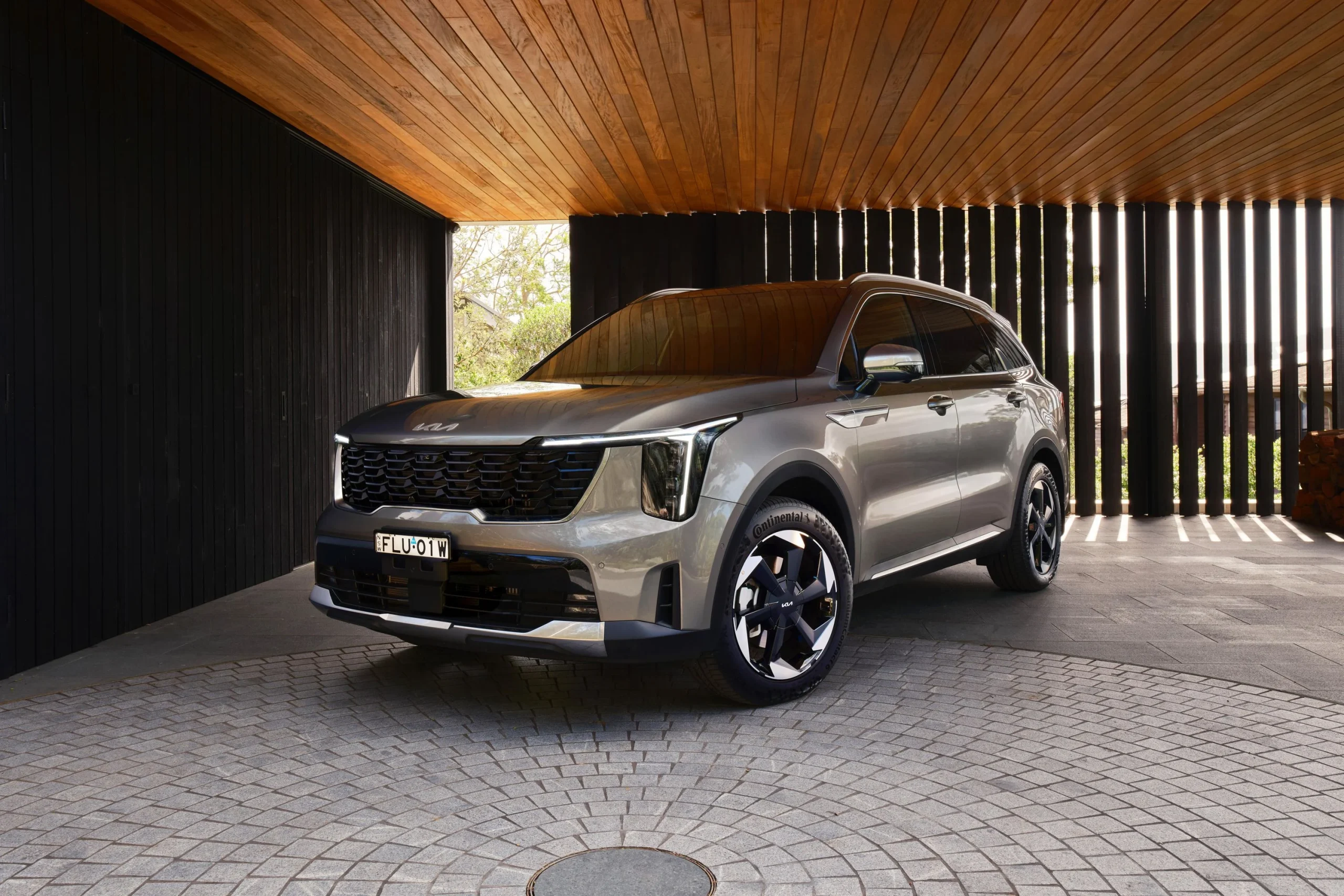
11. Kia Sorento
The Kia Sorento is another midsize SUV that buyers may encounter frequently in the used market. Its presence on this list does not mean that Sorento models are uniquely vulnerable to hurricane flooding. It is included because popular used vehicles can be tempting targets when damaged examples are cleaned and moved into other markets.
Inspect the cabin from top to bottom. Check the carpet, floor mats, seat rails, door panels, cargo floor, spare tire area, and seatbelt mechanisms. NICB recommends looking for water stains, mildew, sand, silt, rust, and moisture in areas that are difficult to clean.
Take the Sorento for a meaningful test drive after completing the visual inspection. Pay attention to warning lights, unusual electrical behavior, transmission operation, braking, steering, climate controls, and electronic accessories.
Any unexpected problem should be documented and investigated by a professional before purchase.
Ask about the vehicle’s previous location and ownership. If it was registered in a hurricane-affected area around the time of a major storm, that fact does not prove damage. It does justify a more detailed inspection and history check. Buyers should distinguish a geographic clue from actual evidence of flooding.
A Sorento with a verified history can be perfectly suitable for used-car ownership. The vehicle to avoid is not a Sorento simply because it was built by Kia. It is the particular Sorento that has unexplained water damage, inconsistent paperwork, suspicious repairs, or a seller unwilling to permit independent verification.
