

Driverless cars are moving from controlled demonstrations to regular road testing across several American cities. Companies such as Waymo and Zoox are placing autonomous vehicles on busy streets to learn how their systems handle traffic, pedestrians, cyclists, weather, construction, and unexpected road situations.
Some cities already allow passengers to request fully autonomous rides, while others remain focused on mapping, supervised testing, and technology validation. The pace of development varies from city to city because regulations, road conditions, infrastructure, and company strategies differ.
Here are ten US cities where driverless vehicle testing or autonomous ride services are taking place, giving residents a closer look at this changing transportation technology.
1. Phoenix, Arizona
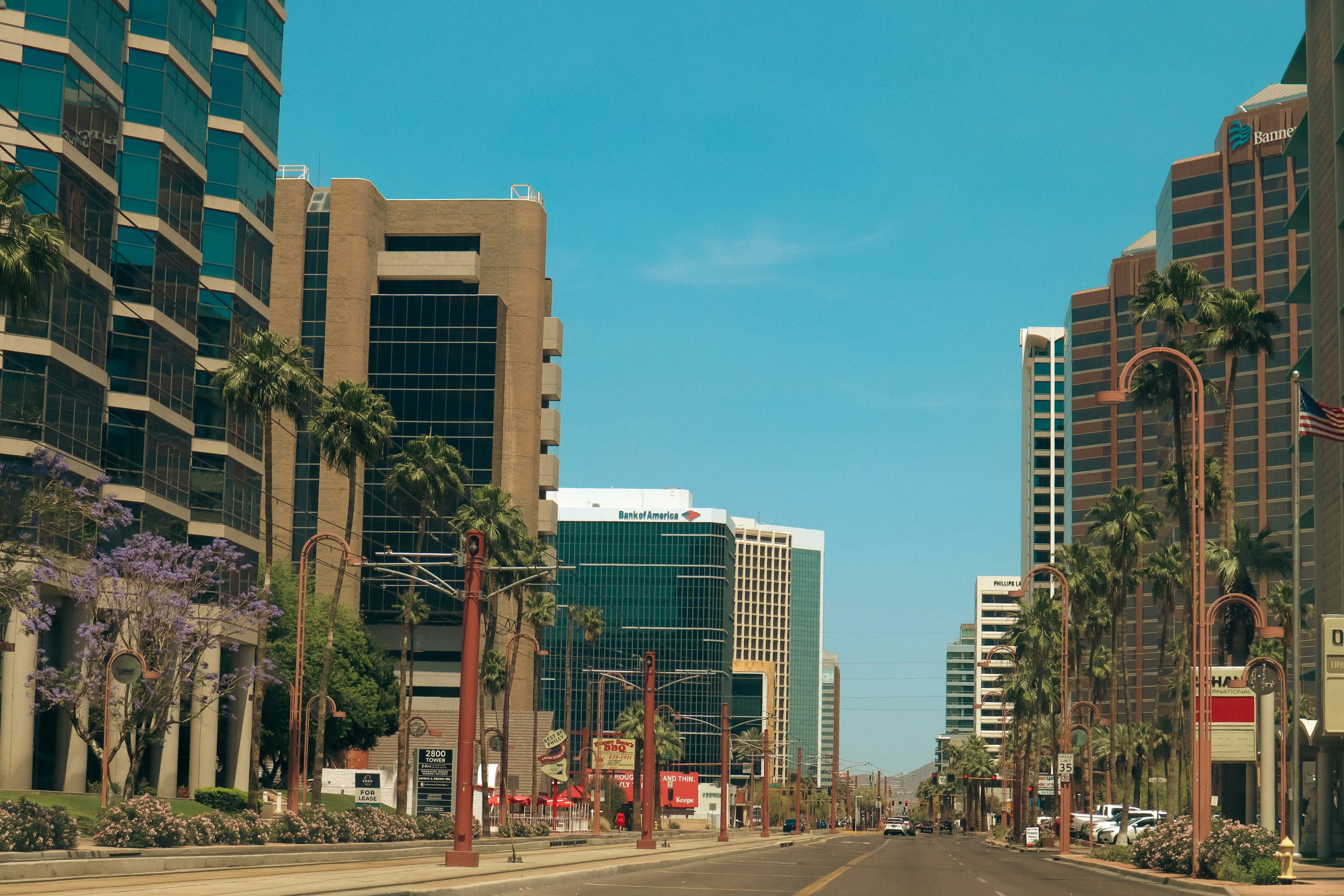
Phoenix has become a major testing location for autonomous vehicles because its broad roads, large metropolitan area, and generally dry climate provide useful conditions for testing. Waymo has operated autonomous vehicles across the Phoenix metropolitan area for years, making the city an important part of its development and commercial ride-hailing program.
Residents in eligible areas can use Waymo to request rides in vehicles that operate without a human driver in the front seat. The company has continued expanding its Phoenix service area, including additional coverage around Chandler and San Tan Ranch during 2026.
Phoenix also provides an interesting testing environment because autonomous vehicles encounter a mixture of suburban streets, major roads, intersections, shopping areas, and busy pedestrian zones. These conditions allow automated driving systems to respond to many ordinary situations that occur during daily travel.
Zoox has also included Phoenix in its testing plans. In March 2026, the company began mapping Phoenix with Toyota Highlander vehicles before moving toward autonomous system testing. This approach allows the company to gather information about local roads before deploying its purpose-built robotaxi technology.
The activity in Phoenix shows how an autonomous vehicle market can develop through several stages. A city may begin with mapping and supervised testing, move toward driverless trials, and eventually support commercial rides. Phoenix has already reached the commercial stage for Waymo while remaining relevant to testing programs from other companies.
2. San Francisco, California
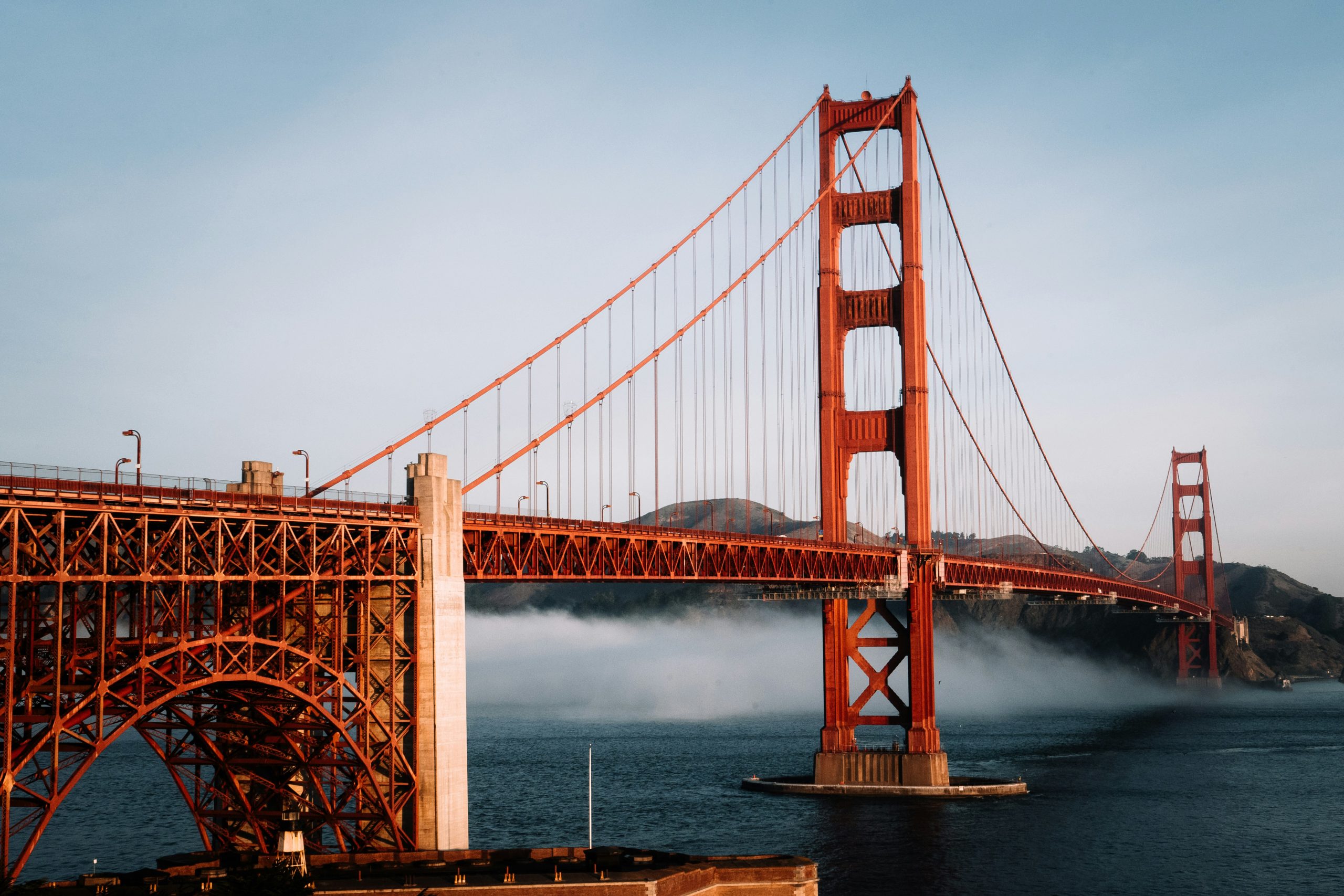
San Francisco has long served as a major proving ground for autonomous driving technology. Its steep streets, dense traffic, pedestrians, cyclists, buses, construction zones, and complicated intersections create demanding conditions for automated vehicles. These factors make the city useful for companies attempting to develop systems capable of handling unpredictable urban environments.
Waymo operates fully autonomous ride-hailing services across parts of the San Francisco Bay Area. The company says riders can request autonomous trips through its app, with the vehicle handling the driving without a human driver sitting in the front seat.
The city also remains important for Zoox. The Amazon-owned company has tested its vehicles around the San Francisco Bay Area and has used the region to develop and validate autonomous driving technology. Its purpose-built robotaxi is designed specifically for automated passenger transportation rather than simply adapting a conventional car.
San Francisco presents situations that are difficult for automated systems to interpret. A vehicle may encounter a pedestrian crossing unexpectedly, a cyclist changing lanes, a delivery truck blocking a road, or temporary construction signs altering a familiar route. Autonomous driving software must process these events while maintaining a safe path.
The continued use of San Francisco for driverless vehicle testing reflects the city’s importance to autonomous transportation research. The lessons gathered from dense urban driving can potentially help companies prepare their vehicles for other cities with complicated streets and heavy traffic.

3. Los Angeles, California
Los Angeles is another major American city where autonomous vehicles are being tested and used. Its enormous road network, heavy congestion, extensive freeway system, and varied neighborhoods create a different set of challenges from those found in San Francisco.
Waymo currently offers autonomous rides in Los Angeles. Its service covers selected areas, allowing riders to request transportation without a human driver physically controlling the vehicle. The company has also been working on expanding its operations and vehicle capabilities across its growing network.
Traffic is particularly important in Los Angeles because autonomous vehicles must operate around frequent congestion. Stop-and-go traffic, lane changes, merging vehicles, motorcycles, emergency vehicles, and crowded intersections all require continuous interpretation of the surrounding environment.
Los Angeles also gives autonomous driving companies opportunities to test longer urban trips. A vehicle can encounter quiet residential streets and major commercial roads within the same journey. That mixture requires the driving system to adjust its behavior repeatedly rather than relying on a single predictable road environment.
The city’s role is significant because successful autonomous transportation in Los Angeles requires more than basic lane following. The vehicles must recognize road users, understand traffic signals, respond to changing conditions, and choose appropriate paths through a large and complicated metropolitan area.
4. Austin, Texas
Austin has become an important location for autonomous vehicle development and ride-hailing. Waymo operates in Austin through a partnership with Uber, allowing eligible riders to access autonomous vehicles through the ride-hailing platform. This gives autonomous transportation a connection to an established passenger service.
Waymo identifies Austin as a city where riders can access its autonomous service through Uber. The arrangement differs from cities where passengers primarily request vehicles through the Waymo app itself.
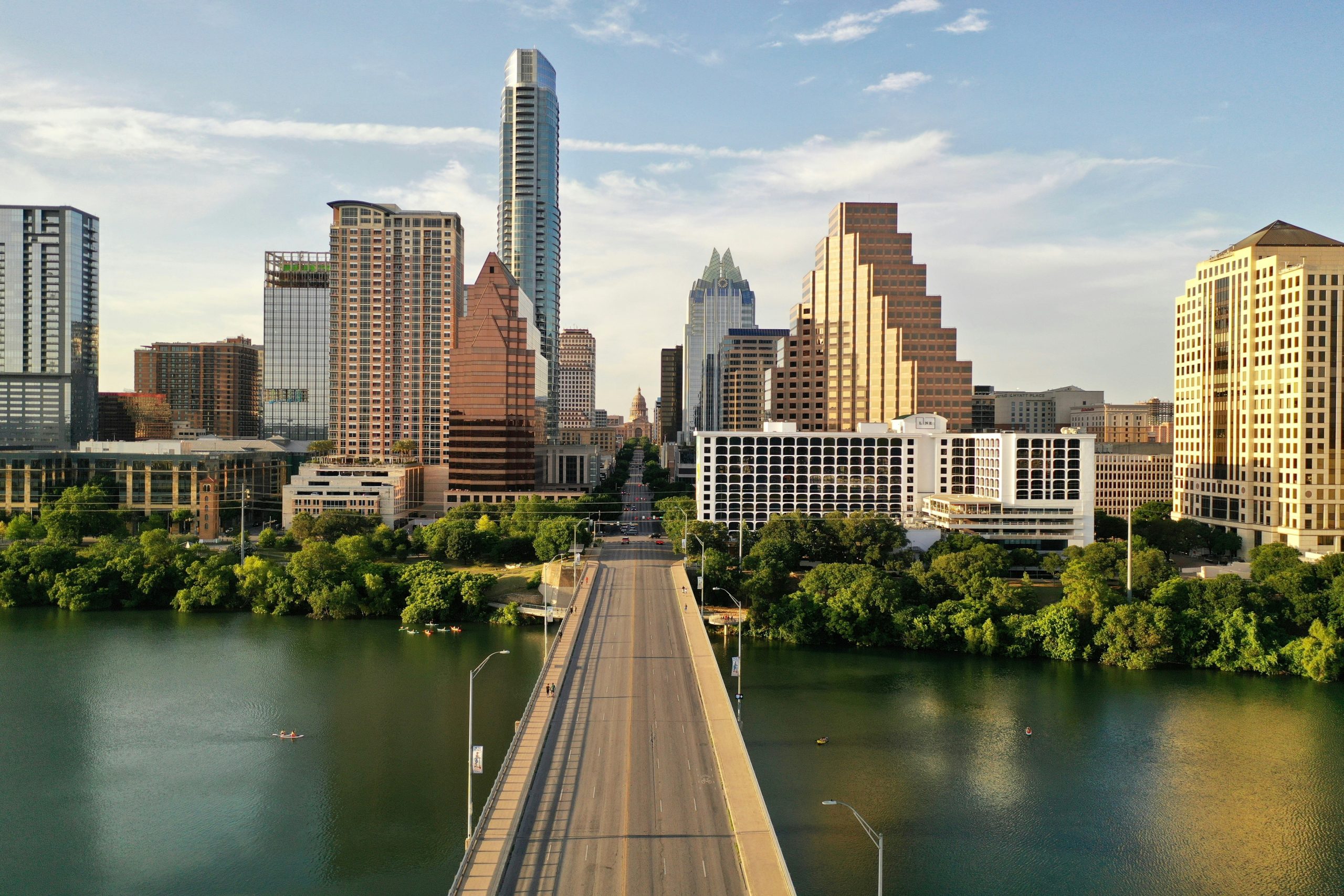
Austin provides a combination of downtown traffic, suburban roads, major intersections, construction activity, and changing weather. These conditions give autonomous systems opportunities to operate across different road environments while collecting operational experience.
Zoox has also tested in Austin. The company has included Austin within its U.S. testing footprint as it works toward broader autonomous ride-hailing operations. Its testing strategy involves gathering local driving information and validating autonomous technology before wider commercial deployment.
The city’s growing technology sector and transportation needs make Austin a closely watched location for driverless vehicle development. Testing here also demonstrates how autonomous transportation companies are using partnerships and staged deployment rather than immediately launching unrestricted service across an entire metropolitan area.
5. Dallas, Texas
Dallas has become a significant destination for autonomous vehicle companies. Waymo began welcoming its first public riders in Dallas in February 2026 as part of a major expansion into new Texas and Florida markets. The company later made its Dallas service available to everyone in August 2026.
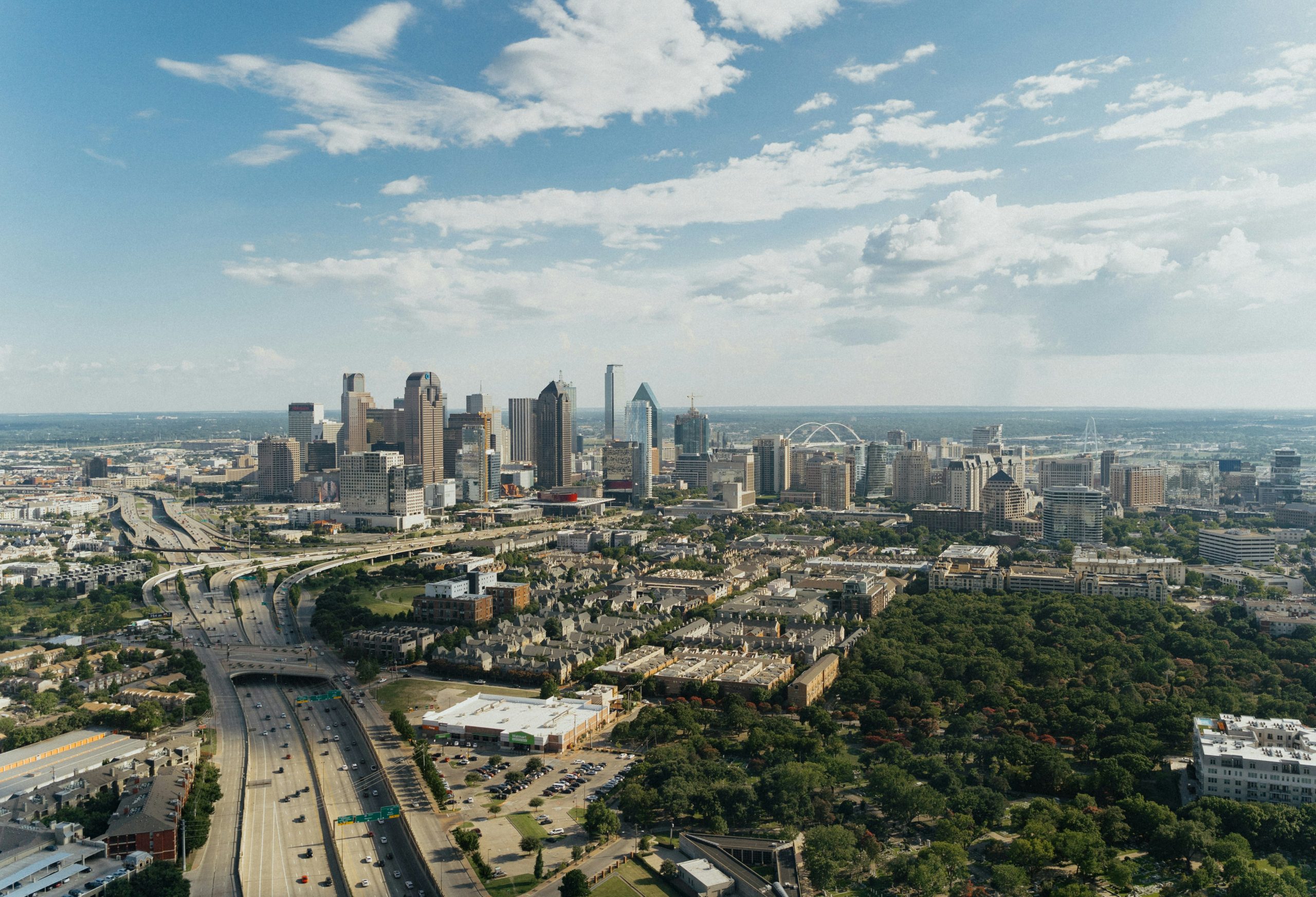
The Dallas area provides a broad range of road conditions. Autonomous vehicles can encounter large multi-lane roads, suburban neighborhoods, commercial districts, intersections, parking areas, and high-speed traffic. This gives developers useful data for improving automated driving systems.
Zoox has also been testing in Dallas. In March 2026, the company began mapping the city’s roads using Toyota Highlander vehicles before moving toward autonomous testing. Mapping is an important early step because autonomous systems need detailed information about their operating environment.
The arrival of several autonomous vehicle companies in Dallas shows that the city is becoming part of a broader national testing network. Companies can compare performance across different metropolitan environments instead of relying on a single city during development.
Dallas also illustrates the gradual transition from testing to passenger service. A company may initially operate vehicles with specialists or safety personnel, then conduct driverless internal trips, and later allow members of the public to use the service. That staged process helps companies collect operational experience before expanding access.
6. Houston, Texas
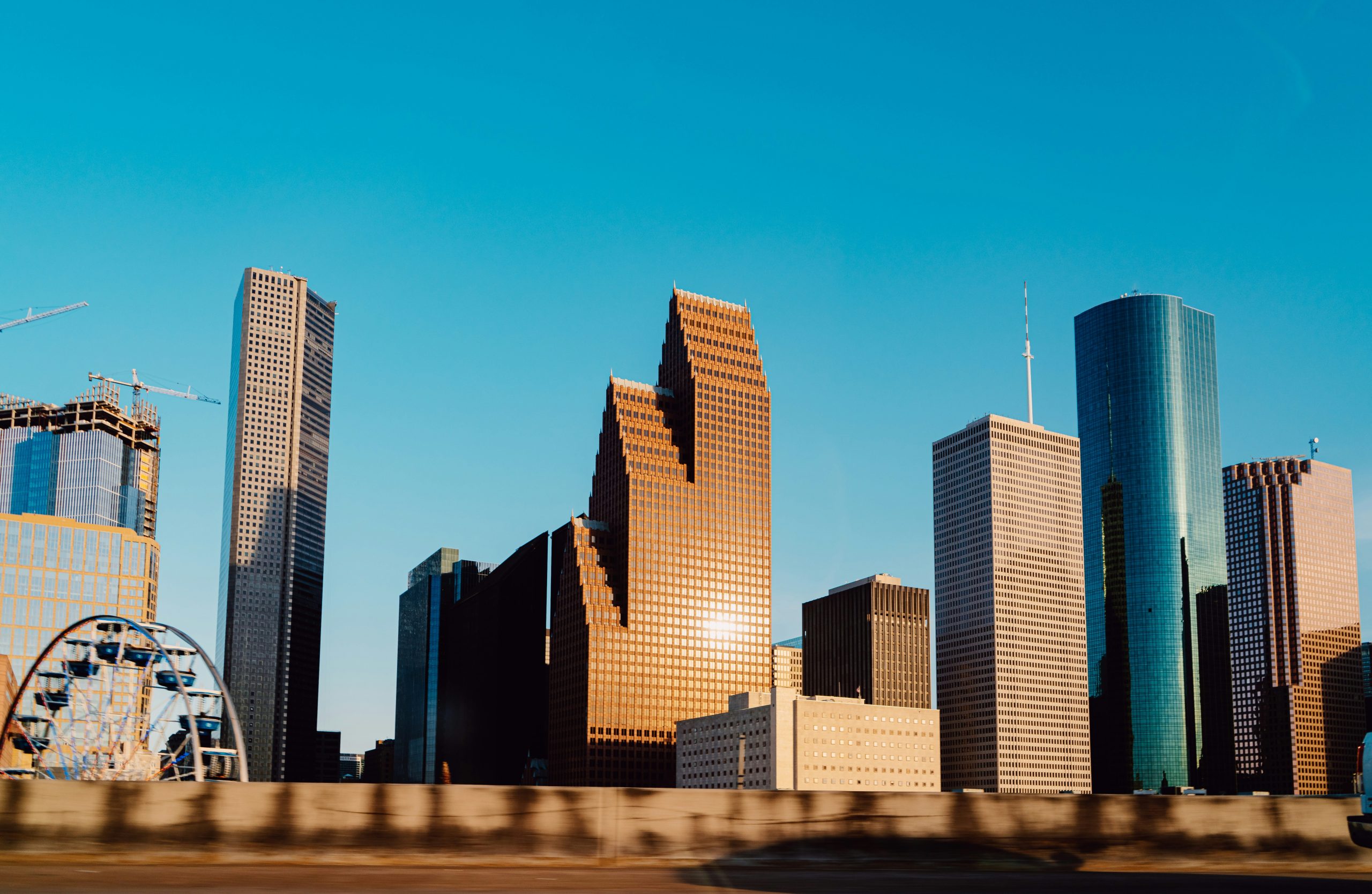
Houston is another Texas city experiencing rapid development in autonomous transportation. Waymo began welcoming public riders in Houston in February 2026 and later opened its service to everyone in August. The service operates within designated areas rather than covering every road throughout the metropolitan region.
Houston’s road environment presents distinctive challenges for autonomous vehicles. The city has wide roads, extensive highway infrastructure, busy commercial areas, residential neighborhoods, and changing weather conditions. Heavy rainfall can also create difficult situations for vehicles relying on cameras, sensors, maps, and software.
Testing in Houston gives developers an opportunity to examine how autonomous systems behave when roads are affected by weather and visibility changes. Water accumulation, reduced visibility, temporary lane closures, and unusual traffic patterns can require rapid adjustments.
Waymo has been expanding its operations across Texas, with Dallas, Houston, and San Antonio joining its growing network. The company’s February 2026 expansion marked a major step in bringing autonomous ride-hailing to additional Texas communities.
Houston’s inclusion in autonomous ride programs shows that driverless transportation is no longer limited to a handful of technology-focused coastal cities. Large Sun Belt metropolitan areas are becoming important locations for testing and commercial deployment, giving companies experience with different road designs and operating conditions.
7. San Antonio, Texas
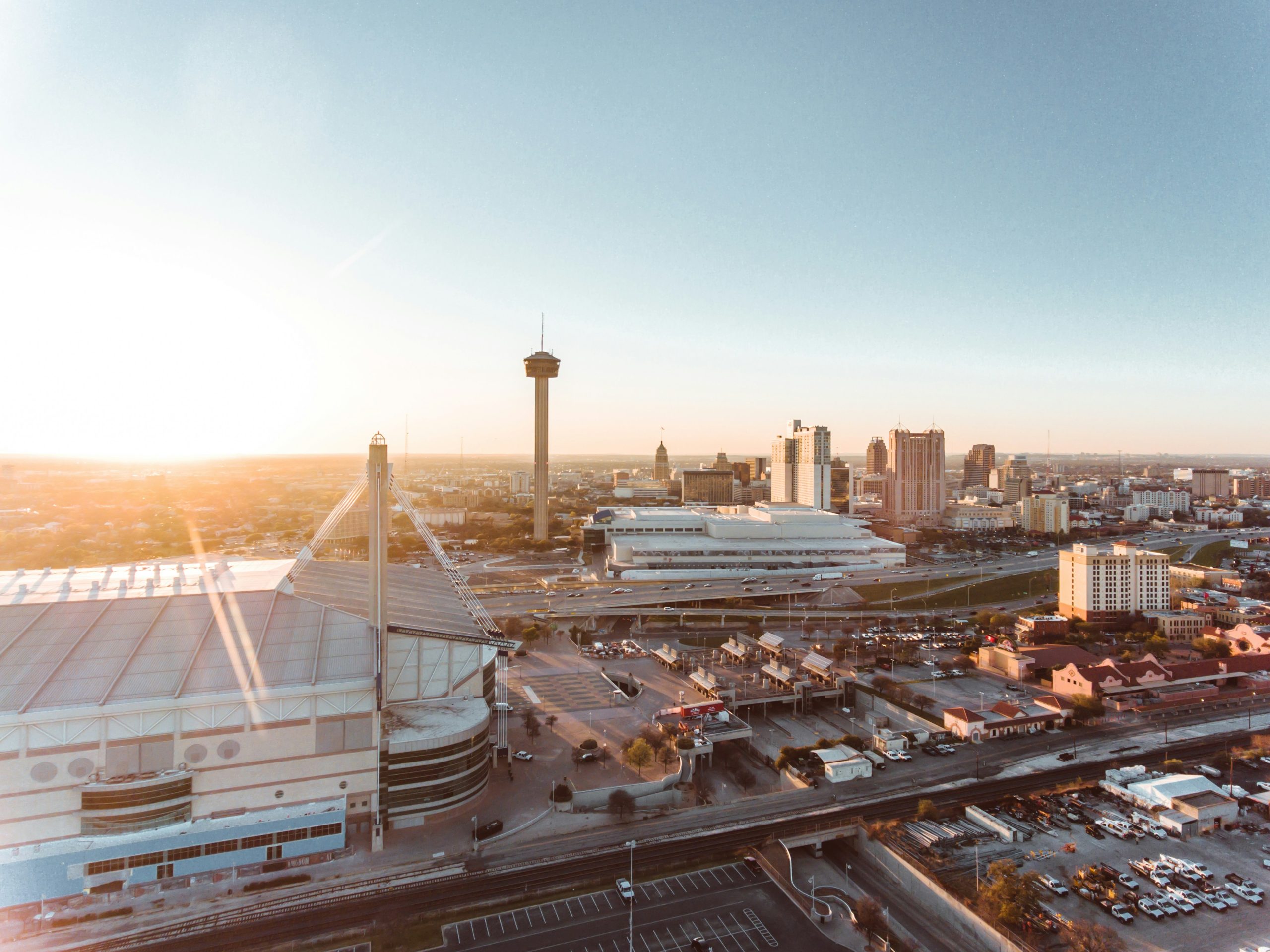
San Antonio is part of Waymo’s expanding autonomous ride network. The company introduced public access in the city in February 2026, placing San Antonio alongside Dallas and Houston as important Texas locations for autonomous transportation.
The city’s roads provide a mixture of urban streets, suburban routes, commercial areas, major intersections, and changing traffic patterns. Autonomous vehicles must recognize these surroundings and make decisions without relying on a human driver to interpret every situation.
San Antonio also provides a useful example of why autonomous driving development involves continuous testing. In 2026, Waymo temporarily paused its local service after a vehicle was swept into Salado Creek during heavy rainfall. The company subsequently made software changes aimed at improving how its vehicles handle flooding risks before resuming operations.
The incident highlights an important part of driverless technology development. Autonomous vehicles must respond not only to ordinary traffic but also to unusual environmental hazards. Flooding, debris, damaged roads, construction, emergency situations, and severe weather can create circumstances that are difficult to predict from historical driving data.
San Antonio therefore represents both the promise and complexity of autonomous transportation. Commercial rides can operate without a human driver, yet the technology continues to require testing, monitoring, software improvements, and careful expansion as companies encounter new situations on public roads.
8. Orlando, Florida
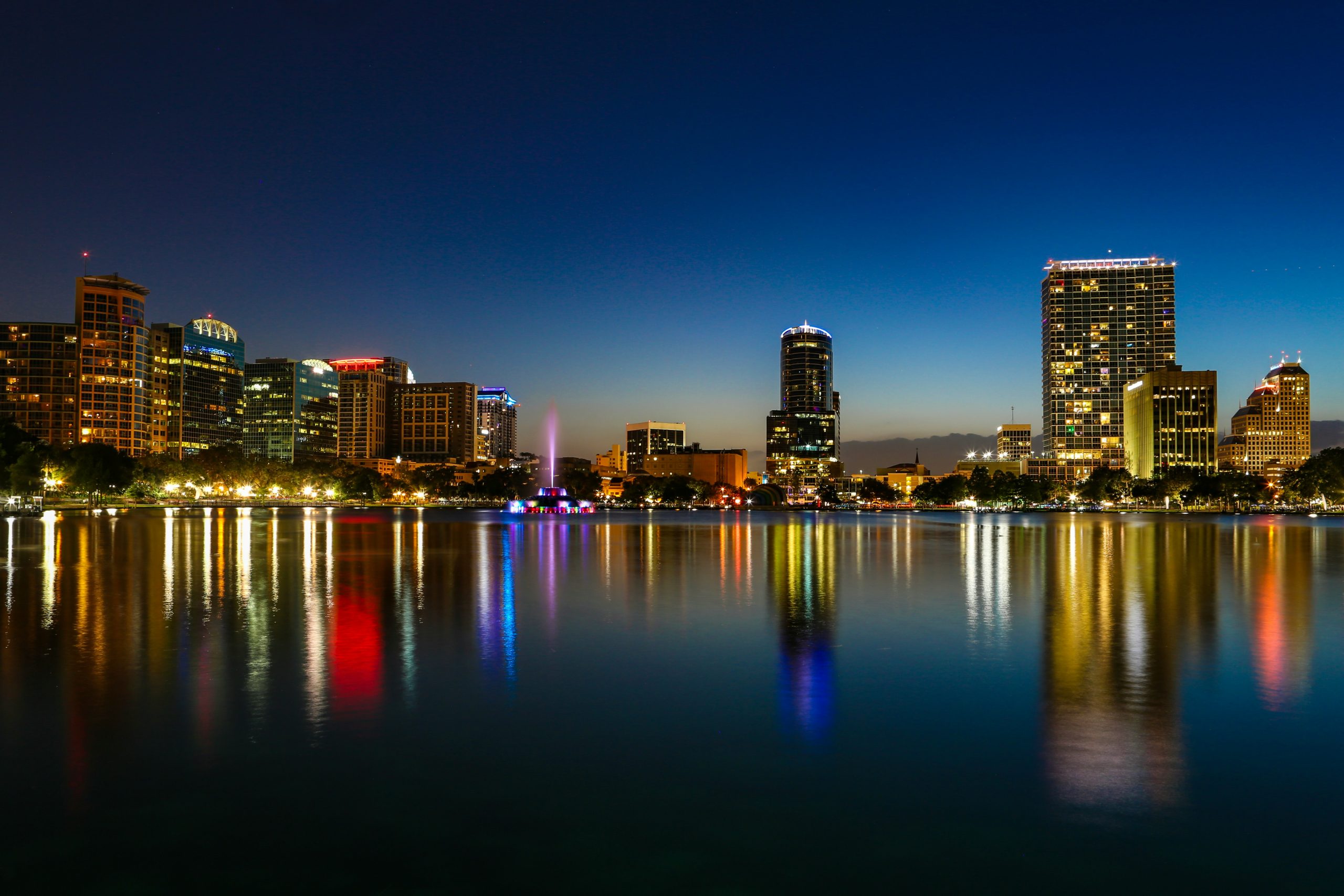
Orlando has become a major location for autonomous transportation in Florida. Waymo launched public autonomous rides in Orlando during February 2026, and the company later expanded access. The service gives residents and visitors the opportunity to experience driverless transportation in selected areas.
The city’s transportation environment is particularly interesting because Orlando receives large numbers of visitors and has extensive hotel, entertainment, residential, and commercial areas. Autonomous vehicles must deal with unfamiliar passengers, changing traffic patterns, pedestrian activity, and roads serving tourist destinations.
Waymo expanded its Orlando service area during August 2026, including additional coverage around Taft. Continued expansion allows the company to collect more operational experience while gradually increasing the number of people who can use autonomous rides.
Orlando has also attracted other autonomous transportation efforts. In September 2026, Volkswagen’s MOIA America and Beep launched a robotaxi service in the Lake Nona community. The deployment marked MOIA’s first U.S. passenger operation and added another autonomous transportation program to the city’s growing mobility ecosystem.
The presence of multiple companies makes Orlando particularly relevant to the future of driverless transportation. Different autonomous systems can be tested under similar broad regional conditions while using different vehicle designs, software approaches, and operating strategies.
9. Las Vegas, Nevada
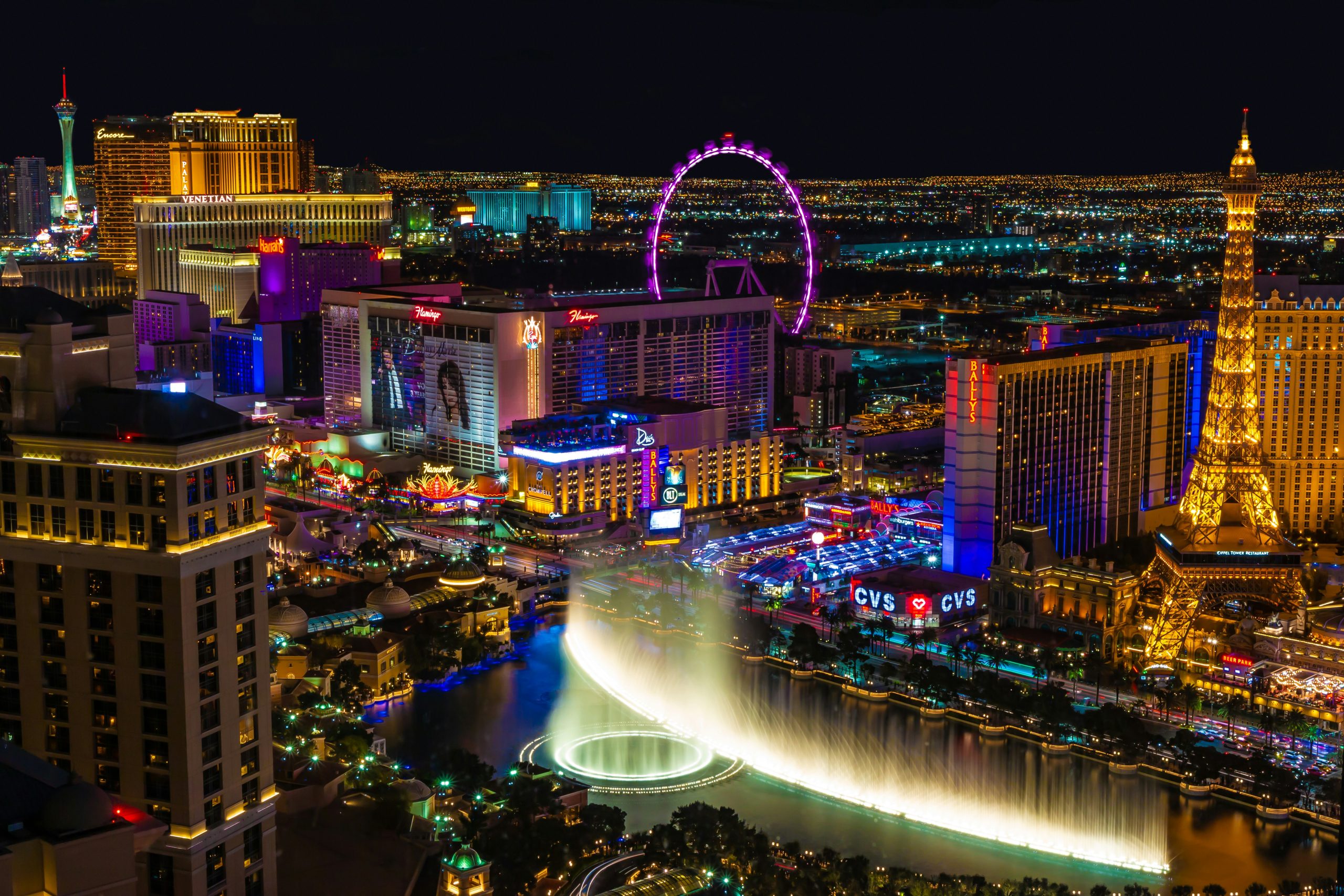
Las Vegas has become a prominent autonomous vehicle testing and passenger service location. Its tourism-heavy economy produces constant movement between hotels, entertainment venues, residential areas, and commercial districts, creating a useful environment for autonomous ride technology.
Waymo began gradually adding riders in Las Vegas in September 2026. The company had previously announced plans to begin fully autonomous operations in the city, with public access following as the service developed.
Las Vegas offers a distinctive combination of wide roads, heavy tourist traffic, pedestrians, taxis, rideshare vehicles, and large numbers of visitors who may be unfamiliar with local streets. Autonomous systems must interpret these situations while transporting passengers safely.
Zoox has also operated testing programs in Las Vegas and began paid robotaxi rides there in August 2026. This makes the city significant for the broader development of commercial autonomous transportation, rather than serving solely as a research environment.
The Las Vegas market demonstrates how driverless vehicles can be connected with tourism and passenger transportation. A successful autonomous service in such an environment must manage frequent pickups, unfamiliar passengers, busy roads, and changing demand throughout the day and night.
10. San Diego, California
San Diego joined the latest group of U.S. cities receiving Waymo autonomous operations during 2026. Waymo announced plans to begin fully autonomous driving in San Diego, with initial rider-only operations followed by gradual public access.
By September 2026, Waymo had begun gradually welcoming riders in San Diego. The city therefore moved beyond basic preparation and into an early stage of autonomous passenger service.
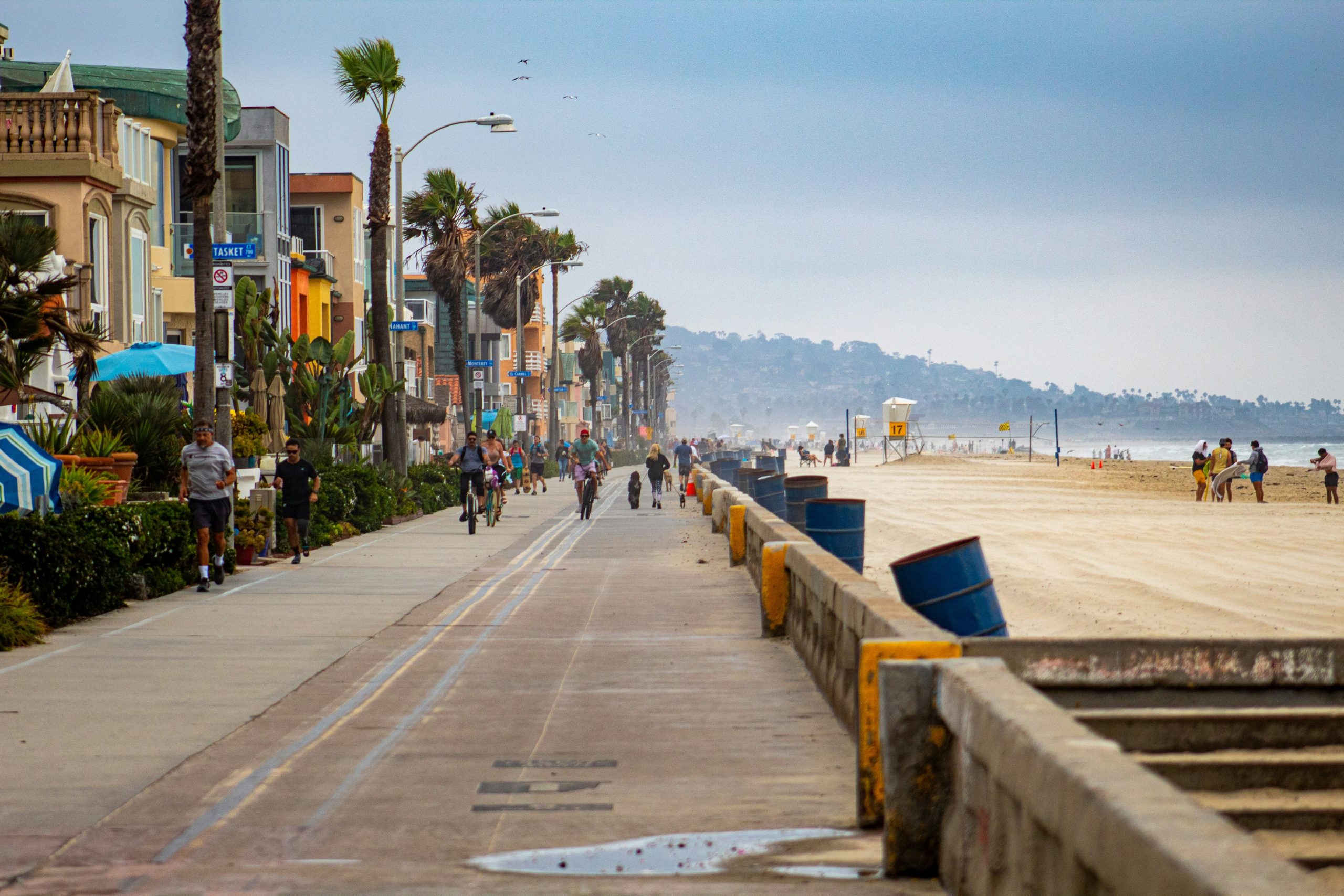
San Diego provides a different driving environment from Los Angeles and San Francisco. Its road network includes dense urban areas, suburban communities, major arterials, coastal routes, and busy intersections. Autonomous systems need to adapt to these varied surroundings during normal operation.
Zoox is also expanding its testing footprint to San Diego. In September 2026, the company announced that it was extending testing to the city, using an initial phase involving mapping and vehicle testing before introducing its purpose-built autonomous robotaxis.
The development in San Diego shows how autonomous transportation is spreading through California beyond the earliest testing locations. As companies gain experience in established markets, they can use that knowledge to prepare systems for additional cities with different roads, traffic patterns, weather conditions, and passenger needs.
