
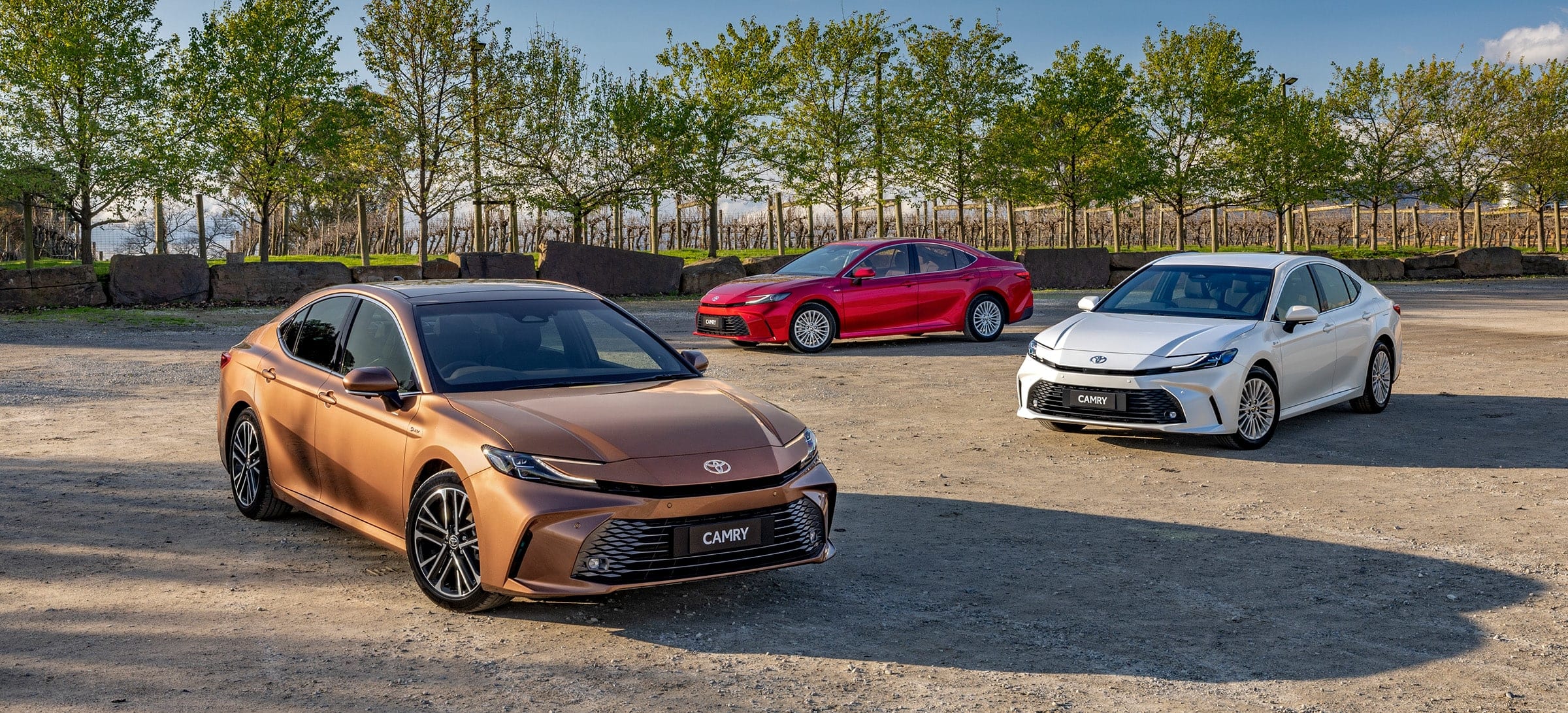
Toyota recalls can affect thousands of vehicles when a safety defect, software problem, or manufacturing issue is discovered. This article covers nine significant Toyota safety recalls reported from 2025 through 2026, keeping the research period within the last six years.
The list includes affected model years, estimated vehicle counts, defect descriptions, potential safety consequences, and available remedies. The information is based on U.S. National Highway Traffic Safety Administration records and Toyota’s published recall information.
Recall coverage applies only to specific vehicles identified by production details or VIN, so owners should verify their individual vehicle before assuming that a listed model is affected.
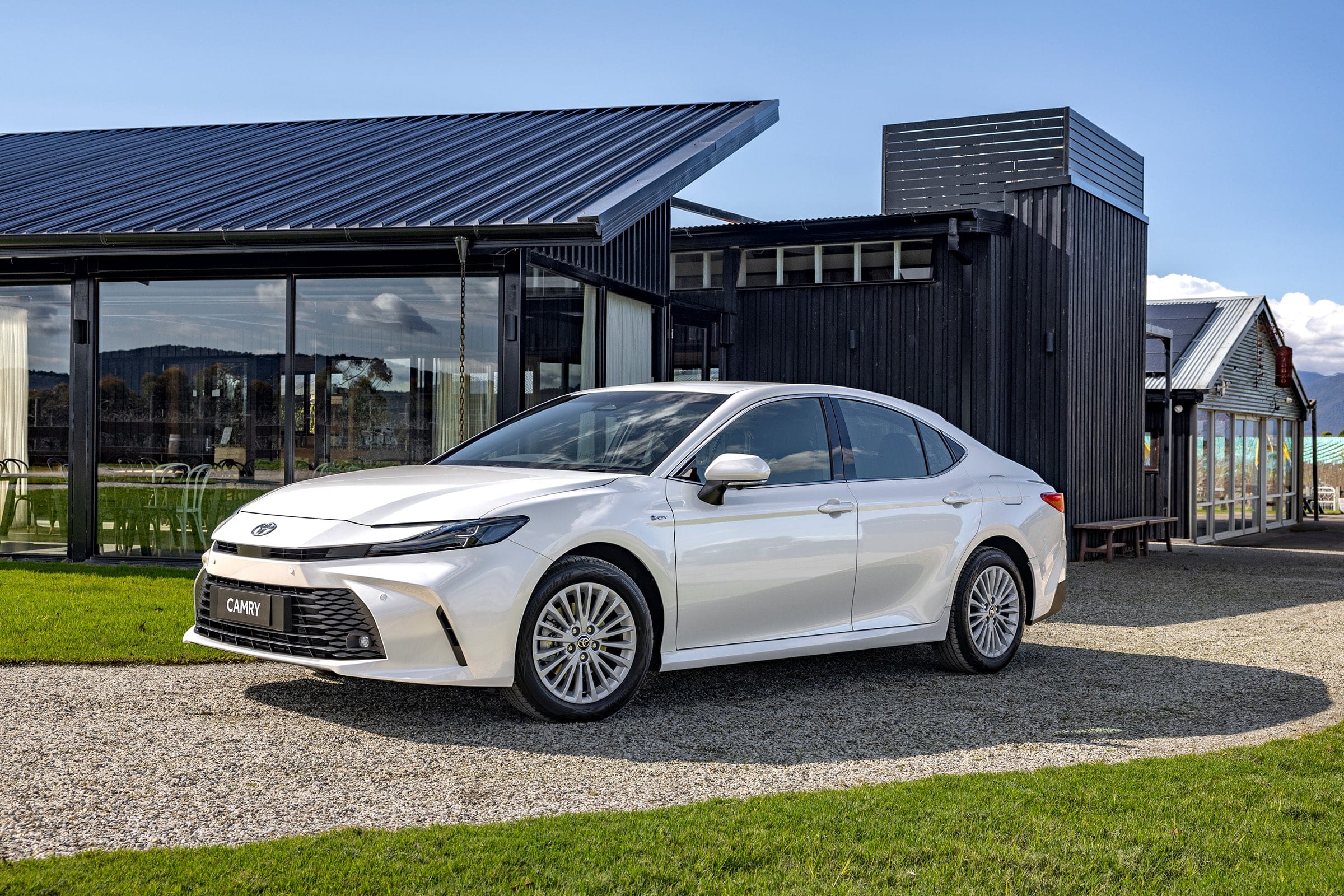
1. Toyota Camry 2025-2026 Instrument Cluster Recall
Toyota announced a safety recall in August 2026 covering certain 2025 and 2026 Camry vehicles. Approximately 508,000 vehicles are involved in the U.S. campaign.
The issue concerns the 7-inch combination meter, which can become blank during startup. A blank display can prevent the driver from seeing required information and can also affect several warning functions. Toyota identified this as a safety-related software issue rather than a mechanical engine or transmission defect.
The affected model is the Toyota Camry for model years 2025 and 2026. Toyota’s notice says the condition can also deactivate the turn signal and hazard lamps, along with certain warning sounds.
Those sounds include reminders associated with the smart key system and driver and passenger seat belts. The problem therefore extends beyond simply losing the speedometer display, because several driver notification functions can be unavailable at the same time.
The potential safety consequence depends on what information or warning function is unavailable when the vehicle is being operated. A driver may not receive required warnings, while malfunctioning turn signals or hazard lamps can reduce communication with other road users.
Toyota states that these conditions can increase the risk of injury or a crash. The recall applies to specific vehicles, so the model and year alone cannot establish whether a particular Camry is included.
Toyota’s planned remedy is a software update for the combination meter. The repair is to be performed by an authorized Toyota dealer without charge to the owner.
Toyota said owners would be notified by early October 2026. Since the recall was announced only in August 2026, owners should not assume that a vehicle is clear simply because it has recently received routine service. A VIN check remains the appropriate way to confirm recall status.
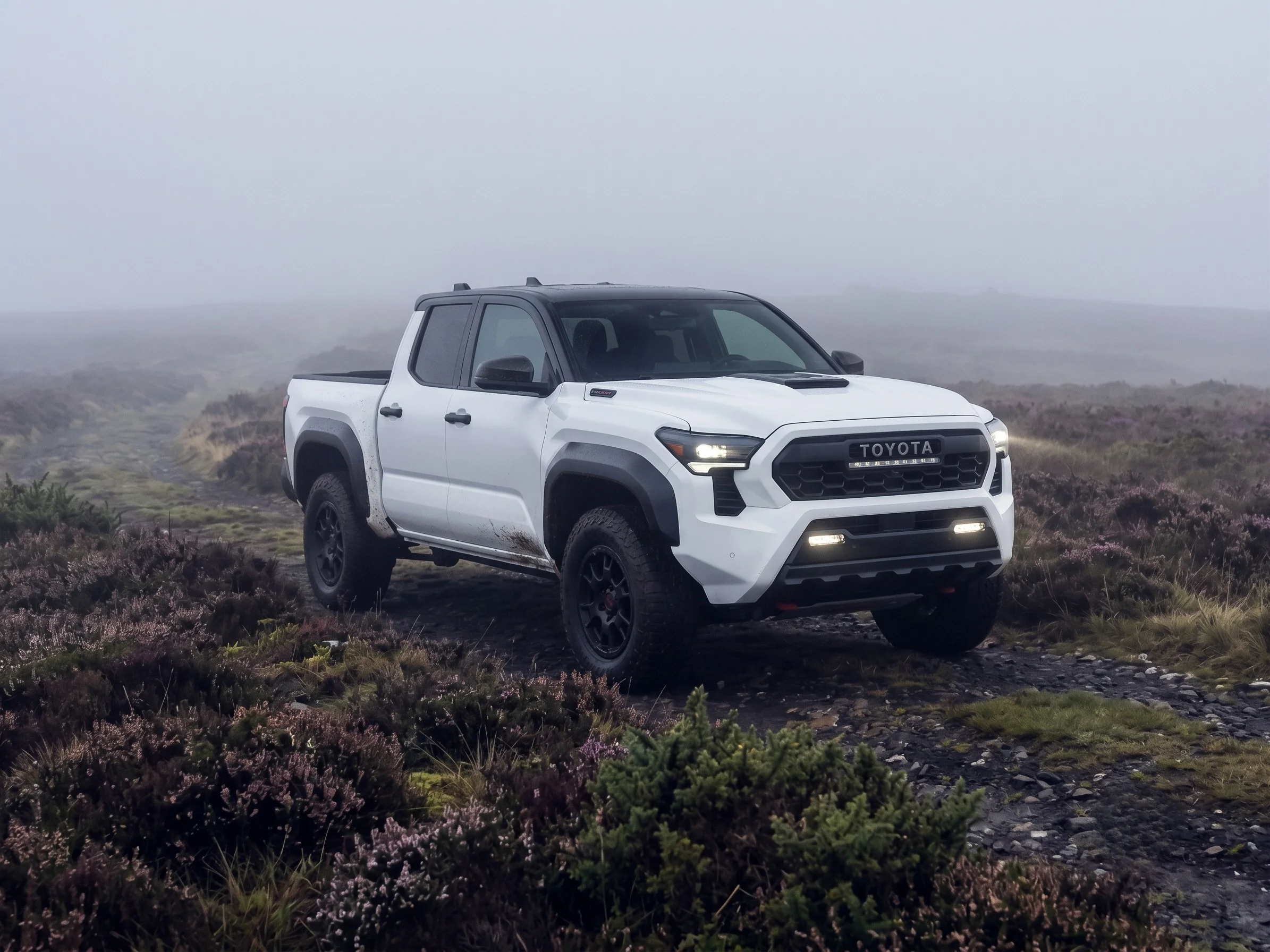
2. Toyota Tacoma 2024-2025 Shock Absorber Recall
Toyota announced another safety recall on August 6, 2026, involving certain 2024 and 2025 Tacoma TRD Off-Road vehicles. Approximately 48,000 vehicles are involved in the U.S.
The issue concerns corrosion that can develop over time around an oil reservoir attached to the shock absorbers. Toyota states that the reservoir can detach while the vehicle is being driven, creating a road hazard.
The affected model is specifically the Toyota Tacoma TRD Off-Road for model years 2024 and 2025. This qualification matters because the recall does not apply automatically to every Tacoma built during those model years.
Toyota’s description identifies the TRD Off-Road configuration as the subject of the campaign. Owners of other Tacoma versions should therefore verify their VIN rather than applying the recall information to their truck based only on its model year.
The safety concern is connected to the possibility that corrosion may weaken the shock absorber assembly and allow its oil reservoir to detach. If a component separates from the vehicle while it is moving, it can become a hazard for the Tacoma occupants and other road users. Toyota states that the condition may increase the risk of a crash or injury to another person using the road.
Toyota’s remedy requires dealers to inspect the front and rear shock absorber assemblies. Affected shock absorber assemblies will be replaced with improved components at no cost to owners.
Toyota said owner notifications were expected by early October 2026. Because the campaign was announced shortly before that notification period, owners with potentially affected vehicles should check the recall record and contact a Toyota dealer rather than waiting for a letter.
The Tacoma campaign is especially relevant for buyers of used 2024 and 2025 trucks because a vehicle may change ownership without the new owner immediately receiving the original recall communication. NHTSA’s system allows owners to search recall information by VIN.
Toyota also directs owners to its recall lookup system. A recent purchase, inspection, or maintenance visit should not be treated as proof that a recall has been completed.
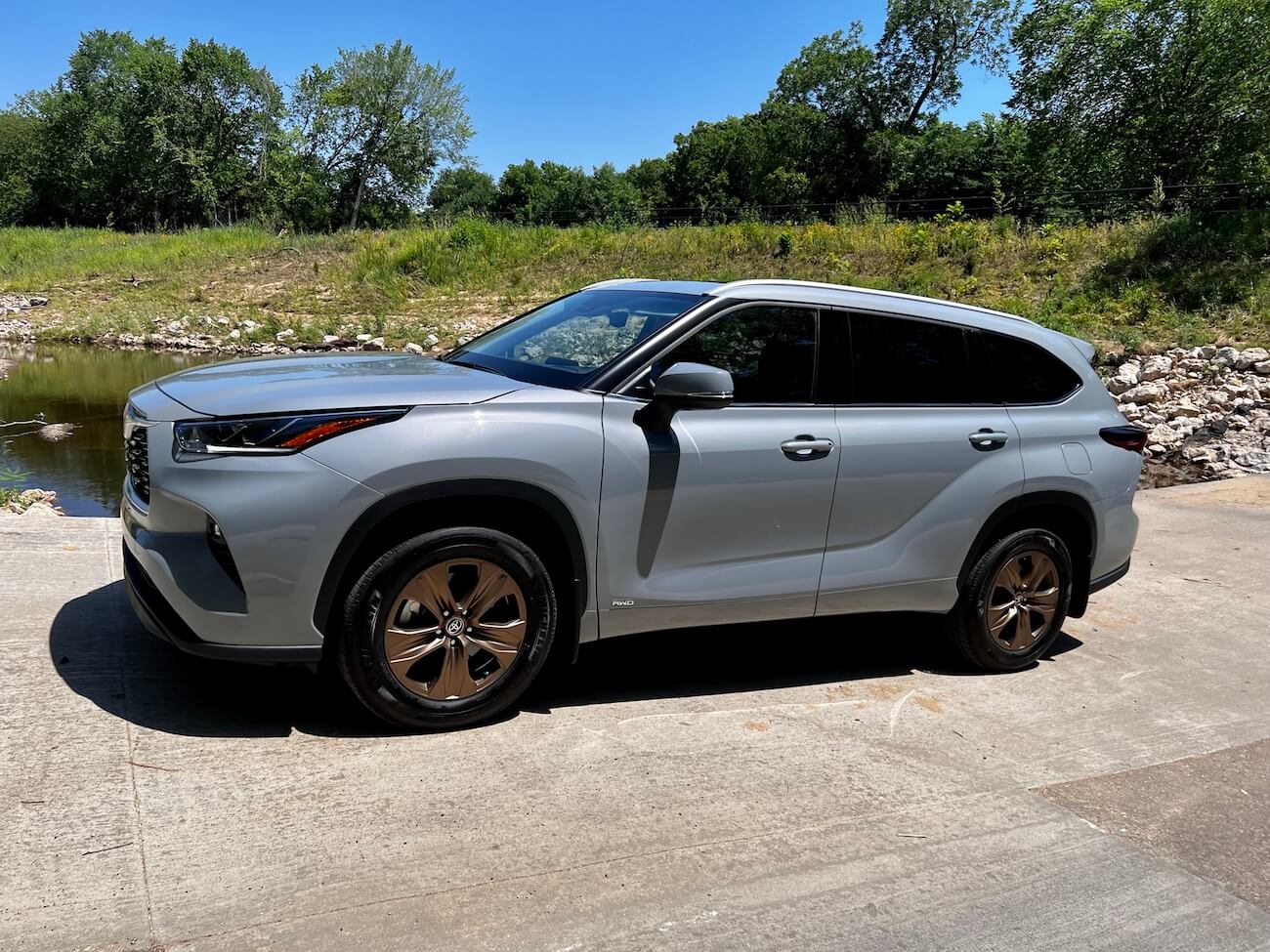
3. Toyota Highlander 2021-2024 Second-Row Seat Recall
A March 2026 Toyota safety recall covers certain 2021 through 2024 Highlander and Highlander Hybrid vehicles. Approximately 550,007 vehicles are involved in the U.S. campaign.
The defect involves second-row seat recliner assemblies that may fail to lock fully after the seat back has been adjusted. Toyota identified the problem as a condition that can affect occupant restraint during a crash.
The affected Toyota models are the 2021-2024 Highlander and 2021-2024 Highlander Hybrid. Toyota’s filing explains that the issue is tied to particular recliner assemblies supplied during specific production periods.
That means the entire Highlander production population is not necessarily involved. The NHTSA filing identifies approximately 550,007 potentially affected vehicles, showing that the campaign covers a substantial number of SUVs.
The problem can occur when the second-row seat back does not fully secure into its locked position. In a collision, a seat back that has not properly locked may not restrain an occupant as intended.
Toyota states that this creates an increased risk of injury. The defect is therefore directly connected with the vehicle’s occupant protection system rather than comfort, convenience, fuel economy, or routine maintenance.
Toyota’s planned repair involves replacing the return springs in the affected second-row seat recliner assemblies. The repair is to be completed free of charge through Toyota dealers.
The recall has been handled in stages, with interim owner communications followed by information concerning the final remedy. Current records show that this campaign remains relevant to owners with unrepaired vehicles, and individual recall status must be checked by VIN.
For people shopping for a used Highlander, this recall deserves particular attention because the affected production years cover several common used-vehicle model years.
A vehicle history report can reveal that a recall was issued, but the safest confirmation is the manufacturer’s or NHTSA’s VIN lookup. NHTSA specifically explains that a VIN search can show unrepaired recalls for an individual vehicle.
4. Toyota Prius 2023-2026 Rear Door Recall
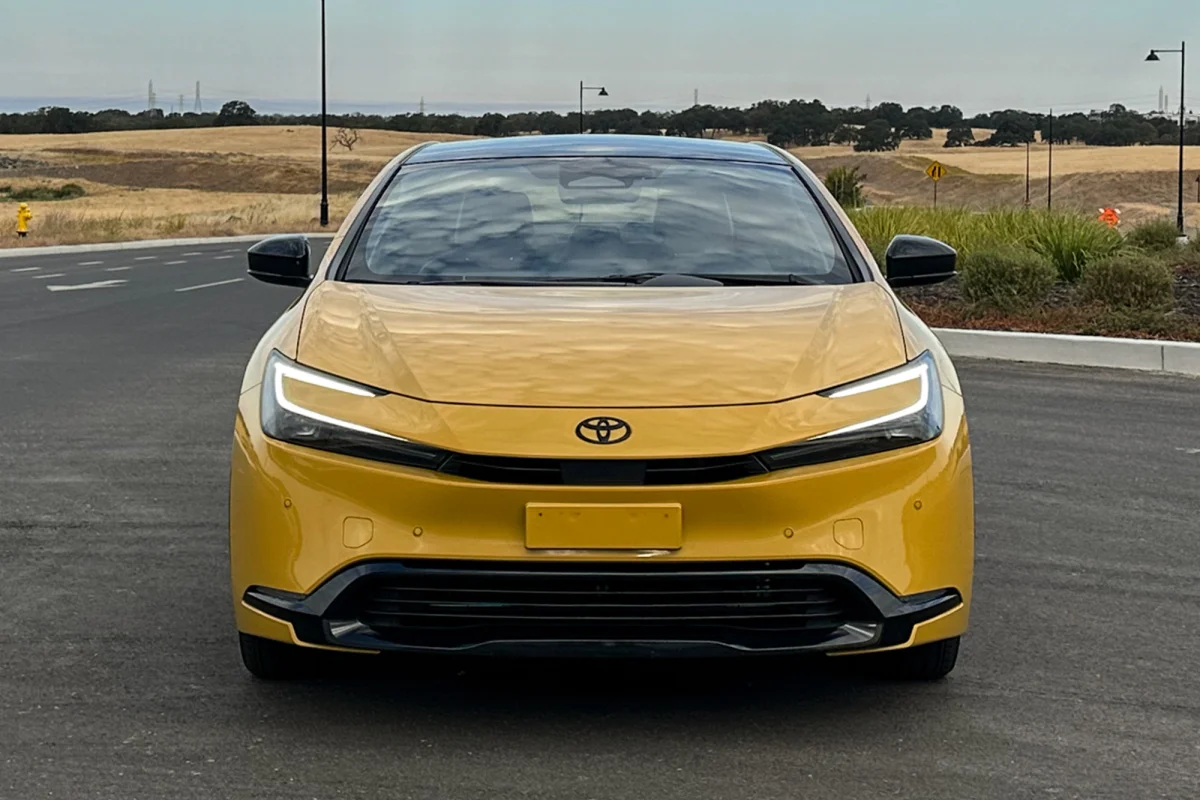
Toyota announced a safety recall in January 2026 involving certain 2023-2026 Prius vehicles. The campaign covers approximately 141,286 vehicles in the United States.
The affected vehicles include 2023-2026 Toyota Prius, 2023-2024 Prius Prime, and 2025-2026 Prius Plug-In Hybrid vehicles. NHTSA campaign 26V049 identifies the electrical system and rear-door switch circuitry as the components involved.
The defect involves water entering an electric rear door switch under certain circumstances. The water can cause an electrical short that activates the switch. If the rear door is unlocked when this happens, the door can potentially open while the vehicle is moving. Toyota states that an unexpectedly opening rear door increases the risk of injury to occupants.
The affected model-year breakdown is important. The regular Prius is covered for 2023 through 2026, while the Prius Prime is covered for 2023 and 2024. The Prius Plug-In Hybrid is covered for 2025 and 2026. NHTSA’s filing gives a total population of 141,286 vehicles, including 102,515 regular Prius vehicles and 15,528 Prius Plug-In Hybrid vehicles in the portions detailed in the filing.
Toyota’s remedy is designed to prevent the rear door switch from activating if water causes a short circuit. Dealers will modify the left and right rear door switch circuits without charging the owner.
Toyota’s recall information states that the campaign expands and replaces an earlier recall, meaning vehicles previously repaired under the earlier campaign may still require the new remedy.
5. Toyota Tundra 2024-2025 Rearview Camera Recall
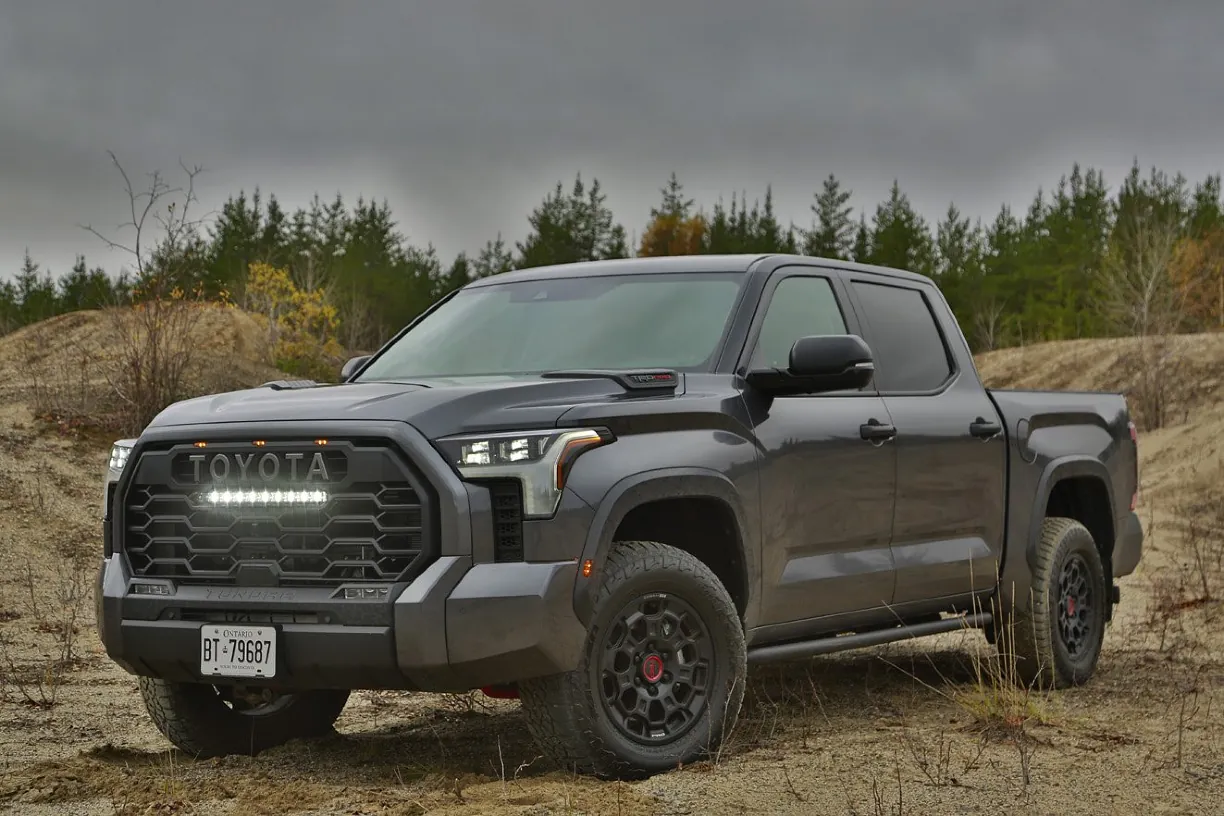
Toyota announced a safety recall in January 2026 involving certain 2024 and 2025 Tundra and Tundra Hybrid vehicles. Approximately 162,000 Toyota vehicles are involved in the U.S. campaign.
The problem affects the multimedia display and parking assist system. Under certain circumstances, the display can become stuck on a camera view or show a black image when the driver needs the rearview camera while reversing.
The affected Toyota models are the 2024-2025 Tundra and 2024-2025 Tundra Hybrid. NHTSA campaign 26V038 lists 161,268 potentially affected vehicles, with 99,767 conventional Tundra vehicles and 61,501 Tundra Hybrid vehicles in the filing.
The NHTSA report states that the affected vehicles contain a particular Parking Assist ECU software configuration.
A rearview camera is particularly important when a large pickup is backing in a parking area, driveway, loading area, or other location where people can be behind the vehicle. Toyota states that if the rearview image is not displayed, the vehicle may fail to meet federal rear visibility requirements and the condition can increase the risk of hitting a person behind the truck.
The remedy is a software update to the Parking Assist ECU. Toyota says dealers will perform the update free of charge. Owner notification was scheduled for March 2026.
The campaign remains relevant for vehicles that still show an unrepaired recall in their individual records. A Tundra owner should therefore confirm the status by VIN rather than assuming the campaign has been completed because the truck received other dealer software updates.
The campaign also demonstrates why recall research should distinguish a model-level recall from a vehicle-level recall. Toyota sold many Tundra and Tundra Hybrid vehicles during the affected years, but the NHTSA filing is based on specific equipment and software characteristics.
A VIN lookup provides the practical answer for a particular truck. NHTSA provides recall search tools for vehicle year, make, model, and VIN information.
6. Toyota Tundra 2022-2025 Reverse Lamp Recall
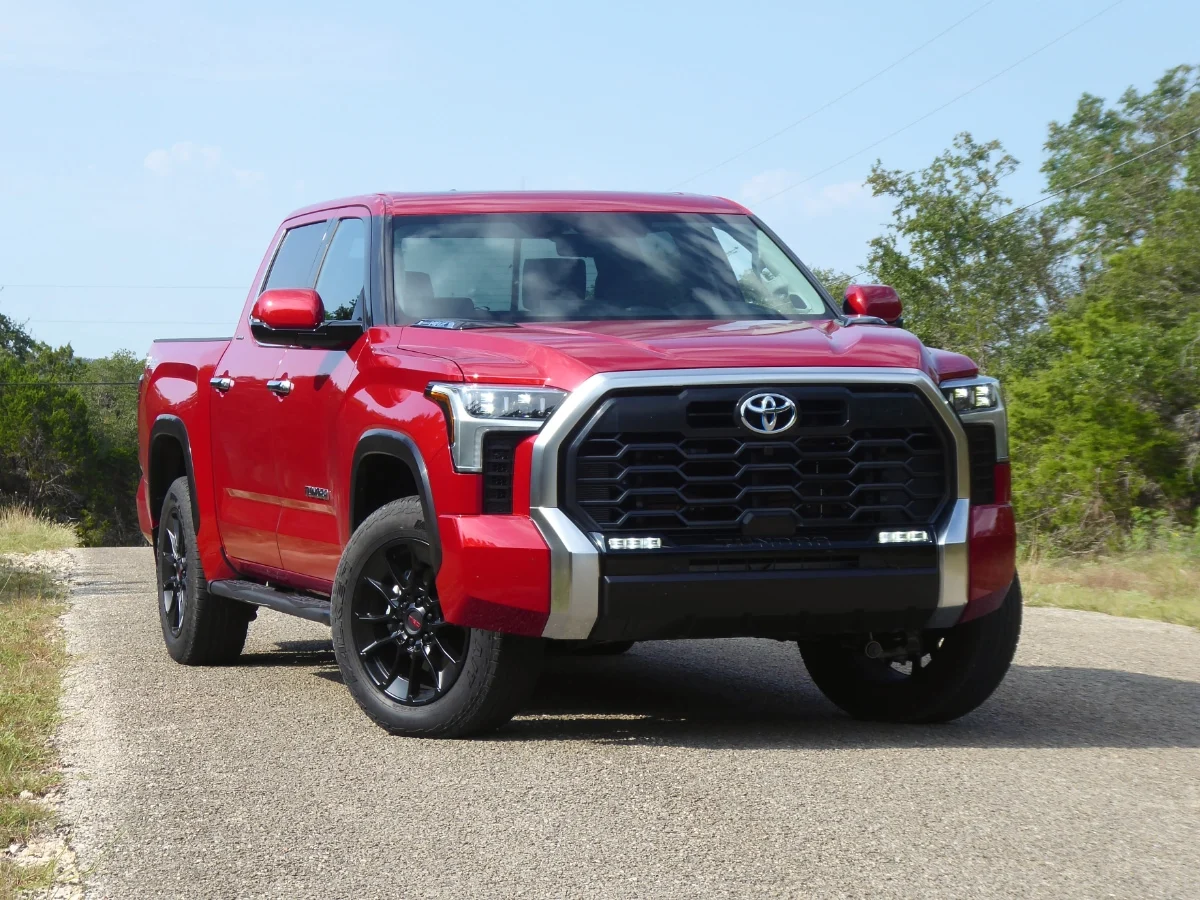
A separate Toyota recall announced in May 2025 covers certain 2022-2025 Tundra and Tundra Hybrid vehicles. NHTSA campaign 25V322 identifies approximately 443,444 potentially affected vehicles.
The defect involves the reverse lamp assemblies. Moisture can enter the assemblies and cause the reverse lamps to stop operating. The recall applies to both conventional Tundra and Tundra Hybrid models.
Toyota’s filing explains that the affected reverse lamps use a particular design involving a multilayer vent patch and adhesive. Moisture intrusion can lead to corrosion of electrical components.
The potential result is failure of both reverse lamps. The condition is important because reverse lamps help illuminate the area behind the vehicle and signal to other road users that the truck is moving backward.
The affected model range covers 2022, 2023, 2024, and 2025 Tundra and Tundra Hybrid vehicles. NHTSA’s official acknowledgment lists both models and gives the total potential population as 443,444 vehicles. Toyota’s filing also notes that not every vehicle built within the production period was necessarily sold in the United States, reinforcing the need for a VIN-based check.
Toyota’s remedy calls for replacement of both reverse light assemblies. Dealers are also instructed to repair the wiring harnesses where corrosion has extended into the relevant connector. The work is free of charge. Toyota announced the campaign with owner notifications planned for 2025, but an individual vehicle remains subject to the recall until its record shows that the required remedy has been completed.
7. Toyota Tundra, Lexus LX and Lexus GX Engine Recall
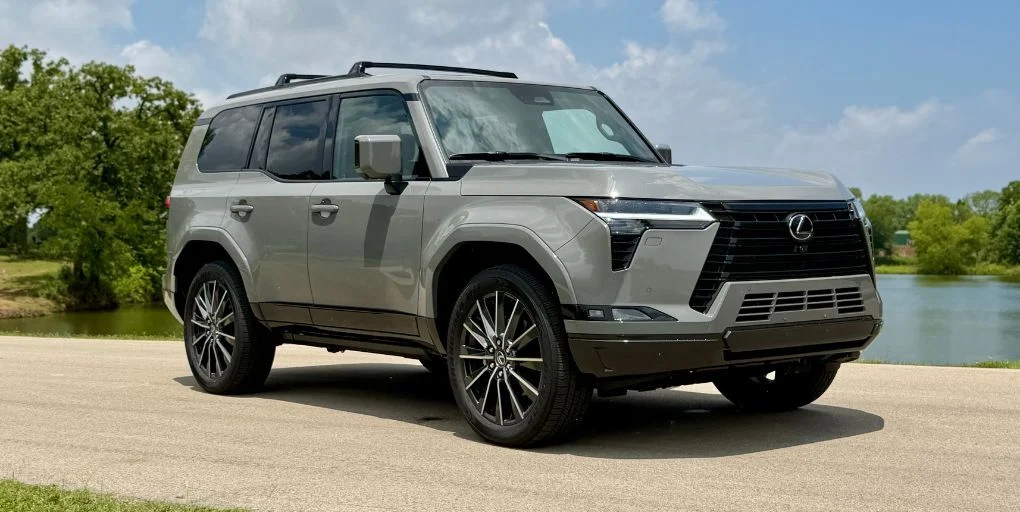
In November 2025, Toyota Motor Engineering & Manufacturing recalled certain 2022-2024 Toyota Tundra, 2022-2024 Lexus LX, and 2024 Lexus GX vehicles equipped with a particular V35A engine configuration. NHTSA campaign 25V767 covers approximately 126,691 vehicles. The defect involves machining debris that may remain inside the engine and contaminate the engine assembly.
For the Toyota brand, the affected model is the Tundra for model years 2022, 2023, and 2024. The same campaign also includes the Lexus LX for 2022-2024 and the Lexus GX for 2024.
Since the campaign was filed by Toyota Motor Engineering & Manufacturing, it is important to recognize that a Toyota-manufactured recall campaign can include both Toyota and Lexus vehicles. The campaign does not mean every Tundra engine is affected.
The potential problem is serious because the machining debris can contaminate the engine and contribute to main-bearing failure. NHTSA states that this can result in engine knocking, rough running, a no-start condition, and potentially an engine stall with loss of drive power. Loss of motive power while driving can increase the risk of a crash.
The recall is particularly notable because Toyota had already conducted an earlier recall involving related V35A engines. The 2025 filing explains that some engines manufactured before the affected period had been covered by recall 24V381, while certain later engines were produced with improved processes or remained under investigation.
This shows that engine-related recall coverage can depend on exact production and engine configuration details.
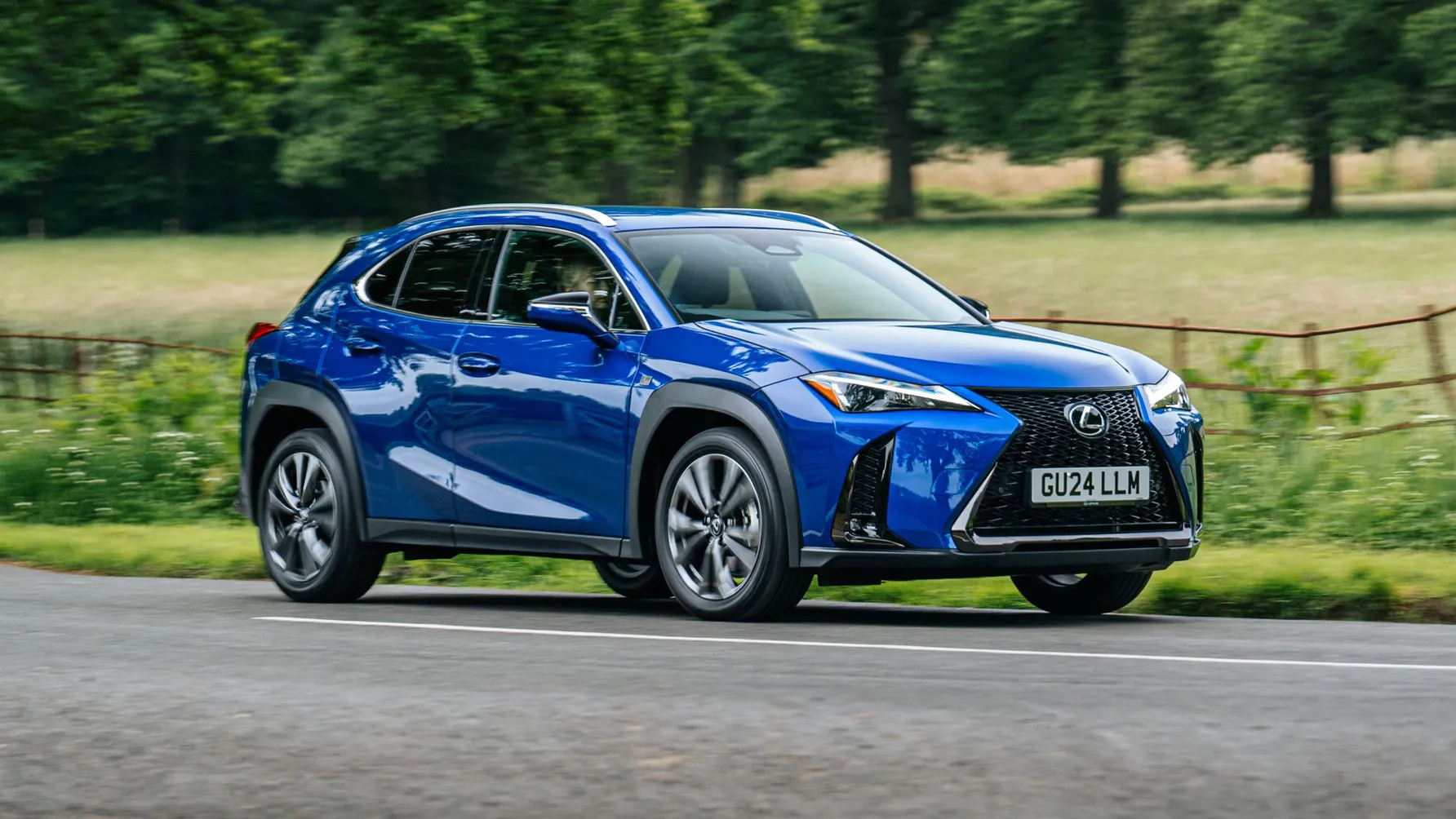
8. Toyota and Lexus Instrument Panel Recall Covering 2023-2025 Vehicles
Toyota announced a broad instrument-panel recall in September 2025 involving approximately 591,000 vehicles in the United States. NHTSA campaign 25V595 covers several Toyota and Lexus models.
The issue involves software that can prevent the instrument panel from displaying important information at vehicle startup. Toyota states that the display may fail to show vehicle speed, brake system information, and tire pressure warning lights.
The Toyota models named in the NHTSA record are 2023-2025 Highlander, 2023-2025 RAV4, 2023-2024 Venza, 2023-2024 RAV4 Prime, 2023-2025 Crown, 2023-2025 GR Corolla, 2024-2025 Grand Highlander, 2024-2025 Tacoma, 2025 4Runner, 2025 Camry, 2025 Crown Signia, and 2025 RAV4 Plug-In Hybrid. The campaign also includes certain Lexus TX, LS, and RX vehicles.
A missing instrument-panel display can prevent the driver from seeing information needed to recognize a vehicle malfunction. Toyota and NHTSA identify an increased risk of a crash or injury when critical indicators are not displayed.
The affected systems are electronic, so the vehicle may otherwise appear to operate normally while the required information is unavailable. That makes a warning-light software problem worth taking seriously.
The remedy depends on the vehicle configuration. Toyota and Lexus dealers are instructed to inspect and update the combination-meter programming or replace the combination meter with an improved unit where necessary. The repair is provided without charge.
Toyota’s September 2025 announcement stated that owner notifications were expected by mid-November 2025, while current recall databases continue to identify the campaign for vehicles that have not received the remedy.
This is among the broadest campaigns in this list by the number of Toyota models included. The important point for owners is that the model list is not a blanket statement that every vehicle is affected.
NHTSA recall records are based on defined production populations. Checking the VIN can determine whether the individual vehicle has an unrepaired campaign. The recall can also coexist with other recalls on the same vehicle.
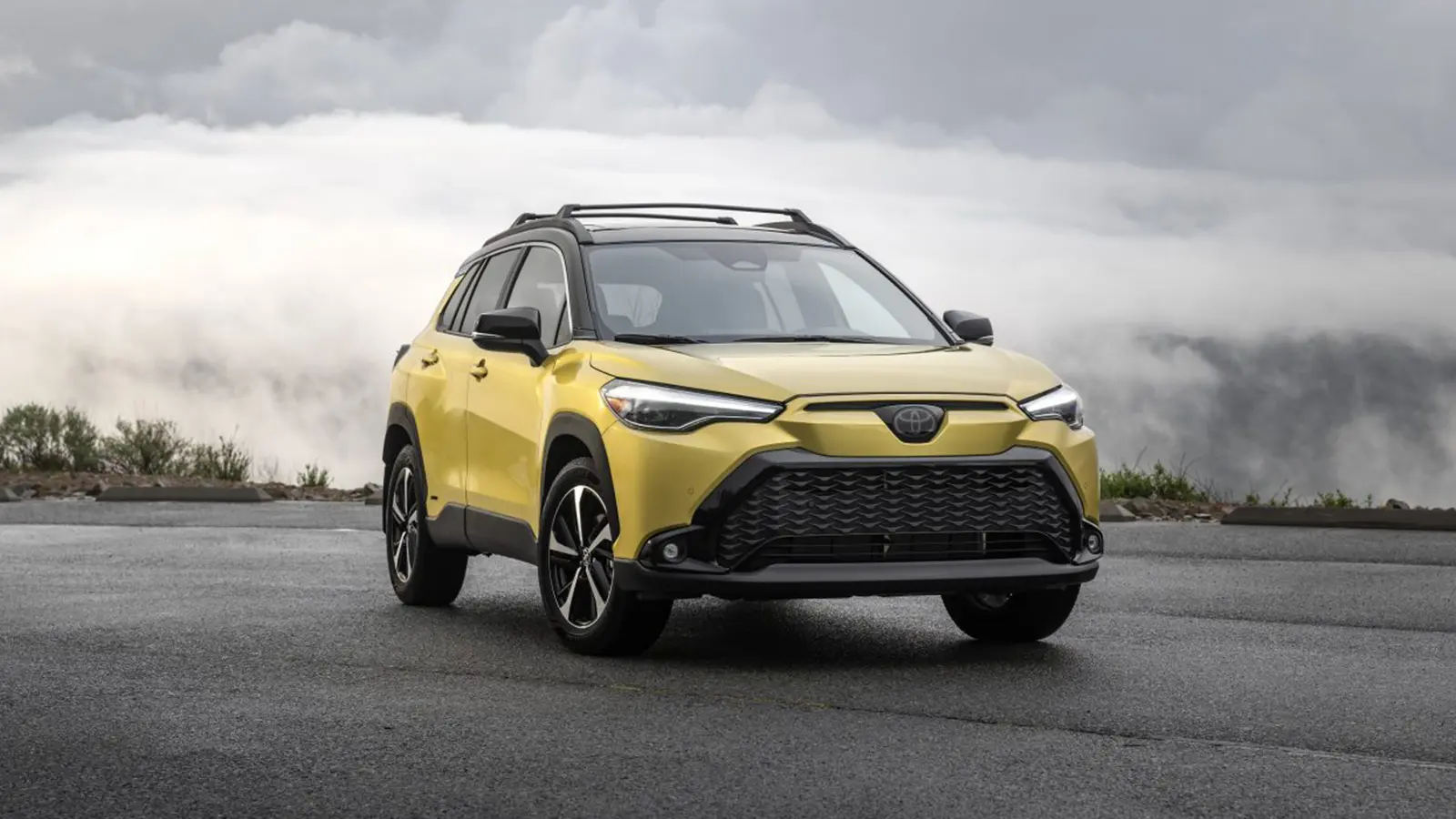
9. Toyota Camry and Corolla Cross Hybrid Inverter Recall
Toyota announced a safety recall in December 2025 involving certain 2025-2026 Camry and 2026 Corolla Cross Hybrid vehicles. Approximately 55,000 Toyota vehicles are involved in the U.S. campaign. The issue involves a bolt inside the inverter used by the hybrid powertrain. Toyota states that the bolt can become loose under certain conditions and potentially cause a loss of motive power or a vehicle fire.
The affected models are the 2025-2026 Toyota Camry and the 2026 Toyota Corolla Cross Hybrid. The recall therefore covers two different Toyota vehicle lines with hybrid powertrains.
The issue is associated with an internal inverter component rather than the gasoline engine itself. Because hybrid vehicles depend on electrical powertrain components for propulsion, a fault inside the inverter can have consequences beyond a conventional warning-light issue.
Toyota states that a loose inverter bolt can lead to a loss of motive power. If that occurs while the vehicle is traveling at higher speeds, the loss of propulsion can increase the risk of a crash. Toyota also identified the possibility of a fire when the vehicle is on. These risks explain why the campaign is classified as a safety recall rather than a routine technical service update.
Toyota initially informed owners that they would be contacted when more information about the repair remedy became available. The company stated that the remedy would be provided free of charge and that customers would be notified by mid-February 2026.
Because recall remedies can progress after the initial announcement, owners should rely on the current VIN-specific recall record for the latest repair status.
The campaign is especially relevant to buyers considering newer hybrid models because both affected vehicles can still be relatively new. A low-mileage vehicle is not automatically free from recall concerns.
Manufacturing defects can be present regardless of mileage, and NHTSA’s recall system is designed to identify vehicles using VIN-based information. Anyone buying a 2025-2026 Camry or 2026 Corolla Cross Hybrid should complete a recall check before purchase.
