
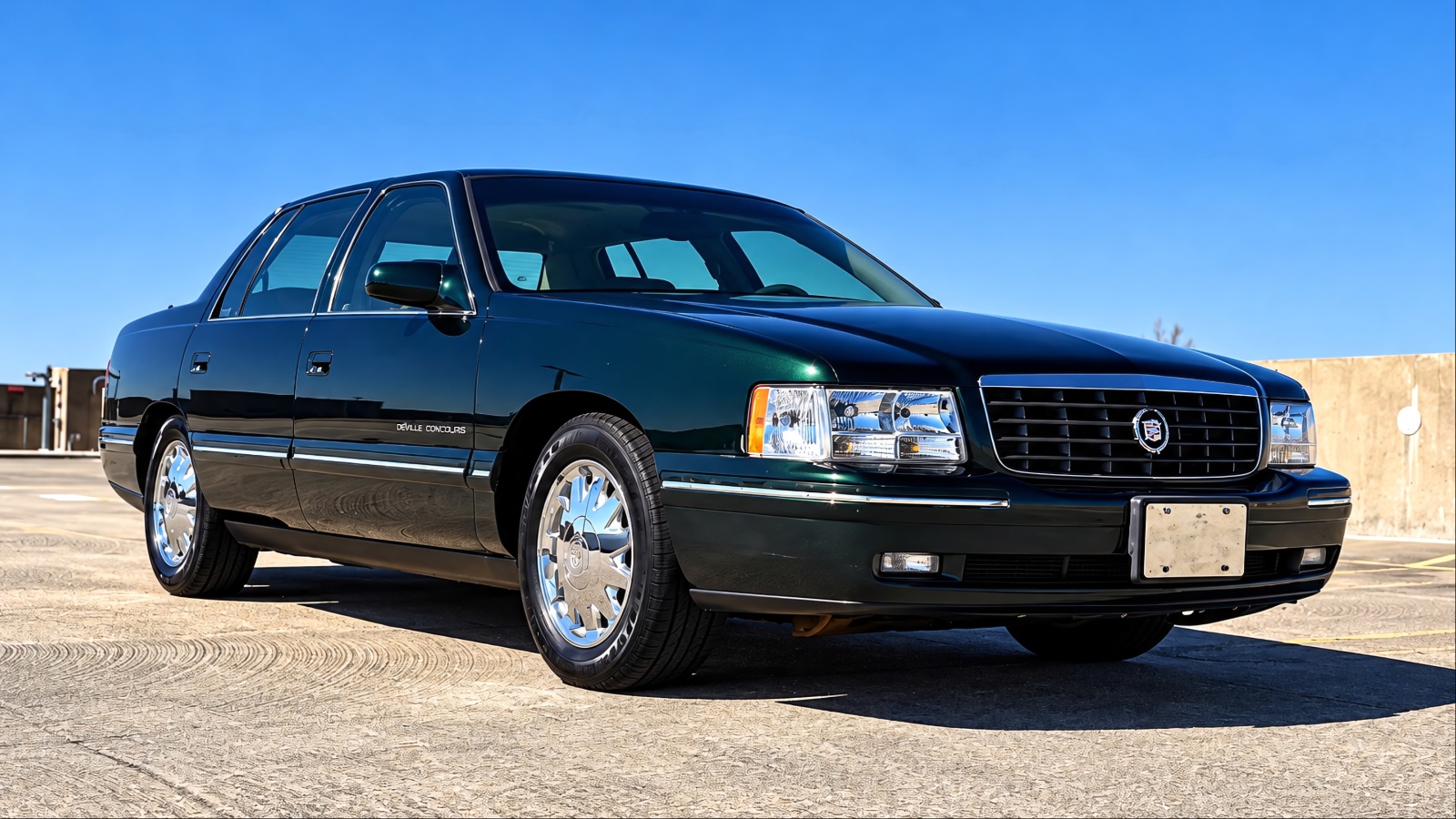
Cars built for popes are rarely ordinary vehicles. They are created to balance visibility, security, comfort, ceremony, and practical travel during major public appearances. Over the decades, manufacturers in the United States and elsewhere have adapted limousines, SUVs, pickup trucks, and luxury cars for papal use.
Some were built specifically for a single visit, while others became part of the Vatican’s longer transport history. The United States has played a notable role, particularly through the Lincoln Continental, GMC-based vehicles, Cadillac, and Jeep. Here are six documented examples that show how automotive design has adapted to the needs of religious leaders.
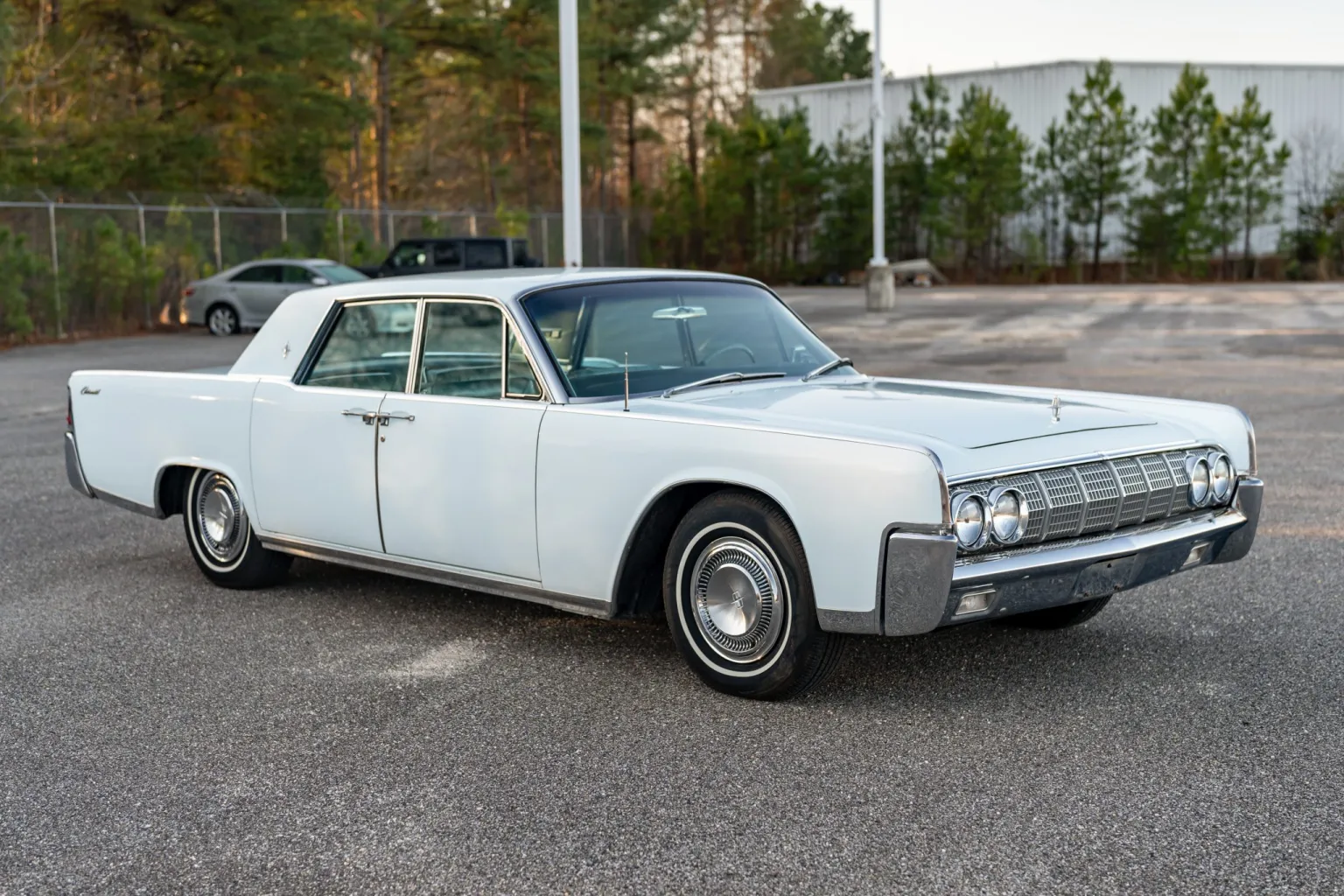
1. 1964 Lincoln Continental Stretch Limousine
The 1964 Lincoln Continental is among the most recognizable American cars connected with a papal visit. A specially modified stretch version was prepared for Pope Paul VI during his historic 1965 visit to the United States.
Ford’s own historical material identifies the car as a 1964 Lincoln Continental Stretch Limousine custom-built by Lehmann-Peterson for the pope’s New York visit. That detail matters because the car was not simply a standard Lincoln taken from a dealership and placed into service. It received specific modifications intended to make the pope visible during public appearances.
The car was enormous by modern standards. Ford lists it at 252 inches long, with a 160-inch wheelbase and an 84-inch width. Under the hood was a 430-cubic-inch V8 producing 320 horsepower, connected to a three-speed automatic transmission. Its size gave designers considerable room to create a special rear passenger area.
The removable roof was particularly important because it allowed the occupants to wave to crowds during parade-style appearances. That feature made the vehicle suitable for a public figure whose presence needed to be seen from the roadside.
Pope Paul VI used the Lincoln during his 1965 American tour, which included New York City. His visit was historically significant because it was the first visit to the United States by a sitting pope. The Lincoln therefore became connected with a major moment in American religious and political history without being a government limousine.
It was a privately built vehicle adapted for a religious leader who was visiting the country for a short but highly publicized trip. Contemporary historical accounts also note that the car carried the pope during his New York appearances and later had a surprising connection with America’s space program.
After the papal visit, the Lincoln did not simply disappear into a storage facility. It later became a parade vehicle in Chicago and was used by other prominent figures. Ford’s historical material specifically notes that Apollo astronauts rode in it during later parade appearances.
That gives the car a particularly American story, connecting the Catholic Church, presidential-era limousine culture, and the celebrations surrounding the Apollo program. Its later history also shows how specially adapted ceremonial vehicles can continue serving public purposes after their original assignment has ended.
The Lincoln is important because it demonstrates that a papal vehicle does not always need to resemble the familiar glass-sided Popemobile. Its long body, open rear section, elevated seating arrangement, and parade-oriented design reflected the circumstances of Paul VI’s American visit.
It was essentially an American ceremonial limousine modified around the needs of a visiting pope. For a list focused on U.S. automotive history, it deserves a prominent place because it was purpose-built in America for a papal appearance on American soil.
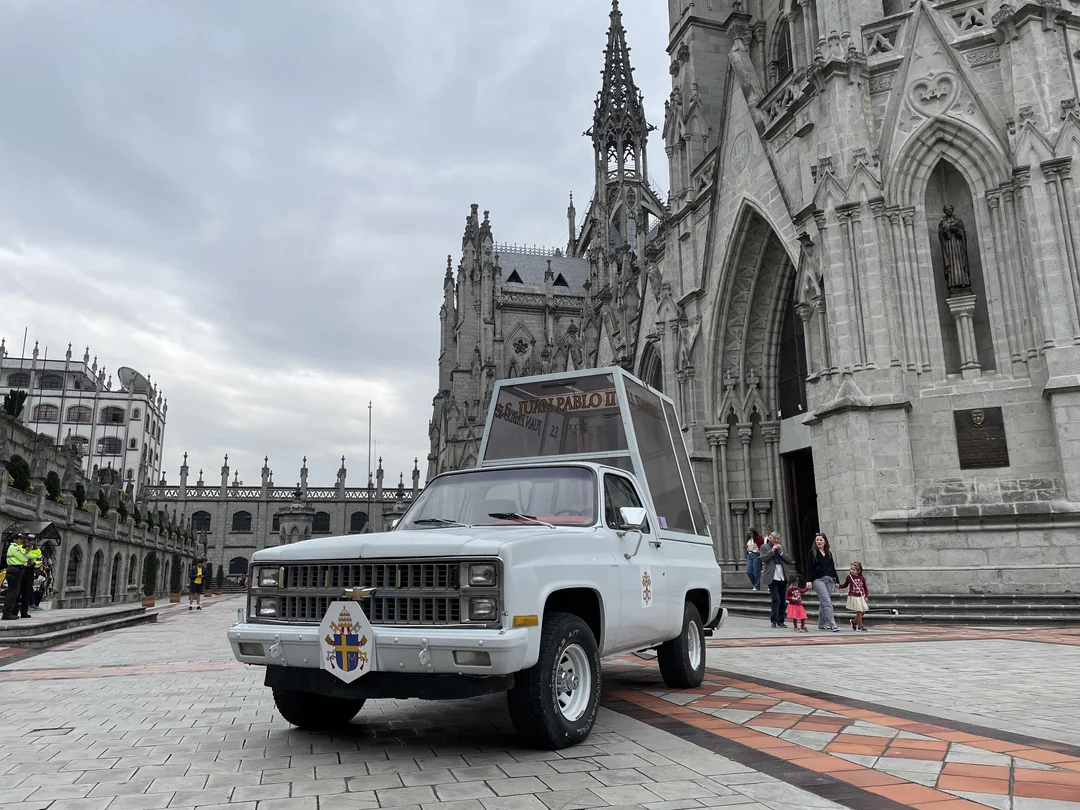
2. 1984 GMC Sierra-Based Popemobile
When Pope John Paul II visited Canada in 1984, a very different type of vehicle was prepared for him. Instead of using a luxury limousine as the foundation, designers started with a GMC pickup truck. The resulting vehicle was built around a GMC Sierra platform and extensively modified for papal appearances.
Historical accounts describe the Canadian vehicle as a large custom construction with special seating and substantial protective equipment. It was created to allow the pope to be seen by large crowds while providing a greater degree of protection than an ordinary pickup could offer.
The choice of a pickup truck was practical. A truck chassis could support a substantial custom body while providing a high driving position and plenty of room for modifications.
The vehicle used for the 1984 Canadian visit was rebuilt by Thibault Fire Engines in Quebec, showing that a U.S.-origin vehicle could become the basis for a specialized religious transport project through Canadian engineering. It was not a normal GMC Sierra configuration. The rear section was extensively reconstructed for the pope and accompanying personnel.
The vehicle also illustrates how the meaning of a Popemobile changed after the 1981 assassination attempt on John Paul II. Before the attack, the pope could travel in more open vehicles that placed him close to crowds. Afterward, security became a much greater consideration.
The U.S. Conference of Catholic Bishops explains that protective glass became part of Popemobile design after the 1981 attempt, while handrails and special entry arrangements were also incorporated into vehicles used for public appearances.
The GMC-based vehicle had a later life as well. Historical records indicate that the Canadian Popemobile was subsequently associated with another papal visit and eventually entered museum display. That kind of preservation is valuable because these vehicles are more than transportation.
They document how security engineering, vehicle manufacturing, public relations, and religious ceremony came together during major international visits by the pope.
For American automotive history, the GMC example is especially interesting because it shows how a familiar commercial vehicle could be transformed into a highly specialized ceremonial machine. A pickup normally associated with construction sites, farms, and work duties became a platform for transporting the head of the Catholic Church.
The transformation says more about engineering flexibility than luxury. Designers needed strength, space, stability, visibility, and room for security modifications, and a truck platform provided a useful starting point for those requirements.
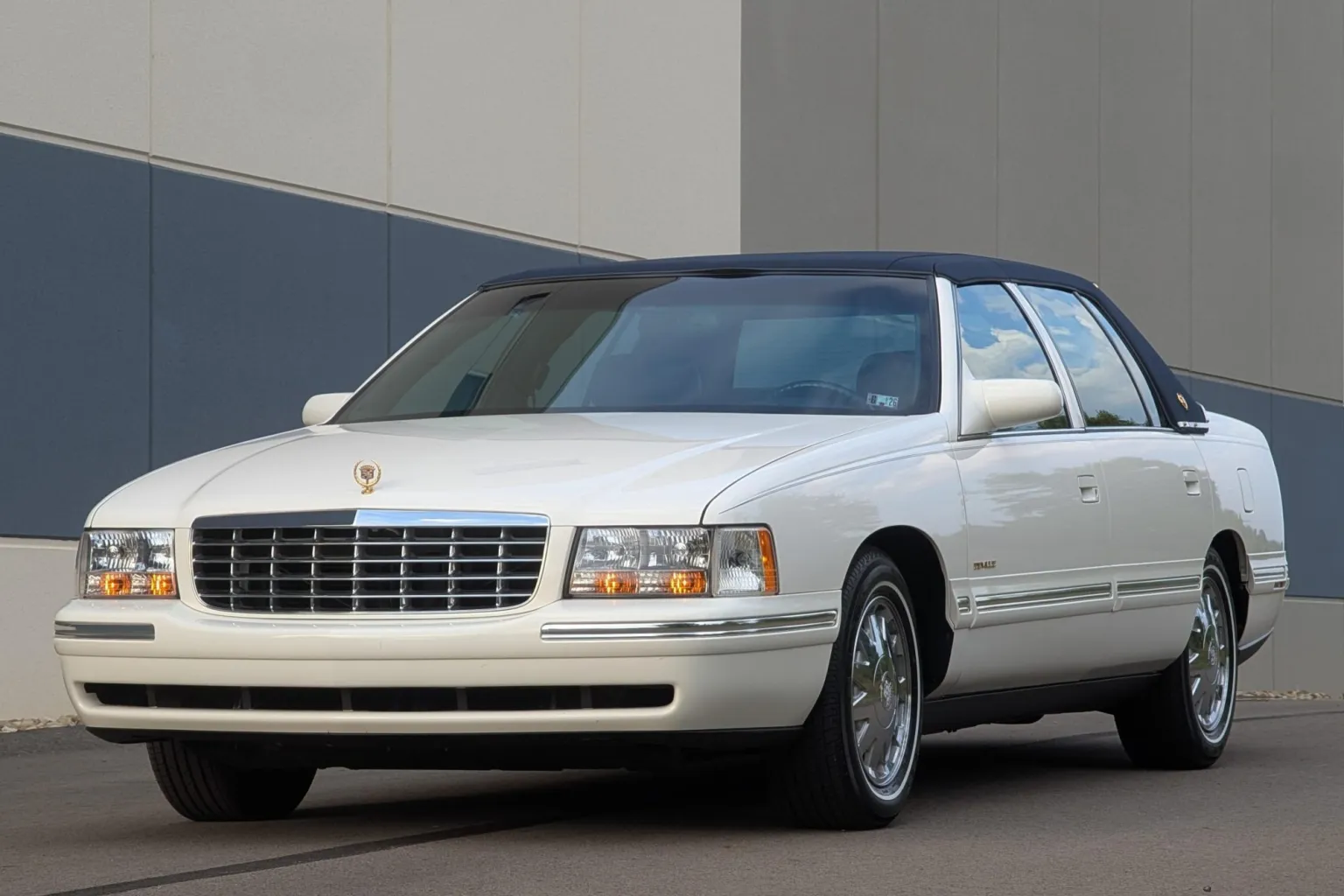
3. 1999 Cadillac DeVille Parade Phaeton
The Cadillac DeVille is another American vehicle associated with a papal visit. A special Cadillac DeVille Parade Phaeton was designed in connection with Pope John Paul II’s visit to the United States in 1999.
The vehicle was created specifically for the occasion, giving Cadillac a place in the history of specially prepared American papal transportation. Automotive histories identify the vehicle as a custom-built ceremonial version rather than an ordinary production DeVille.
The design was based on a simple principle shared by many ceremonial vehicles used by the pope. The passenger needed to remain visible to crowds along the route, something that would have been difficult in a standard enclosed sedan.
The Parade Phaeton therefore had an open configuration that allowed John Paul II to be seen more clearly. This approach echoed earlier American papal vehicles, including the Lincoln used by Paul VI in New York decades earlier.
The Cadillac connection also shows how U.S. manufacturers approached ceremonial vehicles differently from Mercedes-Benz. Mercedes eventually became strongly associated with the classic Popemobile shape, especially the elevated transparent enclosure mounted over a rugged vehicle.
American manufacturers were more likely to provide large domestic sedans, trucks, or parade-style platforms adapted to local circumstances. These choices were influenced by the destination, security requirements, available engineering facilities, and the type of public event involved.
John Paul II’s relationship with cars was also broader than the highly specialized vehicles seen during major public events. Throughout his pontificate, different countries prepared vehicles for his visits, sometimes using local manufacturers and sometimes adapting existing models.
The Vatican Museums’ historical material lists a wide variety of papal vehicles, including Toyota, Fiat, Land Rover, Mercedes-Benz, and other manufacturers. This makes it inaccurate to think that there was a single standardized Popemobile used everywhere.
The Cadillac DeVille Parade Phaeton therefore represents an important American chapter in that broader history. It was not merely a luxury sedan carrying a famous passenger.
It was a ceremonial vehicle designed around visibility and public interaction. Its connection with the 1999 American visit demonstrates that U.S. automakers continued developing specialized transportation for religious leaders even after the Mercedes-Benz G-Class had become strongly associated with the Popemobile image.
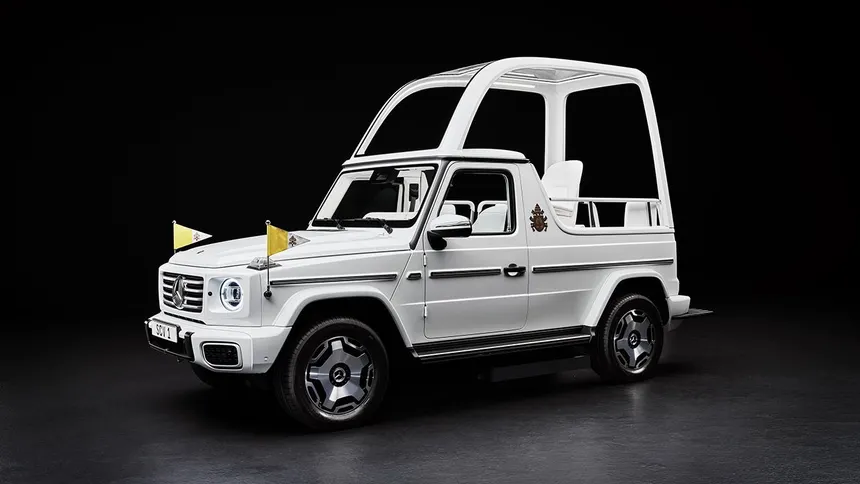
4. Jeep Wrangler Popemobile
The Jeep Wrangler became one of the most recognizable American vehicles associated with Pope Francis. During his 2015 visit to the United States, a modified Jeep Wrangler was prepared for his public appearances.
The vehicle followed Francis’s preference for relatively simple, open vehicles that allowed him to remain close to crowds. The Holy See Press Office confirmed at the time that a retrofitted Wrangler would be used during the American trip, with the vehicle placed under the care of the U.S. Secret Service.
The Wrangler was particularly suitable for this role because its basic design already emphasizes an open cabin and utility. Rather than creating a massive enclosed limousine, engineers could adapt an existing American SUV for ceremonial use.
The vehicle could accommodate a raised passenger position and provide the pope with a clear view of people along the route. Its familiar shape also made it visually different from the formal Mercedes limousines that had served earlier popes.
Francis’s use of simpler vehicles attracted attention because it matched the less formal image he often presented in public. That observation should be kept separate from claims about his personal motives, since the documented fact is simply that he used a variety of modified production vehicles.
The Washington Post reported that the Vatican selected a retrofitted Jeep Wrangler for his 2015 U.S. trip, following his use of a similar vehicle during his visit to Ecuador.
The American Wrangler was also a reminder that the term Popemobile describes a function rather than a single model. A Popemobile can be based on a luxury sedan, pickup, SUV, van, or off-road vehicle. Its defining purpose is to transport the pope during public appearances while addressing visibility, security, access, and crowd interaction.
The U.S. Conference of Catholic Bishops describes Popemobiles as specially equipped vehicles intended to protect the pope while allowing him to remain visible to crowds.
The Wrangler is especially relevant to a U.S.-focused list because Jeep is an American automotive name with a long association with utility vehicles. Turning a Wrangler into papal transportation demonstrated how a mass-market American SUV could be adapted for a highly unusual assignment.
It also reflected a broader shift toward using familiar vehicles rather than relying exclusively on traditional luxury limousines.
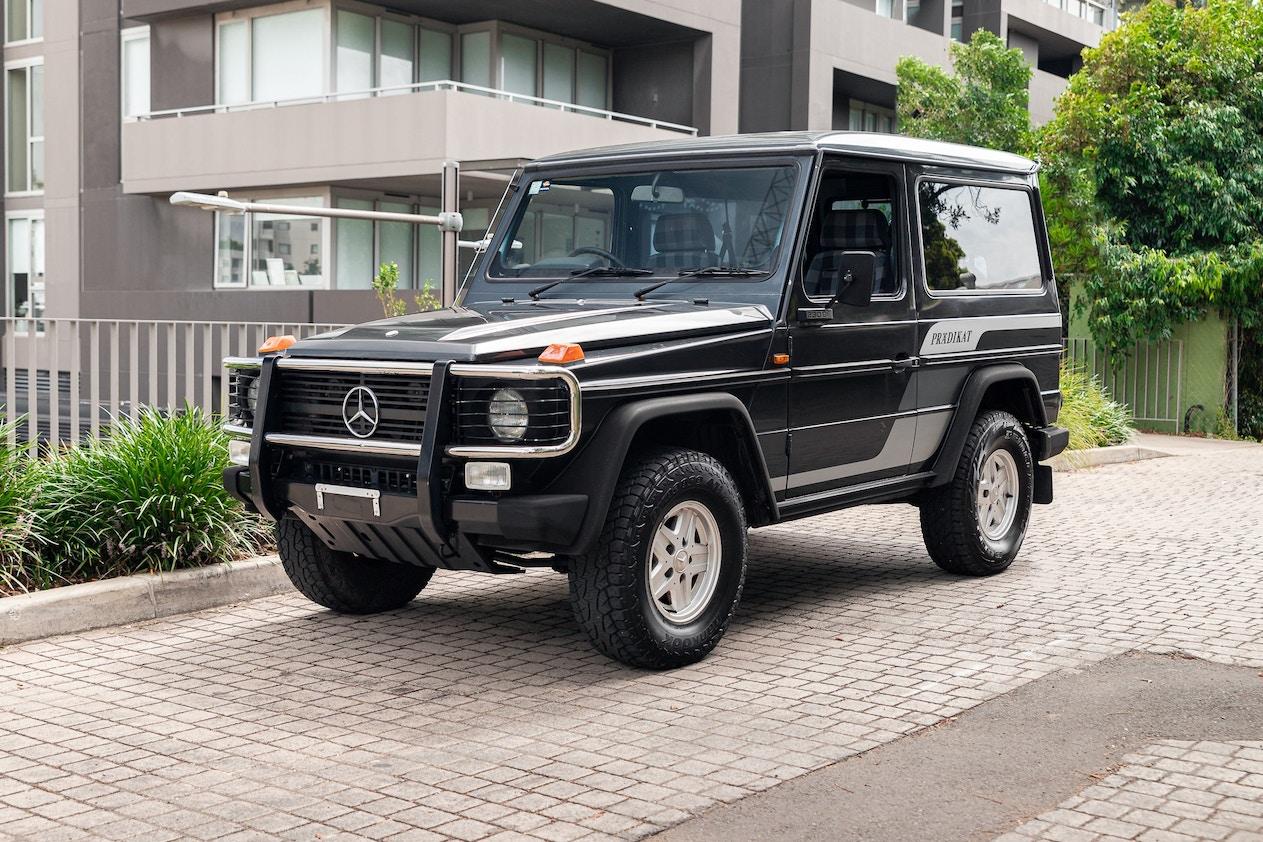
5. Mercedes-Benz 230 GE Popemobile
The Mercedes-Benz 230 GE represents a major turning point in papal vehicle design. Used during the pontificate of John Paul II, it helped establish the basic visual form that many people now associate with the word Popemobile.
The vehicle was based on the G-Class, an off-road model known for its rugged construction. A raised rear section was added so the pope could be positioned above the vehicle and remain visible to people gathered around St. Peter’s Square.
The vehicle’s development also needs to be understood in relation to the 1981 assassination attempt against John Paul II. Before the attack, papal vehicles could be much more open. Afterward, protection became central to the design.
The Vatican Museums note that the Mercedes-Benz 230 GE entered service as an armored Popemobile and remained part of the papal transport history for years. The U.S. Conference of Catholic Bishops likewise identifies protective glass as an important development after the attack.
The G-Class was an unusual foundation for a ceremonial vehicle, but its rugged construction made sense for international travel. Papal visits often required vehicles to operate on different roads, vehicles included the 300 Landaulet, 600 Pullman Landaulet, 300 SEL, and several generations of G-Class-based Popemobiles.
Mercedes also drove around stadiums, through city centers, and in controlled public spaces. A four-wheel-drive platform could provide flexibility that a long limousine could not. The high roof and raised passenger compartment also created a clear sightline for crowds.
Mercedes-Benz has maintained a long relationship with the Vatican. The company says its first vehicle for Pope Pius XI was a Nürburg 460 Pullman delivered in 1930. Later vehicles included the 300 Landaulet, 600 Pullman Landaulet, 300 SEL, and several generations of G-Class-based Popemobiles. Mercedes also notes that the G-Class became a recurring foundation for papal vehicles from the 1980s onward.
The 230 GE’s influence can still be seen in later Popemobiles. Its combination of an elevated passenger position, off-road foundation, white exterior, and specialized rear structure created a template that was repeatedly developed rather than discarded.
It helped transform the Popemobile from a temporary modified vehicle into a recognizable category of purpose-built transportation.
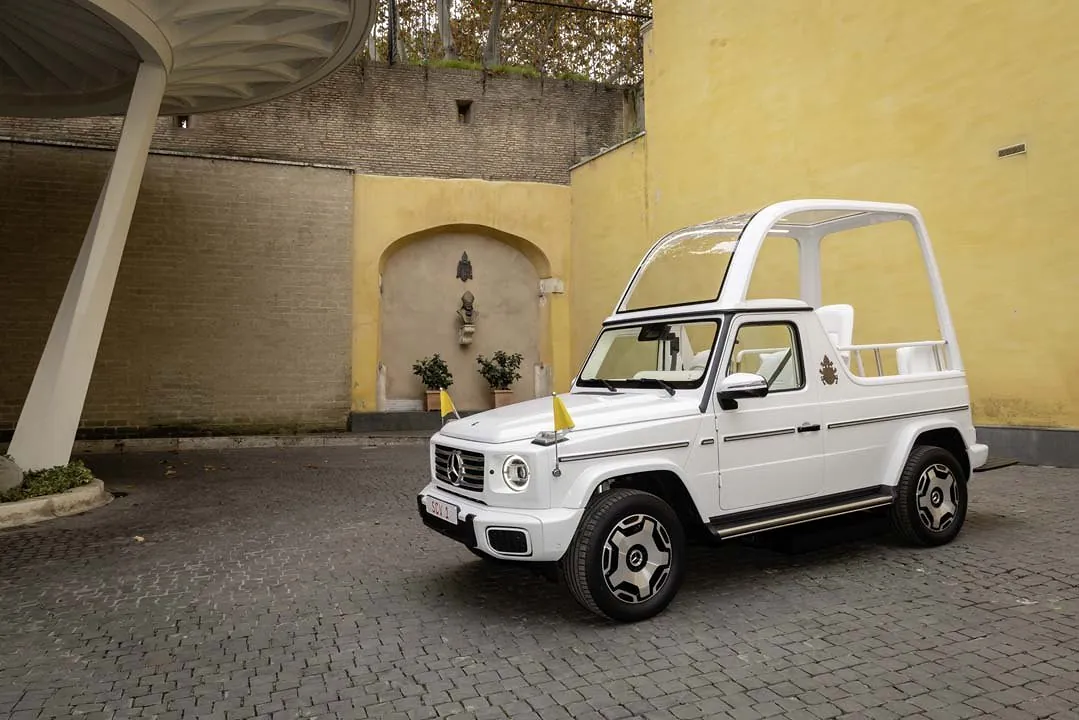
6. Mercedes-Benz G-Class Popemobile
The Mercedes-Benz G-Class continued its connection with the Vatican long after the 230 GE. From 2002, John Paul II used a G 500 from the 463 series, and the same broad generation of vehicle was also used by Benedict XVI and Francis.
Mercedes-Benz describes the G-Class as a major part of its long-running relationship with the Vatican and notes that specially designed vehicles based on other Mercedes models have also been used at various times.
Benedict XVI’s era also produced distinctive G-Class designs. A 2007 version was created after a request for an open Popemobile that could be used in favorable weather.
The vehicle featured a folding windshield and a handrail to help the pope remain steady while moving slowly through St. Peter’s Square. This highlights an important feature of papal vehicles. They are not designed for high-speed travel. During public appearances, their primary purpose is to move at controlled low speeds while keeping the pope visible and safe.
The G-Class became closely associated with the modern image of papal transport because its square profile and white body created a recognizable silhouette.
Yet it would be misleading to claim that every pope uses exactly the same vehicle. The Vatican Museums documents several generations and brands, while Mercedes-Benz itself describes the G-Class as part of a much larger collection of specialized Vatican vehicles.
The continuing use of G-Class-based vehicles also demonstrates how a commercial off-road vehicle can become a platform for specialized engineering. The production model supplies the basic structure, while the final vehicle can be radically different from what a customer encounters at a dealership.
In papal service, the G-Class has become less about luxury in the traditional sense and more about utility, as in 2024, when Mercedes-Benz presented Pope Francis with a one-off electric Popemobile based on the G-Class.
Mercedes-Benz described it as its first all-electric Popemobile. The vehicle was developed specifically for Francis and prepared for use around St. creating a stable, recognizable, adaptable platform for public appearances.
