
Police cars are usually built for practicality, reliability, equipment, and long hours on the road. Yet some police departments have used vehicles that look far removed from the familiar patrol sedan or SUV.
From a single-seat BAC Mono in the Isle of Man to a Nissan GT-R in Japan, these unusual police cars have served different purposes, including traffic enforcement, public events, road safety campaigns, emergency transport, and patrol work.
Some were donated by manufacturers or private owners, while others became part of carefully selected specialist fleets. Their unusual designs make them memorable, but their police equipment and intended duties are what make these vehicles genuinely interesting.
1. BAC Mono Police Car, Isle of Man
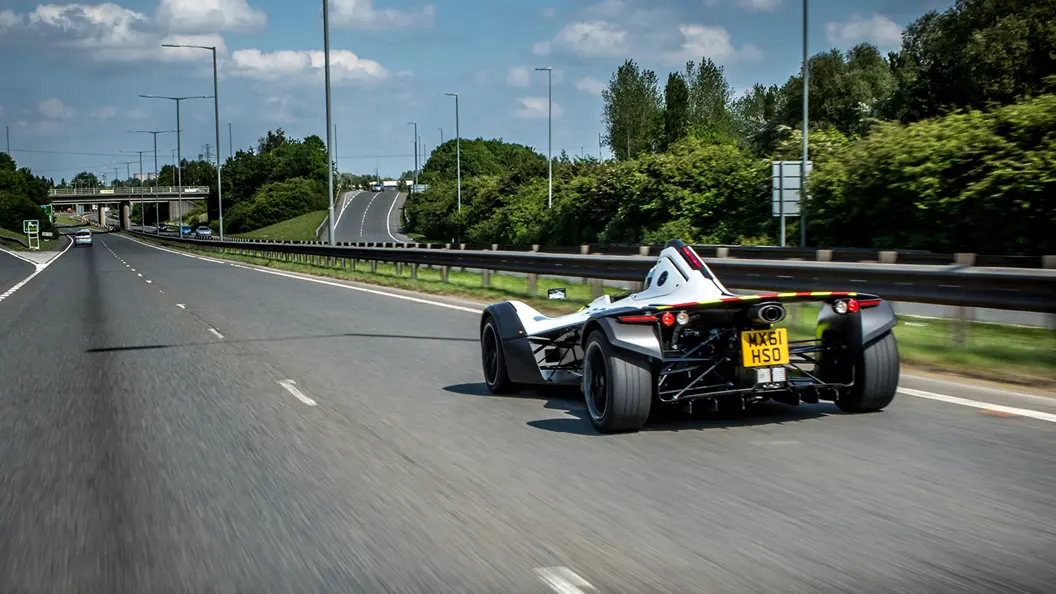
The BAC Mono is probably not the first vehicle that comes to mind when you picture a police car. It is a lightweight, single-seat sports car produced by Briggs Automotive Company in Britain. The Isle of Man Police became associated with a police-liveried BAC Mono, a particularly striking choice given that the vehicle has room for just one person.
That means it was never designed to function like a conventional patrol vehicle, where officers need to carry equipment, passengers, or people in custody. Its unusual layout is closely connected with its promotional and road-safety role.
The Isle of Man has a special connection with high-performance motorcycles and motorsport through the famous Isle of Man TT. The event uses the Snaefell Mountain Course, a challenging road circuit that passes through towns and rural areas.
A high-performance police vehicle therefore makes a certain amount of sense for public engagement, particularly during major motoring events. The BAC Mono associated with the police was used for appearances and road-safety messaging rather than serving as a conventional prisoner-transport patrol car.
The numbers also help explain why the Mono attracts attention. Reports about the police example have described it as producing around 305 bhp while weighing roughly 540 to 570 kilograms, depending on the specification cited. That combination gives the car an extraordinary power-to-weight ratio.
It is built around a lightweight carbon-fibre monocoque and has a very different construction philosophy from the sedans and SUVs normally selected for police fleets. Its performance is therefore much more relevant to its public image than to everyday police practicality.
A major point to remember is that the BAC Mono was not simply acquired because police officers wanted an exotic car for high-speed pursuits. Its public-facing role matters. Police departments regularly use unusual vehicles at events because distinctive machinery can attract people who might otherwise walk past a standard patrol car.
That creates opportunities for officers to discuss speeding, road safety, responsible driving, and the dangers associated with high-performance vehicles. The Mono fits that strategy particularly well because it looks more like a racing machine than a traditional police vehicle.
There is also an important distinction between a police-liveried demonstration vehicle and a regular operational patrol car. Photographs of unusual police cars can sometimes create the impression that officers routinely use them for ordinary duties. That is not necessarily the case.
The BAC Mono is a good example of a vehicle whose value comes partly from visibility and public engagement. Its single-seat design would make many everyday police tasks impractical. Still, as a police-associated vehicle at motoring events, it is hard to mistake for anything ordinary.
2. Lamborghini Huracán Polizia, Italy
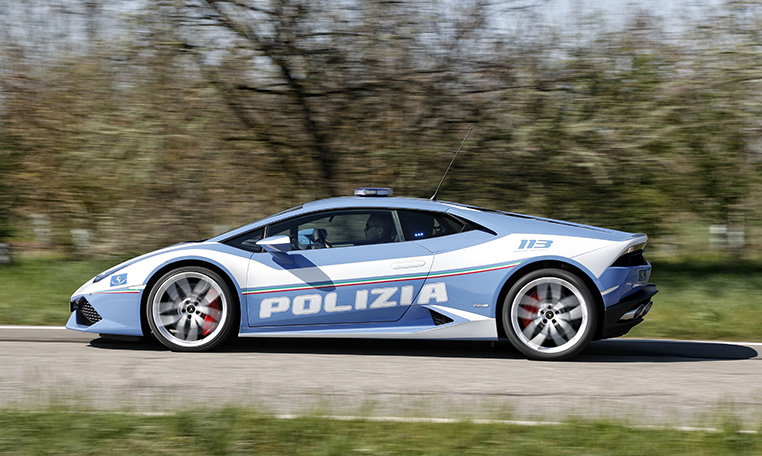
Italy’s State Police has had access to some remarkable performance cars, including Lamborghini models. The Lamborghini Huracán LP 610-4 Polizia is particularly unusual because it was not simply painted in police colours for a publicity photograph.
Lamborghini supplied the Italian State Police with specially prepared Huracán vehicles for actual police-related duties. A 2017 example was handed over to the Italian Interior Ministry and assigned to the Polizia Stradale, Italy’s highway police.
The Huracán’s role is more interesting than simply chasing fast drivers. The police specification included equipment intended for road policing, such as communications equipment, recording technology, a police computer, warning lights, and a camera system.
The car was also prepared for emergency medical transport. Its front luggage compartment could accommodate a refrigeration system, while the vehicle carried equipment such as a defibrillator. This allowed the high-performance car to assist with urgent transport of blood and organs.
The performance figures explain why the vehicle attracts so much attention. The Huracán LP 610-4 used a naturally aspirated V10 engine producing 610 horsepower in its standard specification. Italian police information has listed a top speed of 325 km/h for the police version.
It also uses four-wheel drive, which gives the car strong traction. These characteristics make it suitable for rapid highway response, but the police role involves considerably more than speed. Its specialist equipment turns it from a sports car into a functioning emergency vehicle.
The Huracán also represents an unusual relationship between a vehicle manufacturer and a police organization. Lamborghini donated the 2017 car rather than the Italian government simply purchasing a normal retail example.
This type of arrangement has occurred with other high-profile police vehicles, where manufacturers provide cars that can support public safety work while also creating significant public attention. The arrangement can benefit road-safety campaigns because a Lamborghini in police colours is far more likely to attract cameras and curious members of the public than an ordinary highway patrol sedan.
Italy’s Lamborghini police cars have also had a long history before the Huracán appeared. Earlier Gallardo models were used by the Italian State Police, including for important highway duties. According to Italy’s Interior Ministry, an earlier Lamborghini had travelled more than 150,000 kilometres before moving into a museum setting.
That history shows that these cars were not simply decorative props. Certain examples were assigned meaningful operational duties, particularly urgent medical transportation and specialist highway work.
3. Nissan GT-R, Tochigi Prefectural Police, Japan
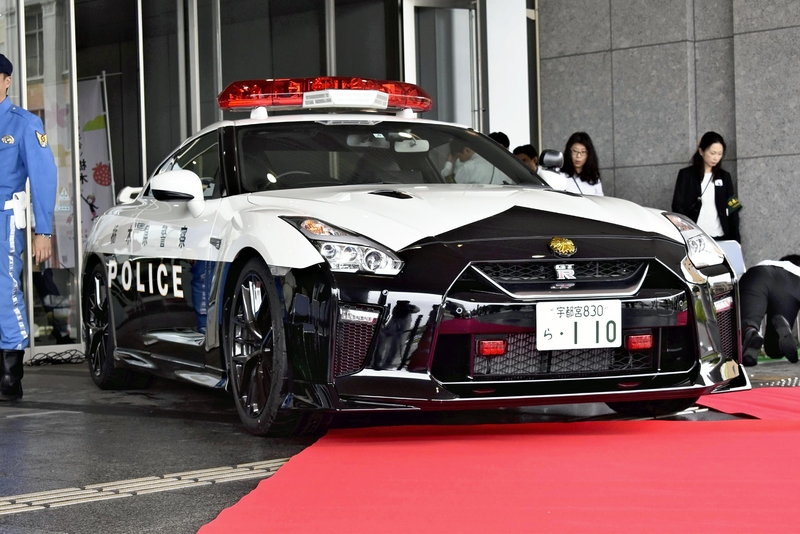
Japan has a reputation for producing high-performance cars, and its police departments have occasionally used some of those machines. The Nissan GT-R used by the Tochigi Prefectural Police is a particularly memorable example.
In June 2018, a Nissan GT-R was donated to the local police force by a resident of Tochigi Prefecture. Nissan confirmed that the vehicle would be used as a patrol car, making this more than a simple promotional display.
The car was assigned to the Highway Police Corps of Tochigi Police Headquarters. Nissan’s own information confirms that the donated GT-R remained active in protecting public safety.
Reports from the time also noted that the vehicle would be used for patrols on the Tohoku Expressway and other roads. That makes the GT-R particularly interesting because its police role was connected to actual road operations rather than being limited to a motor show or promotional campaign.
The GT-R’s mechanical specifications also make the police conversion unusual. The R35 GT-R is a twin-turbocharged, all-wheel-drive performance car designed for high-speed road and track use. Its combination of traction, acceleration, stability, and electronic systems makes it suitable for highway patrol duties where rapid response can matter.
Still, it is important not to assume that every GT-R police car in Japan has the same role or operating pattern. Police departments can use special vehicles for different combinations of patrol, traffic enforcement, public relations, and ceremonial work.
Tochigi is particularly important for its collection of high-performance police vehicles. Information on Japanese police vehicles lists models such as the Nissan Skyline GT-R, Nissan GT-R, Subaru Impreza WRX STI, Honda NSX, Nissan 370Z, and Lexus LC 500 among high-performance vehicles associated with prefectural police forces.
Some have been used for traffic enforcement, while others have appeared in public events or promotional activities. Donations from private owners and manufacturers have also played a role.
The GT-R’s story also demonstrates why unusual police vehicles should not automatically be described as extravagant purchases. In this particular case, the vehicle was donated by a local resident. That changes the context considerably.
A police department receiving a donated high-performance vehicle is very different from a department spending a large public budget on a fleet of expensive sports cars. The GT-R became a distinctive part of Tochigi’s police presence while retaining a genuine connection to road patrol work.
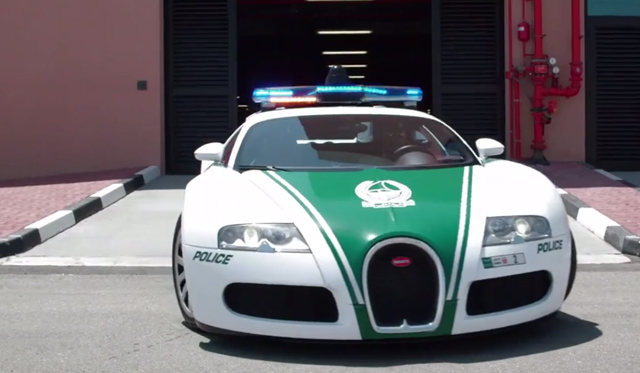
4. Bugatti Veyron, Dubai Police
Dubai Police has become closely associated with high-performance and luxury vehicles, and the Bugatti Veyron is perhaps the most recognizable example.
The Veyron is a mid-engine hypercar famous for its extreme performance, and Dubai Police displayed a police-liveried example as part of its high-profile vehicle collection. Dubai Police itself published material presenting the Veyron as a super patrol car, confirming its connection with the force.
The presence of the Veyron needs some context. It should not be assumed that a Bugatti Veyron replaced ordinary patrol cars across Dubai. Dubai Police maintains conventional vehicles for normal policing, while its famous supercar collection has been strongly associated with tourist areas, public appearances, and community engagement.
The unusual vehicles create a highly visible police presence in places that attract large numbers of visitors. This makes the cars useful as public-relations tools as well as police vehicles.
The Veyron became famous for its extraordinary engineering. Depending on the specific version, the car uses an 8.0-litre quad-turbocharged W16 engine and can produce more than 1,000 horsepower. Its performance far exceeds what is required for normal urban patrol work.
That raises an obvious question. Why put such a machine in police colours? In Dubai, the answer is closely tied to visibility. A Bugatti naturally draws attention, making it a useful conversation starter for officers working in busy tourist areas.
Dubai’s unusual police fleet has included several other high-performance cars over the years. Contemporary reporting has listed models from Lamborghini, Ferrari, Aston Martin, Bentley, Mercedes-Benz, Audi, and Bugatti within the broader high-performance collection.
The fleet has therefore become part of Dubai Police’s public identity. Its cars frequently appear at exhibitions, public events, tourist locations, and media events, giving the force a distinctive presence that ordinary patrol vehicles cannot easily create.
The Bugatti Veyron therefore belongs in a different category from a specialist pursuit vehicle purchased purely for operational performance. Its importance is tied to the wider strategy behind Dubai Police’s high-performance fleet. These cars can be used for police visibility, tourism-related engagement, events, and demonstrations.
Their presence does not mean every officer is driving a hypercar during an ordinary shift. The Veyron is unusual precisely because its police role combines an extraordinary machine with a highly visible public-facing function.
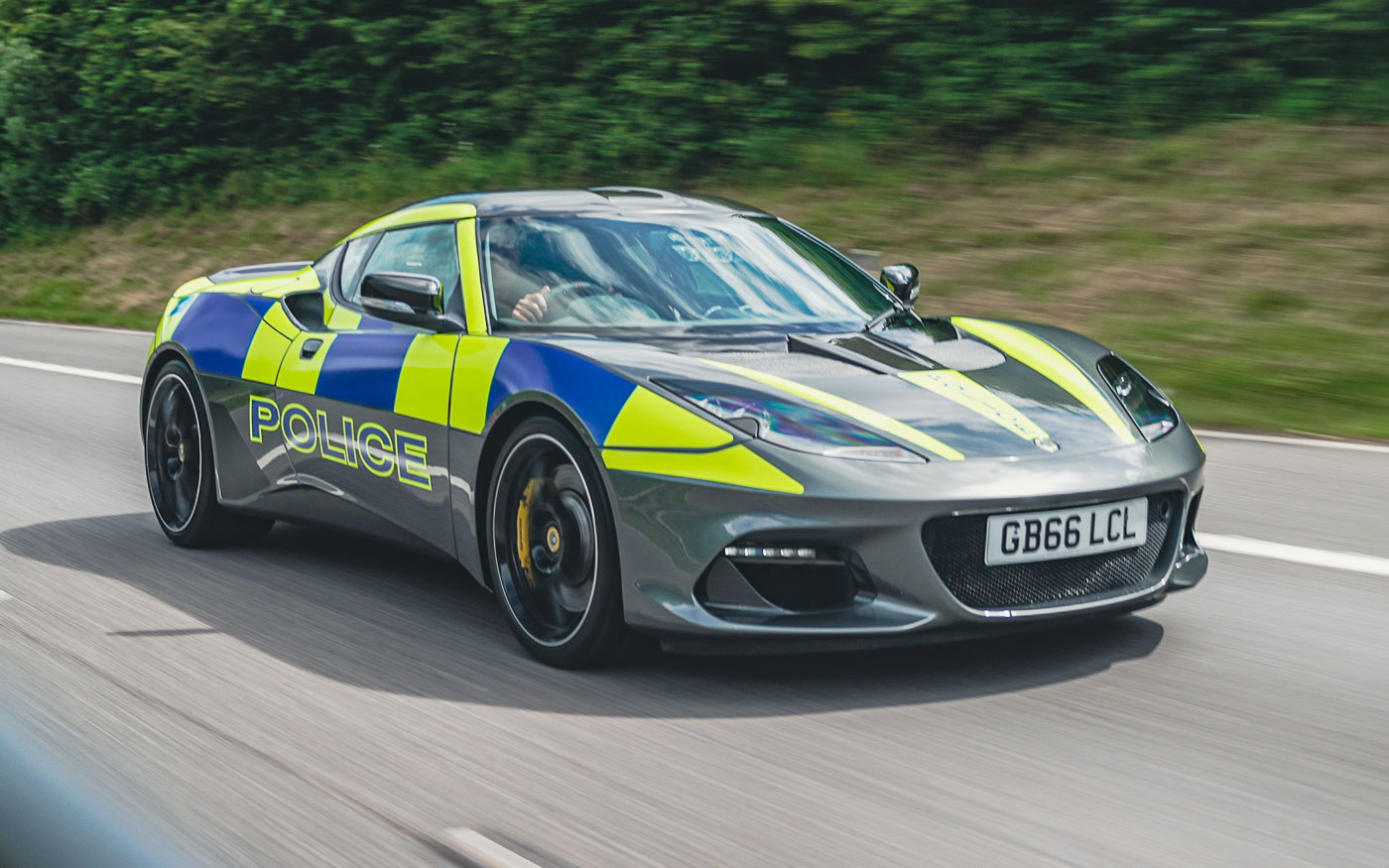
5. Lotus Evora, United Kingdom
The Lotus Evora is another sports car that has worn British police markings. Several examples have been associated with police forces in the United Kingdom, including the Devon and Cornwall Police.
A Lotus Evora is naturally very different from the estate cars, SUVs, and sedans commonly used for British policing. Its low body, compact cabin, and sports-car proportions make it immediately recognizable when placed beside conventional patrol vehicles.
The Devon and Cornwall example was an Evora Sport 410, a high-performance version of Lotus’s sports car. Contemporary coverage described the vehicle as having a top speed of about 186 mph and more than 400 horsepower. Yet its police role was not based simply on chasing offenders at very high speed.
The car was used for public engagement and road-safety work, helping officers speak to motorists about speeding and responsible driving.
This approach is particularly useful for police departments trying to communicate with younger motorists and car enthusiasts. A standard patrol vehicle may blend into everyday traffic, whereas a Lotus immediately stands out. When officers can display the car at events, they gain an opportunity to discuss the consequences of dangerous driving.
The vehicle therefore becomes a conversation tool. Its performance creates included a Lotus Evora associated with Romanian police, while other British police-related Lotus cars have appeared at events and demonstrations. It is worth being careful with individual examples the initial attraction, while the police message provides the practical purpose.
The Lotus name has also appeared in police service outside Devon and Cornwall. Earlier examples included a Lotus Evora associated with Romanian police, while other British police-related Lotus cars have appeared at events and demonstrations.
It is worth being careful with individual examples, however, because photographs of police-liveried sports cars can represent promotional partnerships, temporary displays, or actual fleet vehicles. Those categories are not interchangeable.
The Evora illustrates an important principle behind unusual police cars. A police vehicle does not always need to be selected because it can carry several officers and a large amount of equipment. Some vehicles are chosen because they perform a specific communication function.
The Lotus can attract attention at road-safety events in a way that a conventional patrol estate might not. That makes the car unusual, but its purpose is still connected to policing rather than simply being a luxury accessory.
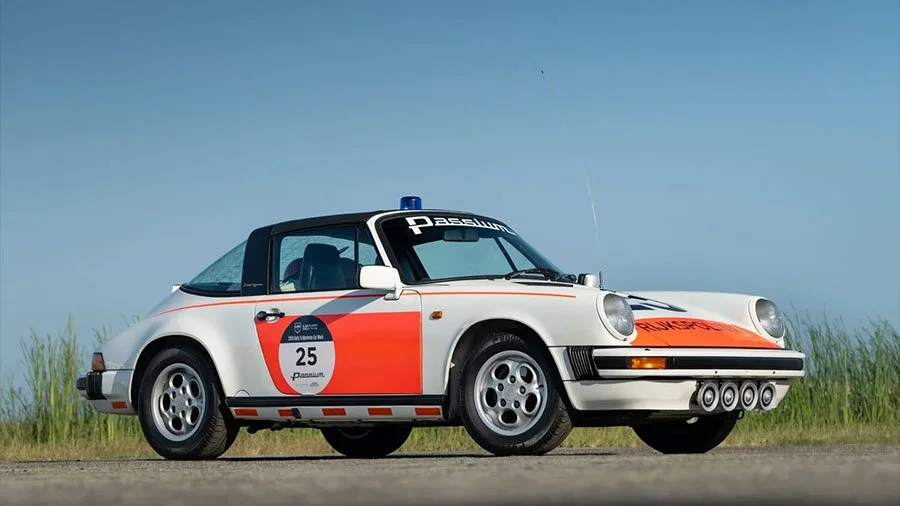
6. Porsche 911 Police Cars, Belgium and Europe
Porsche sports cars have a surprisingly long history with European police forces. The Porsche 911 is generally associated with performance and enthusiast driving, yet versions of the car have served police duties in Europe. Porsche’s own historical account notes that Belgian police forces used Porsche sports cars for motorway patrol and ordered 911 models for that purpose.
A particularly interesting example is the Porsche 911 SC Targa used by Belgian police in the early 1980s. Porsche records that 20 examples were ordered by Belgian police between 1978 and 1982. The cars were equipped for police work with additions including blue warning lights, a siren, and communications equipment.
Their use reflected the requirements of motorway patrol, where a fast sports car could provide useful performance while officers monitored high-speed traffic.
The Belgian example shows that police sports cars are not purely a modern phenomenon. Today, images of supercars wearing police colours often come from places such as Dubai, which has made high-performance patrol vehicles famous. European police forces, however, have been using performance-oriented cars for decades.
The Porsche 911 was especially suited to motorway work because it combined strong acceleration and handling with a relatively compact body.
Porsche has supplied police vehicles to several countries across different periods. Its historical material highlights police cars ranging from the Porsche 356 to later 911 models and even much more modern performance cars.
This long-standing association reflects a practical need that has existed for decades. Highway patrol officers sometimes require vehicles that can perform reliably at sustained road speeds. The vehicle must still accommodate police equipment, provide dependable service, and offer enough space for its assigned duties, but strong performance can be an important advantage.
The 911 also shows why the term “unusual police car” can be misleading if it is treated as meaning “useless police car.” A sports car may be poorly suited to transporting prisoners or carrying large amounts of equipment, but that does not make it unsuitable for every police task.
A motorway traffic unit has different needs from a neighborhood patrol officer. The Porsche examples demonstrate how police vehicle selection can change according to road conditions, enforcement duties, and operational requirements.
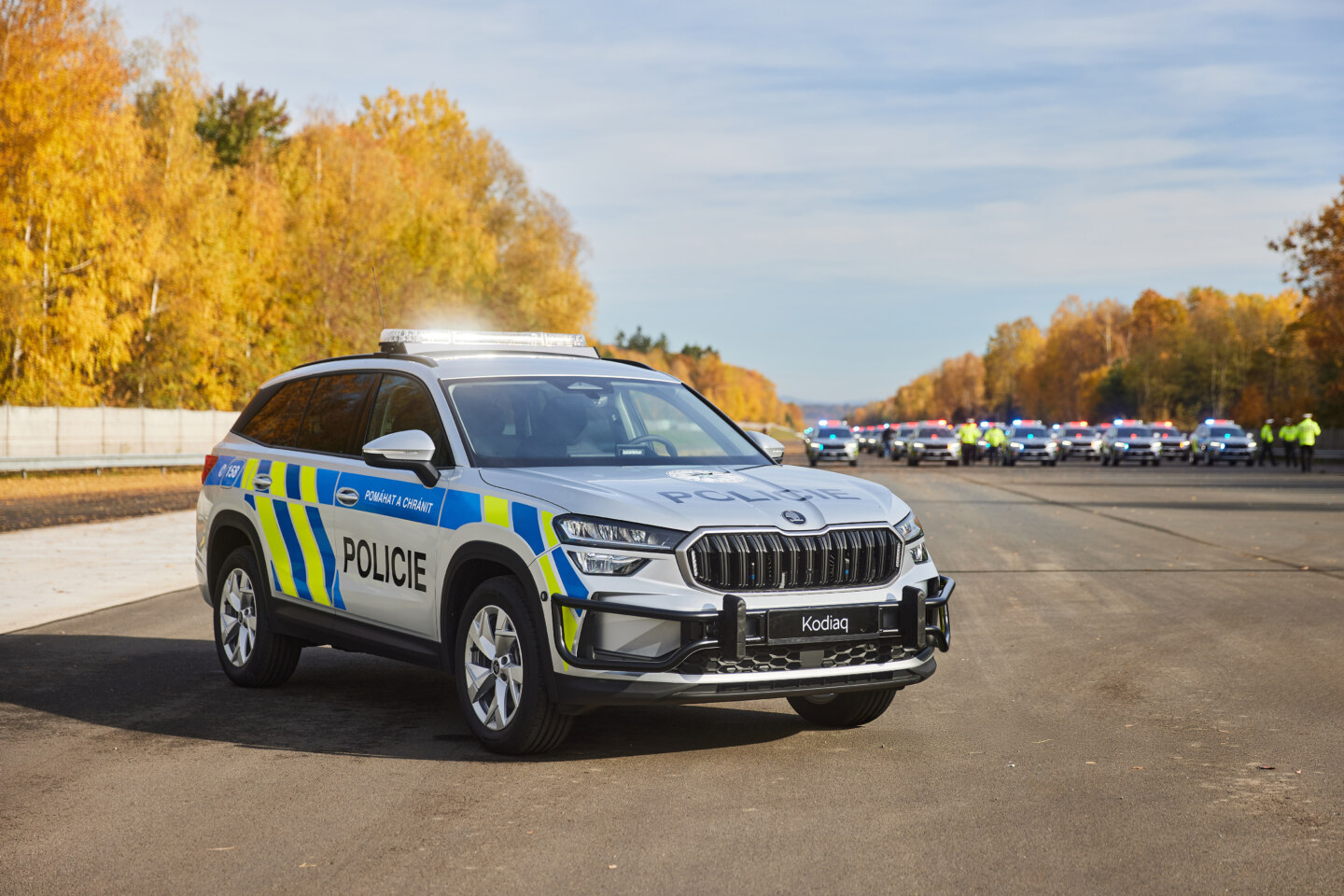
7. Škoda Kodiaq Police SUV, Czech Republic and Europe
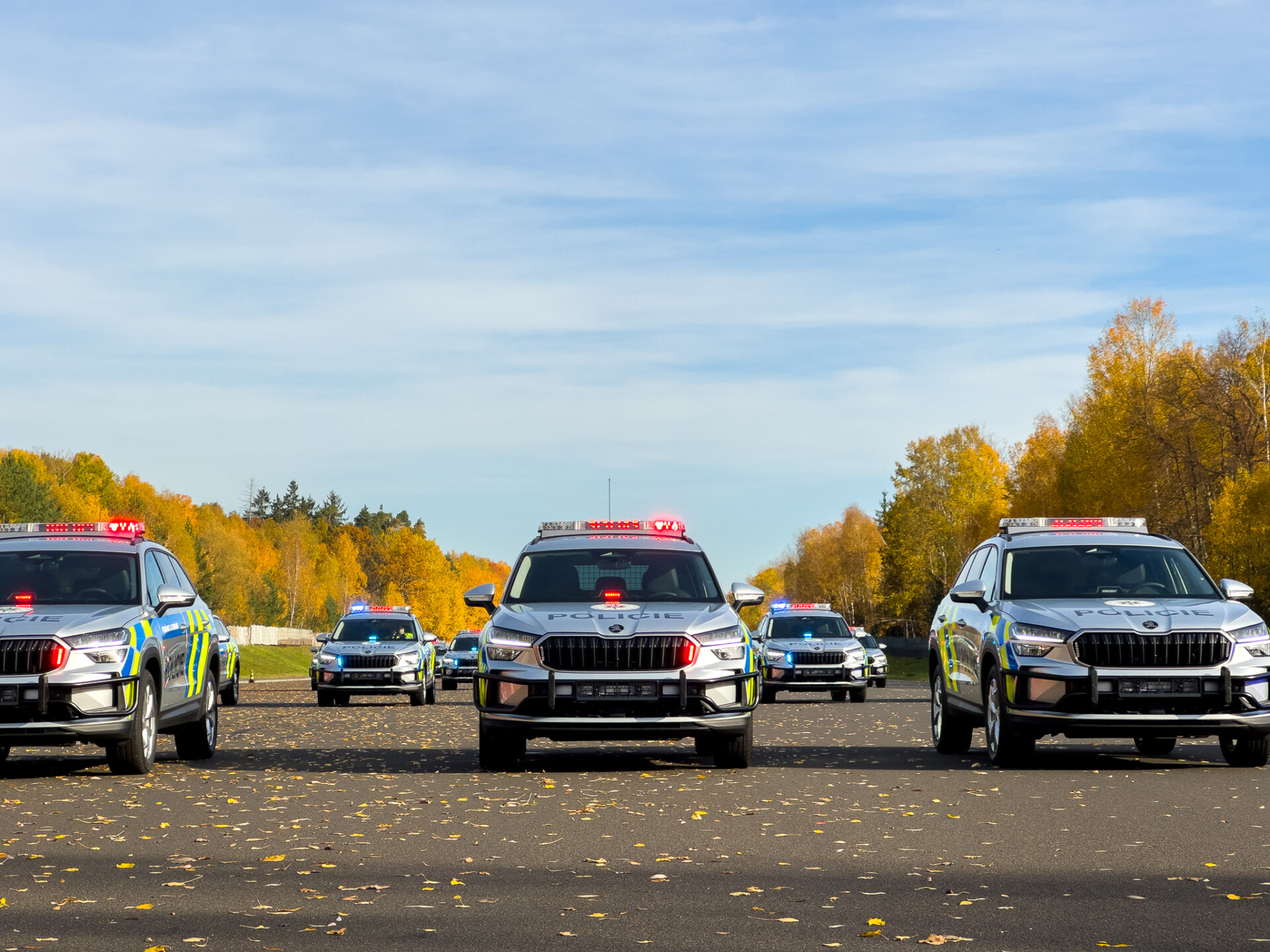
A Škoda Kodiaq might sound much more ordinary than a Lamborghini or Bugatti, but its police specification makes it an unusual vehicle worth mentioning. The Czech Police has used specially prepared Kodiaq SUVs, and the second-generation police version introduced in the 2020s includes equipment designed specifically around law-enforcement duties. Škoda reported that 352 new second-generation Kodiaq vehicles were being introduced for Czech police use.
Its interior is also tailored to police work. First-response versions can include a secure weapons compartment, while traffic patrol versions can have a metal storage frame with pull-out drawers.
These drawers can be used as a small mobile work area for documents, identification checks, or breath-testing equipment. Such changes show how much engineering can go into turning an ordinary production SUV into a specialist police tool.
The Kodiaq is also used by police forces outside the Czech Republic. Škoda has documented police versions of its vehicles in countries including the United Kingdom, Austria, Germany, Croatia, Hungary, North Macedonia, Kosovo, Albania, France, Finland, and several other European markets.
Police requirements differ between countries, so equipment and vehicle specifications can vary. The broad use of Škoda models demonstrates that unusual police cars do not have to be exotic sports cars. Sometimes the interesting part is the specialist conversion.
The Kodiaq therefore provides a useful contrast with the high-performance vehicles on this list. Its unusual features are hidden beneath a familiar SUV shape.
A casual observer might see a normal family crossover with police markings, while the police version can contain additional electrical systems, secure storage, modified brakes, communications equipment, and other specialist hardware. That practical engineering is a reminder that the most unusual police vehicles are not always the flashiest ones.
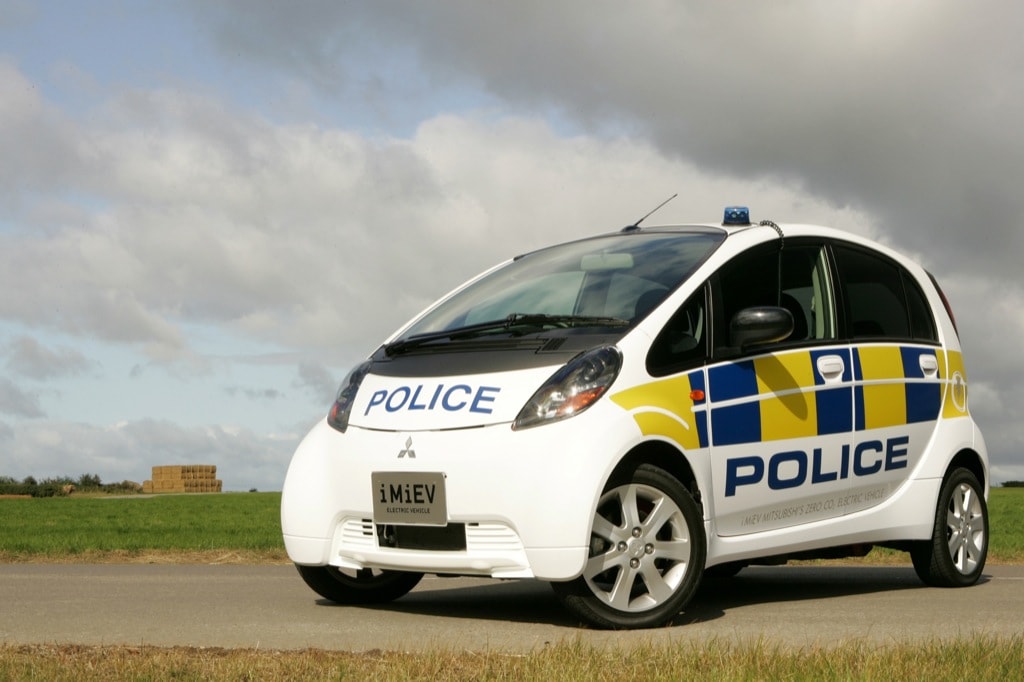
8. Mitsubishi i-MiEV Police Car, United Kingdom
Electric vehicles have also appeared in police fleets, and the Mitsubishi i-MiEV provides an early example. The small electric hatchback was used by British police in a limited role and attracted attention because its tiny size and modest performance were very different from the large performance vehicles often associated with police work.
The i-MiEV was developed as a compact electric city car. Its small dimensions made it easy to maneuver and park in crowded urban environments. Those qualities can be useful for certain police tasks, particularly when an officer needs to move around busy streets without requiring a large vehicle. Its limitations were equally clear.
It was never intended to compete with a high-performance patrol car, and its range and power were modest compared with conventional petrol-powered police vehicles.
The presence of an electric city car in police colours also reflected changing attitudes toward police fleets. Police departments need vehicles for many different jobs, and not every assignment requires high horsepower or four-wheel drive.
A compact electric car can potentially be useful for administrative duties, urban patrols, community events, or locations where low-speed maneuverability matters more than acceleration. The exact duties of an individual vehicle depend on the police organization and its local requirements.
What makes the i-MiEV particularly interesting is its contrast with cars such as the Lamborghini Huracán and Nissan GT-R. Those cars represent extreme performance, while the Mitsubishi represents compact efficiency. Both can attract public attention, but for completely different reasons.
The Lamborghini demonstrates what a high-performance police vehicle can do, while the i-MiEV shows that a police fleet can also experiment with much smaller and less powerful technology.
