

Military vehicles have long attracted collectors, off-road enthusiasts, historians, and people who simply appreciate unusual machinery. In the United States, civilians can legally purchase certain former military vehicles, provided the vehicle has been properly demilitarized or otherwise complies with federal, state, and local laws.
Some are surprisingly practical, while others are better suited to private land, museums, or carefully planned collection use. This article looks at seven military vehicles that civilians can purchase in the US, explains what makes each interesting, and highlights important ownership considerations before buying.
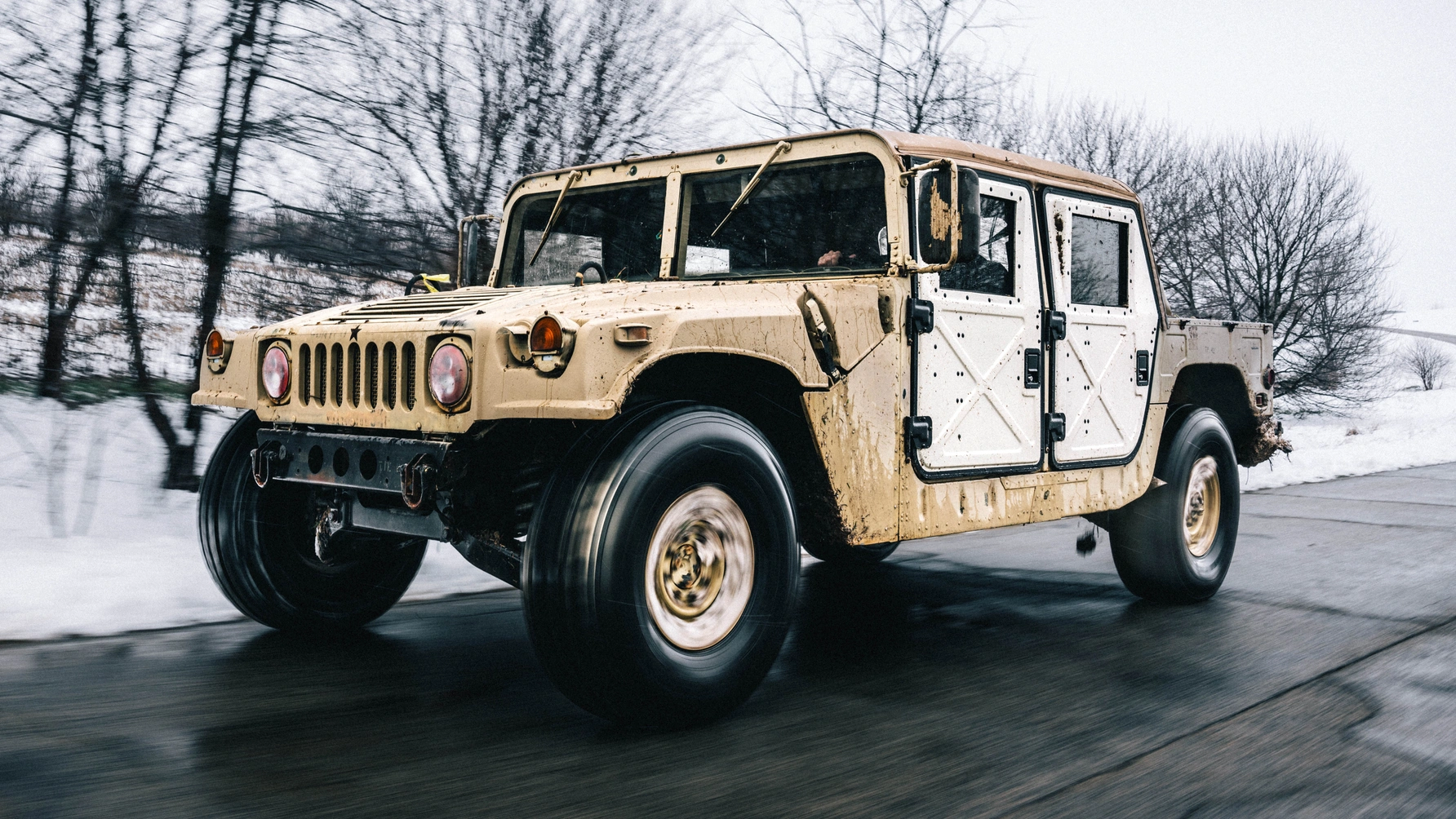
1. AM General HMMWV
The High Mobility Multipurpose Wheeled Vehicle, commonly called the Humvee or HMMWV, is perhaps the most recognizable military vehicle available to American civilians.
The platform became famous after entering US military service in the 1980s and eventually replaced several older light tactical vehicles. Its wide stance, high ground clearance, Four Wheel Drive system, and rugged construction made it suitable for carrying troops, equipment, communications gear, and various mission-specific bodies.
Civilian buyers can find surplus HMMWVs through government surplus channels, specialized dealers, auctions, and private sellers. Many examples are former military vehicles that have been released through government surplus programs.
Buyers should understand that a military surplus HMMWV is not necessarily equivalent to a civilian Hummer. It may have military-specific equipment, a basic interior, limited creature comforts, and mechanical components designed around military requirements rather than everyday commuting.
A major consideration is road registration. Federal ownership rules and state vehicle laws are separate matters. Owning a HMMWV may be legal while registering a particular example for public-road use can present additional requirements.
States can have different rules covering titles, inspections, lighting, emissions, safety equipment, weight, and registration. Some surplus vehicles may also have been sold with restrictions or documentation that requires careful examination before purchase.
The mechanical side of ownership deserves attention too. A HMMWV is large, heavy, and generally more complicated to operate than a conventional pickup. Fuel consumption can be substantial, parts availability varies according to the exact configuration, and maintenance can require specialized knowledge.
Buyers should inspect the drivetrain, axles, transfer case, brakes, suspension, electrical system, tires, and evidence of corrosion before committing to a purchase.
For collectors, the HMMWV offers a particularly interesting combination of military history and relative accessibility. It looks unmistakably military without necessarily requiring the logistical commitment associated with tracked armored vehicles.
A carefully maintained example can serve as a display vehicle, off-road machine, parade vehicle, or collection centerpiece, subject to applicable laws. Anyone considering public-road use should confirm requirements with the relevant state authorities before buying.
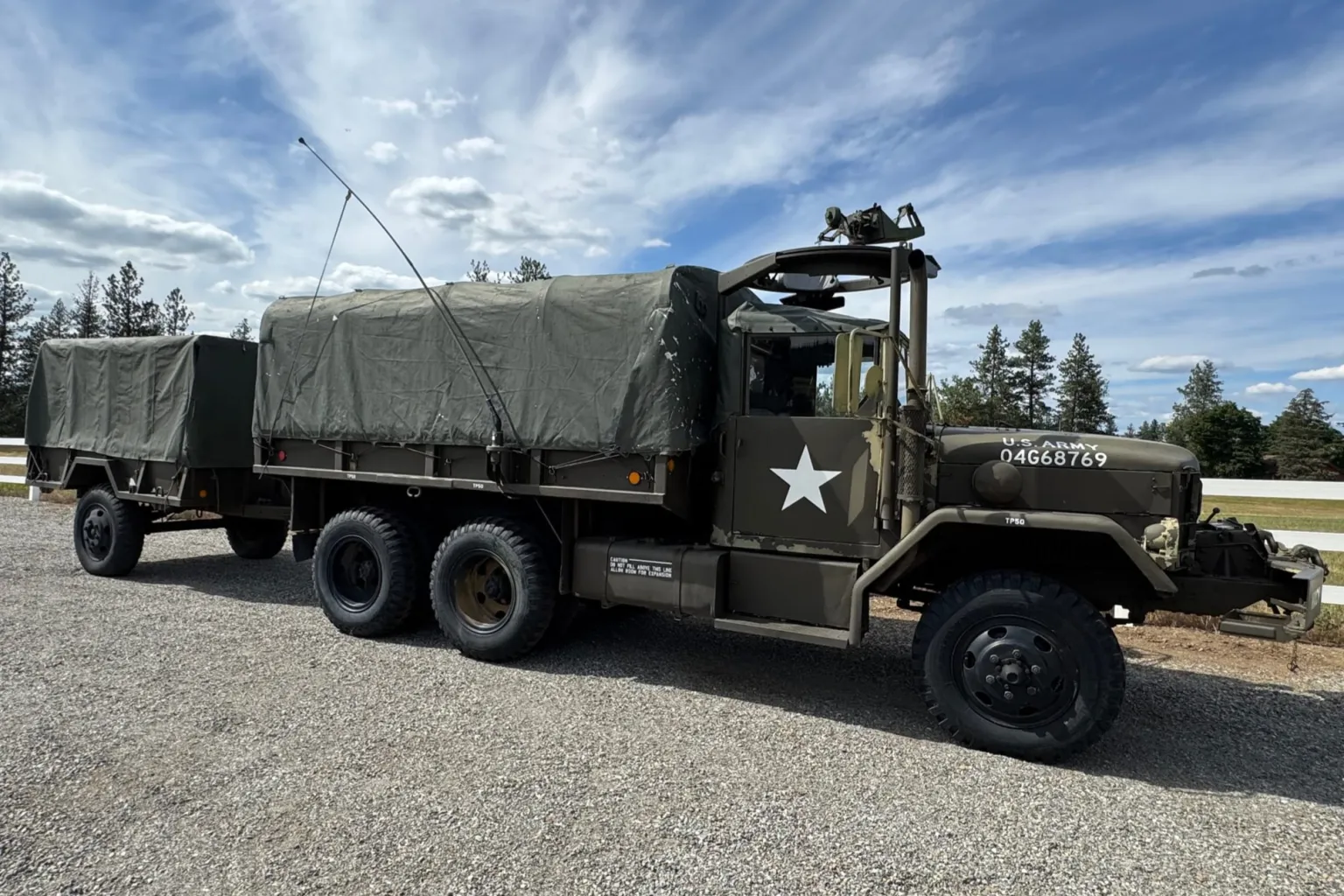
2. M35 2½-Ton Cargo Truck
The M35 series is another military vehicle that has found a substantial civilian following in the United States. Often called the “Deuce and a Half,” the M35 was developed as a medium-duty military cargo truck and became famous for its ability to carry supplies across difficult terrain.
The basic design dates back to the post-World War II period, with later versions receiving mechanical and electrical updates.
An M35 can be particularly appealing to someone interested in historic military trucks because it combines a recognizable military appearance with a relatively straightforward mechanical design.
Depending on the specific model, buyers may encounter gasoline-powered or multifuel configurations, different cargo bodies, winches, troop seats, and other military equipment. The exact specifications matter because M35-series vehicles changed considerably during their long service lives.
Civilian ownership is generally possible, but road use depends on state requirements and the condition of the specific vehicle. A buyer should check whether the truck has a transferable title, appropriate identification numbers, and documentation supporting its legal sale.
Registration requirements can become more complicated when a vehicle was originally designed exclusively for military service. Weight classifications can also affect licensing, registration, and where the vehicle can legally operate.
Operating an M35 is very different from driving a modern pickup. The truck is large, slow by contemporary standards, and designed around military utility rather than comfort. Steering, braking, visibility, transmission operation, and cab ergonomics can require practice. Drivers should also remember that stopping distances and vehicle dimensions differ considerably from those of ordinary passenger vehicles.
For collectors, the M35 remains an appealing choice because examples can be found at auctions, surplus sales, specialty dealers, and private collections.
Prices vary widely according to condition, configuration, restoration quality, and provenance. A running truck that needs cosmetic work can be very different financially from a fully restored example.
Prospective owners should budget for transportation, maintenance, tires, fluids, storage, and potential registration costs rather than focusing only on the purchase price.
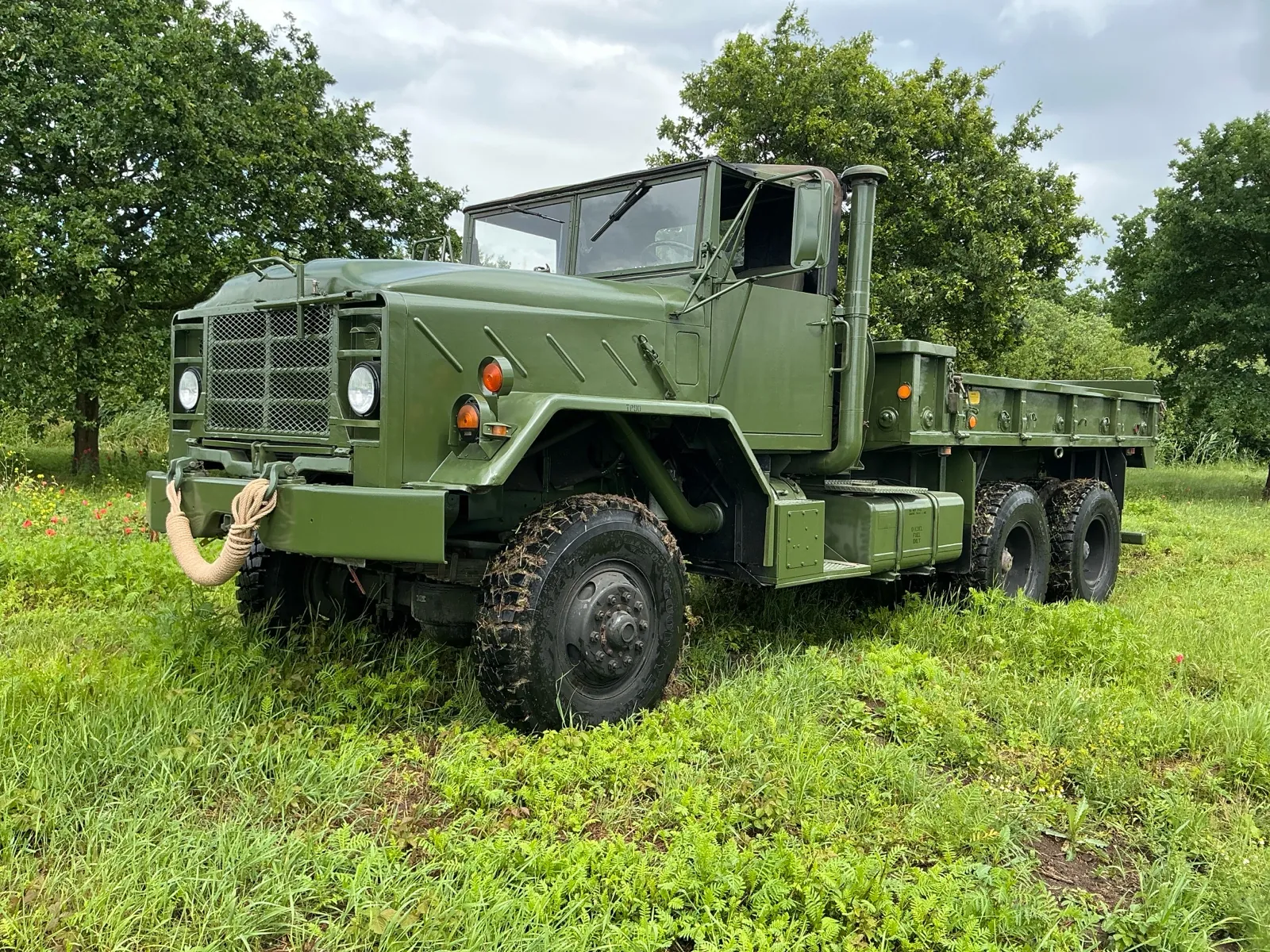
3. M923 5-Ton Military Truck
The M923 is part of the US military’s 5-ton truck family and represents a larger step up from vehicles such as the M35. Built for demanding transport duties, the M923 and related models were used to move cargo, equipment, personnel, and other military loads.
These trucks are substantially larger than typical civilian pickups, making them attractive to collectors who want a serious piece of military transportation history.
Many M923 trucks have been released from government service and have reached the civilian market through surplus auctions and specialized sellers.
Configurations can differ considerably, including cargo bodies, troop transport arrangements, winches, and other equipment. Buyers should identify the exact model and configuration because specifications, drivetrain components, body styles, and equipment can vary within the broader family.
The sheer size of an M923 is a major ownership consideration. A buyer needs appropriate storage space, access to suitable roads, and a realistic understanding of operating costs.
Parking a 5-ton military truck at an ordinary suburban property may be difficult or impossible. Private land can make ownership more practical, especially for people interested in using the vehicle for historical demonstrations or off-road activities.
Registration and licensing rules require special attention. A heavy military truck may fall under different state classifications from a normal passenger vehicle. Depending on how and where it is operated, weight limits, commercial versus private classifications, driver’s license requirements, and inspection rules may become relevant.
Owners should verify these matters locally rather than assuming that the rules applying to a pickup truck will also apply to a 5-ton military vehicle.
From a collector’s perspective, the M923 offers an authentic military truck experience on a much larger scale. Its size, distinctive appearance, and heavy-duty construction make it an impressive addition to a collection.
Buyers should inspect the engine, transmission, axles, brakes, frame, suspension, tires, hydraulic components, and electrical system. Because these trucks can spend years outdoors or in demanding environments, corrosion and neglected maintenance can turn an inexpensive purchase into an expensive restoration.
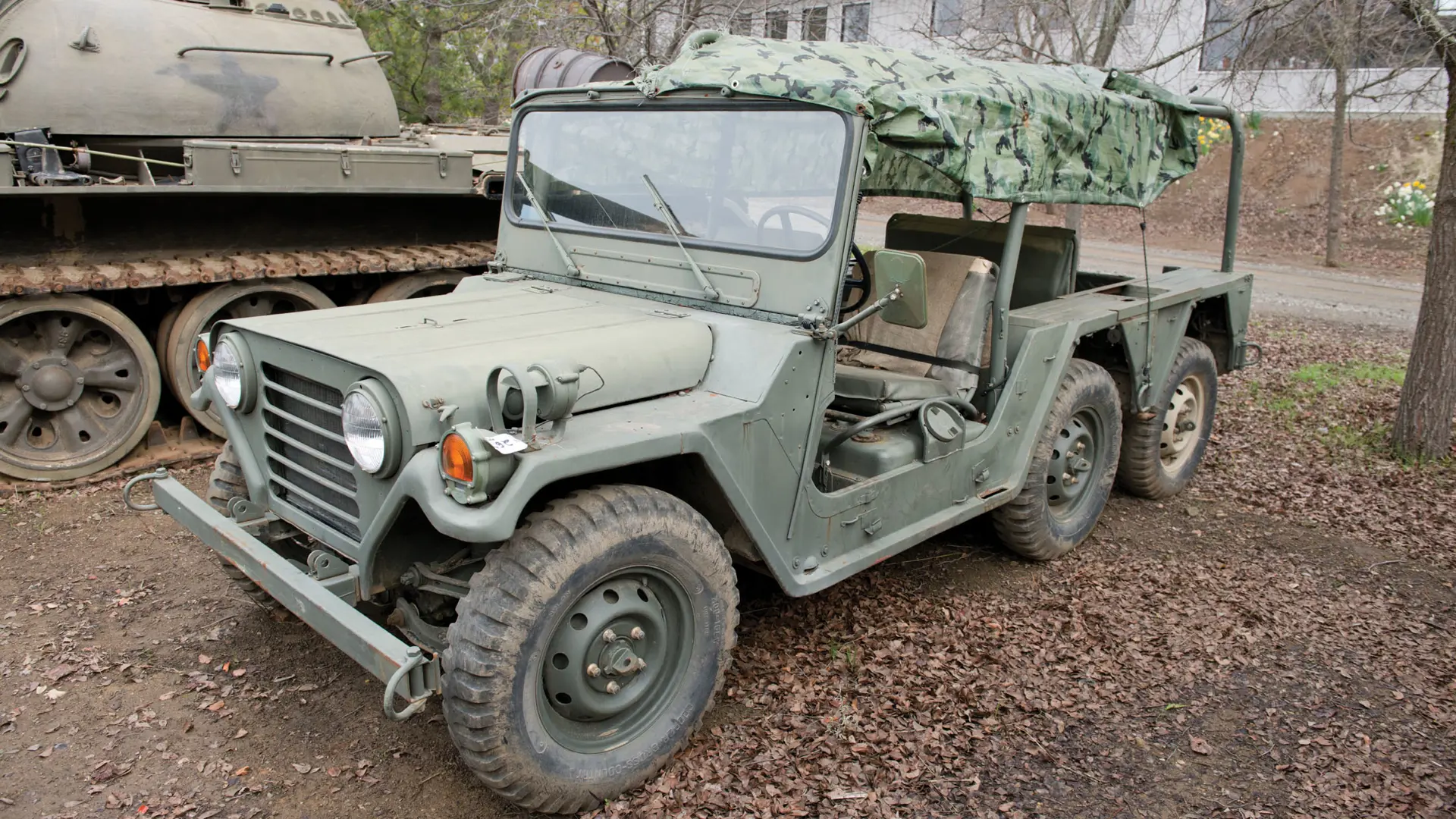
4. M151 MUTT
The M151 MUTT, short for Military Utility Tactical Truck, is a compact military vehicle developed to replace older US military utility vehicles.
It became widely associated with American military operations during the Cold War era and was produced in several versions. Its relatively small size makes it fundamentally different from the large cargo trucks and armored vehicles found elsewhere on this list.
M151s have appeared in the civilian collector market for many years. However, this vehicle deserves particularly careful research before purchase because civilian use can involve regulatory and safety complications.
Certain M151 configurations were subject to significant safety concerns, particularly involving the original rear suspension design. Later versions incorporated changes intended to address those issues, but buyers should identify exactly which model and modifications they are considering.
A military vehicle being legally sold does not automatically mean it can be registered for unrestricted public-road operation in every state. Buyers should investigate the specific vehicle’s history and documentation, then check current requirements in their state. Some examples may be better suited to private property or collection purposes rather than regular street driving.
Mechanical condition is also important. An old military vehicle can look attractive in photographs while hiding decades of wear.
Rust, damaged suspension components, deteriorated wiring, leaking seals, worn brakes, and non-original modifications can create substantial restoration costs. A pre-purchase inspection by someone familiar with historic military vehicles can be especially valuable.
For collectors, the M151 has historical significance because it represents a major stage in the development of the US military’s light tactical transportation. It is smaller and visually more familiar than a large tactical truck, which can make it appealing to people with limited storage space.
Its history also means buyers should place more emphasis on authenticity, configuration, safety modifications, and documentation than simply choosing the cheapest available example.
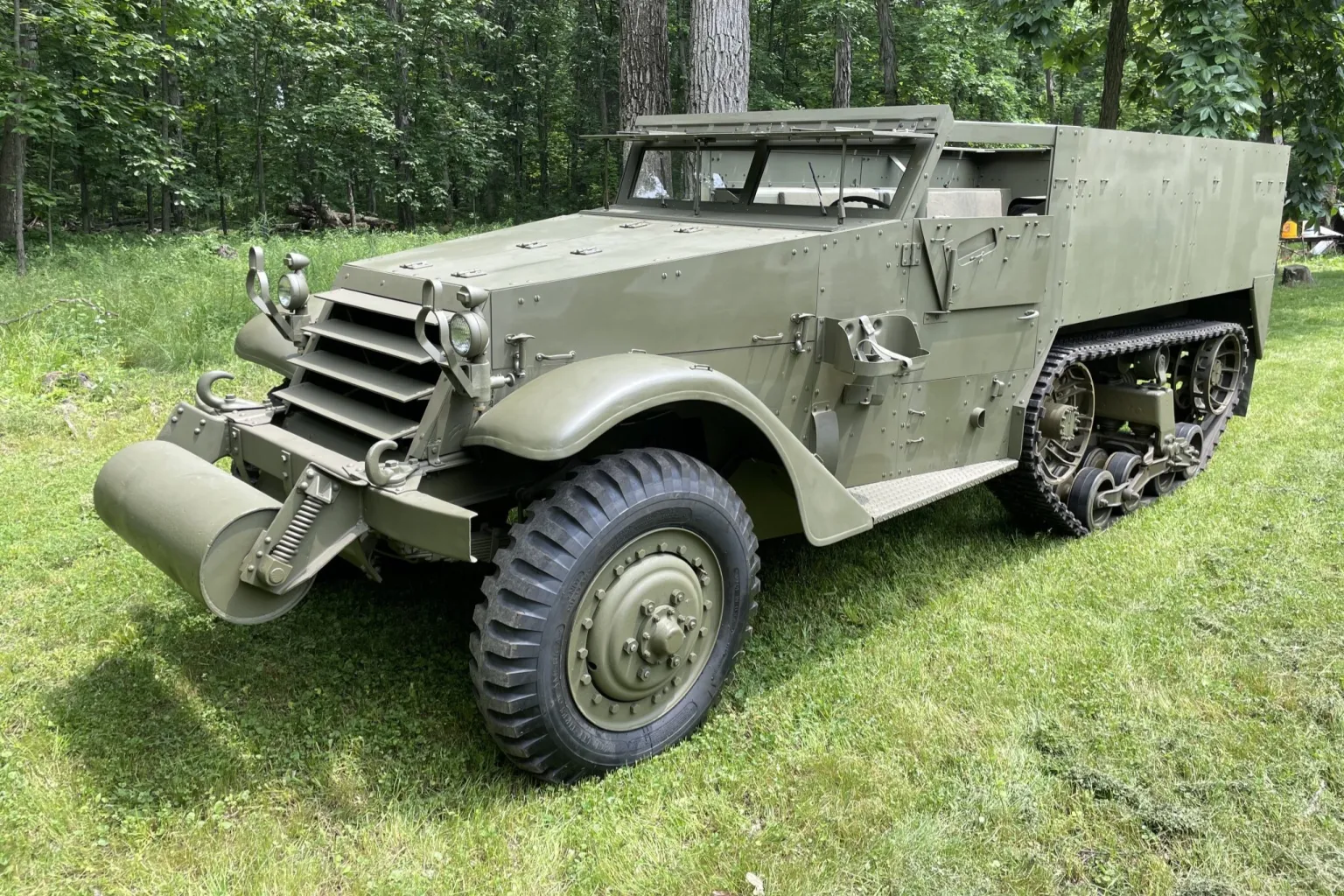
5. M3 Half-Track
The M3 half-track occupies a very different category from wheeled utility vehicles. Developed during World War II, the M3 and related half-track models combined conventional front wheels with rear tracks.
This arrangement provided improved mobility over difficult terrain while retaining some of the road-hand-tracks can be legally owned by private collectors in the United States, although the market is far smaller than the market for surplus trucks. These vehicles are historically important, relatively complex, and often expensive to restore.
Many surviving examples have passed through military collections, museumsling characteristics associated with wheeled vehicles. The type became closely associated with American and Allied military operations during World War II.
Authentic M3 half-tracks can be legally owned by private collectors in the United States, although the market is far smaller than the market for surplus trucks. These vehicles are historically important, relatively complex, and often expensive to restore. Many surviving examples have passed through military collections, museums, restoration projects, and private hands over several decades.
A major distinction concerns weaponry. Historical military vehicles sometimes retain mounts, brackets, or other equipment associated with weapons. A vehicle itself does not automatically make every mounted weapon legal for civilian possession.
Firearms and destructive devices are subject to separate federal and state laws, and specific artillery pieces can fall under particularly strict federal regulations. Collectors should never assume that an original weapon can simply remain installed because the vehicle is legally owned.
Operating a half-track also requires specialized knowledge. Tracks, suspension components, steering systems, brakes, and drivetrain parts need careful maintenance.
Replacement components may be difficult or expensive to source, especially for rare configurations. Restoration work can involve considerable time and money, which is why these vehicles are often purchased by serious collectors rather than casual buyers.
For historical enthusiasts, an M3 half-track provides a direct connection to a major period of American military transportation. Fully restored examples can command significant prices, particularly when they have documented provenance and historically accurate equipment.
Anyone considering such a purchase should investigate the vehicle’s identification, restoration history, mechanical condition, ownership records, and any included equipment before completing a transaction.
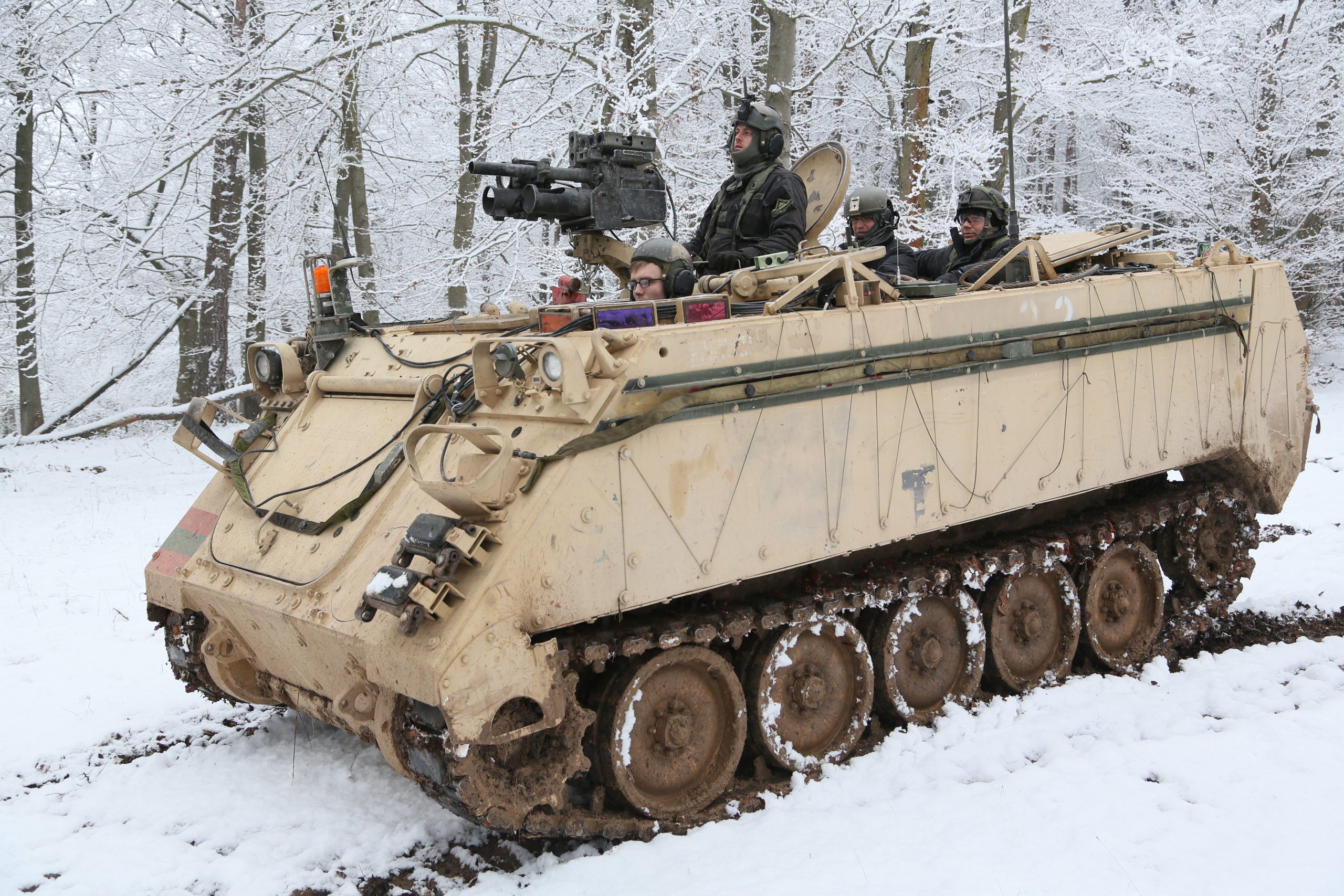
6. M113 Armored Personnel Carrier
The M113 is among the most recognizable armored personnel carriers associated with the United States military. Introduced during the early Cold War, it was designed to transport infantry while protecting from small-arms fire and battlefield hazards.
Its aluminum armor construction and tracked configuration gave it a distinctive appearance and made it capable of traveling across terrain that would challenge many conventional vehicles.
Civilian collectors in the United States can encounter demilitarized M113 vehicles through specialty dealers, auctions, private collections, and military vehicle organizations. Availability is much more limited than for common surplus trucks, and condition varies greatly. Some vehicles may have undergone extensive restoration, while others may require significant mechanical work before they can operate reliably.
The term “demilitarized” is particularly important. Military equipment released to the civilian market can be modified so that certain military capabilities are removed or rendered inoperable.
The precise status of an individual vehicle matters, and buyers should obtain documentation describing what was changed. A civilian should not assume that a vehicle is legally configured simply because a seller describes it as surplus or demilitarized.
Tracked vehicles also create practical challenges. Tracks and associated components require maintenance, and the vehicle’s size can make transportation complicated. Public-road operation may be restricted or subject to specific state requirements.
Some owners keep these vehicles primarily on private property, while others transport them to events rather than driving them long distances on public highways.
An M113 is therefore best viewed as a serious collector vehicle rather than an unconventional daily driver. Its historical importance, armored construction, and tracked mobility make it fascinating to military history enthusiasts.
Buyers should investigate federal and state requirements, the vehicle’s demilitarization records, mechanical condition, title status, transportation needs, and storage requirements before making a purchase.
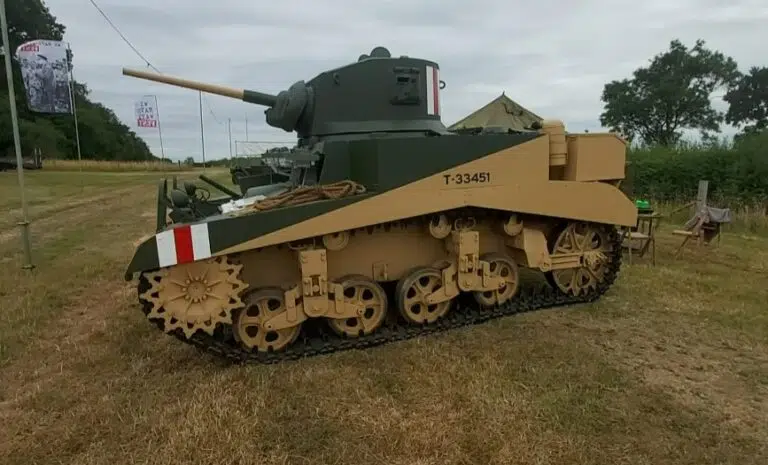
7. M3 Stuart Light Tank
The M3 Stuart is perhaps the most historically dramatic vehicle on this list. Developed before and during World War II, the Stuart was a US light tank used by American and Allied forces. Its relatively compact size compared with later tanks allowed it to perform reconnaissance and other battlefield roles. Numerous examples survive today in museums and private collections.
Civilian ownership of historic armored vehicles is possible in the United States, but tanks require considerably more legal and practical research than ordinary military trucks.
The vehicle itself may be legally transferable, while its original armament can create separate regulatory issues. Depending on the weapon involved, federal firearms law can classify certain cannons as destructive devices. State laws can add further restrictions.
That distinction is crucial for collectors. A tank’s legal status should be evaluated separately from the status of its cannon, machine guns, ammunition, and other equipment.
Some privately owned historic tanks are permanently demilitarized or have non-firing armament. A buyer should obtain written documentation concerning the condition and legal status of the vehicle’s weapons before completing a transaction.
The cost of ownership can also be substantial. Historic tanks are complex machines with specialized drivetrains, tracks, suspension systems, and other components.
Finding parts may require dealing with specialist suppliers or restoration organizations. Moving a tank from one location to another can also require a heavy transport vehicle, appropriate loading equipment, and careful planning.
For collectors with the resources and expertise to maintain them, historic tanks represent an extraordinary form of military preservation. An M3 Stuart can provide insight into the engineering and battlefield requirements of early World War II armored warfare.
However, buyers should approach such a purchase as a major historical vehicle acquisition rather than simply buying a large off-road machine.
