
Car design often travels across borders, and successful shapes can inspire rivals, imitators, and later generations. In some cases, the resemblance is simply a result of shared trends. In others, the connection is much harder to miss. This article looks at seven known cars whose styling was closely echoed by other brands.
The focus is useful for US readers because these vehicles are familiar names in the American market. Each example also has a different story involving licensing, legal disputes, market strategy, or simple imitation. Rather than treating every resemblance high-clearance stance, removable doors, and a distinctive grille have remained closely associated with the Jeep brand for decades.
The modern Wrangler evolved from earlier Jeep vehicles, including the CJ series, so its appearance is tied to a much longer design history. That history became important when Mahindra introduced the Roxor for the US market in 2018.
The Roxor was an off-road utility vehicle rather than a conventional road-going SUV, but its appearance immediately attracted attention because of its Jeep-like proportions and styling as proven wrongdoing, the guide separates documented facts from interpretation.
1. Jeep Wrangler and the Mahindra Roxor
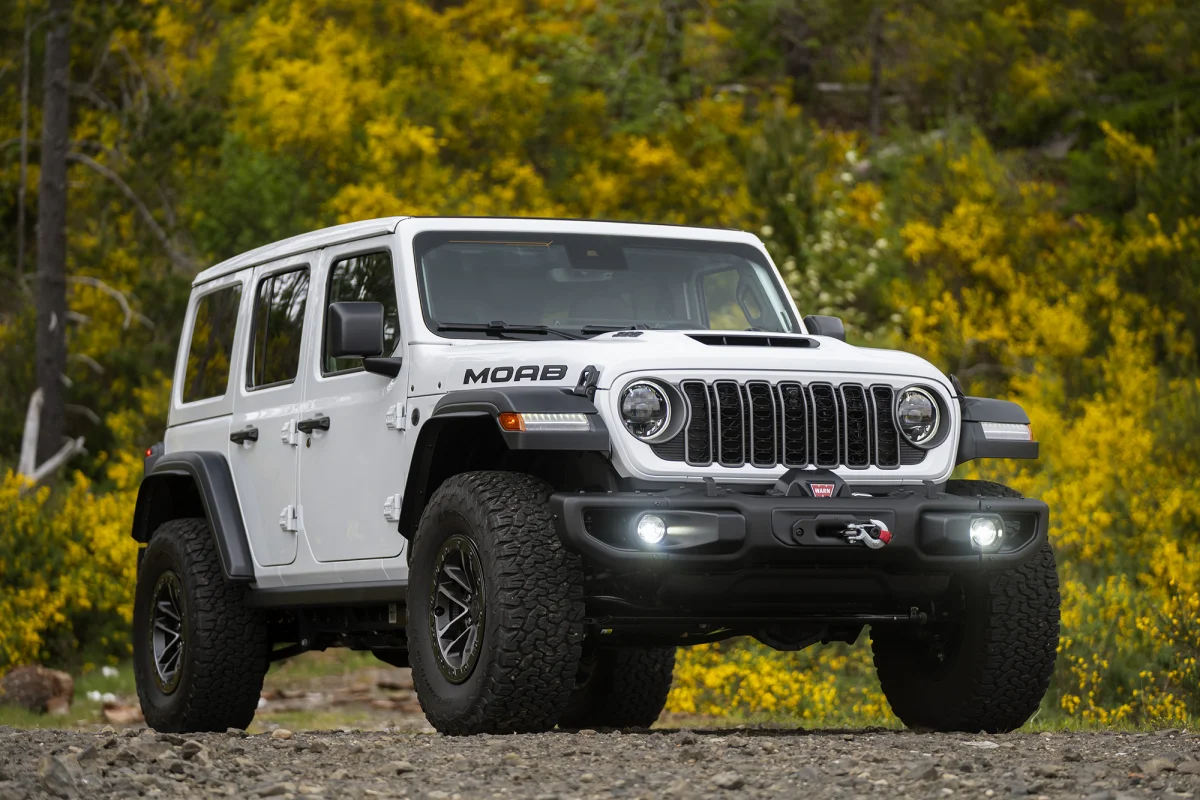
The Jeep Wrangler has a design that is unusually easy to recognize. Its upright windshield, exposed hinges, round headlights, boxy body, high-clearance stance, removable doors, and distinctive grille have remained closely associated with the Jeep brand for decades.
The modern Wrangler evolved from earlier Jeep vehicles, including the CJ series, so its appearance is tied to a much longer design history. That history became important when Mahindra introduced the Roxor for the US market in 2018.
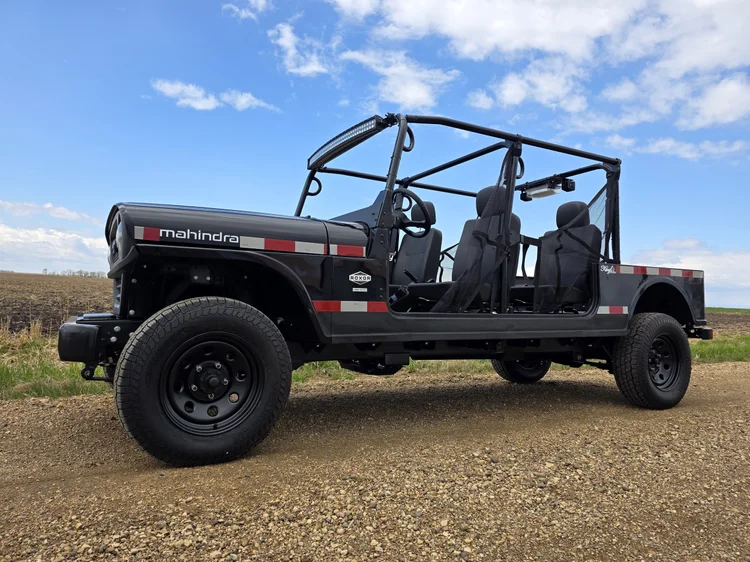
The Roxor was an off-road utility vehicle rather than a conventional road-going SUV, but its appearance immediately attracted attention because of its Jeep-like proportions and styling.
The dispute between Jeep parent FCA US and Mahindra became a major automotive design case in the United States. The US International Trade Commission found that the 2018 and 2019 Roxor infringed Jeep trade dress.
The trade dress covered several visual characteristics, including the boxy body, flat-looking hood, grille treatment, fenders, hood latches, and door openings. This is more significant than simply saying that journalists thought the vehicles looked alike. A US trade body actually examined the design characteristics and reached a finding concerning the earlier Roxor.
Mahindra responded by changing the Roxor’s design. The updated vehicle moved away from several features associated with the Jeep appearance, including the grille and hood details that had been central to the dispute. The ITC later determined that the post-2020 Roxor was sufficiently different from the Jeep trade dress at issue.
A federal court decision also became part of the long-running dispute. By 2023, a Michigan court ruling allowed the redesigned Roxor to continue being sold in the United States. The case shows why calling every lookalike a “copy” can be too simplistic. Here, there was a documented legal dispute, a regulatory finding concerning earlier vehicles, and a subsequent redesign.
For American car enthusiasts, the Roxor case is particularly interesting because Jeep styling has strong cultural recognition in the United States. The Wrangler is not merely a generic SUV with round headlights. Its basic visual formula has become closely connected with Jeep’s identity.
That made individual styling elements important during the dispute. Mahindra’s position also mattered. The company argued that the Roxor had its own identity and pointed to its historical connection with Jeep-style vehicles.
The legal record therefore contains more nuance than the simple claim that Mahindra copied a Wrangler. The original Roxor design faced a specific trade-dress finding, while later versions were changed.
2. MINI Cooper and the Lifan 320
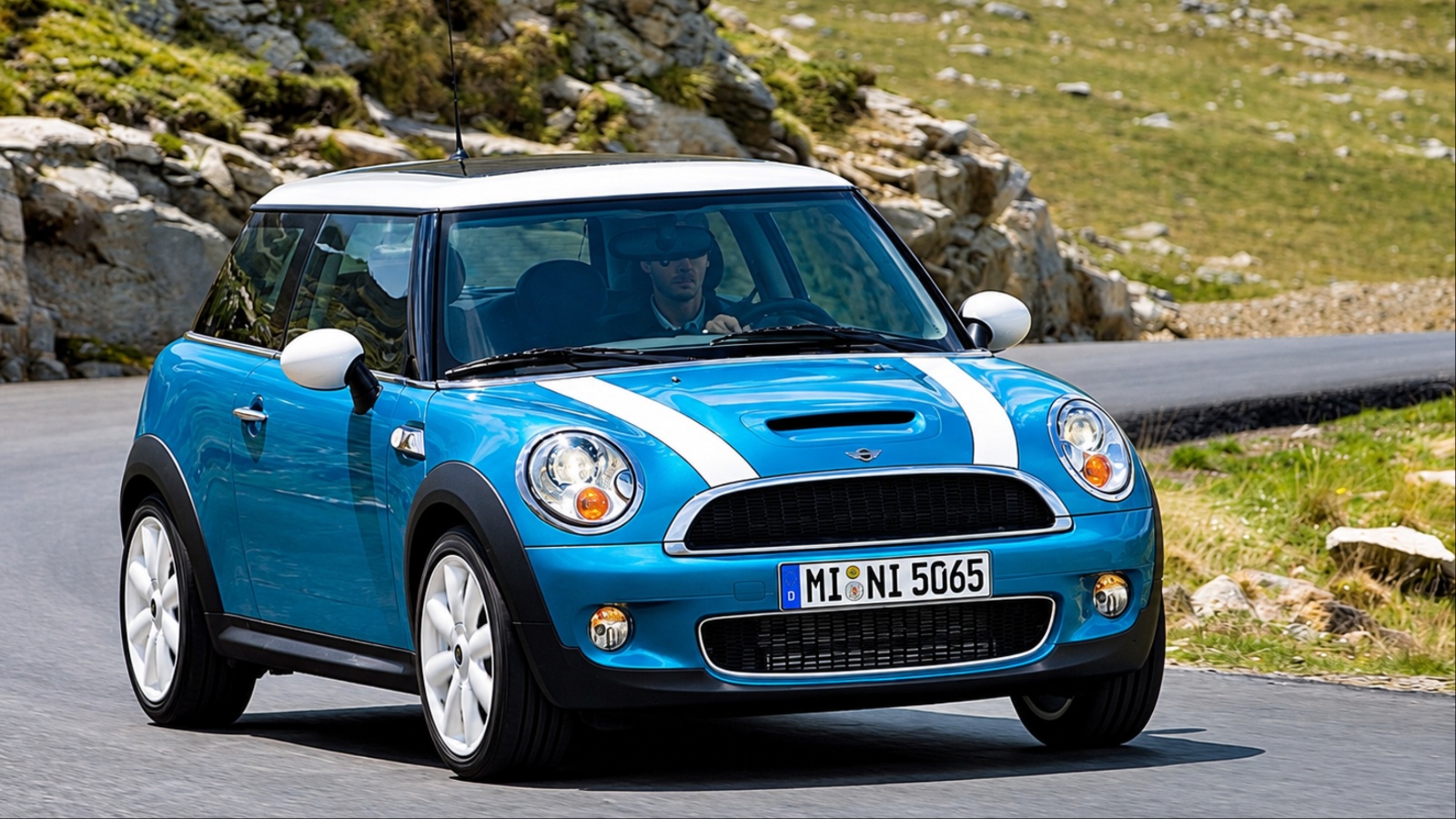
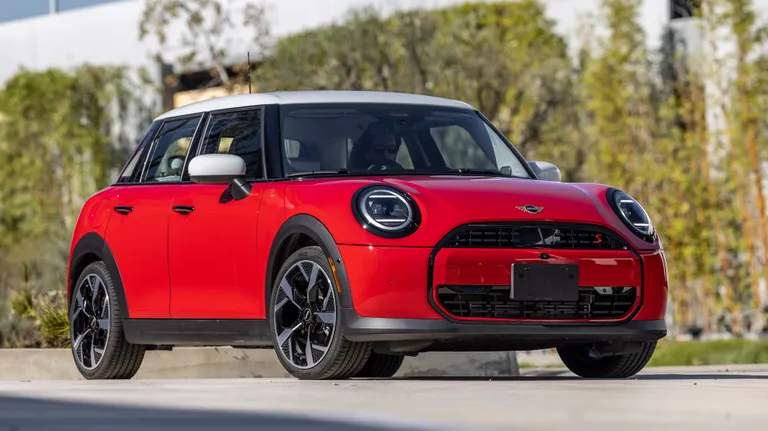
The MINI Cooper has a distinctive shape built around a compact hatchback body, upright proportions, circular headlights, a rounded roof, short overhangs, and a visually friendly front end. BMW revived the MINI name with a modern interpretation of the classic British design, creating a car that became widely recognizable in the United States and other markets.
Its appearance was influential enough that several manufacturers later produced vehicles with remarkably similar five-door hatchbacks, while the MINI Cooper offered a different range of body configurations and engineering. The similarity was primarily visual.
The Lifan featured round headlights, a compact body, a rounded roofline, a familiar two-tone treatment, and tail-lamp styling that made comparisons with the MINI almost unavoidable.
Contemporary automotive coverage repeatedly described the Lifan as a MINI lookalike. Autocar specifically identified the Lifan 320 as a Chinese copycat model and noted its strong resemblance to visual themes. The Lifan 320, introduced in China in 2008, became particularly well known for its resemblance to the modern MINI hatchback.
The Lifan 320 was a small five-door hatchback, while the MINI Cooper offered a different range of body configurations and engineering. The similarity was primarily visual. The Lifan featured round headlights, a compact body, a rounded roofline, a familiar two-tone treatment, and tail-lamp styling that made comparisons with the MINI almost unavoidable.
Contemporary automotive coverage repeatedly described the Lifan as a MINI lookalike. Autocar specifically identified the Lifan 320 as a Chinese copycat model and noted its strong resemblance to the MINI hatchback.
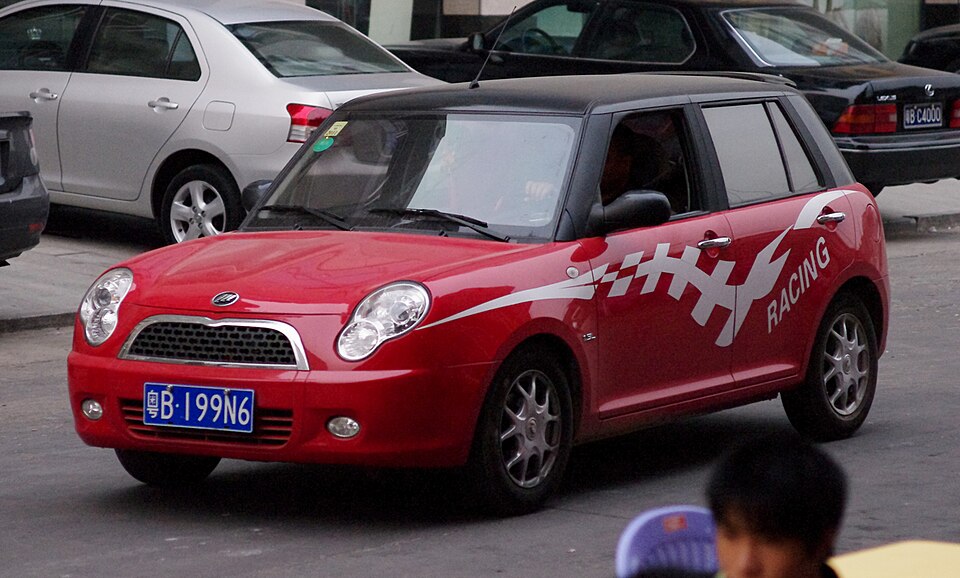
There were still meaningful differences between the two vehicles. The Lifan 320 was designed as a lower-cost Chinese-market product and used different mechanical components and dimensions. Its five-door configuration also separated it from certain MINI versions available at the time.
Similar exterior proportions do not mean that two cars share the same platform, suspension, engine, manufacturing process, or driving characteristics. That distinction matters when discussing automotive copying. Design imitation concerns what people can see, while engineering relationships require a completely different level of evidence.
The Lifan example also shows how quickly a recognizable design language can spread. A small hatchback does not have unlimited freedom in its proportions because packaging requirements influence the windshield angle, roof height, wheel placement, and cabin volume.
Still, designers have plenty of ways to establish a unique identity through lighting, grille treatment, body surfacing, pillars, bumpers, and other details. The Lifan 320 used several visual cues that made observers immediately think of the MINI. Its later facelift moved further away from the original comparison and became less dependent on that familiar appearance.
3. Range Rover Evoque and the Landwind X7
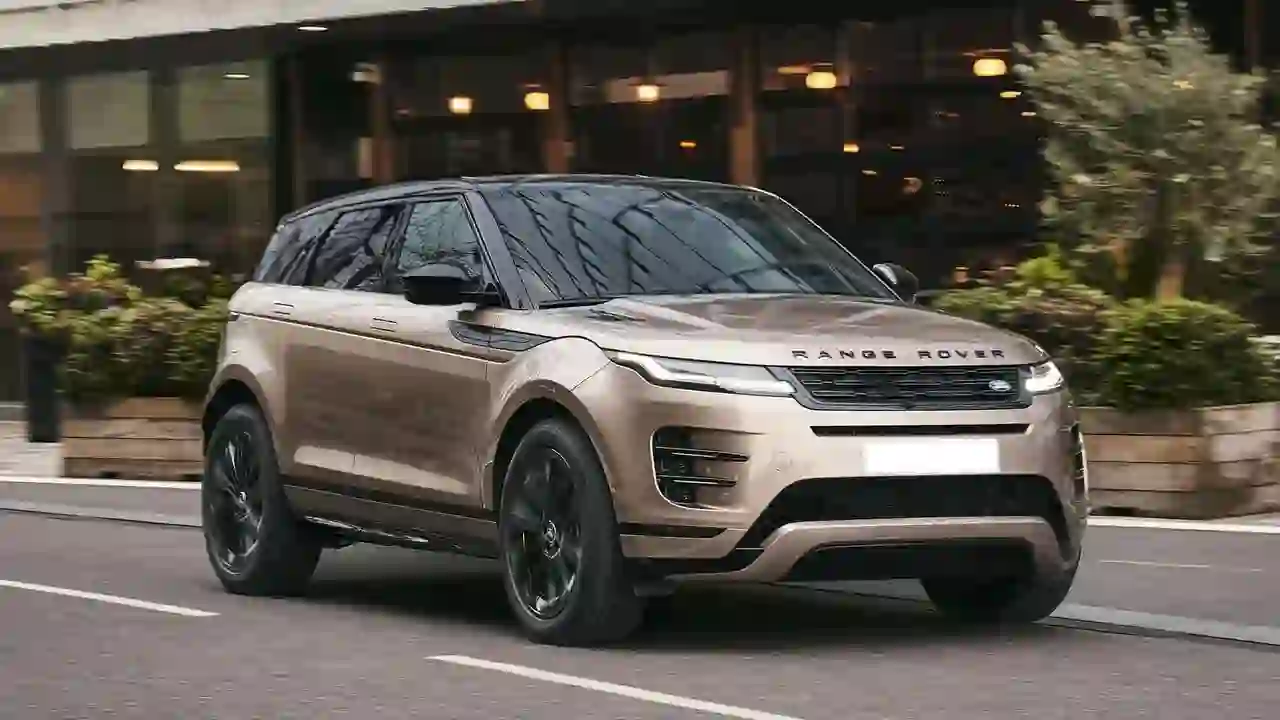
The Range Rover Evoque introduced a compact interpretation of Range Rover’s design language, combining a relatively low roof, pronounced shoulder line, rising beltline, large wheels, and a distinctive relationship between the greenhouse and bodywork.
The Landwind X7 was launched at a much lower price than the Evoque, which increased public attention around the comparison. Reports at the time described the X7 as an Evoque clone, and Jaguar Land Rover publicly raised concerns about the similarities.
The dispute became more complicated because design-patent issues in China were involved. Jaguar Land Rover had sought protection for the Evoque’s design, while Jiangling Motors, the company behind Landwind, had its own filing related to the X7. The legal history involved patent challenges, court proceedings, and changes in the status of those registrations.
A significant development came in 2019, when a Beijing court ruled in favor of Jaguar Land Rover. The court found that the Landwind X7 had copied five unique design elements of the Evoque and ordered production and sales to stop, along with compensation.
That ruling gives this example a stronger factual foundation than many internet claims about supposed car clones. It is still important to specify what was actually decided.
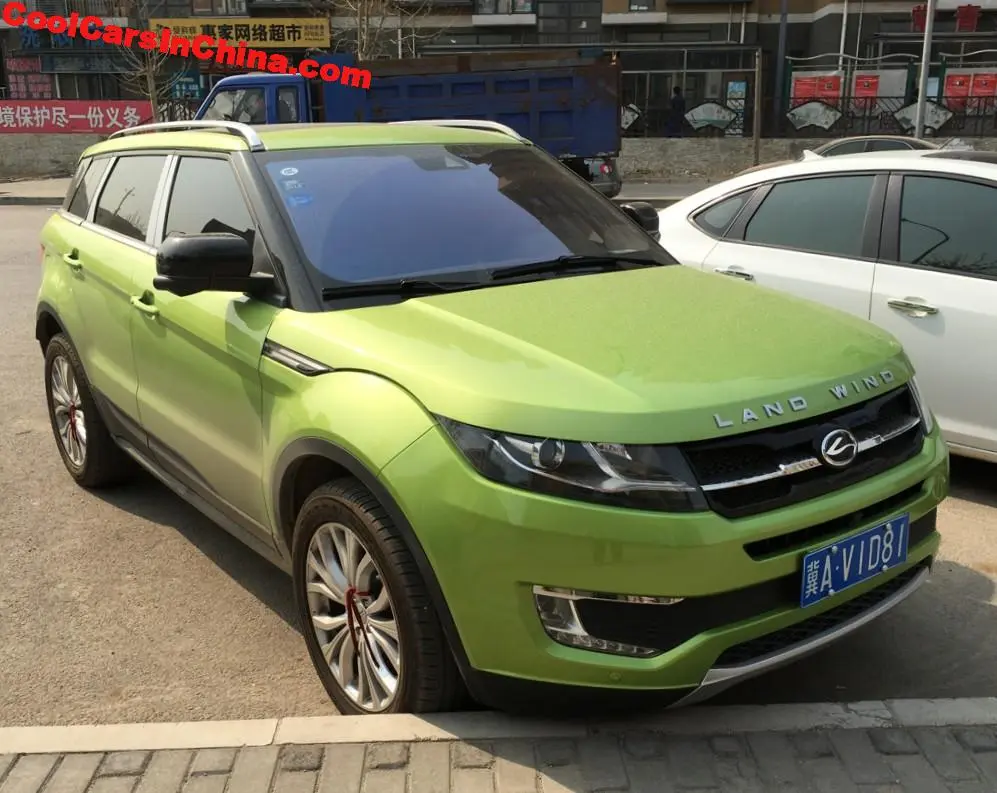
The court’s finding concerned particular design elements and related legal claims. It does not mean that every component of the X7 was physically copied from an Evoque or that the two vehicles were mechanically identical.
For the American market, the Evoque represents an important part of the premium compact SUV segment, while the Landwind X7 is better understood as an international example of design imitation. The story gained attention because the Evoque had a strong visual identity and the X7 reproduced many of its most recognizable characteristics.
It is also a reminder that automotive design disputes can produce different outcomes in different countries. A manufacturer may have limited success with a particular claim at one stage and later obtain a favorable judgment through a different legal route. The Evoque and X7 therefore remain a strong example of a design-copying dispute with a documented court outcome.
4. Porsche Macan and the Zotye SR9
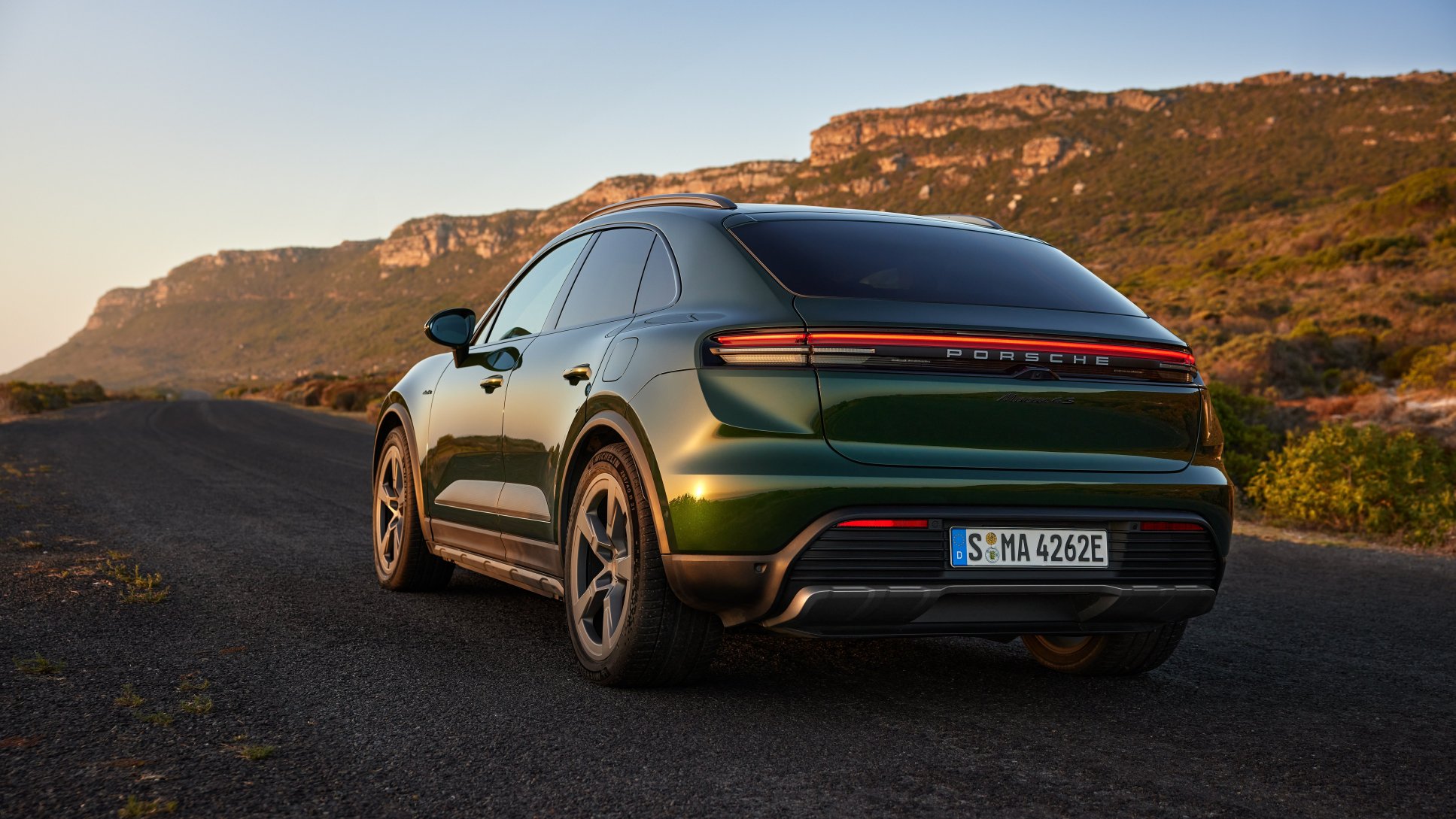
The Porsche Macan brought the company’s familiar enough to distinguish the badges and certain lighting elements, but the visual formula remained extremely close to the Porsche. Autocar’s comparison described the SR9 as closely resembling the Macan in both exterior and interior design.
The similarity extended beyond broad proportions. Contemporary comparisons pointed to the positioning of controls, dashboard architecture, steering wheel design, center console arrangement, and other cabin details.
The exterior differences were enough to distinguish the badges and certain lighting elements, but the visual formula remained extremely close to the Porsche.
Autocar’s comparison described the SR9 as closely resembling the Macan in both exterior and interior design. The vehicle also used dimensions that were surprisingly close to the Porsche, further strengthening the visual comparison.
The SR9 was not mechanically equivalent to the Porsche Macan. It used different powertrains and was positioned at a much lower price. Early versions used turbocharged four-cylinder engines and offered manual or dual-clutch transmissions depending on specification.
Porsche’s engineering, chassis development, drivetrain calibration, materials, manufacturing standards, and brand positioning were very different. This distinction matters because a design copy is not necessarily an engineering copy. Two vehicles can look similar while being fundamentally different underneath.
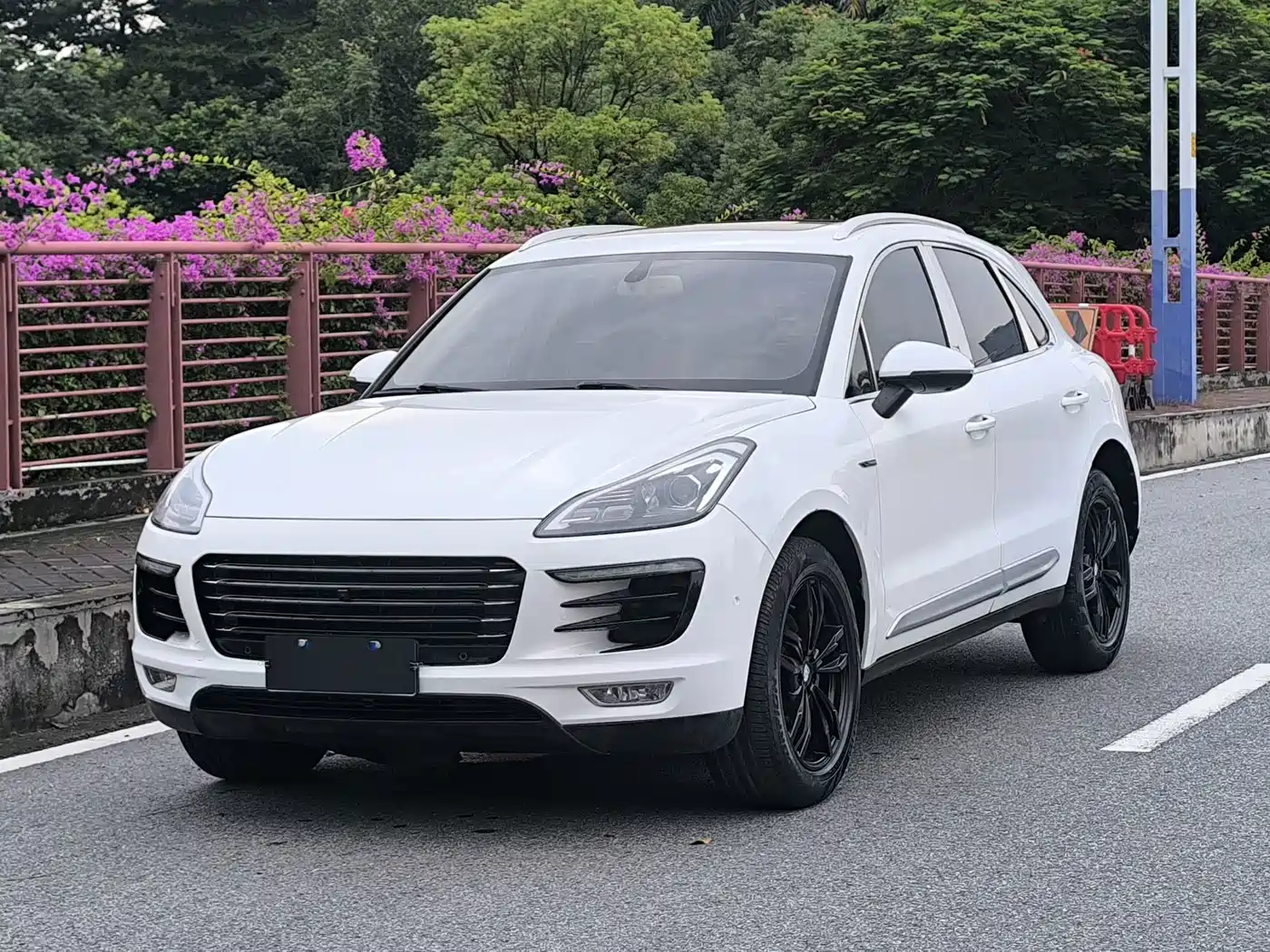
Porsche reportedly considered legal action, but the SR9 example did not produce the same kind of major court outcome seen in the Landwind X7 case. That is why the wording matters. Calling the Zotye SR9 a widely reported Macan clone is supported by contemporary automotive coverage.
Saying that a court conclusively ruled that Zotye illegally copied the Macan would be a different claim and would require stronger evidence. Autocar reported that Porsche had threatened legal action but had not officially sued for copyright infringement at the time of its detailed comparison.
The Macan and SR9 comparison is particularly interesting because it demonstrates how recognizable premium design can become when several details work together. The roofline alone did not create the resemblance. The proportions, front-end treatment, side surfaces, glasshouse, rear design, and cabin architecture all contributed to the impression.
The case also reflects an era when several Chinese manufacturers were accused of borrowing the visual identities of established European and Japanese brands.
The Chinese automotive industry has since produced many vehicles with more independent styling, making the SR9 useful as a historical example of how far automotive imitation could go.
5. BMW X5 and the Shuanghuan SCEO
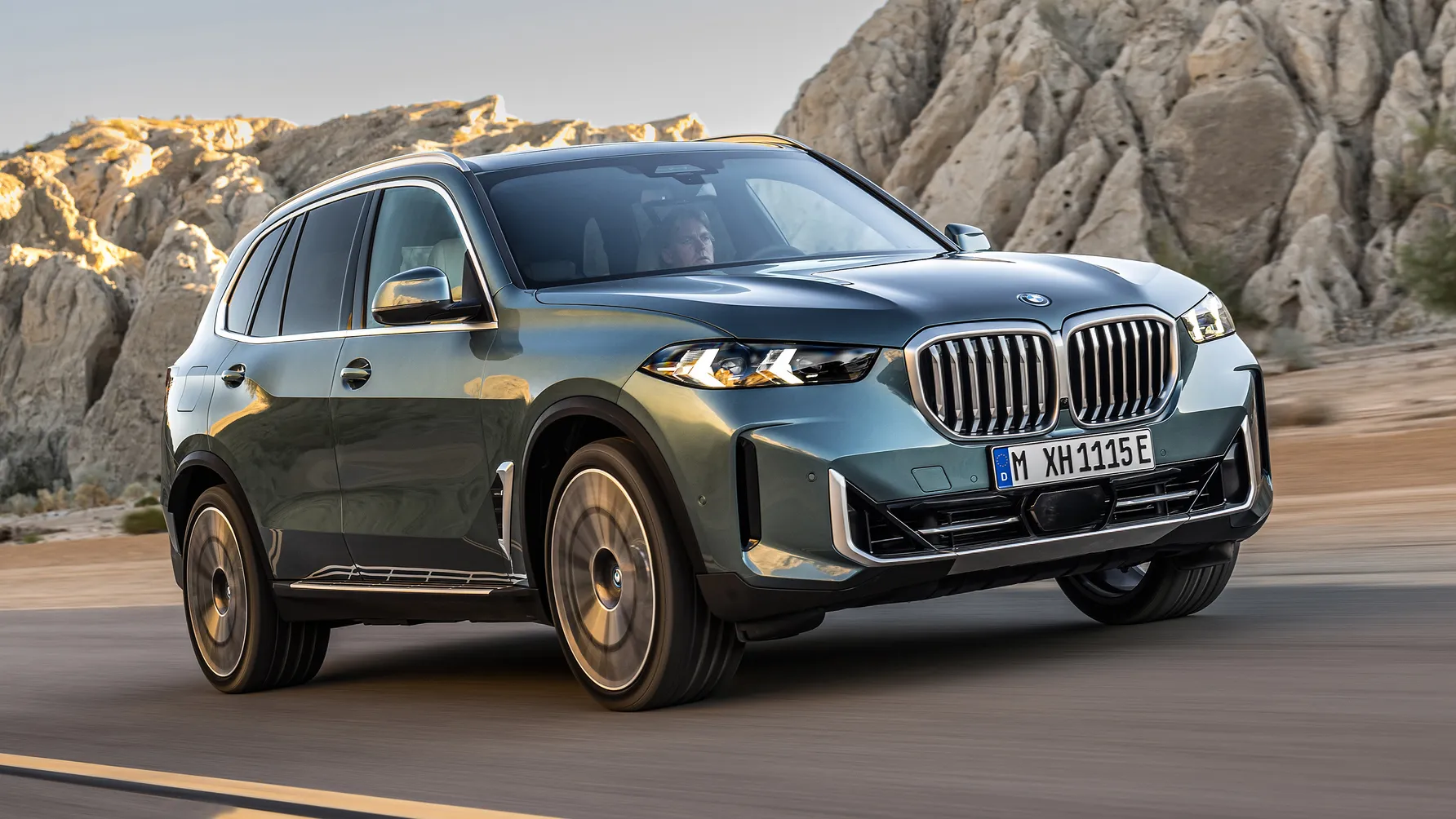
The first-generation BMW X5 helped define the modern luxury SUV formula. Its tall body, long hood, recognizable kidney grille, curved greenhouse, substantial wheel arches, and distinctive rear treatment created a strong identity.
When Shuanghuan introduced the SCEO, comparisons with the X5 became immediate. The SCEO was a Chinese SUV that used a different badge and different mechanical package, yet its profile and rear design were frequently compared with BMW’s first-generation luxury SUV.
The dispute was not limited to casual observations from automotive enthusiasts. BMW took legal action in Germany concerning the SCEO. In 2008, a regional court in Munich ruled that the vehicle was a copy of the BMW X5 and prohibited the relevant trade in Germany.
Reports also described an order concerning vehicles with the disputed appearance. This makes the SCEO particularly useful for a factual article because there is a documented legal decision associated with the resemblance rather than simply a collection of side-by-side photographs.
The SCEO was not an X5 underneath its body. Its powertrain, construction, equipment, dimensions, and market positioning were different. The visual similarity was the central issue. This is an important distinction when discussing copied car designs because consumers often use the word “clone” to describe anything that looks similar.
A legal finding can be narrower than that everyday description. In the SCEO case, the German court specifically addressed the vehicle’s resemblance to the BMW design and restricted its sale in Germany.
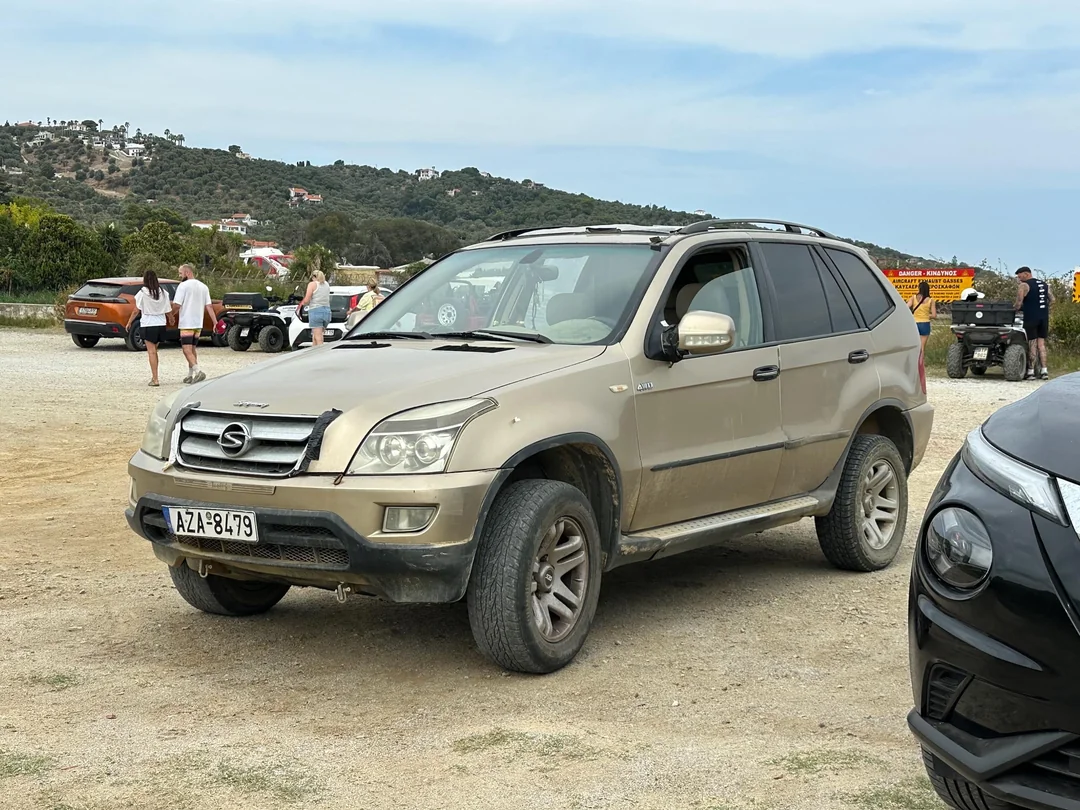
The case also shows how automotive styling can create problems when a manufacturer tries to reproduce the visual identity of a successful premium vehicle. BMW had spent years establishing the X5 as a recognizable luxury SUV. A cheaper vehicle with similar exterior cues could potentially benefit from that recognition, even without using BMW’s badge.
This explains why major automakers pay attention to body shapes, grilles, lighting signatures, and other visual characteristics. These elements can carry substantial commercial value because consumers use them to identify vehicles before they even see the manufacturer’s name.
For US readers, the BMW X5 is a familiar model and an important part of the American luxury SUV market. The Shuanghuan SCEO never became a comparable mainstream US product, but its history remains relevant because the X5’s design was influential far beyond America.
The German legal action provides a concrete example of how a manufacturer can challenge a visually similar vehicle. It also reinforces the need for careful language. The SCEO was not simply “another SUV that looked a bit like an X5.” Its resemblance became serious enough to result in a German court ruling restricting its sale.
6. Smart Fortwo and the Shuanghuan Noble
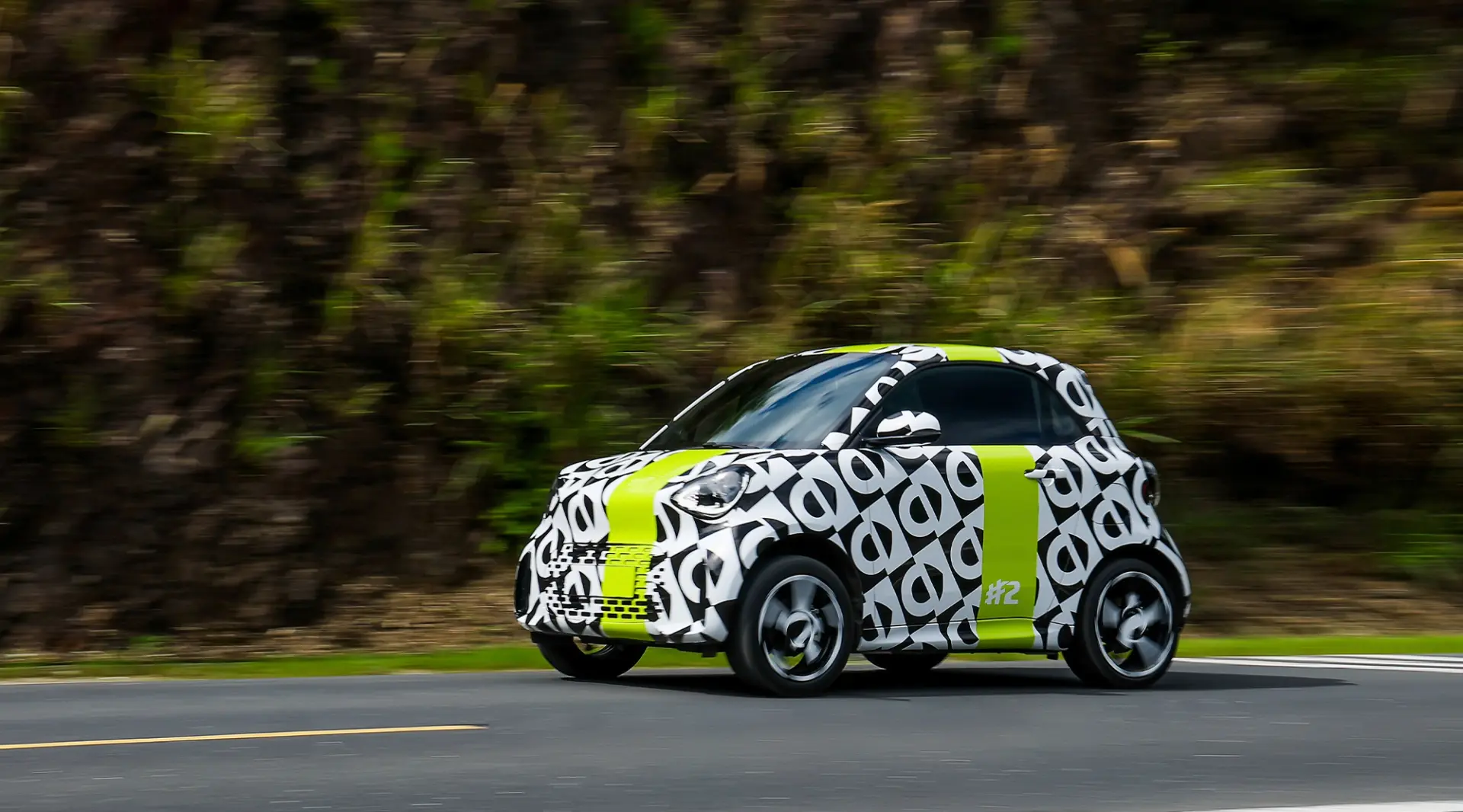
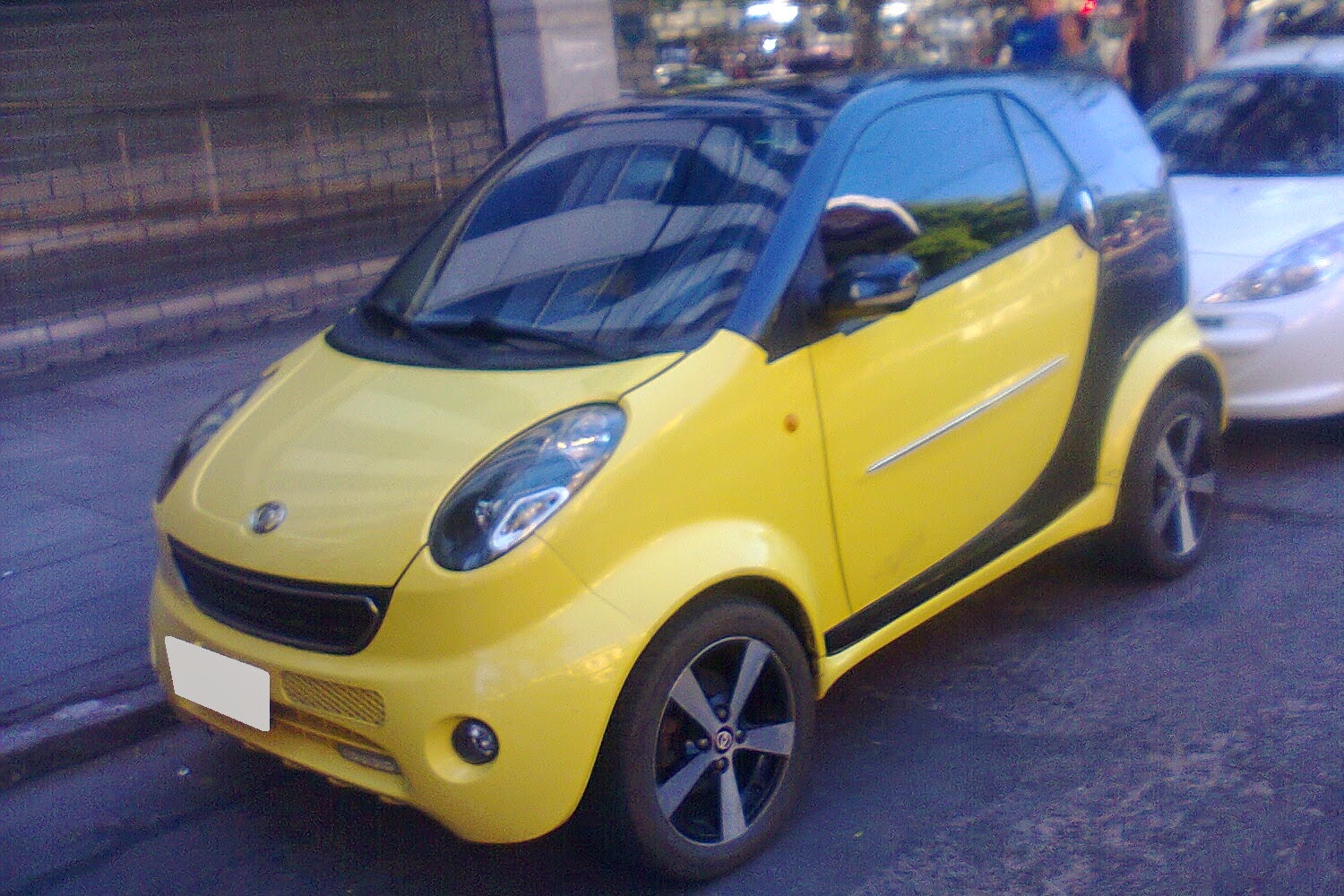
The Smart Fortwo was created around a very different idea from conventional American cars. Its extremely short body, tiny footprint, upright cabin, compact wheels, and unusual proportions made it immediately recognizable. When the Shuanghuan Noble appeared, the two cars were compared repeatedly.
The Noble had a similar basic visual concept, with a short hatchback body, upright proportions, rounded lights, and a compact urban-car appearance. The similarities became the subject of legal action involving Daimler and the Smart brand.
There were important technical differences between the vehicles. The Smart Fortwo was a two-seat car with a rear-mounted engine in its earlier generations, while the Shuanghuan Noble was a four-seat vehicle with a front-mounted engine. The Noble was also longer and mechanically different.
Those distinctions became important during legal proceedings because the question was not simply whether photographs looked alike. Courts also considered whether a sufficiently informed consumer would confuse the vehicles and whether the similarities resulted partly from the functional requirements of a tiny city car.
Legal outcomes surrounding the Noble varied by country. Daimler pursued legal action in Europe, including proceedings connected with exhibitions and sales.
In Greece, a court rejected Daimler’s attempt to prevent sales, with the reasoning including differences in technical specifications and the view that an informed buyer would not necessarily confuse the vehicles.
The Noble therefore sits in a more complicated category than the Jeep Roxor or Landwind X7 examples. Its styling clearly invited comparison with the Fortwo, and the dispute was serious enough to involve Daimler. At the same time, the technical differences were substantial.
The Noble offered four seats, while the Fortwo was designed around two. The two cars also used different layouts and dimensions. These distinctions help explain why legal judgments concerning vehicle design cannot always be predicted simply by placing two photographs beside each other.
7. Rolls-Royce Phantom and the Geely GE
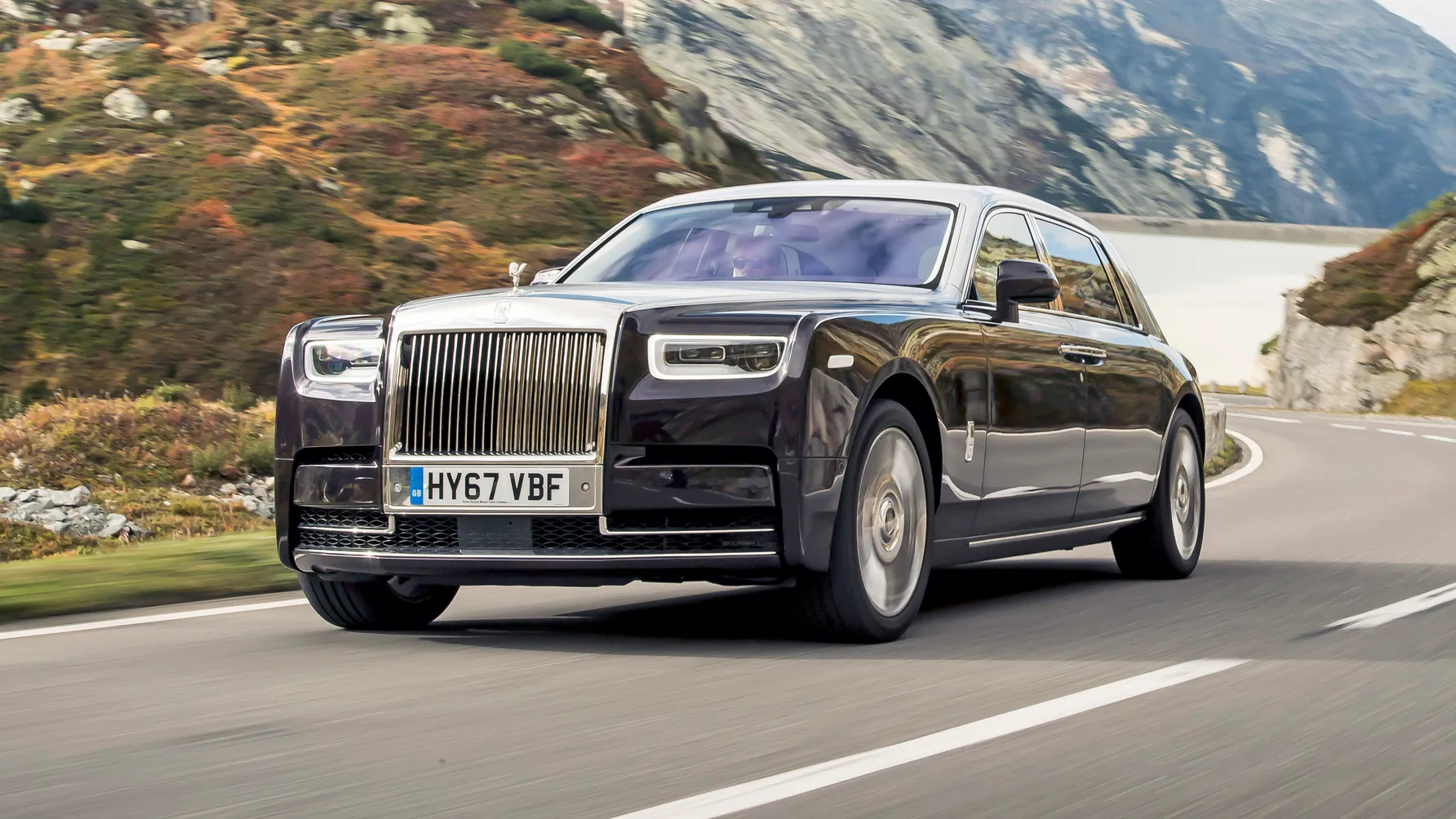
The Rolls-Royce Phantom is famous for its imposing proportions, upright grille, long body, formal cabin, and unmistakable luxury-car presence. The design language communicates status before the vehicle moves.
Geely’s GE, introduced as a luxury sedan concept and later developed through Geely’s premium ambitions, attracted attention because several aspects of its appearance resembled the Phantom. The front grille, upright stance, chrome-heavy presentation, and formal proportions made the comparison especially obvious to automotive observers.
The resemblance was not limited to the grille. Reports comparing the two vehicles highlighted the luxury-car treatment and the use of a prominent hood ornament concept. The Phantom’s famous Spirit of Ecstasy is an important part of Rolls-Royce’s visual identity, so any similar ornament naturally attracted attention.
Automotive publications and other sources have repeatedly included the Geely GE in lists of Chinese vehicles that closely imitated established Western designs.
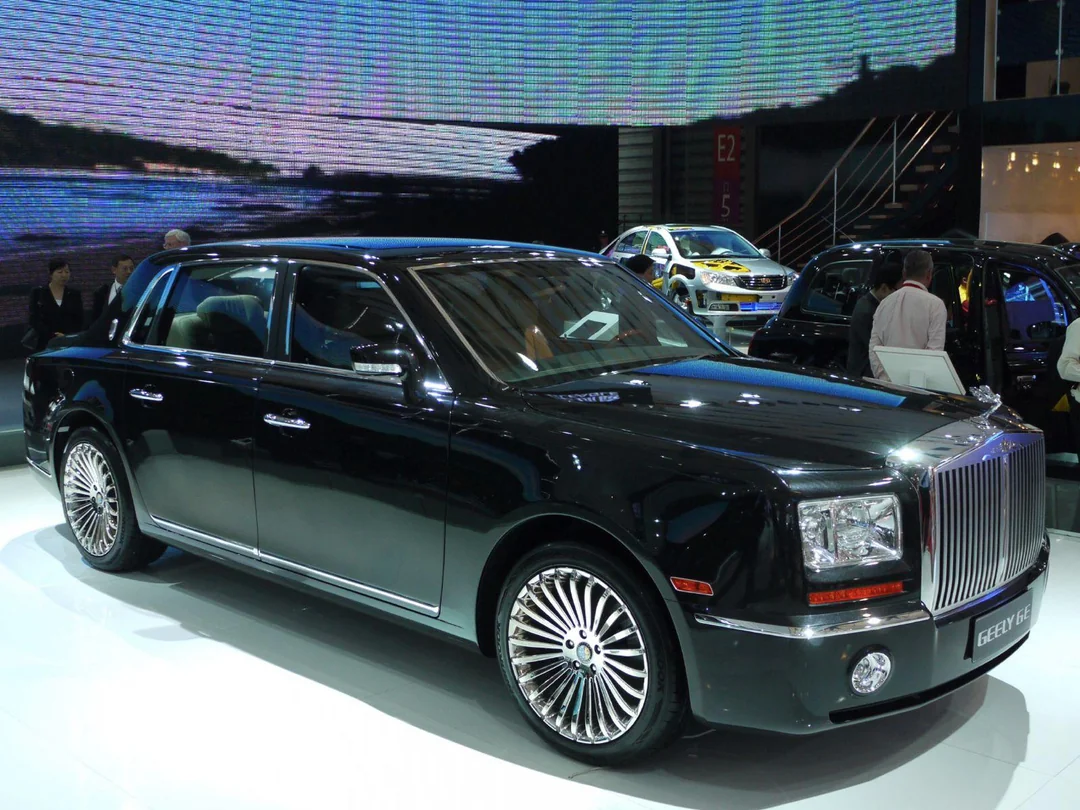
Geely later changed the GE’s appearance. Reports from the period said that the company restyled the vehicle with a more rounded appearance and moved away from the earlier Phantom-like presentation. A Geely spokesperson also indicated that the revised model no longer borrowed inspiration from other manufacturers.
This evolution is worth mentioning because automotive designs often change after public criticism. A manufacturer may retain the basic idea of a luxury sedan while altering the grille, body surfaces, lighting, and other features that create a strong resemblance to a particular rival.
The GE also demonstrates how expensive luxury cars can influence manufacturers operating at completely different price levels. The Phantom occupies an ultra-luxury category, while Geely’s products targeted a much broader market. Reproducing certain luxury-car signals could make a more affordable vehicle appear more prestigious.
That strategy has appeared repeatedly in automotive history, with manufacturers borrowing visual themes associated with premium brands. The difference here was the closeness of some design cues, which made the Phantom comparison especially persistent in automotive coverage.
