
A cabin air filter protects passengers from dust, pollen, dirt, and other airborne particles entering through a vehicle’s ventilation system. Access to that filter can vary greatly by vehicle design. Some filters sit behind the glove box and can be reached in minutes, while others are buried behind trim panels or deep inside the dashboard.
Service manuals show the intended removal procedure, while labor guides such as RepairPal provide useful context about repair complexity and expected labor costs.
Understanding this difference helps drivers and technicians estimate the time, tools, and effort required before replacing a cabin filter on any vehicle.
5 Cabin Filters You Can Reach in Five Minutes

1. Toyota Camry Cabin Air Filter
Many Toyota Camry models use a cabin air filter positioned behind the glove box, making the component relatively accessible for routine maintenance. The exact procedure changes between generations, so the vehicle’s model year should always be confirmed before removing anything.
On configurations using the familiar glove-box access arrangement, the basic process involves opening the glove box, releasing the retaining mechanism, locating the filter housing, removing the old filter, and installing the replacement in the correct airflow direction.
The work does not normally require removal of the dashboard itself, which is why this design is generally considered convenient for routine service.
The five-minute description should be treated as a practical target rather than a guaranteed time. A first-time owner may need considerably longer to identify the retaining points and determine how the glove box damper or stops release. A technician who has serviced the same generation repeatedly may complete the task much faster.
This distinction matters when comparing DIY work with professional labor estimates. A short procedure can still become time-consuming when clips are difficult to release, the glove box is packed with personal items, or a replacement filter does not match the original dimensions.
Toyota service information is useful because it provides the vehicle-specific sequence rather than relying on a generic cabin-filter procedure. Filter orientation also matters. Many filters include an airflow arrow, and that arrow needs to face the direction specified by the vehicle design.
Installing a filter backward may not prevent it from physically fitting, but it can interfere with the filter’s intended operation. The housing should also be checked for leaves, dust, and other debris before the replacement filter is installed.
RepairPal labor information can help put the job into a broader cost context, but its estimates should not be interpreted as a universal five-minute guarantee. Labor estimates are affected by vehicle configuration and local shop rates.
A simple cabin-filter replacement may have relatively little labor attached to it compared with repairs requiring dashboard access. That difference illustrates why maintenance items that appear similar can produce very different service bills from one vehicle to another.

2. Honda Civic Cabin Air Filter
Honda Civic models commonly place the cabin air filter behind the glove box, providing relatively straightforward access for routine replacement. The exact arrangement varies with generation, but the general design makes this service far less involved than jobs requiring dashboard disassembly.
In many Civic applications, the glove box needs to be lowered or released before the filter tray can be accessed. Once the housing is exposed, the filter can be removed and replaced without disturbing major dashboard components.
The simplicity of the Civic arrangement is particularly useful for owners who want to perform basic maintenance themselves. There are usually no complicated mechanical systems involved in the filter replacement itself.
The important steps are identifying the correct access points, releasing the glove box without forcing it, opening the filter housing, checking the old filter, and installing the new component in the correct direction. The procedure can become longer when a vehicle has been modified, when clips are damaged, or when the technician is unfamiliar with that generation.
A factory service manual or Honda maintenance information remains the most dependable reference for the precise procedure. Generic videos and instructions can be helpful, but they may combine procedures from different Civic generations.
Dashboard designs can look similar while using different retaining systems. A service manual can also identify precautions concerning electrical connectors, dampers, trim panels, or other components that should not be pulled unnecessarily.
RepairPal’s labor information provides a useful comparison between routine filter maintenance and larger HVAC repairs. The labor associated with replacing an easily accessible filter is generally modest because the technician is not required to dismantle the HVAC case or major sections of the dashboard.
Labor cost, however, should never be calculated from time alone. Shops have different hourly rates, and some maintenance packages combine cabin-filter replacement with other inspections or services.

3. Subaru Outback Cabin Air Filter
Subaru Outback models have used accessible cabin-filter arrangements in several generations, with the filter commonly associated with the passenger-side glove-box area. The precise access procedure depends on the model year.
Some designs require the glove box to be lowered farther than others, while the filter housing itself can vary in appearance. This is still considerably easier than systems where the filter is placed deep inside the HVAC housing behind dashboard structures.
A cabin filter replacement should begin with the vehicle parked securely and the ignition switched off. The passenger compartment should be cleared of loose objects before the glove box is lowered. This is a small step, but it reduces the chance of objects falling behind the dashboard.
Once access is obtained, the old filter should be inspected for leaves, dust accumulation, insects, or other debris. Heavy contamination can indicate that the filter has been left in service longer than recommended or that the vehicle operates frequently in dusty conditions.
Service information is especially valuable for Subaru because procedures can vary significantly by generation. A technician should not assume that every Outback uses the same filter housing simply because the vehicles share the same model name.
Service manuals and manufacturer maintenance schedules provide the appropriate context for each application. They also help distinguish a normal filter replacement from work involving the blower motor, evaporator, or other HVAC components.
RepairPal labor estimates are best used as a planning reference rather than a stopwatch. A professional technician may have a published labor allowance for the operation, but actual shop time can differ.
A vehicle that has been maintained regularly may offer clean, easy-to-release access points. An older vehicle can present brittle plastic, damaged fasteners, or accumulated debris. Those conditions can increase the time required even when the basic design is straightforward.
4. Ford F-150 Cabin Air Filter
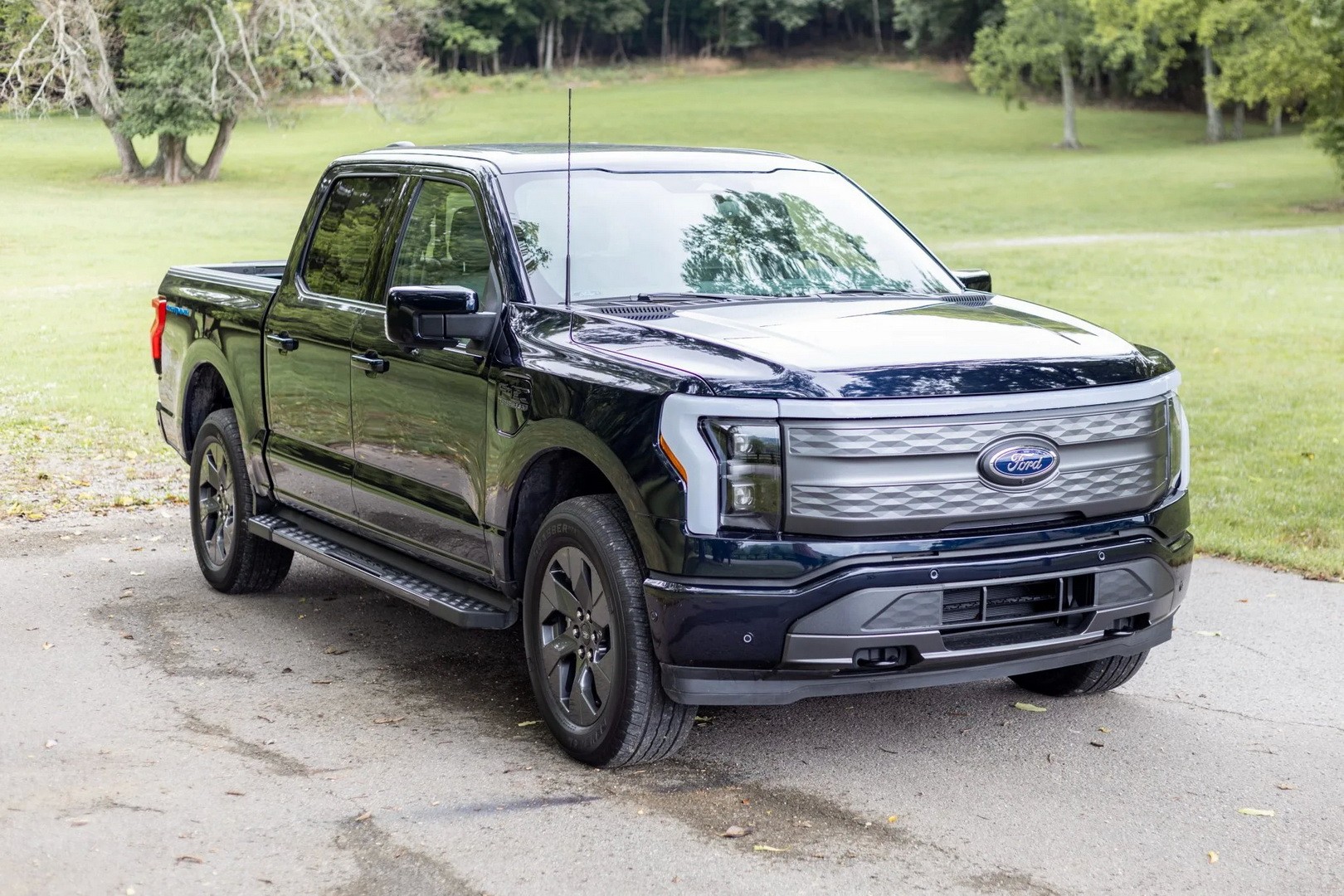
Cabin-filter arrangements in the Ford F-150 have changed across model generations, so identifying the year is essential before describing the service as a quick job.
Certain F-150 configurations provide comparatively direct access to the cabin air filter, while others may use a different HVAC arrangement or require more preparation. This is a good example of why vehicle-specific service information matters more than relying on the model name alone.
When a filter is located behind an easily removable glove-box section or an accessible passenger-side panel, the replacement can be completed without removing major dashboard components.
The technician normally needs to expose the filter door, release the cover, remove the old filter, clean loose debris from the housing, and install the new element. The filter should be positioned according to the airflow marking or the manufacturer’s specified orientation.
A service manual can identify the correct fasteners, clips, and access panels for a particular F-150. That information becomes increasingly important as vehicles become more complex.
Modern dashboards contain electrical equipment, wiring, sensors, airbag components, and HVAC controls. Avoiding unnecessary disturbance is therefore preferable to removing large sections simply to gain access to a maintenance component.
RepairPal labor information can provide a useful benchmark when estimating professional service costs. Published labor times are intended to represent standardized repair operations, not the exact amount of time every technician will spend.
A shop with a technician who regularly works on F-150 models may have an efficient workflow, while a general repair facility encountering an unusual configuration may need additional diagnostic or identification time.
5. Chevrolet Silverado Cabin Air Filter
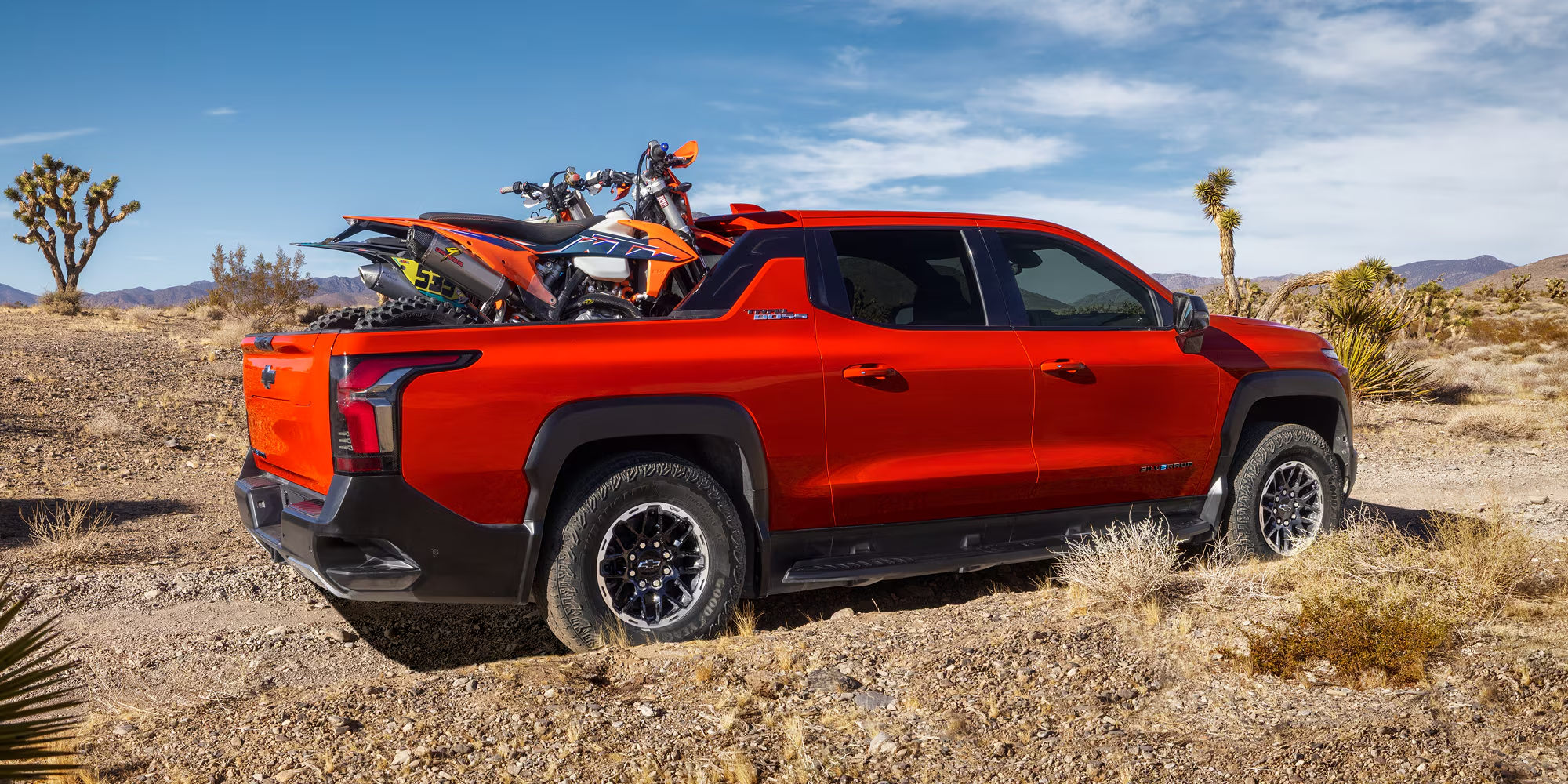
The Chevrolet Silverado provides another useful example of why cabin-filter access must be evaluated by generation. Silverado HVAC layouts have changed over the years, and not every truck should be treated as having the same maintenance procedure.
When the filter is accessible through the passenger-side portion of the cabin, the job can be relatively short. When additional trim or HVAC components are involved, the labor requirement can increase.
A quick-access filter generally requires removal of a cover or lowering a glove-box-related component. Once the housing is open, the old filter slides out of its tray or compartment.
The technician can then inspect the housing and install the replacement. Care should be taken not to bend the filter excessively, since forcing a filter into a restricted opening can damage the filter media or housing.
Factory service information remains the strongest reference for confirming the procedure. It identifies the components that need to be removed and helps prevent unnecessary disassembly.
The owner’s manual can also provide maintenance guidance, while aftermarket repair information can offer additional practical explanations. Combining these sources with the exact vehicle identification gives a more reliable procedure than using a generic cabin-filter guide.
RepairPal labor estimates can help explain why two trucks receiving the same type of maintenance can have different labor charges. Labor is based partly on the expected accessibility and procedure for the vehicle.
Shop rates, regional pricing, and additional work can change the final invoice. The published estimate should therefore be viewed as a reference point rather than an exact promise.
5 Cabin Filters That Sit Behind the Dash

1. Nissan Cabin-Filter Systems With Restricted Access
Some Nissan vehicles have cabin-filter arrangements that require considerably more effort than the simple glove-box designs found on many cars.
The exact location varies by model and year, so it would be inaccurate to assign a single procedure to the Nissan brand. In certain applications, the filter housing is positioned in a tight area near the HVAC assembly, making access more difficult for technicians and owners.
When the filter is located in a restricted passenger-side area, the work can involve removing trim, accessing a narrow filter door, or working around HVAC components.
The challenge is often not the filter itself but the space available to remove and install it. A flexible filter can help in some applications, but the manufacturer’s procedure should determine how the component is handled.
Service manuals become particularly valuable for restricted-access systems. A technician needs to know exactly which panels and components must be removed and which should remain untouched. Improperly removing interior trim can damage clips or create new noises after reassembly. The service procedure can also provide information about fastener locations and the order of removal.
RepairPal labor times are useful here because they illustrate the difference between a routine maintenance component and a labor-intensive access procedure. A cabin filter may cost relatively little as a part while requiring significantly more technician time.
In automotive repairs, an affordable part can still be expensive to replace if it is difficult to access or requires extensive labor.

2. Mazda Models With Tight HVAC Access
Mazda vehicles have used different cabin-filter arrangements across various model lines and generations. Some provide convenient access through the glove-box area, while others place the filter in a location that requires more involved passenger-side disassembly.
Because of these differences, a statement about Mazda cabin-filter labor should always identify the specific vehicle before an exact time is given.
Restricted access changes the nature of the job. A technician may need to remove lower dashboard trim, move a glove-box assembly, or work in a narrow space around the HVAC case. The replacement filter still performs the same basic function, but the time required to reach it can be much greater. This is why a cabin filter cannot be categorized simply as a “five-minute part.”
The factory service manual can show the intended access sequence. Following that sequence helps reduce the risk of damaging trim and makes reassembly more predictable.
It also provides information about fasteners that may look similar but have different positions. Experienced technicians often memorize common procedures, but documentation remains valuable when servicing less familiar model years.
RepairPal labor information provides another way to understand the difference between vehicle designs. Labor estimates reflect the expected work involved in a specific operation.
If the filter requires additional interior disassembly, the labor allowance can be higher than it would be for a filter located immediately behind a glove box. The actual invoice can still vary based on local labor rates and the condition of the vehicle.

3. Volkswagen HVAC Filter Access
Volkswagen vehicles provide many examples of how European vehicle packaging can differ between generations and model lines. Cabin filters may be positioned in locations that are not immediately obvious to a first-time owner.
Some are accessible from the passenger-side area, while others require removal of additional covers or panels. Exact service procedures therefore depend heavily on the vehicle application.
A filter hidden near the HVAC housing can be difficult to reach because the surrounding components leave little room for hand movement. The technician may need to work at an awkward angle while removing the old filter. This can increase service time even when the number of fasteners is small. Physical access is a major factor in real-world labor.
Factory documentation can help identify whether a particular filter can be replaced without disturbing additional components. This matters because unnecessary disassembly can turn a straightforward job into a longer one. Service information may also specify precautions related to trim, electrical connections, and installation direction.
RepairPal labor estimates should be interpreted in the context of the exact vehicle. A general statement such as “Volkswagen cabin-filter replacement takes X minutes” would be misleading because model, year, and configuration can change the procedure. Labor guides are most useful when paired with accurate vehicle identification.

4. BMW Cabin-Filter Arrangements
BMW vehicles use several cabin-filter configurations, and access can differ substantially between generations and models. Some BMW designs position filters in the engine-compartment area, while others use passenger-compartment access points or more involved arrangements.
This makes BMW a strong example of why the phrase “cabin filter replacement” does not automatically indicate a simple job.
A filter that requires access beneath dashboard structures may involve more preparation than a conventional glove-box replacement. The technician may need to remove trim panels, protective covers, or other components before reaching the filter housing. Some procedures also involve working around wiring and electronic modules. Careful identification of the correct access path is essential.
Service manuals and manufacturer repair information are particularly useful on vehicles with complex interiors. BMW models can contain extensive electronic equipment in areas surrounding the HVAC system. A technician should follow the specified procedure rather than improvising around nearby components. The goal is to remove only what is necessary to reach the filter.
RepairPal’s labor information can help owners understand why a premium vehicle may carry a higher service cost even when the replacement part itself is inexpensive. Labor charges are influenced by access, procedure, technician time, and the shop’s hourly rate. The vehicle’s brand alone does not determine the labor requirement, but complex packaging can contribute to additional service time.
The BMW example demonstrates the importance of separating parts cost from labor cost. A cabin filter might be a relatively inexpensive maintenance item, yet the installation can involve significant access work.
Before approving service, owners can request an itemized estimate showing the filter cost and labor separately. That makes it easier to compare quotes and understand what is being charged.

5. Mercedes-Benz HVAC Filter Locations
Mercedes-Benz vehicles also use multiple cabin-filter designs across different generations. Some filters are comparatively easy to reach, while others require access through areas around the dashboard, passenger compartment, or HVAC housing.
The correct procedure depends on the model and production year, so a single labor time cannot accurately represent every Mercedes-Benz application.
Behind-dash or restricted HVAC access generally increases technician effort because the filter cannot simply be pulled from a glove-box compartment. The technician may need to remove interior panels and carefully work around other components. In some designs, the filter housing may contain multiple filter elements. That makes correct identification especially important before beginning the service.
Factory service information can provide the exact removal sequence and any applicable precautions. This is particularly important when dashboard components contain electrical equipment or connectors.
A technician should not assume that a nearby panel is safe to remove simply because it appears to provide easier access. Following the intended service route reduces unnecessary disturbance.
RepairPal labor estimates provide a useful reference for estimating professional service, but they should be matched to the exact model. The published labor figure may not include unrelated repairs discovered during inspection. Regional labor rates also affect the customer’s final bill. Consequently, the labor estimate is better viewed as a planning tool than a fixed price.