
Some supercars become valuable because they are rare, while others gain serious collector interest after enthusiasts recognize their design, engineering, or place in automotive history. In the United States, several exotic cars have experienced major increases in market value over the years, turning expensive purchases into highly sought-after collectibles.
This article looks at eight supercars that have roughly doubled in value across significant periods. The figures are approximate and reflect changes seen in collector markets, auction results, and private transactions. Actual prices can vary widely according to condition, mileage, originality, documentation, specification, and ownership history.
1. Ferrari Enzo
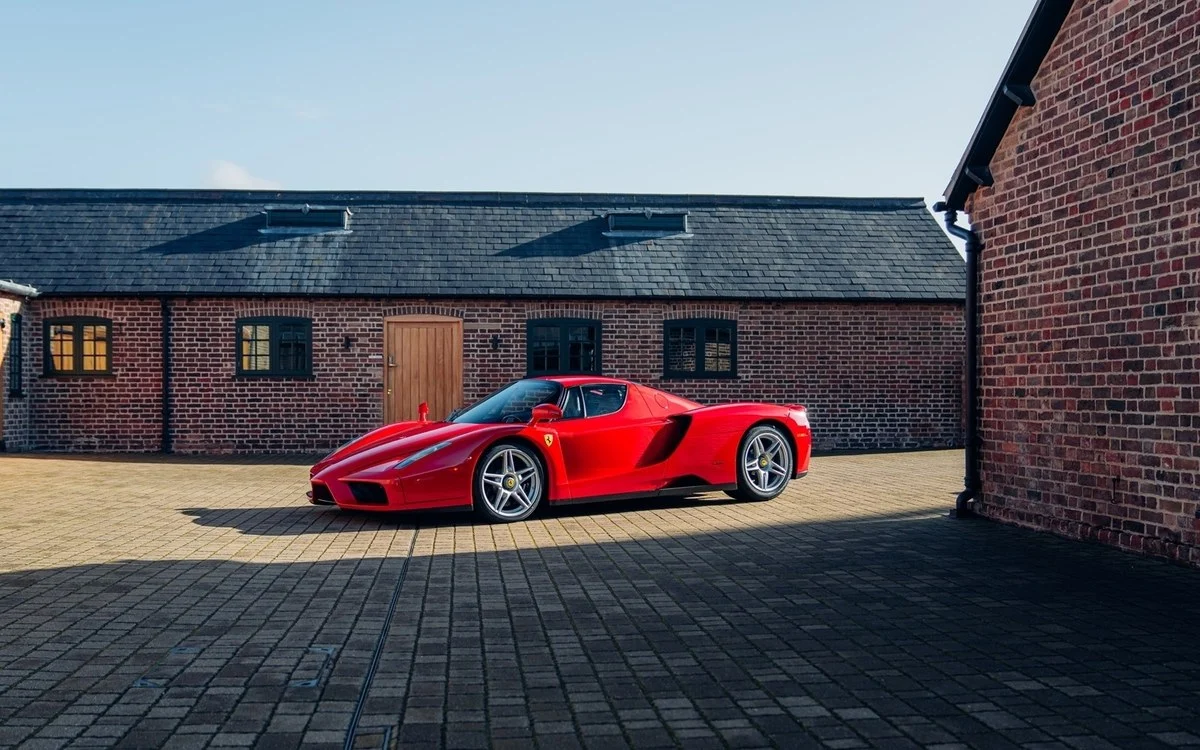
The Ferrari Enzo is perhaps the clearest example of a modern Ferrari moving from expensive supercar to serious collector asset. Named after Ferrari founder Enzo Ferrari, the car was introduced for the 2003 model year and represented the company’s technological thinking at the time.
Its naturally aspirated 6.0-liter V12 produced roughly 651 horsepower, while a Formula 1-inspired automated manual transmission helped deliver extraordinary performance. Ferrari built only 399 customer cars, with a 400th example later donated to the Vatican and sold for charity. That limited production immediately gave the Enzo strong collectible potential.
When the Enzo was new, its US list price was roughly $660,000 before options and associated costs. That was an enormous amount for a road car at the time, but today’s collector market places a much higher value on exceptional examples.
Well-documented Enzos have regularly traded for several million dollars, with especially desirable cars reaching far beyond the original price. Even examples that were already expensive in the early collector market have experienced substantial appreciation, making the Enzo a strong illustration of how scarcity can reshape the value of a supercar.
The Enzo benefits from more than its production number. It sits at an important point in Ferrari history, carrying technology and design ideas influenced by the company’s Formula 1 program.
The carbon-fiber structure, carbon-ceramic brakes, active aerodynamic thinking, and V12 engine gave it a technical character that separated it from conventional grand touring Ferraris. The car also represented the peak of Ferrari’s naturally aspirated V12 era before turbocharging and hybrid assistance became increasingly important across the industry.
US collectors tend to pay close attention to originality when considering an Enzo. Factory specifications, low mileage, original paint, complete documentation, and clean ownership records can have a meaningful effect on price. A heavily modified example may not command the same premium as a car preserved in factory condition.
Color and interior combinations can matter too, particularly when they correspond to uncommon factory specifications. As with many limited-production Ferraris, provenance can become nearly as important as mileage when the car reaches the highest levels of the collector market.
The Enzo demonstrates why a supercar’s value can change dramatically after its initial production run ends. Its performance remains impressive, but its long-term appeal comes from the combination of limited supply, Ferrari heritage, advanced engineering, and historical importance.
For US collectors looking at cars that have roughly doubled or multiplied in value, the Enzo belongs near the top of the conversation. It has moved well beyond the role of a fast Ferrari and become a significant piece of modern automotive history.
2. Porsche Carrera GT
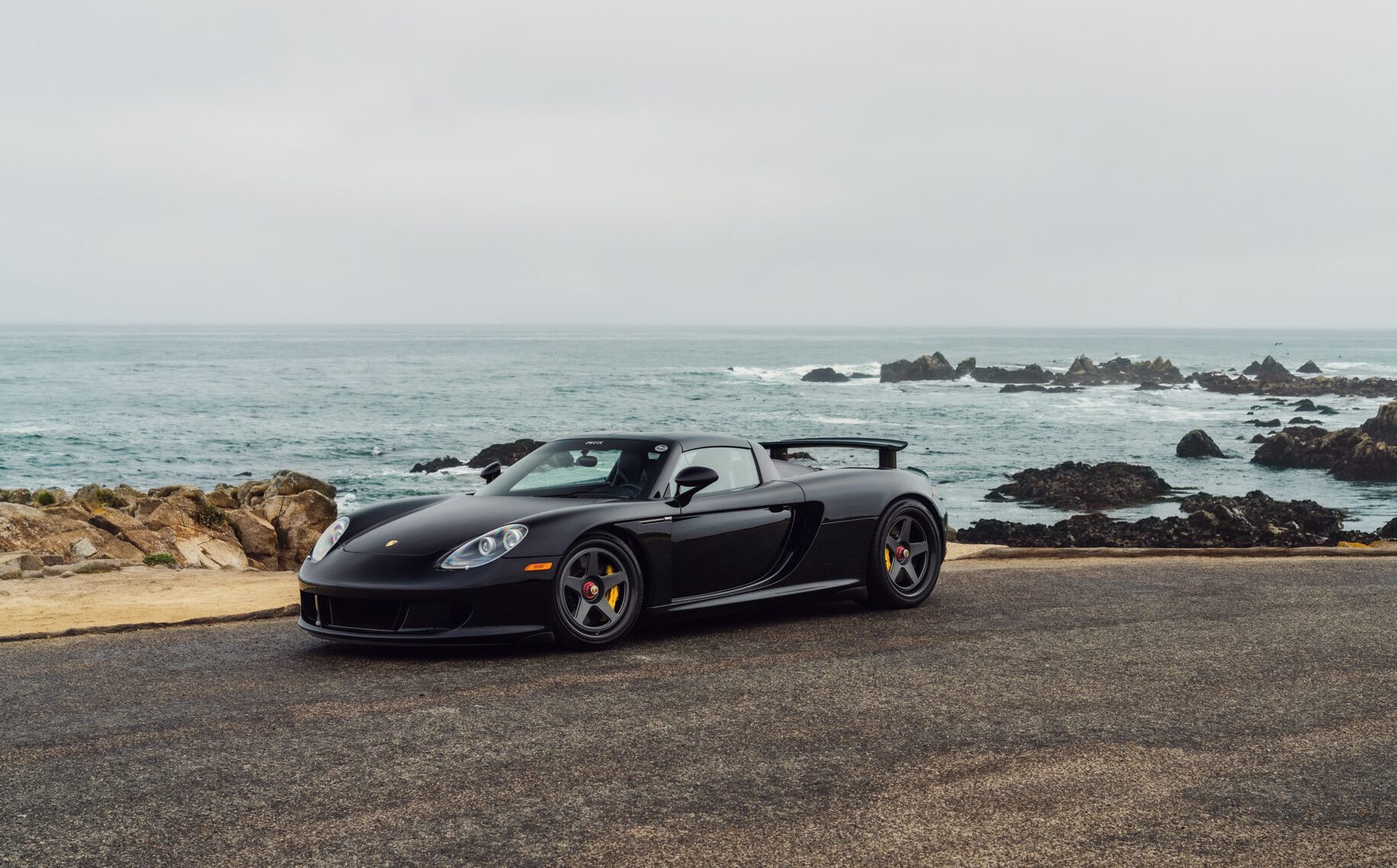
The Porsche Carrera GT occupies a special place among early 21st-century performance cars. Produced from 2004 through 2006, it used a naturally aspirated 5.7-liter V10 engine with roots connected to Porsche’s motorsport development. The engine produced approximately 603 horsepower and was paired with a six-speed manual transmission.
Carbon-fiber construction and ceramic composite brakes added to the car’s technical appeal. Porsche produced fewer than 1,300 examples worldwide, making the Carrera GT substantially rarer than many other high-performance cars from its period.
The Carrera GT originally carried a US price of around $440,000 before additional costs. For many years, used examples could be found for considerably less than today’s collector-market levels.
As appreciation for naturally aspirated engines and manual transmissions increased, the Carrera GT gained a new audience among collectors. Exceptional examples eventually reached seven-figure territory, with particularly desirable cars selling for amounts that represented a substantial increase over their original prices.
One of the strongest factors behind this appreciation is the driving experience. The Carrera GT has a reputation for being demanding, mechanical, and highly engaging.
Its V10 does not rely on turbochargers, and its six-speed manual gearbox gives drivers a level of involvement that has become increasingly rare. Modern performance cars may produce far more power, but few combine a high-revving naturally aspirated engine, manual transmission, lightweight construction, and limited production in the same package.
The car’s reputation has also benefited from the changing collector market. Enthusiasts have increasingly shown interest in vehicles from the final era of analog supercars, particularly those that combine advanced materials with traditional driver controls.
A Carrera GT offers exactly that mixture. Carbon fiber was used extensively, yet the driver still controls a conventional manual gearbox. That combination makes the Porsche relevant to both engineering-focused collectors and people who value the emotional character of older performance cars.
Condition remains critical in the Carrera GT market. Low mileage can help, but documentation and maintenance history are equally important. Cars that have received proper servicing and remain close to factory specification generally attract greater confidence from serious buyers.
The Carrera GT shows how a supercar that was already expensive when new can become dramatically more valuable as its unique characteristics become harder to find elsewhere. Its market rise reflects scarcity, engineering significance, driving appeal, and growing appreciation for analog performance.
3. Ferrari F40
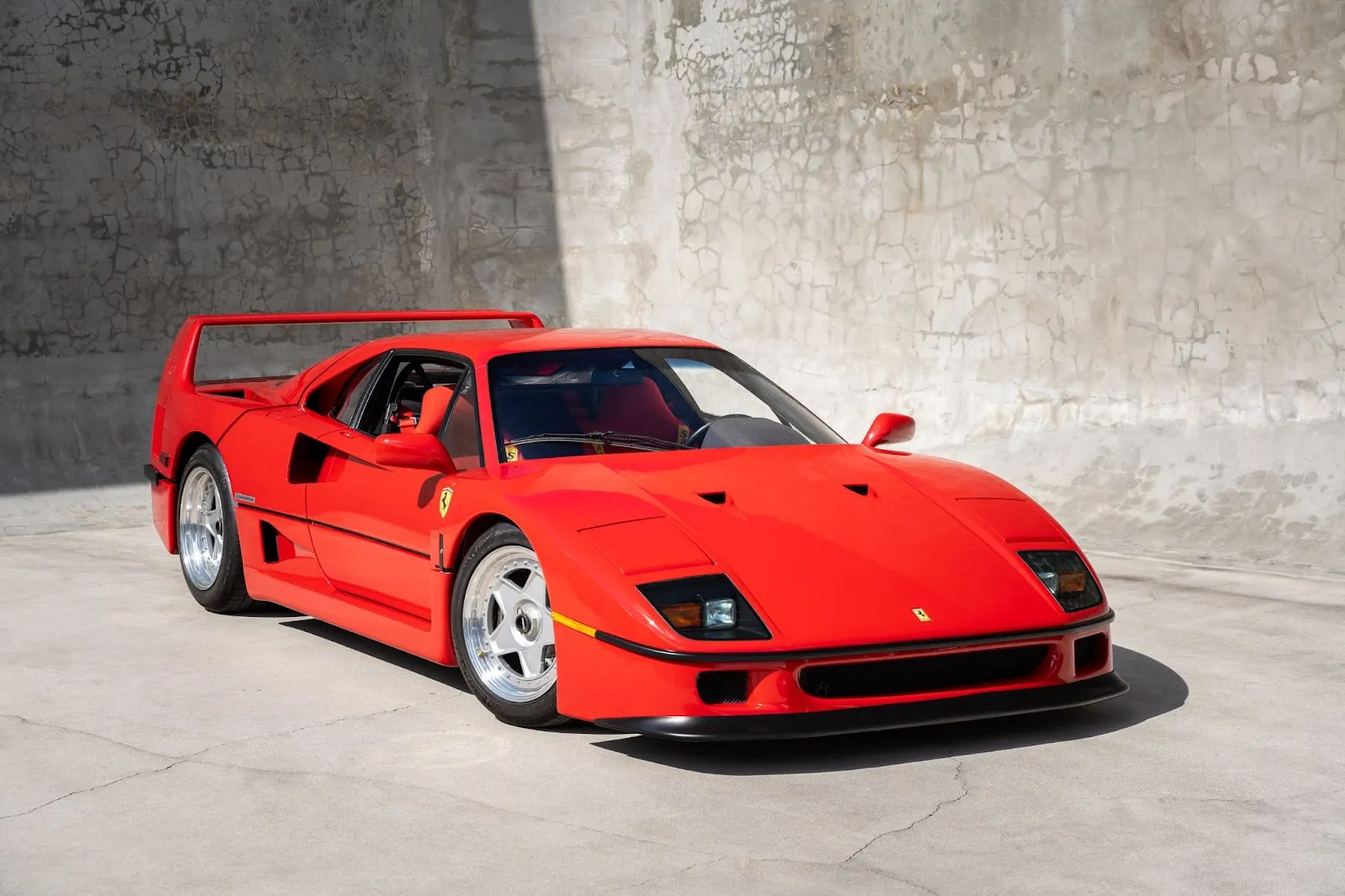
The Ferrari F40 is among the most recognizable supercars ever built, and its rise in value has been particularly significant in the US collector market.
Introduced in 1987, it was created to celebrate Ferrari’s 40th anniversary and became the final new Ferrari developed under Enzo Ferrari’s direct involvement. Its twin-turbocharged 2.9-liter V8 produced around 471 horsepower in US specification, while extensive use of lightweight materials helped keep the car focused on performance rather than comfort.
The original US price was roughly $400,000 once market conditions and dealer premiums are considered, although the exact amount varied considerably during the speculative period surrounding the car.
After the early frenzy cooled, F40 values experienced periods of weakness before climbing again as the collector market matured. Today, well-preserved examples can command prices comfortably above their original cost, while exceptional cars with desirable history and condition can reach several million dollars.
The F40’s appeal comes partly from its raw personality. It was not designed to feel like a luxury sports car. The interior was sparse, the body emphasized aerodynamic efficiency, and the car used turbocharging to deliver explosive acceleration.
Its small-displacement V8 became famous for its combination of power and response. The F40 also arrived during a period when Ferrari was building some of its most dramatic road cars, giving it a cultural status that extends beyond specifications.
US collectors also value the F40 because it represents a disappearing type of automobile. Modern supercars generally provide more electronic assistance, greater comfort, stronger emissions control, and more sophisticated driver aids.
The F40 belongs to an earlier philosophy in which weight reduction and mechanical performance were central. That difference gives it an appeal that cannot easily be recreated with a modern car, even when the modern vehicle is much faster.
The F40 illustrates how market value can be influenced by emotional significance as much as technical specifications. Plenty of newer cars outperform it in acceleration, braking, and lap times, yet the F40 remains highly desirable.
Its limited production, Ferrari heritage, distinctive shape, racing-inspired construction, and connection to Enzo Ferrari give it enduring status. For anyone researching supercars that roughly doubled in value, the F40 provides a strong example of how an iconic model can become substantially more valuable as its production era becomes distant.
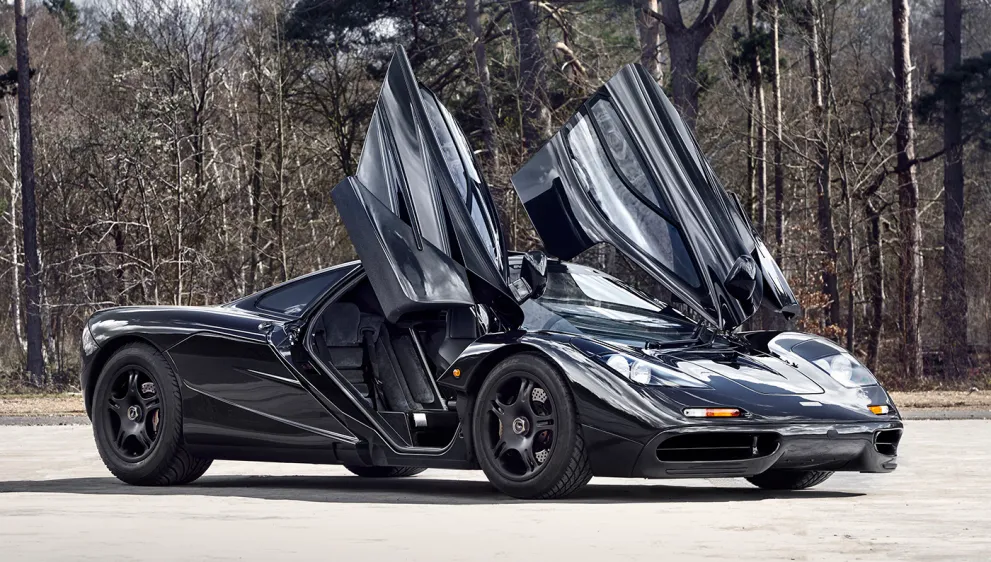
4. McLaren F1
The McLaren F1 is perhaps the most dramatic example on this list of a supercar evolving into a multimillion-dollar collectible. Built during the 1990s, the F1 was developed with an uncompromising focus on performance and lightweight engineering.
Its naturally aspirated 6.1-liter BMW V12 produced approximately 618 horsepower. The car featured a central driving position, carbon-fiber construction, a six-speed manual gearbox, and extremely limited production. Only 106 examples were built across all road and racing versions.
The F1 was already extraordinarily expensive when new. Its original price was roughly $800,000 before taxes and other expenses, depending on market and specification.
That figure seems modest compared with today’s collector prices. Exceptional road cars have sold for many millions of dollars, while special examples with important provenance have reached substantially higher levels. In percentage terms, the McLaren F1 has appreciated far beyond a simple doubling.
The car’s reputation comes from its engineering philosophy. Gordon Murray and the McLaren team pursued low weight, aerodynamic efficiency, mechanical simplicity, and driver engagement rather than relying on electronic systems.
The central seating position provided a unique driving environment, while the naturally aspirated BMW V12 offered enormous performance without turbocharging. The F1 also used gold foil in the engine bay for heat management, reflecting the extraordinary attention given to technical details during development.
Another major factor is its production history. McLaren did not build thousands of F1s. The total number was tiny compared with production runs for modern supercars, and many examples have spent decades in private collections.
That limited supply becomes particularly important when demand rises. Collectors competing for a handful of original cars can push values much higher than the original manufacturer price.
The McLaren F1 is now viewed by many collectors as a benchmark for analog supercars. It combines rarity, engineering importance, motorsport credibility, an exceptional engine, and a design that remains distinctive decades after its launch.
Its extraordinary appreciation demonstrates that the collector market can place enormous value on cars that represent a particular technological moment. In the F1’s case, that moment produced a machine that remains among the most respected road cars ever constructed.
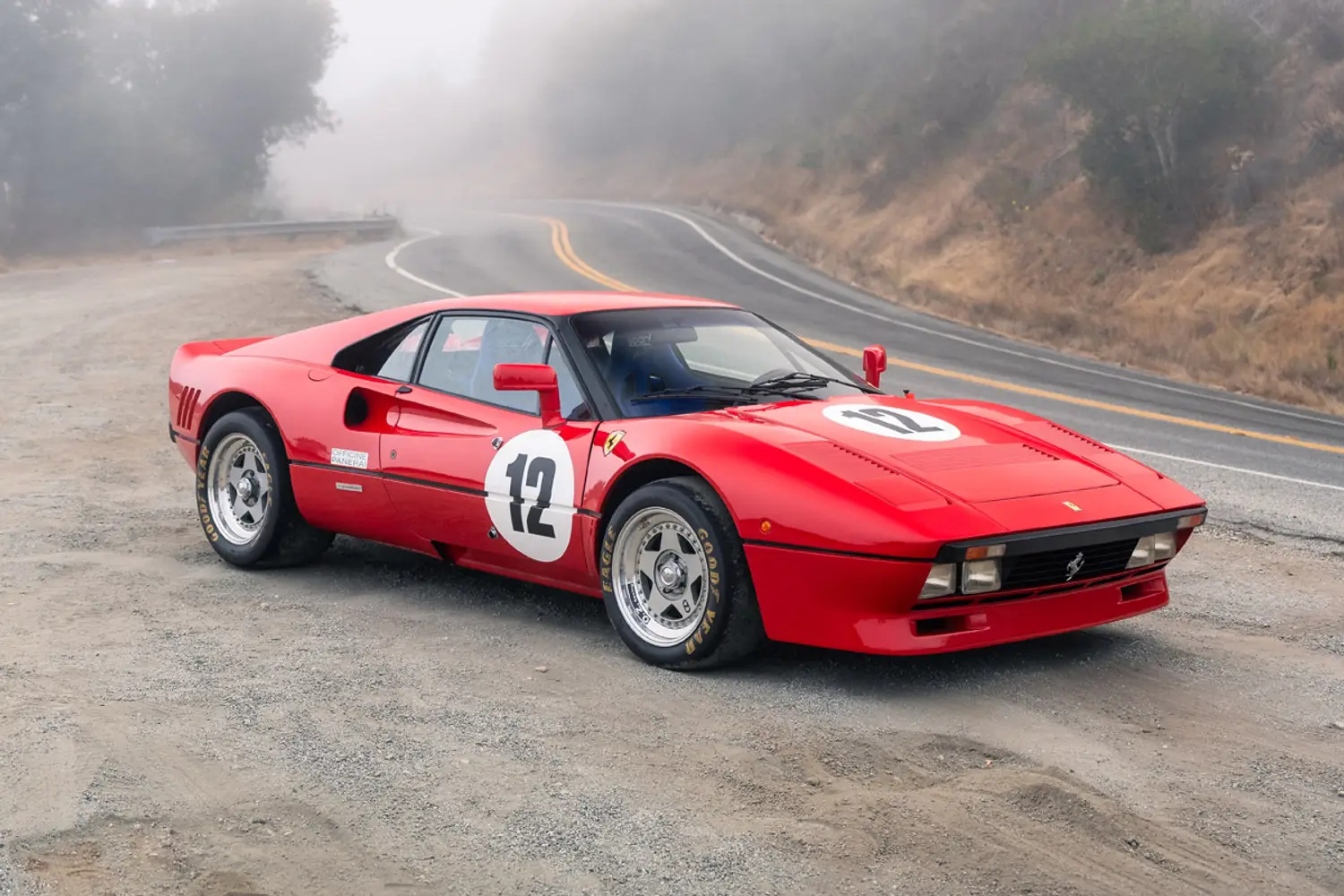
5. Ferrari 288 GTO
The Ferrari 288 GTO helped establish the foundation for Ferrari’s later line of limited-production halo cars. Introduced in the 1980s, it was developed for Group B racing regulations, although the racing category was cancelled before Ferrari could use the road car as intended.
Ferrari ultimately produced around 272 examples, making the 288 GTO exceptionally rare. Its twin-turbocharged 2.9-liter V8 and lightweight construction gave it extraordinary performance for its era.
The 288 GTO was expensive when new, but its price was nowhere near the amounts commanded by the best examples today. Over the decades, its status has grown significantly as collectors have recognized its importance within Ferrari’s history.
Values have reached several million dollars for excellent cars, with special examples commanding even greater figures. This represents a substantial increase compared with its original selling price.
Its historical importance is a major part of the appeal. The 288 GTO arrived before the F40 and helped establish the formula Ferrari would later use for limited-production performance models.
Turbocharging, lightweight construction, aggressive aerodynamics, and motorsport-inspired engineering gave it a character that was unusual for a road-going Ferrari. The car also has a strong visual identity, with its broad stance, distinctive rear design, and purposeful proportions.
Collector demand for the 288 GTO is particularly strong because the supply is so limited. Ferrari built only a few hundred examples, and many have remained in enthusiast collections for decades.
Cars with documented histories and factory-original specifications are especially desirable. The absence of mass production means that even a small increase in demand can have a noticeable impact on prices because there are so few cars available to satisfy buyers.
The 288 GTO shows why early limited-production Ferraris can be powerful long-term collector vehicles. Its value is supported by rarity, performance, design, motorsport connections, and its position in the lineage that eventually produced the F40 and later Ferrari halo cars.
For US collectors, finding a genuine, properly documented example is far more difficult than simply having enough money to purchase one. Availability itself has become part of the car’s value.
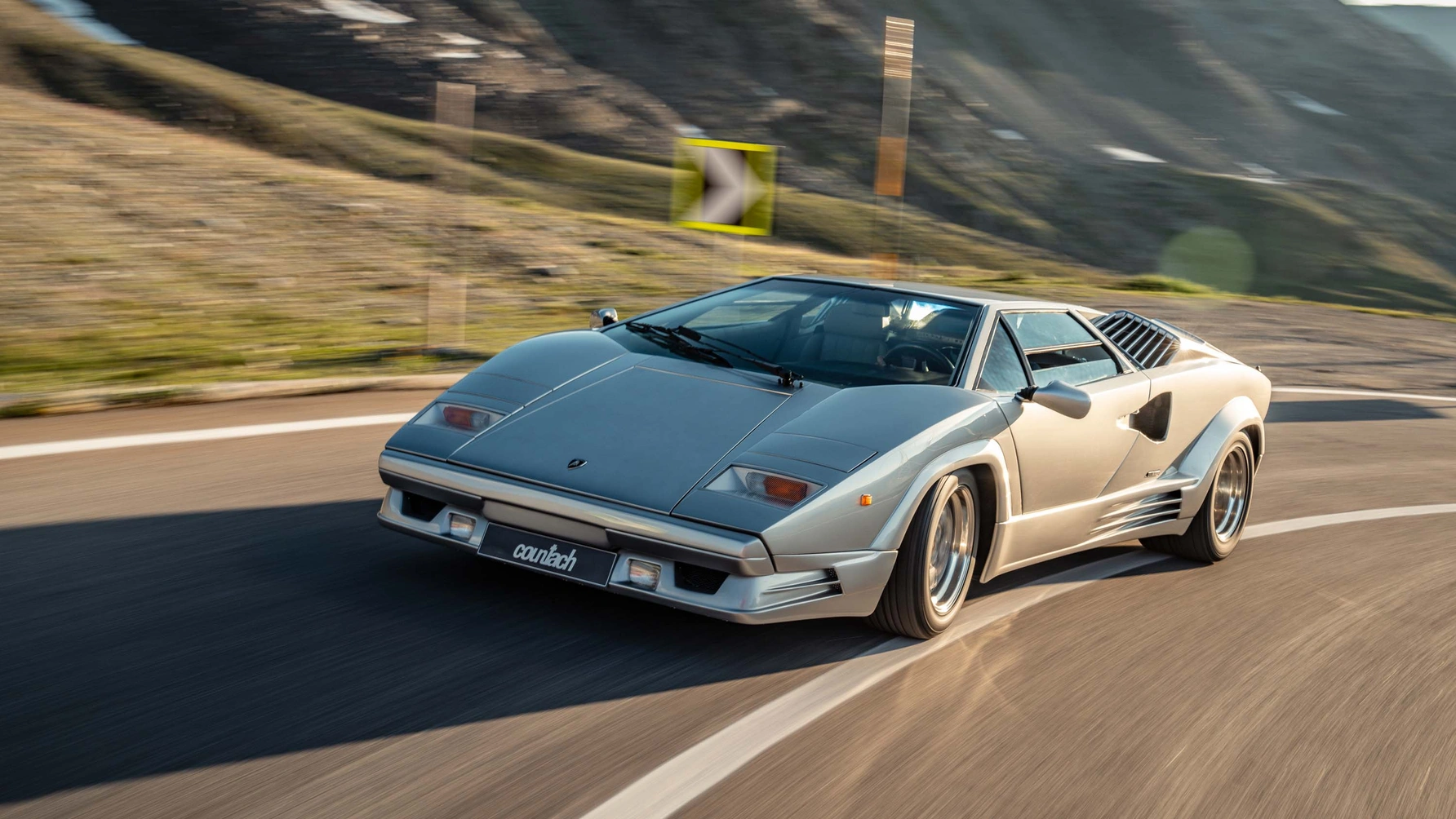
6. Lamborghini Countach
The Lamborghini Countach is a different kind of investment story because its greatest strength is its cultural impact. Introduced in the 1970s, the Countach became a poster car for an entire generation.
Its wedge-shaped design, scissor doors, dramatic proportions, and mid-mounted V12 made it instantly recognizable. Early examples were much less expensive than today’s top collector cars, while later and special versions developed particularly strong followings.
Countach values have changed substantially over several decades. During certain periods, collectors could acquire examples for comparatively modest prices, especially when compared with modern supercars.
As interest in classic Lamborghini models grew, exceptional Countachs began reaching seven-figure prices. The most valuable versions are generally those with desirable specifications, low production numbers, excellent condition, and strong documentation.
The Countach’s importance goes beyond its numbers. It helped define the visual language of the modern exotic car. Its angular bodywork was radically different from the rounded shapes that dominated earlier sports cars.
Marcello Gandini’s design became closely associated with Lamborghini and influenced countless concept cars and production vehicles. The scissor doors became particularly famous and remain one of the defining features associated with the marque.
Different Countach versions have very different market positions. Early LP400 cars are particularly admired for their clean design and relatively pure appearance.
Later variants gained wider bodies, larger spoilers, and more equipment, which changed the visual character. The Countach 5000 QV and other limited versions can command strong prices, while factory condition, originality, and specification remain central to determining value.
For collectors in the United States, the Countach has an advantage that some technically more advanced cars lack. Its design is instantly recognizable, even to people who know very little about automobiles.
That cultural status can support demand for decades. Its appreciation demonstrates that collector value is not based purely on performance figures. Design influence, childhood memories, rarity, and historical importance can combine to turn an old supercar into a valuable asset.
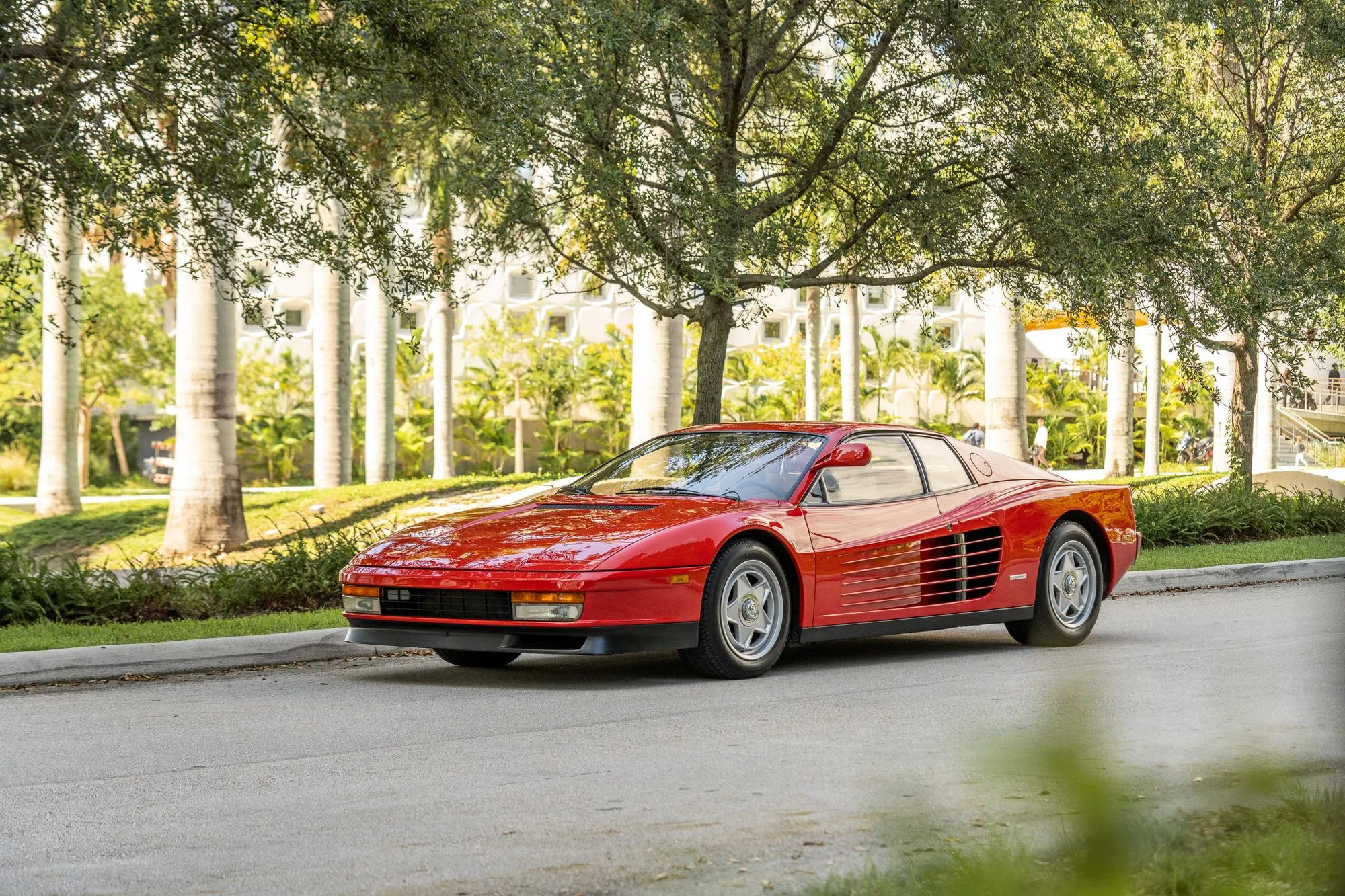
7. Ferrari Testarossa
The Ferrari Testarossa represents a slightly different path to appreciation because its production numbers were higher than those of the Enzo, F40, or 288 GTO. Introduced in the mid-1980s, it quickly became a symbol of the era.
Its 4.9-liter flat-12 engine, dramatic side strakes, wide rear bodywork, and distinctive styling made it instantly recognizable. The car also became closely associated with popular culture, television, and the image of the 1980s exotic car.
For many years, Testarossa prices were relatively accessible compared with other classic Ferraris. Used examples could be purchased for amounts that seem surprisingly low today. As the cars entered the classic collector market, interest began increasing.
Certain examples and special versions have experienced major price growth, with the best cars reaching several hundred thousand dollars or more depending on specification and market conditions.
The Testarossa’s engine is central to its appeal. The flat-12 configuration gave the car a smooth and distinctive power delivery, while the engine’s placement behind the cabin contributed to its wide rear stance. The side-mounted cooling arrangement led to the famous strakes, which became an instantly recognizable styling feature. Few cars from the same period have such a strong visual signature.
The model also benefits from generational interest. People who grew up seeing the Testarossa in magazines, television programs, video games, and posters are now old enough to participate in the collector market.
That shift can have a meaningful influence on prices. Nostalgia does not guarantee appreciation, but it can create a large pool of potential buyers who have a personal connection to a particular model.
Not every Testarossa has doubled in value, and market performance varies according to year, condition, mileage, history, and specification.
Still, the model provides an important example of how an initially depreciating exotic can later become collectible. Its combination of Ferrari heritage, dramatic styling, a rare engine configuration, and strong cultural recognition has helped transform the Testarossa from an old used supercar into an increasingly valuable classic.
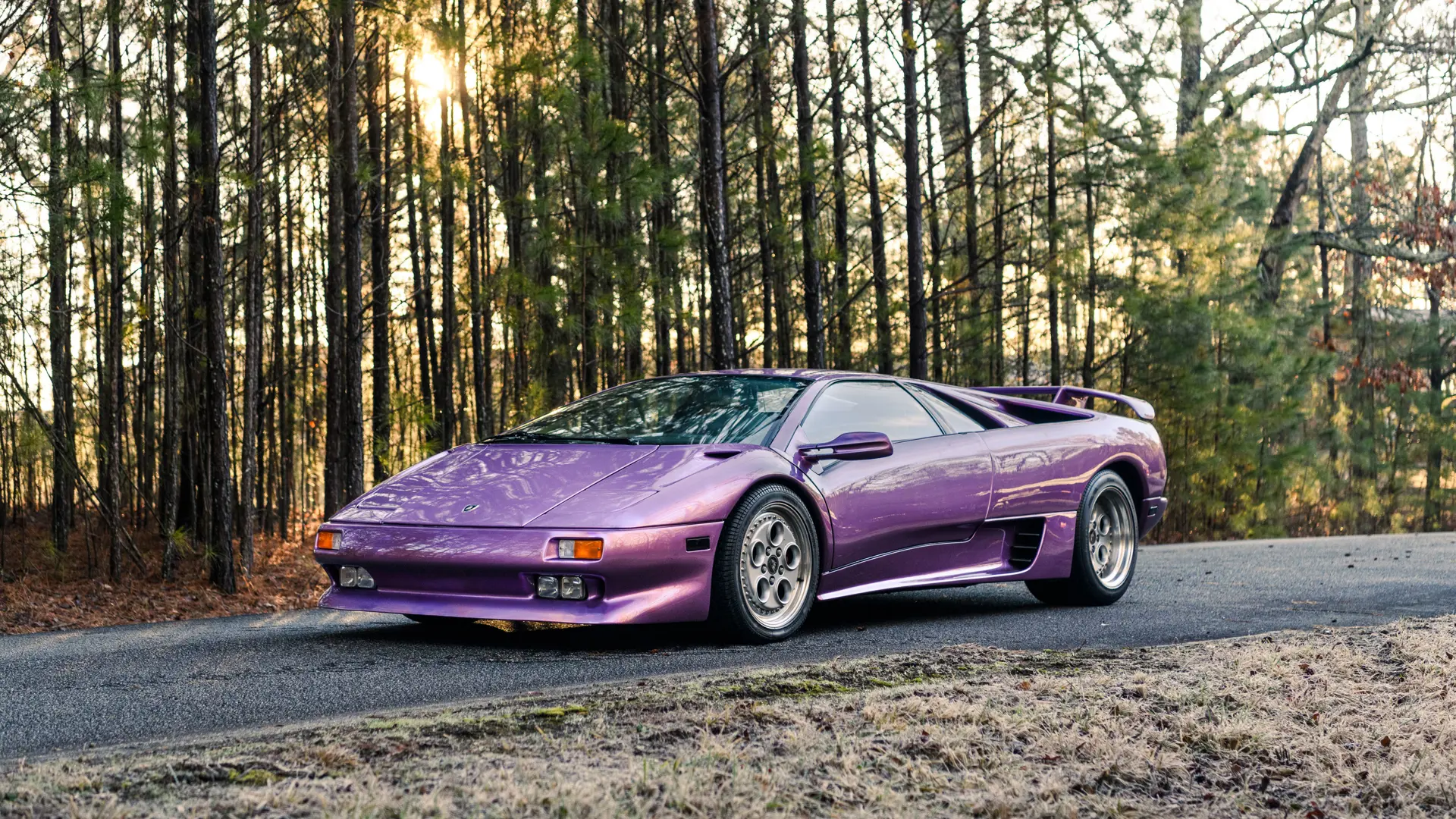
8. Lamborghini Diablo
The Lamborghini Diablo became the successor to the Countach and carried forward Lamborghini’s tradition of dramatic styling and powerful V12 engines. Introduced for the 1990 model year, the Diablo originally used a 5.7-liter V12 producing around 485 horsepower.
Later versions became more powerful and technologically advanced, with the Diablo VT eventually introducing all-wheel drive and other improvements. Its relatively limited production compared with mainstream sports cars has supported its collector appeal.
Diablo prices were once far below today’s strongest collector levels. During the period when 1990s supercars were considered used performance cars rather than blue-chip collectibles, buyers could find examples at prices that seem attractive in hindsight.
Certain versions have since appreciated strongly, with rare and well-preserved cars reaching several hundred thousand dollars and special editions moving considerably higher.
The Diablo also occupies an important position in Lamborghini’s history. It was developed during a period of significant change for the company and eventually benefited from corporate ownership and engineering resources associated with Chrysler and later Volkswagen Group ownership.
Over its production life, Lamborghini created multiple variants, including the VT, SV, SE30, GT, and other special versions. Each has a different position within the collector market.
The rarest versions generally attract the strongest attention. The SE30, for example, was developed to celebrate Lamborghini’s 30th anniversary and was built in very limited numbers. Its lightweight construction and aggressive character make it especially desirable.
The Diablo GT and other specialized variants also command attention because they represent more focused interpretations of the basic car. Collectors often pay a premium for models with clear historical significance and limited production.
The Diablo demonstrates how a supercar can become more desirable as its era becomes more distant. Its styling captures the excess and drama associated with 1990s Lamborghini, while its V12 engine represents a powertrain philosophy that has become increasingly difficult to find.
For US collectors, an original Diablo with strong documentation and excellent condition can offer a combination of visual impact and historical importance. Its market rise shows that collector interest can grow long after a car has left the showroom.
