
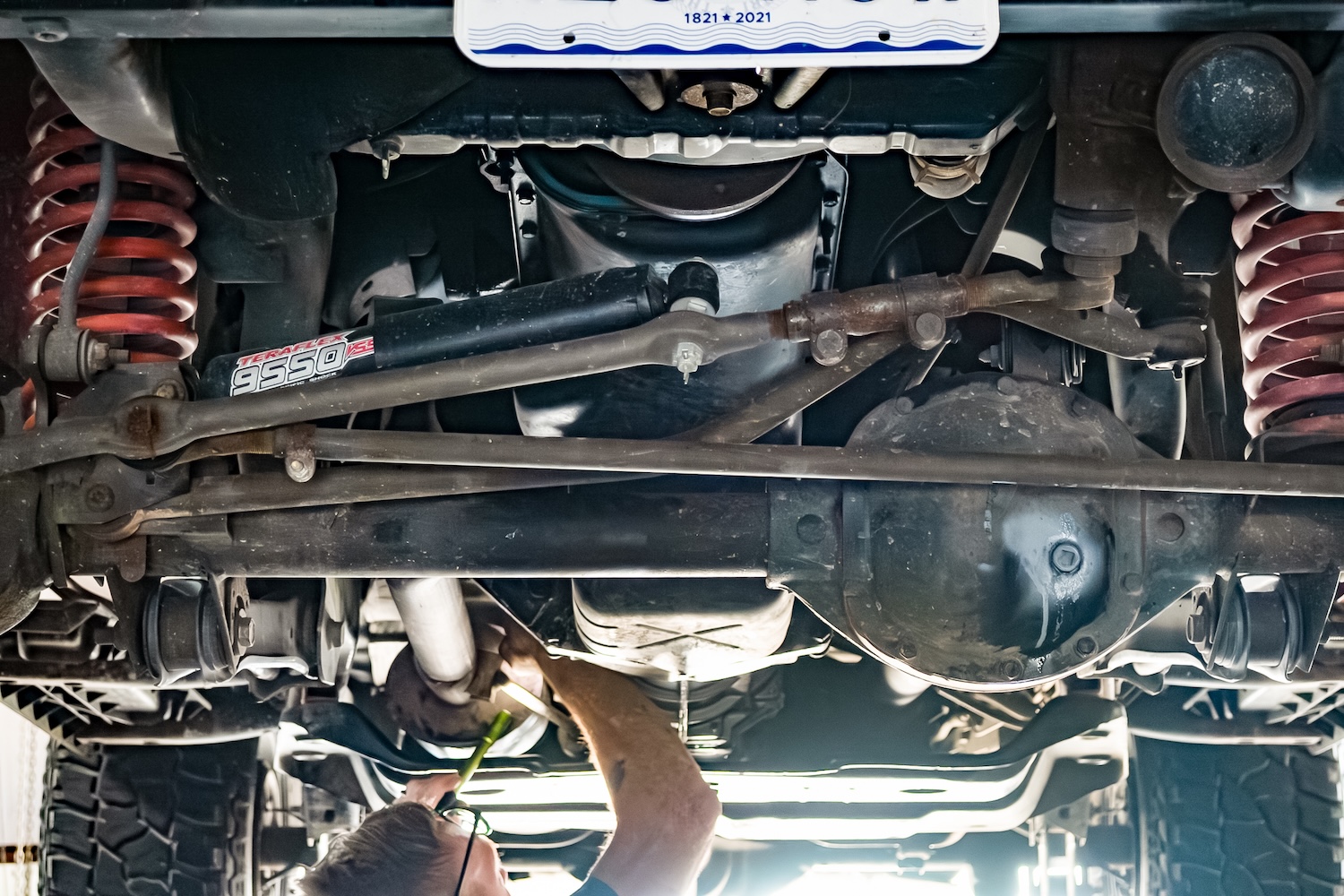
Before seatbelts became a required safety feature, cars already included several technologies designed to protect drivers and passengers. Automakers experimented with padded dashboards, safety glass, collapsible steering columns, stronger passenger compartments, door locks, hydraulic brakes, improved lighting, and other features as road deaths increased.
These developments gradually changed how manufacturers approached vehicle safety. Some features focused on preventing crashes, while others attempted to reduce injuries when collisions happened.
Understanding these early innovations provides useful insight into automotive history and shows how vehicle safety evolved before seatbelt laws and widespread seatbelt use became standard across the automotive industry.
1. Padded Dashboards
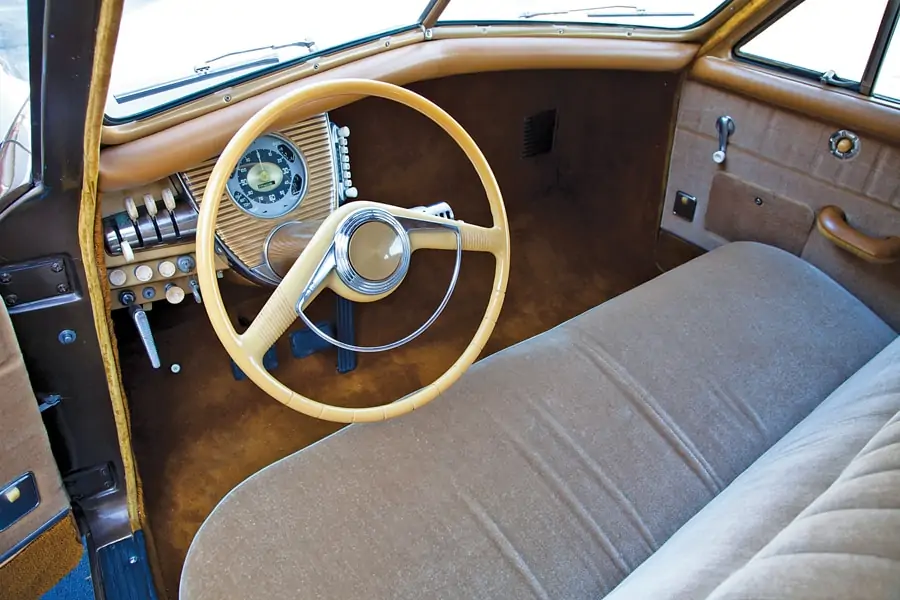
Early automobile interiors were filled with hard materials, including metal dashboards and rigid instrument panels. During a crash, occupants could be thrown forward and strike these surfaces with considerable force.
Automakers eventually began looking for ways to make dashboard areas less dangerous. Padding became an important part of this effort, particularly as researchers and safety advocates drew greater attention to injuries caused by contact with the vehicle interior.
Padded dashboards were designed to soften the impact when a person hit the instrument panel. Materials such as foam and vinyl could absorb some energy compared with exposed metal surfaces.
The idea was simple, but it represented an important change in automotive design. Engineers were beginning to consider what happened to occupants inside the vehicle, rather than focusing only on the mechanical damage suffered by the car.
The development of padded interiors became increasingly important during the middle decades of the twentieth century. Manufacturers started adding softer surfaces around areas where occupants were more likely to make contact during a collision. This approach did not provide the same level of protection as keeping a person restrained, but it could reduce the severity of certain impact injuries.
Dashboards were not the only interior areas receiving attention. Manufacturers also considered the design of seats, steering wheels, armrests, door panels, and other surfaces.
The goal was to reduce sharp edges and hard contact points. These changes helped establish the principle that a safer vehicle should protect occupants from both the initial crash and the secondary impacts that happen inside the cabin.
The padded dashboard remains an important step in the history of automotive safety. It showed that engineers could modify an ordinary vehicle component to reduce injury risk.
Before modern airbags and advanced restraint systems became common, relatively simple changes to interior materials were already being used to make passenger compartments less hazardous during collisions.
2. Laminated Safety Glass
Glass was essential for visibility, but conventional glass could become extremely dangerous during a crash. Ordinary glass could break into sharp pieces, creating additional injuries for people inside and outside a vehicle.
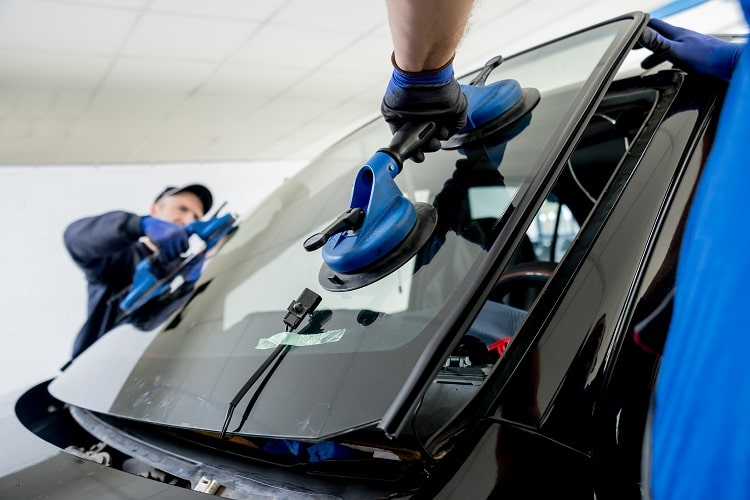
Laminated safety glass offered a solution by using layers of glass with a plastic material between them. This construction helped keep broken pieces together instead of allowing them to scatter freely.
The use of laminated glass in windshields developed long before modern seatbelt requirements. Automobile manufacturers and glass producers recognized that windshields needed to perform more than a visibility function.
They also had to reduce the danger created when the glass was struck. This led to the wider adoption of safety glass as automotive engineering became more focused on occupant protection.
A laminated windshield can crack when subjected to a strong impact, but the plastic interlayer helps hold the broken glass together. That characteristic reduces the chance of large numbers of loose shards entering the passenger compartment. The windshield can still cause injuries during a serious collision, but laminated construction provides important protection compared with older forms of glass.
Safety glass also became valuable because a windshield can contribute to the structural integrity of a vehicle. Modern automotive glass plays a more sophisticated role in vehicle design, but the basic safety principle was developed decades ago.
Engineers learned that materials used throughout a car could influence the outcome of a collision, even when those materials were not traditionally viewed as safety equipment.
Laminated safety glass became a familiar part of automobile construction before seatbelts were legally required in many places.
It demonstrates that automotive safety did not begin with restraint laws. Improvements were already taking place in areas such as glass technology, interior design, braking systems, and vehicle structure as manufacturers responded to growing concerns about traffic injuries.
3. Stronger Passenger Compartments
Vehicle bodies were once designed largely around appearance, manufacturing methods, weight, and mechanical requirements. Crash protection was not always a central consideration.
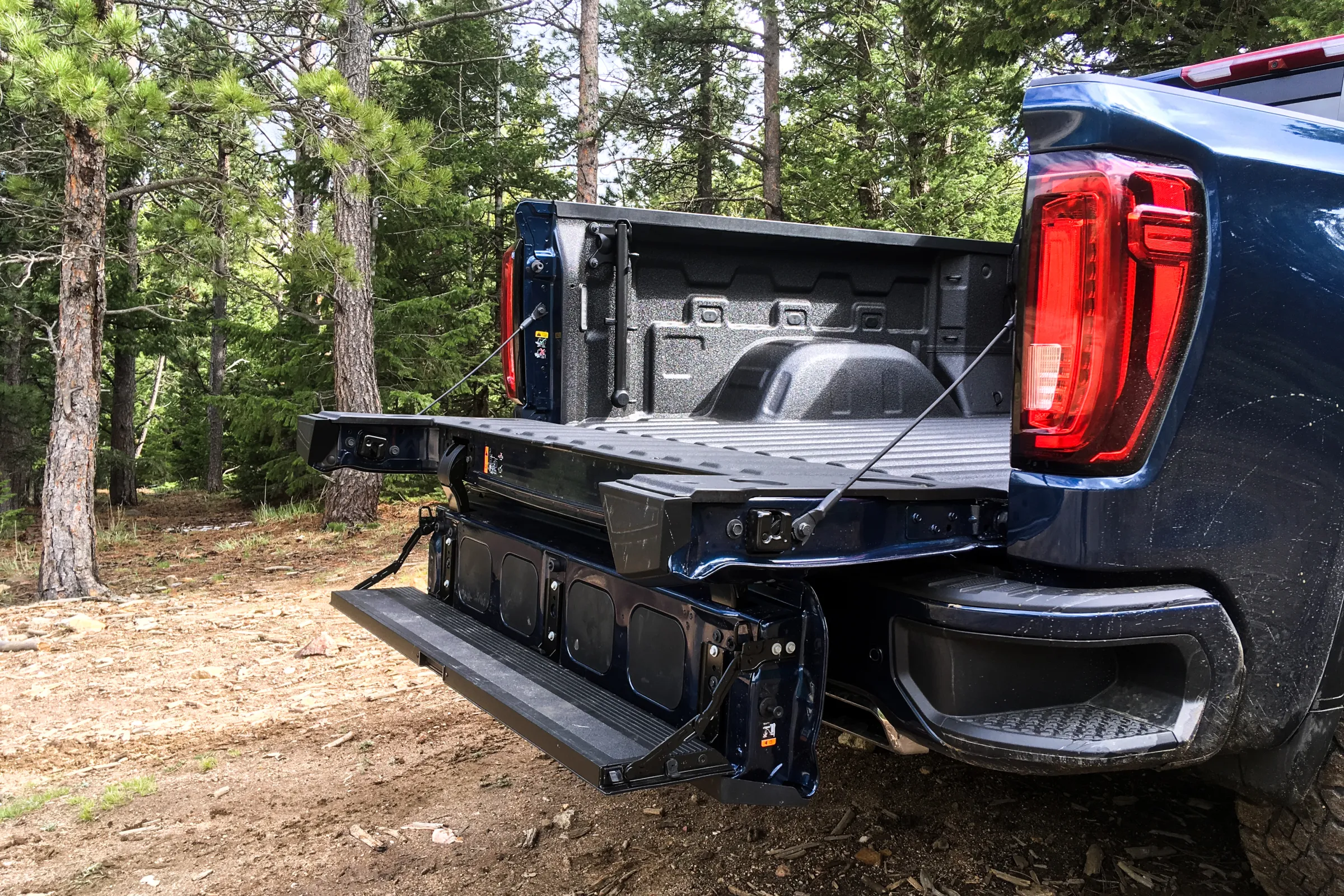
As engineers learned more about collision injuries, attention shifted toward the area surrounding the people inside the car. Creating a stronger passenger compartment became an important part of this development.
A strong passenger compartment is intended to maintain as much usable space as possible during a collision. If the cabin collapses severely, occupants can face greater risks from crushing forces and intrusion.
Engineers therefore began developing body structures that could manage crash forces more effectively. This eventually became a fundamental principle behind modern vehicle safety engineering.
The idea involved balancing strength with controlled deformation. A car could not simply be made rigid from front to rear because the vehicle also needed a way to absorb crash energy.
Engineers increasingly separated the functions of different parts of the body. Areas away from the passenger compartment could absorb and deform, while the central cabin was designed to provide greater protection.
These structural concepts developed progressively through the twentieth century. Manufacturers improved body construction, door structures, roof strength, pillars, and other components. Crash testing also became more sophisticated, allowing engineers to study how vehicles behaved during collisions. Such testing provided information that could be used to improve future models.
Stronger passenger compartments eventually became a foundation for modern crashworthiness. Today, vehicle bodies are engineered as complete safety systems, with carefully designed structures intended to control energy and reduce intrusion.
This progress began before airbags, electronic stability systems, and widespread seatbelt requirements became familiar features in passenger vehicles.

4. Collapsible Steering Columns
The steering column presented a serious injury risk in older vehicles. In a severe frontal collision, a rigid steering column could move toward the driver or transfer substantial force to the driver’s body.
Engineers began developing steering systems that could collapse or deform under certain crash conditions, reducing the chance of severe injury.
Collapsible steering columns were developed as part of a broader movement toward safer vehicle interiors. Rather than allowing the steering assembly to remain rigid during a collision, engineers designed mechanisms that could absorb some energy or change shape. This reduced the likelihood that the steering column would act as a rigid spear directed toward the driver.
The steering wheel itself also received attention. Engineers experimented with designs intended to distribute forces over a larger area and reduce concentrated impact points.
These developments were important because drivers were positioned directly behind the steering assembly. Any improvement in steering system behavior could therefore have a meaningful effect on injury outcomes.
Regulatory standards eventually played a major role in establishing requirements for steering column performance. Automakers had to demonstrate that vehicles could meet specified safety criteria. This helped turn safety engineering from an optional design consideration into a more formal part of automobile development.
The collapsible steering column is still an important feature in modern vehicles. Current steering systems are far more advanced and work alongside airbags, seatbelts, sensors, and sophisticated crash structures.
Yet the basic concept remains familiar. Vehicle components should manage crash forces in ways that reduce the impact on occupants rather than transferring those forces directly to the body.
5. Hydraulic Brakes
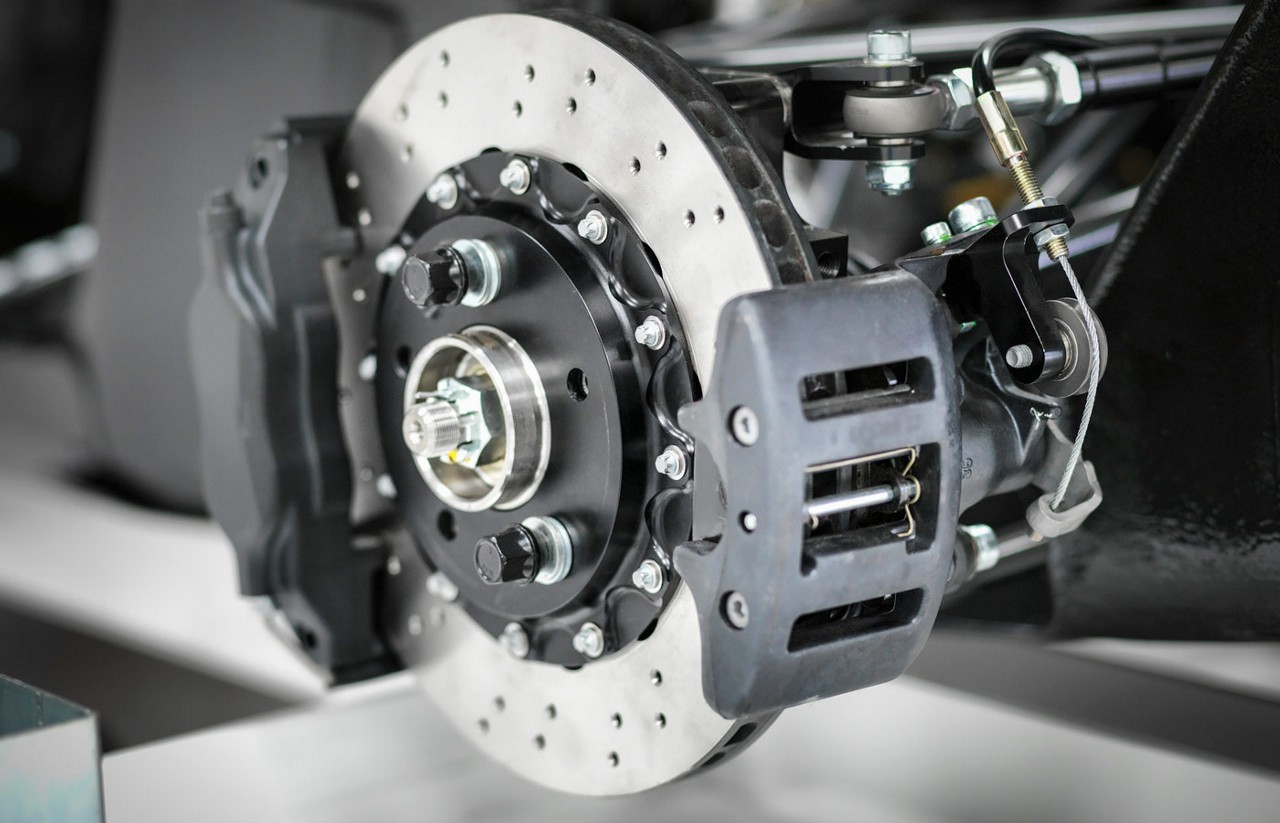
Braking technology is another area that improved significantly before seatbelts became standard requirements. Early automobiles used mechanical braking systems that relied on physical connections between the driver’s controls and the brakes.
As vehicles became faster and heavier, manufacturers needed braking systems that could provide stronger, more consistent stopping performance.
Hydraulic brakes offered important advantages. Instead of relying entirely on mechanical linkages, the system used brake fluid to transfer pressure from the pedal to the braking mechanisms at the wheels.
This allowed braking force to be distributed more effectively and helped manufacturers develop systems capable of handling increasingly demanding driving conditions.
Improved brakes contributed to accident prevention rather than occupant protection after a crash. A vehicle that can stop more effectively has a better chance of avoiding an obstacle, reducing its speed before impact, or responding to an emergency situation. This distinction is important because automotive safety includes both crash prevention and injury reduction.
Hydraulic braking systems became increasingly common as automotive engineering progressed. Their adoption helped support the development of later technologies such as power-assisted braking, disc brakes, anti-lock braking systems, and electronic brake controls. Each development built upon the basic goal of giving drivers better control over vehicle speed and stopping.
Long before modern driver assistance systems appeared, better brakes were already helping reduce the risks associated with driving. Hydraulic brakes illustrate how vehicle safety developed through many separate engineering improvements.
Seatbelts eventually became a major part of occupant protection, but preventing collisions through dependable braking was also essential to making automobiles safer.
6. Improved Door Locks and Latches
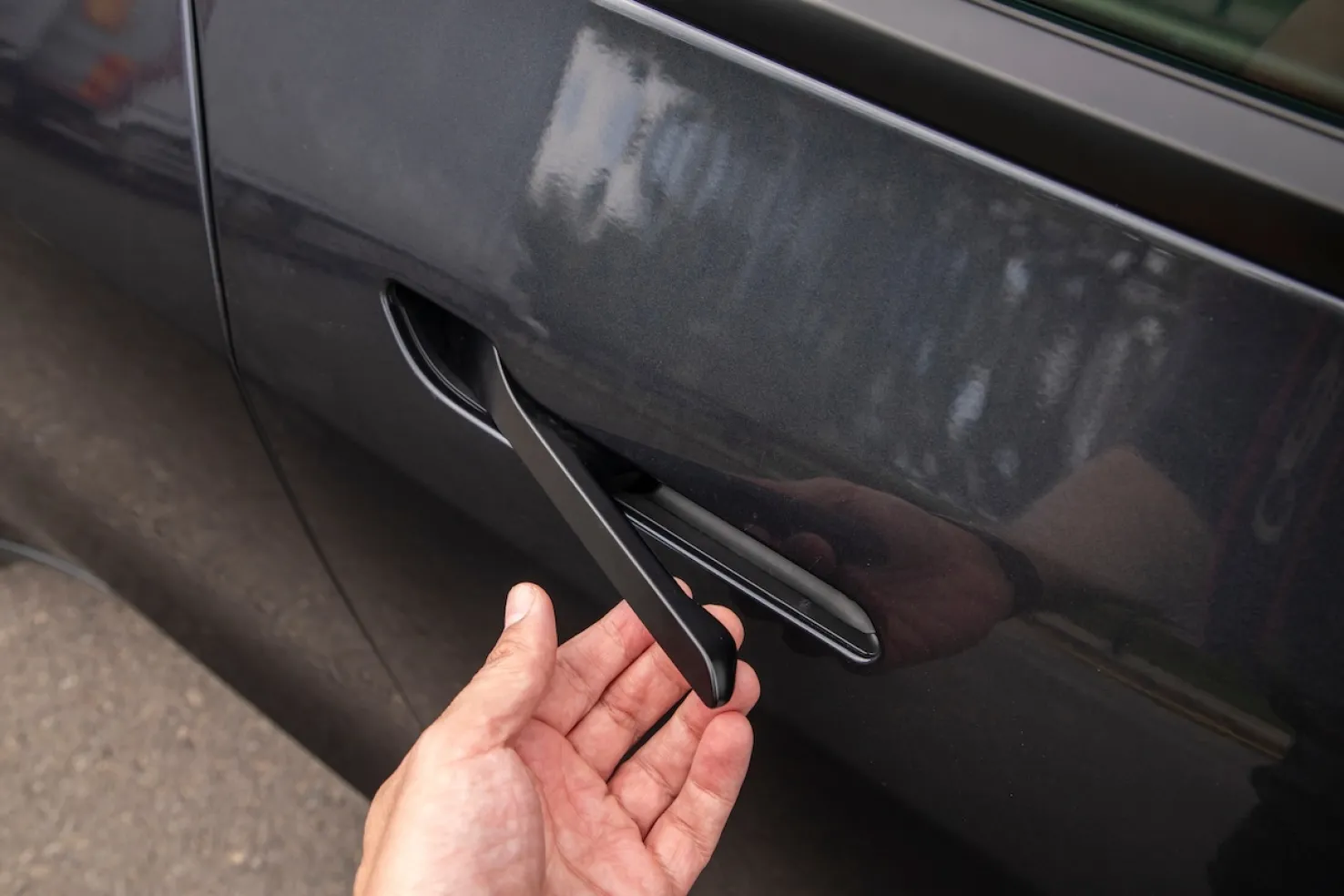
Vehicle doors might seem like simple components, but their ability to remain closed during a collision has major safety implications. Older vehicles did not always have the sophisticated latching systems found in modern automobiles.
As crash safety became a greater concern, engineers focused more attention on keeping doors securely closed during impacts.
A door that opens during a collision can increase the chance that an occupant will be partially or completely ejected from the vehicle. Ejection can expose a person to severe hazards outside the passenger compartment. Stronger latches and improved locking mechanisms therefore became important components of broader vehicle safety improvements.
Automakers developed stronger door structures and more dependable latching systems as vehicle design progressed. Engineers studied how doors behaved during impacts and worked to reduce the likelihood of accidental opening.
These developments complemented stronger passenger compartments because the cabin could provide better protection only if its openings remained appropriately secured.
The improvement of door latches also reflected a larger change in engineering philosophy. Safety could not depend on a single device. The vehicle needed multiple systems working together. A stronger body, safer glass, better doors, improved brakes, and safer interior components could each address different risks.
Modern door systems have continued to evolve with electronic locks, child safety mechanisms, reinforced structures, and advanced sensors. Their roots can be traced to earlier efforts to make automobile doors more reliable during everyday operation and collisions.
These improvements existed before widespread seatbelt requirements and helped establish the multi-layered approach used in vehicle safety today.

7. Better Headlights and Vehicle Lighting
Visibility is closely connected to road safety. Before seatbelts were required, automobile manufacturers were already working to improve headlights and other lighting equipment. Drivers needed to see road hazards, pedestrians, animals, other vehicles, and changes in road conditions, particularly after sunset or during poor weather.
Early automobile lighting systems were much less capable than modern headlights. Technology gradually improved through developments in bulbs, reflectors, lenses, electrical systems, and beam patterns. Better headlights allowed drivers to see farther and helped illuminate areas around the vehicle more effectively.
Vehicle lighting also helped other road users recognize approaching automobiles. Tail lamps, brake lights, turn signals, and reflectors became increasingly important as traffic volumes grew.
Communication between vehicles is a major part of road safety, and lighting provided drivers with a basic way to signal braking, turning, and vehicle position.
The growth of electric vehicle systems supported improvements in lighting technology. As electrical systems became more reliable, manufacturers gained greater flexibility in designing headlights and other lamps. This created a foundation for later developments such as halogen bulbs, high-intensity discharge systems, LED lighting, adaptive headlights, and advanced beam control.
Modern lighting is far more sophisticated than the equipment found on early automobiles, but the safety purpose remains similar.
Good lighting helps drivers identify hazards and allows other road users to understand what a vehicle is doing. It represents a preventive approach to safety, helping reduce the likelihood of crashes before occupant protection systems need to operate.

8. Improved Tires and Suspension Systems
Tires are the only parts of a car that normally touch the road, making them essential to handling, braking, and stability. Before seatbelts became mandatory equipment in many markets, tire technology was already improving. Better tire construction gave drivers greater control and helped vehicles perform more predictably under different road conditions.
Early tires differed significantly from modern radial tires. Advances in rubber compounds, construction methods, tread patterns, and manufacturing improved durability and road contact.
These changes allowed vehicles to handle higher speeds and changing road surfaces more effectively. Tire development became increasingly important as automobiles became faster and more widely used.
Suspension systems also played a major role. A vehicle’s suspension controls how its wheels interact with the road while supporting the body and maintaining handling characteristics. Improved suspension components could make a car more stable, particularly when cornering, braking, or traveling across uneven surfaces.
Better tires and suspension did not provide direct protection during a collision in the same way that a seatbelt does. Their primary benefit was related to vehicle control. A driver with predictable steering, stable suspension, and dependable tires has greater ability to respond to hazards and maintain control.
These technologies helped create the foundation for later vehicle safety developments. Modern cars combine advanced tires, suspension systems, electronic stability control, anti-lock brakes, traction control, and driver assistance features.
The basic goal remains familiar. Keep the vehicle under control and reduce the risk of a dangerous situation developing into a serious crash.
