
Cars are filled with features that make driving safer, easier, and more comfortable. Many familiar systems have long histories shaped by women inventors and engineers whose contributions are often overlooked.
From windshield wipers and turn signals to heating systems and technologies that support navigation, women have played an important role in automotive innovation. Some inventions were created specifically for automobiles, while others were technologies later adapted for vehicles.
This article highlights seven important contributions and explains how each helped shape the driving experience people know today, while giving credit to the women behind these useful ideas.

1. Windshield Wipers – Mary Anderson
Mary Anderson is widely credited with inventing the first practical windshield wiper. In 1903, she received a patent for a manually operated windshield-cleaning device designed to improve visibility for drivers.
Her invention came at a time when automobiles were still relatively new, and drivers faced a serious problem when rain, snow, or other debris covered the windshield. Rather than stopping the vehicle repeatedly to clear the glass by hand, Anderson’s design allowed the driver to move a lever from inside the vehicle and sweep the obstruction away.
The idea reportedly came to Anderson during a trip to New York City in 1902. She noticed that streetcar operators had difficulty seeing through the windshield during snowy weather. Operators sometimes had to open the front window or physically remove snow from the glass.
Anderson considered this an unnecessary inconvenience and began thinking about a mechanical solution. Her concept used a spring-loaded arm with a rubber blade that could move across the outside of the windshield. The basic principle remains recognizable in modern windshield wiper systems.
Anderson’s invention was important because visibility is fundamental to road safety. A vehicle can have powerful brakes, strong tires, and sophisticated steering systems, but these features cannot compensate for a driver who cannot see the road clearly. Her mechanism provided a simple way to maintain a usable field of vision during poor weather.
Modern wipers have become far more sophisticated, with electric motors, intermittent settings, rain sensors, automatic controls, heated components, and multiple blades, but the sweeping action developed from the same basic idea.
Anderson’s patent was granted during an era when automobiles were not yet universally accepted as the dominant form of personal transportation. Her invention therefore appeared before windshield-cleaning equipment had become an expected part of every vehicle.
The commercial potential of the idea was not immediately recognized. Even so, as automobile ownership increased and driving became more common, the need for reliable windshield-cleaning equipment became obvious. Her contribution eventually became a standard part of vehicle design.
Today, windshield wipers are so familiar that many drivers rarely think about their history. A simple movement of a stalk activates a system that can clear rain within seconds.
That everyday convenience can be traced back to Anderson’s practical solution to a problem she observed more than a century ago. Her invention demonstrates how automotive progress does not always begin with a complicated machine. Sometimes, a major improvement starts with noticing an ordinary problem and finding a straightforward way to solve it.
2. Turn Signals – Florence Lawrence
Florence Lawrence is frequently associated with an early form of automobile signaling technology. Better known during her lifetime as a pioneering film actress, Lawrence also had an interest in automobiles and mechanical ideas.
She developed signaling devices intended to help drivers communicate their intentions to people around them. Her concepts included a signaling arm that could indicate a turn and a braking signal that could alert following motorists when a vehicle was slowing down.
Lawrence’s proposed turn indicator used a mechanical arm positioned near the rear of the vehicle. When the driver activated the mechanism, the arm would rise to indicate the intended direction. She also described a braking indicator that could display a warning when the driver applied the brakes.
These ideas addressed a communication problem that became increasingly important as roads became busier. Early motorists did not have the standardized electrical indicators used in modern cars, so communicating with other road users was much harder.
It is important to distinguish Lawrence’s contribution from the modern electronic turn signal. She did not create the complete electrical indicator system found in today’s vehicles, and her signaling ideas were not protected by a patent in the same way as Anderson’s windshield wiper.
Still, her work is significant because it anticipated a function that has become fundamental to modern driving. Turn signals allow drivers to communicate lane changes and turns, reducing uncertainty and helping other road users react appropriately.
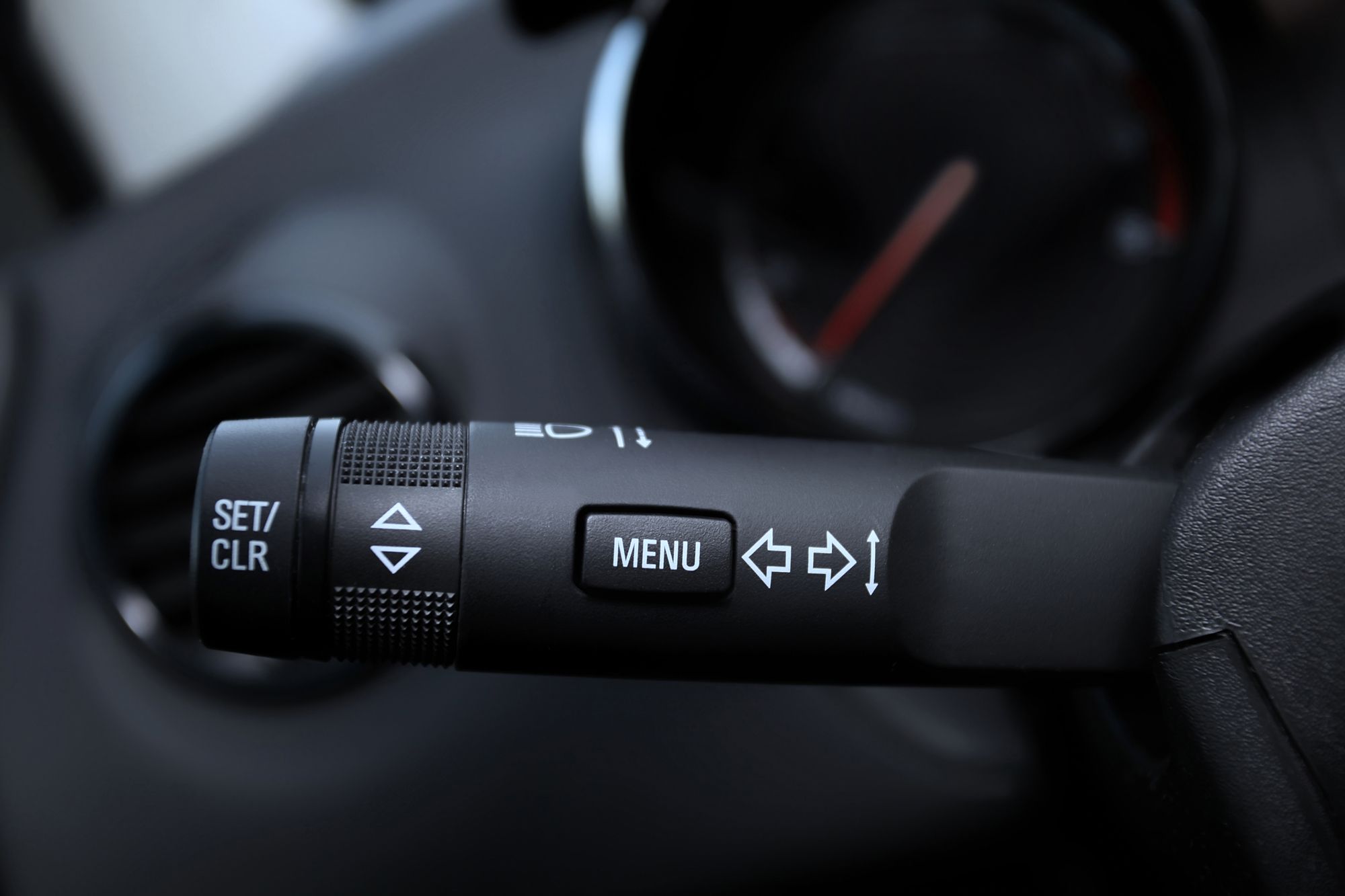
Modern indicators operate through an electrical circuit that controls flashing lamps on the front and rear of a vehicle. Drivers normally activate them using a stalk or switch connected to the vehicle’s electrical system.
Newer vehicles can add features such as automatic cancellation, lane-change signaling, blind-spot warnings, and dynamic LED indicators. These systems are far more advanced than the mechanical concept associated with Lawrence, but they serve the same basic purpose. Communicate the driver’s intended movement to other road users.
Lawrence’s story also illustrates why automotive history can be complicated. Credit for an invention does not always belong neatly to a single person. Ideas can appear in stages, with different inventors developing related solutions over time.
In Lawrence’s case, her early signaling concepts helped demonstrate the value of giving drivers a direct way to communicate with surrounding traffic.
The turn signal eventually became a standardized automotive safety feature, and its development reflects the continuing effort to make vehicles more predictable and safer for everyone sharing the road.
3. The Car Heater – Margaret A. Wilcox
Margaret A. Wilcox was an American mechanical engineer and inventor who developed an early vehicle heating system in the late nineteenth century. She received a patent in 1893 for a design that directed air over heated components to warm the passenger area.
This was an important concept because early vehicles offered little protection from cold weather. Modern climate-control systems are sophisticated, but the principle of using heat generated by mechanical operation to warm occupants has a clear connection to early automotive heating concepts.
Wilcox’s patent was associated with heating systems for vehicles and other enclosed spaces. Her design provided a way to use heat produced by the vehicle’s machinery rather than relying solely on a separate heating source.
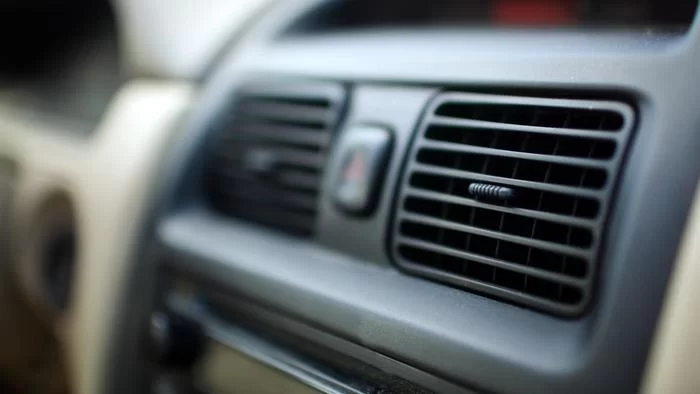
This approach made practical sense because engines naturally generate substantial amounts of heat during operation. In later automobile designs, manufacturers found increasingly efficient ways to transfer engine heat through a coolant system and heater core, then use a fan to move warm air into the cabin.
The modern car heater is therefore not identical to Wilcox’s patented design. Today’s systems generally depend on engine coolant, a heater core, blower motors, ducts, thermostats, and electronic controls.
Electric vehicles require a different approach because they do not have a conventional internal combustion engine producing the same amount of waste heat.
Many electric cars use electric resistance heating or heat pumps to warm the cabin. The underlying goal remains unchanged. Provide occupants with a controlled and comfortable interior temperature.
Vehicle heating has become more than a comfort feature. In cold conditions, a heater can help clear frost and condensation from the windows, improving visibility. Modern climate-control systems can regulate temperature automatically and distribute air to specific areas of the cabin.
Heated seats and heated steering wheels can also provide warmth without requiring the entire cabin to reach a high temperature. These technologies show how a basic idea can develop into a complete family of automotive comfort and safety systems.
Wilcox’s contribution deserves attention because heating is easy to take for granted. Drivers today can enter a vehicle, set a temperature, and expect warm air to arrive within minutes. That experience would have been unfamiliar to early motorists.
The development of vehicle heating required engineers to find ways of controlling and transferring heat efficiently. Wilcox’s work forms part of that early history and shows that women were contributing to mechanical engineering and vehicle technology long before the automotive industry became the enormous global sector it is today.
4. GPS Technology and Modern Navigation – Gladys West
Gladys West did not invent the Global Positioning System by herself, and it would be inaccurate to describe her as the sole inventor of GPS. Her contribution, however, was important to the mathematical and geodetic work that helped make highly accurate satellite-based positioning possible.
West worked as a mathematician at the U.S. Naval Weapons Laboratory and later became involved in developing detailed mathematical models of Earth’s shape and gravitational field.
Her work included processing satellite data and developing calculations that contributed to accurate models of the Earth. These models were important for understanding the precise relationship between satellites and locations on the planet.
GPS depends on extremely accurate timing, satellite positions, and mathematical calculations. The system determines a receiver’s position by analyzing signals from multiple satellites. Precise models of Earth’s shape are essential because our planet is not a perfect sphere.
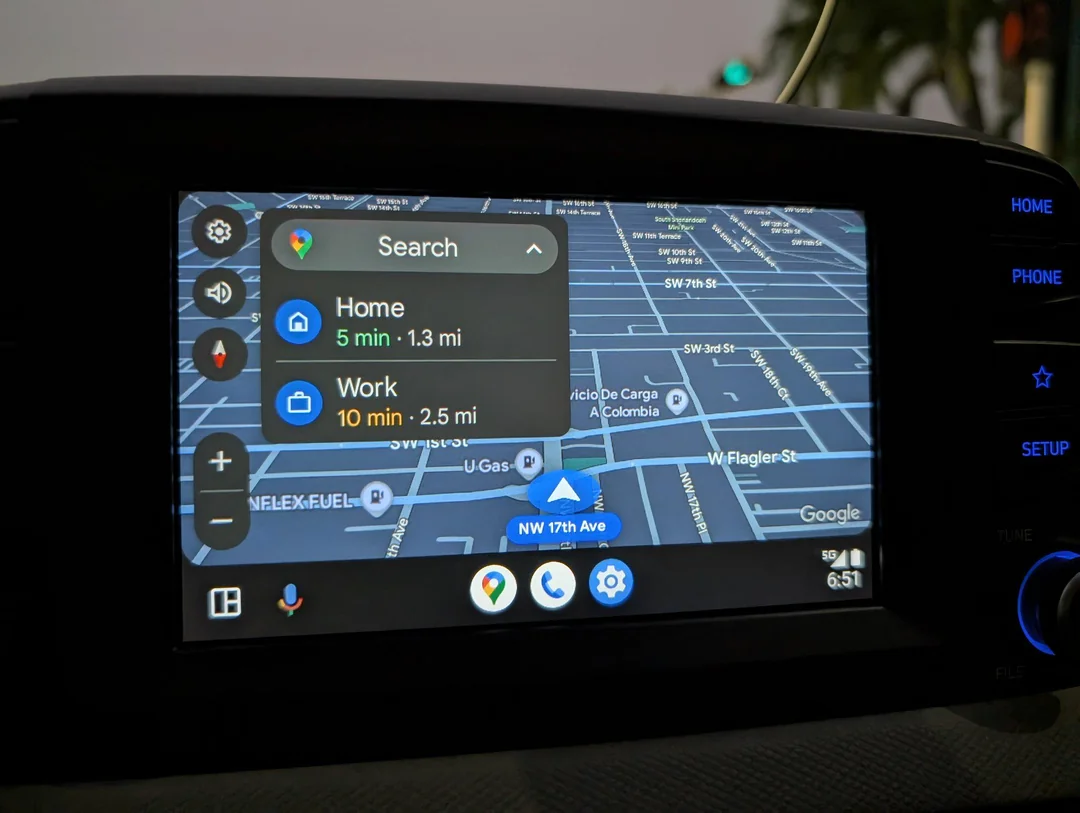
Modern vehicles use satellite positioning for much more than simply displaying a blue dot on a map. Navigation systems calculate routes, estimate arrival times, identify nearby roads, and can provide information about traffic conditions.
Vehicle manufacturers also combine satellite positioning with cameras, radar, inertial sensors, wheel-speed data, and digital maps. These combinations support navigation, emergency services, fleet management, and several driver-assistance functions.
The technology has become especially valuable as vehicles have moved toward connected and automated systems. Accurate location information can help a vehicle understand where it is operating and which roads are available.
Mapping data can support lane-level navigation, route planning, and location-based services. GPS is also widely used outside cars, including aviation, shipping, agriculture, surveying, telecommunications, and smartphones. West’s work therefore belongs to a much larger technological history.
Calling West the inventor of GPS would simplify that history too much. GPS resulted from decades of work involving physicists, engineers, mathematicians, military organizations, satellite specialists, and many other contributors.
West’s role is significant because accurate geodesy and mathematical modeling are critical foundations of satellite positioning. Her story is a useful reminder that a modern car feature may depend on scientific work conducted far beyond the automobile itself.

5. Kevlar and Automotive Safety – Stephanie Kwolek
Stephanie Kwolek was an American chemist whose invention of Kevlar had major applications in transportation and protective equipment. She discovered the high-strength polymer while working at DuPont in the 1960s.
Kevlar is exceptionally strong relative to its weight and has been used in products ranging from protective body armor to ropes, cables, tires, and various automotive components.
Kwolek’s discovery was not designed as a car feature in the conventional sense. She was researching strong, lightweight materials when she developed a liquid-crystal polymer solution that eventually led to Kevlar.
The material’s unusual molecular structure gave it remarkable strength and stiffness. Its combination of low weight and high tensile strength made it attractive for many engineering applications where reducing mass without sacrificing performance was important.
Automotive uses of aramid fibers such as Kevlar can include reinforcement in tires, belts, hoses, and other components. In some applications, strong fibers can help improve durability while keeping weight under control.
Tire construction, for example, requires materials capable of handling significant forces at high speeds. Reinforcing materials contribute to the structural integrity of the tire and can help manufacturers balance strength, performance, and weight.
Lightweight materials have become increasingly important to vehicle engineering. Reducing unnecessary mass can improve efficiency and affect acceleration, braking, handling, and energy consumption.
Electric vehicles have made weight reduction particularly important because battery packs can be heavy. Engineers therefore continue to investigate advanced steels, aluminum, carbon-fiber composites, aramid fibers, and other materials that can deliver the required strength without excessive mass.
Kwolek’s contribution shows that automotive innovation often comes from chemistry rather than traditional mechanical engineering. A material invented for a broader technological purpose can later become valuable in vehicle construction and safety.
Kevlar is not a button, display, or mechanical control that drivers directly interact with, but its influence on automotive materials demonstrates how scientific discoveries can shape the vehicles people depend on. Kwolek’s work remains an important example of how women have contributed to engineering through fields that initially seem far removed from automobiles.
6. The Foundations of Wireless Communication – Hedy Lamarr
Hedy Lamarr is best known for her film career, but she also worked on technology during World War II. Along with composer George Antheil, she developed and patented a frequency-hopping communication concept in 1942.
The idea was intended to make radio-guided torpedoes more difficult for an enemy to detect or interfere with. The technology itself was not created as a car feature, and it did not directly produce modern wireless systems. Its broader significance lies in the concept of rapidly changing communication frequencies.
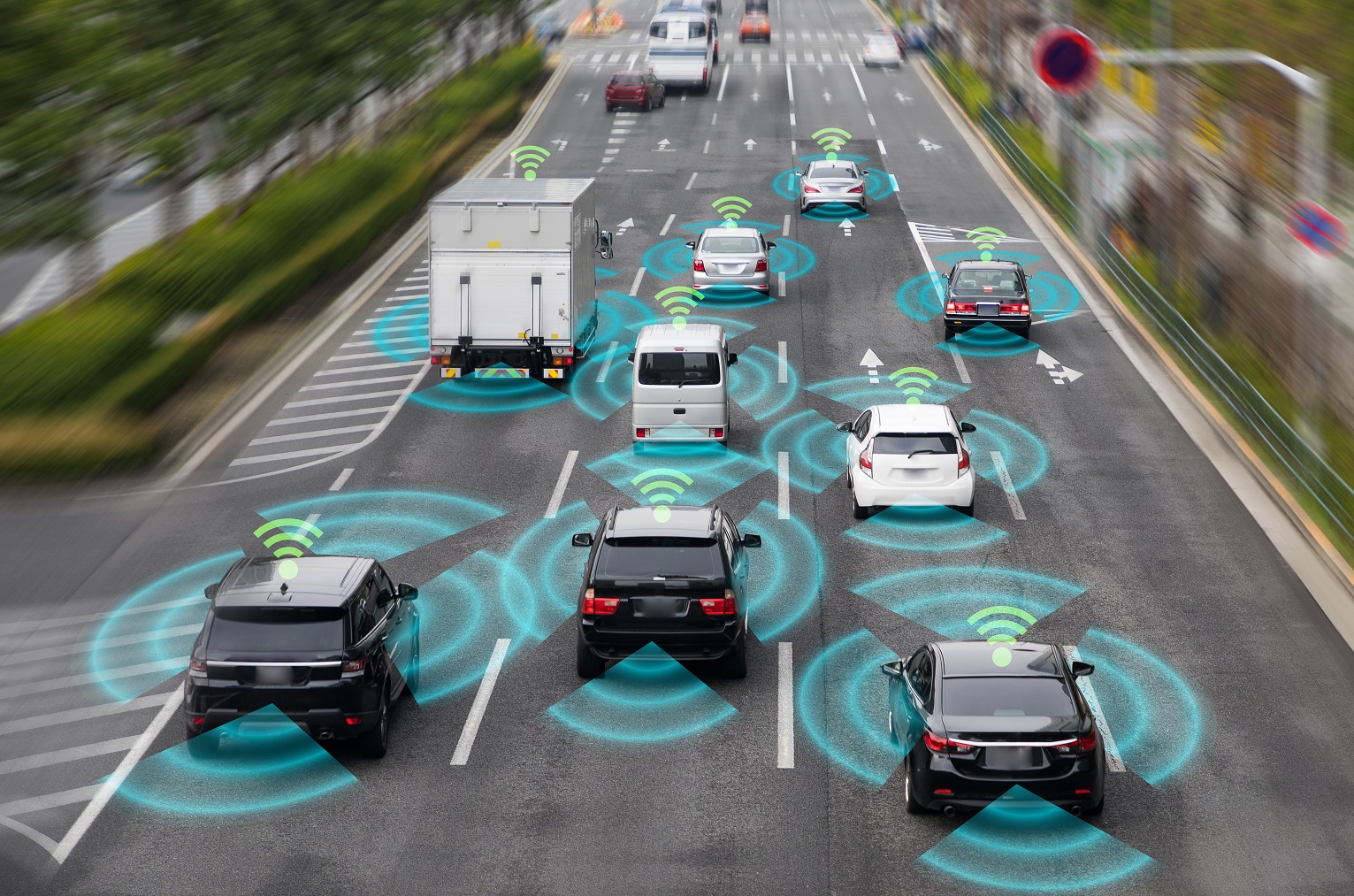
Modern vehicles contain a growing number of wireless communication systems. Bluetooth connects phones to infotainment systems, Wi-Fi can provide internet connectivity, keyless entry systems communicate wirelessly with vehicles, and connected cars exchange information with external networks.
Modern vehicle technology also relies on wireless protocols for certain sensors, tire-pressure monitoring systems, and digital services. These technologies come from many different research paths rather than from a single invention.
Lamarr’s frequency-hopping concept belongs to the broader history of spread-spectrum communication. The central idea involves changing communication frequencies according to an agreed sequence. This can make interference more difficult under certain circumstances.
Later generations of communication technology developed independently through extensive work by researchers and engineers. It would therefore be misleading to claim that Lamarr invented Bluetooth, Wi-Fi, GPS, or modern automotive connectivity.
Her connection to automotive technology is best understood as part of the long development of wireless communication. Vehicles have changed from isolated mechanical machines into connected electronic platforms.
A modern car can communicate with a smartphone, cellular network, navigation satellites, charging infrastructure, and other devices. Wireless communication is increasingly important to convenience, security, entertainment, and connected services.
Lamarr’s story is particularly important because her technical work was overshadowed for decades by her acting career. Her invention demonstrates that innovation can come from people working outside conventional engineering roles.
The communication technology used in modern cars has an extensive history involving many researchers, but Lamarr’s work represents an important chapter in the development of techniques for secure and interference-resistant wireless communication.
7. Modern Road Safety and Lane Markings – June McCarroll
June McCarroll is associated with an important development in road safety in the United States. She helped promote the use of painted center lines to separate opposing lanes of traffic.
McCarroll was a physician who reportedly became concerned about road safety after a close encounter with a truck while driving in California. She proposed painting a line down the center of roads to separate traffic moving in opposite directions.
At the time, roads did not consistently use center lines to organize traffic. As automobile use increased, drivers needed clearer visual guidance about where vehicles should travel. A painted center line offered a simple way to divide opposing traffic and establish a visible boundary.
The idea eventually became part of broader road-marking standards and helped establish practices that are now considered basic components of road infrastructure.
Center lines are not technically a feature invented by automobile manufacturers, but they have a direct relationship with how modern vehicles are driven. Today’s cars depend heavily on road markings.
Cameras can recognize lane lines, driver-assistance systems can use them for lane-departure warnings and lane-centering functions, and navigation systems incorporate road geometry into digital maps. Human drivers also rely on markings to understand traffic flow, passing restrictions, lane boundaries, and road positioning.
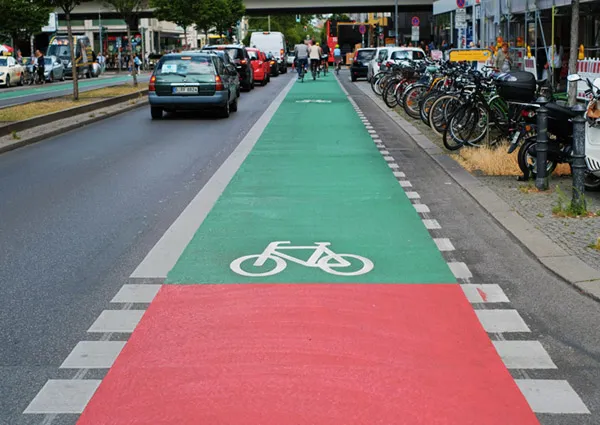
Modern road markings have become far more sophisticated than the simple painted line McCarroll proposed. Roads may use solid lines, broken lines, double lines, reflective materials, raised pavement markers, colored lanes, arrows, and specialized markings for pedestrians and cyclists.
Autonomous-driving research also places significant emphasis on machine-readable road infrastructure. Cameras and computer-vision systems analyze road markings as part of their understanding of the surrounding environment.
McCarroll’s contribution highlights a broader truth about automotive safety. Improving safety is not limited to changing the vehicle itself. Roads, signs, markings, lighting, communication systems, and traffic rules all influence how safely vehicles operate. A simple line painted on a road can shape the behavior of thousands of drivers every day.
Her story is therefore a valuable part of the history of transportation safety and shows how practical ideas outside the vehicle can have a lasting effect on motoring.
