

Modern cars are packed with features that once seemed expensive, unusual, or unnecessary. Anti-lock brakes, airbags, navigation systems, rear cameras, hybrid powertrains, and smartphone connectivity are now familiar parts of everyday driving.
Many of these technologies started with cars that pushed manufacturers to rethink safety, comfort, efficiency, or convenience. Some models introduced the technology directly, while others made it practical enough for mass-market vehicles.
This article looks at eight cars that helped establish features now considered normal, showing how automotive ideas moved from innovation to expectation and changed what drivers demand from modern vehicles.
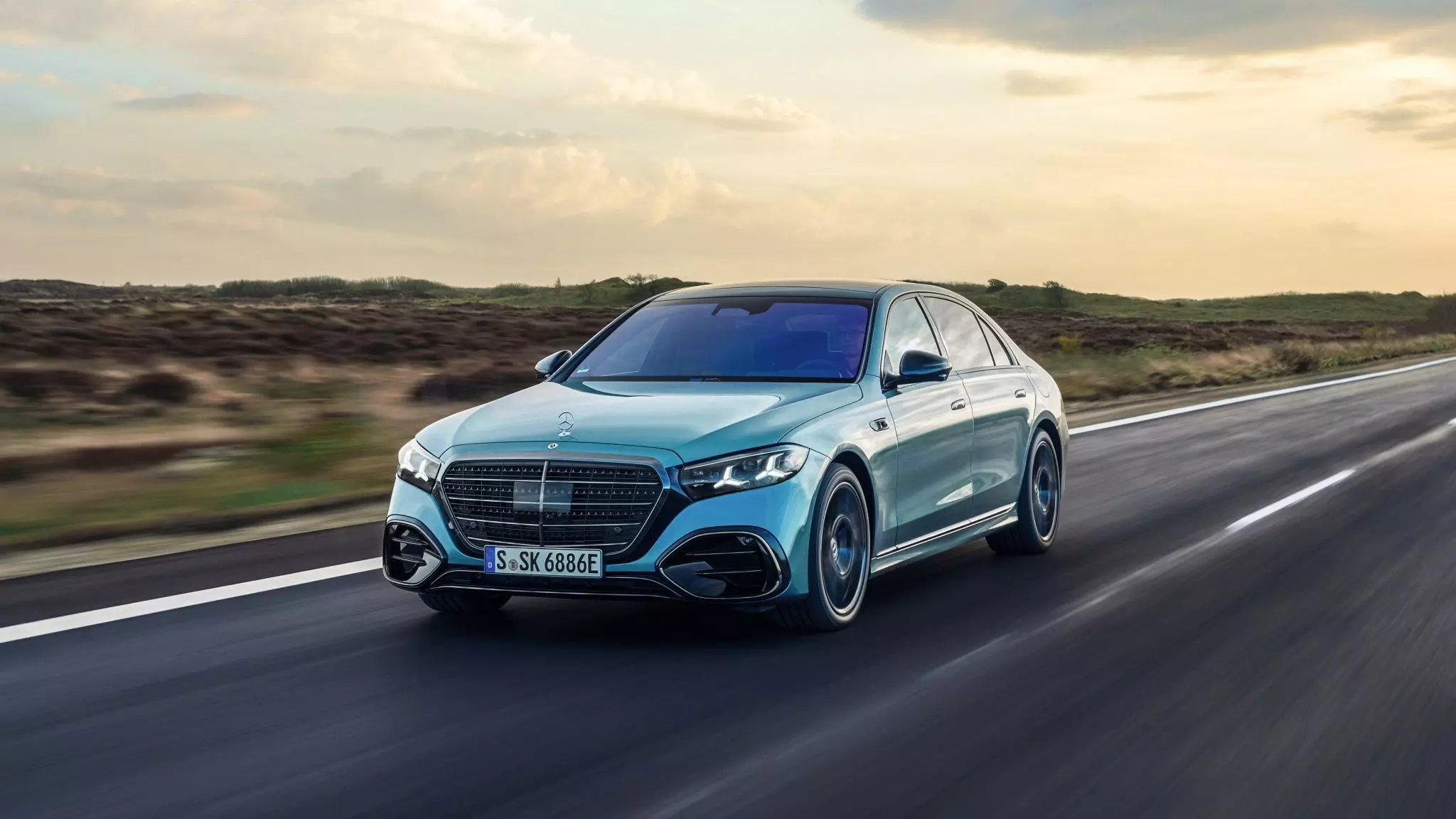
1. Mercedes-Benz S-Class and Anti-Lock Braking
The Mercedes-Benz S-Class has long been associated with advanced automotive technology, and its contribution to anti-lock braking is particularly important. Mercedes-Benz introduced a production-ready electronic anti-lock braking system on the S-Class in 1978.
The system was developed with Bosch and was designed to prevent the wheels from locking during hard braking. Before ABS became common, a driver who applied heavy brake pressure could cause the wheels to stop rotating while the vehicle was still moving.
That could make steering difficult and increase the risk of losing control, particularly on wet or slippery roads. The S-Class helped demonstrate that electronic braking assistance could work in a practical road car.
The basic principle behind ABS is relatively straightforward. Sensors monitor wheel speed and detect when a wheel is approaching a locked condition. The system can then reduce and restore brake pressure rapidly, allowing the wheel to continue rotating while the driver maintains strong braking force.
This process happens many times per second and is controlled electronically. The technology was far more sophisticated than the braking systems found in ordinary passenger cars during the 1970s. Its presence in the S-Class gave Mercedes-Benz a platform to prove that advanced electronic safety systems could be integrated into a luxury vehicle without turning the car into a difficult machine to operate.
ABS gradually moved beyond premium vehicles as costs fell and manufacturers gained more experience with electronic control systems. Government regulations and safety expectations also encouraged wider adoption.
Today, ABS is standard equipment on virtually all new passenger cars sold in major automotive markets. It also serves as a foundation for other electronic safety technologies, including electronic stability control and traction control.
These systems use related sensor information to determine how the vehicle is behaving and whether intervention may be necessary. What began as a high-tech option for an expensive sedan eventually became an expected safety feature in compact hatchbacks, family SUVs, pickup trucks, and economy cars.
The importance of ABS extends beyond stopping distance. On loose surfaces, the system can produce different results depending on the conditions, yet its major advantage is maintaining steering control during heavy braking.
A locked wheel has limited ability to respond to steering input because it is sliding rather than rolling. ABS helps preserve that rolling action, giving the driver a better chance of steering around an obstacle. Modern systems are also far more refined than early versions.
Computer processing is faster, sensors are more accurate, and braking hardware has improved significantly. Drivers may rarely notice ABS operating until they need it, which is a sign of how successfully the technology has become integrated into everyday driving.
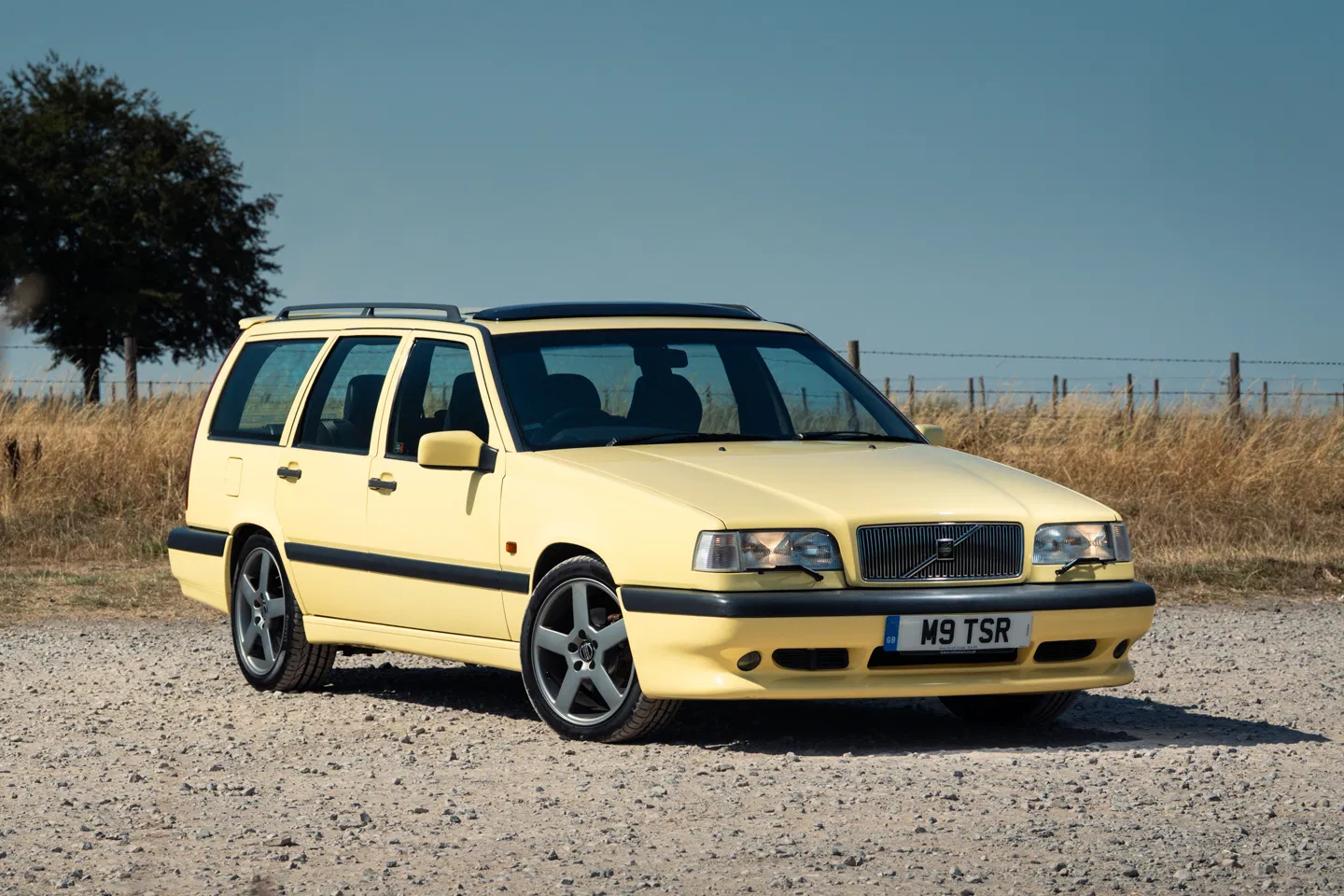
2. Volvo 850 and Side-Impact Protection
Volvo built much of its reputation around safety, and the Volvo 850 introduced several important ideas to a broad audience during the 1990s. The model arrived in 1991 and featured a sophisticated safety structure along with a side-impact protection system.
Volvo later introduced side airbags for the 850, helping bring protection against lateral crashes into greater public attention. Front airbags had already begun spreading through the industry, but side protection presented a separate engineering challenge.
A vehicle has less space between an occupant and an object striking the side of the car than it generally has between an occupant and the front of the vehicle.
Side-impact protection requires careful coordination between body structure, energy-absorbing materials, seats, sensors, and airbags. The 850 was important for combining these ideas in a family car rather than limiting them to an exotic or ultra-luxurious model.
Volvo’s approach reflected a broader philosophy that safety technology should be useful in everyday transportation. Side airbags are designed to deploy during qualifying side collisions and provide additional protection for areas such as the chest and torso.
Later systems became more sophisticated and were joined by curtain airbags designed to help protect occupants’ heads during certain side crashes and rollovers.
The spread of side airbags changed expectations for vehicle safety. Consumers gradually began asking manufacturers to provide protection from more than just frontal impacts. Crash testing also became increasingly important in shaping vehicle design.
Manufacturers began engineering passenger compartments to perform better in several different types of collisions rather than concentrating primarily on frontal crashes.
Modern cars use carefully designed crumple zones, reinforced passenger cells, stronger doors, advanced seats, and multiple airbags. Side-impact protection is now a normal part of vehicle safety engineering, with many new vehicles offering several airbags positioned around the cabin.
The technology also shows how a single vehicle can influence design without being the sole source of an invention. Airbags existed before the 850, and engineers across the industry were working on different forms of occupant protection.
Volvo’s work helped demonstrate how side protection could be incorporated into a practical production vehicle. As technology matured, manufacturers found ways to reduce costs, improve sensors, and package airbags more efficiently.
The result is a modern safety system that can include front, side, curtain, knee, and other airbags depending on the vehicle. The number and configuration vary by model, but the principle is now familiar to virtually every new-car buyer.
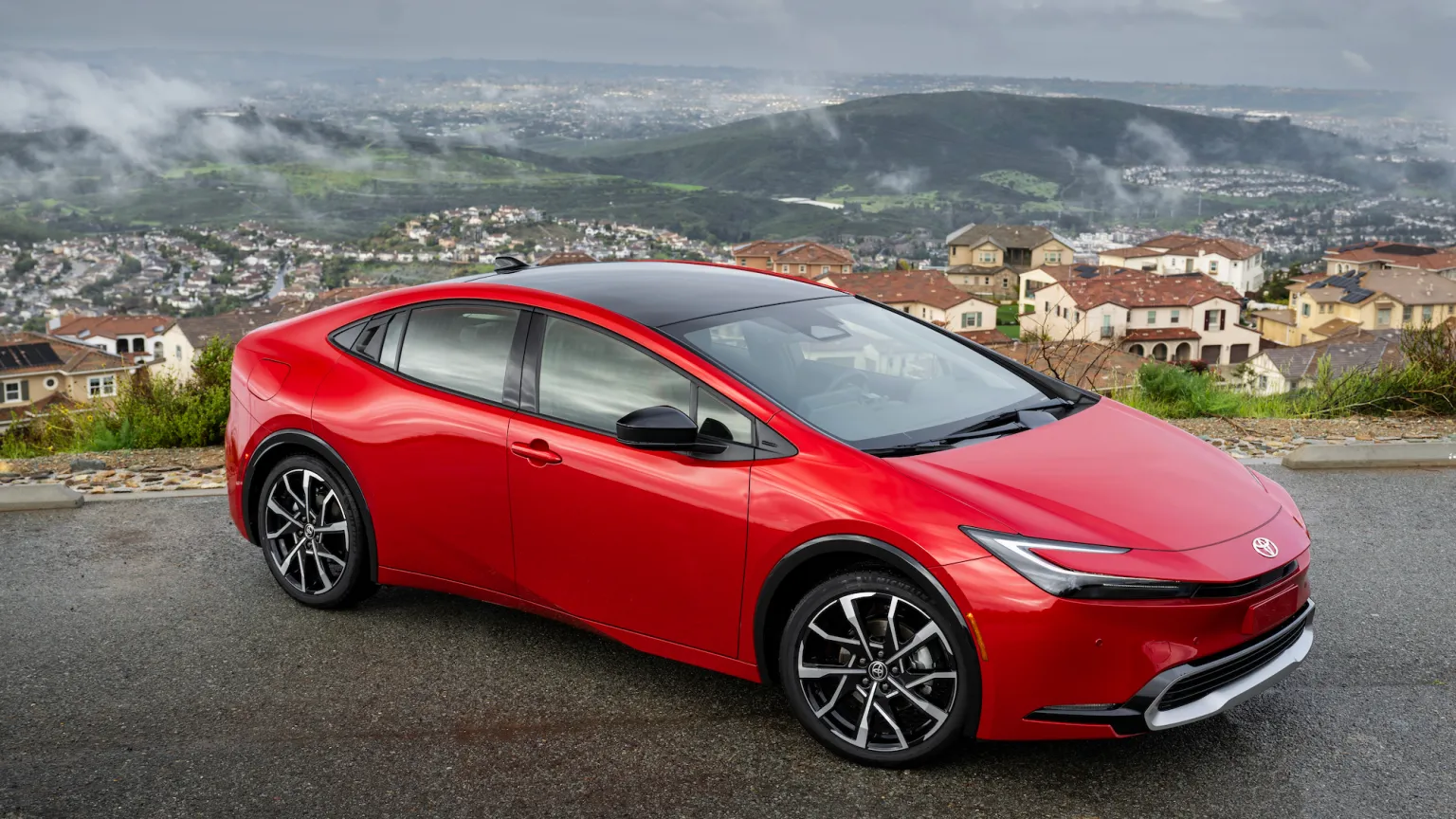
3. Toyota Prius and Hybrid Power
The Toyota Prius changed the conversation around fuel efficiency when it reached international markets in the late 1990s. The first-generation Prius launched in Japan in 1997, followed by broader international sales in subsequent years.
Its most important contribution was not simply using an electric motor, since electric propulsion had existed for decades. The Prius demonstrated that a practical mass-market passenger car could combine a gasoline engine with electric motors and a battery pack in a system designed specifically for everyday efficiency.
Its hybrid powertrain became a template that many manufacturers would later adapt.
The Prius uses Toyota’s Hybrid Synergy Drive concept, combining an internal combustion engine with electric motor-generators and a battery. Depending on driving conditions, the system can use the engine, electric motor, or both. Regenerative braking captures some energy that would otherwise be lost as heat through the brakes and sends it back to the battery.
The system can also shut the gasoline engine off when it is not needed and restart it automatically. These operations occur without requiring the driver to manage the individual components manually. The result is a driving experience that feels familiar while using a fundamentally different approach to energy management.
Hybrid technology gained attention because it addressed a major limitation of conventional vehicles. Much of the energy produced by a gasoline engine is lost as heat, while electric motors can operate more efficiently in situations where internal combustion engines are less effective.
A hybrid system can use each power source where it performs best. The Prius showed that this concept could work reliably in a normal family car rather than remaining a laboratory experiment.
Taxi operators, commuters, and private owners helped turn the Prius into a familiar sight, particularly in cities where stop-and-go traffic gives regenerative braking and electric assistance frequent opportunities to operate.
The success of the Prius encouraged nearly every major automaker to develop some form of hybrid technology. Modern hybrid systems vary considerably. Some use a small electric motor primarily for assistance, while others can drive the vehicle electrically for longer periods.
Plug-in hybrids add larger batteries that can be charged externally, allowing longer electric-only driving before the gasoline engine becomes necessary. Mild hybrids use smaller electrical systems to assist acceleration and support functions such as engine stop-start operation. These approaches share the basic idea of using electrical energy to improve efficiency or performance.
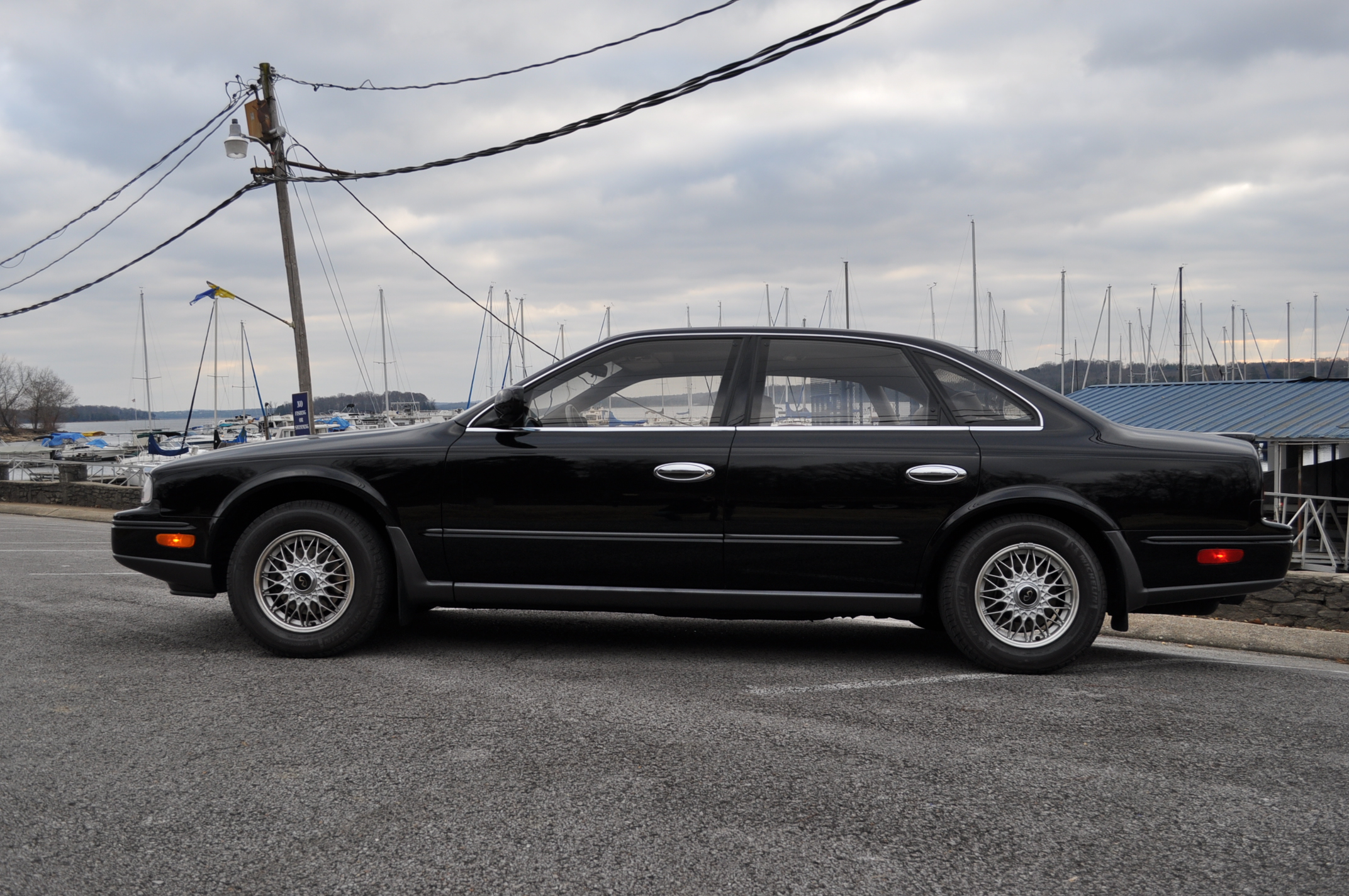
4. Infiniti Q45 and the Rear-View Camera
The rear-view camera is now so familiar that many drivers expect to see an image of the area behind the vehicle as soon as reverse gear is selected.
Early production applications appeared long before rear-view cameras became standard equipment. The 2002 Infiniti Q45 is often associated with one of the early factory-installed rear-view camera systems in the mainstream luxury market.
The concept was simple. Give the driver a view that mirrors and direct sightlines cannot always provide. This was especially useful in large sedans, where the rear deck and trunk could create significant blind spots.
A rear camera does not eliminate the need for mirrors or direct observation. Its value comes from providing an additional perspective. The camera can show objects directly behind the vehicle, while modern systems often add guidelines that indicate the predicted path based on steering angle.
Some vehicles combine multiple cameras to create a surround-view image, giving drivers a simulated overhead perspective. These systems are especially useful in parking lots, garages, narrow driveways, and other places where pedestrians, curbs, poles, or small objects can be difficult to see from the driver’s seat.
As camera technology became cheaper and smaller, manufacturers began installing rear cameras in a much wider range of vehicles. The introduction of regulatory requirements in major markets accelerated this transition.
In the United States, rear visibility requirements led to rearview cameras becoming mandatory on new light vehicles from the 2018 model year. Other countries and manufacturers followed their own safety standards and adoption patterns. The technology went from being associated with expensive vehicles to appearing in inexpensive hatchbacks and small cars.
Modern camera systems also connect with other driver-assistance features. Parking sensors can work alongside the camera to provide audible or visual warnings. Automatic parking systems may use cameras and ultrasonic sensors to identify available spaces and help control steering.
More advanced vehicles combine camera feeds with radar, lidar, or other sensors to create a broader picture of the surrounding environment. The rear camera itself remains a relatively simple technology, yet its integration with electronic driver assistance has made it a key component of modern vehicle design.
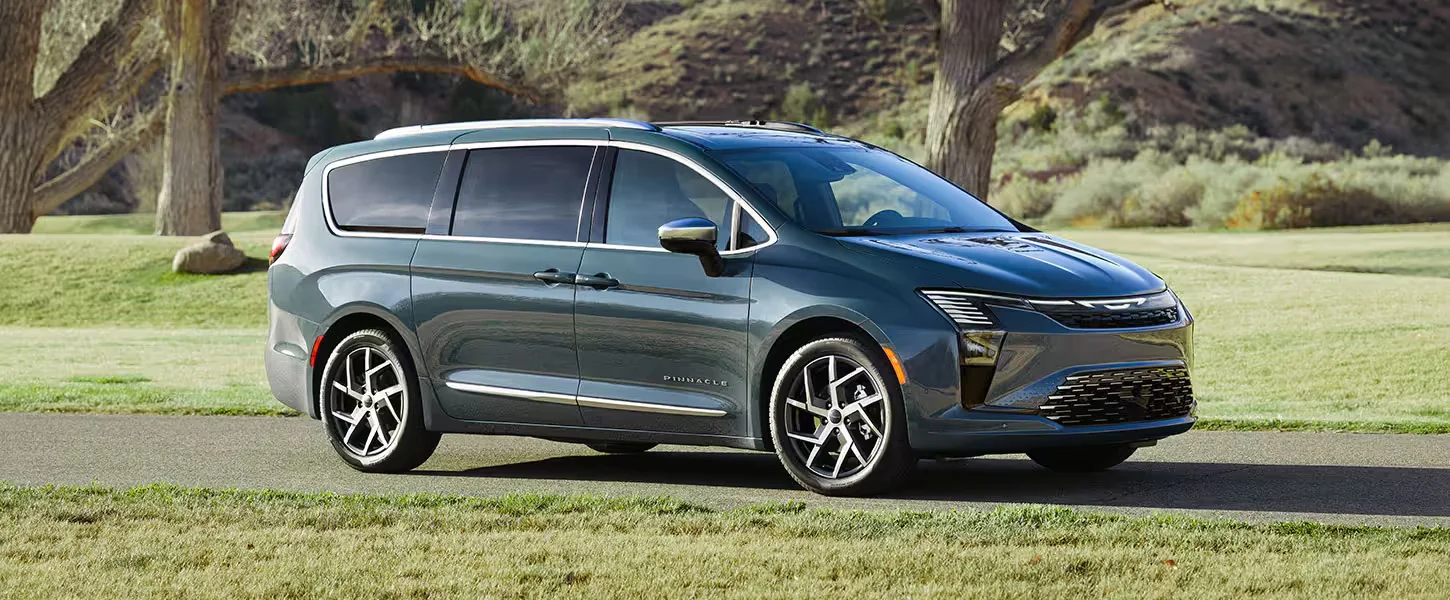
5. Chrysler Minivans and the Sliding Side Door
Chrysler’s minivans of the 1980s changed the practical design of family transportation. The Dodge Caravan and Plymouth Voyager arrived for the 1984 model year and offered a combination of passenger-car-like dimensions, flexible seating, and substantial interior space.
Their importance goes beyond creating a successful vehicle category. The minivan helped popularize the sliding side door as a practical solution for family vehicles. Sliding doors had existed on earlier vehicles, but Chrysler made the configuration highly relevant to ordinary families who needed easy access in crowded parking spaces and residential driveways.
A conventional hinged door requires space beside the vehicle to swing outward. That can be inconvenient when a car is parked next to another vehicle. A sliding door moves along the side of the body, allowing passengers to enter without requiring a wide opening area.
This became especially useful for families installing child seats or helping young children climb into the second row. The minivan’s tall body and large side opening also made it easier to access the cabin. These practical benefits helped make sliding doors a defining characteristic of the minivan category.
Chrysler continued refining the concept as minivans became more sophisticated. Power-operated sliding doors eventually became available, allowing occupants to open or close them with a button or remote control. Later systems added sensors and anti-pinch technology to reduce the risk of injury or damage.
The feature became closely associated with family-oriented vehicles because it addressed a very specific everyday problem. Parents could open a door in a crowded parking lot without worrying about a neighboring vehicle, while children could climb into a wide doorway rather than squeezing through a narrow opening.
The influence of the minivan also extended to interior flexibility. Removable and foldable seats allowed owners to change the cabin according to their needs. Modern versions of this concept can be seen in vehicles with folding second rows, sliding seats, configurable cargo areas, and powered access features.
SUVs have adopted many of these practical ideas as manufacturers compete for buyers who want family-friendly interiors without choosing a traditional minivan. Sliding doors remain less common on SUVs, yet their value is still clear in vehicles designed around passenger access and maximum cabin flexibility.

6. Lexus LS 400 and Advanced Automatic Climate Control
The Lexus LS 400, introduced for the 1990 model year in the United States, helped redefine what buyers could expect from a luxury sedan. Lexus focused heavily on refinement, quietness, build quality, and user-friendly technology.
Among its many comfort features was an advanced automatic climate-control system that contributed to the broader expectation that a car’s cabin temperature could be managed electronically with minimal driver effort. Automatic climate control was not invented by the LS 400, but the model helped demonstrate how sophisticated climate management could be integrated into a modern luxury interior.
Automatic climate control works by monitoring cabin conditions and adjusting heating, cooling, airflow, and fan speed. The driver generally selects a desired temperature rather than constantly changing the fan or temperature controls. Sensors can monitor interior temperature, outside conditions, sunlight, and other factors.
The control system then makes adjustments to maintain the selected environment. Modern vehicles have taken this principle further with dual-zone, tri-zone, and even four-zone climate control. Some systems allow front and rear passengers to select separate temperatures.
The significance of the LS 400 came partly from its attention to how technology should feel to the person using it. A feature can be technically impressive yet frustrating if the controls are confusing or unreliable. Lexus placed strong emphasis on quiet operation, smooth mechanical behavior, and carefully integrated cabin controls.
This approach helped establish a luxury-car expectation in which climate systems were supposed to operate almost invisibly. Drivers were not expected to think about the machinery behind the dashboard. They simply selected a comfortable temperature and allowed the vehicle to manage the rest.
Automatic climate control eventually moved down the automotive market as electronic components became less expensive. What had been associated with luxury cars began appearing in mainstream sedans and crossovers.
Even basic vehicles now commonly provide some level of automatic temperature management, while higher-priced models offer highly personalized systems. Heated and ventilated seats, heated steering wheels, air-quality sensors, and cabin filtration have expanded the concept further.
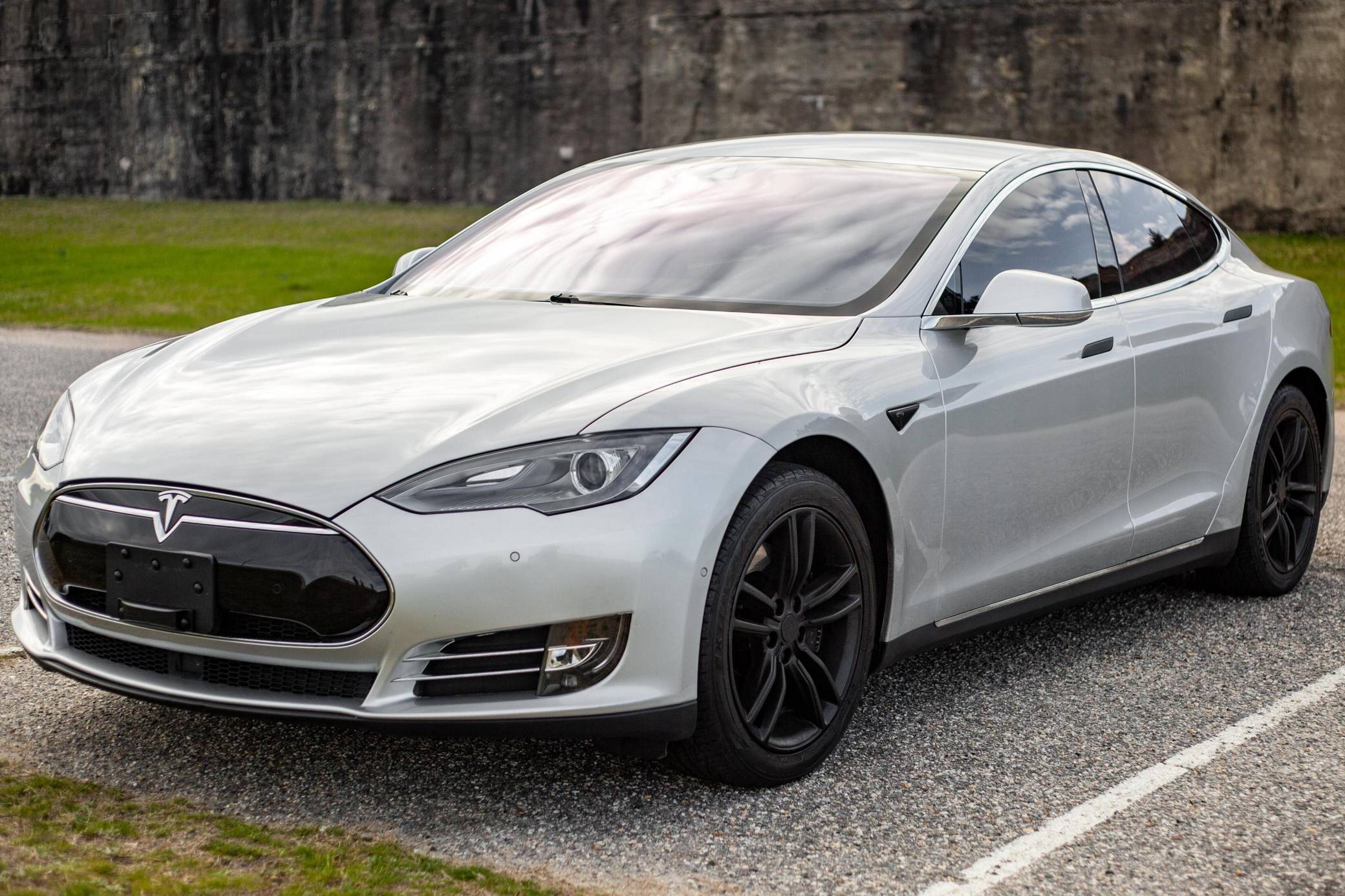
7. Tesla Model S and Over-the-Air Software Updates
The Tesla Model S changed expectations around vehicle software when it arrived in 2012. Cars had contained computers for many years, controlling engines, transmissions, airbags, entertainment systems, and other functions.
The major change introduced by Tesla was the idea that a vehicle could receive substantial software updates remotely through an internet connection. Instead of requiring every improvement to happen during a dealership visit, Tesla could deliver certain software changes directly to the vehicle. This approach made the car feel more like a connected electronic device than a traditional machine that remained largely unchanged after purchase.
Over-the-air updates allow manufacturers to modify software without physically replacing hardware. Depending on the vehicle and the manufacturer, updates can improve infotainment systems, change interface features, add functions, address software problems, or modify vehicle behavior.
Electric vehicles are particularly suited to this model because many of their functions are controlled by software. Battery management, charging behavior, navigation, energy monitoring, and driver-assistance systems can all depend heavily on computer-controlled systems. The potential benefits are substantial, yet updates must be carefully tested because software mistakes can affect important vehicle functions.
The Model S helped normalize the idea that a car could receive meaningful improvements after leaving the factory. Traditional vehicles generally became fixed products once delivered, aside from physical repairs, recalls, and service updates. Connected vehicles created a new relationship between manufacturers and owners.
The manufacturer could continue improving the digital experience over time, while owners could receive changes without visiting a service center. This model also changed how buyers thought about vehicle longevity. A car’s software could evolve even when its physical components remained unchanged.
Major automakers have since adopted increasingly sophisticated connected-car platforms. Companies now offer remote software updates for infotainment systems, navigation data, charging functions, driver assistance, and other features. Some manufacturers use over-the-air updates for limited systems, while others are building vehicle architectures specifically around centralized software control.
Subscription-based features have also appeared, creating new debates about ownership and access. Consumers increasingly expect smartphones and computers to receive regular updates, and that expectation is now influencing automotive technology.
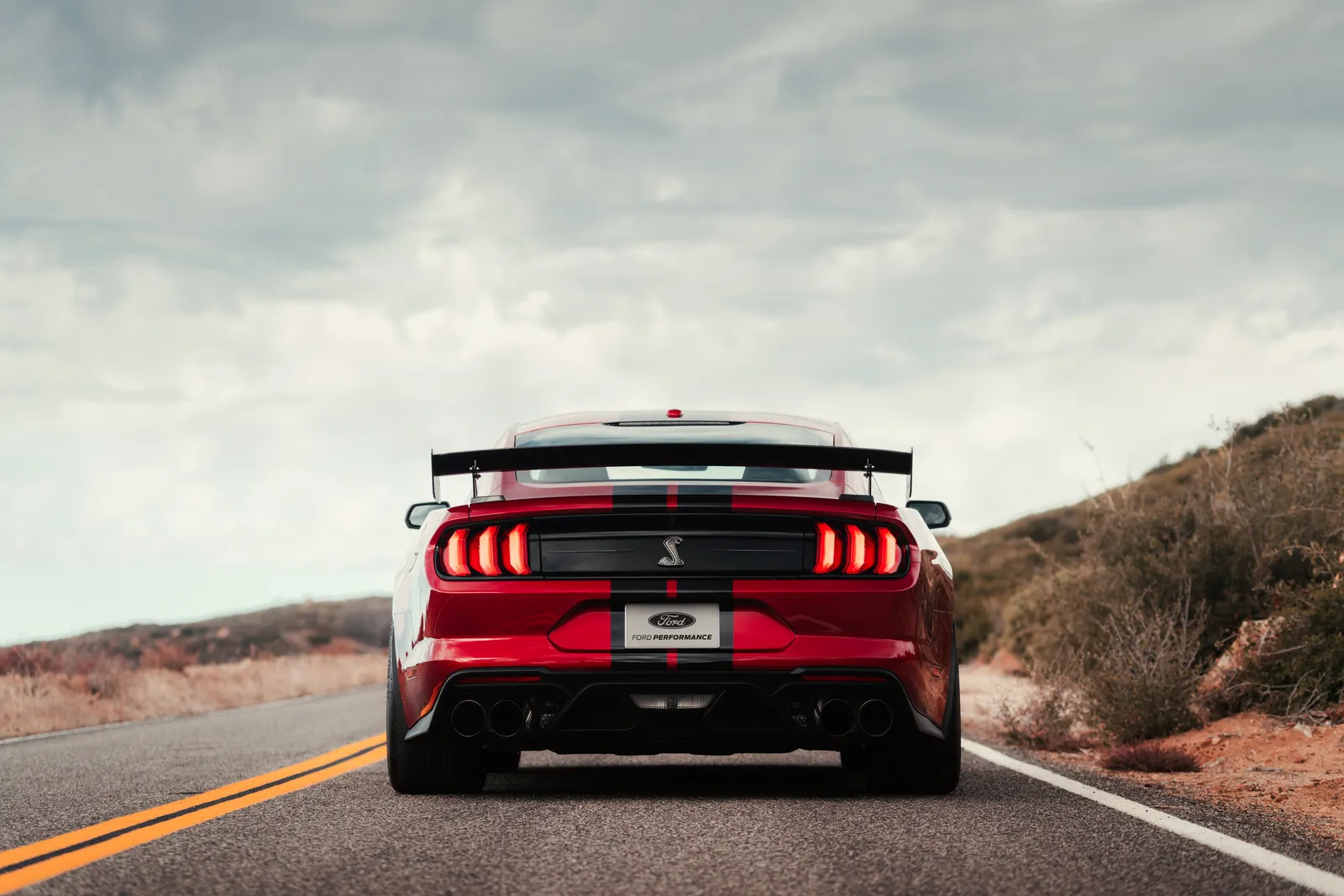
8. Ford Mustang and the Mainstream Performance Car
Introduced in 1964, the Ford Mustang helped establish the modern pony-car formula by combining sporty styling, performance, affordability, and everyday practicality. Although it was not the first vehicle to offer a powerful engine or athletic appearance, the Mustang made performance accessible to a much broader group of buyers.
A key part of its appeal was personalization. Customers could choose from different engines, transmissions, equipment levels, body configurations, interior options, and appearance packages while retaining the Mustang’s core identity.
This approach helped influence the industry’s growing emphasis on trim levels and factory options, allowing buyers to balance price, performance, comfort, technology, and style according to their preferences.
The Mustang also helped make performance-oriented equipment more desirable to everyday drivers. Features such as disc brakes, limited-slip differentials, sport suspension, sport seats, larger wheels, and more powerful engines gained attention through performance models before becoming increasingly common across mainstream vehicles.
Later Mustang generations adopted technologies including fuel injection, electronic controls, stability systems, selectable drive modes, and advanced powertrains.
Perhaps most importantly, the Mustang demonstrated that performance did not have to come at the expense of practicality. Unlike specialized sports cars, it could function as everyday transportation while still offering an engaging driving experience. That balance remains influential today.
Automakers now offer performance versions of sedans, hatchbacks, crossovers, and SUVs, using technologies such as turbocharging, advanced transmissions, electronic differentials, adaptive suspension, and software-controlled drive modes. The Mustang’s lasting influence lies in making performance, personalization, and practicality part of the same package.
