
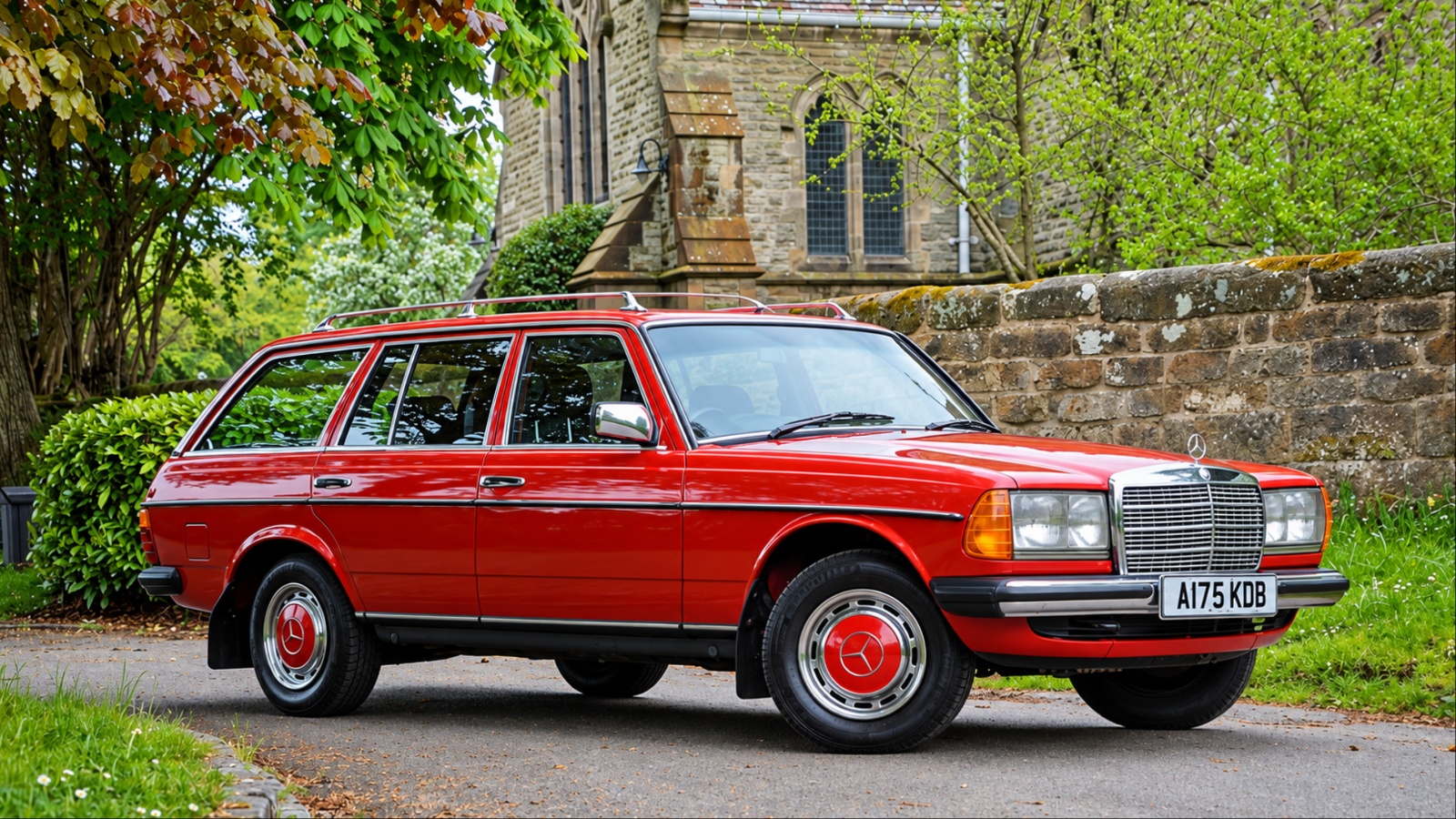
Cars usually follow a familiar formula with two front seats, a rear bench, and enough room for passengers to travel comfortably. However, some manufacturers have challenged that conventional layout by placing seats in unexpected positions, adding extra rows, or designing interiors around specific purposes.
These unusual designs have appeared in performance cars, family vehicles, compact city cars, wagons, and electric vehicles. Some were created to improve visibility, some to make better use of limited space, and others simply to provide a different driving experience. Here are eight cars that stand out for their distinctive seating arrangements and the thinking behind them.
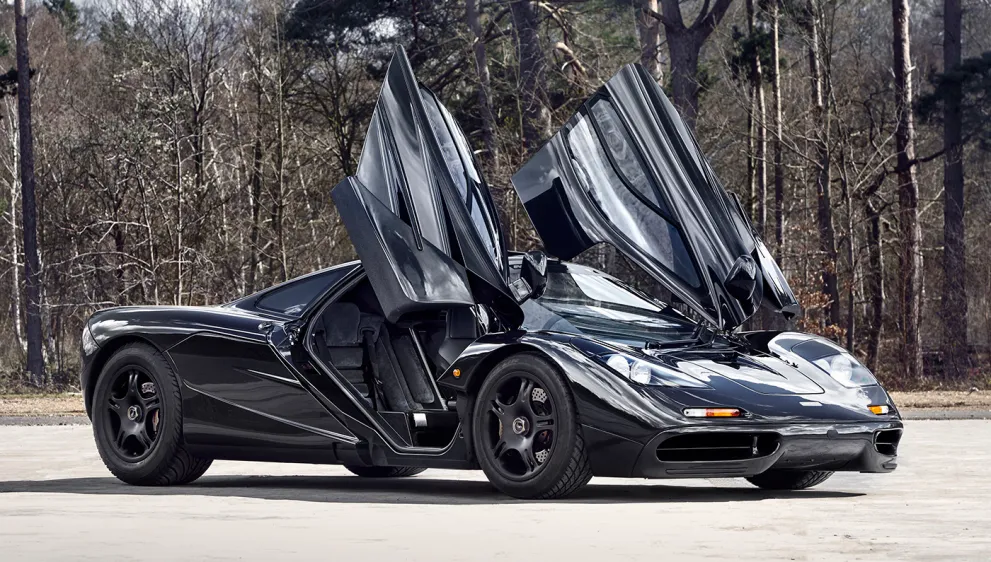
1. McLaren F1
The McLaren F1 has perhaps the most famous unusual seating arrangement ever fitted to a production road car. Instead of positioning the driver on the left or right side, McLaren placed the driver in the center of the cabin.
Two passenger seats sit slightly behind and to either side of the driver. This creates a three-seat arrangement that looks dramatically different from the layout found in most sports cars. The central position was chosen with a clear purpose rather than as a styling exercise.
The central driving position gives the driver a more symmetrical view of the road. In a conventional left-hand-drive or right-hand-drive car, the driver sits offset from the center of the vehicle.
The F1 places the driver almost exactly where the designers wanted them to be, helping provide a balanced view through corners and during high-speed driving. It also gives the driver a direct relationship with the car’s central axis. For a vehicle designed around performance, this arrangement made considerable sense.
The two passenger seats are positioned beside and slightly behind the driver. This arrangement allows the F1 to carry two passengers without requiring a wide conventional front bench or a separate rear compartment.
The passengers also get a surprisingly good view because they sit forward in the cabin rather than being tucked away in a traditional rear seat. The layout makes the F1 unusual even before its performance figures or engineering details are considered.
There was also a practical benefit for McLaren. The company did not have to develop separate left-hand-drive and right-hand-drive driving positions in the traditional sense. The central steering wheel and pedal arrangement remained consistent.
This helped preserve the intended driving position regardless of the market where the car was sold. It was an unusual solution for a road car, but it matched the F1’s philosophy of placing the driver at the heart of the machine.
The McLaren F1’s seating layout has become a major part of its identity. Many supercars have experimented with exotic doors, unusual engines, lightweight materials, and radical body shapes, but very few have adopted a central driving position with two companion seats.
The arrangement also influenced later designs from Gordon Murray, showing that the idea still has appeal when a vehicle is designed around the driver’s experience rather than conventional cabin packaging.
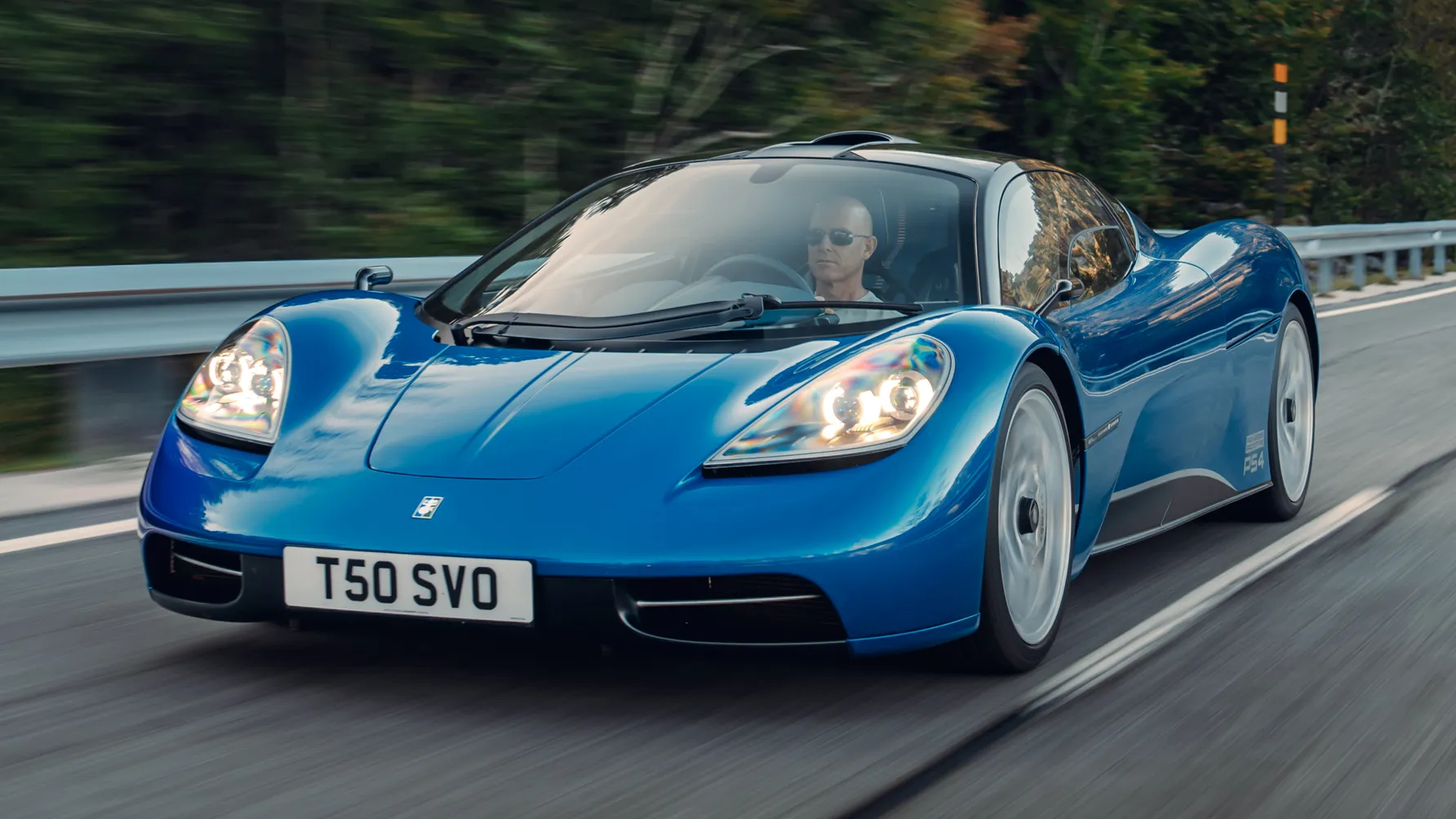
2. Gordon Murray T.50
The Gordon Murray T.50 carries forward the central-driver concept in a modern form. Created by Gordon Murray Automotive, the T.50 uses three seats with the driver positioned in the center and two passenger seats placed behind and to either side.
Murray was closely associated with the original McLaren F1, so the similarity is intentional. The T.50 demonstrates how a distinctive seating configuration can remain relevant decades after it first appeared.
The central driver’s seat is designed to provide a clear and balanced driving position. The steering wheel, pedals, and driver’s body are aligned around the center of the vehicle. This differs significantly from most modern supercars, where the driver sits on either the left or right side of the cabin.
The T.50 uses its cabin arrangement as part of its engineering philosophy, with the seating position helping behind the driver, giving them their own defined areas rather than making them feel like a conventional rear bench. This arrangement allows three adults to sit within a relatively compact, performance-focused cabin.
The passenger positions also give the car a distinctive visual appearance when viewed through create a direct connection between the driver and the vehicle.
Passenger access is also part of the design. The two passenger seats are positioned slightly behind the driver, giving them their own defined areas rather than making them feel like a conventional rear bench.
This arrangement allows three adults to sit within a relatively compact performance-focused cabin. The passenger positions also give the car a distinctive visual appearance when viewed through the glass.
The unusual layout makes the T.50 immediately recognizable. It is not simply a three-seat car with a seat added somewhere in the rear. The entire cabin is structured around the central driver.
That means the dashboard, steering wheel, pedals, visibility, and seating positions work together as a single concept. This is important because unusual seating can easily become a gimmick if it does not serve the vehicle’s purpose.
For everyday family transportation, the T.50’s arrangement would make little sense compared with a conventional five-seat hatchback or SUV. For a lightweight driver’s car, however, the concept has a strong rationale.
The T.50 shows that an unconventional cabin does not necessarily mean poor ergonomics. When engineers start with a specific goal and design the interior around it, an unusual seating layout can become a defining feature rather than a compromise.
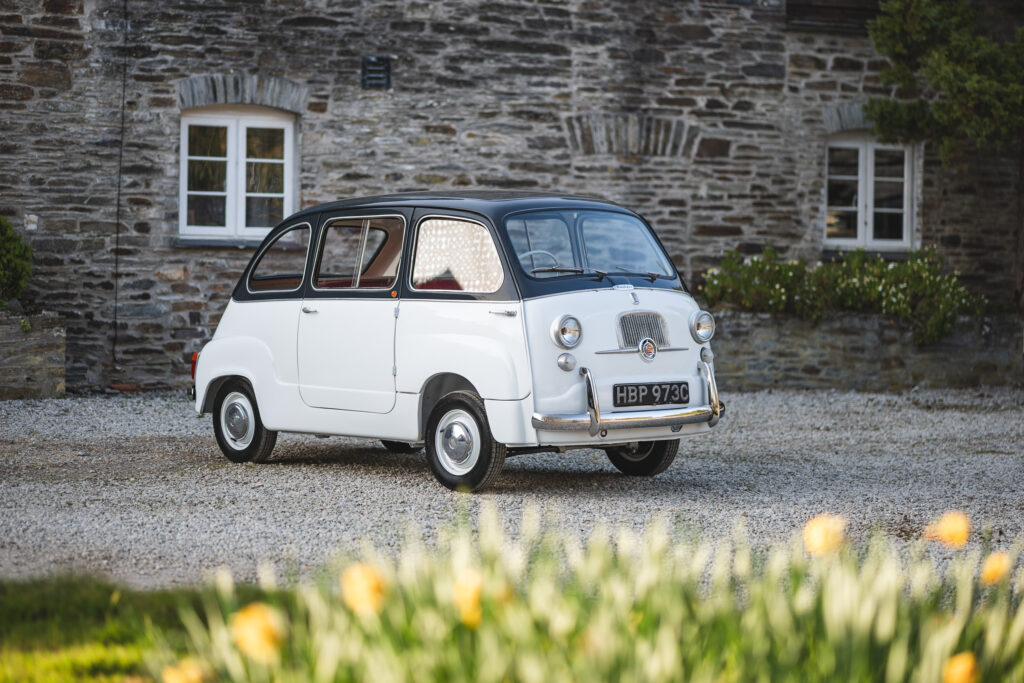
3. Fiat Multipla
The Fiat Multipla took an entirely different approach to unusual seating. Instead of placing two seats in the front and three across the rear, the Multipla arranged six seats in two rows of three.
This created a compact vehicle capable of carrying six occupants without requiring the footprint of a much larger people carrier. The layout was particularly striking because three people could sit across the front row.
The front row consisted of three individual seats, with the driver positioned on the left and two passengers sitting beside them. The second row repeated the three-across arrangement.
This meant every passenger had a dedicated seat rather than relying on a narrow middle position within a traditional bench. The design was a clever response to the challenge of fitting several occupants into a relatively short vehicle.
The Multipla’s exterior proportions were influenced heavily by its interior packaging. Its wide body provided the necessary shoulder room for three front occupants. The cabin was also relatively tall, which helped create useful headroom.
From a design perspective, the vehicle showed how changing the seating arrangement could affect the shape of the entire car. Its distinctive appearance was closely connected to the practical demands of the cabin.
The three-across front row could be particularly useful for families and people who needed to transport several passengers. A child or smaller adult could occupy the middle position, while the two outer occupants retained more conventional seating positions.
The rear row also provided three seats, giving the vehicle genuine six-person capacity in a compact package. This was quite different from many small MPVs that used a conventional two-plus-three configuration.
The Multipla became famous for its controversial exterior styling, but its cabin deserves equal attention. Its unusual arrangement was not merely about looking different.
It represented a serious attempt to maximize passenger capacity within a relatively small vehicle. Modern SUVs and crossovers tend to dominate family-car sales, but the Multipla remains an interesting example of how creative packaging can produce a vehicle that uses its interior space very differently from conventional cars.
4. Honda FR-V
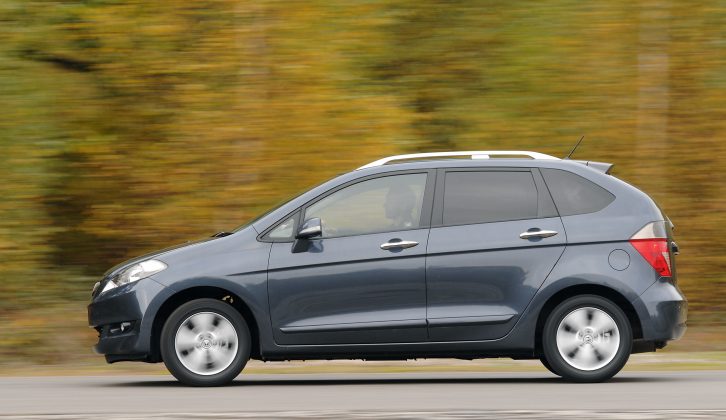
The Honda FR-V, also sold in some markets as the Honda Edix, adopted a seating arrangement similar to the Fiat Multipla but with its own interpretation. It featured six seats arranged in two rows of three.
That meant the front cabin had three separate seating positions instead of the usual two. Honda designed the vehicle to provide flexible passenger capacity while keeping its dimensions manageable.
The three front seats created several possibilities for families. When fewer people were traveling, the middle seat could be folded or used as an additional storage area depending on the configuration. When six occupants were required, all three front seats could be used. This made the FR-V more versatile than a conventional five-seat hatchback without turning it into a very large vehicle.
The seating arrangement also affected the driver’s relationship with the cabin. The driver sat on the left in left-hand-drive markets, with two passenger positions immediately beside them.
This was unusual because the middle passenger was much closer to the driver than in a conventional car. Honda had to pay careful attention to visibility, controls, and interior proportions to make the arrangement workable.
The rear row continued the three-across theme, giving the FR-V a compact six-seat configuration. The vehicle’s relatively short body made the arrangement particularly interesting from a packaging standpoint.
Instead of simply extending the vehicle to create a third row, Honda concentrated on making efficient use of the available cabin width. This approach offered a different answer to the question of how a compact vehicle could carry more people.
The FR-V may not have become as culturally famous as the Multipla, but its seating concept remains noteworthy. It demonstrates that unusual layouts can come from practical engineering rather than experimental styling.
The basic idea was simple. Use the cabin’s width to fit an extra seat in each row. For buyers who valued passenger capacity but did not want a large minivan, this layout offered an interesting alternative.
5. Toyota iQ
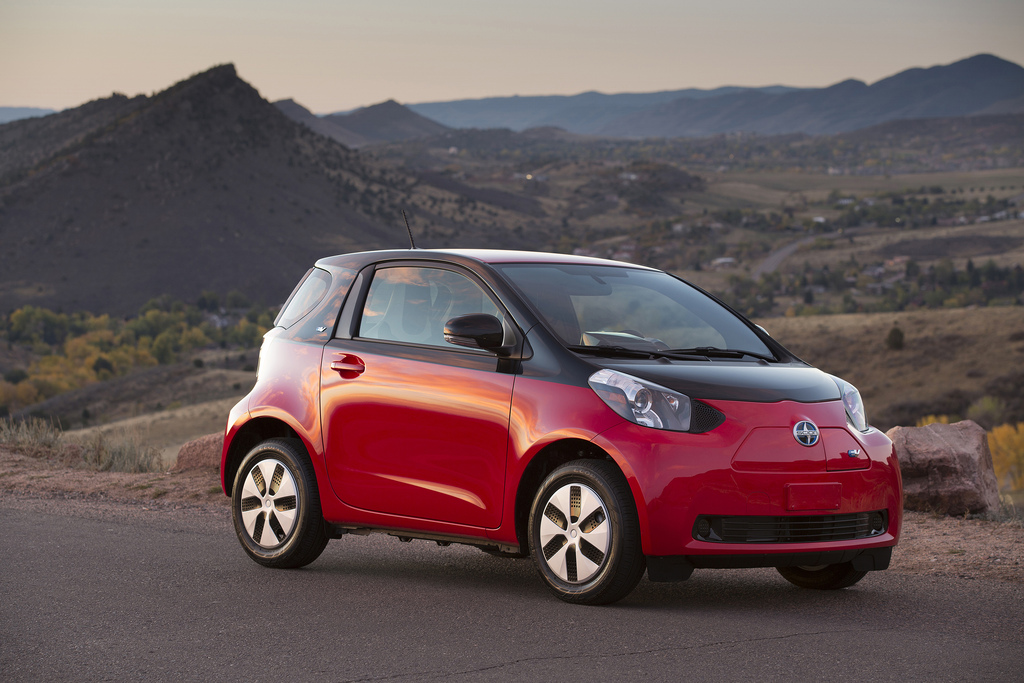
The Toyota iQ used an unusual seating arrangement for a completely different reason. The tiny city car was designed to accommodate up to four occupants in a remarkably short body.
Toyota achieved this through an asymmetric interior layout in which the passenger-side front seat could be positioned farther forward than the driver’s seat. This allowed a rear passenger to sit behind the front passenger.
The iQ was not a conventional four-seat car in terms of available space. Its rear seating arrangement was highly dependent on passenger size and seating position.
The rear seat behind the driver had very limited room, while the space behind the front passenger was more usable because that front seat could move forward. This asymmetric arrangement helped Toyota squeeze extra passenger capacity into a vehicle designed primarily for urban use.
The idea was especially clever because it recognized that people do not necessarily need equal amounts of space in every seat. A conventional car cabin tends to organize seats symmetrically, but the iQ challenged that assumption.
By shifting the passenger seat forward, Toyota created additional longitudinal space where it was needed. The result was a small car with a distinctive interior that unconventionally used available space.
The compact dimensions were central to the iQ’s purpose. City streets and parking spaces can make a short vehicle highly desirable, but reducing exterior length normally means sacrificing passenger capacity. Toyota tried to minimize that compromise through careful cabin engineering.
The unusual seating configuration was therefore part of a broader effort to make the car short without turning it into a strict two-seater.
The iQ illustrates an important principle in automotive design. Seating does not always need to be symmetrical to be practical. Its 3+1 arrangement was unusual because the fourth occupant did not simply get an identical seat positioned behind the driver.
Instead, the cabin prioritized space according to the position of each passenger. For a tiny urban car, that was an inventive solution to a difficult packaging problem.
6. Tesla Model S
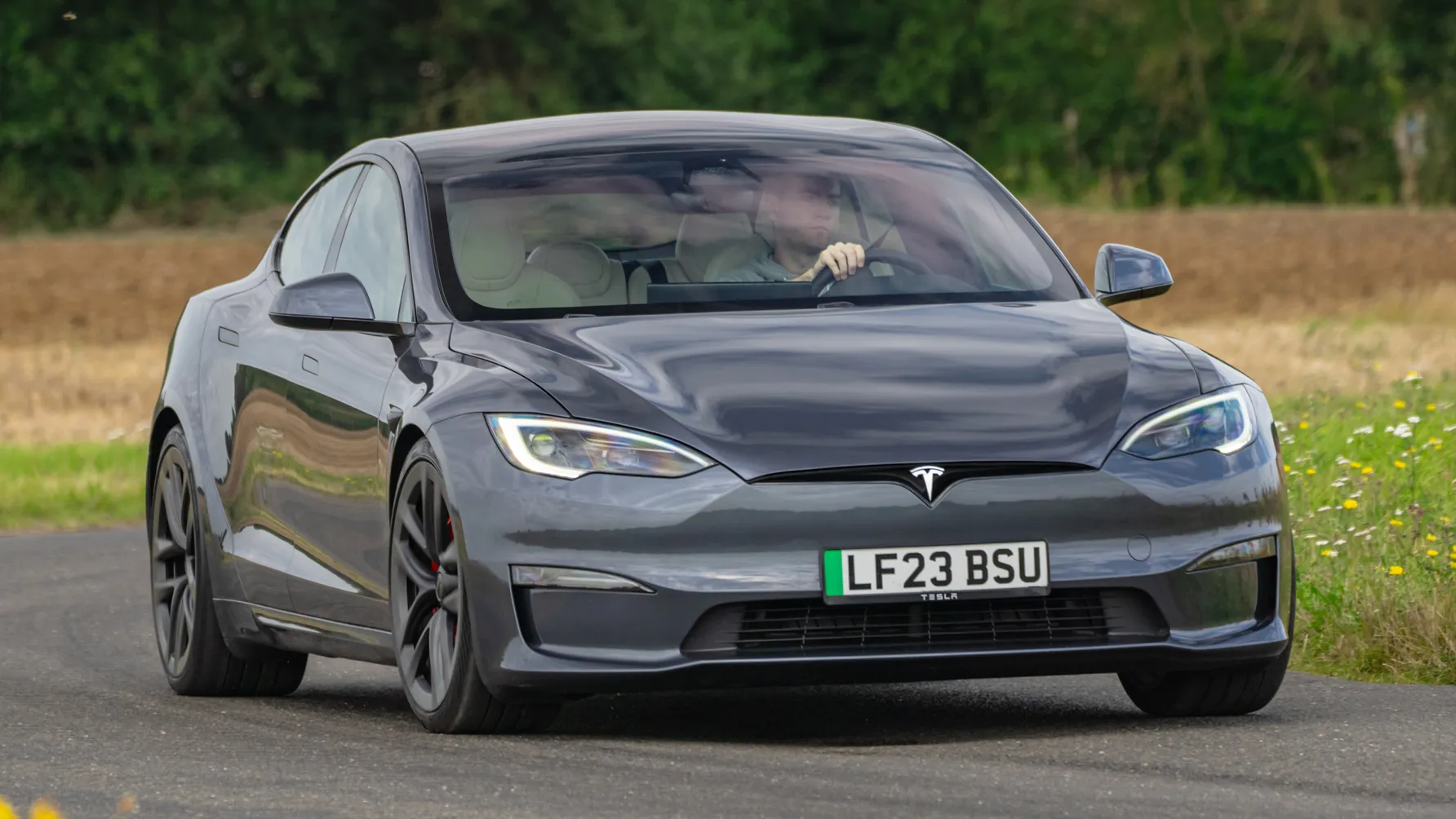
The Tesla Model S became important for offering an optional pair of rear-facing child seats in its rear cargo area during part of its production history. With this configuration, the car could carry two additional children facing toward the rear of the vehicle.
The arrangement turned a conventional five-seat sedan into a seven-seat vehicle, at least when the extra seats were installed and suitable for the children they were designed to accommodate.
The two additional seats were located beneath the rear hatch area rather than in a conventional forward-facing third row. This allowed Tesla to make use of space at the back of the vehicle that would normally function as cargo space. The design was especially unusual because the children faced backward toward the rear of the car. It was a throwback to rear-facing auxiliary seats that had appeared in certain older station wagons.
This arrangement also demonstrated how electric vehicles can offer packaging opportunities that differ from traditional cars. The Model S had a large rear cargo area and a flat underfloor structure associated with its electric drivetrain.
While the rear-facing seats were not simply a result of electric propulsion, the vehicle’s packaging gave Tesla room to consider unconventional ways of adding passenger capacity.
The extra seats were intended for children rather than adults, so they should not be confused with a full-size third row. Their purpose was to provide additional short-distance passenger capacity for families.
The arrangement also preserved much of the vehicle’s conventional five-seat cabin when the extra seats were not in use. That made the system more flexible than permanently installing a large third row.
The Model S rear-facing seats were an unusual chapter in modern automotive design. They combined an old-fashioned seating idea with a relatively modern electric vehicle.
The concept also showed that manufacturers can find extra passenger space without redesigning an entire cabin around a traditional third row. Using cargo space for occasional child seating is a very different approach from the seating architecture found in most seven-seat SUVs.
7. Mercedes-Benz W123 Estate
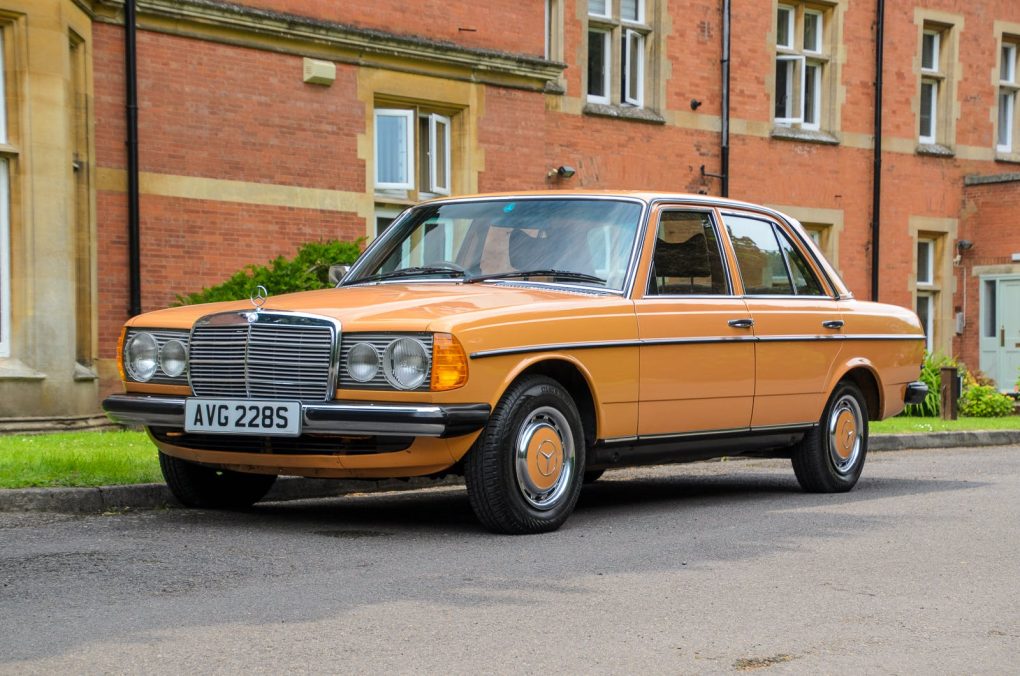
The Mercedes-Benz W123 estate version could be fitted with an unusual rear-facing auxiliary seat in the luggage compartment. This arrangement gave the station wagon additional passenger capacity without extending the vehicle or installing a conventional forward-facing third row.
Rear-facing seats in wagons were particularly useful for families, allowing children to ride at the back while adults occupied the main cabin.
The idea of placing passengers in the cargo area may seem unusual today, but rear-facing wagon seats have a long history. They allowed manufacturers to turn a practical load-carrying vehicle into a family transporter without dramatically changing its basic architecture.
The W123 estate was a particularly interesting example because it combined this practical layout with the refinement expected from Mercedes-Benz.
Passengers using the auxiliary seat faced toward the rear of the car. This meant they had a different view from passengers sitting in the main cabin. Instead of looking through the windshield, they could look toward the road behind the vehicle through the rear glass.
For children, this could be an entertaining seating position, while parents gained additional flexibility when carrying several passengers.
The arrangement was not intended to replace the comfort or space of the main passenger seats. It was an occasional-use solution designed around the estate’s large rear compartment.
The idea worked because station wagons had considerable space behind the rear bench. Turning part of that area into passenger seating allowed manufacturers to increase capacity without adopting the tall body shape associated with modern MPVs.
The W123 estate demonstrates how different automotive seating conventions were in earlier decades. Modern vehicles place considerable emphasis on carefully engineered crash protection, dedicated passenger compartments, and standardized seating positions.
Older station wagons sometimes approached passenger capacity with greater simplicity. The rear-facing seat remains an interesting example of how manufacturers once used available space creatively to solve the problem of carrying more people.
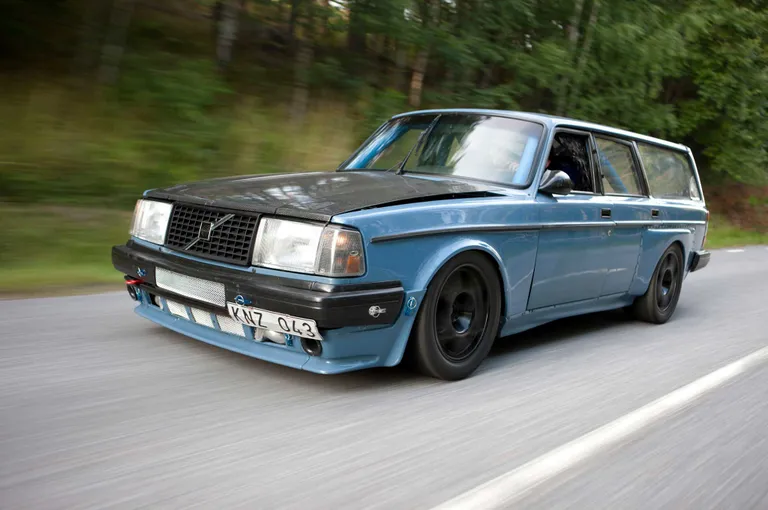
8. Volvo 245
The Volvo 245 is another famous example of a station wagon that could accommodate passengers in a rear-facing auxiliary seat. Volvo offered this type of seating in certain markets and configurations, allowing children to sit in the rear cargo area facing backward.
The arrangement gave the large wagon additional passenger capacity without requiring a conventional third row between the rear axle and the tailgate.
Volvo’s approach reflected the practical character of the 245. The wagon was designed to carry families, luggage, equipment, and passengers, so making efficient use of its large rear compartment was a logical step. The auxiliary seats were particularly associated with children, who could use the space while the main passenger compartment remained available for adults.
The rear-facing position also created a very different passenger experience. Children sitting in the back could see the road and vehicles behind them through the rear window.
It was a familiar sight in older station wagons and became part of the culture surrounding family road trips. For many people who grew up with these vehicles, the rear-facing wagon seat remains a memorable feature of older automotive design.
The layout also highlights how vehicle safety expectations have changed over time. Modern seating systems are designed around extensive crash testing, restraint systems, airbags, child-seat compatibility, and carefully defined occupant zones.
Older auxiliary wagon seats were created under different regulatory and engineering conditions. That does not make the historic design uninteresting. Instead, it provides a useful reminder that automotive interiors have changed substantially as safety standards and family-car expectations have developed.
The Volvo 245’s unusual seating arrangement helped make it more than a simple cargo carrier. It showed how a large station wagon could provide additional passenger space without adopting the architecture of a minivan.
Along with cars such as the Mercedes-Benz W123 estate, it represents a period when rear-facing wagon seats were a recognizable solution for families. Today, the idea looks unusual, but it was once a practical feature of certain family
