

Buying a used car can be a smart financial decision, especially when choosing a model that holds its value over time. Most vehicles lose a significant portion of their original price during the first several years of ownership, but certain cars follow a different pattern.
Their reputation for reliability, strong demand in the second-hand market, and relatively low ownership costs can help them retain value as they age. Understanding which vehicles experience slower depreciation after seven years can help buyers make informed decisions, avoid unnecessary losses, and choose a car that offers lasting practical and financial benefits.
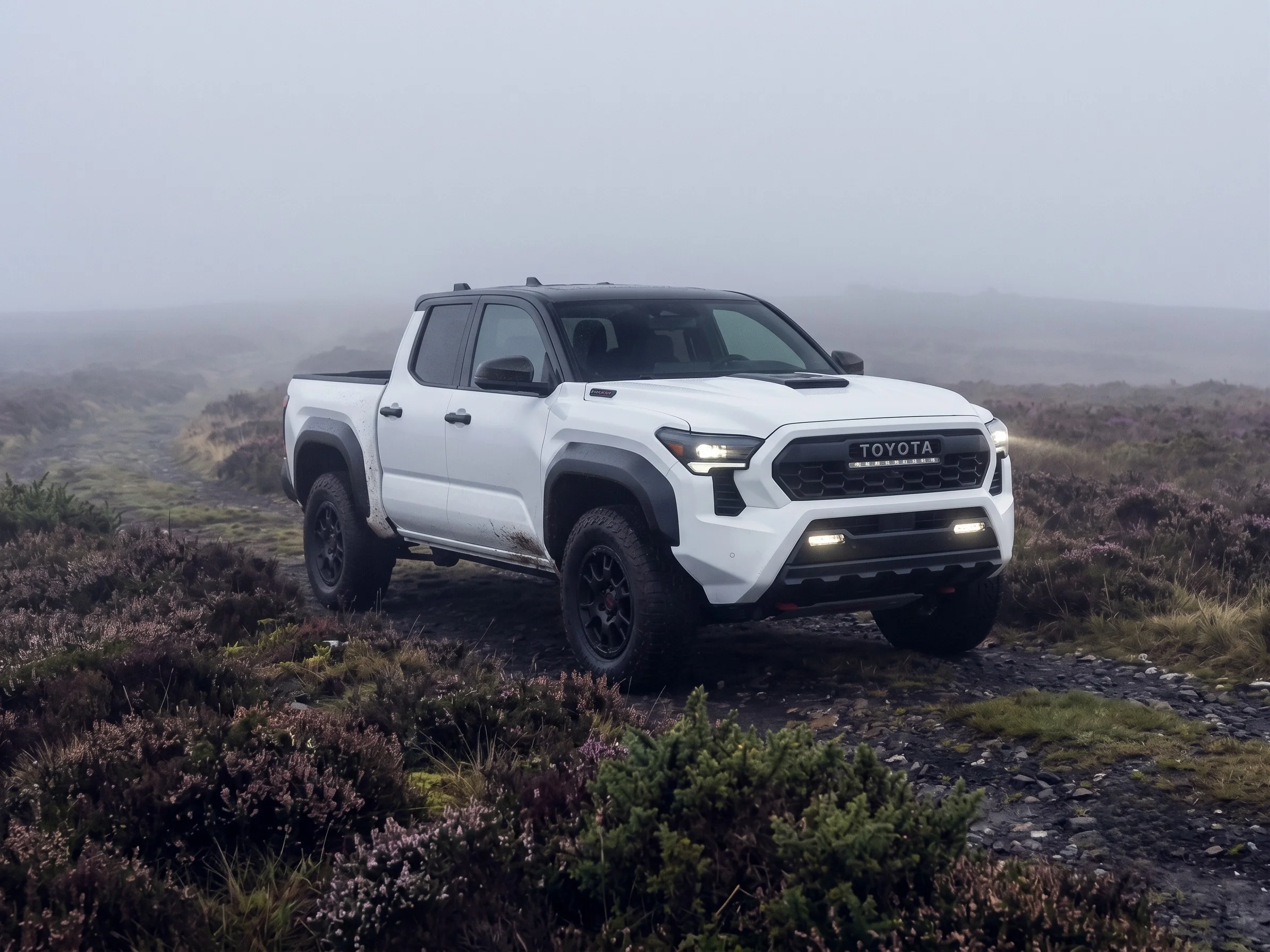
1. Toyota Tacoma
The Toyota Tacoma has earned a strong reputation for holding its resale value, particularly in the United States, where dependable midsize trucks remain popular with private buyers and businesses. Its practical dimensions, proven durability, and useful cargo capacity appeal to people who need a truck without moving up to a full-size model.
These qualities help sustain demand for older Tacomas, including examples that have passed their seventh birthday. However, no vehicle completely escapes depreciation, and its eventual resale price depends on mileage, condition, equipment, and local demand.
A major factor behind the Tacoma’s long-term value is its reputation for mechanical durability. Buyers shopping for an older pickup often prioritize a reliable engine, a sturdy chassis, and manageable repair costs over the latest technology.
Toyota has built a strong reputation in these areas, making used Tacomas attractive to people seeking a practical vehicle for everyday driving, outdoor recreation, and light work. A well-maintained example can remain useful for many years, which supports demand beyond the initial ownership period.
The Tacoma also benefits from a broad range of configurations. Depending on the model year, buyers may find different cab styles, bed lengths, drivetrains, and trim levels. Four-wheel-drive versions are particularly appealing in regions where snow, rough roads, or off-road activities are common.
TRD models can attract enthusiasts who value factory off-road equipment. This variety creates several distinct groups of used-car buyers, helping certain configurations maintain stronger resale demand than less desirable versions.
Maintenance history becomes increasingly important as a Tacoma ages. A seven-year-old truck may have experienced years of towing, hauling, off-road driving, or exposure to harsh weather. Buyers should inspect the frame for corrosion, examine the suspension, check the transmission, and review service records.
Signs of neglected maintenance or heavy modifications can reduce resale value substantially. A truck with documented servicing, clean ownership history, and limited structural wear generally has a stronger position in the used market than a neglected example.
For buyers planning long-term ownership, the Tacoma can provide a useful combination of utility and resale potential. Purchasing a well-kept model at a reasonable price may limit the financial impact of future depreciation, particularly when the truck remains in good condition.
Still, buyers should compare local listings rather than assume every Tacoma commands a premium. The strongest candidates are typically vehicles with sensible mileage, a clean title, desirable specifications, and evidence of consistent maintenance.
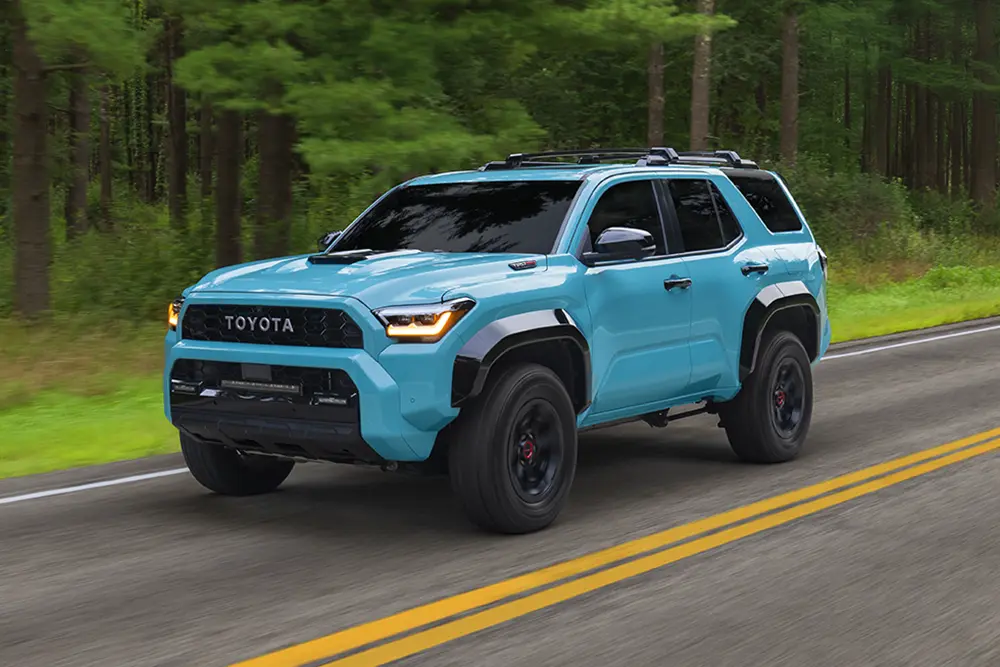
2. Toyota 4Runner
The Toyota 4Runner is widely recognized for its traditional SUV construction and off-road capability. Its body-on-frame platform distinguishes it from many modern crossovers designed primarily for paved roads.
Buyers who value ruggedness, towing capability, and outdoor versatility often continue looking for older 4Runner models long after their original warranty has expired. This sustained interest can support resale prices after seven years, especially for clean examples with desirable equipment and a documented service history.
The 4Runner’s mechanical character contributes to its appeal among used-vehicle shoppers. Earlier model generations use a relatively conventional design, with an emphasis on durability rather than the latest fuel-saving technologies. Depending on the model year, buyers may find naturally aspirated engines, automatic transmissions, and available four-wheel drive.
These familiar components can be attractive to owners who prefer established engineering. Maintenance requirements still increase with age, so an inspection remains essential before paying a premium for a supposedly durable vehicle.
Off-road enthusiasts are an important part of the 4Runner’s used-car market. TRD Off-Road and TRD Pro versions offer equipment aimed at drivers who travel on unpaved trails or need extra traction. Even older examples can meet those needs without requiring buyers to purchase a brand-new SUV.
However, modifications and intensive trail use require careful evaluation. Lift kits, oversized tires, underbody damage, and poorly executed mechanical changes can increase repair costs and make a vehicle less appealing to cautious buyers.
Interior condition and everyday practicality also influence resale value. The 4Runner offers useful cargo space, an elevated seating position, and a cabin suited to family trips and outdoor activities. Families may appreciate its ability to carry luggage, sports equipment, and camping supplies, while owners in snowy areas may prefer a properly equipped four-wheel-drive model.
Buyers should examine the seats, climate control, infotainment equipment, door seals, and cargo area. Cosmetic wear may be manageable, but expensive mechanical faults can quickly erase the benefit of a low purchase price.
Anyone considering a seven-year-old 4Runner should compare the purchase cost with fuel expenses, insurance, maintenance, and likely repairs. Traditional body-on-frame SUVs often consume more fuel than comparable crossovers, and age-related service needs remain unavoidable.
A high resale price does not automatically make a vehicle economical to own. The best value usually comes from finding an example that has been maintained properly, has not suffered major collision damage, and is priced according to its mileage and condition.
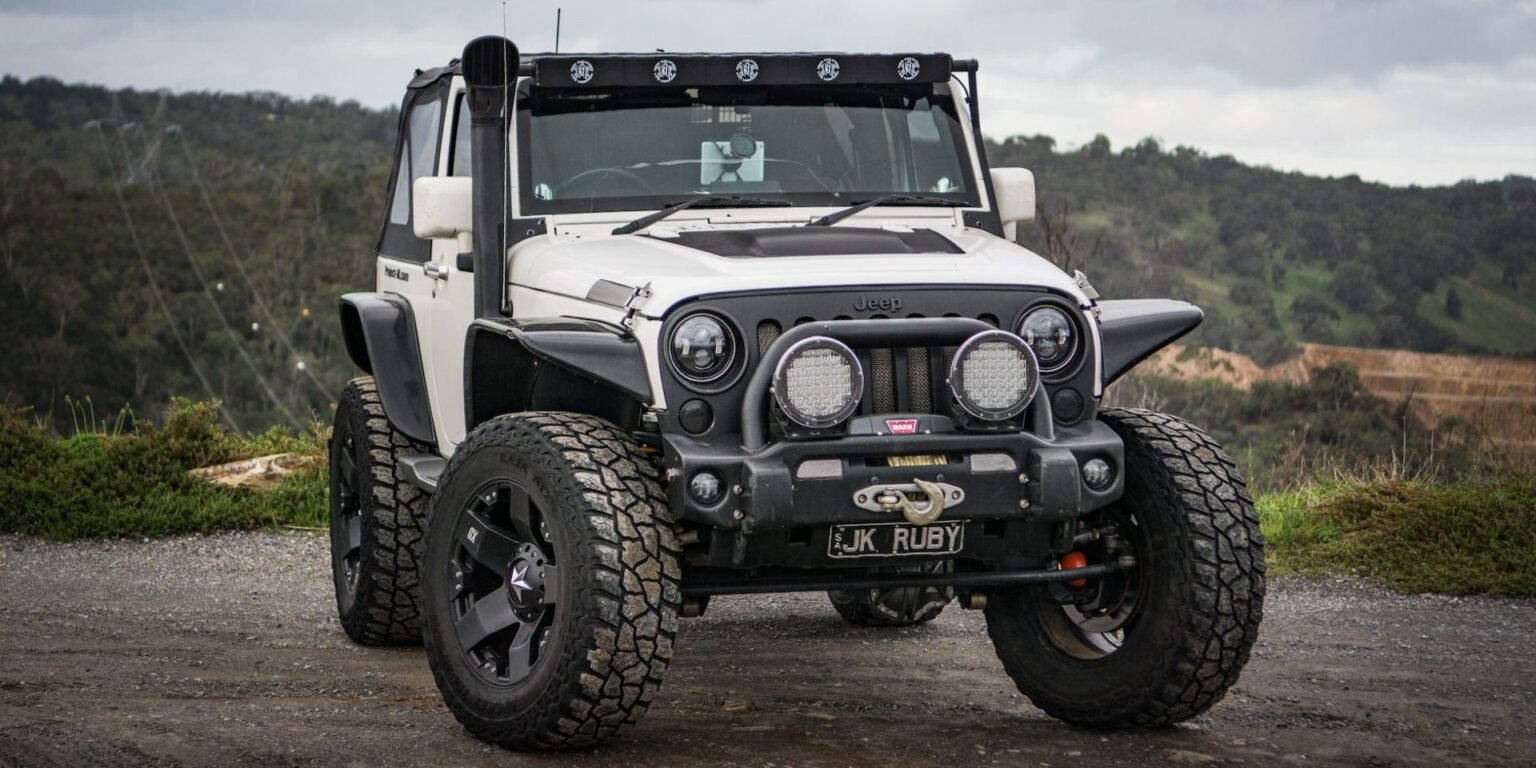
3. Jeep Wrangler
The Jeep Wrangler occupies a distinctive position in the used-car market because its appeal extends beyond ordinary transportation. Its removable roof and doors on applicable versions, upright design, solid off-road credentials, and recognizable styling attract enthusiasts who want a vehicle suited to outdoor recreation.
This identity can help older Wranglers remain desirable after seven years. Buyers may specifically seek earlier model years because they offer a particular combination of styling, features, and purchase price.
Wrangler demand is closely connected to its off-road capability. Depending on the generation and trim, the vehicle may offer four-wheel drive, low-range gearing, specialized suspension components, and protective underbody equipment. Rubicon versions are particularly attractive to drivers who want more advanced trail capability from the factory.
These features can help certain older examples retain their appeal, but resale strength varies by trim, region, and condition. A well-equipped vehicle with a documented history may attract more interest than a basic model with extensive wear.
Customization plays a significant role in Wrangler ownership. Owners frequently install larger tires, suspension lifts, upgraded bumpers, lighting, winches, and other accessories. High-quality additions may appeal to a buyer seeking a trail-ready vehicle, but modifications do not guarantee a higher selling price.
Poor installation, altered suspension geometry, electrical problems, and evidence of hard use can reduce buyer confidence. People shopping for an older Wrangler should determine whether modifications were completed professionally and whether the original components are available.
Mechanical inspections are particularly important for a used Wrangler. Buyers should check the steering system, suspension joints, drivetrain, cooling system, and signs of leaks. Corrosion deserves attention in areas exposed to road salt, while underbody damage can reveal a history of demanding off-road use.
Removable roofs and doors also require inspection for leaks, worn seals, and damaged fittings. A thorough road test can help identify steering vibration, unusual noises, or handling issues that need further evaluation by a qualified mechanic.
The Wrangler can make financial sense for someone who genuinely wants its unique capabilities and expects to keep it for several years.
Its resale strength may reduce the cost of ownership compared with a vehicle that loses value rapidly, but fuel consumption, insurance, tires, and maintenance should remain part of the budget. Buyers should avoid paying extra simply because a seller claims that Wranglers never lose value. Realistic pricing, a clean vehicle history, and evidence of careful ownership remain more important than reputation alone.
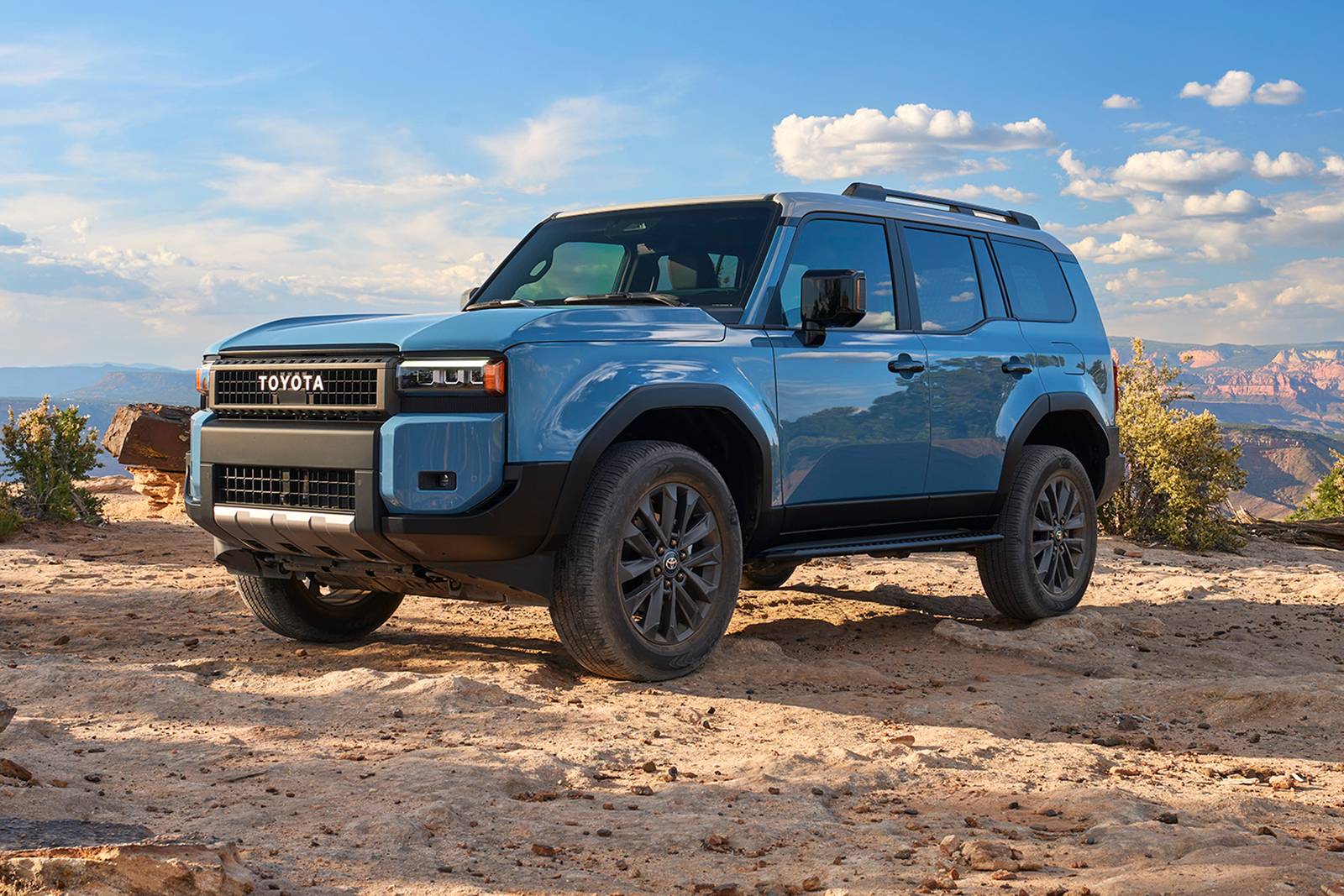
4. Toyota Land Cruiser
The Toyota Land Cruiser has a long-standing reputation for durability, long-distance travel, and demanding off-road use. Its combination of substantial engineering, spacious accommodation, and premium features appeals to buyers who need more than a typical family crossover.
In markets where Land Cruisers are highly sought after, older examples can command substantial prices relative to their age. Demand varies by generation and country, so buyers should distinguish genuine market strength from broad claims about guaranteed resale performance.
The vehicle’s reputation is particularly valuable in areas where roads are rough, travel distances are long, or access to repair facilities is limited. Buyers may prefer a robust SUV that can handle challenging conditions while carrying passengers and luggage.
Land Cruiser models have served private owners, touring enthusiasts, and commercial operators in many regions. This broad history supports a strong image, but an individual vehicle’s condition still matters more than the badge when assessing whether its asking price is justified.
The Land Cruiser’s premium equipment can also support demand. Depending on the generation, features may include leather upholstery, advanced four-wheel-drive systems, adjustable suspension, multiple seating rows, and sophisticated climate control.
These features can make an older model feel comfortable and capable years after its original sale. However, premium equipment can become expensive to repair as components age. Prospective buyers should test electronic systems, inspect suspension components, and confirm that the vehicle’s major maintenance requirements have been completed.
Because Land Cruisers are frequently used for touring and off-road travel, buyers should pay close attention to service records and usage history. Check for corrosion, accident repairs, fluid leaks, worn drivetrain components, and signs of prolonged exposure to harsh conditions.
Vehicles imported from different regions may have different specifications, service histories, or equipment packages. A professional pre-purchase inspection can identify problems that are difficult to spot during a short test drive and provide a clearer picture of future expenses.
A seven-year-old Land Cruiser may preserve value well in a market with strong demand, but it is not automatically an inexpensive vehicle to maintain. Large tires, substantial fuel consumption, specialized components, and premium repairs can increase ownership costs.
Buyers should calculate the full cost of ownership rather than focus only on resale estimates. A properly maintained example bought at a fair market price is generally a safer financial choice than a neglected vehicle sold at a discount or an overpriced model advertised as an investment.
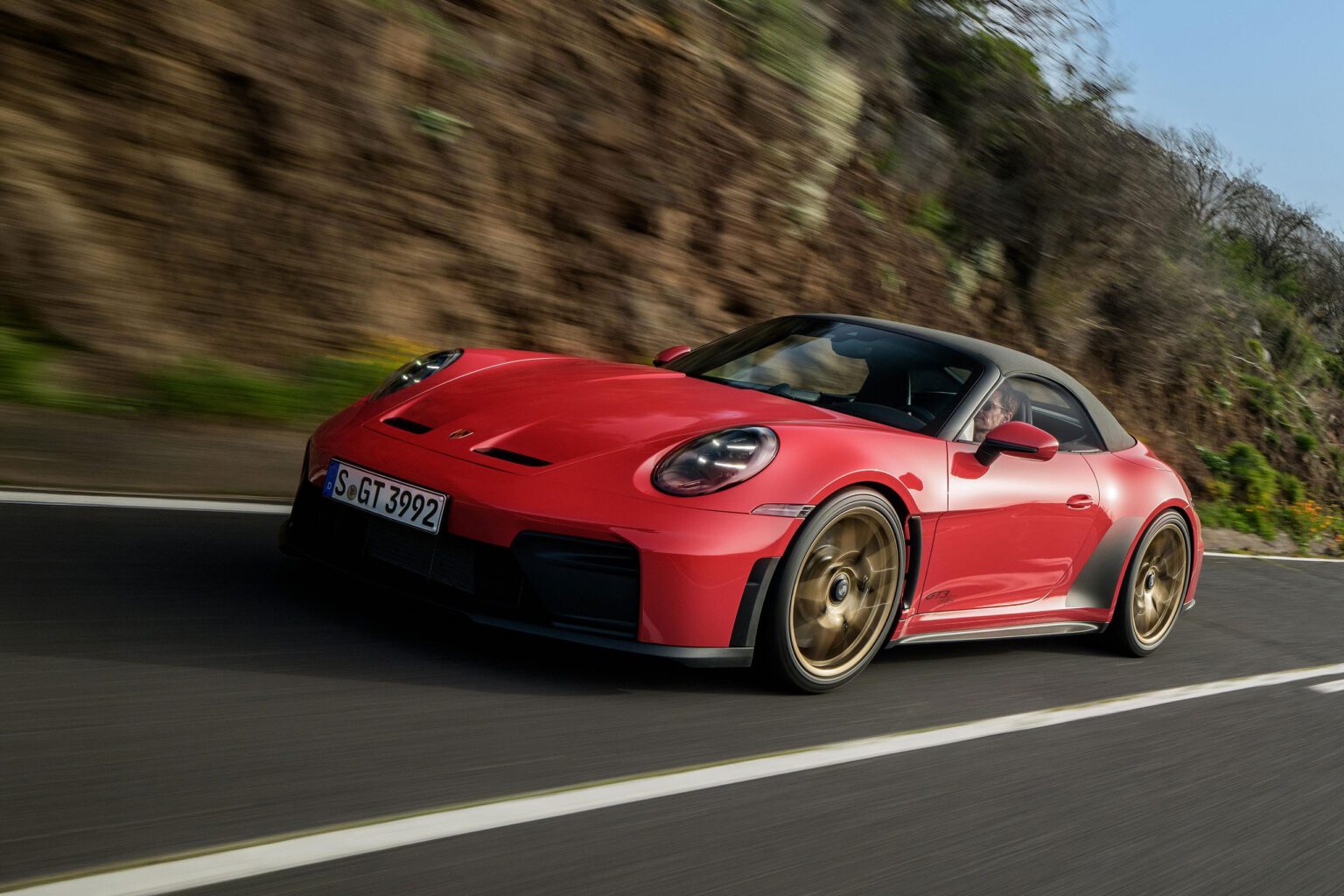
5. Porsche 911
The Porsche 911 differs from ordinary commuter vehicles because its value is influenced by enthusiast demand, performance, design, and the reputation of its model generations.
Some 911 variants hold their prices well as they age, particularly when production numbers, specifications, or collector interest make them desirable. This does not mean every seven-year-old example stops depreciating. Market conditions, new-model releases, and changes in buyer preferences can affect values significantly.
A major advantage of the 911 is its established identity as a sports car designed for both road use and performance driving. Its rear-engine layout, distinctive silhouette, and engaging driving characteristics attract enthusiasts who may specifically want a particular generation.
Well-equipped Carrera models can appeal to drivers seeking everyday usability, while higher-performance versions may attract a more specialized audience. Resale strength depends on the exact variant, transmission, equipment, mileage, and the condition of the individual car.
Specification can have a meaningful effect on used 911 prices. Buyers may pay more attention to factory options, paint colors, interior finishes, sport packages, and performance equipment than they would when shopping for a mainstream sedan.
Originality can also matter, particularly for limited-production or enthusiast-focused variants. Extensive modifications may narrow the pool of potential buyers, while complete service documentation can provide reassurance. Before purchasing, compare similar examples with matching model years, equipment, mileage, and ownership histories.
Maintenance costs deserve serious consideration. A seven-year-old 911 may require tires, brakes, scheduled servicing, suspension work, or repairs to aging electronic components. Performance-oriented versions can be more expensive to maintain, especially if previous owners used them frequently on racetracks.
Buyers should obtain an inspection from a workshop experienced with Porsche vehicles and review all available service invoices. A car that appears inexpensive compared with other listings may have deferred maintenance that makes it costly to own.
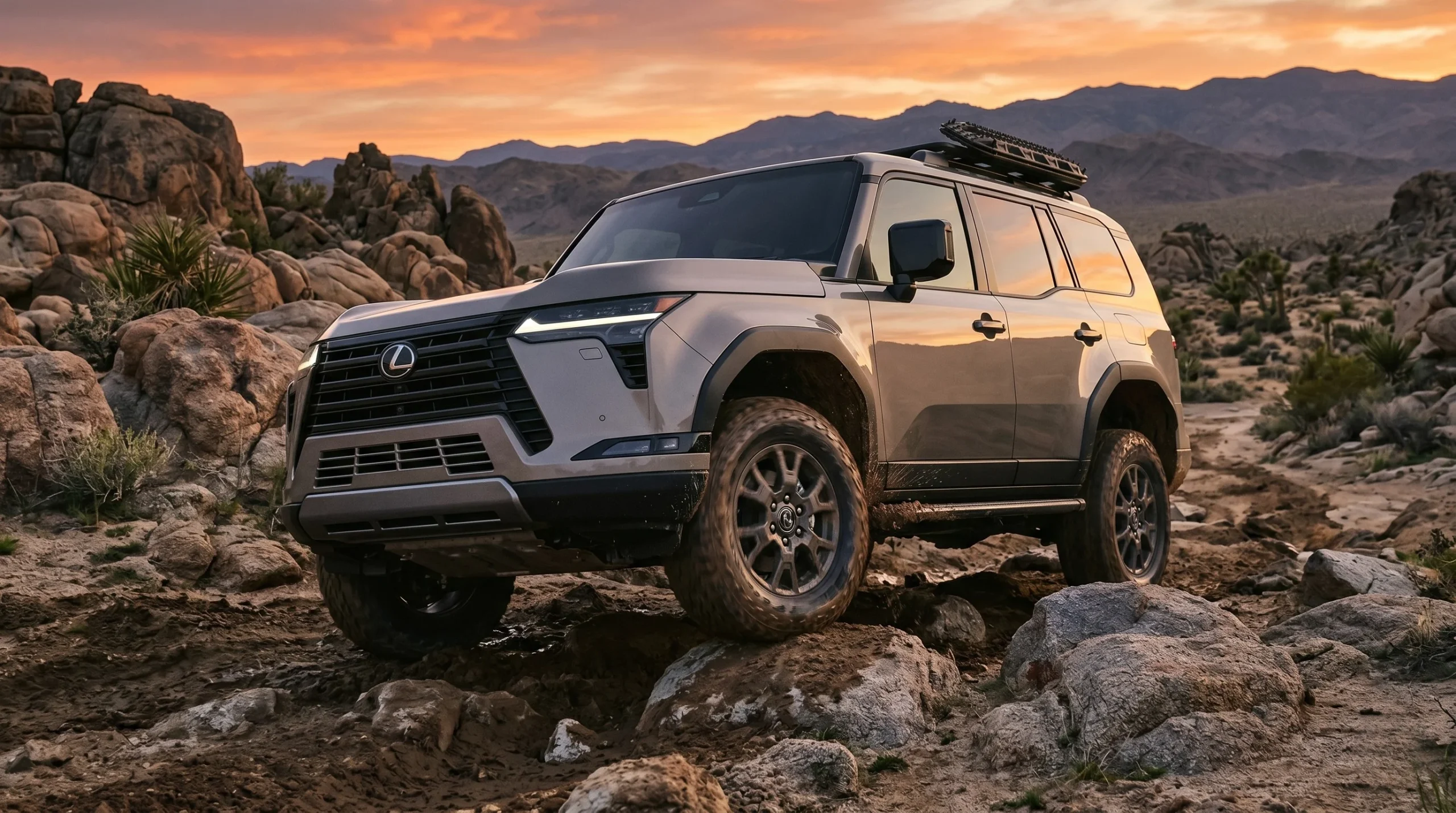
6. Lexus GX
The Lexus GX combines premium cabin appointments with traditional SUV engineering, creating a distinctive position in the used market. Older GX models appeal to buyers who want a comfortable family vehicle with genuine off-road capability.
Its connection to Toyota’s broader reputation for durability can strengthen buyer confidence, while the Lexus badge attracts shoppers seeking additional refinement. In markets where capable luxury SUVs are popular, a well-maintained GX may retain a substantial portion of its value beyond seven years.
The GX’s construction makes it appealing to people who prefer a traditional SUV rather than a road-focused crossover. Depending on the generation, the vehicle offers a body-on-frame platform and a four-wheel-drive system designed for challenging surfaces.
This setup can be useful for towing, winter driving, camping, and travel on unpaved roads. The trade-off is that fuel consumption and driving behavior may be less appealing than those of lighter, more efficient crossovers. Buyers should match these characteristics to their actual needs.
Interior quality is another part of the GX’s appeal. Comfortable seating, a quiet cabin, and premium materials can make older examples attractive to families who do not need the latest dashboard technology. Depending on the model year and trim, buyers may find different infotainment systems, safety features, and seating arrangements.
They should check that all electronic equipment works correctly and assess wear on leather, switches, and interior trim. A clean cabin and a complete service history can help support resale demand.
The cost of maintaining an aging luxury SUV can be higher than expected. Even if the engine and transmission have a strong reputation, suspension components, cooling systems, electronics, and other parts still experience wear.
Buyers should inspect for fluid leaks, unusual drivetrain noises, corrosion, and evidence of poor repairs. If the vehicle has a history of towing or off-road use, its underbody and suspension deserve particular attention. Paying for a professional inspection before purchase can prevent expensive surprises later.
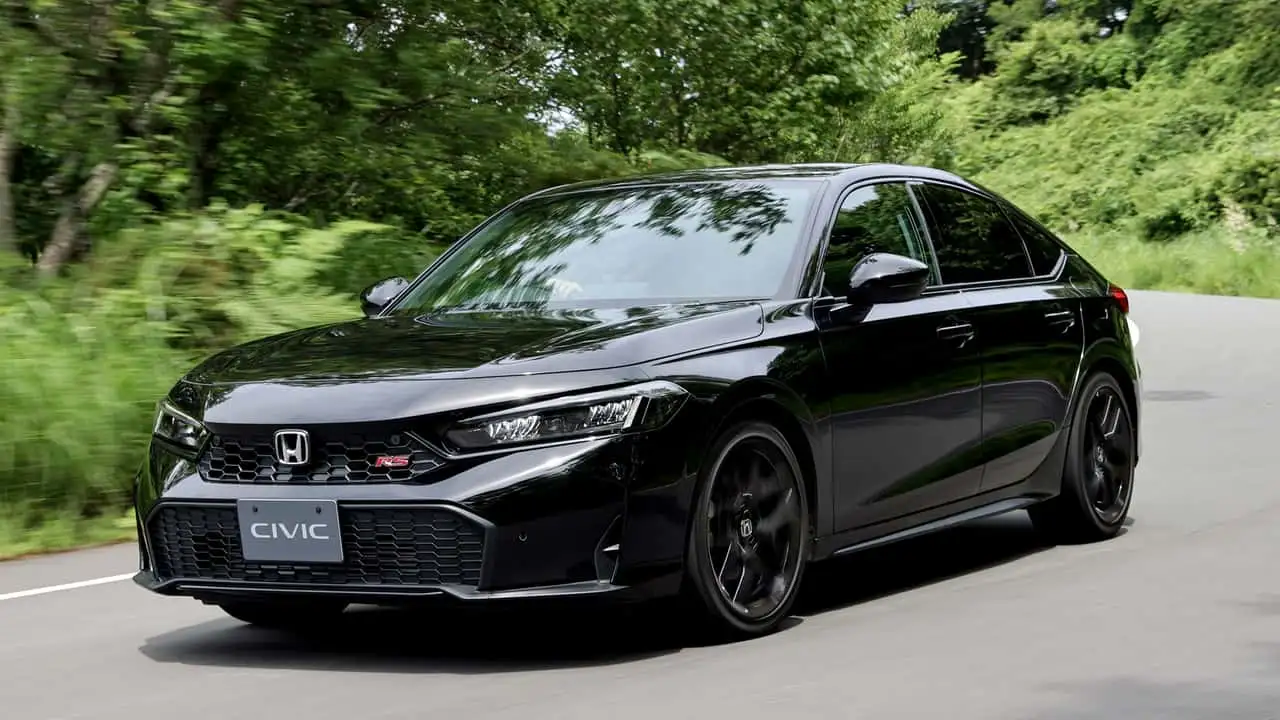
7. Honda Civic
The Honda Civic has long attracted buyers looking for affordable transportation, practical dimensions, and dependable everyday performance. Its popularity in the compact-car segment creates a broad market for used examples, including models that are seven years old or older.
Students, commuters, small families, and first-time car buyers may consider a Civic because it offers a useful balance of operating costs and functionality. This consistent demand can help older models retain value more effectively than less popular vehicles.
Fuel efficiency is a key consideration for many Civic buyers. Depending on the model year, engine, transmission, and body style, the car can offer economical daily driving without requiring a large vehicle budget. Lower fuel consumption may be especially attractive to people who commute frequently or cover substantial annual distances.
Maintenance history remains important, since neglect can reduce efficiency and lead to costly repairs. Buyers should also compare the specific engine and transmission combination rather than assuming every Civic has identical reliability or running costs.
The Civic’s range of body styles and trims broadens its appeal. Sedan and hatchback versions provide different levels of cargo flexibility, while sportier trims can attract drivers who want more engaging handling or a distinctive appearance. Certain generations offer stronger safety and technology equipment than earlier versions.
These differences can affect used-market demand. Buyers should identify the exact model year and trim, then compare vehicles with similar specifications. An attractive badge or sport appearance package alone does not guarantee a higher resale price.
Condition is crucial when shopping for an older Civic because these cars can accumulate considerable mileage through commuting and daily errands. Prospective owners should check maintenance invoices, tire wear, brake condition, suspension noises, air-conditioning performance, and any warning lights.
They should also investigate previous collision repairs and verify that safety equipment works properly. A vehicle with a clean history and consistent maintenance can be more valuable than a lower-mileage example that has been poorly serviced or repaired after significant damage.
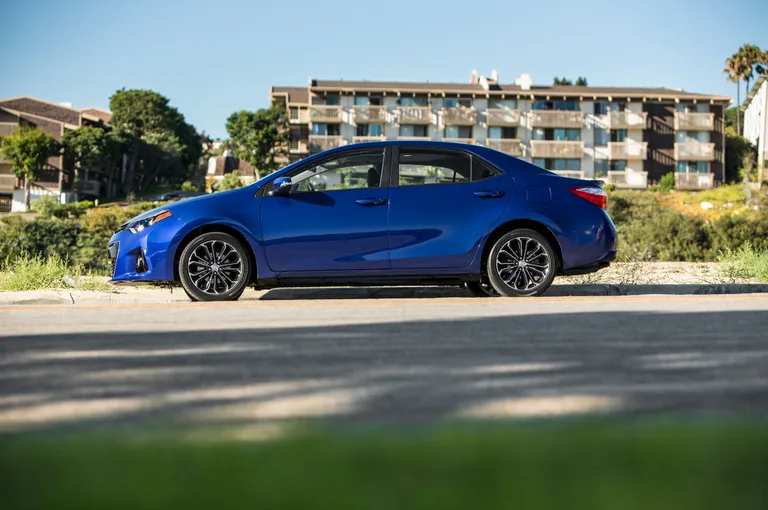
8. Toyota Corolla
The Toyota Corolla is widely associated with practical transportation, manageable operating expenses, and broad availability in the used-car market. These qualities help maintain interest in older models, particularly among buyers who want a straightforward vehicle for commuting and family use.
A Corolla that has passed seven years of age may still appeal to budget-conscious shoppers if it remains mechanically sound. Its popularity can support resale demand, but the exact price depends on mileage, specifications, local competition, and condition.
The Corolla’s appeal comes partly from its focus on everyday usability. Many versions offer straightforward controls, comfortable seating for ordinary journeys, and fuel-efficient engines. This combination suits drivers who value dependable transportation more than high performance or extensive luxury equipment.
Used-car shoppers may also appreciate the availability of replacement parts and familiarity among repair professionals. These practical advantages can make ownership easier, though individual maintenance requirements still depend on the vehicle’s age, model year, and previous treatment.
Fuel economy can contribute to the Corolla’s appeal as an older vehicle. Commuters often compare expected fuel expenses when choosing between used sedans, compact SUVs, and larger cars. A well-maintained Corolla can be economical to operate, making it attractive to buyers who want to keep regular expenses under control.
Prospective owners should review the manufacturer’s service schedule for the specific model and check for overdue maintenance. They should also consider insurance, tires, registration, and likely repairs when calculating the total ownership cost.
When inspecting a seven-year-old Corolla, buyers should pay attention to its service records, engine performance, transmission behavior, suspension, brakes, and electrical systems. Check for fluid leaks, uneven tire wear, accident damage, and signs of water intrusion.
Test the air conditioning and all major cabin controls, and confirm that the vehicle identification details match its paperwork. A professional inspection is particularly useful if the seller cannot provide complete maintenance records. These checks can help distinguish a genuinely good purchase from a vehicle priced attractively because of hidden problems.
