
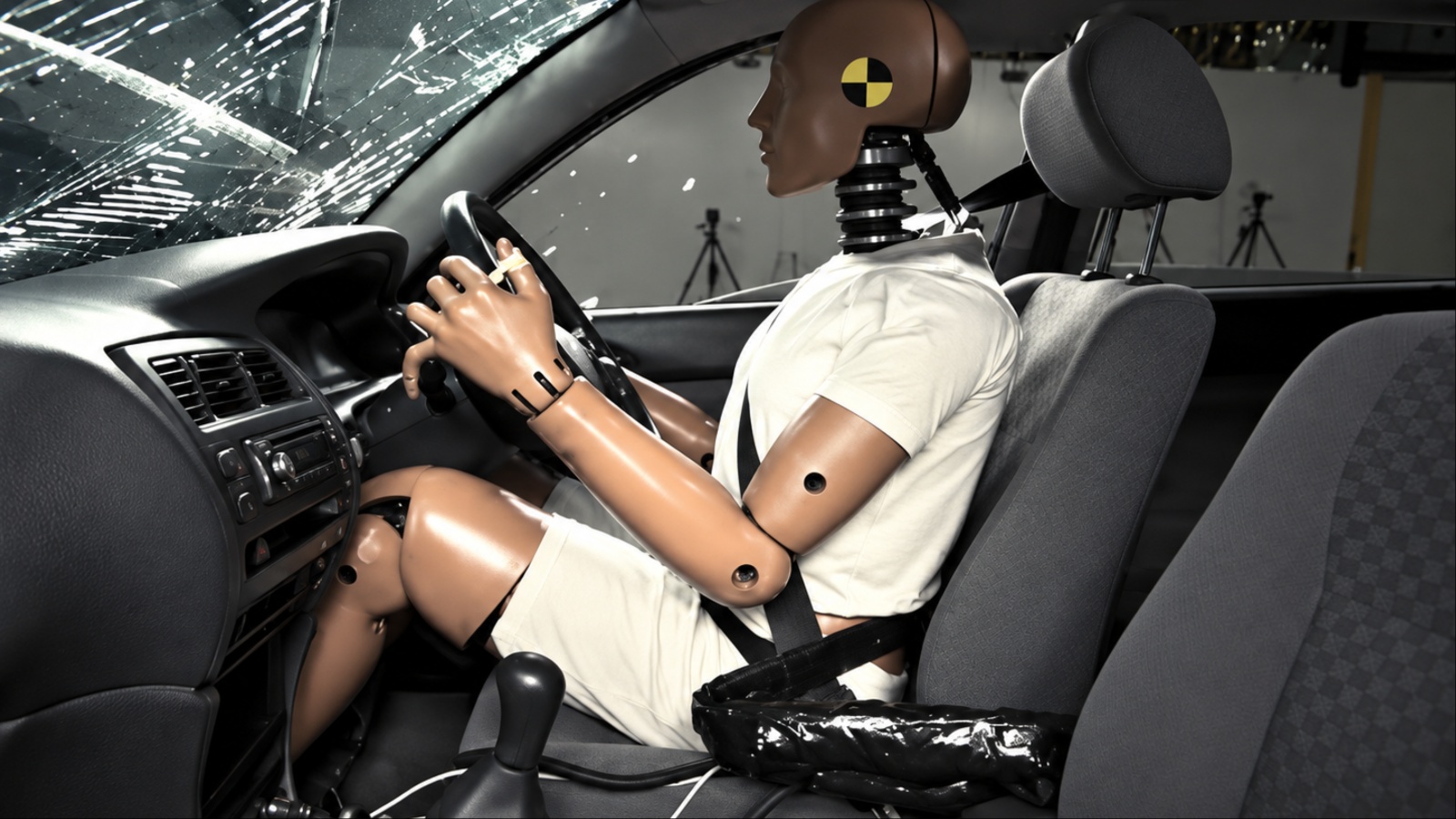
Car airbags are designed to protect drivers and passengers during certain types of collisions, reducing the risk of serious injuries when used with seat belts. However, airbags do not activate in every accident, even when a vehicle suffers visible damage.
This can leave drivers wondering whether the safety system failed or whether the crash did not meet the conditions required for deployment. Understanding how airbags work, what triggers them, and why they sometimes remain inactive helps motorists make informed decisions about vehicle safety. Here are eight key reasons airbags may not deploy during a car crash.
1. The Collision Was Not Severe Enough to Trigger the Airbags
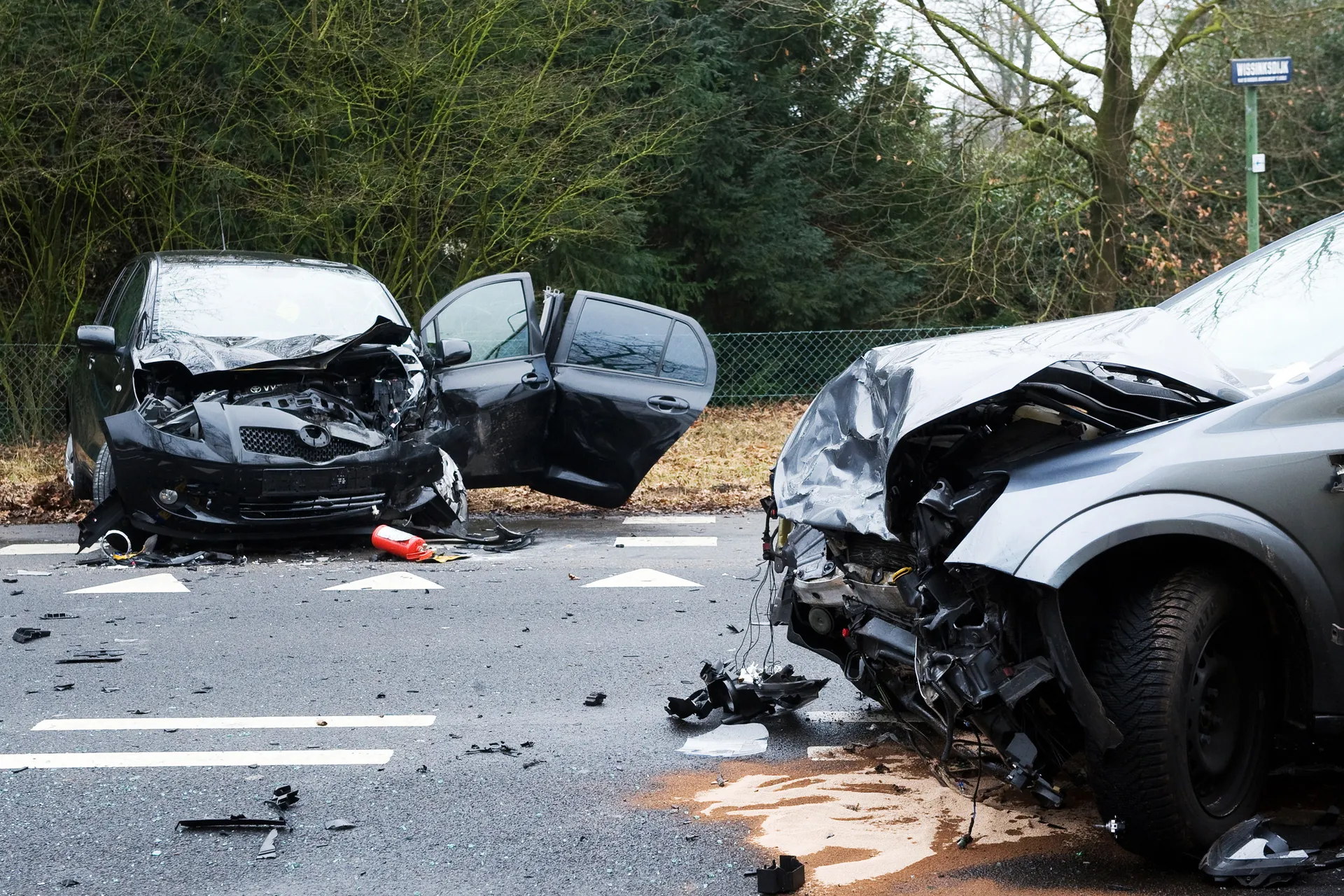
Airbags are designed to deploy when a collision produces forces that meet specific safety thresholds. They are not intended to inflate during every minor accident. The airbag control module monitors information from crash sensors and determines whether the impact requires additional protection for the occupants.
If the collision does not reach the required threshold, the system may keep the airbags inactive, even when the vehicle has visible dents, scratches, or damage to its bumper.
Modern vehicles use sophisticated electronic systems to evaluate the severity of an accident. These systems consider factors such as the speed at which the vehicle changes direction, the force of the impact, and the duration of the collision.
A low-speed accident in a parking lot may damage the front bumper without creating enough force to activate the airbags. In such situations, the restraint system may correctly determine that deployment is unnecessary.
The amount of visible damage does not always reflect the severity of the forces experienced by a vehicle’s occupants. A car may suffer extensive body damage because its exterior panels absorb the impact, while the passenger compartment experiences relatively limited deceleration.
Conversely, a vehicle can appear relatively undamaged after a collision that produces significant forces inside the cabin. Airbag activation depends on the crash characteristics rather than the repair bill or the appearance of the vehicle alone.
Airbag deployment thresholds also vary according to vehicle design, the location of the impact, and the type of restraint system installed. Manufacturers calibrate these systems to protect during qualifying crashes while avoiding unnecessary deployment.
Airbags inflate rapidly and can cause injuries if they activate when additional cushioning is not needed. The system must therefore distinguish between impacts that require supplemental protection and incidents that can be managed through the vehicle’s existing safety structures and seat belts.
If your airbags did not deploy after a minor collision, that fact alone does not establish that they malfunctioned. However, a qualified technician can inspect the vehicle to determine whether the restraint system operated as intended.
This assessment is particularly important if the crash involved significant deceleration, passenger injuries, or damage around the front structure. Reviewing the vehicle’s diagnostic information can help clarify whether the impact met the manufacturer’s deployment criteria.

2. The Impact Occurred at an Angle the Airbags Were Not Designed to Respond To
Airbags respond to specific types of crash forces, and the direction of an impact can affect whether deployment occurs. Many drivers expect the front airbags to activate whenever the front of their vehicle strikes an object.
In practice, a collision involving a corner, a glancing blow, or a narrow object may produce a different force pattern from a direct frontal crash. The sensors and control module evaluate these patterns before deciding whether inflation is necessary.
For example, consider a vehicle that clips the corner of another car while changing lanes. The resulting damage may be concentrated around a headlight, fender, or bumper corner.
Much of the impact force may act sideways rather than directly through the front of the vehicle. Depending on the vehicle’s design and the severity of the collision, the front airbags may not receive the conditions needed to trigger deployment.
Side-impact collisions present a different challenge because they direct force toward the doors and passenger compartment. Front airbags are primarily intended to help protect occupants during qualifying frontal crashes.
Side airbags and curtain airbags may provide protection in certain lateral impacts, but their activation depends on the vehicle’s equipment and the crash conditions. A vehicle without a particular type of airbag cannot deploy that protection during an accident.
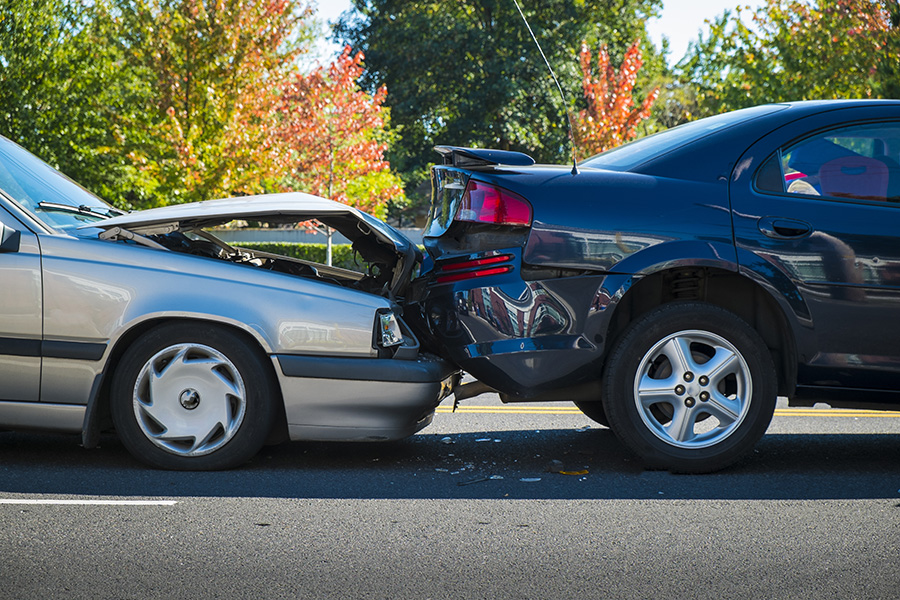
Rear-end collisions also illustrate why impact direction matters. When another vehicle strikes the rear of a stationary car, the occupants may experience a rapid change in movement, but the crash pattern may not meet the criteria for frontal airbag deployment.
Head restraints, seat belts, and other safety features serve important roles in these incidents. The exact response depends on the direction and severity of the collision, along with the vehicle’s specific restraint system.
The important point is that airbag systems are engineered to respond to particular crash conditions, not simply to the presence of an impact. Drivers should avoid judging performance solely by looking at the damaged area.
If a collision seems severe and the expected airbags remain inactive, an inspection by a qualified automotive technician can help establish whether the sensors responded correctly and whether the installed airbag system was suitable for that type of impact.
3. The Airbag Sensors Were Damaged or Malfunctioning
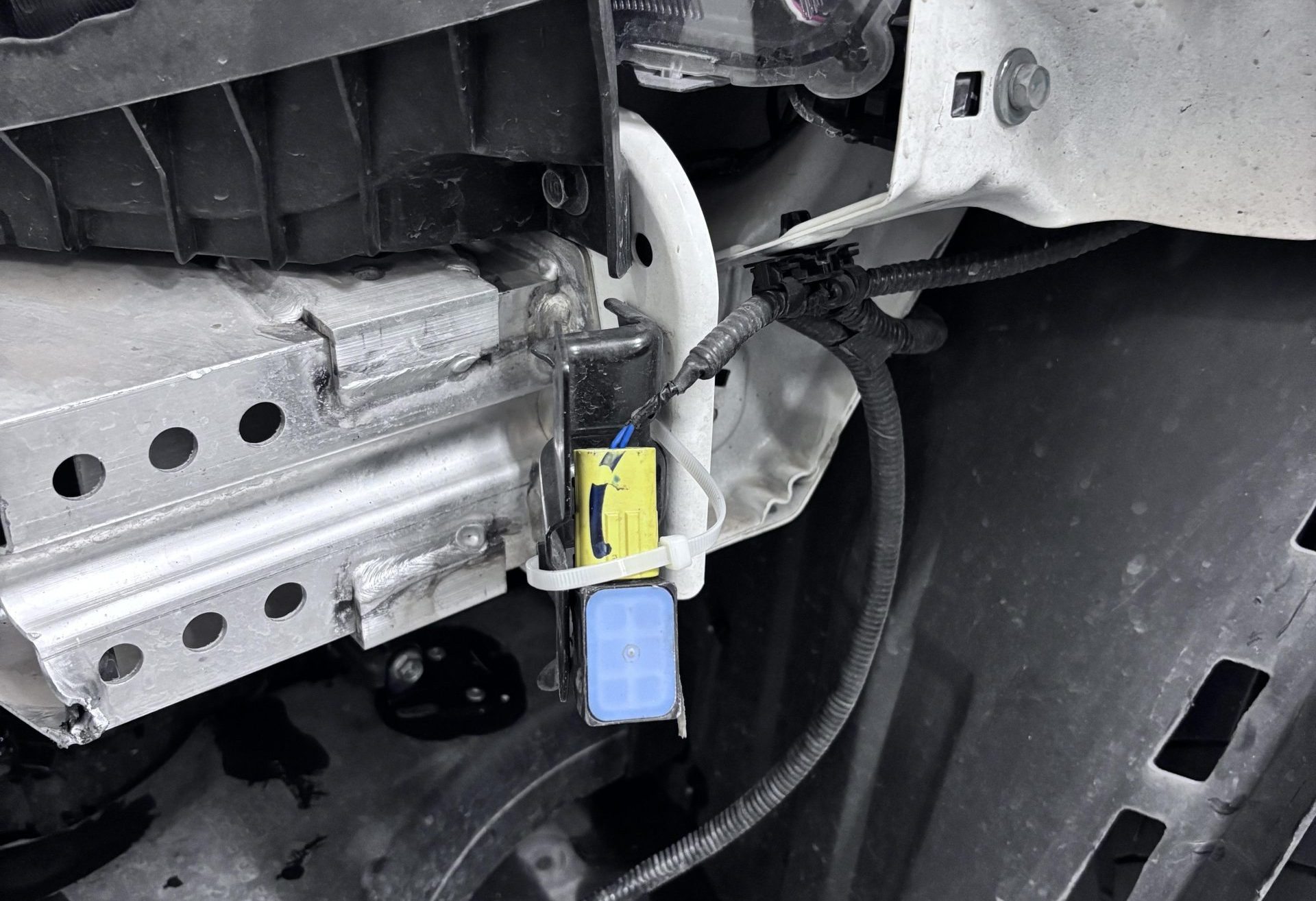
Airbag sensors play a central role in determining when a vehicle’s safety system should activate. Depending on the model, a vehicle may have crash sensors positioned in the front structure, side areas, doors, or other locations.
These components measure changes in movement or acceleration and send information to the airbag control module. If a sensor fails to detect or accurately communicate a qualifying impact, the system may not deploy the relevant airbags.
Sensor damage can occur through several mechanisms. A previous collision, corrosion, damaged wiring, poor electrical connections, or improper repairs may interfere with the system’s ability to detect a crash.
In some cases, the vehicle may have sustained damage near a sensor without showing obvious signs of a problem. Since these components are integrated into a larger electronic safety network, a fault can affect the operation of more than one restraint component.
Electrical problems may also interfere with communication between sensors and the control module. Loose connectors, damaged wires, or corrosion can interrupt the signals required for proper operation.
The system may identify an electrical fault and illuminate the airbag warning light, but not every problem produces an obvious warning before an accident. A warning indicator should therefore never be ignored simply because the vehicle continues to drive normally.
Modern vehicles commonly perform electronic checks to identify faults within the supplemental restraint system. If the control module detects a problem, it may store a diagnostic trouble code that helps a technician locate the affected component.
The exact response depends on the fault and the vehicle’s design. Some faults may disable particular functions or affect the system’s readiness, making professional diagnosis important whenever an airbag warning appears.
If you suspect a faulty airbag sensor, arrange an inspection at a qualified repair facility. Technicians can use appropriate diagnostic equipment, examine wiring and connectors, and check the manufacturer’s service information.
Avoid testing airbag circuits with ordinary electrical equipment or disconnecting components without the correct procedures. Airbags and pretensioners contain safety mechanisms that can be hazardous when handled incorrectly. Proper diagnosis helps restore the system to its intended operating condition.
4. The Airbag Control Module Did Not Command Deployment
The airbag control module acts as the central decision-making unit for the restraint system. It receives information from crash sensors and evaluates whether the conditions warrant deployment. Depending on the vehicle, it may also monitor seat-belt status, occupant classification information, and other inputs.
Its purpose is to coordinate the restraint system so that the appropriate protective devices activate when required by the vehicle’s programmed safety strategy.
A malfunction within the control module can interfere with this process. Electronic components may fail because of internal damage, electrical faults, manufacturing defects, or exposure to moisture.
The module can also be affected by severe damage sustained during an accident. If it cannot interpret sensor information correctly or communicate with the necessary components, the system may not function as intended.
The module’s stored crash information can also matter after a previous accident. Some systems record crash-related data, and certain collision events may require module replacement or a manufacturer-approved service procedure.
Simply clearing a diagnostic code does not necessarily resolve the underlying problem. Repairs must follow the specific vehicle manufacturer’s instructions because restraint-system requirements differ between models and model years.
Software and calibration issues may also affect restraint-system operation in particular circumstances. Manufacturers sometimes release technical service information or software updates to address identified faults.
This does not mean that software is a common cause of non-deployment in every vehicle. A proper diagnosis should examine the actual fault codes, service history, component condition, and any applicable manufacturer guidance before identifying the control module as the source of the problem.
If an airbag control module is suspected of malfunctioning, have the vehicle evaluated by a technician trained to service supplemental restraint systems. The technician may inspect stored diagnostic codes, electrical connections, sensor communication, and module condition.
Replacement or reprogramming should follow the manufacturer’s approved procedures. Because the control module helps coordinate several safety devices, a repair should be verified before the vehicle is returned to normal use.

5. The Seat or Passenger Detection System Affected Deployment
Many modern vehicles use occupant detection systems to determine whether a passenger is sitting in a seat and, in certain models, to estimate the passenger’s characteristics.
These systems can influence how the restraint system operates. For example, a front passenger airbag may be suppressed when the seat is unoccupied or when the system classifies the occupant as a small child under the manufacturer’s specified conditions.
Passenger detection technology may use weight sensors, seat-position information, belt status, or other inputs, depending on the vehicle. The system processes this information to determine which restraint functions are appropriate.
If the sensor identifies the seat as empty or classifies the occupant incorrectly, the passenger airbag may not activate as expected. This is particularly important in vehicles that have an automatic passenger airbag suppression feature.
Objects placed on the passenger seat can complicate the situation. Heavy bags, boxes, or other items may affect the readings of some occupancy systems. Certain vehicles may display a passenger airbag status indicator when the seat is empty or when the system has disabled deployment under its designed operating conditions. Drivers should check the owner’s manual to understand the meaning of these indicators for their specific model.
Seat repairs and alterations can also affect passenger detection. Replacing seat upholstery, installing aftermarket seat covers, disconnecting connectors, or repairing damaged seat components may interfere with sensors if the work is not performed correctly. A seat that appears comfortable and functions normally may still have an electronic fault.
For this reason, work involving seats equipped with airbags or occupancy sensors should follow the manufacturer’s approved repair procedures.
If the passenger airbag warning indicator shows an unexpected status, consult the owner’s manual and arrange a professional inspection. Never assume that the passenger airbag is active simply because the ignition is switched on.
Avoid placing child restraint systems in the front passenger seat when the vehicle manufacturer prohibits it, particularly where an active front airbag could pose a serious risk. Children should be secured in age- and size-appropriate restraints in accordance with the vehicle manual and applicable safety guidance.

6. The Seat Belt or Restraint System Had an Associated Fault
Seat belts and airbags are designed to work together as a coordinated safety system. Seat belts help restrain occupants and reduce the risk of striking the steering wheel, dashboard, or other interior surfaces.
Airbags provide additional cushioning during certain qualifying crashes. Depending on the vehicle, seat-belt information may influence restraint decisions, but the exact relationship between belt use and airbag deployment varies by model and should not be assumed to be the same across all vehicles.
Some vehicles use seat-belt pretensioners that tighten the belts during qualifying crashes. These devices help reduce slack so that occupants are restrained more effectively. Pretensioners may share sensors, wiring, or control functions with other supplemental restraint components.
A fault in the related circuitry can affect system readiness, trigger a warning indicator, or require repairs before the restraint system can operate as intended.
A damaged seat-belt buckle, faulty belt switch, defective pretensioner, or wiring problem can cause the vehicle to register an abnormal condition. Such faults may illuminate the airbag warning light and require diagnostic attention.
However, a seat-belt fault does not automatically mean that the airbags will fail to deploy in every collision. The effect depends on the system design, the specific fault, and the vehicle’s programmed safety logic.
After a serious accident, seat belts should be inspected even when the fabric looks undamaged. A belt may have been stretched or exposed to forces that compromise its ability to restrain an occupant effectively.
Pretensioners that have activated generally require replacement according to the manufacturer’s instructions. Reusing damaged restraint components can leave occupants with less protection during a future collision, even if no warning light is visible.
Drivers should wear seat belts on every journey and ensure that all passengers are properly restrained. If the airbag warning light remains illuminated, arrange an inspection instead of assuming the seat belts alone provide sufficient protection.
A qualified technician can check the buckle switches, pretensioners, wiring, and associated diagnostic codes. Correctly functioning seat belts and airbags work together to reduce injury risks during qualifying crashes.
7. The Vehicle Had Previous Accident Damage or Improper Repairs
A vehicle’s airbag system can be affected by its repair history. After a collision, damaged sensors, wiring, connectors, seat components, and control modules may need inspection or replacement. If repairs are incomplete or performed using unsuitable parts, the system may not respond correctly in a later accident. A vehicle can look completely repaired from the outside while hidden safety-system problems remain unresolved.
Improper repairs may include using incorrect replacement sensors, failing to reconnect electrical components, installing incompatible restraint parts, or overlooking damage to the vehicle’s structural mounting points.
Airbag components are designed for specific vehicle configurations, so parts that appear similar may not be interchangeable. Following the manufacturer’s specifications is essential to ensure that sensors, control modules, and deployment devices operate together as intended.
Some vehicles involved in earlier accidents may have had airbags removed or replaced incorrectly. Unscrupulous repairs can also involve devices intended to conceal warning lights or systems that imitate the appearance of functioning airbags.
Such practices can create a dangerous situation because the driver may believe the vehicle is protected when essential safety components are missing or inoperative. A warning light that has been deliberately disabled cannot provide a reliable indication of system condition.
Used vehicles require particular attention when their accident history is uncertain. Buyers should review available service records, examine repair documentation, and consider an independent inspection before purchasing a car with previous collision damage.
A vehicle history report may provide useful information, but it cannot guarantee that every accident or repair has been recorded. A professional inspection can help identify concerns that are not apparent during an ordinary test drive.
If a vehicle has previously sustained substantial collision damage, ask a qualified repair facility to verify that the airbag system meets the manufacturer’s requirements. The inspection should include relevant sensors, wiring, control modules, airbags, seat-belt pretensioners, and structural areas affected by the impact.
Do not rely solely on the absence of a dashboard warning light. Properly completed repairs are essential for maintaining the intended protection of the vehicle’s occupants.
8. The Airbag System Was Disabled or Had an Unresolved Warning
Some vehicles have a manual passenger airbag switch that allows the front passenger airbag to be disabled under specified circumstances.
The purpose is generally to accommodate situations described in the owner’s manual, such as certain approved child-restraint arrangements. When the switch is set to the off position, the passenger airbag may remain inactive even if a collision would otherwise meet its deployment criteria. Drivers should understand the switch’s location and status before travelling.
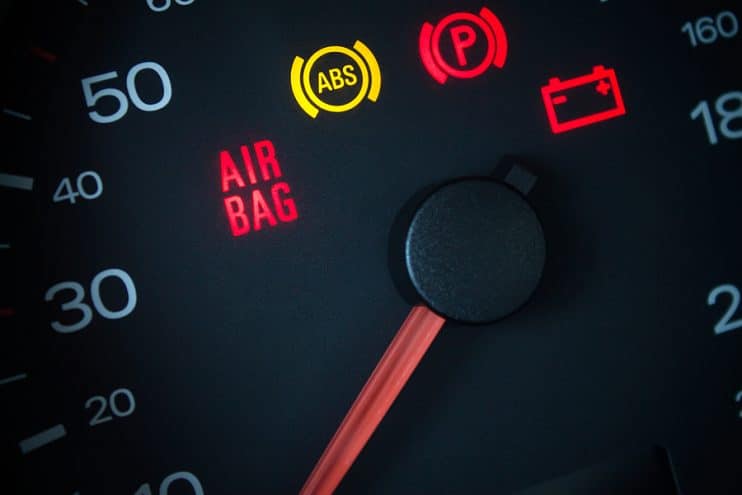
An airbag warning light can indicate that the supplemental restraint system has detected a problem. Depending on the vehicle, the light may remain on because of a faulty sensor, an electrical issue, a defective component, or another system fault.
The warning should be treated seriously because it may indicate that some restraint functions are unavailable or that the system requires service. The exact meaning must be confirmed using the owner’s manual and appropriate diagnostic procedures.
In some cases, a warning indicator appears after a battery-related problem or electrical repair. Low voltage, interrupted power, or a stored fault can affect system diagnostics, depending on the vehicle.
However, drivers should not assume that every airbag warning is harmless or that restarting the engine will solve it. If the indicator remains illuminated or returns repeatedly, the vehicle should be checked by a qualified technician.
The system may also have been disabled intentionally during repairs or because of a modification. Disconnecting components without following the manufacturer’s instructions can create faults or prevent the restraint system from operating correctly.
In addition, some vehicles require specific procedures after certain components have been replaced. Proper servicing involves identifying the original cause, carrying out the approved repair, and confirming that the system passes the required checks.
If an airbag warning light is illuminated, do not ignore it or attempt to conceal it. Check the owner’s manual for the meaning of the indicator and seek professional assistance promptly.
Avoid relying on unofficial fixes or bypass devices that claim to reset the system without repairing the underlying fault. A properly functioning airbag system is an important part of vehicle safety, and any uncertainty about its condition deserves attention before the next journey.
