
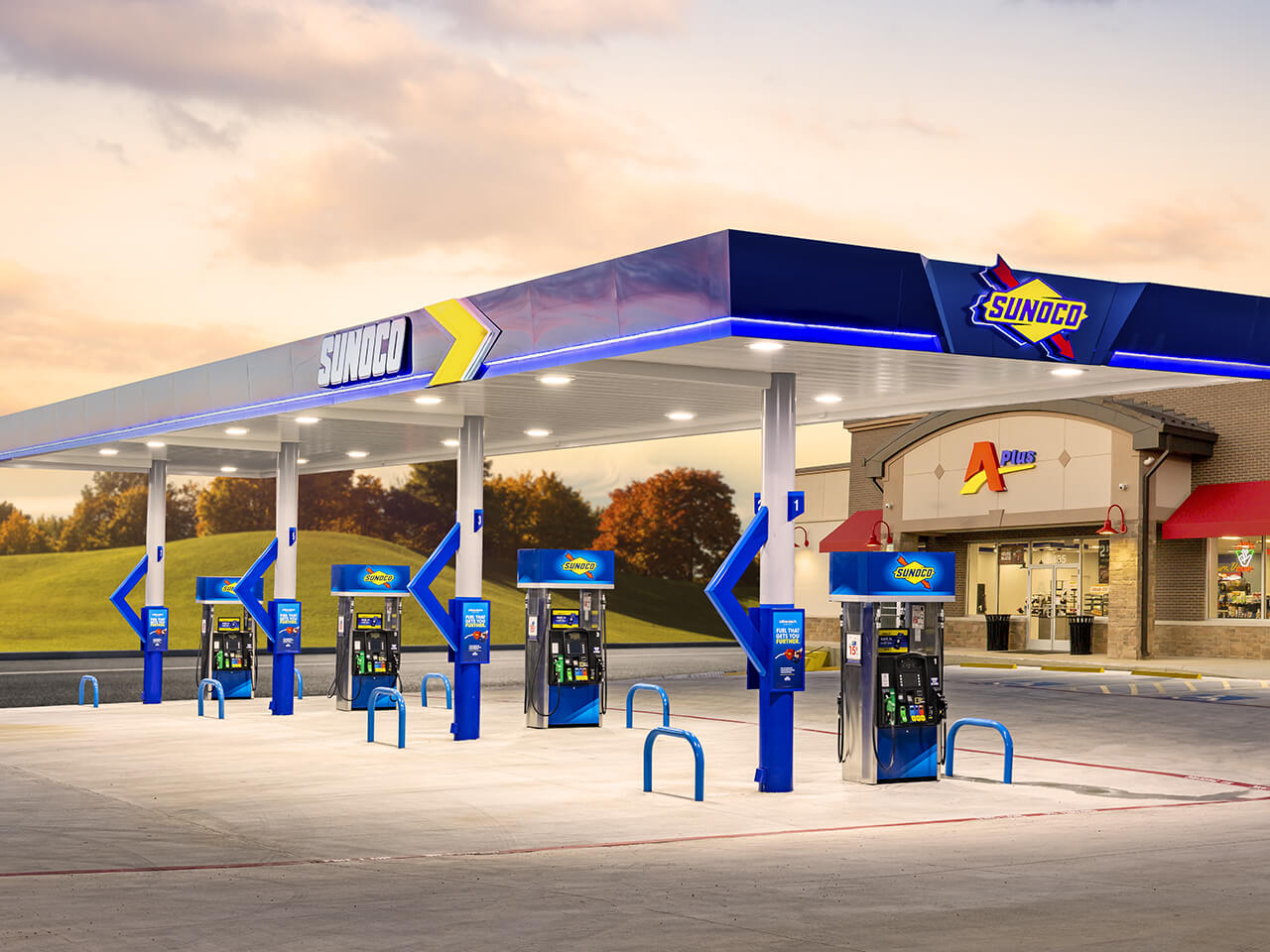
Choosing a gas station involves more than comparing prices at the pump. Fuel quality can influence engine cleanliness, combustion efficiency, and long-term vehicle maintenance. Across the United States, several major gas station chains distinguish themselves through fuel standards, detergent additives, and efforts to meet modern engine requirements.
Some brands participate in recognized fuel certification programs, while others focus on convenient locations and competitive pricing. This guide ranks seven popular US gas station chains by their fuel quality, explaining what sets each brand apart and what drivers should consider before filling their tanks.
1. Chevron
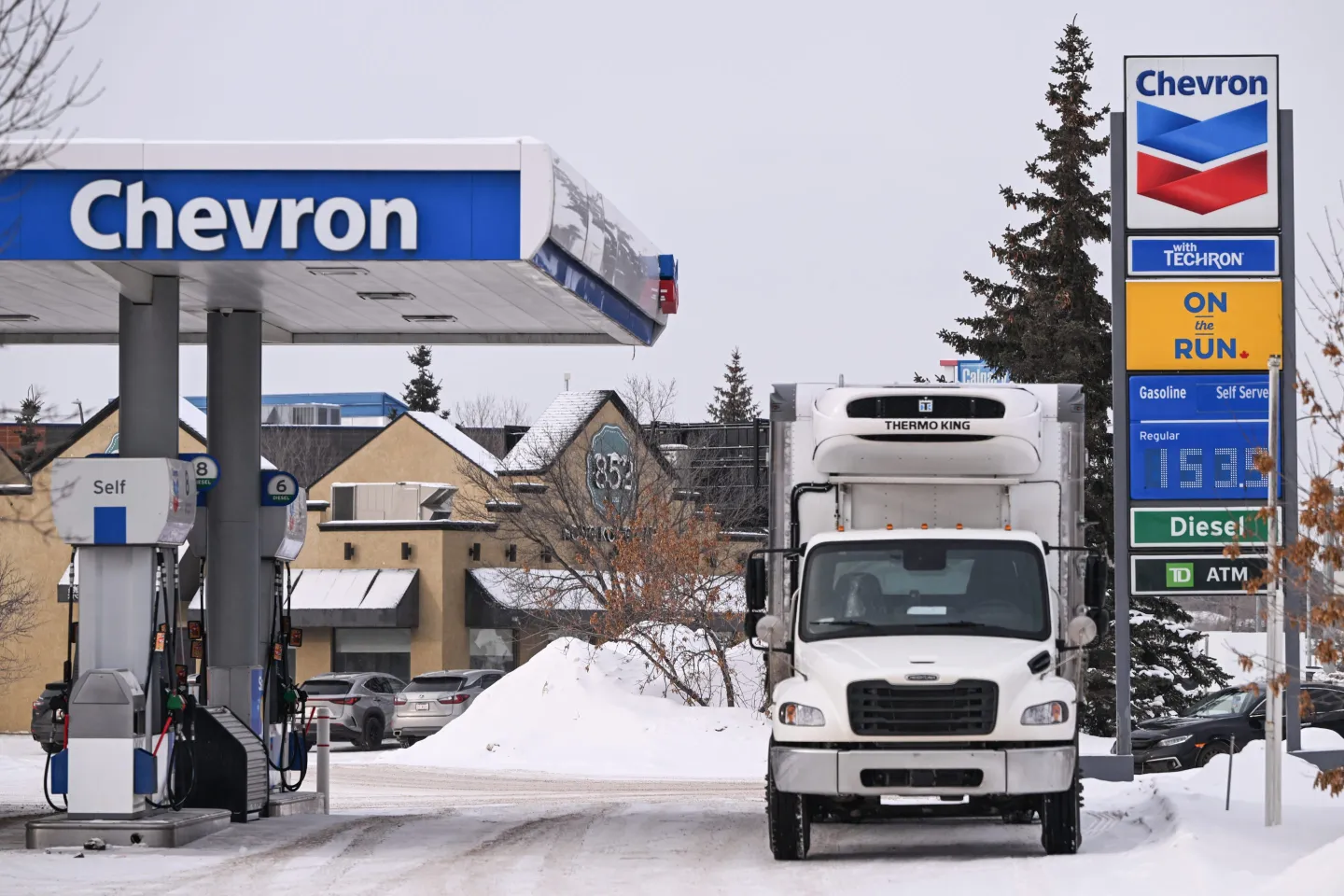
Chevron earns the top position for its emphasis on fuel detergency and engine cleanliness. Its gasoline contains Techron, a proprietary additive technology designed to help clean deposits from important engine components, including fuel injectors and intake valves in applicable engine designs.
Carbon and other deposits can interfere with proper fuel delivery and engine operation, particularly as vehicles accumulate mileage. Using gasoline with effective detergent additives can help limit deposit formation and support consistent performance over time.
Chevron’s reputation rests heavily on this focus, making it a strong option for drivers who prioritize preventative engine maintenance.
Fuel additives matter because modern engines operate under demanding conditions. Direct-injection engines, port-injection systems, and older gasoline engines can respond differently to deposits, depending on their design and operating environment.
Detergents help control certain deposits in fuel systems, but they cannot resolve every mechanical problem or clean every engine component. Chevron’s Techron formulation is intended to address deposit buildup associated with gasoline use. The precise benefits depend on the vehicle, the fuel formulation, and maintenance history.
For drivers who regularly use Chevron, the main advantage is access to gasoline designed with a clear emphasis on detergent performance.
Chevron also offers different gasoline grades, allowing motorists to select fuel according to their vehicle manufacturer’s recommendations. Regular, midgrade, and premium gasoline have different octane ratings, but premium fuel does not automatically contain more cleaning power or provide better results in every engine.
Drivers should consult the owner’s manual before choosing a grade. If a vehicle requires regular gasoline, paying extra for premium usually provides little benefit unless the manufacturer specifies otherwise. Fuel quality involves several factors, including octane, detergency, proper storage, and compliance with applicable standards, rather than price alone.
Availability is an important consideration for motorists who want to use Chevron consistently. The chain has a substantial presence in several US regions, particularly across the West Coast and parts of the South. However, coverage varies by state and community, so drivers may not always find a Chevron station nearby.
Local prices can also differ significantly because of taxes, transportation costs, market conditions, and regional fuel specifications. Where Chevron is available at a reasonable price, its detergent-focused gasoline makes it a compelling choice for drivers seeking a well-established fuel brand.
For the strongest results, motorists should combine quality gasoline with routine vehicle maintenance. Following the recommended oil-change schedule, replacing air filters when necessary, and addressing warning lights promptly will generally contribute more to reliable operation than switching fuel brands repeatedly.
Chevron’s additive technology can support fuel-system cleanliness, but it is not a substitute for mechanical servicing. Drivers should also purchase fuel from busy, well-maintained stations that appear to manage their equipment responsibly. These practical habits help make the most of the fuel in the tank and support dependable engine performance over the long term.
2. Shell
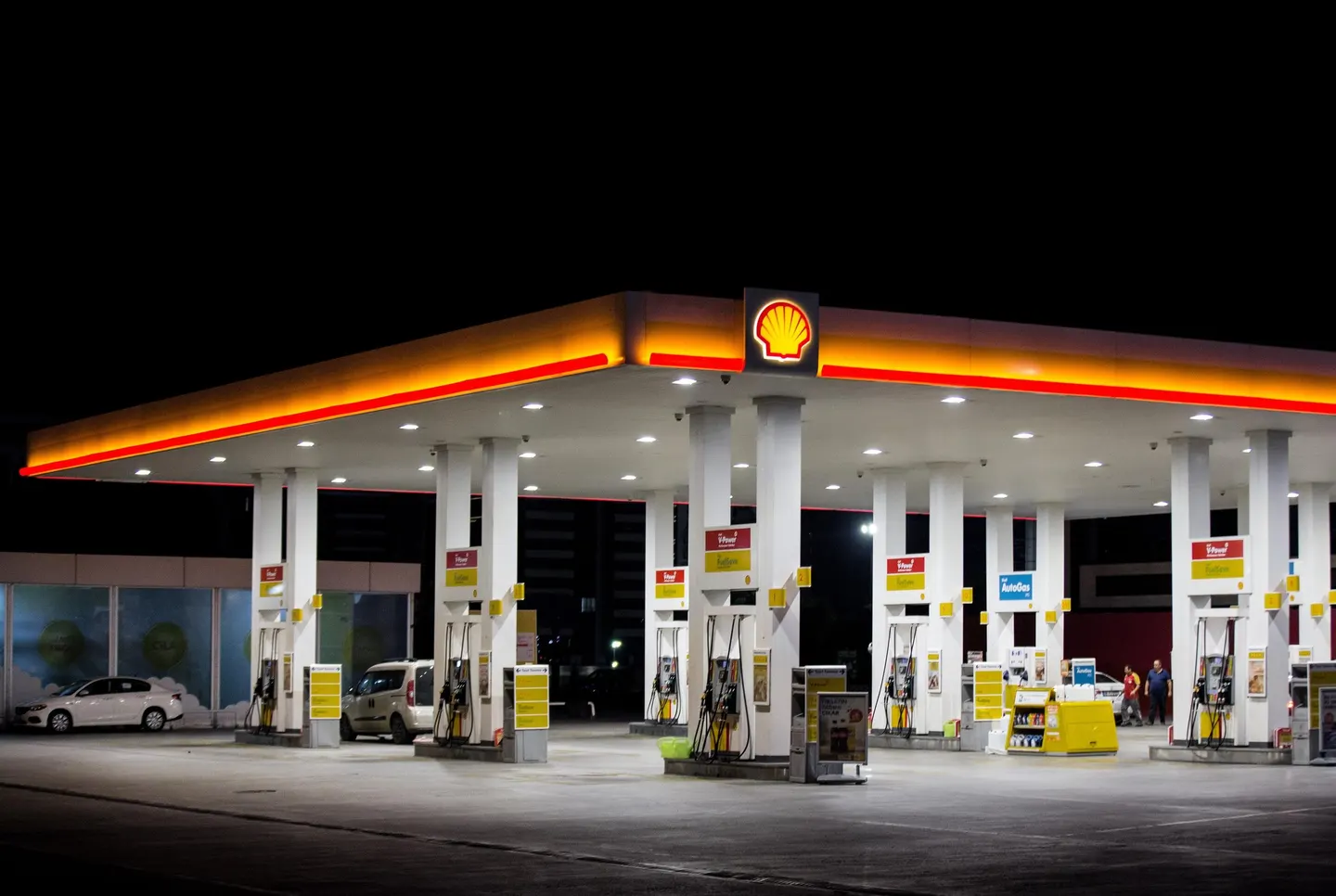
Shell ranks second because of its focus on detergent additives and its extensive gasoline distribution network. Its V-Power premium gasoline is marketed as a high-performance option designed to help clean engine components and protect against deposits. Shell also sells regular and midgrade gasoline, with formulations and product availability varying by market.
The brand’s emphasis on deposit control makes it a strong contender for drivers who want more than basic compliance with minimum gasoline standards. Its position reflects the company’s stated fuel technology and product offerings, rather than a universal laboratory finding that Shell gasoline outperforms every competitor.
A major consideration when evaluating Shell is the distinction between premium and regular fuel. Shell V-Power is generally a premium-grade product, which means it has a higher octane rating than regular gasoline. Its additive package is also marketed for cleaning and deposit protection.
However, higher octane and better detergency are separate characteristics. Drivers whose vehicles require only regular gasoline should not assume that premium fuel will improve acceleration, mileage, or engine life. The best choice depends on the manufacturer’s specifications, the engine design, and the particular fuel available at the station.
Shell’s wide presence throughout the United States gives drivers convenient access to its products. The chain operates in many metropolitan areas, suburban communities, and along major travel routes. Availability makes it easier for motorists to use a familiar fuel brand during everyday commuting or longer journeys.
Consistency can be useful when planning trips, but motorists should remember that gasoline formulations may vary according to regional requirements and seasonal blends. A recognized brand offers useful quality controls, yet the condition of an individual station and its fuel-handling practices remain relevant.
The company’s detergent-focused gasoline is particularly attractive to drivers who want to reduce deposit accumulation over time. Deposits may affect injector spray patterns, combustion quality, and engine response in certain circumstances. Effective detergents help control some of these problems, but results vary with engine technology and vehicle condition.
Drivers should not expect an immediate increase in horsepower or a dramatic improvement in fuel economy after changing brands. The practical value of a detergent-rich gasoline is generally associated with maintaining cleanliness and supporting normal operation rather than producing instant performance gains.
Shell is a sensible option for drivers who value a recognizable fuel brand, widely available stations, and products marketed around deposit control. The best purchasing strategy is to match octane to the vehicle’s requirements and compare prices among nearby stations.
Drivers who do not need premium gasoline can still make a reasonable choice by using an appropriate regular grade from a reputable station. When evaluating Shell against other chains, consider the specific gasoline formulation, local price, station maintenance, and convenience.
These factors provide a more useful basis for decision-making than assuming every premium-branded product is automatically superior.
3. Exxon
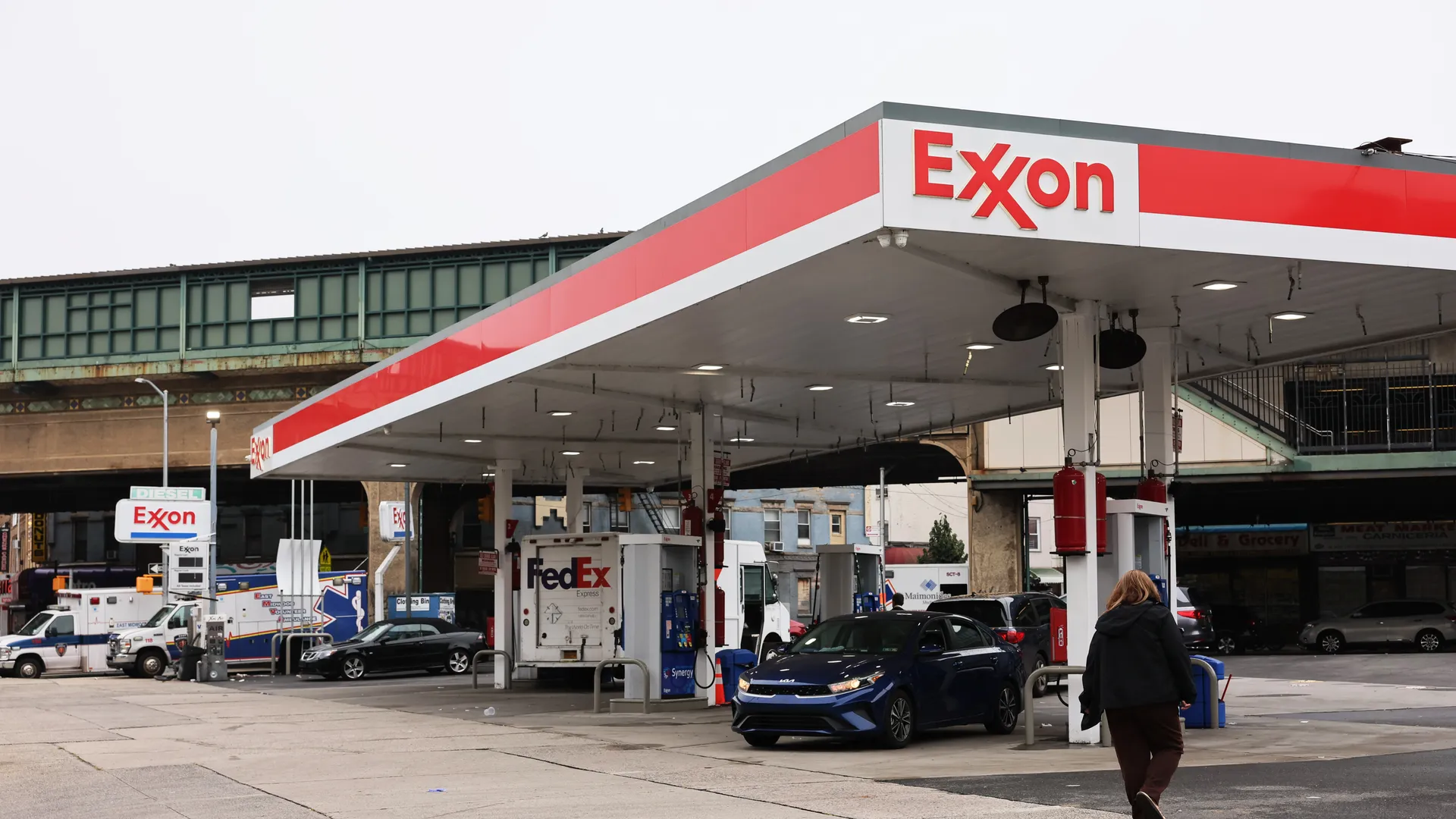
Exxon ranks third for its established gasoline products and emphasis on engine cleanliness. The brand is part of ExxonMobil, a major energy company with extensive fuel production, distribution, and retail operations. Its Synergy gasoline line is marketed around detergent additives intended to help clean and protect engine components.
The company’s scale and technical resources support the development of fuel formulations designed for modern vehicles. However, the precise performance of gasoline depends on the product grade, regional formulation, and vehicle requirements, so brand recognition should not be confused with proof that every Exxon station offers better fuel than every competing location.
Fuel detergents play a practical role in gasoline quality because they help control deposits that can accumulate during normal operation. Fuel injectors must deliver gasoline in a controlled spray, and deposits can interfere with that process in some engines.
Additives are formulated to reduce such buildup and support consistent operation. Their effectiveness depends on the chemistry used, concentration, engine design, and driving conditions. Exxon’s Synergy branding highlights this area of fuel development. For motorists, the key consideration is whether the gasoline meets appropriate standards and offers detergent protection suited to the vehicle.
Exxon stations offer gasoline in different octane grades, allowing customers to select fuel based on engine requirements. Octane measures resistance to engine knock, which occurs when combustion develops in an undesirable way. It does not directly measure energy content, cleanliness, or gasoline purity.
A vehicle designed for regular gasoline generally does not require premium simply because the premium grade costs more. In contrast, engines that require higher octane should receive the specified fuel to operate as intended. Following the manufacturer’s recommendation is a straightforward way to avoid unnecessary spending while protecting engine operation.
Station-level conditions also matter. Fuel retailers must manage underground storage tanks, dispensing equipment, and delivery procedures appropriately to help maintain product integrity.
Water contamination, poor storage conditions, or equipment problems can affect gasoline quality regardless of the logo displayed above the pumps. Exxon-branded locations benefit from a recognizable corporate identity, but individual sites may differ in ownership, management, maintenance, and customer service.
Motorists should pay attention to station cleanliness, working equipment, and visible maintenance concerns rather than relying exclusively on brand reputation.
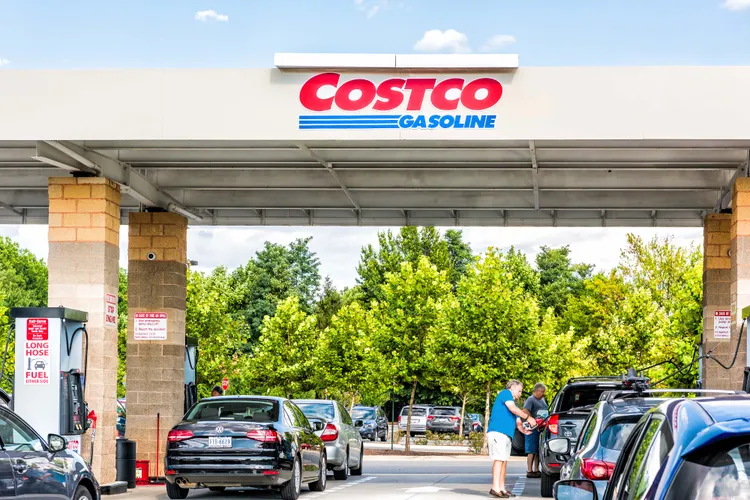
4. Costco
Costco ranks fourth because its gasoline combines competitive pricing with participation in the Top Tier detergent gasoline program at its US locations. Top Tier is an industry fuel-quality standard established by automakers and fuel companies to encourage detergent levels that exceed the applicable minimum requirements.
Costco gasoline is commonly chosen by drivers who want certified gasoline without paying the higher prices sometimes associated with premium-branded retail stations. Its membership model and warehouse locations can make fuel particularly attractive to households that already shop at Costco.
The value proposition depends on local prices, membership costs, station access, and waiting times.
Top Tier certification is an important distinction because it provides a clearer basis for comparing gasoline than brand popularity alone. The program establishes detergent performance requirements intended to help control deposits in engines. Participating retailers must meet the program’s applicable standards for their gasoline products.
Certification does not mean that every participating brand uses identical additives or produces identical results in every engine. Instead, it indicates that the fuel meets a recognized set of requirements designed to support engine cleanliness. This makes certification a useful factor for consumers assessing gasoline quality.
Costco’s pricing is a major attraction. Warehouse fuel stations often charge less than nearby competitors, although savings vary with location, local taxes, market conditions, and demand. For drivers who fill their tanks frequently, a small difference per gallon can add up over a year.
Still, shoppers should calculate actual savings rather than assuming the lowest posted price always delivers the best deal. Membership fees, detours, waiting in line, and extra driving can reduce the financial advantage. Comparing nearby stations and considering the cost of reaching them can help determine whether Costco is the better choice.
The main drawback is convenience. Costco gas stations are not as widely distributed as some traditional fuel chains, and their operating hours may be more limited than those of nearby competitors. Popular locations can also experience long queues, particularly during peak commuting hours or weekends.
Drivers who are already visiting a warehouse may find it easy to combine shopping and refueling, while those making a special trip solely for gasoline may save less than expected. These practical limitations do not necessarily reduce fuel quality, but they influence the value of the experience.
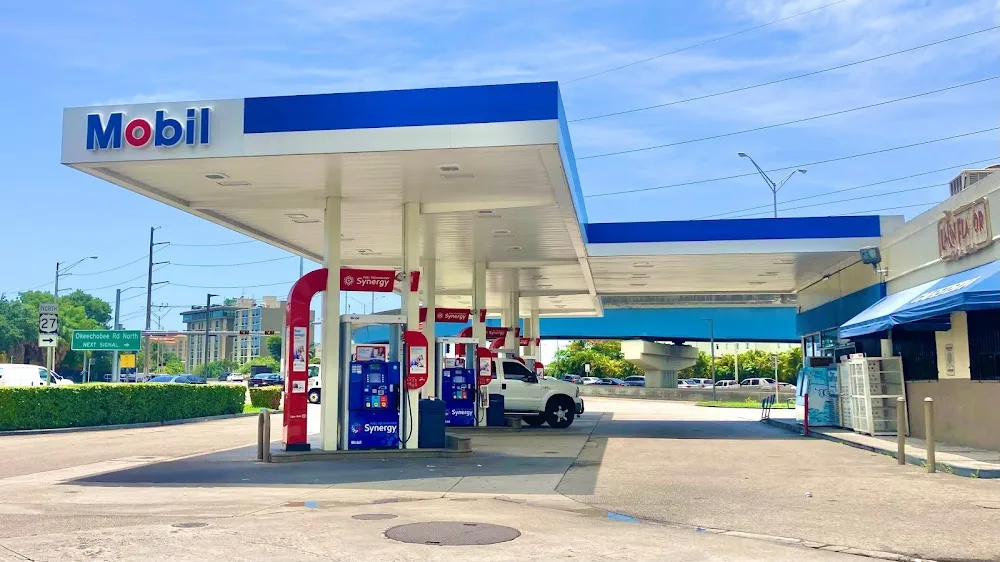
5. Mobil
Mobil ranks fifth for its established gasoline products and focus on engine protection. Like Exxon, Mobil is part of ExxonMobil, and its Synergy-branded gasoline emphasizes detergent additives intended to help control engine deposits. Mobil also markets premium gasoline under the Synergy Supreme+ name in applicable markets.
The brand’s products are designed for different vehicle needs, ranging from everyday commuting to engines that require higher octane. Its placement in this list is a practical editorial judgment, not a measured finding that Mobil’s gasoline is inferior to the brands ranked above it.
A useful way to assess Mobil is to separate its regular gasoline from its premium offering. Regular fuel is appropriate for vehicles designed to operate on the standard octane grade, while premium gasoline serves engines that require or benefit from higher octane according to manufacturer guidance.
Premium products may also be marketed with specific additive technologies, but drivers should not automatically expect a substantial improvement in fuel economy. An engine designed for regular gasoline may show little or no benefit from premium fuel, making the extra cost difficult to justify.
Mobil’s station network offers convenient access in many US communities, although coverage varies considerably by region. Motorists may find locations near highways, business districts, and residential areas, depending on the market. This convenience can be valuable for people who travel regularly and prefer to refuel at familiar stations.
Still, local pricing differences can be substantial, and a nearby competitor may offer comparable gasoline for less. Comparing fuel grades and prices helps motorists avoid paying extra solely for branding when a less expensive option meets the same practical needs.
The role of detergent additives deserves attention when evaluating Mobil. Deposits can develop in fuel-system components and combustion areas under certain operating conditions, while properly formulated detergents help control some forms of buildup.
The extent of protection depends on the gasoline formulation and engine design. These additives are not a universal remedy for mechanical wear, poor maintenance, or deposits that form in areas not reached by the fuel. Motorists should be cautious about exaggerated claims promising dramatic mileage improvements or immediate engine restoration from a simple change in gasoline brand.
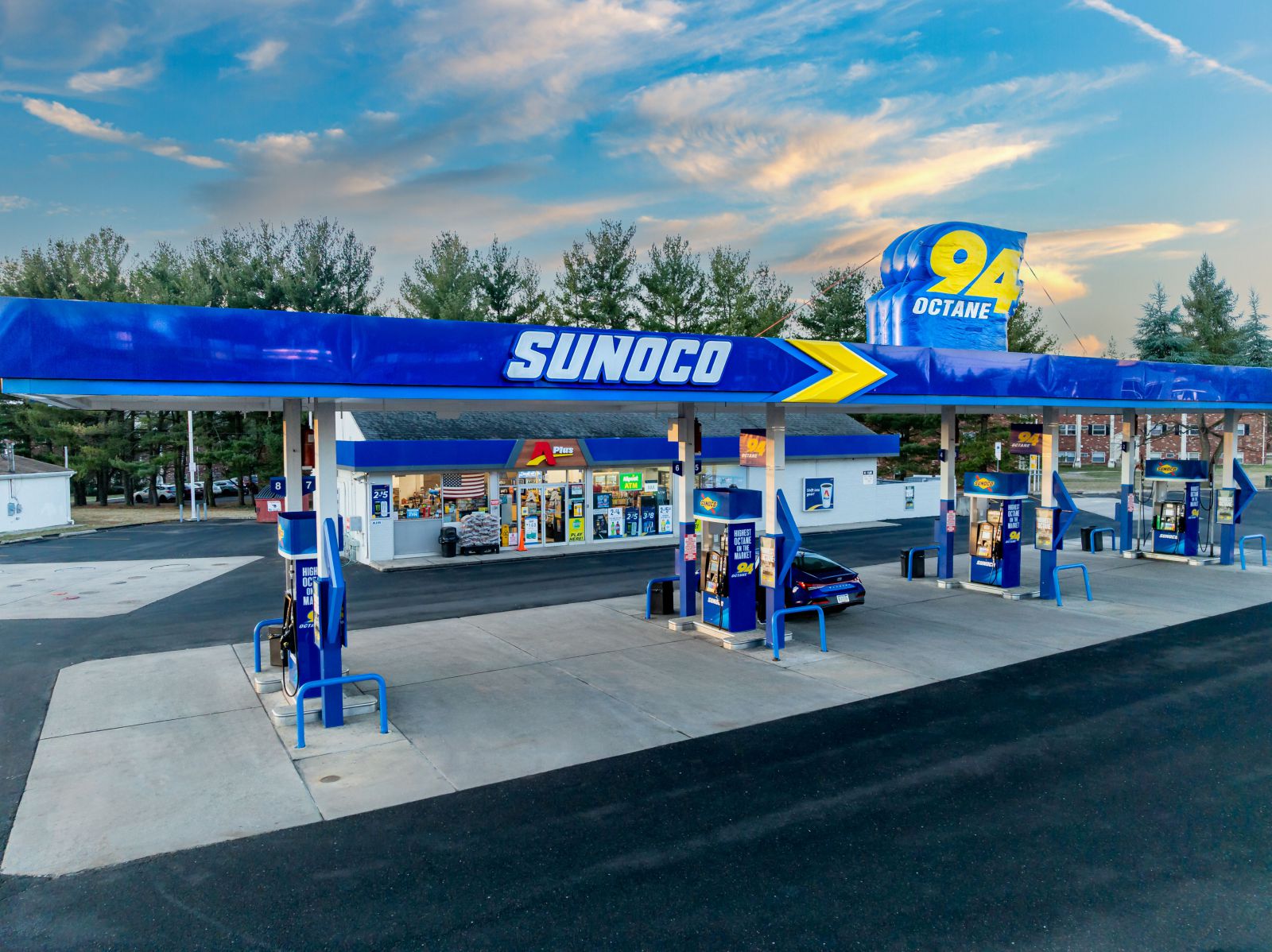
6. Sunoco
Sunoco takes sixth place because of its long association with motorsports and its range of gasoline products. The company is particularly recognizable among performance enthusiasts who value its higher-octane offerings and specialty racing fuels in markets where they are available.
Sunoco also operates everyday retail fuel stations that serve ordinary commuters. Its motorsports history contributes to its brand identity, but racing credentials should not be treated as direct proof that every retail gasoline product is cleaner or more effective than competing fuels. Each product must be judged according to its formulation, octane rating, and intended use.
Octane is especially relevant for performance vehicles because engines with higher compression ratios or certain forced-induction systems may require fuel with greater resistance to knock. Using the specified grade helps the engine operate within its intended parameters.
However, high octane does not automatically mean higher energy content, superior detergent performance, or better mileage. Sunoco’s premium gasoline may suit vehicles that require premium fuel, but drivers of standard commuter cars should follow their manufacturer’s recommendation rather than paying for an unnecessarily high octane rating.
Sunoco’s range of fuel offerings can appeal to motorists with different needs. Regular drivers may want a dependable gasoline source for daily transportation, while enthusiasts may seek products designed for specific performance applications. Availability differs by station, so customers should check which grades a location actually sells.
Specialty racing fuel is not interchangeable with ordinary road gasoline, and certain products may not be appropriate for street vehicles. Drivers should always verify the product’s intended application and follow the vehicle manufacturer’s fuel requirements before purchasing a specialty formulation.
The brand’s association with motorsports creates a strong reputation among automotive enthusiasts, but real-world fuel quality depends on more than a company’s racing presence. Detergent additives, compliance with applicable standards, proper storage, and sound station maintenance remain important considerations.
A race-focused image cannot replace technical information about the fuel being sold. Consumers should examine the available gasoline grade and any relevant certification rather than assuming that performance branding guarantees superior cleanliness. For ordinary commuting, a reputable regular-grade fuel that meets recognized standards may be entirely adequate.
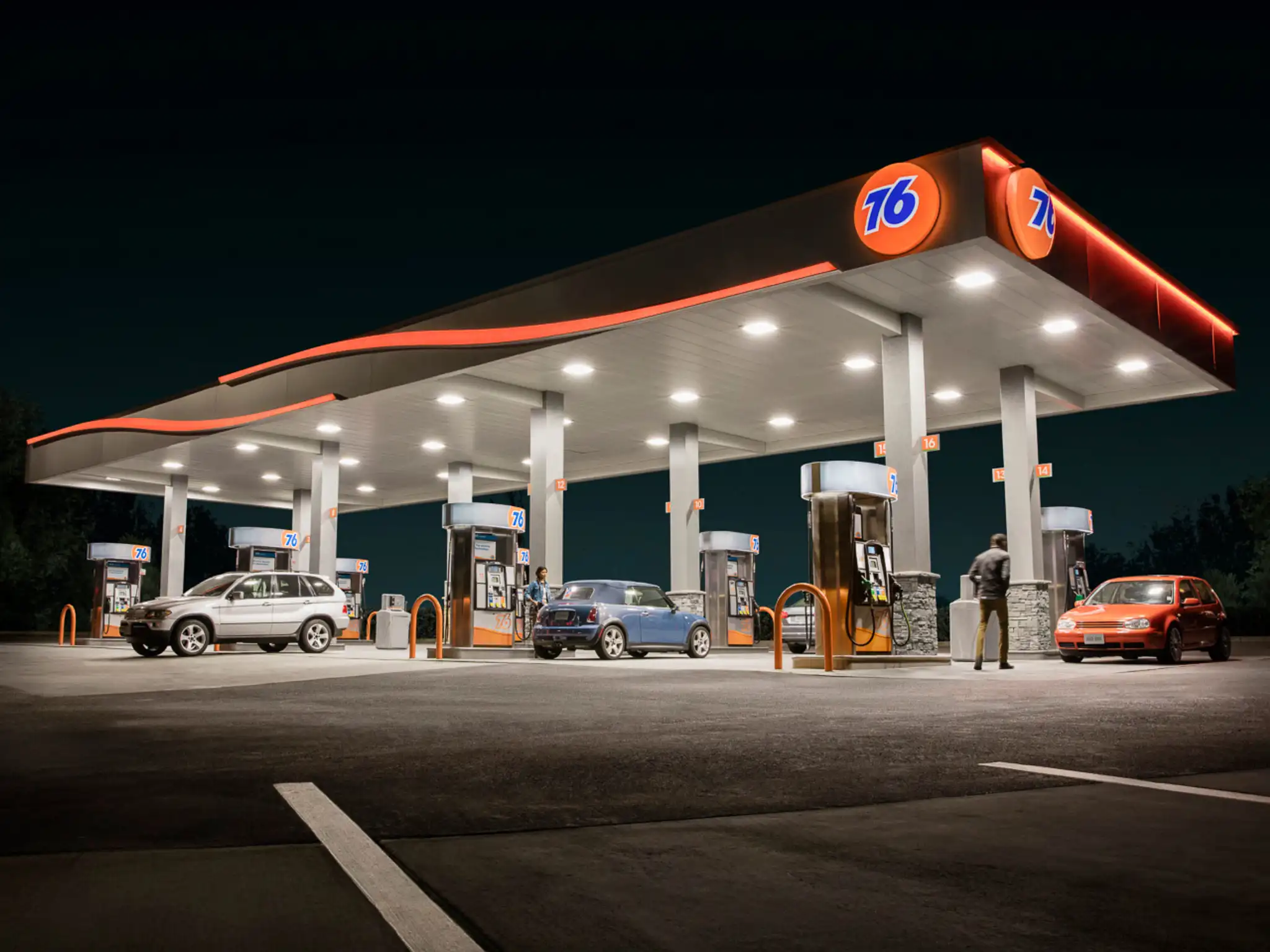
7. 76
76 rounds out the ranking because it is an established US gasoline brand with a strong presence in several Western markets. Its gasoline products are marketed around the brand’s fuel technology and efforts to help maintain engine cleanliness. Drivers may recognize the orange ball logo at stations along urban roads, suburban routes, and major travel corridors.
Its position at number seven reflects the structure of this editorial list, not evidence that 76 consistently supplies lower-quality gasoline than the six brands above it. A definitive ranking would require controlled, comparable testing across specific fuel grades and locations.
One factor that matters when assessing 76 is whether its gasoline meets a recognized detergent standard. Top Tier participation can change over time and may depend on the brand’s current program status and the particular market. Consumers who want certified detergent gasoline should consult the current official Top Tier retailer list rather than assume that a familiar logo guarantees certification.
Meeting applicable federal requirements is important, but additional detergent standards can provide another useful point of comparison. Checking current certification helps drivers make decisions based on verifiable criteria rather than advertising claims alone.
The range of gasoline grades available at 76 stations allows motorists to select fuel for different engine requirements. Regular gasoline is suitable for vehicles designed to use that grade, while premium may be necessary for engines that specify higher octane.
The difference between these products is important because fuel selection can affect engine operation, especially in vehicles designed around premium gasoline. However, choosing premium when it is not required may provide little practical value. The owner’s manual remains the best guide for selecting a grade that supports proper operation without unnecessary expense.
As with other fuel chains, the individual station plays an important role in the customer’s experience. Gasoline travels through a distribution network before reaching underground tanks and dispensing equipment, and appropriate handling helps preserve product integrity.
Retail sites must maintain their equipment and storage systems to help reduce the risk of contamination. Drivers can look for clean forecourts, functioning pumps, and signs of proper maintenance. No major brand can guarantee that every individual site will always provide an identical experience, so sensible attention to station conditions remains worthwhile.
