
Buying or owning a car without a title can create challenges when you try to register the vehicle. A title serves as legal proof of ownership in many jurisdictions, so missing paperwork may delay registration or prevent it entirely until specific requirements are met.
Fortunately, several legal options may help owners establish ownership and obtain the documents needed to register their vehicles. Understanding local regulations, gathering supporting records, and following the correct procedures can make the process easier.
These six rules explain the essential steps, common requirements, and important precautions for registering a car without a title.
1. Check Your State’s Vehicle Registration Laws
The first rule for registering a car without a title is to understand the laws in the state where you intend to register it. Vehicle title and registration requirements differ across the United States, and procedures that work in one state may not be accepted in another.
Some states offer alternative ownership documents for qualifying vehicles, while others require applicants to obtain a replacement title before registration can proceed. The vehicle’s age, purchase history, current registration status, and ownership records may also affect the available options.
Checking the rules before submitting an application helps prevent unnecessary fees, repeated visits to the motor vehicle agency, and avoidable delays.
Contact your state’s Department of Motor Vehicles, often called the DMV, or the equivalent vehicle licensing authority to ask about registering a vehicle with no title. Explain whether the title was lost, never received, damaged, or unavailable because of a private sale.
These circumstances can lead to different application procedures. An agency representative may direct you to a duplicate title application, an alternative ownership process, or a bonded title program. Use official state resources to confirm the required documents, application forms, inspection procedures, and fees.
Advice from a friend or an online discussion may be useful as background, but it should not replace the current requirements established by your state’s licensing authority.
You should also determine whether your state permits registration before a title has been issued. In many cases, title and registration applications are connected, and the agency will need satisfactory evidence of ownership before it can issue registration documents.
Some jurisdictions may allow limited exceptions, temporary permits, or other arrangements under specific circumstances. Such options are not universal, so do not assume that a bill of sale alone will qualify you for road registration.
Ask whether the vehicle can legally be driven while the paperwork is pending and whether temporary operating permits are available. Understanding these conditions can help you plan transportation without unintentionally violating vehicle registration laws.
The vehicle’s current status is another important consideration. A car purchased from a private seller may have different documentation needs from a vehicle transferred through inheritance, acquired at an auction, or recovered after being abandoned.
Vehicles previously registered in another state may require additional verification, particularly if the licensing authority cannot confirm the existing ownership records. If the vehicle was financed, a lender may still hold a legal interest in it. A missing physical title does not automatically mean that the seller has unrestricted ownership rights.
Before investing in repairs or registration expenses, make sure the person selling the vehicle has the legal authority to transfer it and that no unresolved ownership issue prevents the transfer.
Finally, keep a written record of the instructions you receive from the relevant agency. Save copies of official guidance, application forms, receipts, and any correspondence related to your case. If the first representative cannot explain the available process, ask to speak with a title specialist or the department responsible for unusual ownership situations.
This is especially helpful when a vehicle has incomplete records or has passed through several owners. Following a documented process reduces confusion and gives you a clear checklist to work through.
By starting with the correct state requirements, you can identify the legal route that best fits your circumstances and avoid wasting time on applications that cannot be approved.
2. Gather Proof of Ownership and Supporting Documents
The second rule is to collect as much reliable evidence of ownership as possible before applying for registration. When a title is unavailable, the motor vehicle agency may need other records to establish how you acquired the vehicle and whether the transfer was legitimate.
Useful documents can include a bill of sale, purchase receipt, previous registration certificate, insurance records, auction paperwork, inheritance documents, or correspondence with the former owner.
The exact documents accepted depend on state law and the circumstances surrounding the missing title. No single document guarantees approval, so ask the licensing authority which records are necessary for your particular application.
A bill of sale is often an important starting point when the vehicle was purchased privately. It should accurately identify the buyer and seller, describe the vehicle, state the purchase price, and include the date of sale. The vehicle identification number, commonly known as the VIN, should match the number recorded on the vehicle itself.
Both parties should retain copies of the document. If the original seller is available, contact them to explain the missing title and ask whether they can obtain a duplicate or complete the required transfer paperwork. A seller who cooperates can make the process much simpler, particularly when the original ownership record remains in their name.
Previous registration records can provide additional evidence, but registration and ownership are not necessarily the same thing. A registration document may show that a vehicle was previously authorized for road use, yet it may not establish that you legally own it today.
Similarly, an insurance policy can demonstrate that you insured the car, but it does not independently prove that the ownership transfer was valid. These records are most useful when considered together with purchase documents and other evidence accepted by the licensing authority.
Be honest about any gaps in the paperwork, and do not alter documents or present an outdated record as proof of a transfer that never occurred.
The required paperwork may differ when the vehicle was inherited, acquired from an estate, purchased at a public auction, or transferred by a business. An inherited vehicle may require a death certificate, probate documents, an affidavit, or evidence that the person transferring the vehicle has authority to do so.
An auction purchase may require an invoice, auction certificate, or specific ownership documentation. Vehicles obtained from insurance companies can also involve special paperwork, particularly when they have been classified as salvage or otherwise restricted.
Before submitting your application, confirm whether additional forms or certified copies are necessary. Taking the time to organize these records can help the agency review your application more efficiently
3. Apply for a Duplicate Title When the Original Is Lost
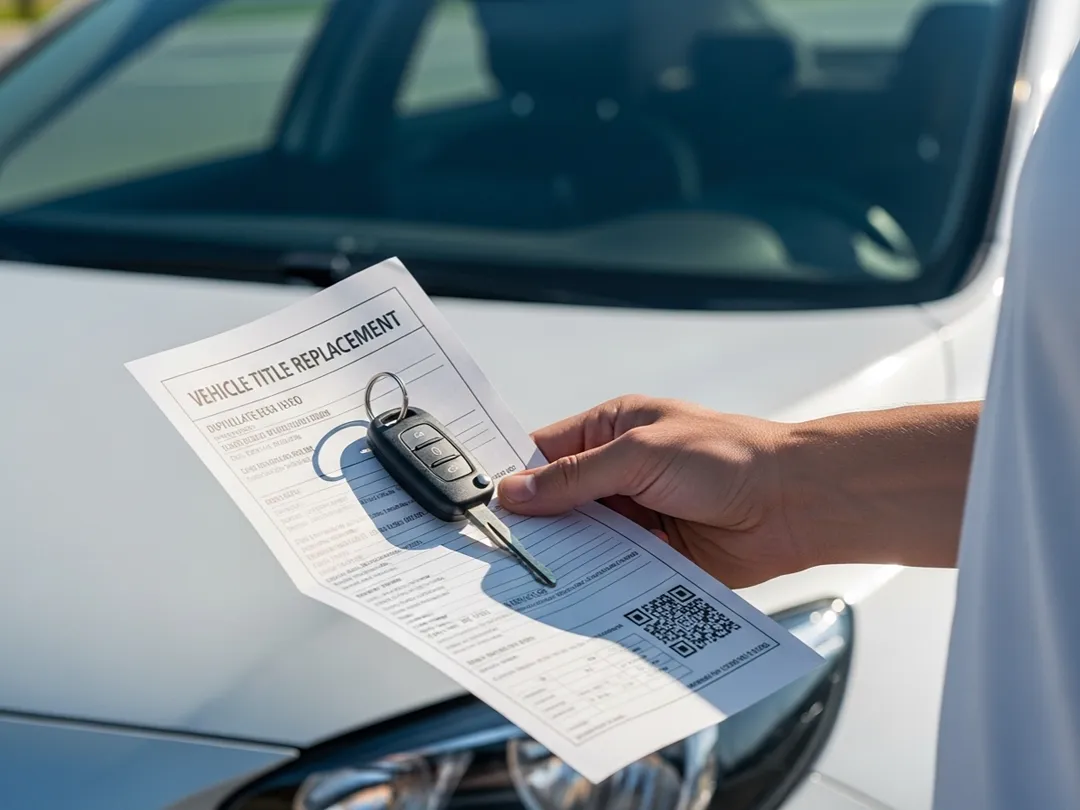
The third rule is to determine whether a duplicate title can resolve the problem. If you legally own the vehicle and the original title has simply been misplaced, damaged, or destroyed, applying for a replacement is often the most direct solution.
A duplicate title generally replaces the missing ownership document without requiring you to establish ownership through an entirely new process. However, eligibility rules vary by state, and the person applying may need to be the owner recorded in the state’s vehicle records.
If the car was recently purchased and the seller never transferred the title, you may need the seller’s cooperation rather than applying independently.
Start by identifying the agency that issued the original title. If the vehicle was previously titled in another state, you may need to contact that state’s motor vehicle department to resolve the missing document before completing registration in your current state.
Many agencies provide duplicate title applications online, by mail, or at designated service locations. You may need to submit the VIN, the owner’s identifying information, the current odometer reading where applicable, and a replacement fee.
Some states also require a signature, identity verification, or additional authorization when a lender has an interest in the vehicle. Check the application instructions carefully because incomplete forms can slow down processing.
A lien on the vehicle can complicate the replacement process. When a car was purchased with financing, the lender may be listed as a lienholder or may retain an interest under the applicable state system. The owner may not be able to obtain an unrestricted title until the loan is satisfied and the lien is properly released.
If the loan has been paid off, contact the lender to obtain any required lien release documents. If the loan remains active, ask the lender and licensing authority how the replacement title will be handled. Do not assume that possession of the car or proof of insurance removes the lender’s legal rights.
If you purchased the vehicle and the seller promised to provide the title later, contact them before starting a complicated alternative ownership application. The seller may still be the person legally entitled to request a duplicate. Ask for a clear timeline and written confirmation of the steps they intend to take.
If the seller refuses to cooperate, has disappeared, or cannot establish ownership, explain the situation to the licensing authority and ask what legal remedies are available.
Depending on state law and the transaction, you may need to seek legal advice or pursue a formal dispute rather than relying on an ordinary duplicate title request.

4. Understand Bonded Titles and Alternative Ownership Procedures
The fourth rule is to investigate a bonded title or another legally recognized ownership procedure when a duplicate title is not available. A bonded title may be an option for certain vehicles when the applicant can provide evidence of ownership but cannot obtain the usual title documents.
Under this process, the applicant generally obtains a surety bond for an amount determined by the relevant authority. The bond is intended to provide financial protection if someone later establishes a valid ownership claim against the vehicle.
Not every state offers bonded titles, and eligibility conditions, bond amounts, and application procedures vary significantly.
The process often begins with a review of the available ownership evidence. The motor vehicle agency may ask for a bill of sale, a written explanation of how the vehicle was acquired, prior registration records, photographs, or a vehicle inspection. The agency may also check its records for theft reports, outstanding liens, or other issues affecting the vehicle’s legal status.
If the applicant qualifies, the authority may provide instructions for obtaining a surety bond from an authorized provider. Do not purchase a bond before confirming that your state permits this process and that your vehicle meets the eligibility requirements. Otherwise, you could spend money on a bond that does not resolve the registration problem.
A surety bond is not the same as ordinary car insurance. Its purpose is connected to the legal ownership process, and its terms determine how claims may be handled if a competing ownership interest is established.
The applicant may need to pay a premium to the bond provider, and the required bond amount can depend on the vehicle’s estimated value or a state-specific formula.
The premium is not necessarily the same as the total bond amount. Ask the provider to explain the cost, duration, renewal requirements, and potential financial responsibilities associated with the bond. Read the documents carefully before signing, and confirm that the bond meets the licensing authority’s exact specifications.
Some jurisdictions offer other procedures for vehicles with missing ownership documents. These may include special affidavits, court orders, abandoned vehicle processes, or alternative title applications for qualifying circumstances.
Each procedure serves a different legal purpose. For example, an abandoned vehicle process may require formal notices to the recorded owner and lienholders, while an affidavit may be available only for vehicles meeting specific age or value limits.
You should never use an abandoned vehicle procedure simply because a seller has failed to provide paperwork. The correct route depends on the facts, and the licensing agency can explain which options are legally available for your situation.
Before proceeding, consider the financial and practical implications of alternative ownership procedures. You may need to pay inspection fees, application charges, bond premiums, or other costs before the title is issued. Processing times can also vary, especially if the agency must investigate the vehicle’s history or request additional records.
Ask whether the resulting title will carry any special notation or restriction and whether additional steps are needed before the car can be registered for normal road use.
A bonded title may offer a legitimate solution when standard documents are unavailable, but it should be treated as a formal legal process rather than a shortcut around ownership requirements.
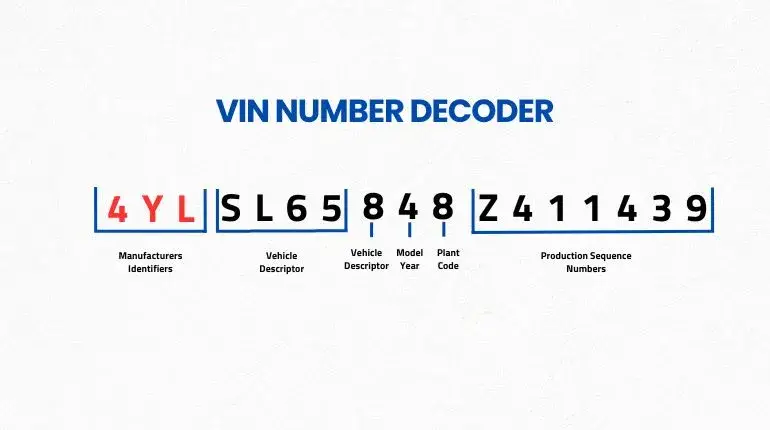
5. Verify the VIN, Vehicle History, and Safety Requirements
The fifth rule is to verify the vehicle’s identity and legal status before attempting to complete registration. The VIN is a unique identifying code used in vehicle records, and it helps the licensing authority determine whether the car matches the documents submitted with the application.
Compare the VIN shown on the vehicle with the number listed on the bill of sale, previous registration, insurance records, and any other available paperwork.
If the numbers do not match, stop and ask the relevant authority how to resolve the discrepancy. A mismatch may result from a clerical error, but it can also indicate a more serious issue that requires investigation.
The VIN plate and other identifying markings should appear consistent with the vehicle’s original construction. Do not attempt to alter, remove, restamp, or repair an identification number yourself. If a marking is damaged, missing, or difficult to read, contact the appropriate vehicle authority or law enforcement agency for guidance on the approved inspection procedure.
Some jurisdictions require a VIN verification before issuing a title, particularly for vehicles brought in from another state or those with incomplete records. An authorized inspection can help establish the vehicle’s identity and identify discrepancies that need to be addressed before registration can proceed.
A vehicle history check can provide useful information about prior ownership records, theft reports, salvage branding, and reported damage. Available information depends on the records held by the relevant agencies and reporting organizations, so a history report should not be treated as a guarantee that the vehicle has no legal problems.
When possible, confirm important details through official state records and the National Motor Vehicle Title Information System, where applicable.
If the car appears in a theft database or has an unresolved ownership claim, contact the appropriate authority rather than attempting to register it through an alternative process. Registration paperwork cannot make an unlawfully acquired vehicle legitimate.
You should also determine whether the car has a salvage, rebuilt, flood-damaged, or other special title status. Such classifications may affect whether the vehicle can be registered immediately or must undergo additional inspections.
A vehicle repaired after serious damage may need documentation of the repairs, verification of its identity, or a state-required safety inspection before it can be approved for road use. Requirements differ by jurisdiction, and a missing title can make it harder to establish the vehicle’s previous status.
Ask the licensing agency what evidence is necessary before spending money on major repairs or assuming the car can qualify for standard registration.
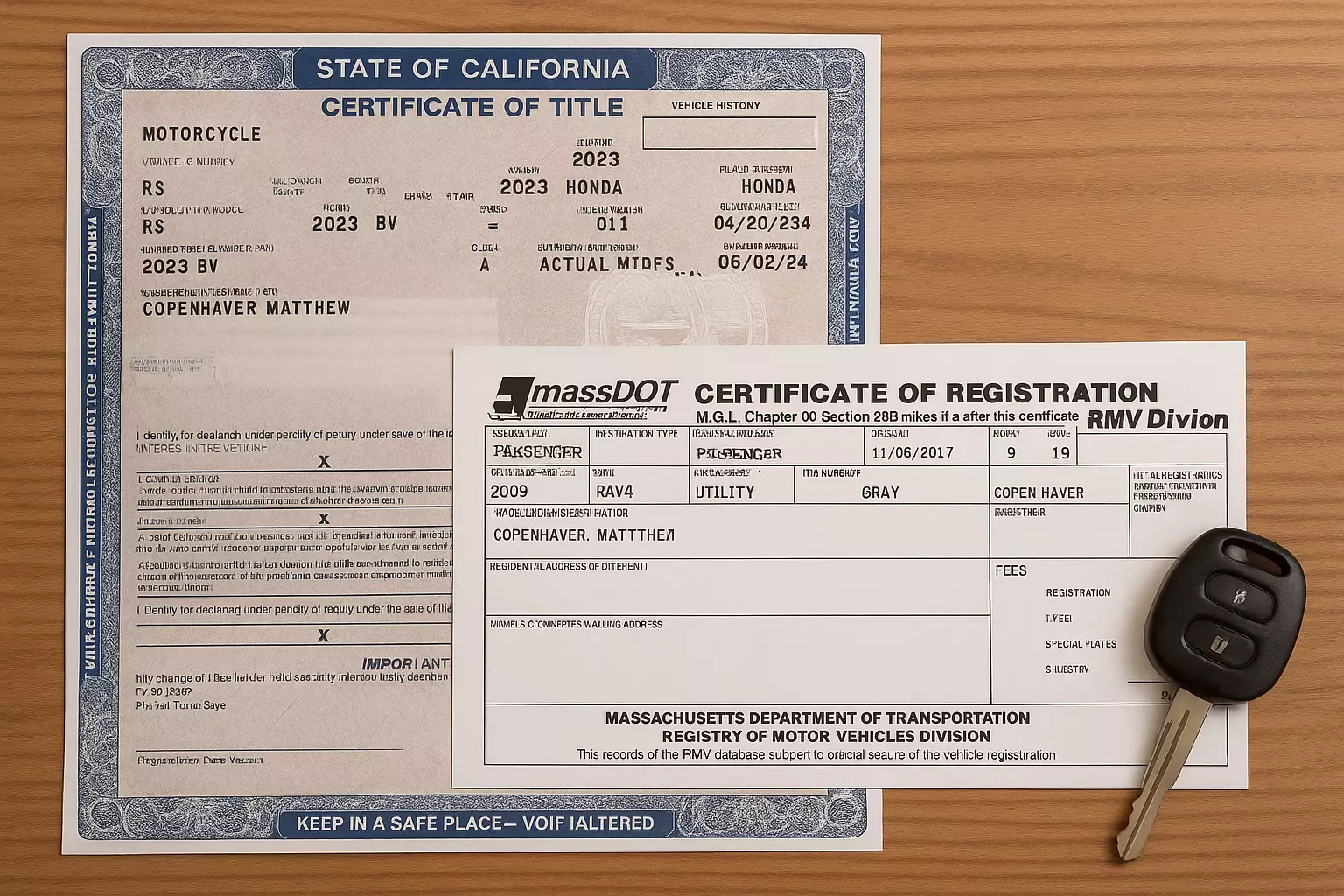
6. Avoid Common Mistakes and Keep the Registration Process Legal
The sixth rule is to avoid shortcuts that could create more serious legal or financial problems. A common mistake is assuming that a bill of sale gives a buyer an automatic right to register any vehicle. While a bill of sale can help document a transaction, it may not replace a title or satisfy the ownership requirements established by state law.
Another mistake is purchasing a vehicle at a low price without asking why the title is missing. If the seller cannot explain the situation or refuses to provide basic ownership records, reconsider the purchase before handing over money.
Be cautious when a seller offers to let you use their license plate, registration, or insurance information until you obtain your own documents. These arrangements may violate local laws or leave you exposed to liability if the vehicle is involved in a crash, stopped by law enforcement, or connected to an ownership dispute.
Registration and insurance requirements generally depend on the applicable jurisdiction and the actual circumstances of the vehicle’s use. Do not assume that the seller’s documents transfer automatically to you. Ask your licensing agency whether a temporary permit or another lawful option is available while the title problem is being resolved.
Another mistake is driving the vehicle before confirming that it is legally authorized for road use. A purchased car may need valid registration, appropriate insurance, and any required inspection before it can be driven on public roads.
Some states offer temporary movement permits for limited purposes, but these permits have specific conditions and may not be available to every applicant.
If you cannot legally drive the vehicle, consider transporting it on a trailer or using a licensed vehicle transport service. This approach may cost more initially, but it can help you avoid citations, impoundment, or additional complications while the paperwork remains unresolved.
Keep careful records of every payment, application, inspection, and communication. Save receipts, copies of submitted forms, written instructions from the motor vehicle agency, and messages exchanged with the seller.
If an application is denied, request an explanation of the reason and ask whether the decision can be corrected through additional documentation or a different legal procedure.
Some cases may require professional assistance, especially when ownership is disputed, a lien remains unresolved, or the seller has misrepresented the vehicle’s status. An attorney familiar with vehicle title matters may help you understand your rights and available remedies.
