Buying a car is a major financial decision, but the purchase price tells only part of the story. Regular servicing, replacement parts, unexpected repairs, tires, and routine maintenance can add thousands to the cost of ownership over time. For budget-conscious buyers, choosing a reliable brand can make a significant difference to long-term expenses.
This guide examines ten car brands known for relatively affordable maintenance, comparing estimated ten-year costs, reliability, parts availability, and service requirements. The figures provide a practical starting point for buyers who want dependable transportation without allowing maintenance bills to strain their household budget.
1. Toyota
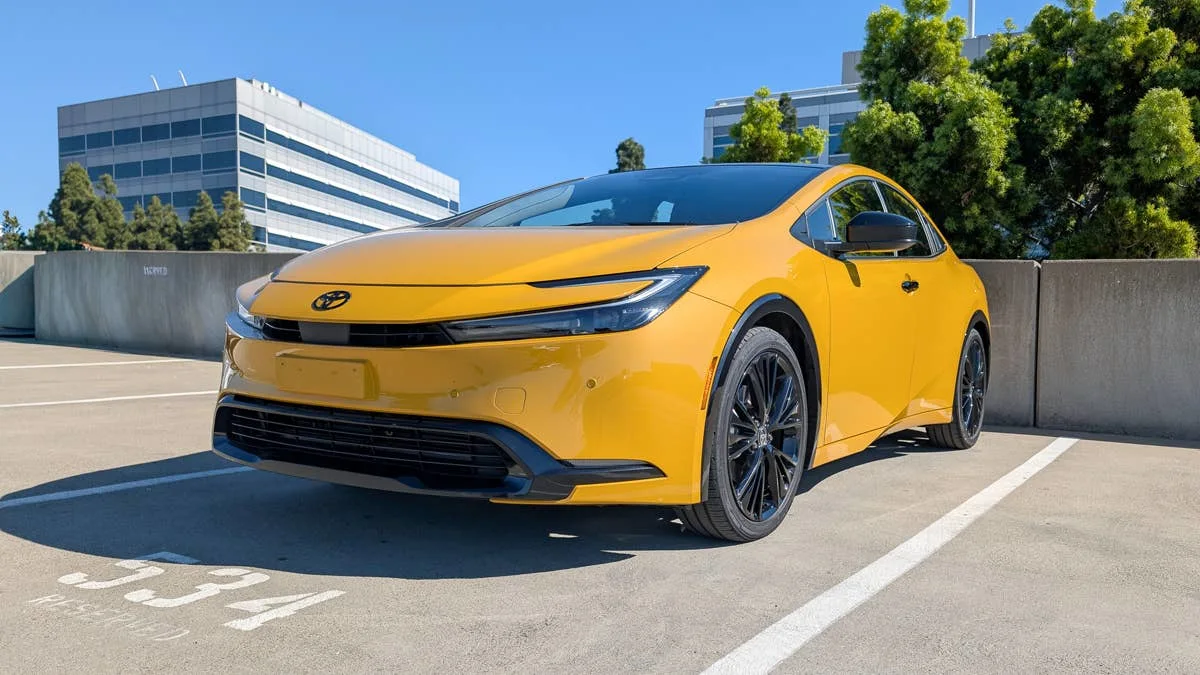
Toyota has a strong reputation for building dependable vehicles with relatively affordable maintenance requirements. Models such as the Corolla, Camry, and RAV4 are popular choices among buyers who want predictable running costs. Their established engineering, broad parts availability, and extensive service networks make routine maintenance relatively straightforward in many markets.
Routine expenses generally include engine oil changes, filters, brake inspections, tire rotations, coolant servicing, and periodic replacement of wear components.
Many Toyota petrol engines have straightforward maintenance schedules, allowing independent workshops to handle common jobs without specialized equipment for every procedure. The exact service intervals depend on the model, engine, and driving conditions.
Toyota’s broad presence also helps keep replacement parts accessible. Common service items are widely stocked, and mechanics often have substantial experience working on popular models.
This can reduce diagnostic time and make repairs easier to arrange. However, imported models, uncommon powertrains, and vehicles with extensive electronic equipment may require more expensive parts or specialist attention.
Hybrid vehicles such as the Prius and hybrid versions of the Corolla and Camry can offer additional savings in suitable driving conditions. Regenerative braking reduces reliance on conventional friction brakes, while the petrol engine may run less frequently during low-speed driving.
Hybrid battery replacement can be expensive if required outside warranty coverage, so buyers should consider battery condition when evaluating older vehicles.
For a ten-year ownership plan, a budget of roughly $6,000 to $8,000 for maintenance and repairs is a reasonable illustrative starting point for many mainstream Toyota models in the US. This is not a guaranteed brand-wide figure.
Low annual mileage and preventive servicing can keep costs down, while heavy use, neglected maintenance, or major component failures can increase the total substantially.
2. Honda
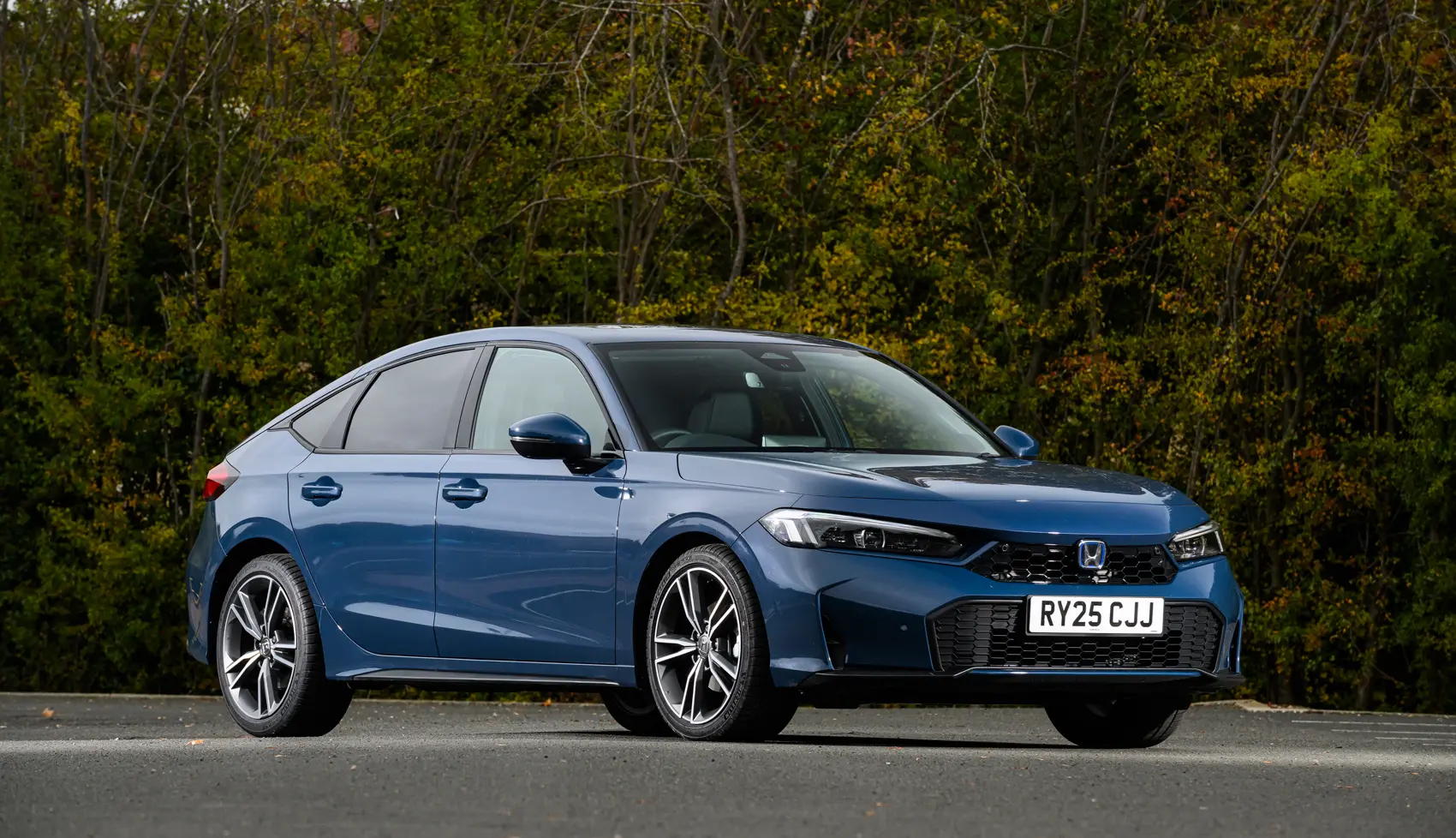
Honda earns a place near the top of this list because its mainstream vehicles combine practical engineering with generally manageable maintenance requirements. The Civic, Accord, and CR-V appeal to drivers who want everyday usability without the servicing expenses commonly associated with premium European vehicles. Their popularity also gives owners access to a wide network of repair shops.
Regular maintenance usually involves engine oil, filters, brake fluid, tires, and inspections of belts, hoses, suspension components, and other wear items.
Depending on the engine, spark plugs and transmission fluid also require periodic attention. Following the manufacturer’s maintenance schedule is especially important for drivers who make frequent short trips or spend long periods in congested traffic.
Honda’s engines have earned a reputation for durability, but reliability does not eliminate the need for careful maintenance. Some models use turbocharged engines, continuously variable transmissions, or more advanced driver-assistance systems.
These components can introduce additional servicing requirements or higher repair bills compared with simpler vehicle designs. Buyers should assess the specific model year rather than assuming every Honda has identical ownership costs.
Parts availability is another advantage for Honda owners. Popular models have a substantial aftermarket parts supply, and many independent mechanics are familiar with their common service needs.
Choosing a reputable workshop can help control labor expenses, provided the vehicle remains within warranty requirements and the work follows appropriate technical procedures.
A ten-year budget of approximately $7,000 to $9,000 provides a useful planning range for many mainstream Honda models in the US. Actual expenses depend on mileage, model choice, repair history, and local labor prices. A carefully maintained Civic may cost less to keep running than a larger, heavier vehicle with more expensive tires and additional mechanical equipment.
3. Mazda
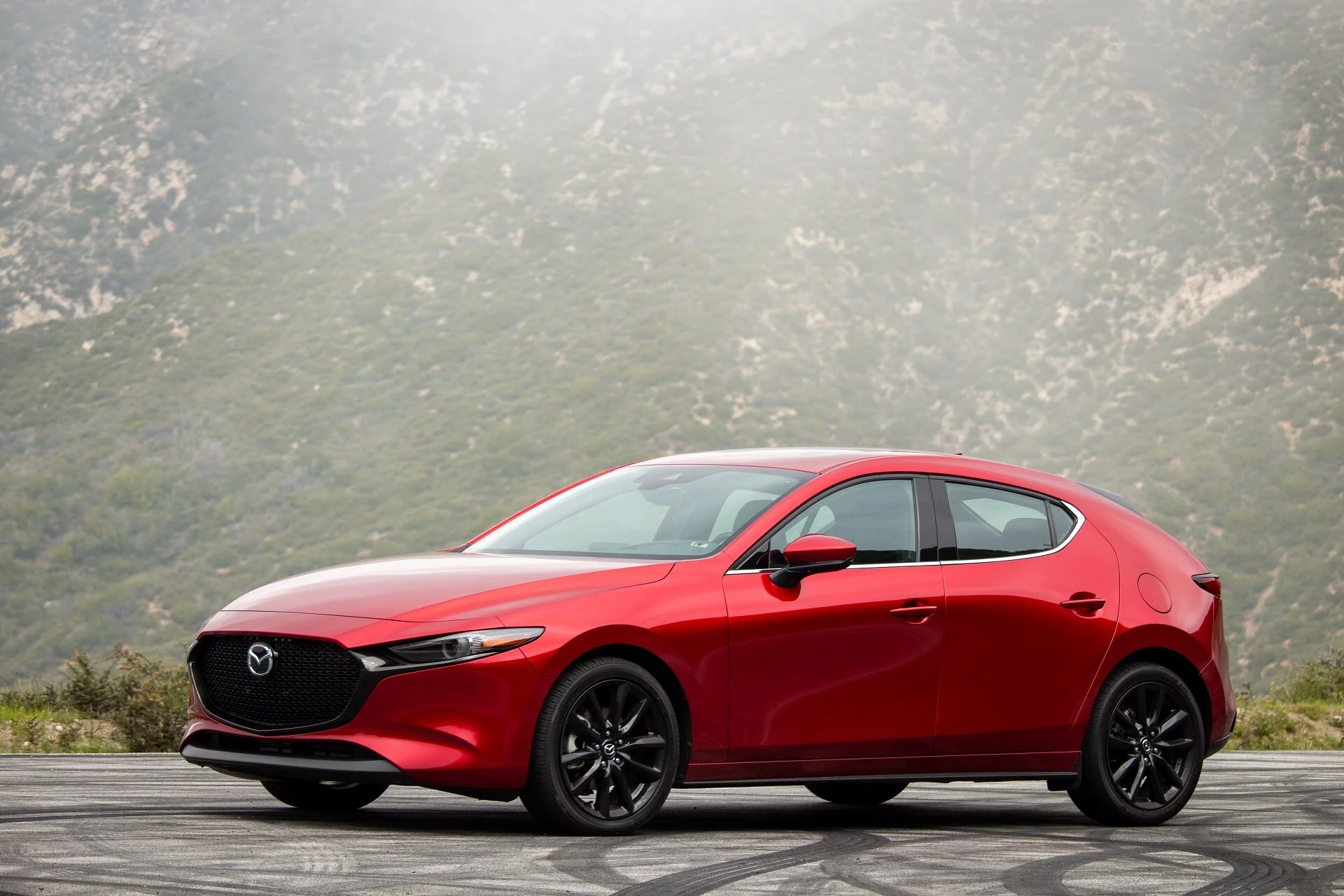
Mazda is an appealing choice for buyers who value driving comfort, attractive styling, and reasonable long-term expenses. Models such as the Mazda3 and CX-5 use conventional petrol powertrains in many versions, helping owners avoid some of the maintenance complexity associated with certain advanced drivetrains.
The brand’s mainstream positioning also keeps its servicing needs more accessible than those of luxury marques.
Routine maintenance generally covers oil and filter changes, tire rotation, brake inspections, fluid replacement, and checks of the suspension and cooling system.
Some maintenance items require attention at specific mileage or age intervals, even when the vehicle appears to run perfectly. Following the owner’s manual helps prevent inexpensive maintenance tasks from turning into avoidable repairs.
Mazda vehicles often provide a relatively straightforward ownership experience, but model selection still matters. Naturally aspirated petrol engines may have different repair risks and servicing costs from turbocharged alternatives.
All-wheel-drive systems, larger wheels, and more complex equipment can also increase expenditure. Before purchasing a used Mazda, buyers should review service records and check for unresolved recalls or known model-specific issues.
Replacement parts are generally available for popular Mazda models, particularly in markets where the brand has an established dealer network.
Some components may cost more or take longer to obtain than equivalent parts for the most common Toyota or Honda vehicles. Local workshop experience can therefore influence the final bill, especially for electronic systems and less common variants.
For ten years of ownership, approximately $7,000 to $9,000 is a reasonable illustrative maintenance and repair budget for many mainstream Mazda vehicles in the US. This range is intended for financial planning rather than precise prediction.
A vehicle driven gently and serviced on time may remain below it, while extensive annual driving or a major mechanical failure can push costs higher.
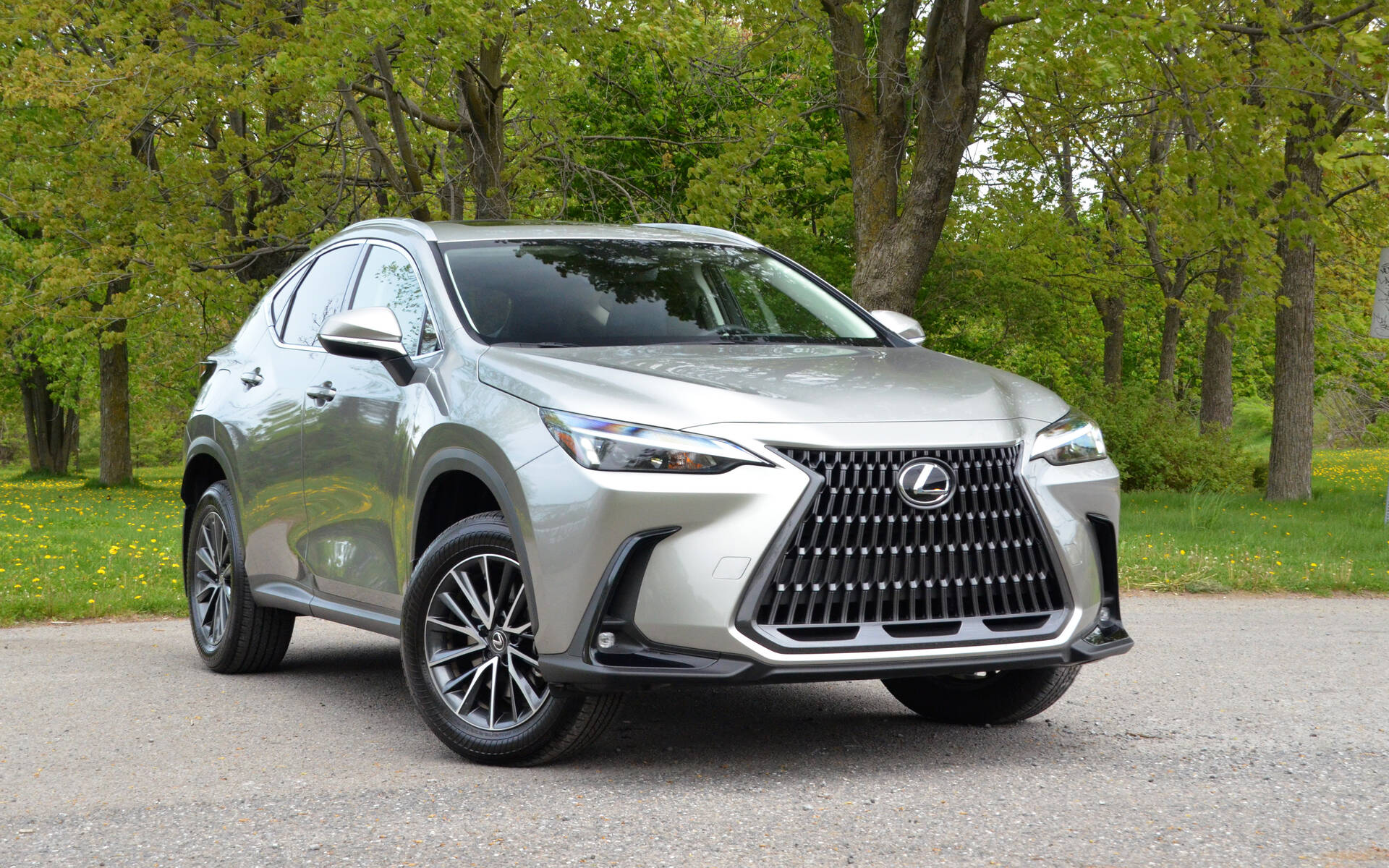
4. Lexus
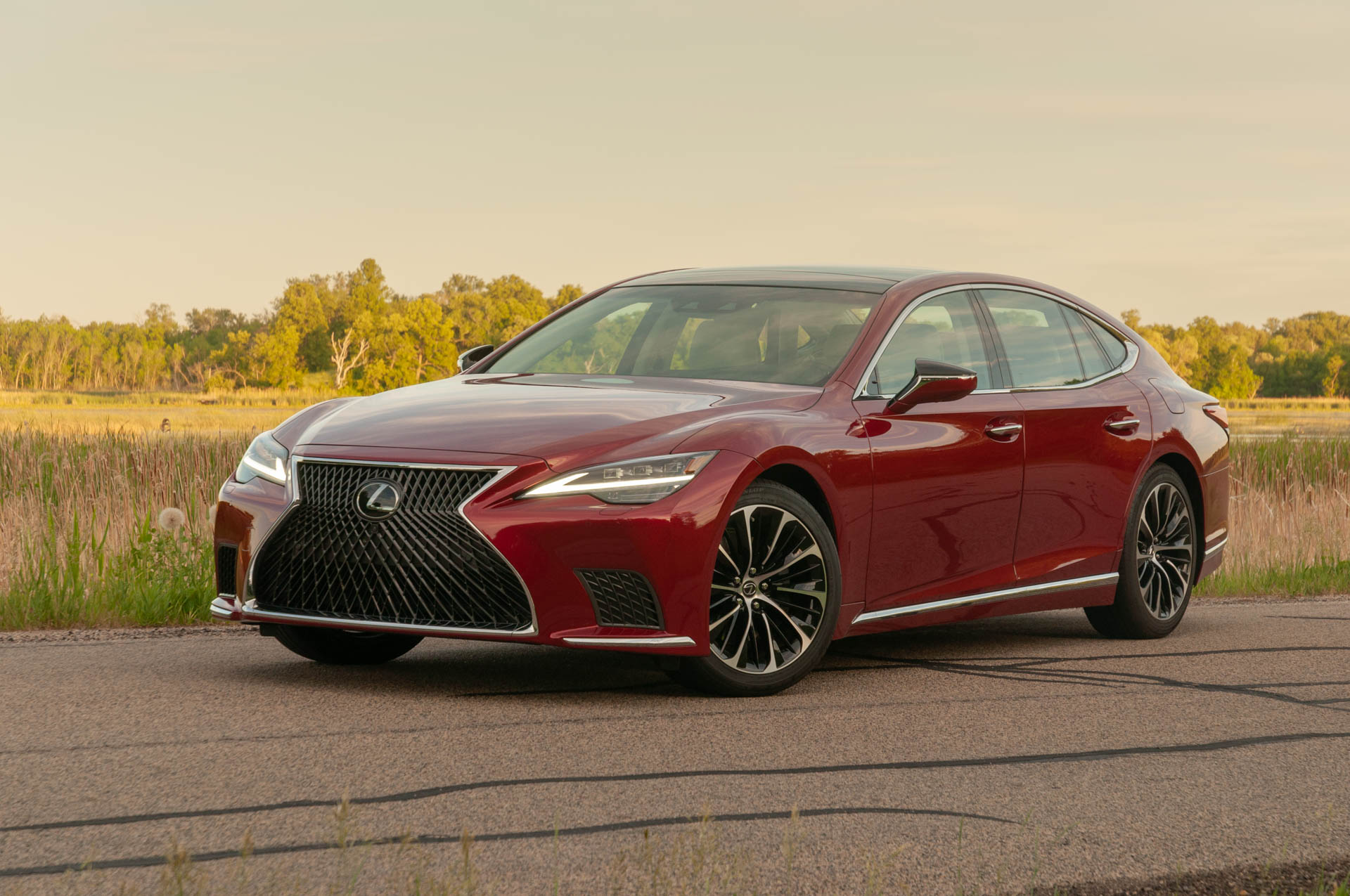
Lexus demonstrates that a premium vehicle does not automatically require exceptionally high maintenance spending. As Toyota’s luxury brand, Lexus benefits from shared engineering expertise and a reputation for dependable vehicles.
Models such as the ES and NX can appeal to buyers seeking greater comfort and refinement without the ownership costs sometimes associated with higher-performance luxury brands.
Routine servicing includes oil changes, filters, brake inspections, tire replacement, fluid checks, and scheduled maintenance for the engine and transmission.
Lexus vehicles may also feature more sophisticated climate control, safety systems, suspension equipment, and cabin electronics. These features improve comfort but can raise repair expenses when components fail outside warranty coverage.
Hybrid Lexus models may provide lower fuel consumption and reduced brake wear in suitable conditions. Their hybrid systems require appropriate inspections, and the condition of the high-voltage battery deserves attention when shopping for an older example. A hybrid battery can last many years, but its replacement cost may be substantial if coverage has expired.
The difference between Lexus and Toyota maintenance costs often comes down to vehicle class, equipment, and component prices.
Luxury models may require larger tires, premium replacement parts, or more expensive electronic components. Even when the underlying mechanical design is durable, repairs involving specialized equipment or advanced safety technology can be costly.
An illustrative ten-year budget of $7,500 to $10,000 may suit many mainstream Lexus models in the US, depending on mileage and service history.
Buyers considering a used Lexus should prioritize a complete maintenance record and a professional inspection. Paying more for a well-maintained vehicle can be financially sensible when compared with purchasing a neglected example at a lower price.
5. Mitsubishi
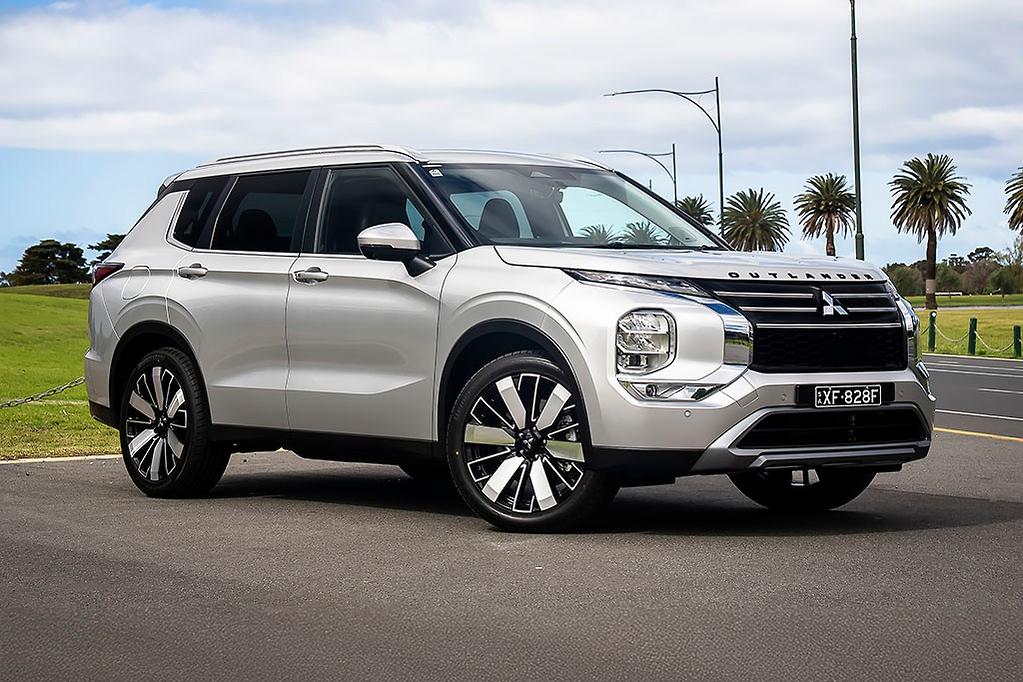
Mitsubishi can be worth considering for buyers seeking practical transportation and relatively affordable routine servicing. Models such as the Outlander and Eclipse Cross provide useful everyday features without positioning the brand at the luxury end of the market. In areas where Mitsubishi has a strong dealer and parts network, basic maintenance can remain manageable.
Regular maintenance includes oil and filter changes, brake inspections, tire replacement, fluid checks, and scheduled attention to the transmission and cooling system.
Certain vehicles use continuously variable transmissions, which require the correct fluid and maintenance procedures. Ignoring these requirements can increase the risk of expensive repairs, particularly in vehicles used for frequent city driving.
Mitsubishi’s maintenance costs depend heavily on the vehicle’s age and the availability of parts in the owner’s region. Common service components are generally easier to source than uncommon electronic or drivetrain parts. In markets with fewer dealerships, owners may face longer waiting times or higher shipping charges for specialized components.
Buyers should also consider the difference between routine servicing and long-term reliability. Affordable oil changes do not guarantee that every major component will remain trouble-free.
Checking the service history, inspecting the suspension, and confirming that transmission maintenance has been completed can help reduce financial uncertainty when purchasing a used Mitsubishi.
For a decade of ownership, a provisional budget of $7,500 to $10,000 offers a broad planning range for many mainstream Mitsubishi vehicles in the US. This estimate is not a verified average for every model. Local labor rates, annual mileage, warranty coverage, and parts availability can move the actual total significantly in either direction.
6. Nissan
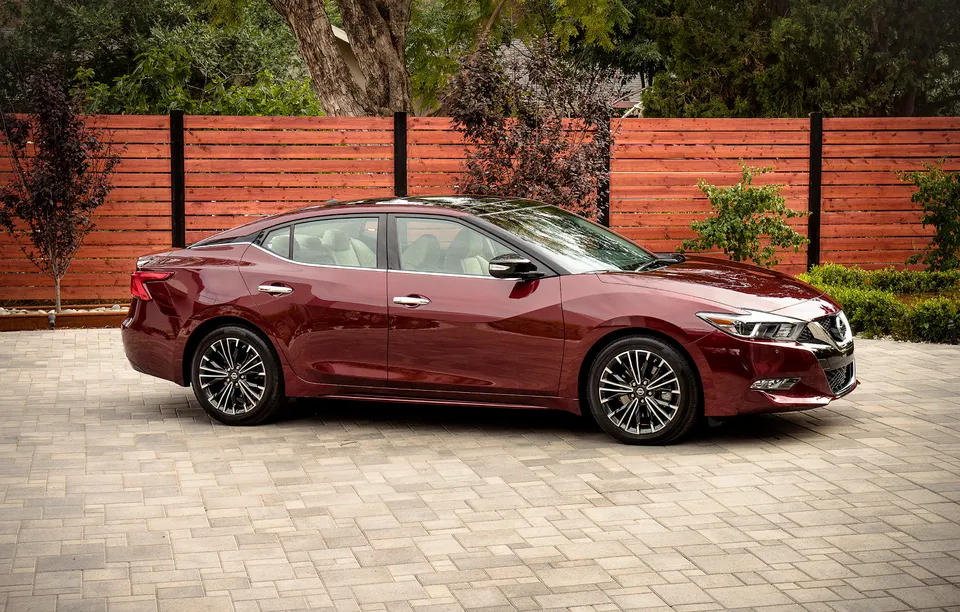
Nissan offers a broad selection of affordable vehicles, including the Sentra, Altima, and Rogue. Their competitive purchase prices can make them attractive to households seeking practical daily transportation.
Maintenance costs can be reasonable when routine servicing is completed on time, replacement parts are readily available, and the chosen model has a satisfactory reliability record.
Scheduled service commonly involves engine oil, filters, brake components, tires, and inspections of fluids and suspension parts. Transmission maintenance deserves particular attention in models equipped with continuously variable transmissions.
Owners should follow the specific manufacturer’s recommendations rather than relying on generic service intervals or assuming that every transmission uses the same fluid.
Nissan ownership expenses can vary significantly by model year and drivetrain. Certain vehicles may require costly transmission repairs, which can quickly outweigh years of relatively inexpensive routine servicing. This does not mean every Nissan will experience transmission trouble, but it does make a careful model-specific reliability check particularly important before buying a used example.
Parts availability is generally favorable for popular Nissan models in the US. Common components can be obtained through dealerships, independent suppliers, and aftermarket distributors.
However, availability and pricing may differ for less common models or specialized electronic components. Choosing a workshop familiar with the vehicle can help ensure accurate diagnosis and avoid unnecessary parts replacement.
A ten-year maintenance and repair allowance of roughly $8,000 to $11,000 is a broad illustrative estimate for many mainstream Nissan vehicles. The actual amount may be lower for a well-maintained car or higher if a major component fails.
Buyers should compare service records, warranty terms, and model-specific repair risks before treating a low purchase price as evidence of inexpensive long-term ownership.
7. Hyundai
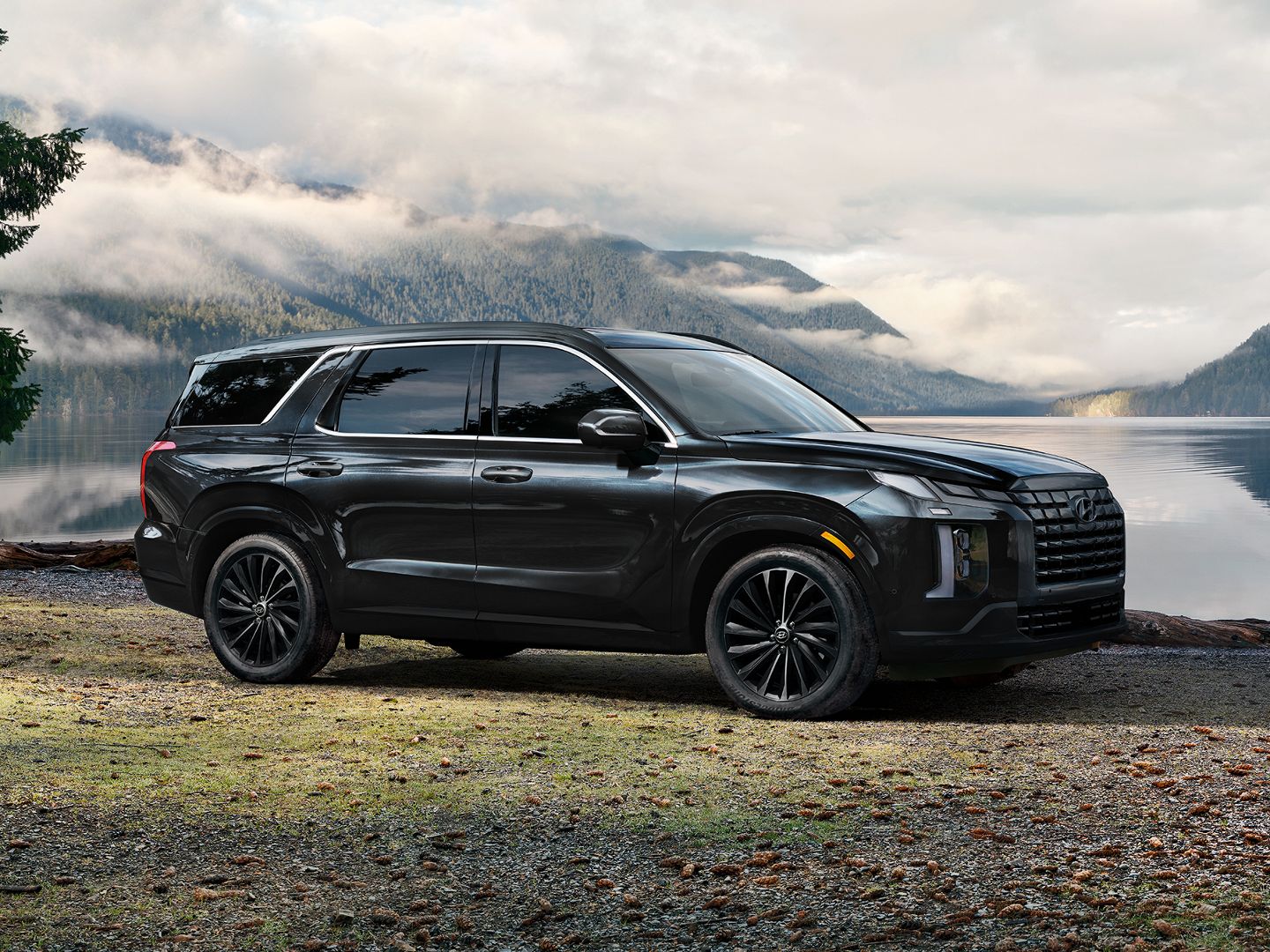
Hyundai has become a popular choice among drivers looking for modern features, competitive pricing, and manageable ownership expenses.
Models such as the Elantra, Sonata, and Tucson cover a range of needs, from commuting to family transport. The brand’s extensive presence in the US also supports access to routine service facilities and commonly needed replacement parts.
Regular maintenance generally includes oil changes, filters, brake inspections, tire rotation, fluid servicing, and checks of the engine, cooling system, and suspension. The precise schedule varies with the engine and model year. Vehicles fitted with turbochargers or more advanced transmissions may have specific service requirements that owners should understand before purchasing.
Hyundai’s warranty coverage can be a major advantage for eligible new-car buyers. Depending on the vehicle, market, ownership status, and warranty conditions, certain repairs may be covered during the early years of ownership.
Coverage does not eliminate routine servicing costs, and buyers should read the warranty terms carefully to understand exclusions, mileage limits, and maintenance obligations.
Reliability should be evaluated by engine and model year rather than by brand reputation alone. Certain Hyundai vehicles have faced significant engine-related concerns or recalls, while other models have delivered satisfactory service. Checking the vehicle identification number for outstanding recalls and reviewing maintenance records can help buyers avoid preventable expenses.
For a ten-year ownership plan, approximately $8,000 to $11,000 is a reasonable illustrative range for maintenance and repairs on many mainstream Hyundai models in the US.
Actual costs depend on driving conditions, warranty protection, and the vehicle’s mechanical history. A careful pre-purchase inspection is particularly valuable when buying an older car with limited documentation.
8. Subaru
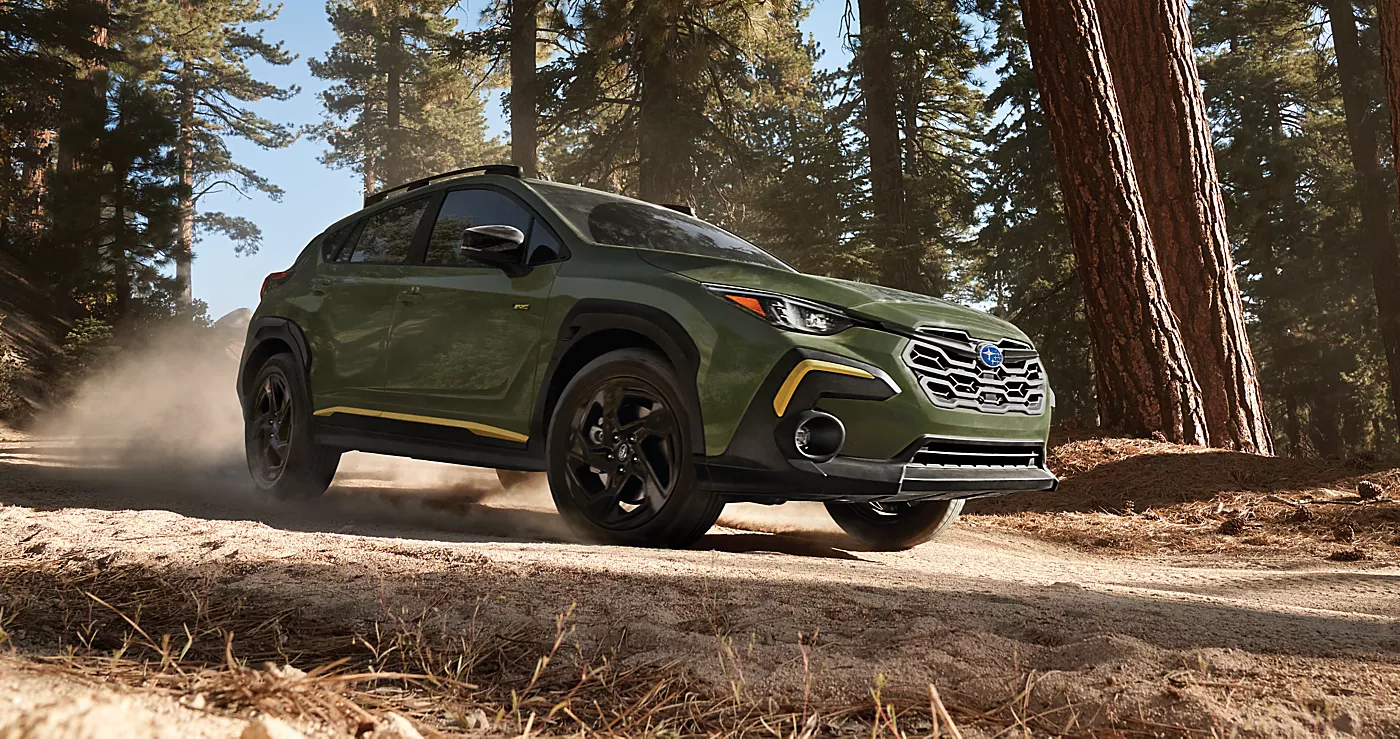
Subaru appeals to drivers who value all-wheel drive, practical interiors, and confident handling in changing weather. Models such as the Impreza, Forester, and Outback are popular among households that need versatile transportation. However, all-wheel-drive equipment and some specialized mechanical components can increase maintenance expenses compared with simpler front-wheel-drive vehicles.
Routine service includes oil and filter changes, tire rotation, brake inspections, fluid replacement, and scheduled checks of drivetrain components.
On all-wheel-drive models, maintaining suitable tires is especially important because differences in tire diameter or tread depth can place additional strain on drivetrain systems. Replacing tires as a compatible set may increase immediate costs but can help prevent mechanical problems.
Subaru’s horizontally opposed engines have a distinctive design that influences packaging and repair procedures. Many routine maintenance tasks remain straightforward, but some repairs can require more labor than comparable work on conventional engine layouts.
The exact difference depends on the model and repair, so a knowledgeable technician is useful when diagnosing unusual noises, leaks, or warning lights.
Transmission condition, cooling system health, and documented servicing deserve close attention when evaluating a used Subaru. All-wheel-drive components can be durable, but neglected fluid changes or mismatched tires may create avoidable expenses. A full mechanical inspection can identify leaks, suspension wear, and other developing problems before they become costly repairs.
A broad ten-year budget of $8,500 to $11,500 is a reasonable illustrative allowance for many mainstream Subaru models in the US. Drivers who regularly travel on rough roads or cover high annual mileage may spend more.
Those who maintain their vehicles carefully and avoid unnecessary modifications may achieve lower costs, particularly when common service parts remain readily available.
9. Kia
Kia has established itself as a competitive mainstream brand by offering practical vehicles with modern technology and attractive pricing.
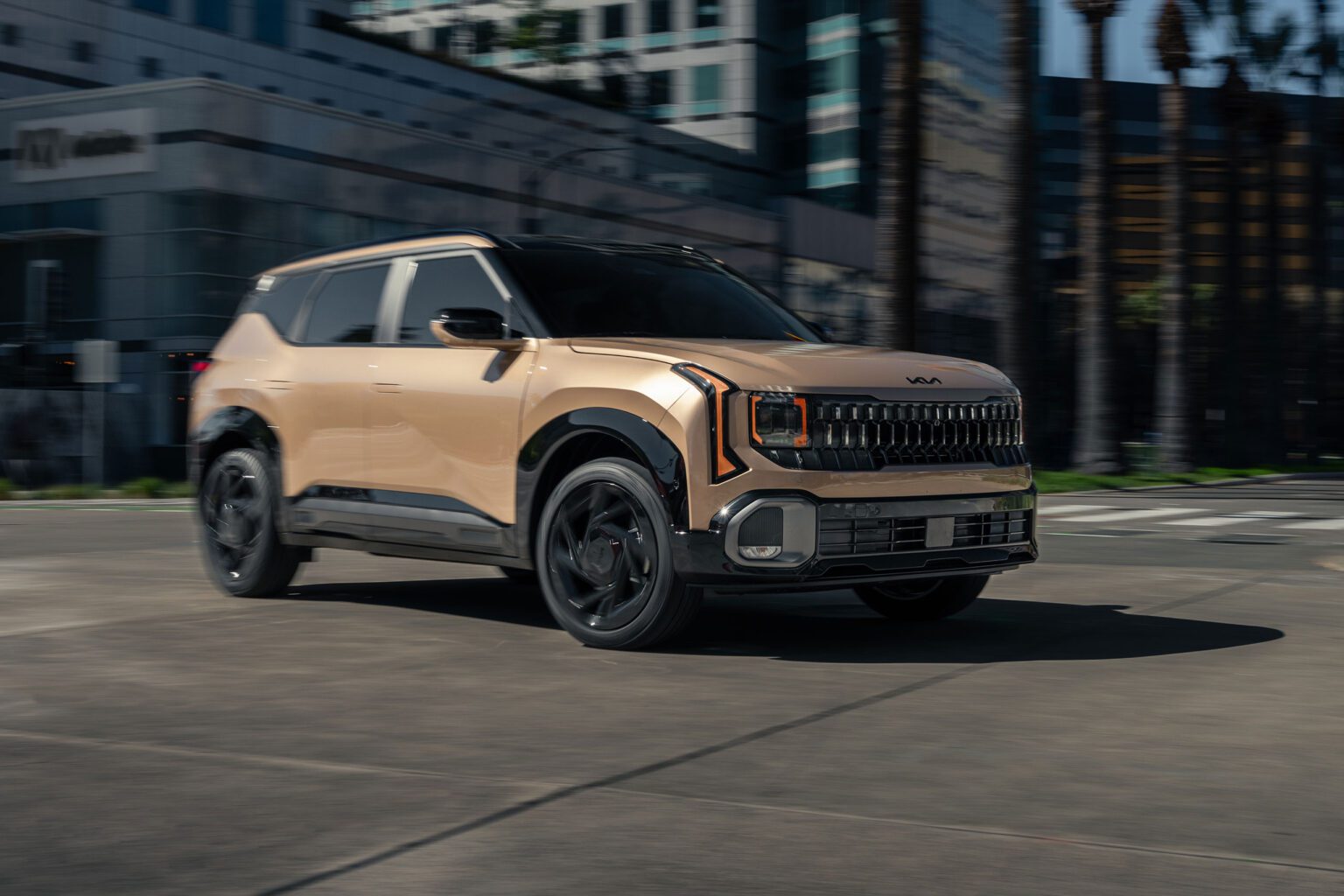
Models such as the Forte, K4, Sportage, and Sorento appeal to different types of buyers. For households planning to keep a vehicle for many years, the combination of purchase price, warranty coverage, and routine servicing can be appealing.
Typical maintenance expenses include engine oil, filters, brake pads, tires, fluids, and inspections of major mechanical systems. The cost of replacement parts depends on the model, engine, and equipment level.
Larger SUVs generally require more expensive tires than compact sedans, while turbocharged powertrains and advanced electronics may add to repair bills in certain circumstances.
Kia’s warranty programs can reduce exposure to eligible mechanical repair expenses during the covered period. However, warranty protection varies by market and may depend on whether the vehicle is privately owned, commercially used, or purchased second-hand.
Buyers should verify the remaining coverage rather than assuming that the original warranty automatically transfers in full to every subsequent owner.
Model-specific reliability deserves careful consideration. Certain Kia vehicles have experienced engine problems, recalls, or other issues that may affect long-term repair costs. These concerns do not apply equally to every model or production year. Reviewing official recall information, maintenance documentation, and independent inspection findings is more useful than relying solely on a brand-wide reputation.
For a ten-year maintenance and repair budget, approximately $8,500 to $11,500 is a broad illustrative range for many mainstream Kia vehicles in the US. Actual expenditure can differ substantially according to mileage, service history, and warranty eligibility.
Buyers who intend to keep their car beyond the warranty period should also consider parts availability and the cost of repairing model-specific components.
10. Buick
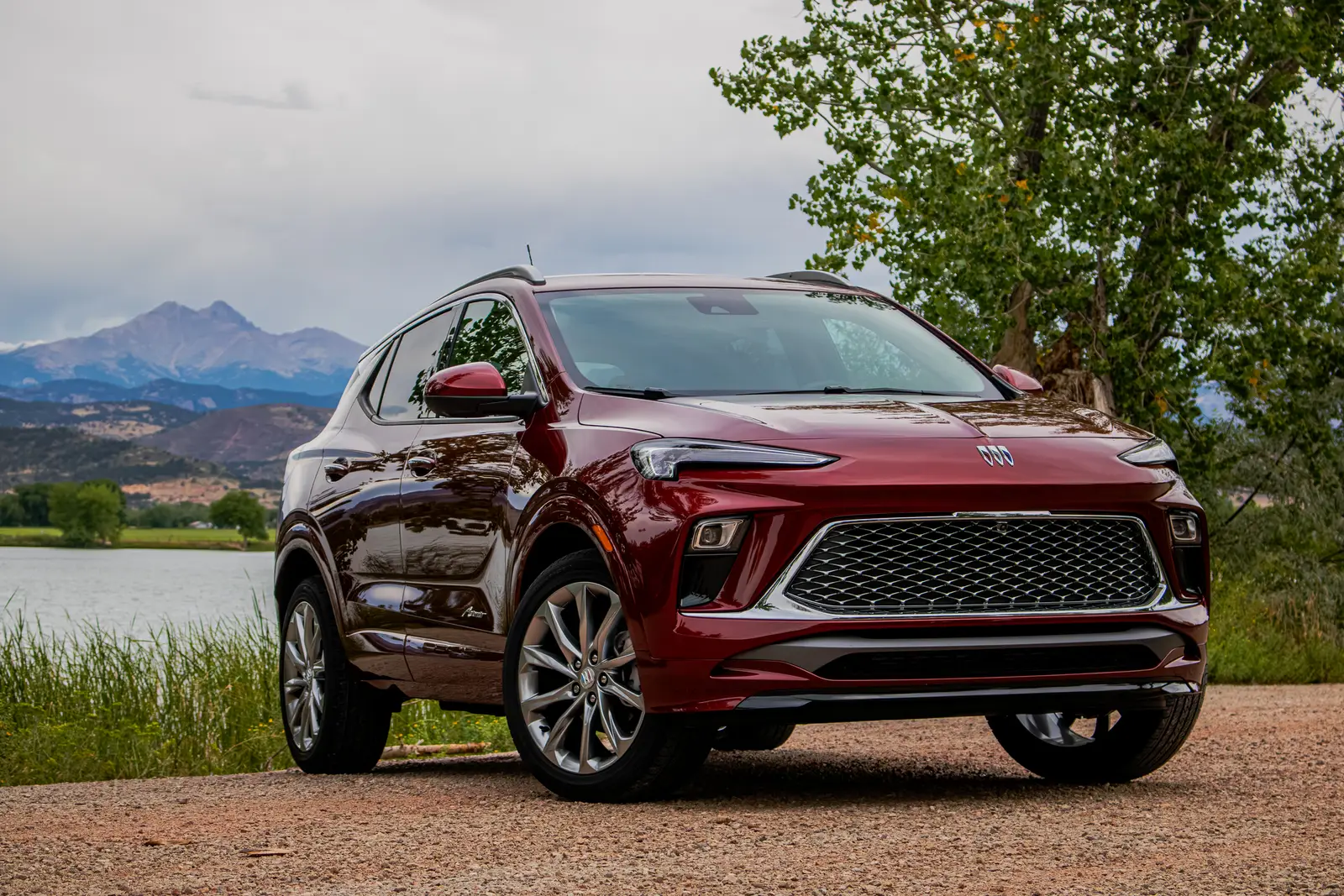
Buick rounds out this list as a mainstream American brand with a comfort-focused lineup. Models such as the Envista, Encore GX, and Envision offer a mixture of practical dimensions, modern safety equipment, and quiet cabins.
While Buick is positioned above some economy brands in terms of refinement, its maintenance costs can remain more manageable than those of many high-end luxury vehicles.
Routine maintenance includes engine oil and filter changes, tire rotations, brake inspections, fluid replacements, and checks of the cooling system and suspension. Certain models use turbocharged engines and automatic transmissions that require proper servicing. Larger wheels, more complex equipment, and electronic features can raise replacement costs as vehicles age.
The availability of General Motors parts and service facilities can make ownership convenient in many parts of the US. Common maintenance items are often accessible through dealerships and independent repair shops.
However, the cost of a repair can depend on whether the fault involves a simple mechanical component, a specialized electronic module, or a more complicated drivetrain assembly.
Buyers considering a used Buick should review service documentation and investigate the reliability of the specific model year. A vehicle with a clean maintenance history and no outstanding recalls may provide more predictable expenses than a neglected example.
Checking the operation of infotainment equipment, driver-assistance systems, air conditioning, and transmission components is also worthwhile before completing a purchase.
An illustrative ten-year maintenance and repair allowance of $9,000 to $12,000 may be suitable for budgeting purposes across many mainstream Buick models in the US. This range is not a measured average across the entire lineup. Actual costs depend on the vehicle’s design, annual mileage, repair history, local labor rates, and the availability of replacement components.