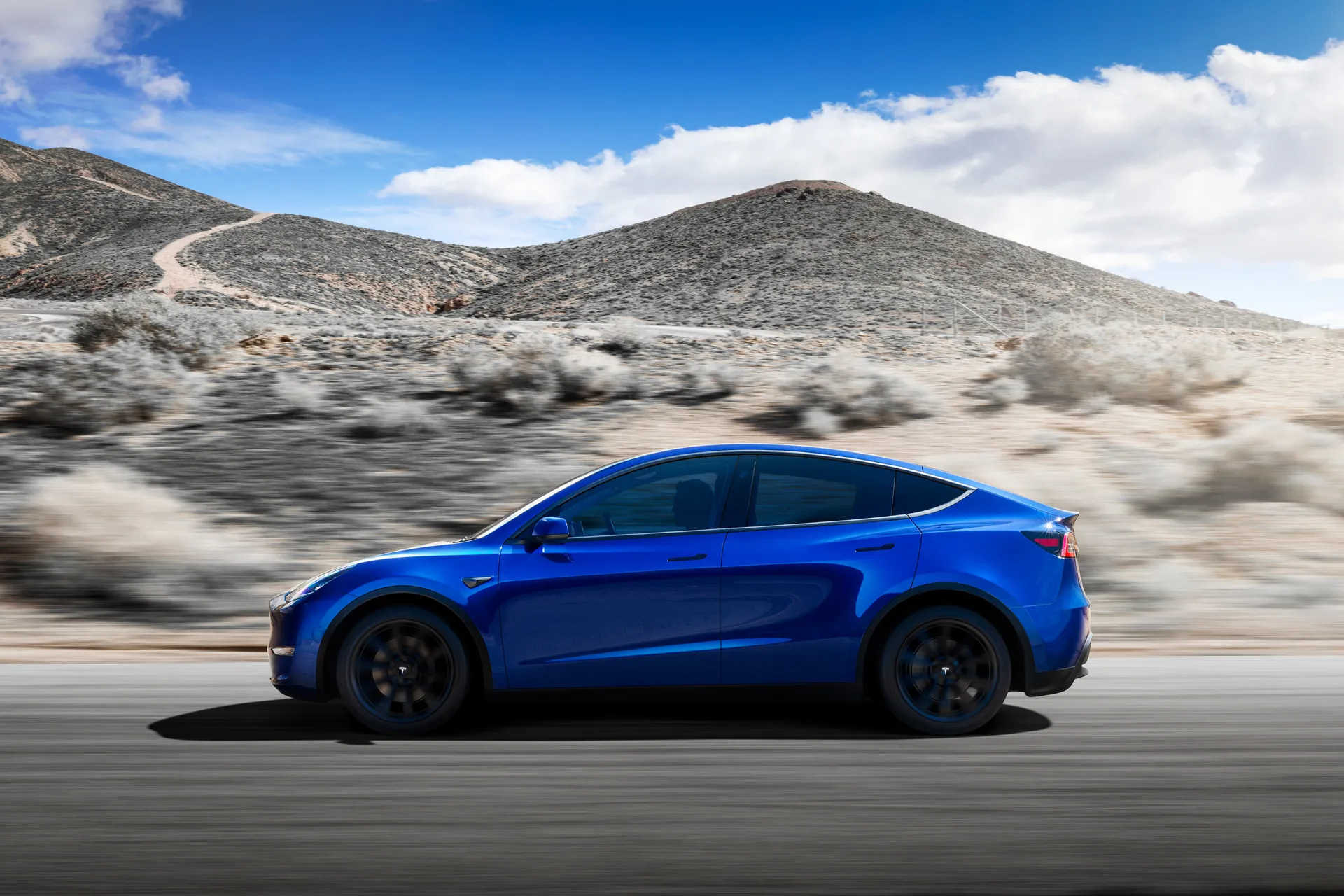
The electric vehicle market has grown rapidly as drivers seek lower running costs, modern technology, and cleaner transportation. However, some electric cars have attracted complaints involving battery performance, charging difficulties, software faults, build quality, and unexpected repairs.
Understanding these concerns can help buyers make informed decisions before choosing an electric vehicle. This article examines 14 electric vehicles associated with notable owner complaints and reliability concerns. The list is an editorial overview, not an official numerical ranking.
IIHS does not rank electric vehicles by complaint volume, and exact positions require comparable complaint records from the relevant regulatory databases.
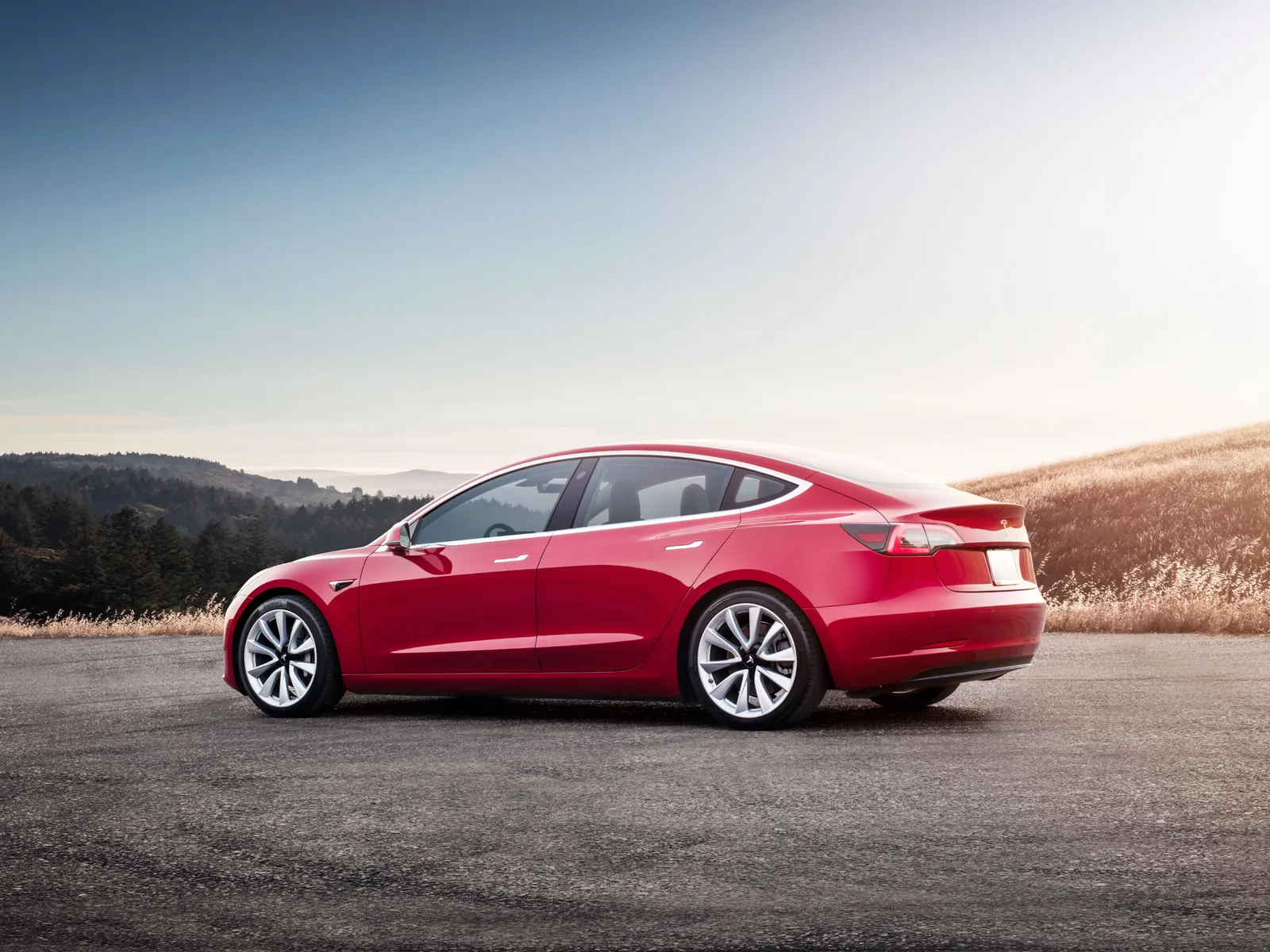
1. Tesla Model 3
The Tesla Model 3 has become a prominent electric sedan because of its driving range, acceleration, charging access, and minimalist interior. Its widespread adoption also means that owner experiences cover many driving conditions and production years.
Reported concerns have included inconsistent panel alignment, paint imperfections, suspension noises, touchscreen problems, and difficulties obtaining timely repairs in certain markets.
Some owners have reported issues involving steering components, suspension parts, or unusual noises over rough roads. These concerns can vary by production year, mileage, road conditions, and maintenance history. A noise does not necessarily indicate a serious defect, but unexplained changes in steering feel or suspension performance deserve a professional inspection.
The cabin design has also generated mixed reactions. Many vehicle functions depend on the central touchscreen, which can make software reliability especially important.
Screen freezes, connectivity problems, or interface changes may affect everyday convenience. Buyers should test the display, cameras, climate controls, navigation, and charging functions before purchasing a used example.
Charging and range concerns require careful evaluation. Actual driving distance depends on temperature, speed, tire condition, battery age, and climate-control use. Cold weather can reduce available range, while repeated high-speed driving increases energy consumption. A used Model 3 should undergo an appropriate battery and charging-system assessment when its history raises concerns.
The Model 3 remains worth considering, but buyers should not rely solely on its reputation or advertised specifications. Review maintenance records, inspect bodywork, verify outstanding recalls, and check the condition of suspension components. A well-maintained vehicle with a documented service history may offer a substantially better ownership experience than an example with unresolved faults.
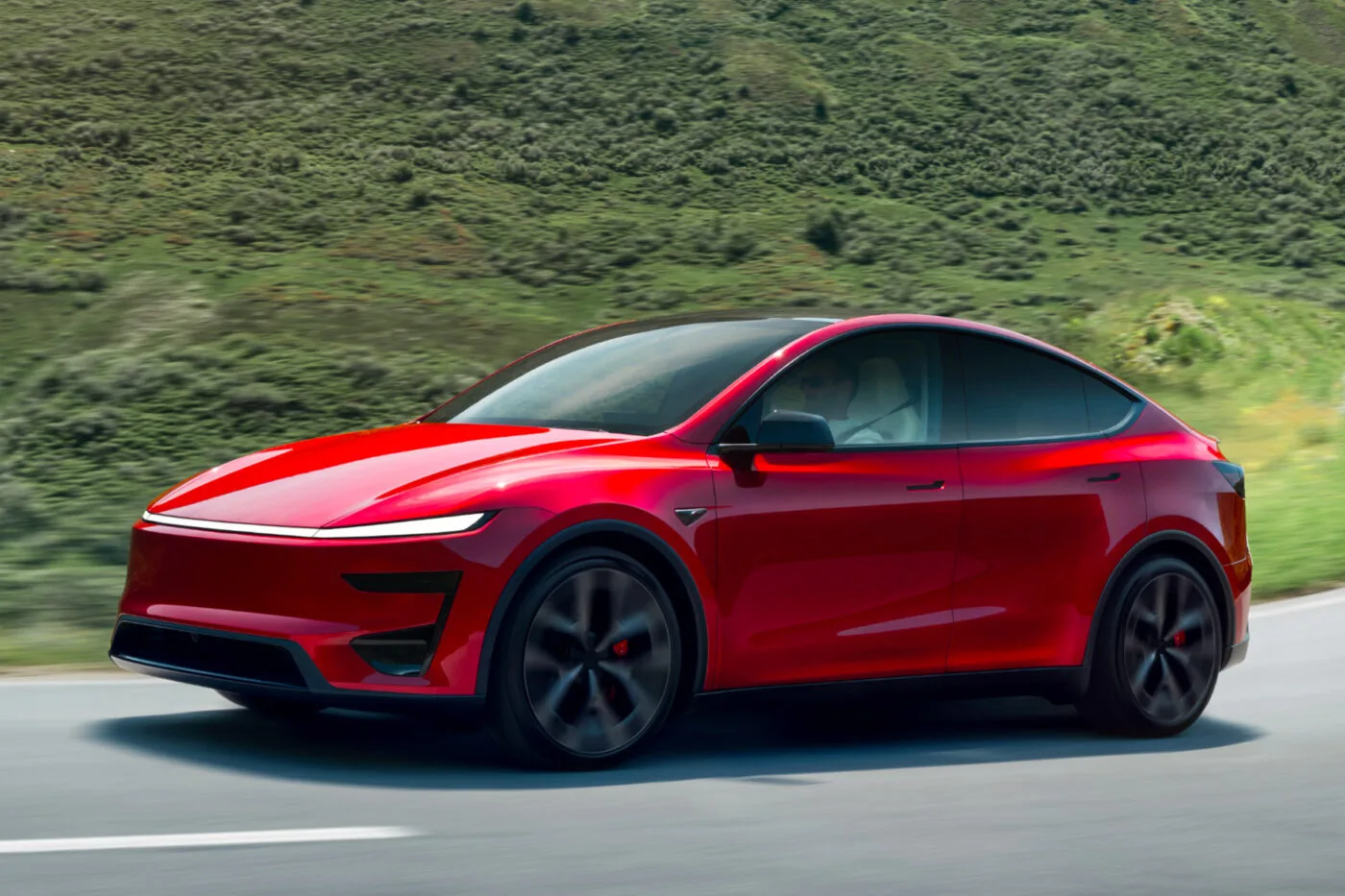
2. Tesla Model Y
The Tesla Model Y combines an electric powertrain with crossover practicality, generous cargo capacity, and software-based features. Its popularity has brought considerable attention to its assembly quality, suspension behavior, interior fittings, and electronic systems.
Reported owner concerns have varied across production periods, making model year and manufacturing history important when comparing individual vehicles.
Panel gaps, paint finish, interior trim, and noises from the cabin have appeared in owner discussions about some examples. Such concerns do not affect every Model Y, but they demonstrate why a careful physical inspection matters. Buyers should examine doors, tailgate alignment, weather seals, seat fittings, and exterior paint under suitable lighting.
Ride comfort has also been a concern for some drivers. Suspension tuning, wheel size, tire pressure, and road quality can influence how the vehicle handles bumps. Larger wheels may provide a sportier appearance, yet they can make road imperfections more noticeable. A test drive on several road surfaces can reveal whether the ride suits the buyer.
Software plays a central role in the Model Y experience. Updates can introduce new features or alter existing behavior, while connectivity and interface problems may interrupt normal use.
Prospective owners should verify that cameras, parking assistance, climate controls, navigation, and charging schedules operate correctly. Used buyers should also understand how the vehicle’s software features depend on account access and configuration.
Battery health and charging performance deserve equal attention. Range estimates are not guaranteed distances, and driving habits can substantially affect energy consumption.
Review charging records where available, check for warning messages, and confirm recall completion. These steps provide a more dependable assessment than assuming that every vehicle shares the same strengths and weaknesses.
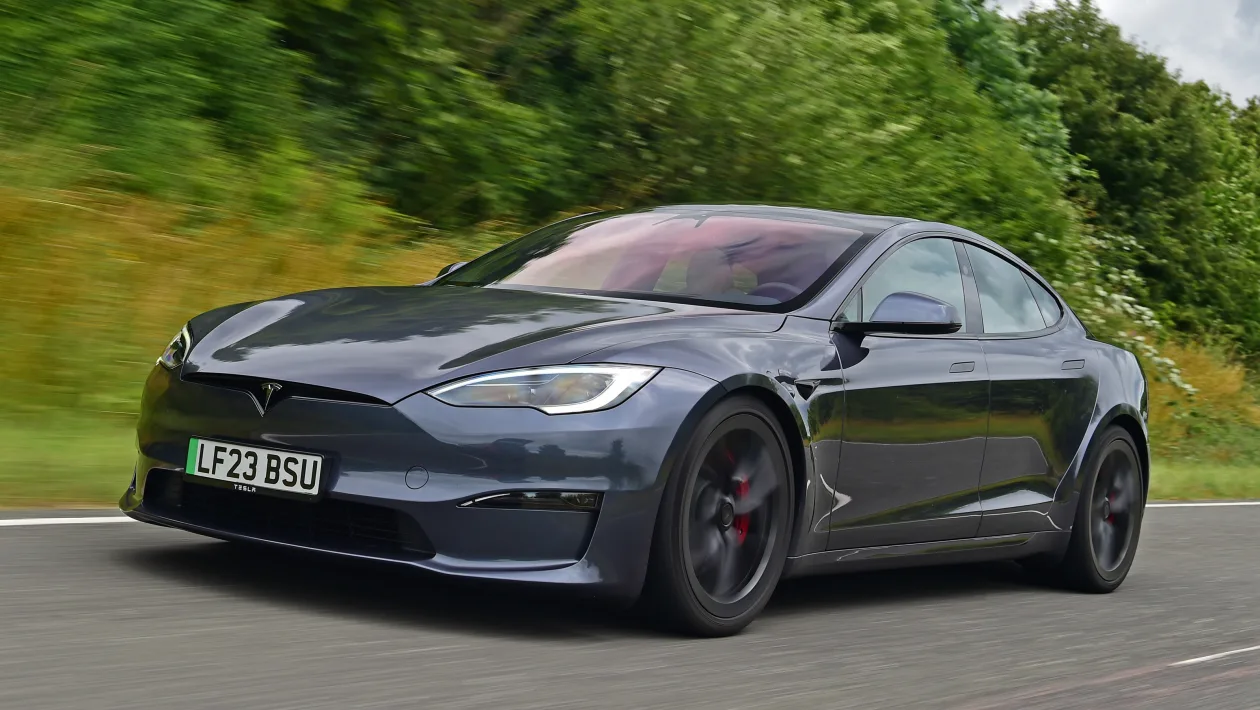
3. Tesla Model S
The Tesla Model S helped establish the appeal of long-range electric luxury sedans. Its strong acceleration, spacious cabin, and extensive technology remain attractive, particularly in the used market. However, older vehicles can present maintenance challenges associated with age, high mileage, complex electronics, and expensive replacement components.
Some owners have reported problems involving door handles, touchscreen systems, suspension parts, and electronic features. The exact issues depend on production year and vehicle configuration. Because the Model S has undergone multiple design and hardware revisions, a complaint affecting an older version should not automatically be attributed to every newer example.
Repair costs deserve particular attention when evaluating a used Model S. Components involving the battery, drive units, suspension, or specialized electronics can be costly outside warranty coverage. Buyers should obtain a detailed inspection from a technician familiar with the model and request documentation for major repairs already completed.
Battery performance should be assessed in relation to age, usage, and charging history. Reduced range can result from normal battery aging, weather, tire condition, and driving style.
More serious warning signs include persistent charging interruptions, power limitations, or battery-related alerts. A professional assessment can help distinguish ordinary aging from faults requiring repair.
A Model S may provide an appealing luxury experience, but its purchase price is only part of the ownership calculation. Insurance, tires, repairs, and the availability of qualified service facilities also matter. Buyers should compare the condition and maintenance history of individual cars rather than assuming that a lower used price represents better value.
4. Tesla Model X
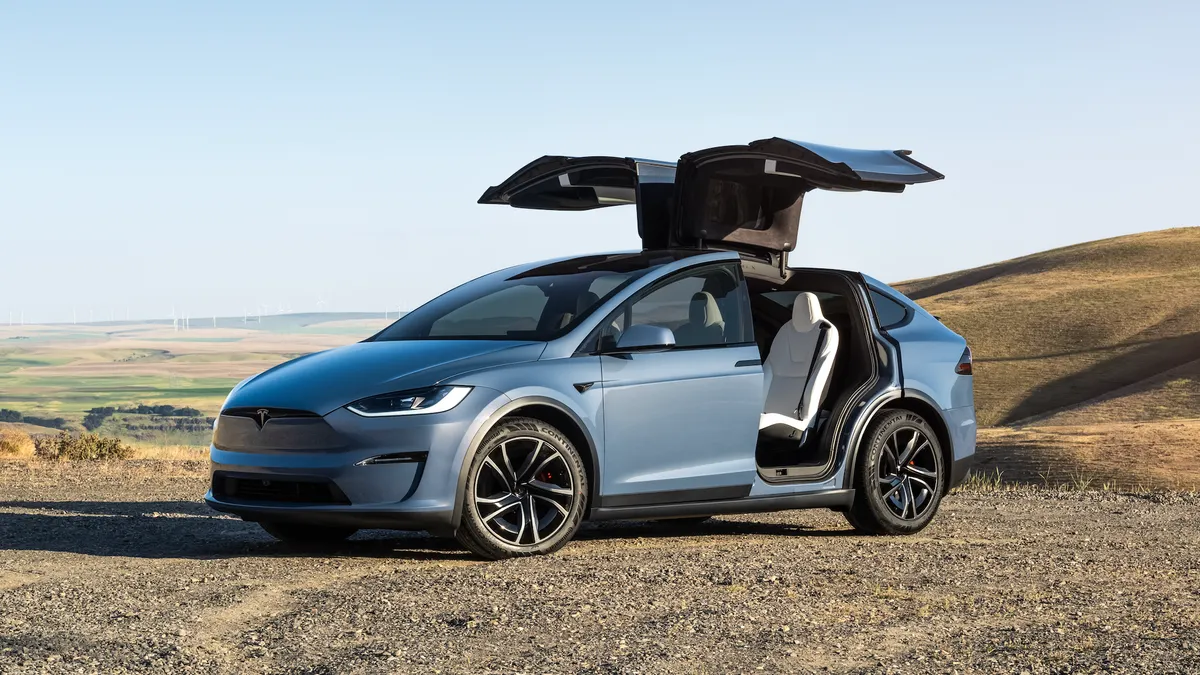
The Tesla Model X stands out for its spacious interior, distinctive rear doors, and strong electric performance. Its complex equipment and unusual door design can introduce additional maintenance considerations compared with simpler vehicles.
Reported concerns have included door operation, sensors, electrical components, suspension systems, and fit-and-finish inconsistencies on some examples.
The powered rear doors require particular attention during a used-car inspection. Their operation depends on motors, sensors, and control systems working together. Buyers should open and close both doors several times, check for warning messages, and confirm that the doors respond correctly in confined parking spaces and uneven surroundings.
Electronic systems can also affect the ownership experience. Cameras, displays, driver-assistance features, and climate controls should be tested before purchase. A fault may arise from software, a sensor, wiring, or a component failure, so a proper diagnostic assessment is preferable to guessing at the cause.
The vehicle’s weight and performance can place substantial demands on tires and suspension components. Uneven tire wear, vibration, unusual noises, or inconsistent handling may indicate maintenance needs. Tire replacement can be expensive, especially with larger wheel options, so buyers should include these costs in their budget.
A used Model X can suit families who need substantial space and electric performance, provided its condition is carefully verified. Check repair invoices, recall completion, door functionality, battery-related warnings, and warranty terms. Complex features are useful when they work correctly, but their condition matters more than their presence on a specification sheet.
5. Chevrolet Bolt EV
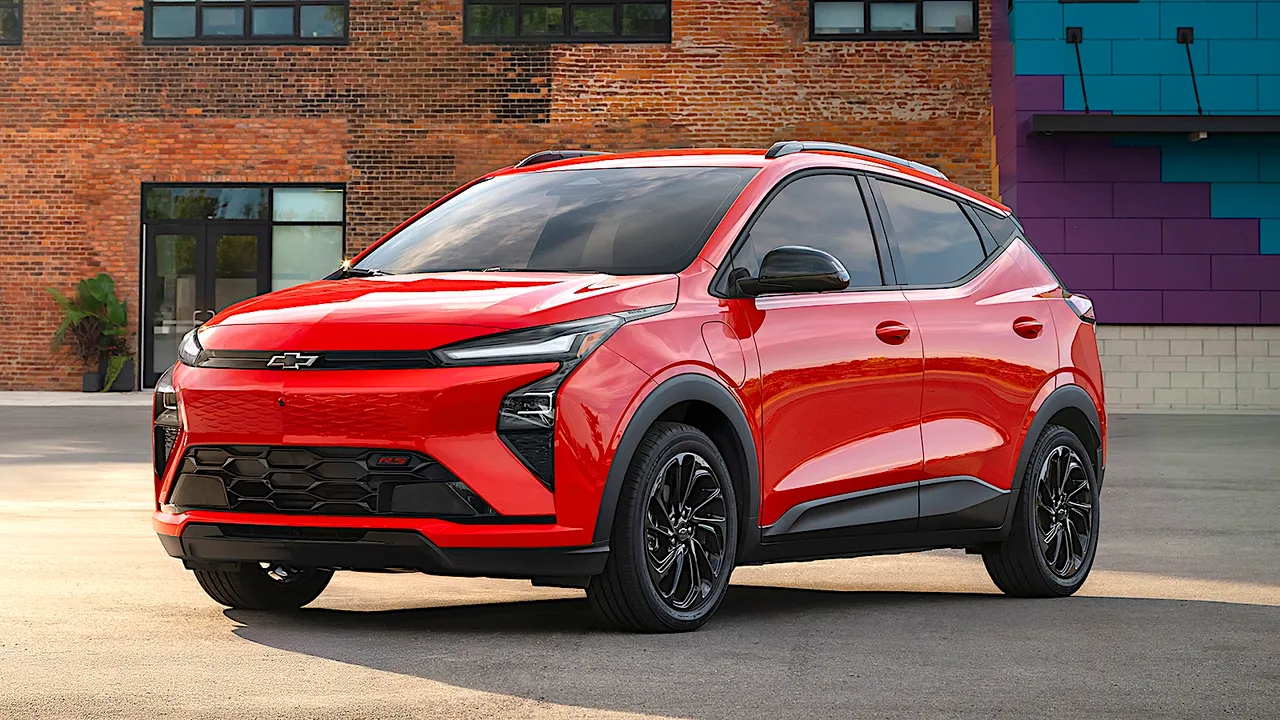
The Chevrolet Bolt EV became popular among buyers seeking an affordable electric car with practical interior space. Its compact dimensions and useful range made it appealing for commuting and everyday travel. However, certain model years became associated with high-voltage battery safety concerns, making recall history especially important for prospective buyers.
Battery-related recalls involving some Bolt EVs attracted considerable attention because of the potential for battery fires. Chevrolet and General Motors introduced recall remedies that varied according to the affected vehicles and circumstances.
Buyers must confirm the exact remedy completed for the specific vehicle rather than relying on a general statement that the model has been repaired.
Charging behavior and estimated range are other important considerations. As with other electric cars, the distance available depends on weather, speed, battery condition, and heating requirements.
A prospective owner should test charging equipment, review dashboard messages, and determine whether the vehicle’s available range meets regular travel needs.
Interior technology and infotainment can also influence satisfaction. Buyers should verify smartphone connectivity, display operation, charging-port condition, and climate controls. Older vehicles may require updates or repairs, and a pre-purchase inspection can identify faults that a short showroom visit might miss.
The Bolt EV can remain a practical used electric vehicle when its battery and recall history are documented. Confirm the vehicle identification number through official recall resources, request service paperwork, and check warranty eligibility.
Battery-related documentation is particularly important because the consequences of an unresolved high-voltage defect can be serious.
6. Hyundai Kona Electric
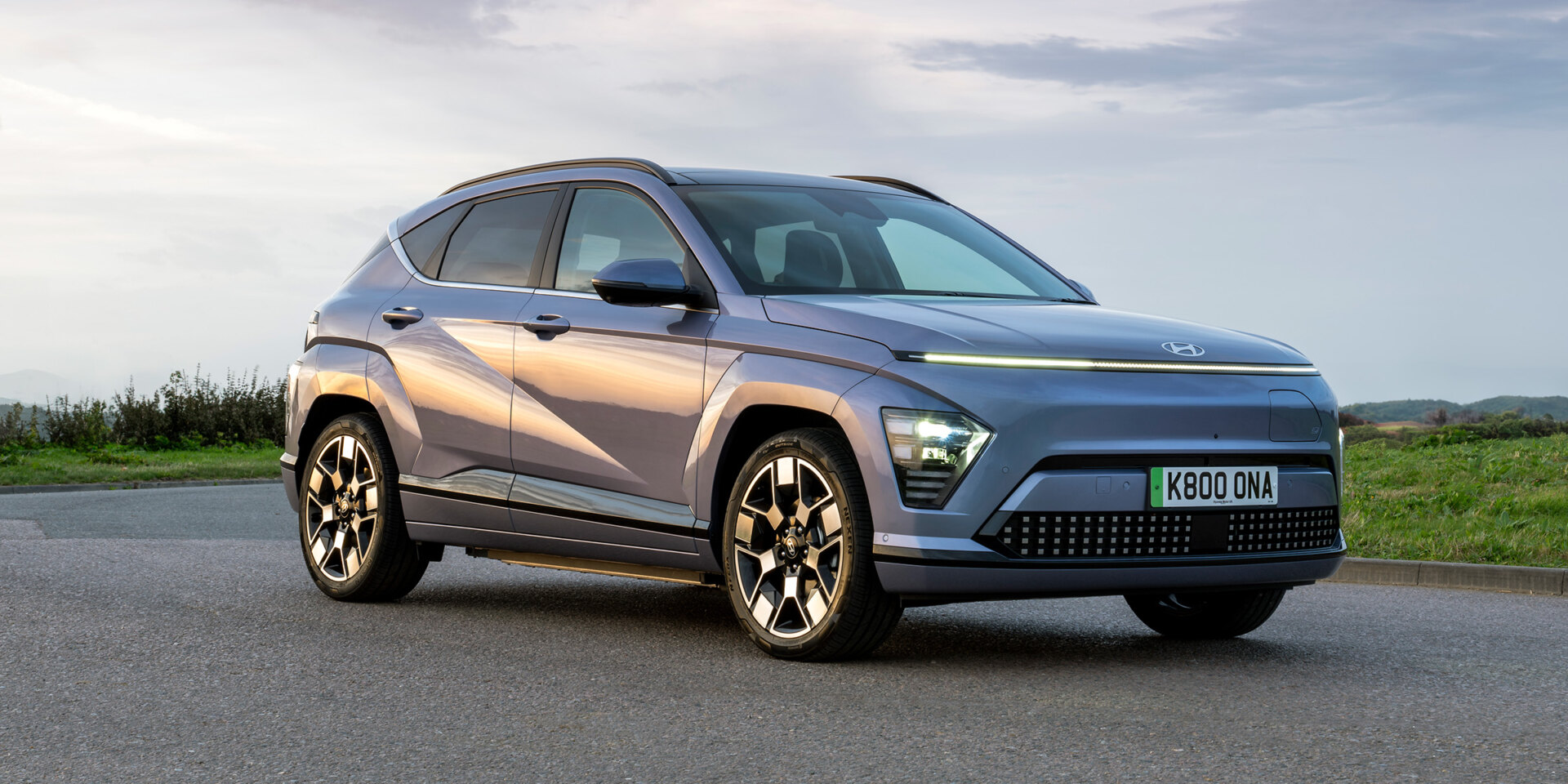
The Hyundai Kona Electric offers compact dimensions, useful driving range, and a familiar crossover layout. It has attracted buyers who want an electric vehicle suitable for commuting without moving to a larger SUV. However, some earlier vehicles were affected by battery-related recalls and other reported technical concerns.
Battery safety has been a notable subject for certain earlier Kona Electric model years. Hyundai issued recalls affecting specific vehicles, with remedies depending on the recall campaign and market. Prospective buyers should verify completion using the vehicle identification number and request written evidence of any battery replacement or related repair.
Charging equipment and electrical systems deserve inspection. Buyers should check whether the car charges reliably at compatible public and home charging stations.
Persistent interruptions, warning lights, or unexplained charging limitations should be investigated by a qualified technician rather than dismissed as normal electric vehicle behavior.
Some drivers have reported concerns involving drivetrain noises, infotainment operation, and electronic warnings. These reports do not establish that all Kona Electric vehicles have the same defects. A road test, diagnostic scan, and review of the vehicle’s maintenance history can help identify problems associated with a particular example.
7. Nissan Leaf
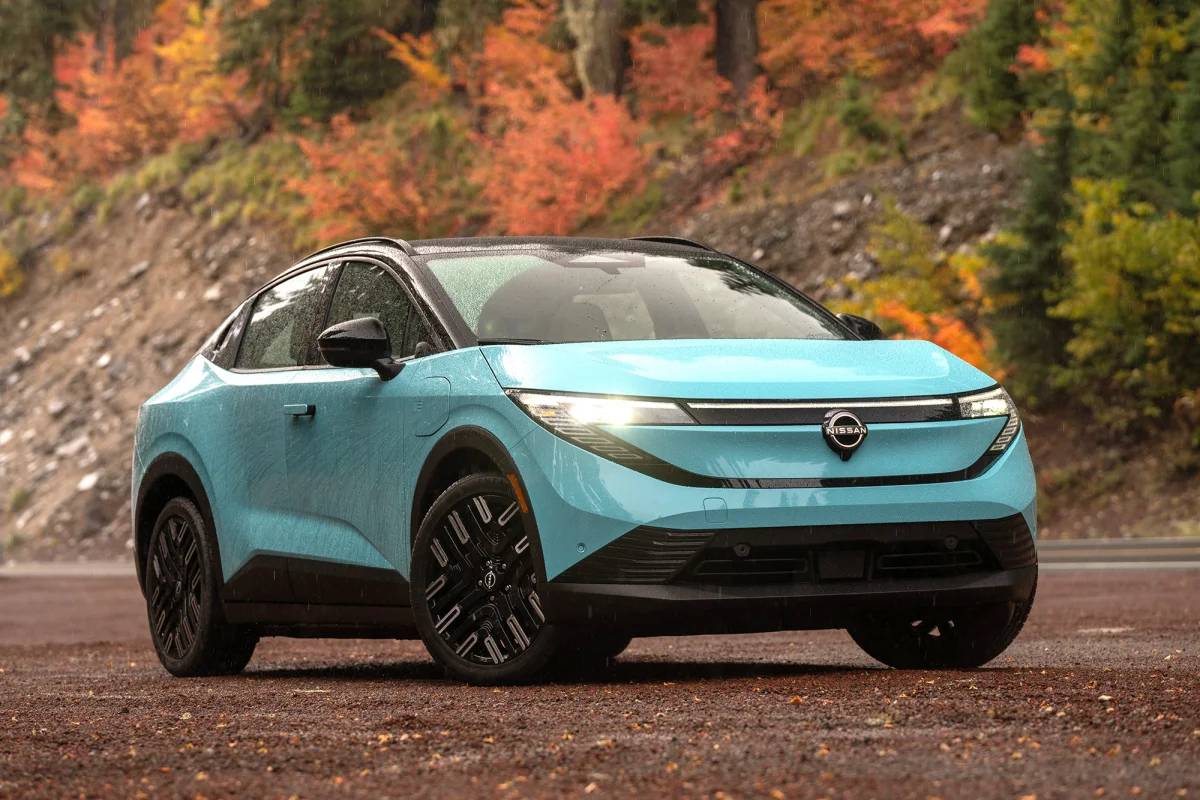
The Nissan Leaf is among the best-known mass-market electric cars and has a long history in the segment. Its straightforward design and availability on the used market make it appealing to budget-conscious buyers. Yet battery degradation, charging limitations on some versions, and differences between model generations deserve careful consideration.
Battery capacity is a key factor in an older Leaf’s usefulness. Lithium-ion batteries gradually lose capacity with age and use, and temperature conditions can influence their long-term health. A vehicle that originally offered adequate range may no longer meet a buyer’s daily travel requirements after years of service.
Charging compatibility is also important. The Leaf has used different charging standards and equipment across generations and markets. Buyers should confirm which connector the vehicle supports, whether adapters are practical, and whether local public charging stations can serve it conveniently.
Other areas to inspect include the onboard charger, climate-control system, infotainment equipment, suspension, and brakes. The presence of a charging fault or warning light should prompt professional diagnosis. A service history can reveal previous battery assessments, repairs, or charging-system replacements.
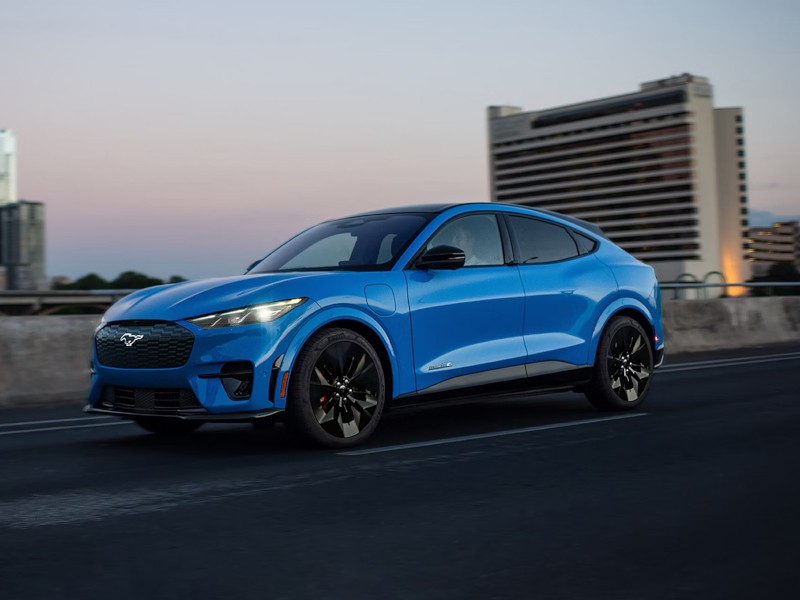
8. Ford Mustang Mach-E
The Ford Mustang Mach-E combines crossover practicality with performance-oriented styling and modern electronic features. Its driving dynamics and available range have attracted substantial interest. However, owners have reported concerns involving software, charging equipment, electrical components, and certain hardware issues affecting specific production periods.
Charging performance has been an important consideration for electric vehicle buyers. Actual charging speed depends on battery temperature, charger output, state of charge, and vehicle settings. If a Mach-E repeatedly charges more slowly than expected under suitable conditions, the charging equipment and vehicle systems should be checked.
Software and infotainment reliability can also affect day-to-day use. Drivers depend on electronic controls for navigation, connectivity, climate settings, and vehicle information. Buyers should test the displays, smartphone integration, cameras, and driver-assistance features, while checking whether available software updates have been installed.
Some model years and configurations have been subject to safety recalls or service actions. The exact requirements differ according to production date and equipment. Buyers should check the official recall database using the vehicle identification number and obtain confirmation that relevant repairs have been completed.
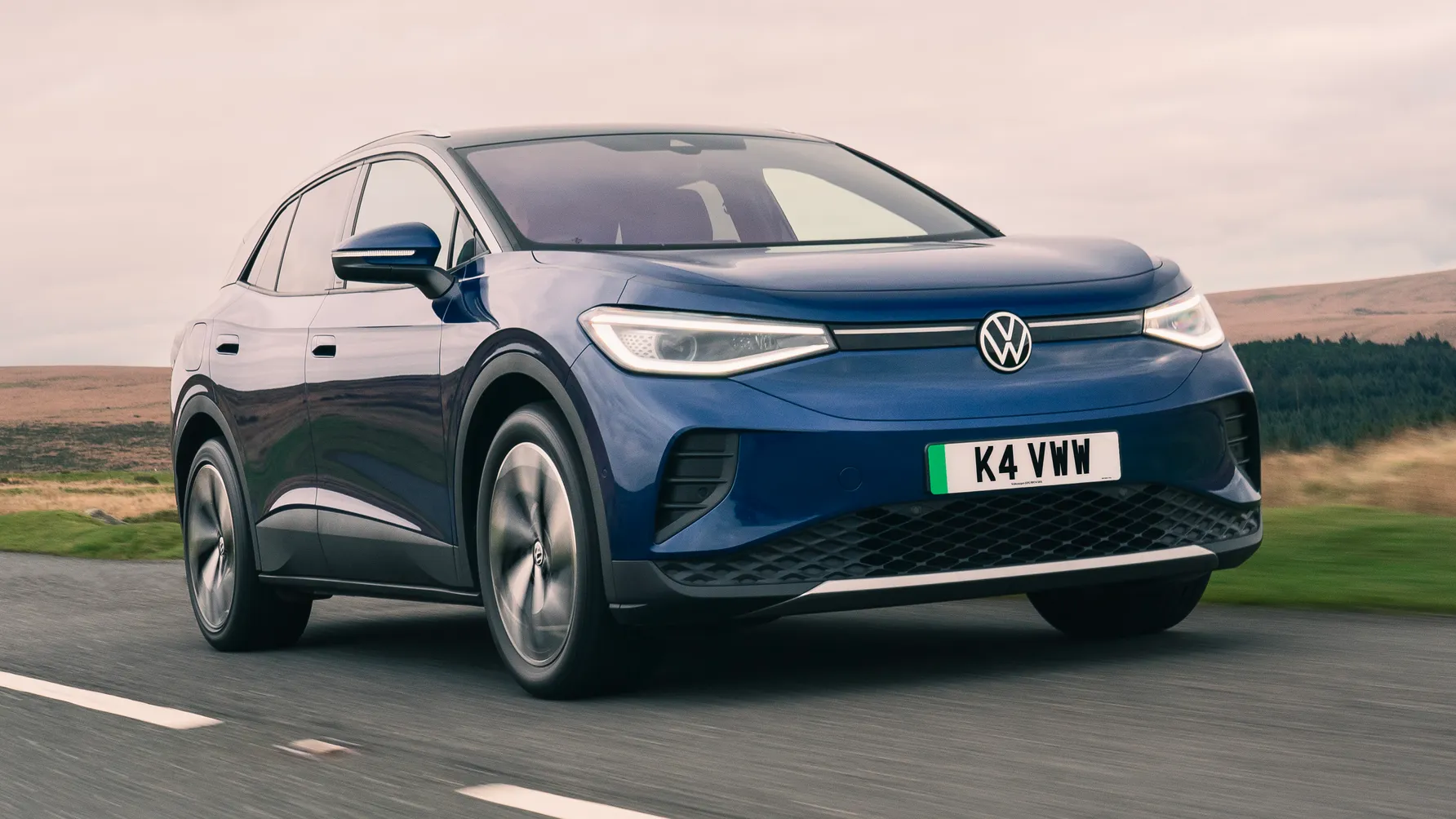
9. Volkswagen ID.4
The Volkswagen ID.4 offers a spacious cabin, practical cargo capacity, and a comfortable electric driving experience. Its crossover design makes it suitable for families and daily commuting. However, reported concerns involving infotainment systems, software behavior, charging performance, and electronic controls have affected the ownership experience of some drivers.
The infotainment interface has been a frequent topic of discussion among owners. Slow responses, connectivity problems, or confusing controls can make routine tasks less convenient. Prospective buyers should test the display, navigation, smartphone connectivity, climate settings, and steering-wheel controls during a thorough inspection.
Software updates can improve functionality, but their availability and installation history vary. Buyers should confirm that applicable updates and service campaigns have been completed. A dealership or qualified service facility can help determine whether an apparent fault requires an update, component repair, or further diagnostic work.
Charging performance should be tested where practical. The vehicle’s speed at a public fast charger depends on battery temperature, state of charge, charger capacity, and software settings. Persistent charging interruptions or warning messages deserve investigation before purchase, particularly if the car will be used for frequent long journeys.
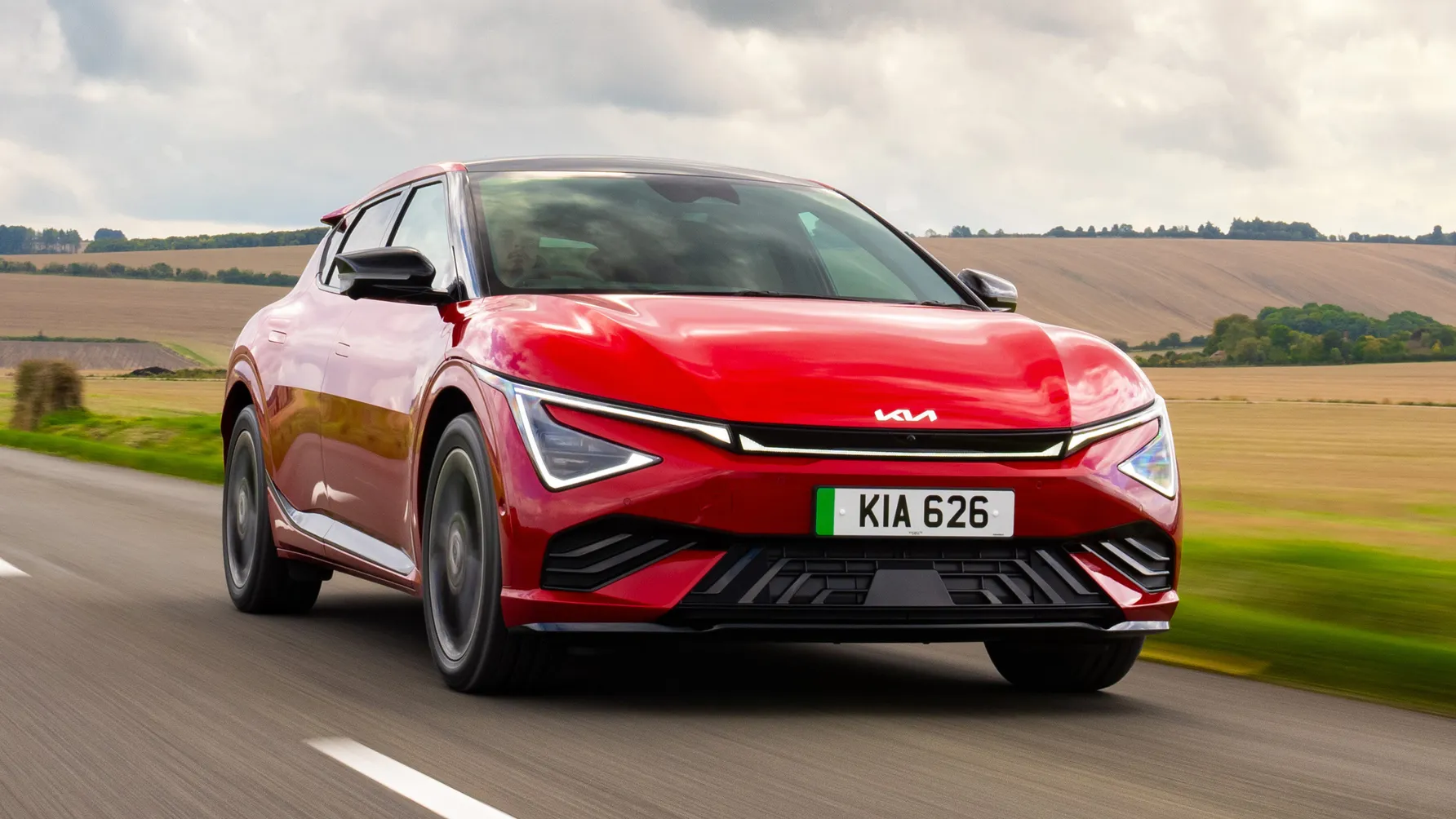
10. Kia EV6
The Kia EV6 has earned attention for its modern design, rapid-charging capability under suitable conditions, and long-distance potential. Its electrical architecture supports high charging speeds at compatible stations, but owner satisfaction still depends on component reliability, software behavior, and charging-system condition.
Charging-system concerns have included reports involving the integrated charging control hardware on certain vehicles. Specific problems and recall coverage depend on the affected production period and market.
Buyers should check applicable service campaigns and determine whether any required repair has been completed.
The charging port, onboard charging functions, and public fast-charging performance should be tested where possible. An isolated slow charging session may reflect station limitations or battery temperature rather than a vehicle defect. Repeated interruptions across different compatible chargers warrant a more detailed technical assessment.
Infotainment, navigation, driver-assistance equipment, and smartphone connectivity should also be checked. Electronic features can be important to the daily experience, especially for drivers who rely on route planning and charging-stop information. Buyers should confirm that the vehicle displays accurate warnings and that its software is up to date.
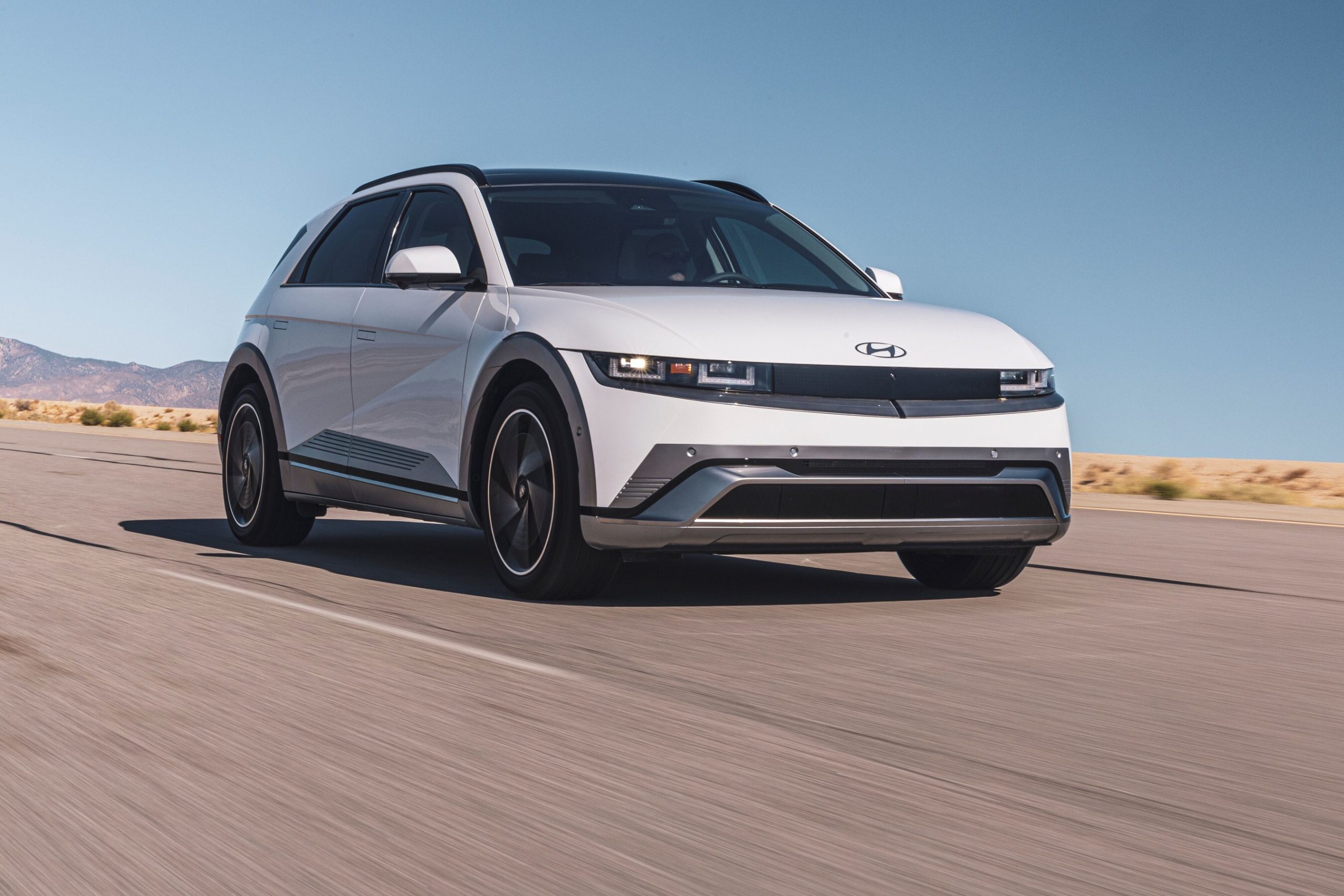
11. Hyundai Ioniq 5
The Hyundai Ioniq 5 combines distinctive styling, a roomy interior, and rapid charging when conditions are suitable. Its practical design and long-distance potential have made it a notable option in the electric vehicle market. However, charging-system reliability and software concerns have appeared in reports involving some vehicles.
Certain Ioniq 5 model years have been subject to recalls or service actions involving charging-related components. Coverage depends on the vehicle’s production details and market. Buyers should verify whether the specific vehicle is affected and request documentation showing that all required work has been completed.
Drivers should pay attention to charging interruptions, warning messages, and unexpected limitations in charging speed. The battery’s temperature, charger capacity, and state of charge can affect performance, so a single charging session is not always conclusive. Repeated problems under appropriate conditions should be assessed by a qualified technician.
The vehicle’s digital systems also merit inspection. Navigation, displays, driver-assistance functions, climate controls, and smartphone connectivity should operate as expected. Buyers should check for software updates and examine any history of electrical faults, particularly if previous owners have reported repeated warning messages.
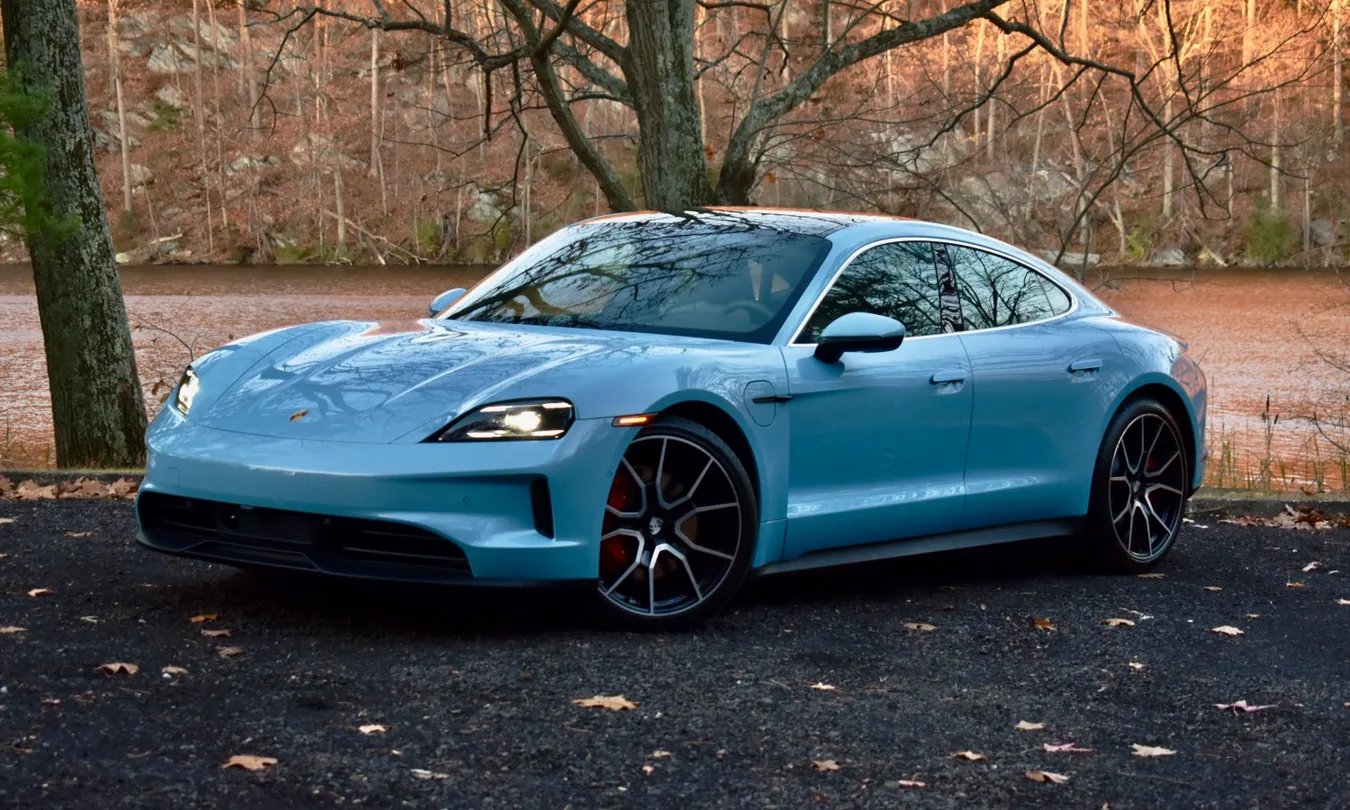
12. Porsche Taycan
The Porsche Taycan combines sports-car performance with electric power and premium interior appointments. Its acceleration, handling, and engineering make it distinctive, but its advanced systems can make maintenance expensive.
Reports concerning electrical faults, software behavior, and battery or charging functions should be assessed in the context of individual vehicles.
Electronic systems support many aspects of the Taycan’s driving experience. Infotainment issues, warning messages, or charging irregularities can require specialized diagnostics. Buyers should verify that all displays, driving modes, navigation features, and charging functions work properly before committing to a purchase.
Battery condition is important even when a vehicle appears to perform normally. High-voltage battery systems are complex, and any persistent battery warning or charging fault requires professional evaluation. Buyers should obtain service documentation and establish whether the vehicle has undergone any battery-related repairs or software updates.
Maintenance costs can exceed those of more affordable electric cars. Tires, brakes, suspension components, and specialized electronic equipment may require expensive service, depending on driving style and vehicle configuration. A comprehensive pre-purchase inspection is especially valuable when considering a high-performance vehicle outside its original warranty.
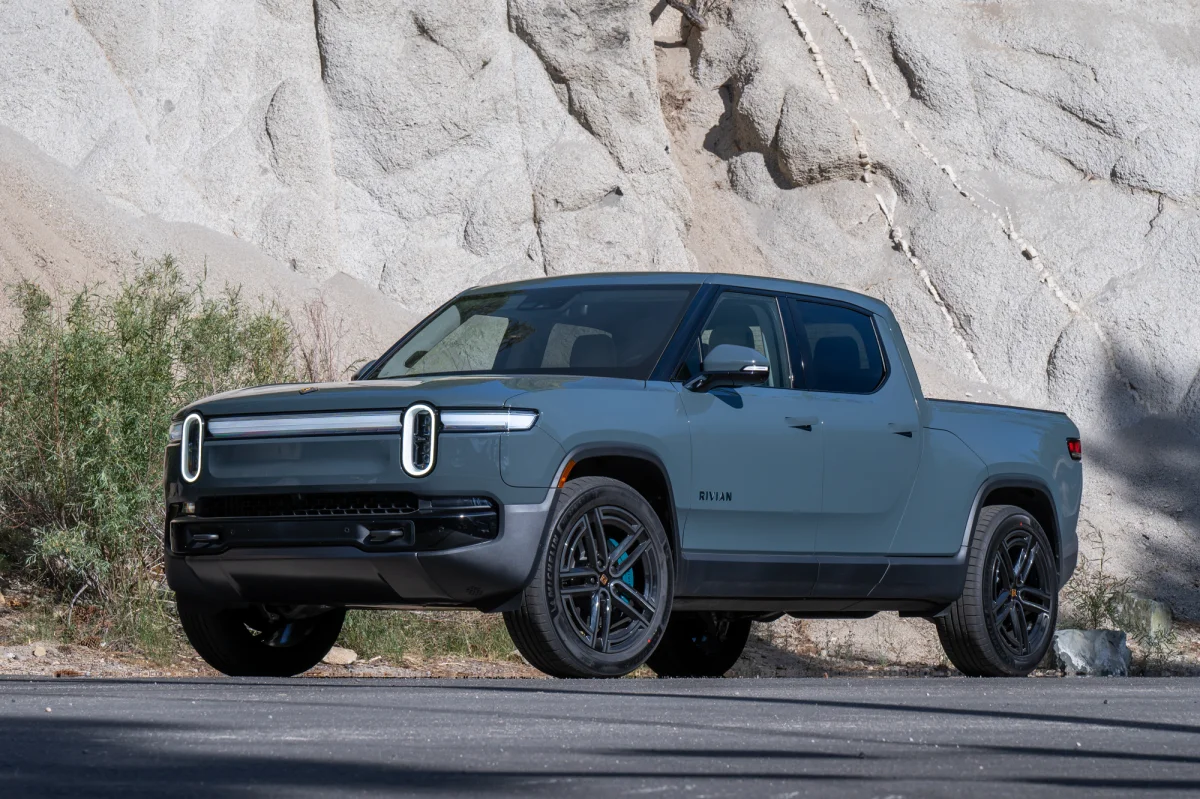
13. Rivian R1T
The Rivian R1T brings electric propulsion to the pickup segment, combining substantial performance with storage solutions and off-road capability.
Its innovative design attracts drivers who want an electric truck rather than a conventional passenger vehicle. However, newer vehicle platforms can experience software issues, service challenges, and component problems that require careful monitoring.
Software controls influence many functions, including vehicle settings, driver assistance, charging, and infotainment. Updates may improve performance or address specific faults, but electronic problems can still interrupt normal operation. Buyers should test the interface and confirm that important vehicle functions operate correctly.
Suspension, tires, underbody components, and alignment deserve particular attention on used R1T models. Off-road use, heavy loads, and rough terrain can accelerate wear.
A vehicle that has been used extensively on demanding trails may require additional maintenance compared with a truck used mainly on paved roads.
Charging access and real-world range also matter. Pickup trucks can consume substantial energy when carrying heavy cargo, towing, or traveling at high speeds. Cold weather and off-road tires can further influence efficiency. Buyers should evaluate the available charging network and estimate range using their actual intended use.
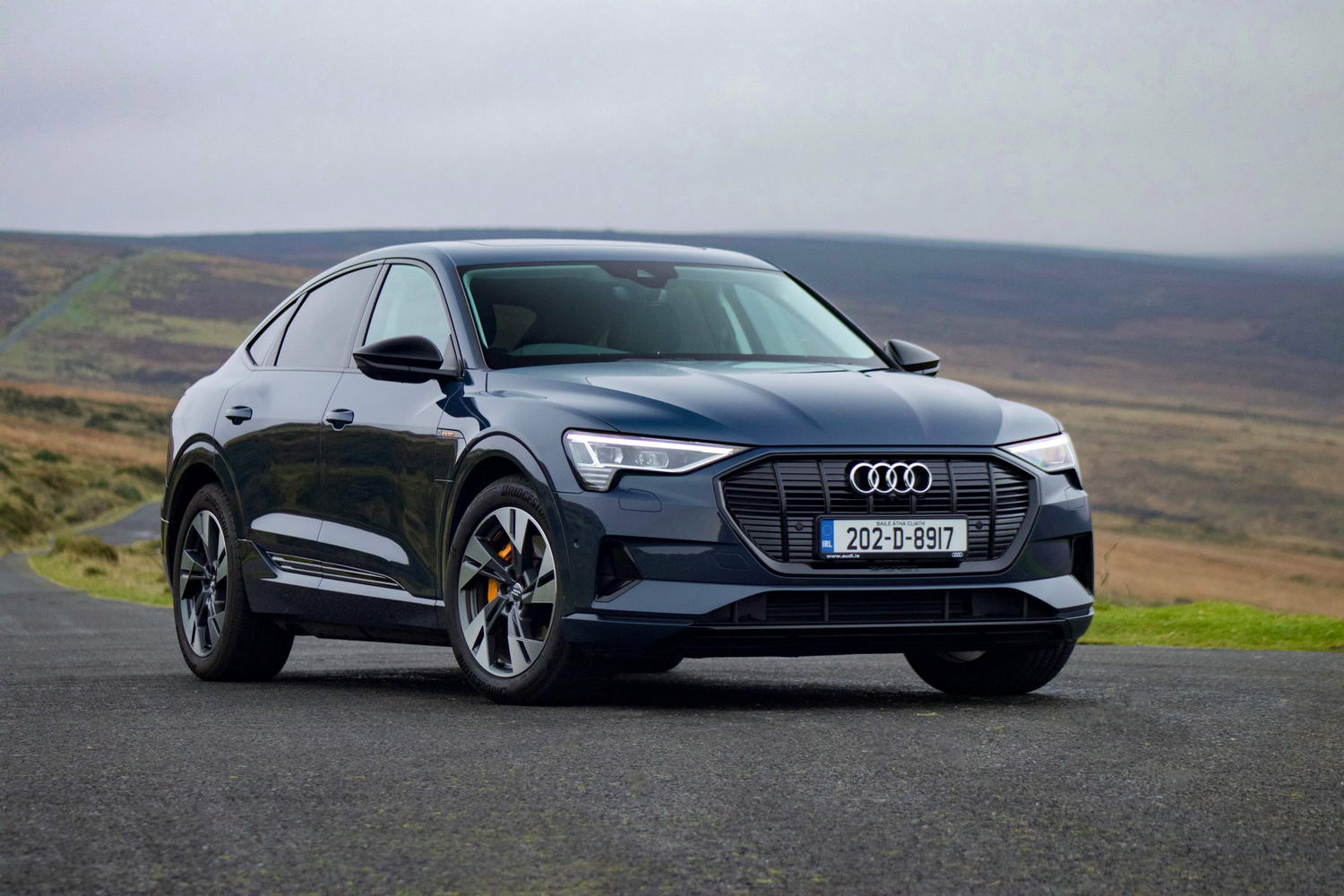
14. Audi e-tron
The Audi e-tron, now associated with Audi’s earlier electric SUV range, introduced premium materials, quiet driving, and familiar luxury-brand styling to electric motoring. Used examples can provide a comfortable experience, but aging electrical components, battery-related concerns, and expensive repairs should be considered before purchase.
The charging system and high-voltage battery are important inspection points. Buyers should confirm that the vehicle charges consistently and that no unresolved electrical warnings are present. Battery performance should be assessed alongside age, mileage, climate exposure, and service history rather than relying exclusively on the original advertised range.
Cabin electronics may also require attention as vehicles age. Displays, navigation, climate controls, cameras, and driver-assistance systems should be tested thoroughly. An electronic fault may be minor, but repeated warning messages can indicate a problem that needs specialist diagnosis.
Luxury components can increase maintenance expenses. Suspension systems, tires, braking components, and electronic equipment may cost more to repair than equivalent parts on less expensive vehicles. Buyers should request invoices for previous work and obtain an independent inspection before agreeing on a price.