
Buying a car with financing can feel straightforward once the paperwork is signed and the keys are handed over. However, the monthly loan payment is only part of the expense. Many American drivers face additional costs during the first weeks and months of ownership, including insurance changes, registration fees, maintenance, loan-related charges, and unexpected repairs.
Understanding these expenses before purchasing a vehicle can help buyers create a realistic budget and avoid financial pressure. This guide explains ten common costs that may appear after signing an auto loan, why they matter, and how drivers can prepare for them.

1. Car Insurance Premiums and Coverage Requirements
Car insurance is an essential expense for most American drivers, and financing a vehicle can affect the coverage a lender requires. Buyers sometimes focus on the advertised loan payment without checking how much insurance will cost each month.
Once the purchase is completed, the difference between an estimated premium and the actual policy price can create an unexpected strain on the household budget. Insurance rates depend on several factors, including the driver’s history, location, vehicle model, annual mileage, and selected coverage limits.
Drivers who finance a vehicle are generally required by their lenders to maintain comprehensive and collision coverage until the loan is paid off. These coverages help protect the lender’s financial interest if the vehicle is damaged, stolen, or involved in an accident.
Liability coverage, which pays for certain injuries and property damage caused to others, is also required under state laws, subject to the rules in each jurisdiction. The exact requirements depend on the loan agreement and applicable regulations.
A common surprise occurs when a buyer replaces an older car with a newer, more expensive model. The new vehicle may cost considerably more to insure because repairs, replacement parts, and potential claim payouts can be more expensive.
Sports cars, luxury vehicles, and certain high-theft models can also carry higher premiums. Even a driver with a clean record may discover that the insurance quote for the newly purchased car is significantly higher than expected.
Insurance expenses can also change when the lender requires proof of coverage before releasing funds or completing the financing process. Buyers who fail to maintain the required policy may face serious contractual consequences.
In some situations, a lender may purchase force-placed insurance to protect its interest in the vehicle and charge the borrower for it. Such coverage generally protects the lender rather than providing the same benefits as a regular auto insurance policy for the driver.

2. Vehicle Registration, Title, and License Plate Fees
Vehicle registration and title expenses are common costs associated with purchasing a car in the United States. Depending on the state, county, vehicle value, and purchase arrangement, these charges may be collected at the dealership or handled through a state motor vehicle agency.
Buyers sometimes assume that every government-related expense has been included in the advertised vehicle price. When additional paperwork or registration requirements arise, the final amount can be higher than anticipated.
Registration fees allow a vehicle to be legally operated on public roads, while title documentation identifies its legal ownership. Some states also charge for license plates, temporary permits, local transportation programs, emissions inspections, or other administrative services.
The amounts vary widely by jurisdiction. Certain states use a relatively simple flat fee, while others calculate some charges according to vehicle value, weight, age, or other factors.
The timing of these expenses can make them feel unexpected. A dealer may collect registration and title charges during the transaction, but buyers purchasing privately or handling specific parts of the process themselves may need to pay an agency separately.
Renewals can also arrive months after the loan begins, making it easy to forget that vehicle ownership involves recurring government fees beyond the original purchase.
Moving to a different state can create additional expenses. A newly established resident may need to register the vehicle locally, update the title, obtain new plates, and complete any required inspections.
The applicable deadlines and procedures depend on state law. Buyers who relocate shortly after purchasing a car should check the requirements before assuming their existing registration will remain valid indefinitely.

3. Sales Tax and Other Purchase-Related Taxes
Taxes can substantially affect the total cost of buying a car, especially when buyers compare vehicles based only on their advertised prices.
In the United States, motor vehicle purchases may involve state and local sales taxes, use taxes, or other applicable transaction charges. The rules differ by jurisdiction, and some locations provide exemptions or credits under specific circumstances. Buyers should understand which taxes apply before agreeing to a final purchase amount.
In many dealership transactions, sales tax is calculated using the applicable taxable purchase price, with adjustments depending on local law. Trade-in credits, rebates, delivery charges, and dealer-installed items may receive different tax treatment in different states.
A buyer who assumes that every discount reduces the taxable amount in the same way may miscalculate the final cost. The sales contract should clearly identify the relevant figures and charges.
Financing can make the tax expense less noticeable because some buyers roll eligible taxes into the loan balance. This arrangement may reduce the amount of cash required at signing, but it does not eliminate the tax itself. Instead, the borrower repays the financed amount through monthly installments, potentially with interest. A larger starting balance can increase the total borrowing cost over the loan term.
Private-party purchases also require attention to local tax rules. A buyer who purchases a used car directly from another individual may still owe applicable taxes when registering or transferring the title.
The payment process may differ from a dealership transaction, and the amount assessed may depend on state-specific valuation rules or other requirements. Buyers should not assume that a private sale automatically avoids vehicle purchase taxes.
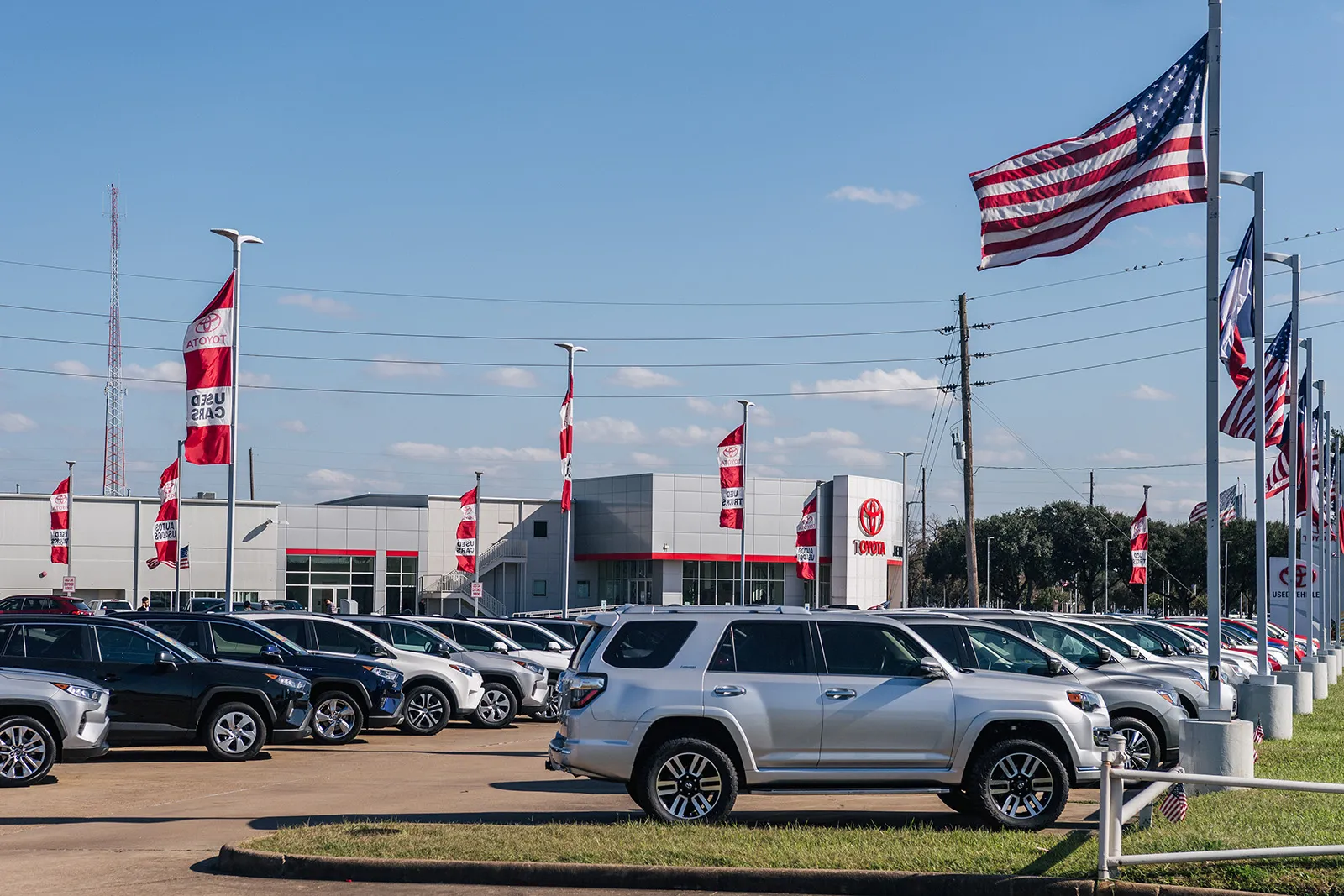
4. Dealer Add-Ons and Optional Protection Products
Dealership finance offices often offer additional products during the purchase process. These may include extended service contracts, tire and wheel protection, paint protection, key replacement coverage, theft deterrent systems, and other optional services.
Some products provide useful protection for certain drivers, but their costs can increase the amount financed. Buyers may not fully appreciate the financial effect when these items are presented alongside taxes, registration charges, and monthly payment estimates.
An extended service contract, frequently marketed as an extended warranty, may cover specified mechanical or electrical failures after the manufacturer’s warranty expires.
Coverage depends on the contract, including exclusions, deductibles, repair authorization requirements, and covered components. These agreements can be valuable in particular circumstances, but they do not automatically cover every repair. Reading the actual terms is more useful than relying on a salesperson’s general description.
Appearance protection and fabric treatments are other common offerings. Dealerships may advertise paint coatings, interior protection, dent repair, or windshield-related services.
Their usefulness depends on the vehicle, the driver’s habits, the climate, and the precise contract terms. Buyers should ask whether a product has already been installed, whether its price is negotiable, and whether a similar service is available from an independent provider at a lower cost.
The main financial concern is that optional products are sometimes included in the financed balance. For example, a service contract costing $1,800 may seem manageable when spread across a long loan term.
However, the borrower may also pay interest on that amount. If the product is never used, the buyer has still paid for it, subject to any applicable refund or cancellation provisions.

5. Fuel, Charging, and Everyday Driving Expenses
Fuel is a recurring ownership expense that can become noticeable as soon as a buyer starts driving regularly. A vehicle with a low advertised monthly payment may still cost considerably more to operate if it has poor fuel economy or requires premium gasoline.
The distance between home, work, school, and other destinations also affects the total. Drivers who underestimate their mileage can find that everyday transportation consumes more of their monthly income than expected.
Fuel costs depend on the vehicle’s efficiency, driving conditions, gasoline prices, and personal habits. Stop-and-go traffic, aggressive acceleration, heavy loads, and frequent short trips can reduce fuel economy.
A larger vehicle may be convenient for family transportation or hauling equipment, but it generally requires careful consideration of running costs. Comparing estimated fuel consumption before purchasing can help buyers choose a vehicle that suits both their needs and their budget.
Electric vehicles have a different expense pattern. Owners may spend less on gasoline because they charge the battery instead, but electricity is not necessarily free. Home charging can involve equipment installation, electrical work, and higher household electricity consumption.
Public charging prices vary by provider, location, charging speed, and subscription arrangements. Drivers without access to convenient home charging should estimate how much they expect to spend using public stations.
Driving patterns also influence maintenance and operating costs. Long highway trips may produce different efficiency results from frequent city driving. Extreme temperatures can affect fuel economy and, for electric vehicles, battery performance and driving range.
Roof racks, heavy cargo, tire condition, and vehicle maintenance can also affect efficiency. Manufacturer estimates are useful for comparison, but actual results depend on real-world conditions.

6. Routine Maintenance and Scheduled Service
Routine maintenance is essential for keeping a vehicle reliable and safe. Even a brand-new car requires periodic inspections and scheduled service, while a used vehicle may need attention much sooner.
Buyers who focus on the loan payment alone may overlook oil changes, fluid checks, filter replacements, tire rotations, and other recommended services. These expenses are predictable in principle, but the timing and cost can vary according to the model and its maintenance schedule.
The owner’s manual usually provides guidance about service intervals, fluid specifications, tire care, and inspection requirements. Some vehicles use oil life monitoring systems or maintenance reminders to indicate when attention is needed.
Following the manufacturer’s recommendations can help protect vehicle performance and may be relevant to warranty coverage. Buyers should review the service schedule before purchase to understand the likely expenses during the first year.
Maintenance costs differ between vehicles. Luxury models may require specialized parts or labor, while some mainstream vehicles have widely available replacement components and a large network of service providers.
Certain engines require particular oil grades or more involved maintenance procedures. Hybrid vehicles and electric cars have different service needs from conventional gasoline-powered models, so buyers should evaluate the actual requirements of the specific vehicle rather than relying on general assumptions.
New vehicles may include complimentary scheduled maintenance for a limited period, depending on the manufacturer, model, and purchase terms. Used cars may have no such benefit, and a remaining factory warranty does not necessarily cover routine service.
A vehicle sold with a maintenance package may also have limits on covered visits, mileage, or eligible services. Checking these details prevents buyers from assuming that all scheduled work will be free.
7. Tires, Brakes, and Wear-Related Repairs
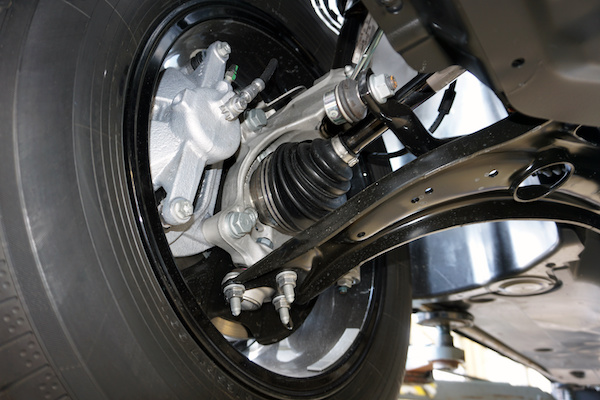
Tires and brakes are among the vehicle components that require eventual replacement through normal use. Their condition affects handling, stopping distance, ride quality, and safety.
Buyers purchasing used vehicles should pay particular attention to tread depth, uneven tire wear, brake noise, and the condition of related components. A car that looks clean in a showroom or online listing may still need expensive work shortly after the purchase.
Tire replacement costs depend on wheel size, tire type, performance requirements, and brand. Vehicles equipped with large wheels or specialized tires may cost more to maintain than models using common tire sizes.
Some all-wheel-drive vehicles also have specific requirements regarding tire matching and tread-depth differences. Replacing only one tire may not always be appropriate, so owners should follow the manufacturer’s guidance and consult a qualified tire professional when necessary.
Brake systems also experience wear. Brake pads gradually become thinner, while rotors can develop wear or damage that requires servicing.
Driving in heavy traffic, traveling through hilly areas, carrying substantial loads, and frequent hard braking can affect how quickly components wear out. Electric vehicles may use regenerative braking to reduce some friction-brake use, but their brake systems still require inspection and maintenance.
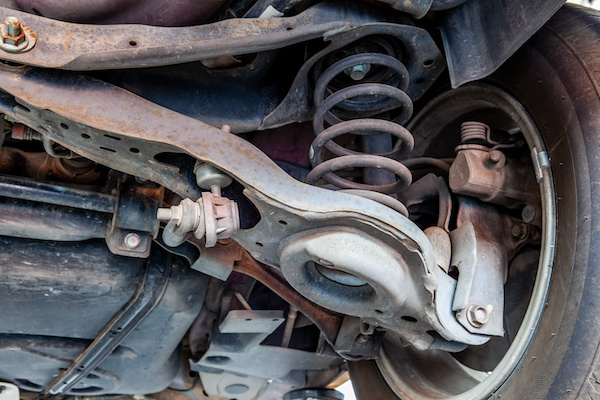
Unexpected repair bills may arise when a vehicle has been poorly maintained or used in demanding conditions. Suspension parts, wheel bearings, alignment issues, and damaged tires can also create costs that were not obvious during a brief test drive.
A pre-purchase inspection by an independent mechanic can identify warning signs and provide an estimate of work that may be needed. This is especially helpful when buying an older vehicle or one with an incomplete service history.
8. Unexpected Mechanical Repairs and Diagnostic Fees
Unexpected mechanical problems can become a significant financial burden after a car loan begins. Engines, transmissions, cooling systems, electrical components, air conditioning, and other systems may require repair during ownership.
A used car with high mileage or an uncertain maintenance history can carry greater repair risk, but even a newer vehicle can develop problems. The loan payment continues regardless of whether the car is temporarily unavailable.
Repair shops often charge diagnostic fees to identify the cause of a warning light, performance issue, or unusual noise. The fee may cover inspection time and testing equipment, and it may be separate from the final repair charge. Some facilities apply the diagnostic fee toward approved work, while others do not. Asking how diagnosis is billed before authorizing service helps prevent confusion when the estimate arrives.
Warranty coverage can reduce certain repair expenses, but the details matter. A manufacturer’s warranty generally covers qualifying defects subject to its terms, while maintenance, collision damage, misuse, and normal wear may be excluded.
Used vehicles may have limited remaining factory coverage or additional protection through a separate service contract. Buyers should review exclusions, waiting periods, claim limits, deductibles, and repair authorization procedures before relying on a warranty to protect their budget.
The financial impact of a major repair can be particularly difficult when a borrower owes more than the vehicle is worth. Selling or trading in a car with a substantial unpaid balance may require the owner to cover the difference, depending on the transaction.
Replacing the vehicle does not automatically remove the original debt. Rolling negative equity into a new loan can increase borrowing costs and make the next purchase more expensive.

9. Late Payment Fees and Loan Servicing Charges
Auto loan payments are recurring obligations, and missing a due date can result in additional charges. The consequences depend on the financing agreement, lender policies, and applicable state law.
Borrowers may face late fees when payments remain unpaid beyond the relevant contractual or legal period. A missed payment can also create administrative difficulties, affect credit reporting, and increase financial stress when other household bills are due.
The payment due date may differ from the day the borrower receives income. Buyers who rely on a particular payday should confirm the due date and determine whether the lender offers a permissible payment-date adjustment.
Automatic payments can reduce the risk of forgetting a bill, but the borrower must maintain sufficient funds in the linked account. A failed automatic withdrawal may result in bank charges as well as possible lender fees.
Loan servicing arrangements can also cause confusion. The company receiving payments may change during the loan term, or the lender may provide an online portal with specific payment-processing procedures.
Borrowers should monitor official notices, verify the current payment destination, and retain confirmation records. If an account is transferred, following the written instructions helps prevent a payment from being sent to the wrong place.
Other potential costs can include returned-payment fees or charges associated with particular payment methods, where permitted by the agreement and applicable law. Borrowers should not assume that every lender uses the same fee structure.
The contract and current account disclosures provide the most reliable information about what may be charged. If a fee appears incorrect, contacting the servicer promptly and keeping records of the conversation can help resolve the issue.

10. GAP Coverage, Deductibles, and Accident-Related Costs
An accident can create expenses that are separate from the regular monthly loan payment. Even when insurance covers a qualifying loss, the driver may have to pay a deductible before the insurer pays the covered amount.
Other expenses can include towing, rental transportation, storage, or costs associated with damage that falls outside the policy. The precise amount depends on the insurance contract, the circumstances of the accident, and applicable state requirements.
A particularly important issue arises when a vehicle is declared a total loss. The insurer generally determines the vehicle’s covered value under the policy, subject to applicable terms and rules. If the outstanding loan balance is greater than the amount paid by the insurer, the borrower may remain responsible for the difference.
This situation is often described as negative equity and can occur when a buyer makes a small down payment, finances taxes and add-ons, or chooses a long loan term.
Guaranteed asset protection, commonly called GAP coverage, may help cover some or all of the difference between an eligible insurance settlement and the remaining loan balance. However, the coverage is subject to exclusions, limits, and contract conditions.
Some agreements exclude particular fees, overdue payments, prior negative equity, or other amounts. Buyers should read the terms rather than assuming that GAP coverage will eliminate every dollar owed after a total loss.
The cost and availability of GAP coverage vary. It may be offered through a dealership, lender, insurer, or another provider, depending on the circumstances and applicable rules.
Buyers should compare the price, covered balance, exclusions, and cancellation terms before accepting an offer. They should also ask whether an existing auto insurance policy provides a similar benefit, since duplicate protection may not be worthwhile.