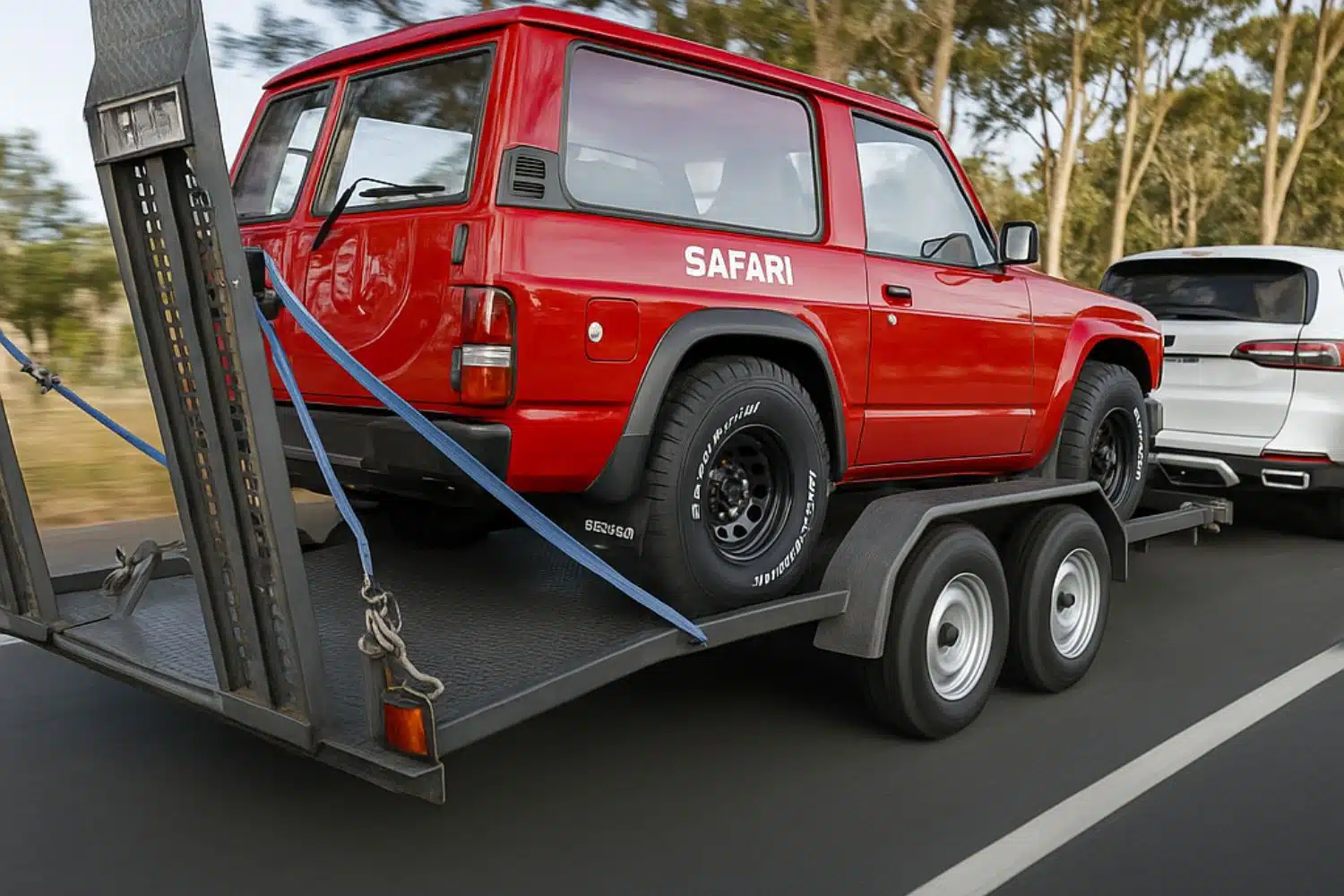
Winter towing requires careful preparation, reliable equipment, and a clear understanding of how cold weather affects vehicles, trailers, and road conditions. Low temperatures, icy surfaces, reduced visibility, and frozen components can make towing more challenging than driving under normal conditions.
Before setting off, drivers should inspect their towing vehicle, check the trailer, verify the load, and prepare for unexpected delays.
A few simple checks can help prevent breakdowns, reduce accident risks, and protect valuable cargo. Whether towing a caravan, utility trailer, or another vehicle, taking time to prepare makes winter journeys safer, more controlled, and more predictable.
1. Inspect the Towing Vehicle Before Departure
Winter towing places extra demands on the towing vehicle because the engine, transmission, tyres, brakes, and suspension must handle additional weight under difficult driving conditions. Before connecting a trailer, inspect the vehicle carefully and confirm that all essential systems are working correctly.
Cold weather can affect battery performance, engine oil flow, tyre pressure, and the condition of rubber components. These factors become more important when the vehicle must pull a heavy load across wet, snowy, or slippery roads. A thorough inspection helps identify problems before they develop into costly mechanical failures during the journey.
Start by checking the engine oil, coolant, brake fluid, and windscreen washer fluid. Each fluid should meet the manufacturer’s specifications for the expected temperature range. Coolant must provide suitable freeze protection, while washer fluid should remain usable in freezing conditions.
Examine the engine bay for leaks, damaged hoses, loose connections, and signs of corrosion. If the vehicle has not received routine maintenance recently, arrange a professional inspection before undertaking a demanding winter towing trip. Preventive maintenance can reduce the likelihood of unexpected stops in locations where roadside assistance may be difficult to arrange.
The battery deserves particular attention because cold temperatures reduce its ability to deliver starting power. A weak battery may start the engine during mild weather but struggle when temperatures fall.
Check the battery terminals for corrosion and make sure the connections are secure. If the battery is several years old or the engine cranks slowly, have its condition tested. Also confirm that the alternator charges properly and that the charging system can support the vehicle’s electrical requirements.
A healthy battery becomes especially important when headlights, heating systems, rear window defoggers, and trailer lighting operate together during a winter journey.
Tyre condition should also be assessed before towing. Look for uneven tread wear, cuts, bulges, embedded objects, and visible damage to the sidewalls. Check tyre pressure when the tyres are cold and adjust it according to the vehicle manufacturer’s recommendations.
Cold weather naturally reduces tyre pressure, so readings taken during warmer conditions may no longer be accurate. Never exceed the maximum permitted load for the tyres, and remember that towing increases the importance of having sufficient grip and stable handling. Where winter tyres are appropriate or legally required, ensure that they meet the relevant standards and are suitable for the conditions expected along the route.
Finally, review the vehicle’s towing capacity and confirm that it is suitable for the loaded trailer. Check the permitted gross vehicle weight, gross train weight, maximum trailer mass, and towbar limits specified by the manufacturer. These figures can vary according to vehicle configuration and local regulations.
A powerful engine does not automatically mean that a vehicle can safely tow every trailer. If the combined weight exceeds an approved limit, choose a suitable towing vehicle or reduce the load. Starting with a mechanically sound vehicle and a legal towing setup provides a stronger foundation for every winter journey.
2. Check Trailer Tyres and Wheels
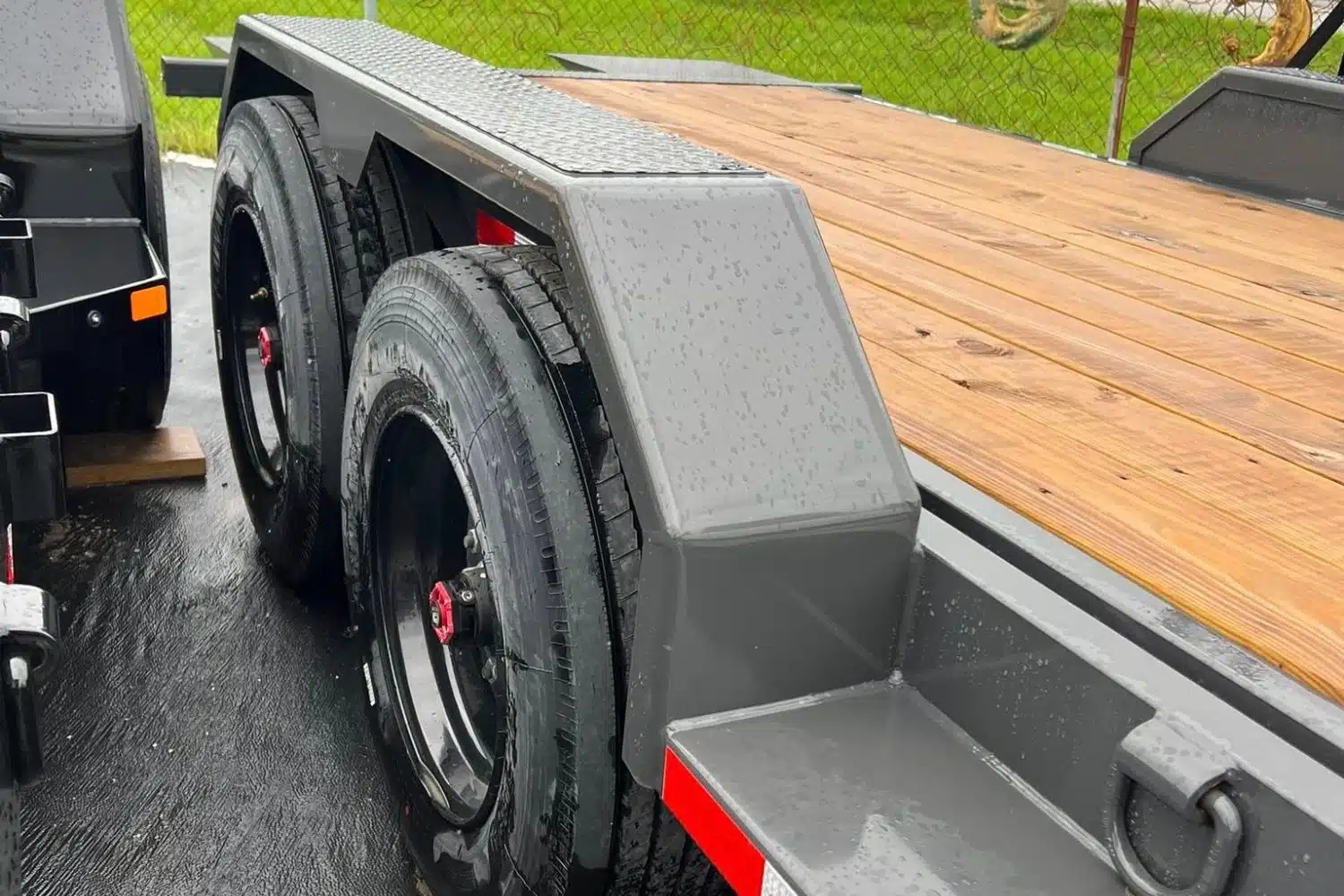
Trailer tyres are essential to safe winter towing because they support the load and influence how steadily the trailer follows the towing vehicle. A tyre failure can leave a driver stranded on a cold roadside and may cause the trailer to become unstable. Before departure, examine every tyre, including the spare if one is available.
Look for cracks, bulges, exposed cords, punctures, and signs of deterioration caused by age or prolonged exposure to sunlight. Tyres can become unsafe even when the tread appears adequate, so check their condition rather than relying on appearance alone.
Correct inflation is particularly important when temperatures drop. Underinflated tyres generate additional heat during travel, can wear unevenly, and may compromise handling. Overinflated tyres can also affect grip and wear patterns.
Use a reliable pressure gauge to check each tyre while it is cold, following the pressure specified for the trailer and its actual loading requirements.
Do not simply use the pressure listed on the tyre sidewall as the normal operating target, since that marking generally indicates a maximum permitted pressure under specified conditions. Recheck pressures after significant temperature changes and before long journeys.
Tread depth deserves careful attention when roads are wet, snowy, or slushy. Adequate tread helps tyres channel water away from the contact area, while suitable winter-rated tyres may provide better traction in cold conditions. Check the legal minimum tread depth for the jurisdiction in which you will travel, but do not treat the legal minimum as a guarantee of ideal winter performance.
Tyres with very little remaining tread can offer reduced safety margins in adverse weather. If the route includes mountain roads or regions with mandatory winter equipment rules, confirm the applicable requirements before departure.
The wheels and wheel fasteners also need inspection. Check for cracks, bent rims, corrosion, and other signs of damage. Wheel nuts or bolts must be tightened to the manufacturer’s specified torque using the appropriate tools. Loose fasteners can cause serious damage, while excessive tightening can damage threads or wheel components.
If a wheel has recently been removed, follow the manufacturer’s guidance on checking fastener torque again after driving. Inspect the wheel bearings for unusual noise, excessive movement, or signs of overheating, and arrange repairs if any defect is found.
3. Test the Trailer Brakes
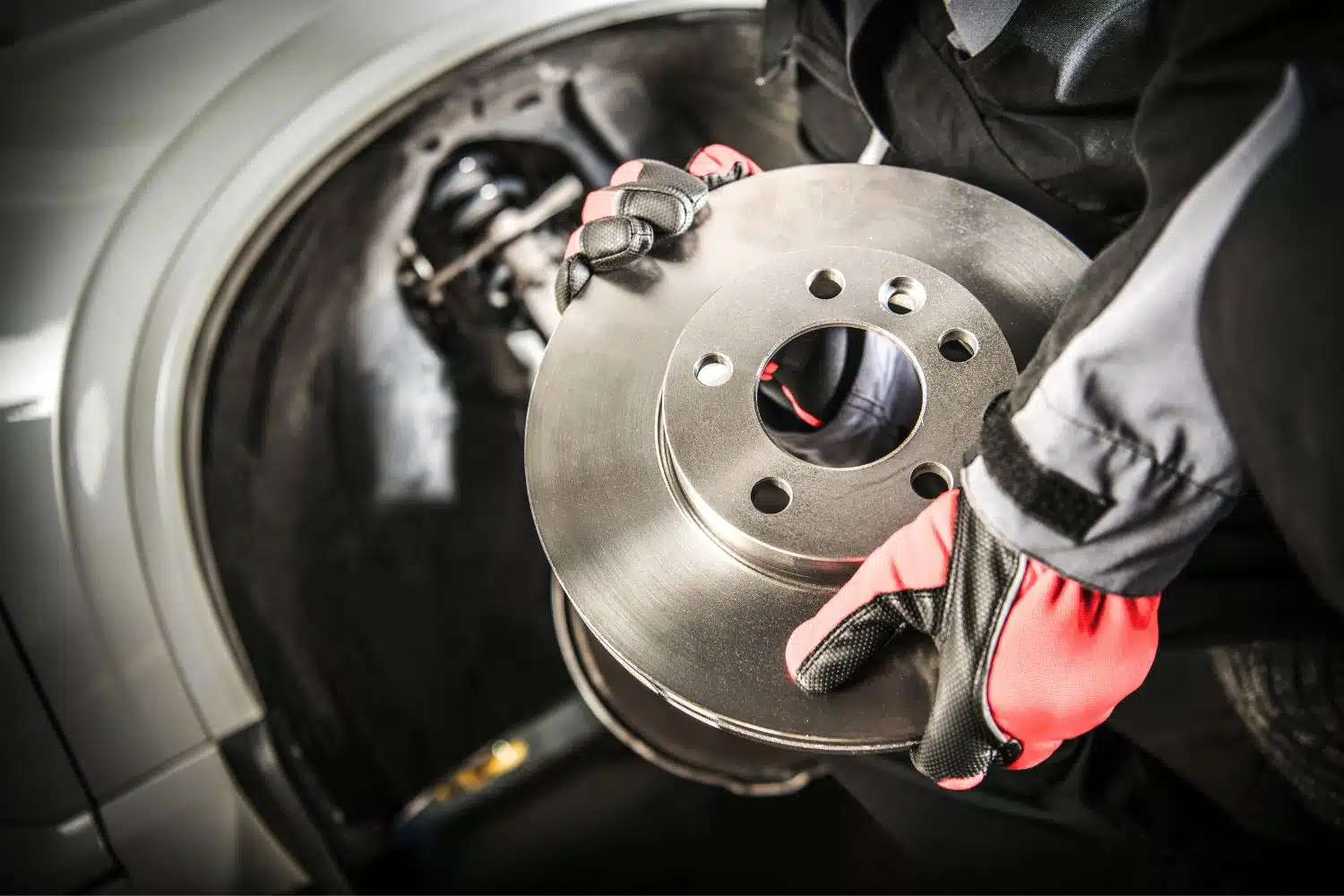
Trailer brakes play a major role in controlling a loaded combination, especially when the road surface offers limited grip. During winter, rain, snow, ice, and freezing temperatures can make stopping more difficult. The towing vehicle’s brakes must already manage its own weight, so a properly functioning trailer braking system helps share the braking effort.
Before departure, identify the type of braking system fitted to the trailer and follow the manufacturer’s inspection instructions. Never assume the brakes are working simply because the trailer has recently been used without an obvious problem.
Inspect the brake components for visible damage, corrosion, worn parts, fluid leaks, or disconnected wiring, depending on the system fitted. For electric trailer brakes, check the electrical connections and confirm that the brake controller recognises the trailer correctly.
Hydraulic or surge braking systems require their own appropriate checks, including attention to fluid levels and signs of leakage where applicable.
If the trailer has been stored for an extended period, arrange a more thorough inspection because moisture and inactivity can contribute to corrosion or sticking components. Any uncertain or defective braking system should be assessed by a qualified technician before towing.
Test the brake controller according to its instructions. Confirm that the controller is configured for the trailer and its loaded weight, and make sure the gain setting is appropriate for the conditions. A setting that is too low may provide insufficient braking assistance, while excessive braking force can cause the trailer wheels to lock on slippery surfaces.
The correct adjustment depends on the equipment, trailer load, road conditions, and manufacturer’s guidance. If you are unfamiliar with the controller, learn its operation before entering traffic rather than trying to understand it during an emergency.
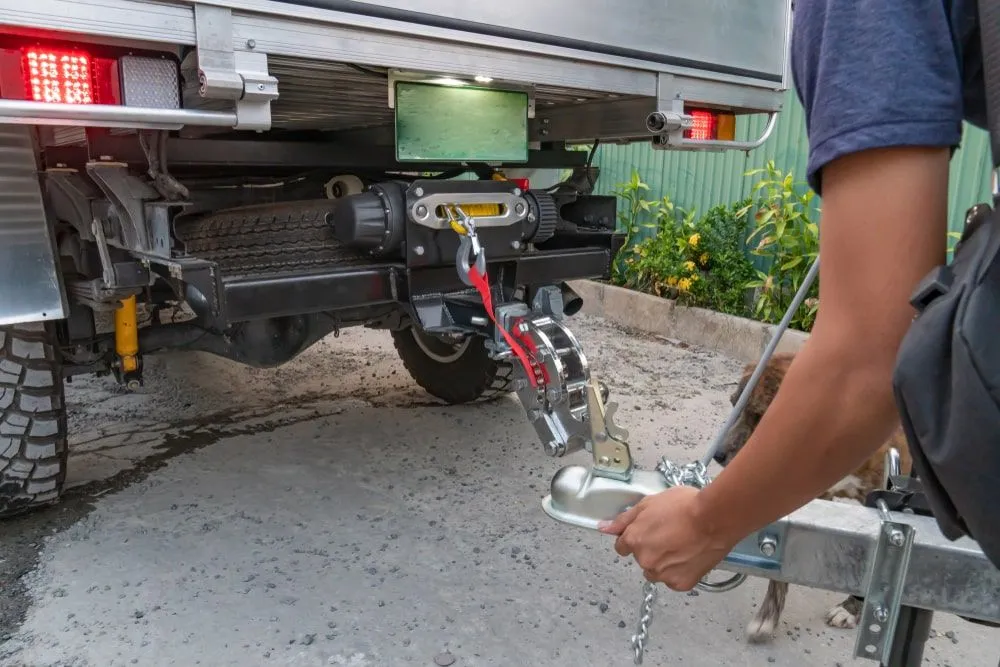
4. Inspect the Towbar, Hitch, and Safety Chains
The connection between the towing vehicle and trailer must remain secure throughout the journey. Winter conditions can make coupling problems harder to notice because ice, dirt, road salt, and moisture may hide damage or interfere with moving parts.
Begin by examining the towbar, hitch, mounting points, and associated hardware for cracks, deformation, corrosion, and loose fasteners. Check that the equipment is approved for the intended load and compatible with the trailer. If the towbar or hitch has suffered an impact, shows structural damage, or has an uncertain service history, obtain a professional assessment before use.
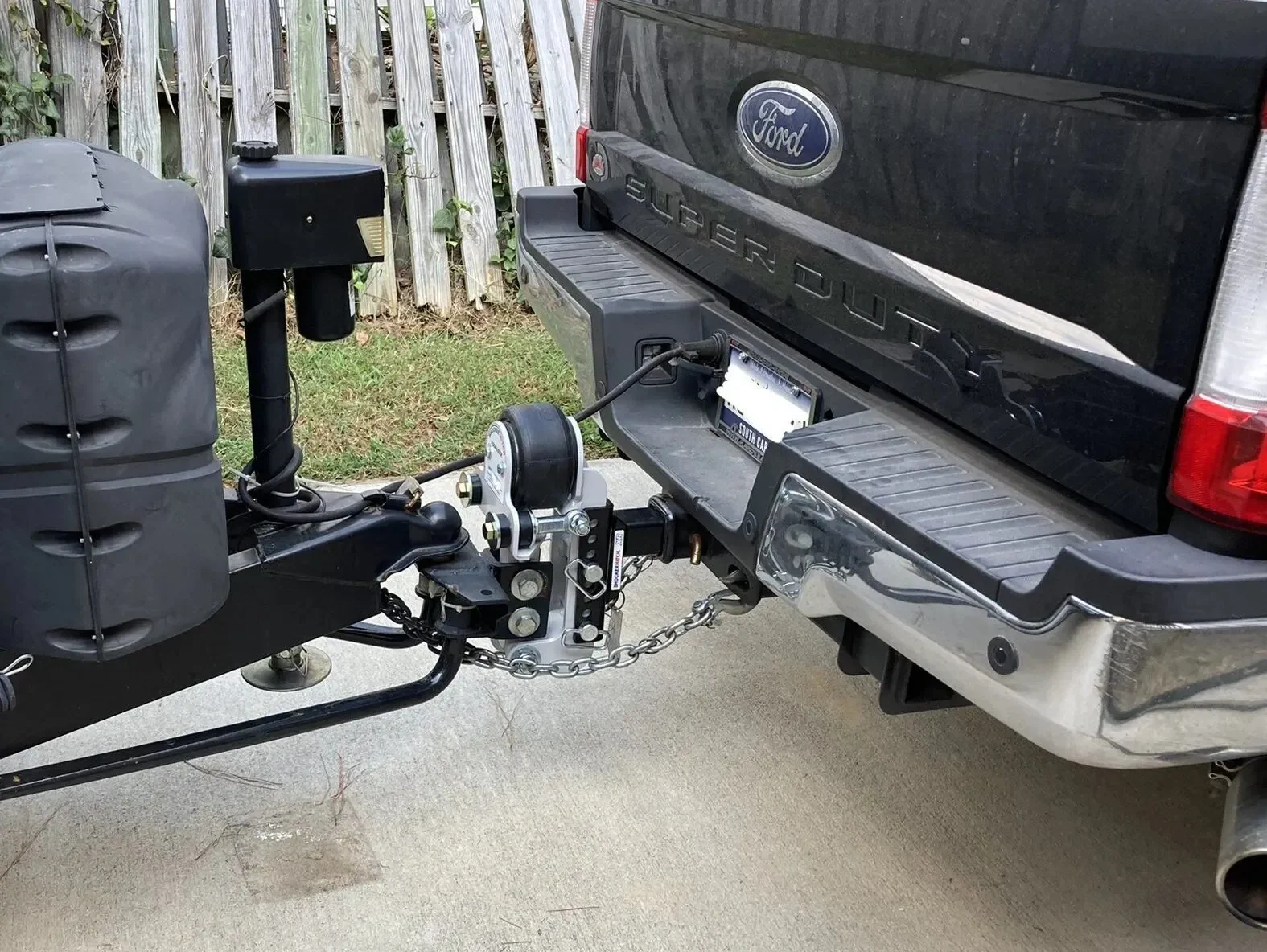
When attaching the trailer, make sure the coupler is fully seated on the correct hitch ball or approved coupling mechanism. Follow the manufacturer’s instructions for locking the coupling and confirm that the locking indicator, where fitted, shows the correct position.
Do not rely solely on a visual glance. Use the prescribed verification method and check that the coupling cannot lift off the hitch under normal operating conditions. Remove ice, mud, and debris from contact areas before connecting the trailer, but never modify the equipment or use makeshift materials to force a poor-fitting connection.
Safety chains or the approved secondary coupling system provide additional protection if the primary connection fails. Inspect the chains for damaged links, severe corrosion, worn hooks, or defective attachment points. Attach them to the designated points on the towing vehicle, following local regulations and equipment instructions.
The chains should have enough slack for normal turns without dragging on the road. They should also be arranged so they do not interfere with the brakes, electrical cables, or other moving components. Never assume that chains alone make an unsuitable or damaged coupling safe to use.
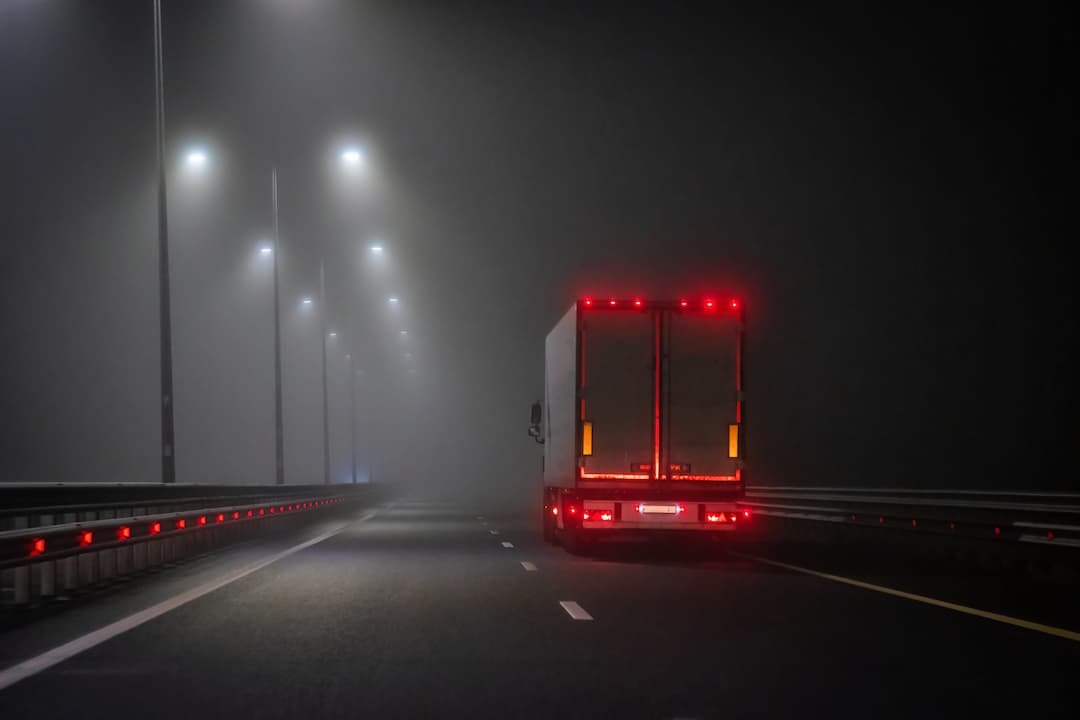
5. Verify Trailer Lights and Electrical Connections
Good lighting is essential for winter towing because daylight hours may be shorter and visibility can deteriorate quickly in fog, snowfall, rain, or road spray. Other drivers need to see the towing combination clearly and understand when it is slowing down or turning
. Before leaving, test the trailer’s indicators, brake lights, tail lights, and hazard warning lights. Check any additional lamps required by the trailer’s size and the regulations governing its use. Ask another person to observe the lights while you operate the controls, or use a safe method to confirm that each lamp functions correctly.
Inspect the light lenses for cracks, loose fittings, and accumulated dirt. Mud and road grime can reduce brightness, while snow and ice may cover lamps during a journey. Clean the lenses before departure and carry suitable cleaning supplies so they can be checked at safe stops.
If a lamp uses a replaceable bulb, keep compatible spares where practical, but remember that many modern systems use sealed LED units or specialised components. Repair defective lights rather than relying on hazard warning lights as a substitute for required road lighting.
Examine the wiring harness along the trailer and towing vehicle. Look for crushed sections, frayed insulation, exposed conductors, loose clips, and cables rubbing against sharp edges.
Check that the cable has enough length for turning while remaining clear of the road, tyres, exhaust components, and suspension parts. A wiring fault can cause intermittent lighting that may be difficult to identify during daylight. If a fuse repeatedly fails or a connector becomes unusually hot, stop using the affected circuit until the fault has been diagnosed and repaired.
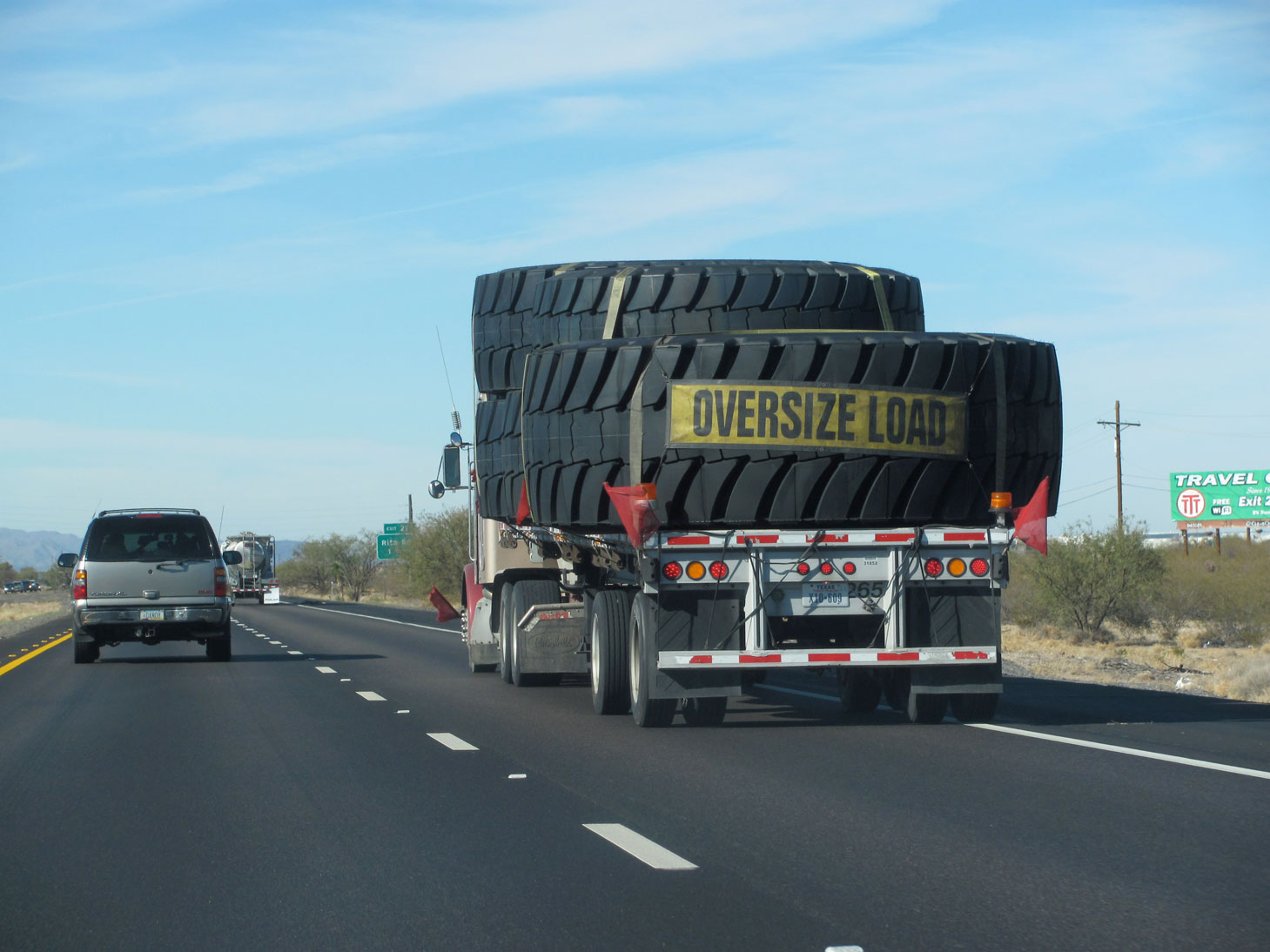
6. Secure the Load and Check Weight Distribution
Correct load distribution is essential for stable winter towing. Before departure, confirm the trailer’s gross weight, axle limits, and permitted payload. Include the weight of equipment, luggage, fuel, tools, and any other cargo when calculating the total.
Overloading can strain the tyres, suspension, brakes, and hitch, making the combination harder to control on slippery roads. Always remain within the limits specified by the towing vehicle and trailer manufacturers.
Place heavier items low and as close to the trailer axle as the loading instructions permit. Distribute the remaining cargo evenly from side to side to avoid unnecessary imbalance.
Heavy items positioned too high can raise the centre of gravity and increase the risk of excessive body movement. Secure all cargo so it cannot shift during braking, cornering, or sudden changes in road conditions.
Pay close attention to the trailer’s nose weight, also called tongue weight in some regions. Too little weight on the hitch can contribute to dangerous trailer sway, while excessive nose weight can overload the rear axle of the towing vehicle.
Follow the approved limits for the vehicle, towbar, and trailer, using a suitable measuring device when necessary. Never rely on guesswork when the load is close to a permitted limit.

7. Check Weather Forecasts and Road Conditions
Weather planning is an important part of safe winter towing because conditions can change significantly over a relatively short distance. A road that is clear near your departure point may have snow, freezing rain, or dense fog farther along the route.
Before setting off, review the forecast for your entire journey, including the destination and any elevated areas. Pay attention to warnings about ice, heavy snowfall, strong winds, and reduced visibility that could affect a loaded trailer.
Road conditions deserve the same attention as the forecast. Check for closures, temporary restrictions, untreated roads, steep gradients, and areas where snow accumulation is expected.
Bridges and exposed road sections can freeze sooner than surrounding surfaces, creating unexpected slippery patches. A trailer increases the demands on the towing vehicle, so a route that is manageable for an ordinary car may be unsuitable for a heavy combination. Choose roads that match your vehicle’s capabilities and your experience.
Strong winds can create additional difficulties, particularly when towing a tall caravan, box trailer, or enclosed transport trailer. Crosswinds can push against the trailer and affect the direction of the entire combination. Open plains, bridges, and exposed highways may be especially challenging during gusty weather.
If wind warnings indicate unsafe conditions for high-sided vehicles, consider postponing the trip or selecting a safer route. Reducing speed cannot make every weather situation safe, so be prepared to stop travelling when necessary.
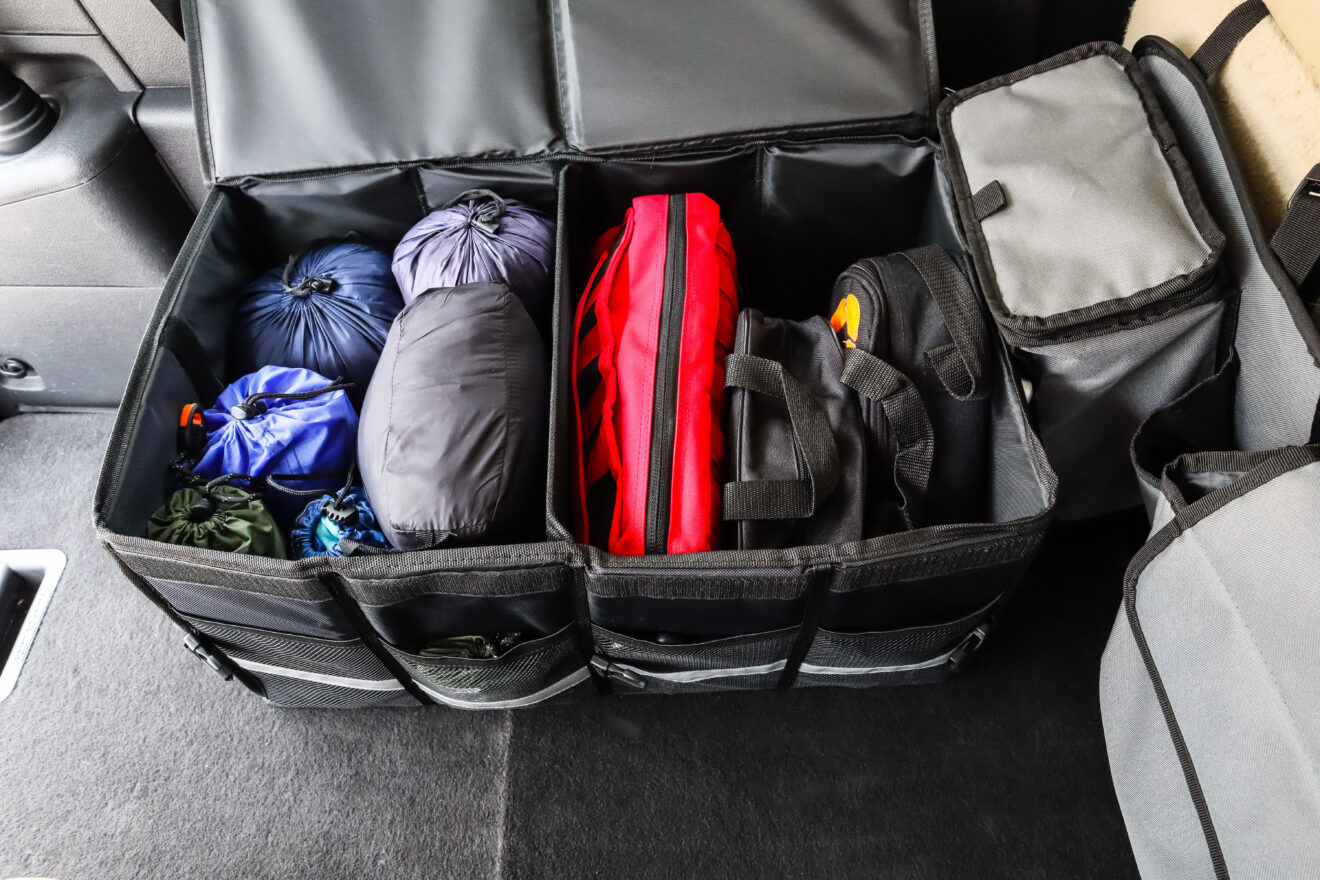
8. Prepare an Emergency Kit for Winter Towing
A suitable emergency kit can make an unexpected stop more manageable when winter conditions delay assistance. Pack warm clothing, insulated gloves, hats, blankets, drinking water, and non-perishable food for everyone travelling.
Cold temperatures can become uncomfortable quickly if the engine cannot run or the vehicle’s heating system fails. Store essential supplies somewhere accessible without unloading the trailer. The amount of food, water, and clothing should reflect the number of passengers, journey length, and likelihood of delays.
Carry a well-stocked first-aid kit and a reliable torch with spare batteries or a fully charged rechargeable unit. Reflective warning triangles, a high-visibility vest, and a warning light can help make a stopped vehicle more noticeable where their use is permitted and safe.
Keep a phone charging cable and a suitable power bank available. In freezing conditions, batteries may lose charge more quickly, so protect electronic equipment from extreme cold whenever practical.
Basic recovery and maintenance equipment can also be useful. Depending on the vehicle and trailer, this may include a tyre pressure gauge, wheel brace, suitable jack, jumper cables or a compatible jump starter, and basic hand tools.
Carry equipment only if it is appropriate for your vehicle, and you know how to use it safely. A jack must be rated for the load and used on a suitable surface. Never crawl beneath a vehicle or trailer supported only by a jack.
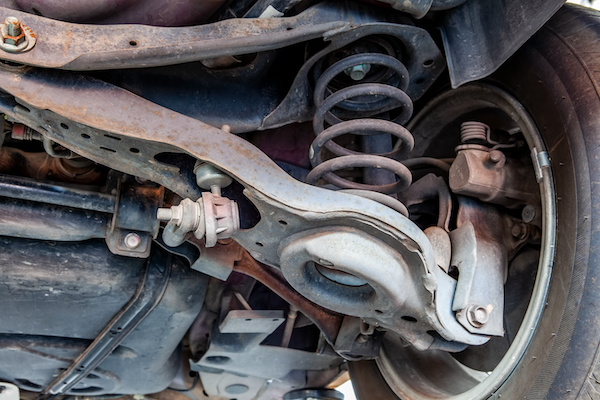
9. Test Heating, Defrosting, and Visibility Equipment
Clear visibility is essential when towing in winter, particularly when the trailer blocks part of the driver’s rear view. Before departure, inspect the windscreen for cracks, chips, and damage that could affect visibility.
Check that the windscreen wipers operate smoothly and clear water without leaving large streaks. Replace worn blades when necessary, and confirm that the washer system sprays correctly. Use washer fluid rated for the temperatures expected during the journey to help prevent freezing.
Test the heating and ventilation systems to make sure warm air reaches the windscreen and side windows. A working defroster helps remove condensation and frost, both of which can develop quickly when temperatures are low.
Check the rear window defogger and heated mirrors if the vehicle has them. Make sure air vents are not blocked by luggage or accessories. If the windows repeatedly fog up, investigate the ventilation settings and any underlying mechanical problem before beginning a long trip.
Clean all mirrors and windows thoroughly before connecting the trailer. Adjust the side mirrors to provide the widest practical view of the trailer’s sides and surrounding traffic. If the trailer obscures the standard rear-view mirror, use suitable additional towing mirrors where required or appropriate.
Mirrors should provide useful visibility without extending beyond legal limits. Check their stability after installation, since vibration and wind can gradually change their position during travel.

10. Review Driving Technique and Final Safety Checks
Safe winter towing depends on driving technique as much as mechanical preparation. Before departure, remind yourself that a loaded trailer changes the vehicle’s acceleration, braking distance, cornering behaviour, and response to sudden manoeuvres.
Start slowly and allow the towing combination to settle before increasing speed. Avoid abrupt steering inputs, rapid acceleration, and harsh braking, particularly on roads where ice may be difficult to see. Smooth, deliberate movements help reduce instability and maintain control.
Increase the following distance between your vehicle and the traffic ahead. A heavier combination generally requires more distance to stop, and slippery surfaces can make braking considerably less effective. Look farther down the road so you can anticipate traffic lights, bends, queues, and changing road conditions.
Reduce speed before entering a curve rather than braking heavily halfway through it. When descending a hill, use the appropriate lower gear and follow the vehicle manufacturer’s guidance to help control speed without placing excessive demands on the brakes.
Be alert for trailer sway, which may appear as repeated side-to-side movement behind the towing vehicle. Poor weight distribution, excessive speed, crosswinds, and unsuitable loading can contribute to this problem. If sway begins, avoid sharp steering corrections or sudden acceleration.
Follow the towing vehicle and trailer manufacturers’ instructions for regaining control, which generally emphasise keeping the steering steady and reducing speed smoothly. If your vehicle has a suitable trailer stability system, understand its operation, but never treat electronic assistance as a replacement for correct loading and sensible speed.