Reaching 100,000 miles is a significant milestone for any vehicle, but it can also mark the beginning of a new phase of maintenance. As cars accumulate mileage, certain components experience wear from heat, friction, road conditions, and years of regular use.
Drivers may notice unusual noises, fluid leaks, reduced performance, or warning lights that signal the need for attention. Understanding which repairs commonly arise between 100,000 and 150,000 miles helps owners plan ahead, manage expenses, and avoid unexpected breakdowns. With proper care, many vehicles can continue delivering dependable service well beyond this mileage range.
1. Suspension Components and Shock Absorbers
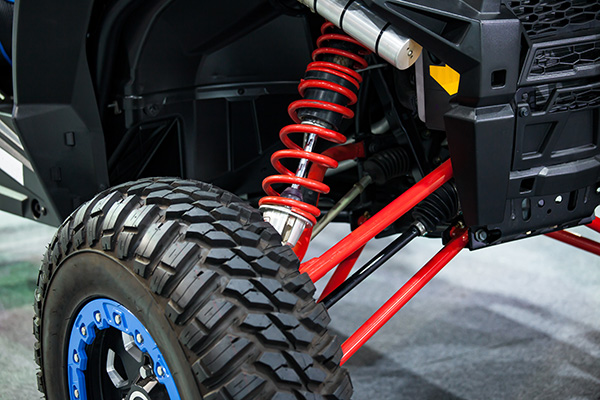
Suspension repairs become increasingly common as vehicles approach 100,000 to 150,000 miles. Shock absorbers, struts, control arm bushings, and ball joints handle thousands of bumps, turns, and braking movements throughout a vehicle’s lifetime.
As these parts age, they may lose their ability to control movement effectively, leading to a less comfortable ride and reduced stability on uneven roads.
Worn shock absorbers and struts often produce noticeable changes in vehicle handling. The car may bounce excessively after hitting a bump, dip forward during braking, or feel unstable when traveling over rough pavement. Some drivers also notice uneven tire wear because damaged suspension components prevent the tires from maintaining consistent contact with the road surface.
Control arm bushings and ball joints deserve particular attention during high-mileage inspections. Bushings absorb vibration and allow controlled movement between suspension components, while ball joints help connect moving parts of the suspension system.
Excessive wear can produce clunking sounds, loose steering, or alignment problems. A severely damaged ball joint can compromise vehicle control, making prompt inspection essential.
The cost of suspension repairs depends on the vehicle’s design, the parts requiring replacement, and local labor rates. Replacing a pair of shock absorbers may be relatively straightforward, while worn control arms or several interconnected components can increase the total bill.
A professional inspection can identify which parts actually need attention instead of replacing the entire suspension unnecessarily.
Drivers can extend suspension life by maintaining correct tire pressure, avoiding potholes when possible, and addressing alignment problems early. Regular inspections are particularly useful after driving on damaged roads or carrying heavy loads frequently.
If the vehicle feels unstable, makes persistent knocking sounds, or shows unusual tire wear, arrange an inspection before the condition affects other components.
2. Alternator Replacement
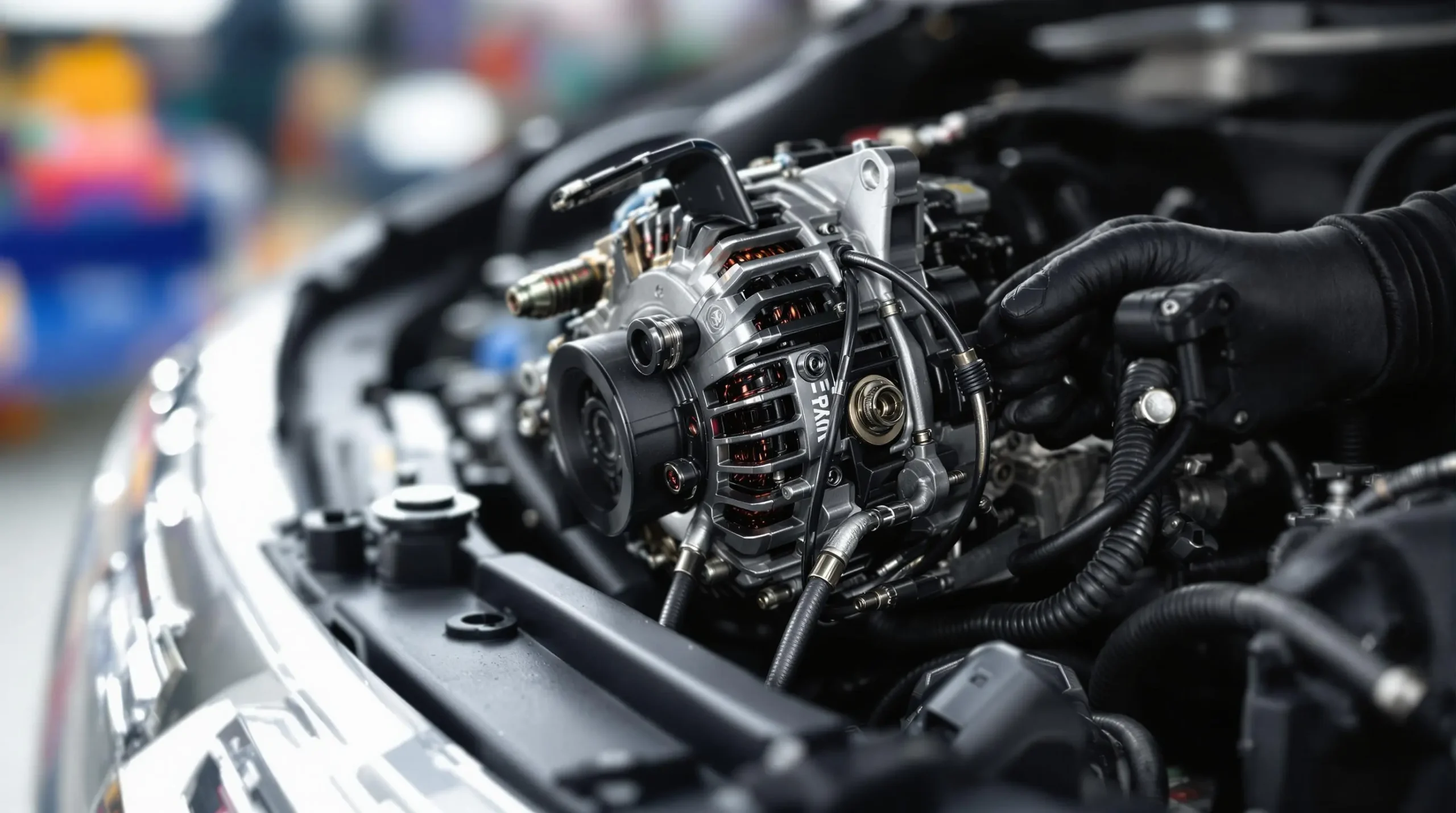
The alternator supplies electrical power while the engine runs and replenishes energy used by the battery during starting. Its internal bearings, voltage regulator, and electrical components experience repeated heat cycles and mechanical stress.
Depending on the vehicle and driving conditions, an alternator may require replacement around 100,000 to 150,000 miles, but many units last longer.
A failing alternator can cause several electrical symptoms. The dashboard battery warning light may illuminate, headlights may become unusually dim, or interior lights may fluctuate in brightness. Drivers might also experience malfunctioning electrical accessories, warning messages, or repeated battery discharge. These symptoms can resemble a weak battery, so testing is important before purchasing replacement parts.
The alternator and battery work together, but they perform different jobs. The battery provides energy to start the engine and supports electrical systems when needed, while the alternator generates electricity after the engine starts.
When charging output becomes insufficient, the battery may gradually lose its charge. Continuing to drive with a failing charging system can eventually leave the vehicle unable to restart.
Replacement costs vary according to the alternator’s design, accessibility, and electrical output requirements. Some vehicles use relatively accessible units, while others require more labor because of crowded engine compartments or specialized charging systems.
A mechanic should also inspect the drive belt, electrical connections, battery condition, and charging circuit to identify the actual source of the problem.
Routine checks can help detect charging problems before a complete failure occurs. A technician can measure charging voltage, examine wiring connections, and test the battery under appropriate conditions.
If the battery warning light appears while driving, avoid unnecessary electrical loads and arrange prompt assistance. A vehicle with inadequate charging power may stall once its remaining battery energy is exhausted.
3. Water Pump and Cooling System Repairs
The water pump circulates coolant through the engine and radiator to regulate operating temperature. Depending on the design, it may be driven by a belt or powered electrically.
Bearings, seals, and internal components can deteriorate with age, making water pump failure a possible concern as mileage increases. Some pumps last well beyond 150,000 miles, while others fail earlier.
A leaking water pump may leave colored coolant beneath the vehicle or create dried residue near the pump housing. Worn bearings can produce whining, grinding, or other unusual noises.
In certain cases, a pump may lose circulation efficiency without an obvious external leak. Rising engine temperature, coolant loss, or repeated overheating should therefore prompt immediate investigation.
Cooling system repairs can involve more than the pump itself. Hoses may become brittle, clamps can weaken, and the radiator may develop leaks or internal restrictions. A thermostat that sticks closed can also prevent proper coolant circulation, causing the engine to overheat. Because these components operate together, inspecting the entire system can prevent repeated workshop visits.
Repair costs depend on pump location, engine configuration, and the amount of dismantling required. On some engines, replacing the pump is relatively simple.
On others, access may require removing timing belt components or other accessories, increasing labor expenses. If the timing belt drives the pump, replacing both during the same repair may be sensible when the belt is due for service.
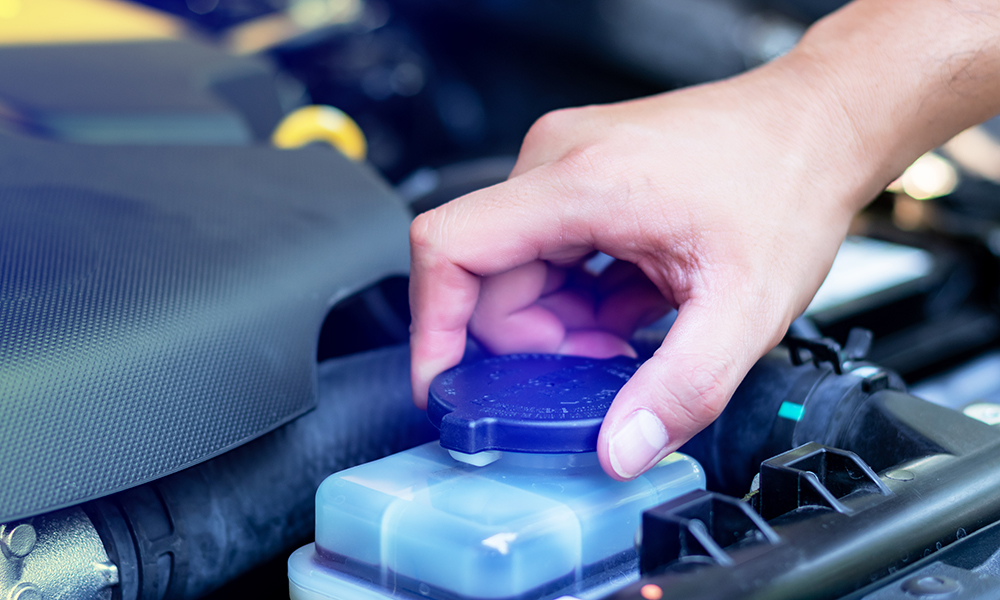
Preventive maintenance starts with using the correct coolant and following the manufacturer’s replacement schedule. Check the coolant reservoir periodically when the engine is cold, and never remove a hot cooling system cap.
If the temperature gauge rises into the danger zone, stop safely and switch off the engine. Continuing to drive an overheating vehicle can cause severe engine damage.
4. Timing Belt Replacement
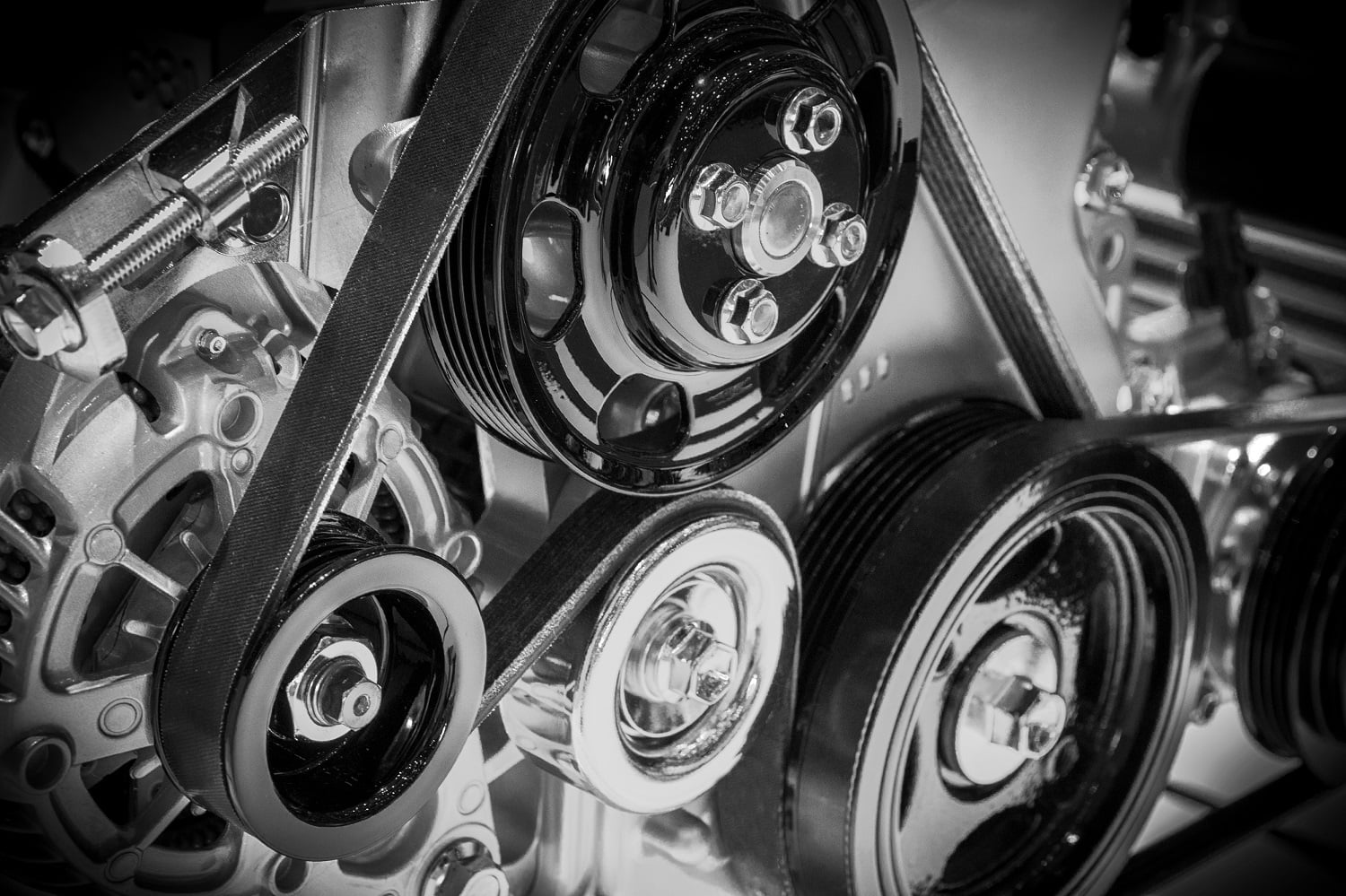
A timing belt synchronizes crankshaft and camshaft movement so that engine valves operate at the correct moment. Unlike many components that show gradual warning signs, a timing belt can fail with little notice.
Vehicles equipped with timing belts require replacement according to the manufacturer’s mileage or time interval, which may fall before or within the 100,000 to 150,000-mile range.
The consequences of a broken timing belt depend on the engine design. In an interference engine, pistons and valves can occupy overlapping space at different points in their movement.
If synchronization is lost, they may collide, resulting in bent valves or extensive internal damage. Non-interference engines generally face less severe consequences, but a broken belt can still leave the vehicle stranded.
Timing belts can deteriorate through age, heat, contamination, and repeated bending around pulleys. Cracks, fraying, missing teeth, or damaged edges may indicate trouble, but visual inspection cannot reliably establish the remaining life of every belt. Some belts appear acceptable shortly before failure. Following the specified replacement interval is therefore more dependable than waiting for visible damage.
A complete timing belt service may include replacement of tensioners, idler pulleys, and related seals, depending on their condition and the manufacturer’s recommendations. If the water pump is driven by the timing belt, technicians often assess whether it should be replaced at the same time. Combining suitable repairs can reduce duplicated labor later.
Owners should consult the maintenance schedule for their exact engine rather than relying on a universal mileage figure. Timing chain engines have different service requirements, and chains are not automatically maintenance-free.
Unusual rattling, poor running, or timing-related warning codes warrant professional diagnosis. Correct installation matters because even a small timing error can affect engine performance or prevent the engine from starting.
5. Transmission Service and Repairs
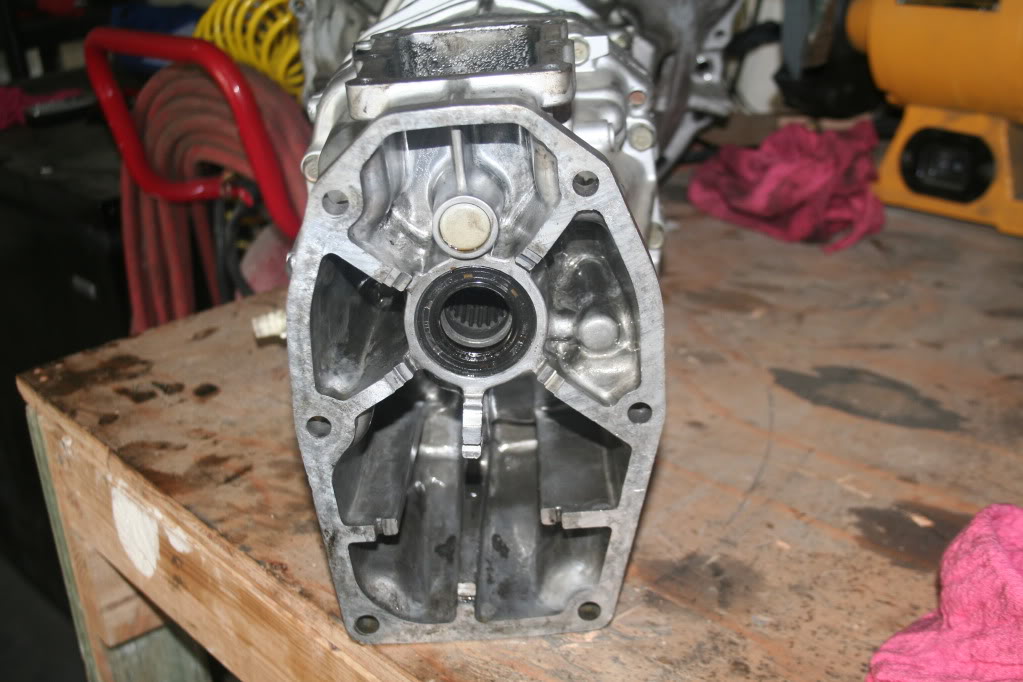
The transmission transfers engine power to the wheels while providing suitable gear ratios for acceleration and cruising. Its internal clutches, gears, bearings, valves, and fluid experience considerable stress during years of driving.
Between 100,000 and 150,000 miles, some vehicles may need transmission-related repairs, particularly when fluid maintenance has been neglected or operating conditions have been demanding.
Drivers may notice delayed engagement when shifting into Drive or Reverse, slipping between gears, harsh shifts, or unusual whining sounds. Automatic transmissions can also develop shuddering or overheating symptoms. Manual transmissions may experience clutch wear, difficult gear engagement, or grinding. These signs do not automatically mean the entire transmission has failed, since sensors, mounts, fluid condition, and control systems can produce similar complaints.
Transmission fluid lubricates moving parts, helps manage heat, and, in automatic systems, supports hydraulic operation. Fluid requirements differ by transmission type, and the correct specification is essential.
Some manufacturers prescribe fluid changes at particular intervals, while service requirements may vary with towing, heavy traffic, and extreme temperatures. Following the vehicle’s maintenance schedule can reduce avoidable wear.
Repair expenses range widely. A fluid leak, faulty sensor, or worn mount may be less expensive to correct than damaged internal clutches or gears.
Rebuilding or replacing a transmission can be costly because of the parts and labor involved. Proper diagnosis may include checking fluid condition where applicable, scanning control modules, evaluating shift behavior, and inspecting for leaks.
Avoid towing loads beyond the vehicle’s rating, and use the specified transmission fluid during servicing. If the transmission begins slipping severely, emits a burning smell, or displays a temperature warning, stop driving when it is safe to do so. Continued operation under these conditions can increase damage. A mechanic should identify the cause before recommending a major repair.
6. Engine Mount Replacement
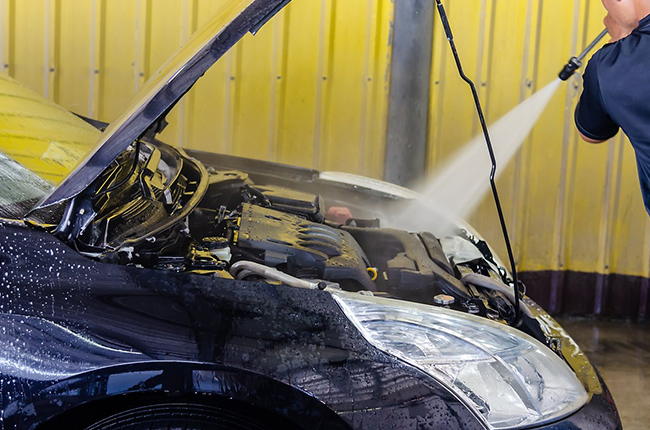
Engine mounts secure the engine to the vehicle’s frame or subframe while reducing vibration transmitted into the cabin. Many mounts contain rubber elements, and some use hydraulic fluid or electronically controlled mechanisms.
Over time, these materials can crack, soften, leak, or separate. High mileage, engine heat, road vibration, and frequent acceleration can all contribute to deterioration.
Excessive engine movement is a common symptom of worn mounts. Drivers may feel a noticeable thump when shifting gears, accelerating, or moving between Drive and Reverse. Vibration may become more apparent at idle, particularly when the air conditioning is running. In some vehicles, a damaged mount can also create knocking sounds as the engine moves under load.
Engine mounts are not always the only source of vibration. Rough idling, worn ignition components, damaged exhaust hangers, and drivetrain problems can produce similar symptoms.
A mechanic may observe engine movement while applying controlled load, inspect the mount material, and check for separation or fluid leakage. Accurate diagnosis prevents unnecessary replacement of otherwise serviceable parts.
The repair cost depends on the number of mounts involved and how difficult they are to reach. Certain mounts can be replaced relatively quickly, while others sit beneath components that must be removed first. Replacing every mount is not always necessary, but severely deteriorated mounts should be assessed alongside the remaining supports to ensure the engine stays properly secured.
Regular maintenance helps identify mount problems before they place additional stress on connected components. Pay attention to new vibrations, unusual clunks, and changes in engine movement.
Addressing a failed mount can improve comfort and reduce strain on exhaust connections, hoses, and nearby parts. Because engine mounts support substantial weight, replacement should be handled with suitable equipment and procedures.
7. Fuel Pump and Fuel System Repairs
The fuel pump delivers fuel from the tank to the engine at the pressure required by the fuel system. Depending on the vehicle, the pump may be located inside the tank or elsewhere in the system. Electric pumps operate whenever required by the engine management system, and years of use can eventually affect their performance.
A weakening fuel pump may cause extended cranking, hesitation during acceleration, sudden power loss, or difficulty starting after the engine has warmed up. In more advanced cases, the engine may stall or fail to start entirely.
These symptoms can also result from ignition faults, clogged filters, faulty sensors, or fuel pressure regulators, so testing is necessary.
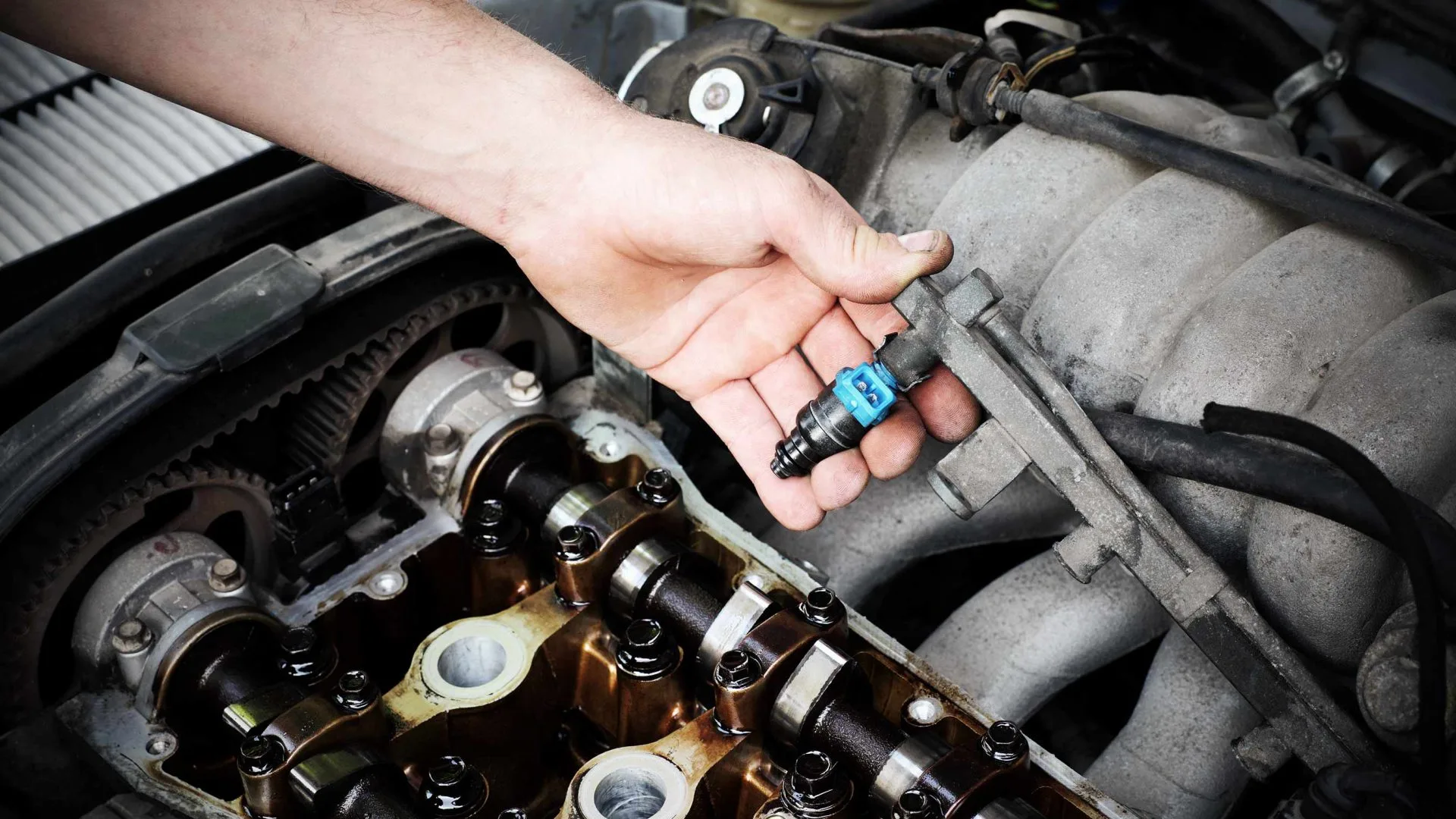
Fuel injectors can also require attention at higher mileage. They deliver carefully measured fuel into the engine, and deposits or electrical faults can disrupt their operation.
Symptoms may include rough idling, poor fuel economy, misfires, and uneven acceleration. However, these problems have several possible causes, and injector cleaning or replacement should follow appropriate diagnostic results.
Fuel system repair costs depend on pump accessibility, injector design, and the vehicle’s fuel delivery system. Replacing an in-tank pump may require lowering the fuel tank or accessing it through a service panel. High-pressure direct injection systems can involve more expensive components and specialized procedures. A technician should check fuel pressure and related electrical circuits before replacing parts.
Maintaining a reasonable fuel level can help prevent unnecessary stress on many in-tank electric pumps, which rely on surrounding fuel for cooling.
Use fuel that meets the manufacturer’s specifications and replace serviceable fuel filters at the recommended intervals. If the engine loses power suddenly or repeatedly stalls, avoid continuing long journeys until the fuel system has been inspected.
8. Wheel Bearings and Hub Assemblies
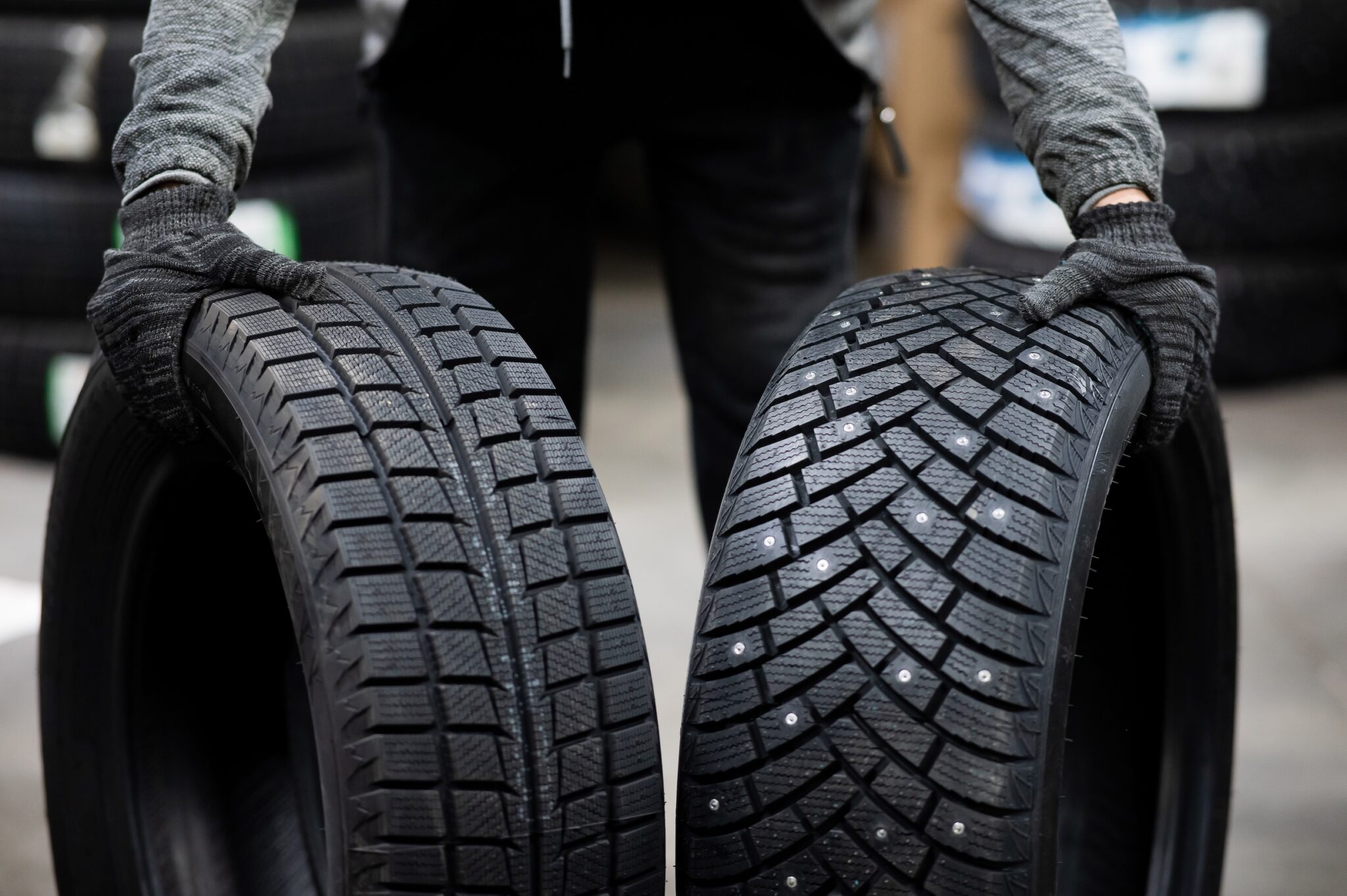
Wheel bearings allow the wheels to rotate smoothly while supporting the vehicle’s weight. They experience constant loads from cornering, braking, acceleration, and road impacts.
Over time, bearing surfaces and seals can wear, allowing unwanted movement or noise. Some vehicles reach 150,000 miles without bearing trouble, while others need replacement much sooner because of road conditions or damage.
A common warning sign is a humming, growling, or rumbling sound that changes with vehicle speed. The noise may become louder during turns as the load shifts across the wheels. In certain cases, a worn bearing causes vibration or looseness, but these symptoms can also come from tires, brakes, or drivetrain components.
Wheel bearings may be supplied separately or integrated into a hub assembly. Some designs allow a technician to replace the bearing itself, while others require replacement of the complete unit.
Labor requirements vary depending on the suspension layout, corrosion, and access to the hub. Modern assemblies may also incorporate wheel speed sensors used by anti-lock braking systems.
Diagnosis typically involves inspecting wheel play, listening for bearing noise, and checking how the wheel rotates when safely raised. A technician may also examine tire condition and suspension components to rule out similar faults. A growling noise alone does not confirm bearing failure, so a proper inspection helps avoid replacing the wrong component.
Wheel bearing problems should not be ignored because severe deterioration can affect wheel control and, in extreme cases, cause dangerous mechanical failure.
If a wheel develops pronounced looseness, grinding, or sudden changes in handling, stop driving and arrange professional assistance. Avoid driving through deep water whenever possible, and have damaged suspension or hub components inspected after significant impacts.
9. Air Conditioning Compressor Repairs
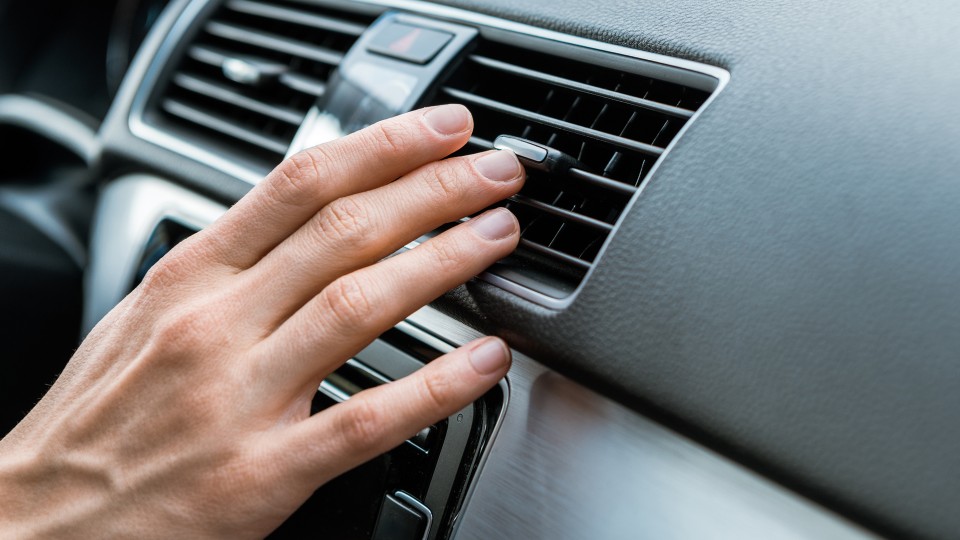
The air conditioning compressor circulates refrigerant through the system, allowing the cabin to remain comfortable during hot weather. Its moving parts, seals, clutch mechanism where fitted, and supporting drive components can wear with age.
As mileage increases, some vehicles develop compressor problems, refrigerant leaks, or failures involving related components.
Reduced cooling is a common complaint, but weak airflow or warm air does not necessarily mean the compressor has failed. Low refrigerant, a blocked cabin filter, faulty pressure sensors, electrical problems, or a malfunctioning cooling fan may produce similar symptoms. A technician should test system pressures and electrical operation before recommending an expensive compressor replacement.
Compressor failure can sometimes spread contamination through the air conditioning circuit. If internal components break apart, metal particles may circulate through refrigerant lines and other parts.
The correct repair may then require cleaning the system and replacing additional components, depending on the manufacturer’s procedures and the extent of contamination. Simply installing a new compressor may not resolve the problem.
Repair costs depend on compressor design, refrigerant type, accessibility, and whether other parts need replacement. Some vehicles use compressors with conventional electromagnetic clutches, while others use variable-displacement or electrically driven units.
Hybrid and electric vehicles may use specialized high-voltage compressors that require appropriate training and equipment. Qualified technicians should handle refrigerant recovery and charging.
Operating the air conditioning system according to the manufacturer’s guidance can help maintain its performance. Arrange an inspection if cooling weakens, unusual noises develop, or the compressor repeatedly switches on and off abnormally.
Avoid adding refrigerant without confirming the system’s needs, because incorrect quantities can impair operation. Early diagnosis may prevent a small leak or electrical fault from becoming a larger repair.
10. Starter Motor and Ignition System Repairs
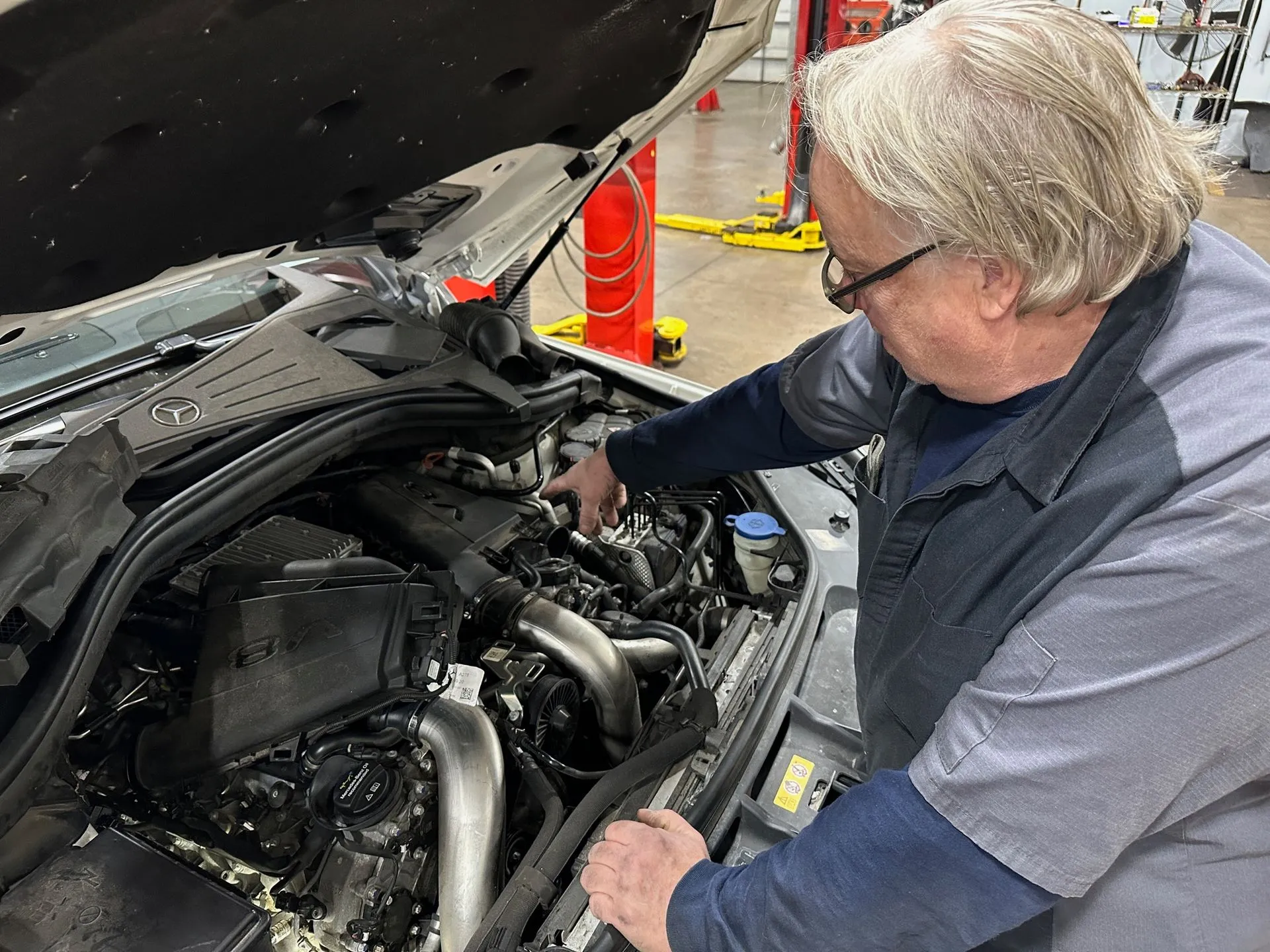
The starter motor turns the engine during startup, allowing combustion to begin. Its internal contacts, bearings, brushes, and drive mechanism can wear after thousands of starting cycles. A starter may fail before 100,000 miles in a vehicle used for frequent short trips, while another can continue working well beyond 150,000 miles.
A failing starter often produces a clicking sound, slow cranking, or no response when the driver turns the key or presses the start button. Sometimes the engine cranks normally but refuses to start, which points toward a different issue. A discharged battery, corroded cable, faulty relay, or damaged connection can imitate starter failure.
Ignition system components can also require attention during this mileage range. Spark plugs, ignition coils, and related electrical connections operate under demanding temperatures and repeated electrical loads.
Worn spark plugs may cause misfires, sluggish acceleration, poor fuel economy, or difficult starting. Replacement intervals differ by engine and plug type, so the manufacturer’s maintenance schedule should guide servicing.
Starter replacement costs depend on the unit’s location and the vehicle’s electrical architecture. Some starters are easy to access, while others require substantial disassembly.
A technician should test the battery, charging system, starter circuit, and relevant control systems before fitting a replacement. On vehicles with keyless entry or electronic starting systems, additional diagnostic steps may be necessary.
Drivers can reduce avoidable starting problems by keeping battery terminals clean, replacing an aging battery when testing indicates it is necessary, and addressing slow cranking promptly. Avoid holding the starter engaged for longer than the owner’s manual recommends.
If the engine repeatedly fails to start, seek diagnosis before repeated attempts drain the battery or overheat starter components.