Buying a used car in the United States can save thousands of dollars, but maintenance costs deserve equal attention. A vehicle with affordable replacement parts, simple mechanical systems, and widely available repair services can help drivers manage their budgets for years.
Some models also benefit from large owner communities, extensive aftermarket support, and mechanics who know their common problems. Whether you need a dependable commuter, a family sedan, or a practical compact car, choosing the right model matters. This guide highlights ten used cars known for accessible parts, straightforward maintenance, and practical ownership costs for American drivers.
1. Toyota Corolla
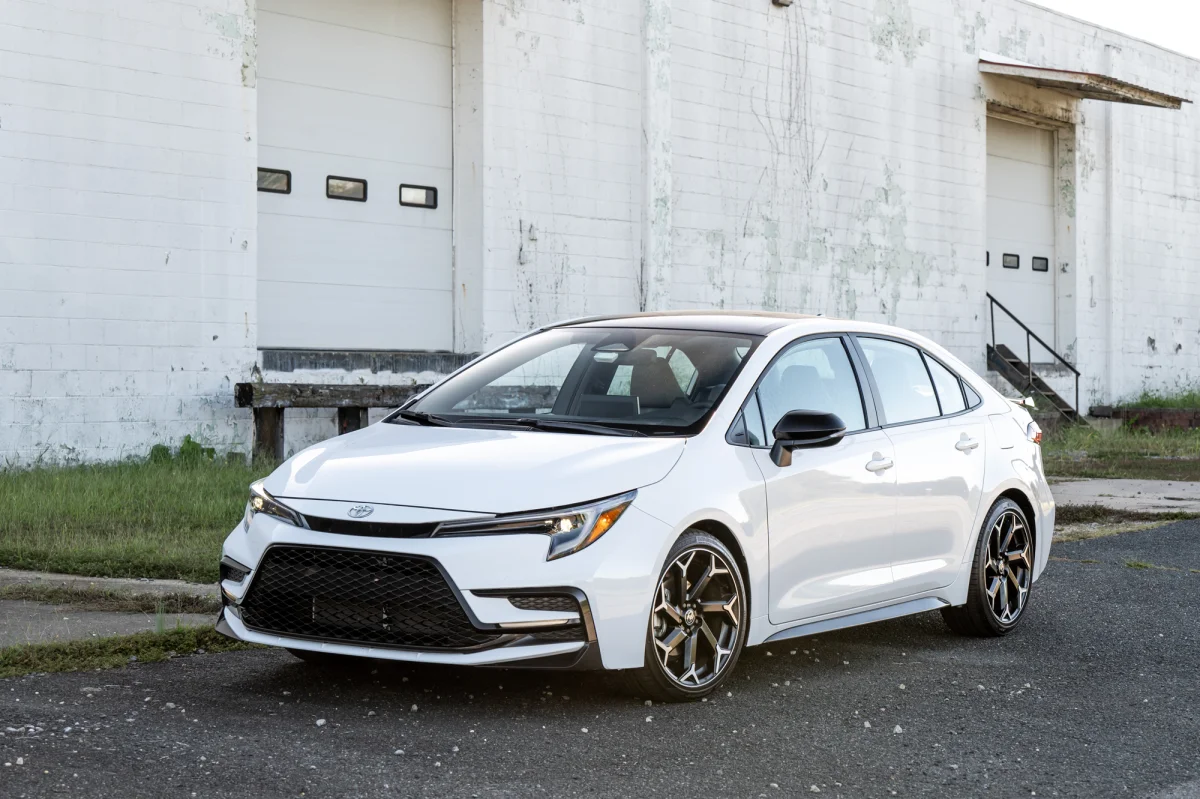
The Toyota Corolla has earned a strong reputation among American drivers who want affordable transportation without complicated maintenance requirements. For used-car shoppers, models from the mid-2000s through the late 2010s can offer an appealing combination of fuel economy, everyday comfort, and accessible replacement parts.
Because Toyota has sold large numbers of Corollas throughout the United States, independent repair shops commonly work on them, and aftermarket suppliers offer a wide range of components.
Basic service items, including oil filters, air filters, spark plugs, brake pads, and belts, are generally easy to find. Actual prices vary by model year, engine, brand, and supplier, so comparing several sources remains worthwhile.
Routine maintenance is relatively straightforward on many Corolla model years. Oil changes, brake service, battery replacement, tire rotation, and air-filter changes are familiar jobs for independent mechanics. Owners who learn basic maintenance can handle certain tasks at home with common tools, provided they follow the correct service procedures.
The Corolla’s widespread availability also makes it easier to locate used parts from salvage yards when a replacement mirror, headlight assembly, door handle, or interior component is needed. Mechanical components may be shared across certain model years or trims, but compatibility should always be confirmed using the vehicle identification number, engine details, and part number.
2. Honda Civic
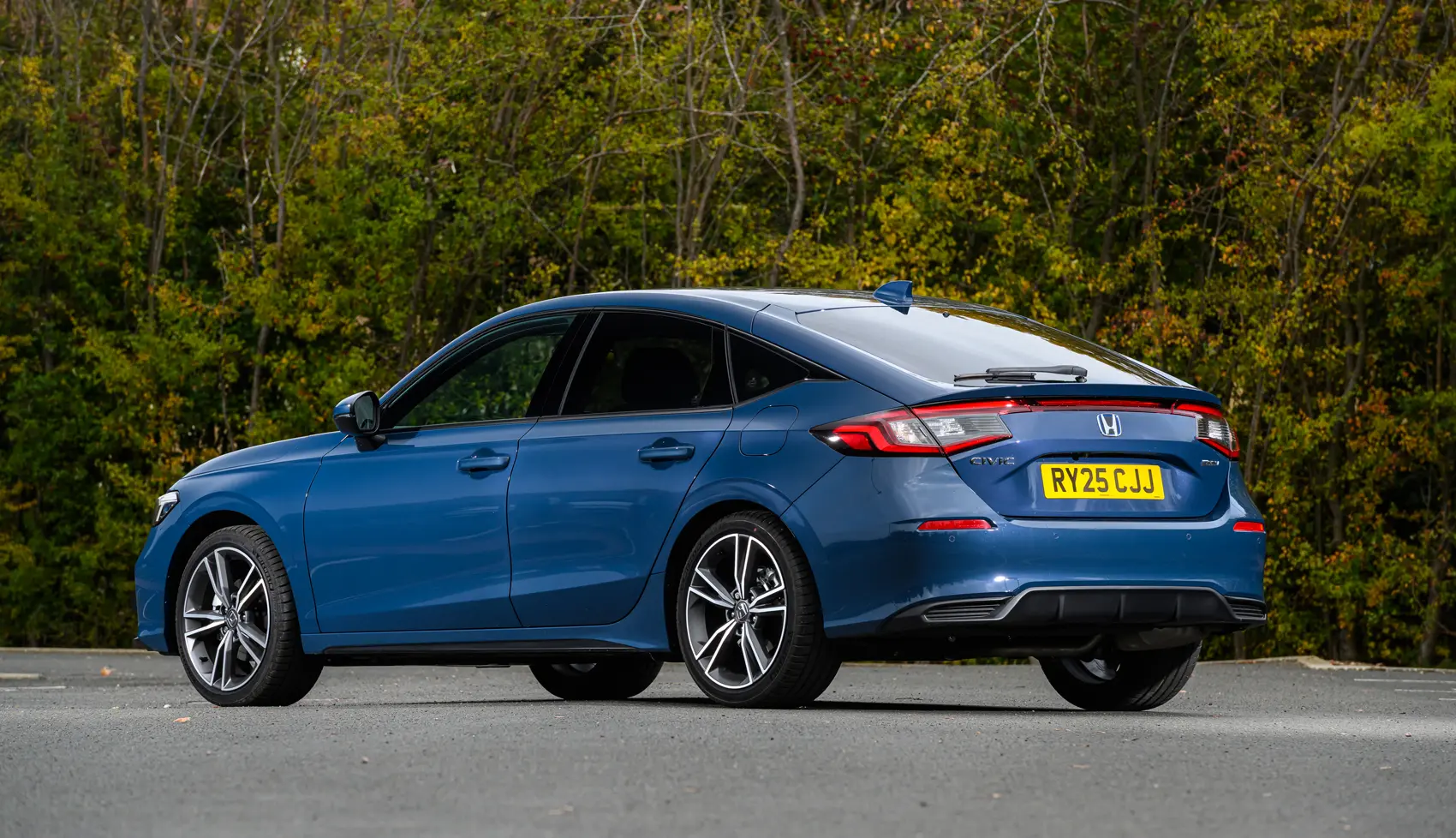
The Honda Civic is another popular choice for Americans seeking a used car with accessible replacement parts and manageable repair costs. Sold in large numbers across multiple generations, the Civic benefits from a substantial supply of aftermarket components, recycled parts, and experienced independent mechanics.
Routine service items such as filters, spark plugs, brake pads, batteries, and suspension components are widely available. Depending on the generation, buyers can choose from sedans, coupes, and hatchbacks, giving the model broad appeal for students, commuters, small families, and first-time car owners.
Availability and repair expenses differ by year, trim, engine, and transmission, so shoppers should identify the exact configuration before comparing prices.
Many Civic maintenance procedures are familiar to independent garages, helping owners avoid relying exclusively on dealership service departments. Routine oil changes, brake replacement, tire service, battery installation, and fluid checks are generally straightforward.
Some experienced home mechanics also perform spark-plug changes, air-filter replacement, and basic inspections using ordinary tools. More involved work, including timing-belt service on applicable engines, clutch replacement, and transmission repairs, requires appropriate experience and equipment.
Before attempting any repair, owners should consult the service manual for the specific model year and engine. Choosing a car with a conventional, well-maintained powertrain can make long-term ownership easier to budget.
The Civic has a generally favorable reputation for durability, but different generations have different strengths and weaknesses. Certain older vehicles may have oil leaks, worn engine mounts, suspension problems, air-conditioning faults, or rust.
Some model years and engine configurations have also experienced particular mechanical concerns that buyers should research before committing. Turbocharged engines, continuously variable transmissions, and advanced electronic features can introduce different diagnostic and repair requirements compared with older, simpler configurations.
This does not mean newer Civics are bad investments. Rather, it highlights the importance of reviewing maintenance records and conducting model-specific inspections instead of relying solely on the Honda badge or the model’s reputation.
3. Toyota Camry
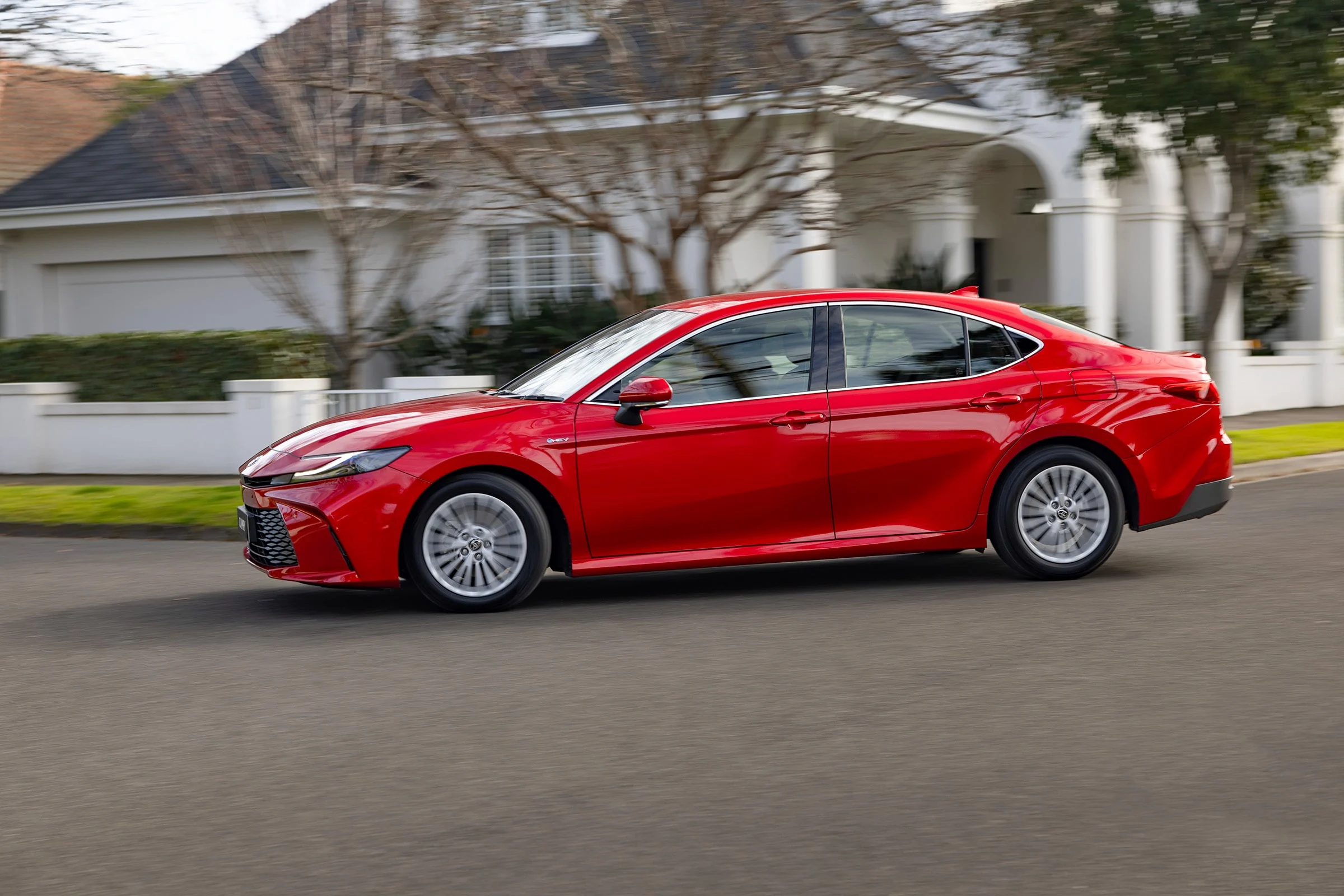
The Toyota Camry is a midsize sedan worth considering for drivers who need more passenger room than a compact car provides without taking on the operating costs of a luxury vehicle. Its popularity in the American used-car market creates strong demand for replacement components and gives independent repair shops extensive experience with many model years.
Common service items, including brake pads, filters, spark plugs, batteries, and suspension parts, are generally available through parts retailers and online suppliers. Four-cylinder versions often appeal to buyers focused on everyday economy, while V6 models provide additional power with potentially higher fuel and maintenance expenses. Selecting the right engine and trim can make a meaningful difference to ownership costs.
Many Camry repairs involve familiar automotive systems rather than specialized luxury-car technology. Independent mechanics routinely service brakes, replace batteries, maintain cooling systems, and diagnose common engine or suspension concerns. Basic maintenance can be manageable for owners with suitable tools and the correct repair information.
However, the Camry is larger and heavier than a Corolla or Civic, so some components, including tires and brakes, may cost more. Certain engine designs also have different service requirements, and repairs involving automatic transmissions, electronic controls, or emissions equipment can become expensive. Checking local parts prices before buying helps establish a realistic maintenance budget.
The Camry has a reputation for long service life when maintained properly, but condition matters more than general reliability rankings. Higher-mileage examples may need suspension work, engine seals, wheel bearings, alternators, or air-conditioning repairs.
Some years have known engine, transmission, or other model-specific concerns, making targeted research important. Hybrid versions can offer excellent fuel efficiency, but shoppers should inspect the hybrid battery and associated systems rather than assuming all Camrys have identical repair costs.
A hybrid with a healthy battery may be economical to own, while a neglected example with major hybrid-system problems could require a substantial investment.
For families and commuters, the Camry offers a comfortable ride, a roomy cabin, and a practical trunk. These advantages make it suitable for highway travel, school runs, and daily driving. Its midsize dimensions may also provide greater rear-seat comfort than many compact sedans.
Buyers should nevertheless compare tire size, fuel consumption, insurance premiums, and local labor rates across the specific cars under consideration.
An older, well-maintained four-cylinder Camry may be a sensible choice for someone who values straightforward transportation, while a newer model with advanced driver-assistance technology may appeal to those prioritizing additional safety and convenience features.
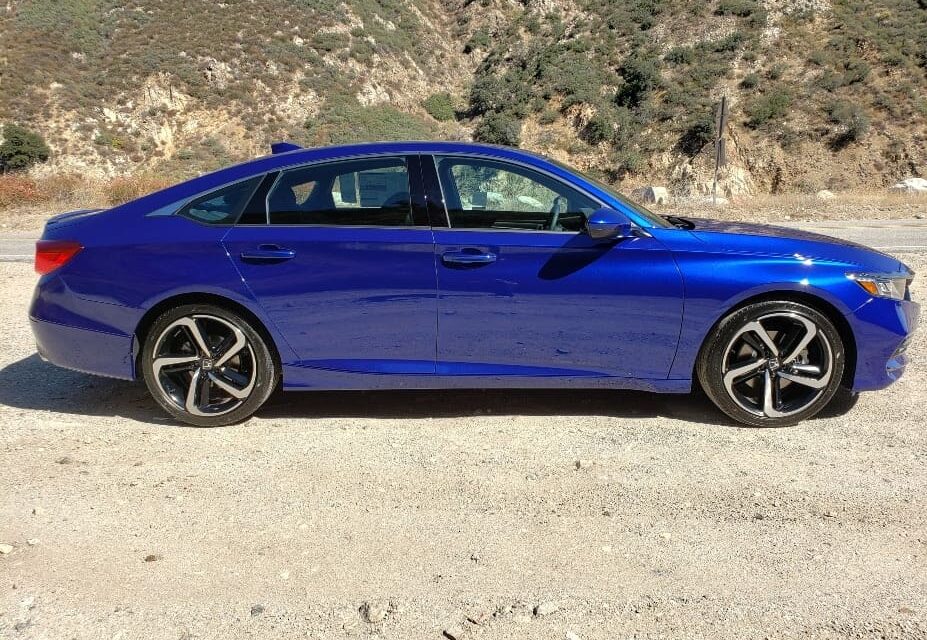
4. Honda Accord
The Honda Accord is a popular midsize car that combines everyday practicality with widely available replacement parts and a large network of independent repair shops. American buyers can find many used examples across different generations, engine options, and trim levels.
That variety makes it possible to shop for a vehicle that suits a particular budget without being limited to a single configuration. Routine service components, including oil filters, air filters, brake pads, batteries, and many suspension parts, are readily available for common versions. The exact cost depends on model year, engine type, trim, and whether the owner chooses original-equipment or aftermarket parts.
Routine Accord maintenance is familiar to many mechanics, which helps owners compare labor rates between dealerships and independent garages. Oil and filter changes, brake servicing, tire rotation, battery replacement, and standard inspections are generally straightforward.
More advanced repairs require additional care, particularly when working on engines with specific valve-adjustment requirements, turbocharging systems, or modern transmission designs. Some older Accords use timing belts that must be replaced according to the relevant service schedule, while other engines use timing chains. Understanding which system a particular engine uses helps buyers estimate future maintenance needs instead of relying on generic model-wide advice.
Although the Accord has a strong reputation among used-car shoppers, some examples may have age-related or model-specific issues. Worn suspension parts, engine oil leaks, air-conditioning faults, and transmission concerns can affect certain vehicles.
Some generations have also experienced particular engine or electrical problems that deserve investigation before purchase. Maintenance history is especially important for high-mileage examples because delayed fluid changes or ignored warning signs can turn minor faults into expensive repairs.
Buyers should research the precise model year and engine, inspect available records, and arrange an independent mechanical evaluation before paying a deposit or signing a purchase agreement.
The Accord’s larger cabin and comfortable highway manners make it suitable for drivers who regularly carry passengers or travel long distances. Many versions offer useful trunk space and a composed ride, while newer generations may include additional driver-assistance and infotainment features.
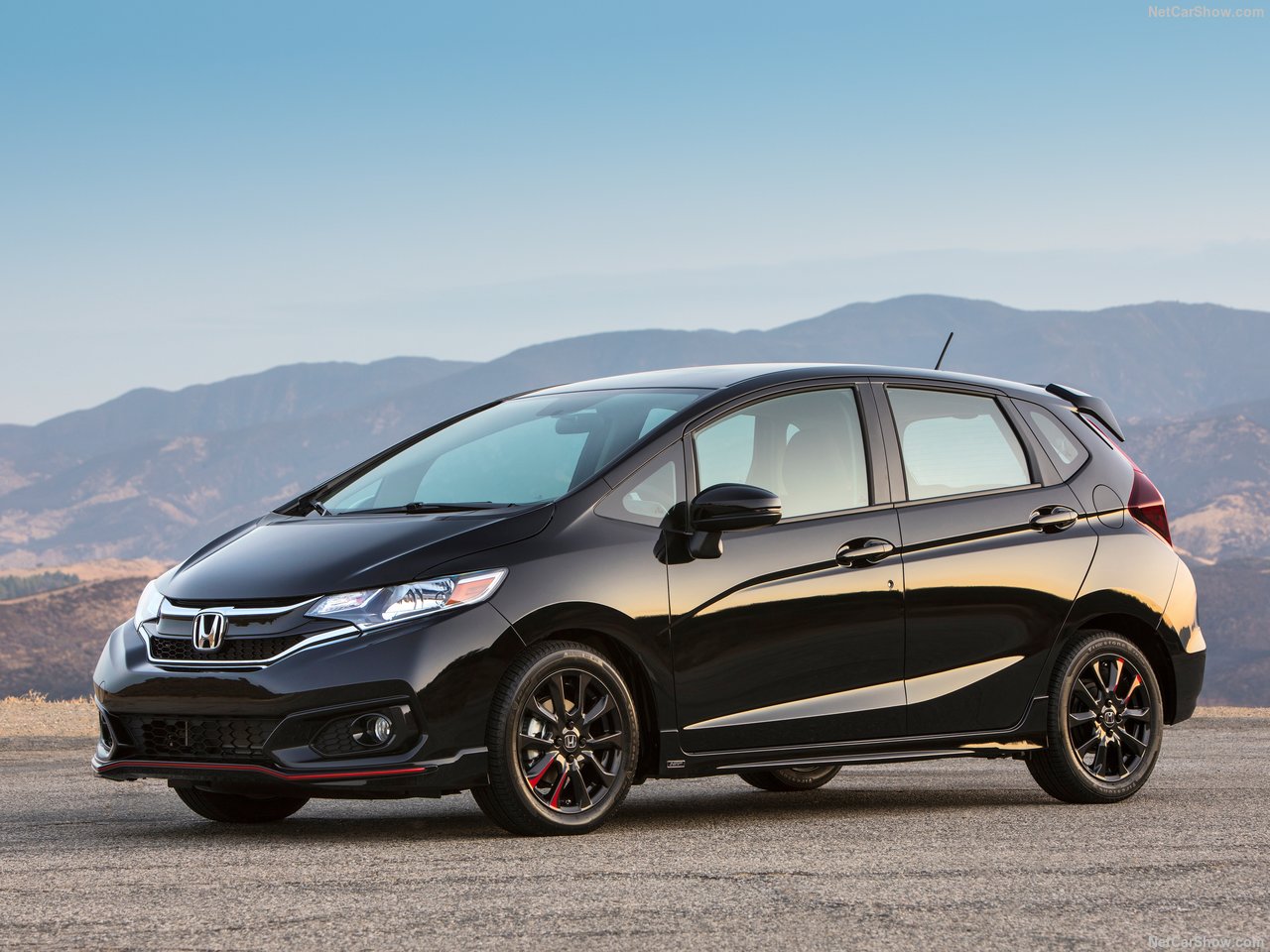
5. Honda Fit
The Honda Fit is a small hatchback that makes efficient use of its compact footprint, making it attractive to urban drivers, students, and people who want a practical used car without paying for a large vehicle. Earlier Fit models sold in the United States remain appealing to budget-minded shoppers because their modest size, economical engines, and widespread parts supply can help control running expenses.
Many routine components are available from local auto-parts stores, online retailers, and salvage yards. Since Honda sold the Fit in multiple model years, buyers can compare different examples and choose the best combination of condition, mileage, and price. Availability varies by generation, so checking local listings is important.
The Fit’s compact design and relatively straightforward mechanical layout can make many ordinary service tasks manageable. Oil changes, filter replacement, brake maintenance, battery replacement, and tire service are familiar jobs for independent mechanics.
Owners with basic mechanical knowledge may be able to complete certain maintenance tasks at home using suitable tools and reliable repair information. The hatchback’s flexible seating arrangement also makes it useful for carrying groceries, luggage, and small household items.
Still, a small car is not automatically cheap to repair in every situation. Parts prices depend on availability and specification, and damage to body panels, lights, or specialized interior components may require careful sourcing.
As with any used vehicle, the Fit’s reliability depends on its condition and service history. Buyers should pay attention to transmission behavior, engine performance, suspension noises, brake condition, and signs of previous collision damage.
Certain model years and transmission types have specific maintenance requirements or known concerns, so the exact configuration deserves research before purchase. Older examples may also have worn engine mounts, tired suspension components, rust, or neglected cooling-system maintenance.
A professional inspection can help distinguish a well-kept commuter from a car that appears inexpensive but needs immediate work. Maintenance records are especially valuable when shopping for vehicles with high mileage.
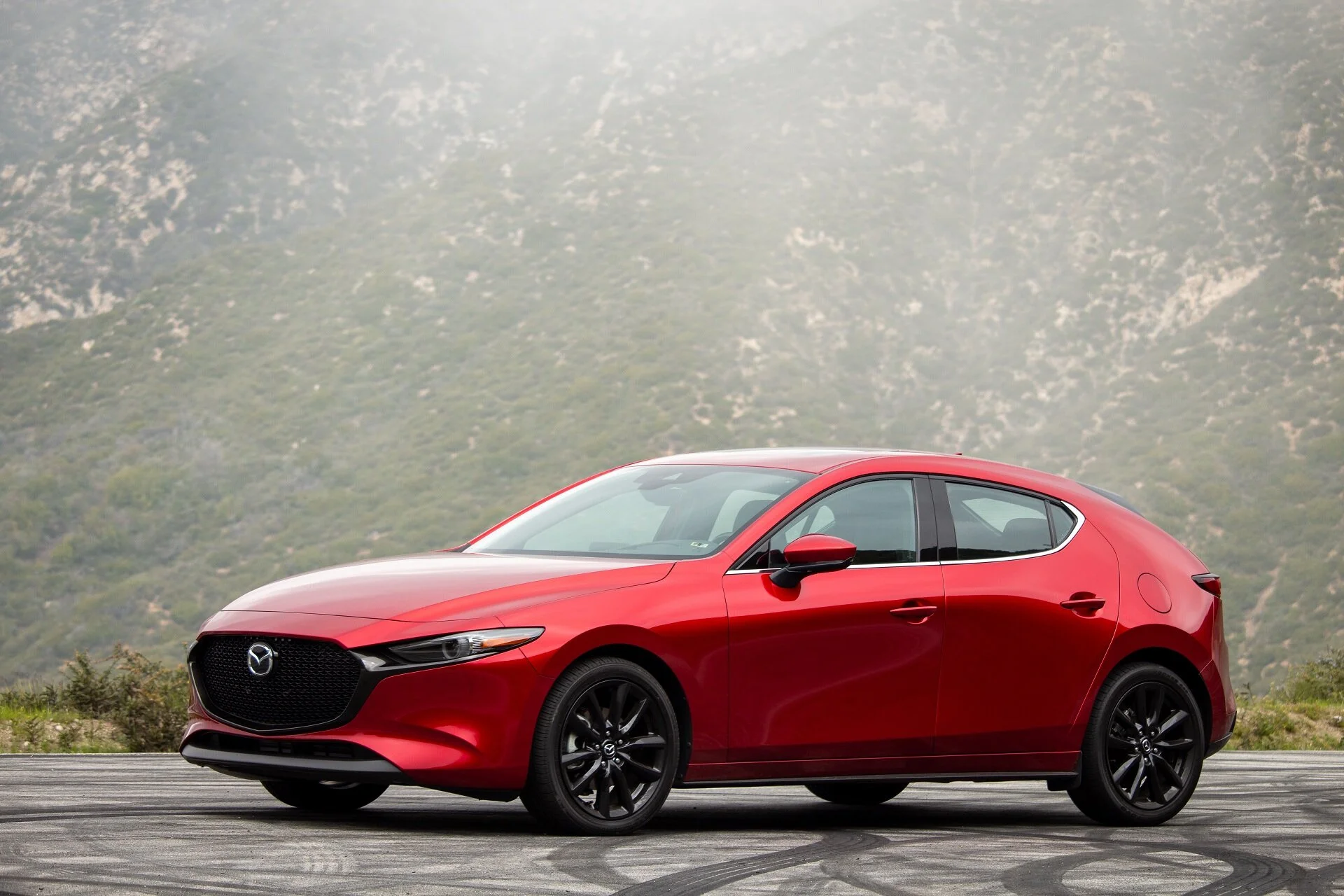
6. Mazda3
The Mazda3 is a compact car that appeals to drivers looking for practical transportation with responsive handling and an engaging driving experience. Used examples are available as sedans and hatchbacks, giving shoppers options for passenger and cargo needs.
In the United States, common Mazda3 service components can be sourced through aftermarket suppliers, dealerships, independent parts stores, and salvage yards. The vehicle’s popularity means many general repair shops are familiar with its routine maintenance requirements.
Costs vary by generation, engine, and trim, so buyers should compare specific cars instead of assuming every Mazda3 has the same maintenance profile. Well-chosen examples can provide a useful balance of driving enjoyment and everyday affordability.
Routine servicing on many Mazda3 models involves familiar tasks, including oil changes, brake work, filter replacement, battery installation, and suspension maintenance. Independent mechanics can often handle these jobs without specialized dealership equipment.
Some owners may perform basic maintenance themselves, but repairs involving electronic controls, advanced driver-assistance systems, or complicated engine components require appropriate training and diagnostic tools. Certain versions may use different transmissions or engine technologies, affecting labor requirements and parts prices.
Before purchasing, obtain estimates for commonly replaced items such as brakes, tires, struts, and engine mounts to understand the likely costs of keeping the vehicle in good condition.
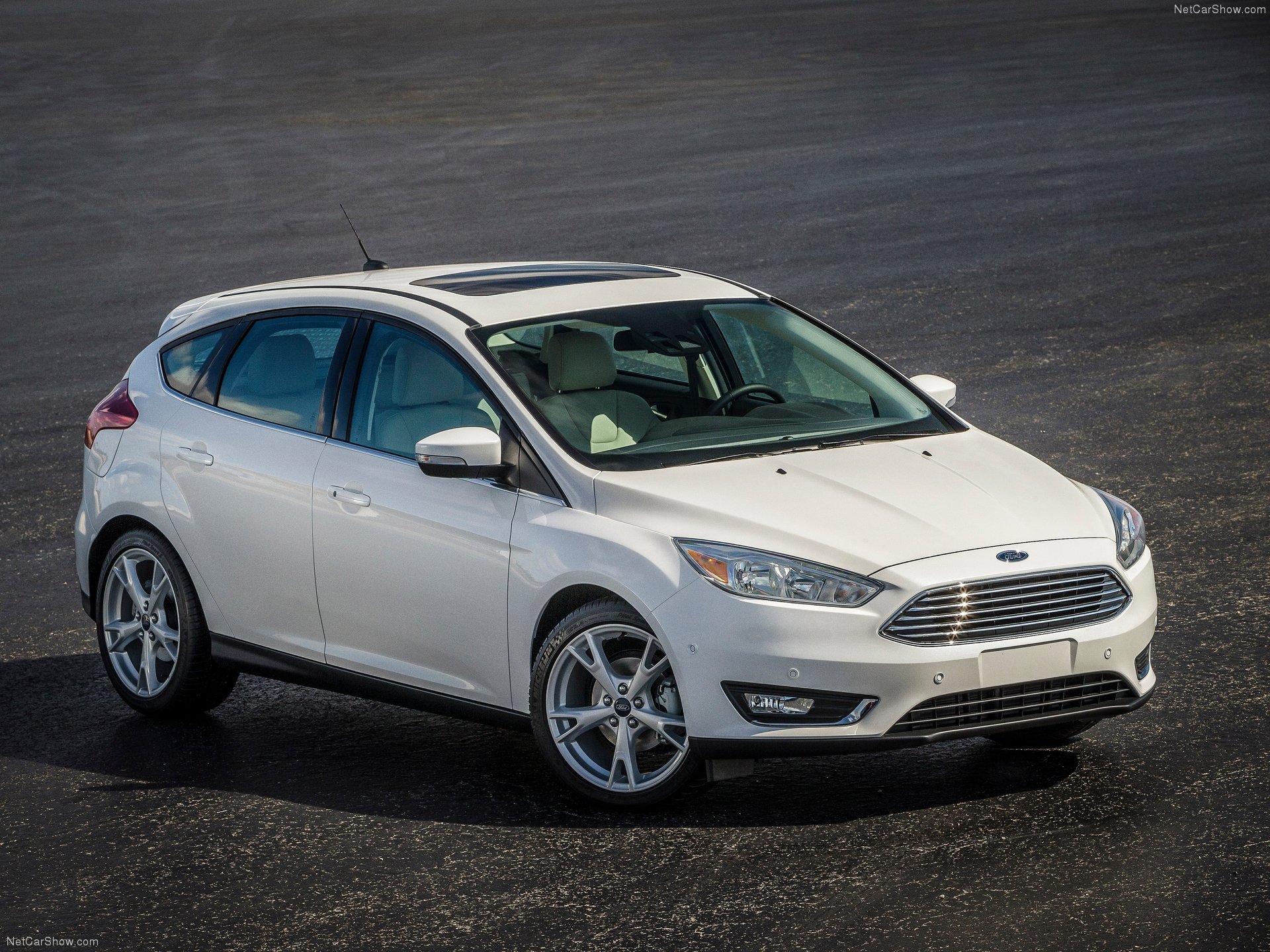
7. Ford Focus
The Ford Focus can look attractive to used-car shoppers because many examples have low asking prices and replacement parts are widely available across the United States. Sold in substantial numbers, the Focus benefits from a broad supply of common maintenance components and used body parts.
Independent repair shops are familiar with many versions, and owners can often compare parts from several suppliers. However, the Focus requires more careful model selection than some alternatives on this list. Transmission type and model year matter greatly, particularly for cars fitted with Ford’s problematic PowerShift dual-clutch automatic transmission. Buyers should understand this distinction before treating a low purchase price as evidence of inexpensive ownership.
Routine maintenance on many Focus models is familiar to independent garages. Oil changes, brake replacement, battery service, filters, tires, and suspension repairs generally involve standard automotive procedures. Parts for these jobs are commonly available, and basic service can be affordable when the car has been maintained.
Yet low-cost routine maintenance does not eliminate the risk of major drivetrain repairs. Some versions have transmission designs that can develop shuddering, hesitation, clutch wear, or other expensive faults. The cost and availability of repairs depend on the precise vehicle, and repeated transmission problems can outweigh savings on ordinary service items. Buyers should identify the transmission type and research its service history carefully.
The most important issue for many automatic Focus shoppers is the PowerShift transmission fitted to certain model years. Reported problems have included rough engagement, shuddering, hesitation, and clutch or control-system faults. The experience varies by vehicle, and not every example will exhibit the same symptoms, but the risk is substantial enough to justify careful scrutiny.
A conventional manual-transmission version may avoid some of these specific dual-clutch concerns, provided the clutch and gearbox are in good condition and the driver is comfortable with a manual. Buyers should also verify whether any applicable recalls or service actions have been completed using the vehicle identification number and official manufacturer resources.
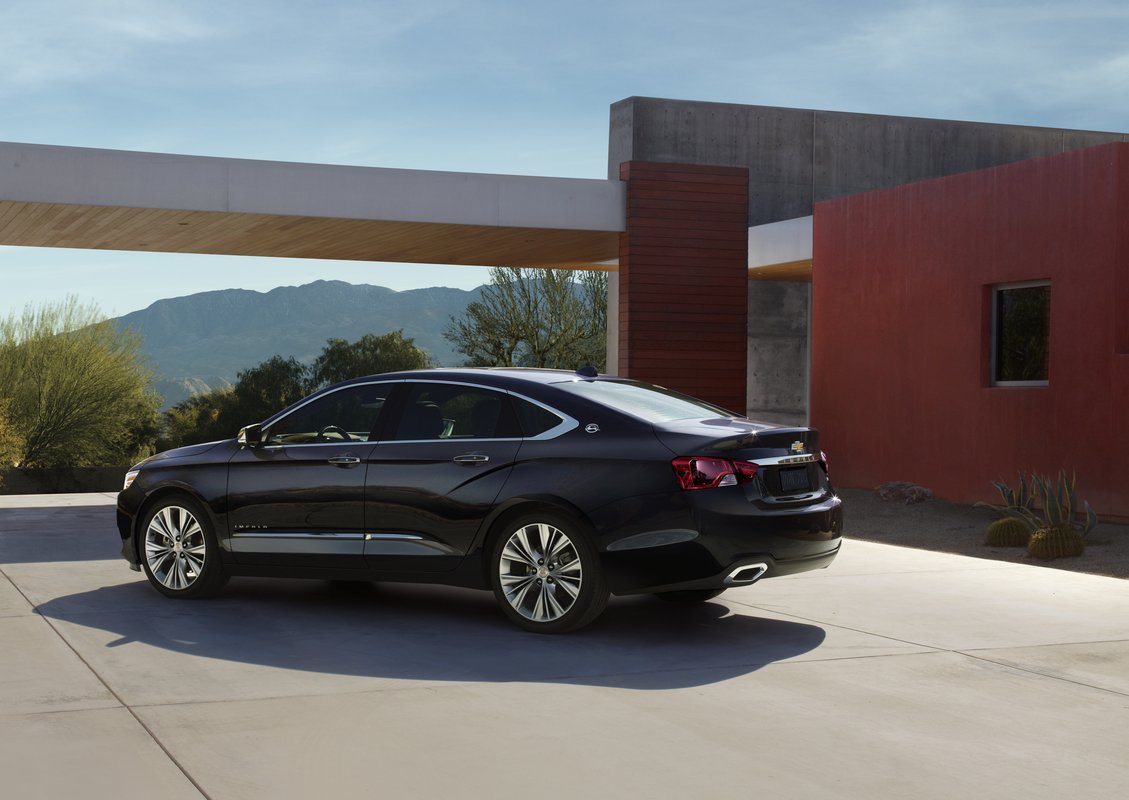
8. Chevrolet Impala
The Chevrolet Impala is a full-size sedan that can provide substantial passenger space and a comfortable ride at an appealing used-car price. Many older examples are available in the American market, and Chevrolet’s long-established presence in the country supports a large network of repair shops and parts suppliers.
Common service components, including filters, brake parts, batteries, and certain suspension items, can be sourced from mainstream retailers. Used parts may also be available through salvage yards, depending on the model year and local inventory. Buyers should recognize that the Impala is larger than a compact sedan, so fuel use, tire costs, and some replacement parts can be more expensive.
Many routine Impala repairs are familiar to general mechanics, especially on models with widely used engine and transmission combinations. Oil changes, brake servicing, battery replacement, and standard suspension work are usually within the capabilities of independent garages.
The vehicle’s size and weight can mean higher costs for tires and brakes compared with smaller cars, and some repairs may require additional labor because of engine-bay packaging. Parts availability varies across generations, so buyers should check whether a specific component is readily stocked or must be ordered. Getting estimates for typical maintenance jobs before purchase can help establish a realistic annual budget.
Reliability differs by model year, engine, mileage, and maintenance history. Potential concerns on older examples may include worn suspension parts, cooling-system leaks, electrical faults, transmission issues, and aging rubber components.
Some versions use more complex engine or electronic systems than others, which can influence diagnostic time and repair costs. A full-size sedan that has spent years in a harsh climate may also have corrosion underneath, especially around exposed metal components.
Buyers should inspect the car carefully rather than relying on the low price or the Chevrolet badge as proof of good condition. Model-specific research can identify known trouble areas before a viewing.
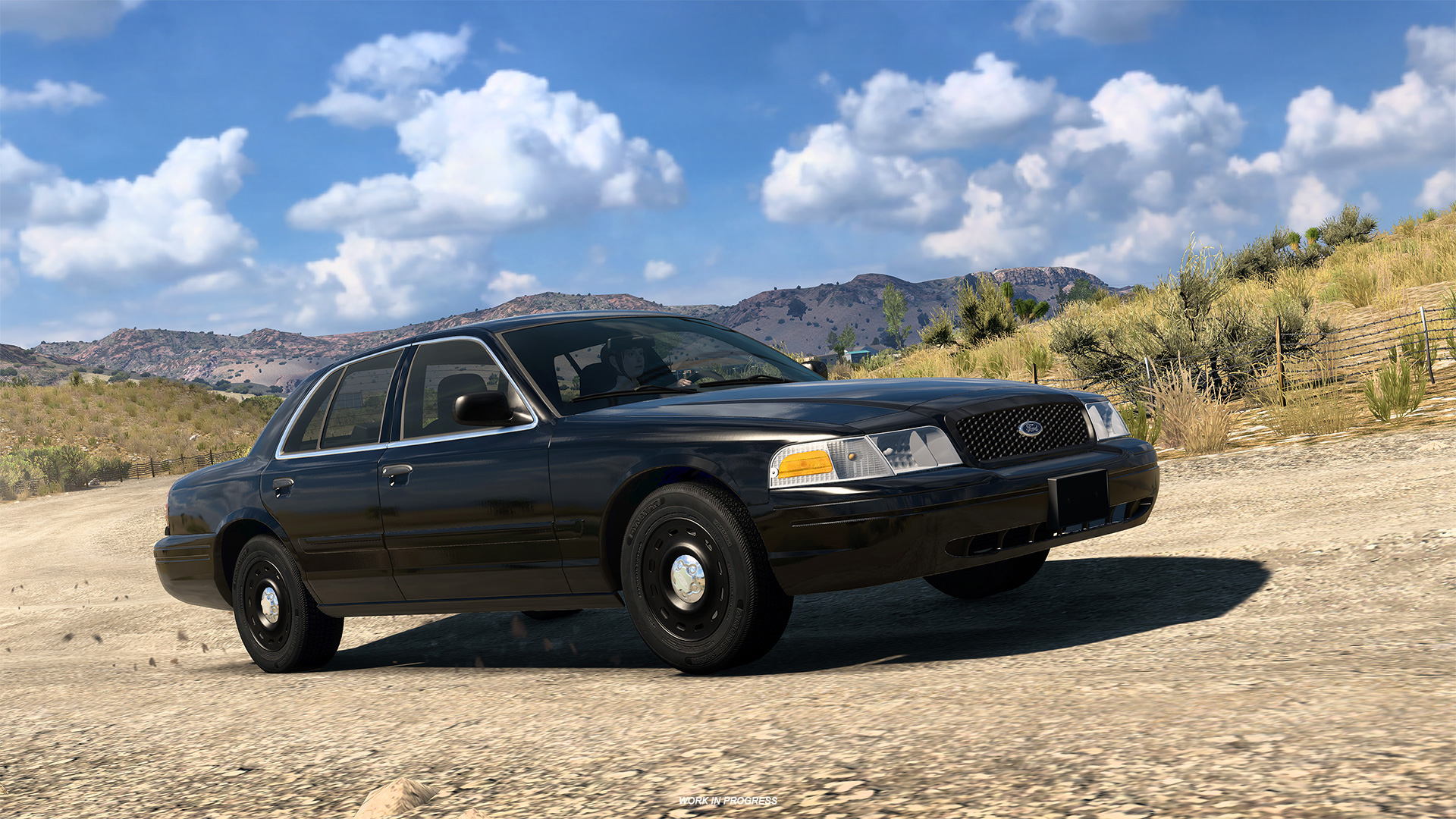
9. Ford Crown Victoria
The Ford Crown Victoria is a full-size sedan known in the United States for its use by taxi fleets, police departments, and private owners. Its traditional mechanical layout and long production history have helped create a substantial supply of used parts and repair knowledge.
Many examples use Ford’s 4.6-liter V8 engine and a conventional automatic transmission, systems that many independent mechanics know well. Routine components can often be sourced through aftermarket suppliers or salvage yards. However, the Crown Victoria is an older vehicle that has been out of production for years, so parts availability depends on the component, model year, and local market. Its age must be part of every buying decision.
The Crown Victoria’s relatively conventional design can make many repairs more accessible than work on some newer vehicles with tightly packaged engines and complex electronics. Common service tasks include oil changes, brake replacement, suspension work, and routine cooling-system maintenance.
Owners with appropriate tools and experience may be able to handle certain basic jobs themselves. Replacement components from aftermarket manufacturers and recycled-parts suppliers can help reduce expenses, particularly for body panels and interior pieces. Even so, labor costs can rise when rusted fasteners, worn suspension parts, or long-neglected systems need attention. Older vehicles may require several repairs close together, so a maintenance reserve is important.
Condition is particularly important because many Crown Victorias have spent years in commercial or government fleets. Some were driven extensively, operated for long hours, or maintained according to demanding service schedules. Fleet history is not automatically a disadvantage, but buyers need to examine mileage, engine condition, transmission behavior, and evidence of consistent maintenance.
Former police vehicles may have experienced hard use, idling, high-speed driving, or modifications to electrical equipment. Civilian examples may have been treated more gently, but age-related wear remains possible. Check for coolant leaks, worn suspension components, rust, damaged wiring, and signs of previous repairs before committing to a purchase.
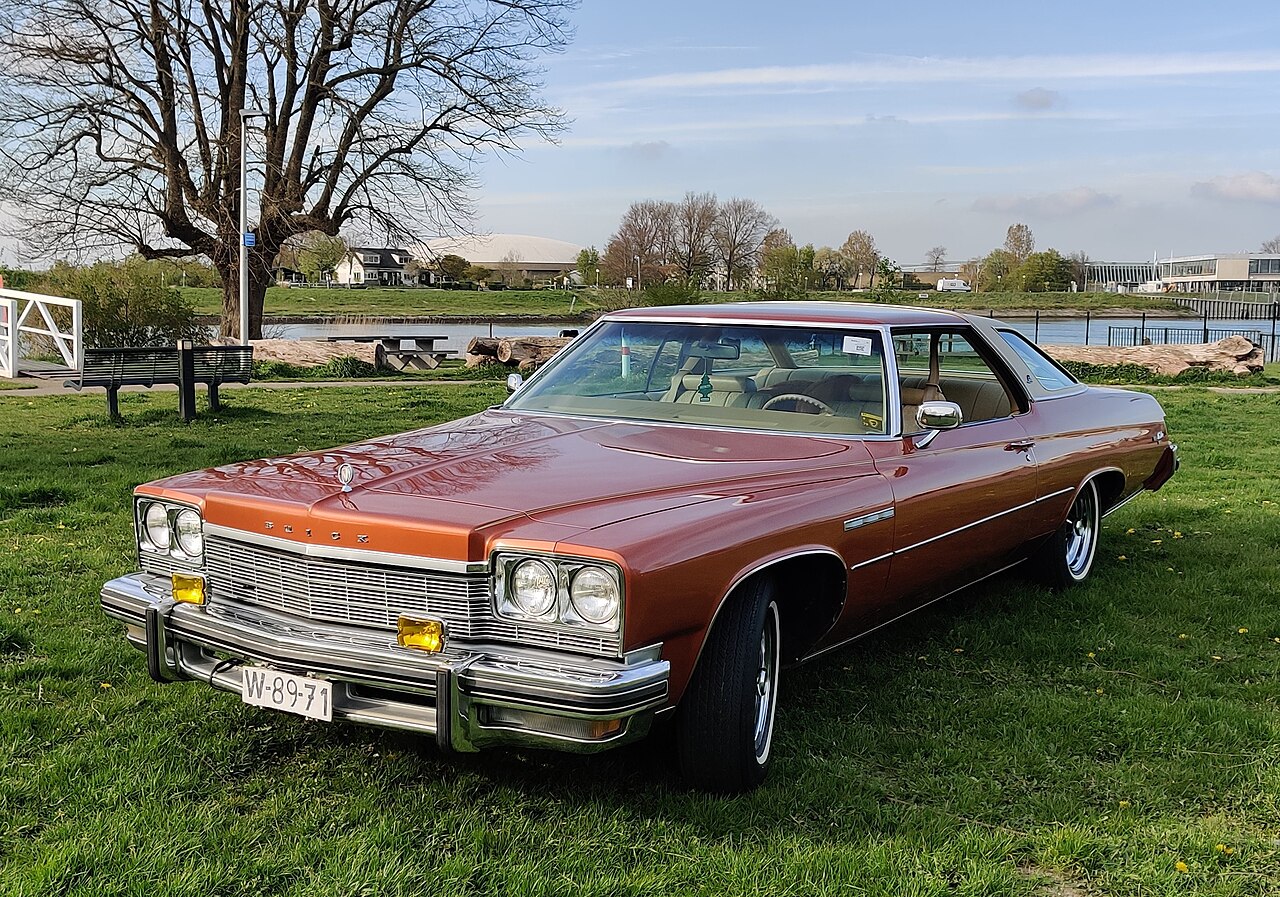
10. Buick LeSabre
The Buick LeSabre is an older American sedan that can appeal to used-car buyers seeking a roomy, comfortable vehicle at a modest purchase price. Many late-model examples from its production years use General Motors’ 3.8-liter V6, an engine family widely recognized by American repair shops.
The long production history of related GM vehicles has helped support the availability of many common maintenance parts, including filters, ignition components, belts, cooling-system items, and certain engine parts. Used components may also be found through salvage yards. However, the LeSabre has been out of production for many years, making vehicle condition and the local availability of model-specific parts especially important.
The LeSabre’s traditional powertrain and familiar mechanical systems can make ordinary servicing manageable for independent mechanics. Routine jobs such as oil changes, brake replacement, battery service, and suspension maintenance generally follow conventional procedures.
Some owners with suitable experience can perform basic tasks themselves, using a service manual and appropriate safety equipment. Still, the car’s age means rubber hoses, seals, electrical connectors, and other components may have deteriorated even when the mileage appears reasonable. Labor expenses can accumulate when several systems need attention at once. A low purchase price is only useful if the vehicle does not immediately require extensive mechanical work.
Buyers should pay particular attention to cooling-system condition and evidence of leaks around the engine. Some GM 3.8-liter V6 applications have been associated with intake-manifold gasket or coolant-leak concerns, but the precise risks depend on the engine version and year.
A mechanic should inspect the cooling system, engine oil, transmission operation, and general condition rather than assuming every example has the same history. Other age-related issues can include worn suspension components, failing electrical accessories, deteriorated mounts, and corrosion. A car that has been driven infrequently may also have old tires, stale fluids, or maintenance that was postponed because the vehicle was rarely used.