A car can spend months parked in a garage and still develop mechanical problems as it gets older. Many drivers assume that low mileage means fewer repairs, less wear, and a longer vehicle lifespan. While limited driving can reduce certain types of damage, time itself affects several important automotive components.
Rubber seals can dry out, fluids can deteriorate, batteries can lose charge, and tires can weaken even when they look relatively new. Understanding which car parts age without regular use helps owners prevent unexpected breakdowns, reduce maintenance costs, and keep their vehicles reliable for years.
1. Car Batteries Lose Performance Over Time
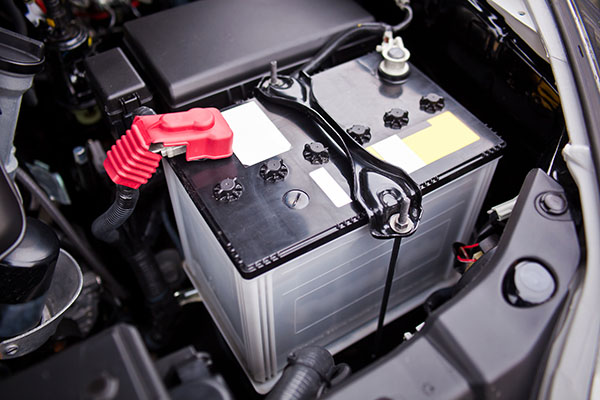
A car battery is among the most common components affected by age rather than mileage. Most modern vehicles use a 12-volt battery to power electrical systems and start the engine. Even when a car remains parked, the battery gradually loses its charge through natural self-discharge.
Small electrical loads from security systems, clocks, onboard computers, and keyless entry systems can drain it further. When the vehicle is driven regularly, the alternator replenishes much of the energy used during starting. A car that sits unused for long periods may not receive enough charging to maintain a healthy battery.
Temperature plays a significant role in battery aging. High temperatures can accelerate internal chemical reactions, increasing corrosion and shortening battery life. Cold weather, meanwhile, reduces the amount of power a battery can deliver when starting an engine.
A battery that has already weakened through age may struggle during winter mornings, even if the vehicle has covered very few kilometres. These effects occur regardless of how often the odometer changes. Depending on battery type, climate, driving habits, and maintenance, many conventional car batteries last approximately three to five years, but some fail sooner, and others last longer.
Another concern is prolonged discharge. When a vehicle remains parked for several weeks or months, its battery may gradually lose enough charge to prevent the engine from starting. If the battery remains deeply discharged, lead-acid batteries can develop sulphation, a process that reduces their ability to store and deliver energy.
Repeated deep discharges can cause permanent damage. This is why a vehicle that has barely been driven for two years may need a new battery before a regularly used vehicle of the same age. Low mileage offers little protection when the battery spends extended periods without proper charging.
Drivers can reduce battery deterioration by checking its condition periodically and keeping the electrical system in good working order. If a vehicle is stored for a long time, a compatible smart battery maintainer can help maintain an appropriate charge.
Owners should also make sure battery terminals remain clean and secure. Starting the engine for a few minutes in the driveway is not necessarily an effective solution because the starter may consume more energy than the alternator replaces during a short idle period. A suitable drive or proper charging equipment is generally more useful, provided the vehicle can be driven safely.
2. Tires Deteriorate Even When They Are Rarely Driven
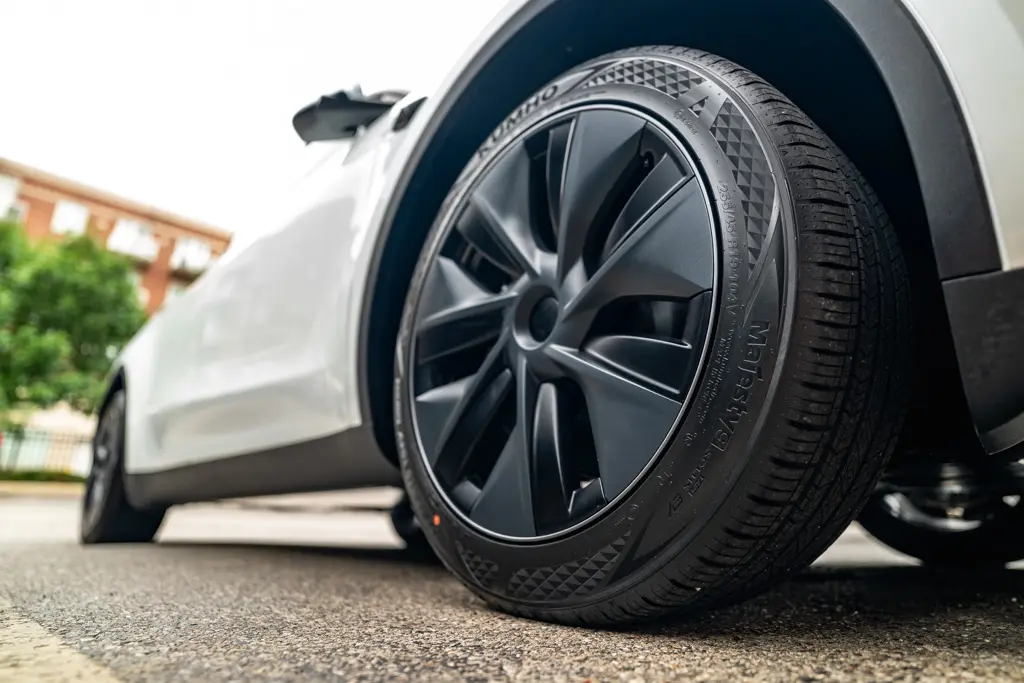
Tires are designed to carry a vehicle’s weight, maintain traction, absorb road irregularities, and provide reliable braking. Their condition depends on more than the distance travelled. Rubber compounds gradually change as they are exposed to oxygen, ultraviolet light, heat, and environmental contaminants.
Over time, the material can become less flexible, reducing its ability to perform as intended. A vehicle that spends most of its life inside a garage may experience less exposure to sunlight and heat, but its tires still age. Low mileage does not stop the chemical processes that gradually affect rubber.
One important concern is the development of cracks in the sidewalls and tread. These cracks may begin as tiny lines that are difficult to notice during a casual inspection. As the rubber continues to age, the damage can become more pronounced, particularly when the tires are exposed to harsh weather or stored under unsuitable conditions.
Older tires may also experience internal structural deterioration that cannot be judged by appearance alone. A tire can have plenty of tread remaining and still be unsuitable for continued use. This makes age an important factor when evaluating tires on a lightly driven car.
Incorrect tire pressure creates additional problems during storage. When a vehicle remains stationary for extended periods, pressure can gradually decrease. Underinflated tires can develop excessive flexing when driven, generating heat and increasing the risk of damage.
Long periods of standing in the same position may also produce temporary flat spots, which can cause vibration when the vehicle is moved again. In some cases, the deformation disappears after the tires warm up during driving. If vibration persists, however, the tires should be inspected for damage or permanent deformation.
Owners should check tire pressure regularly using a reliable gauge and follow the pressure specified on the vehicle’s tyre placard or in the owner’s manual. The maximum pressure printed on the tire sidewall is not necessarily the correct operating pressure for the vehicle.
3. Engine Oil Can Degrade Without Heavy Driving
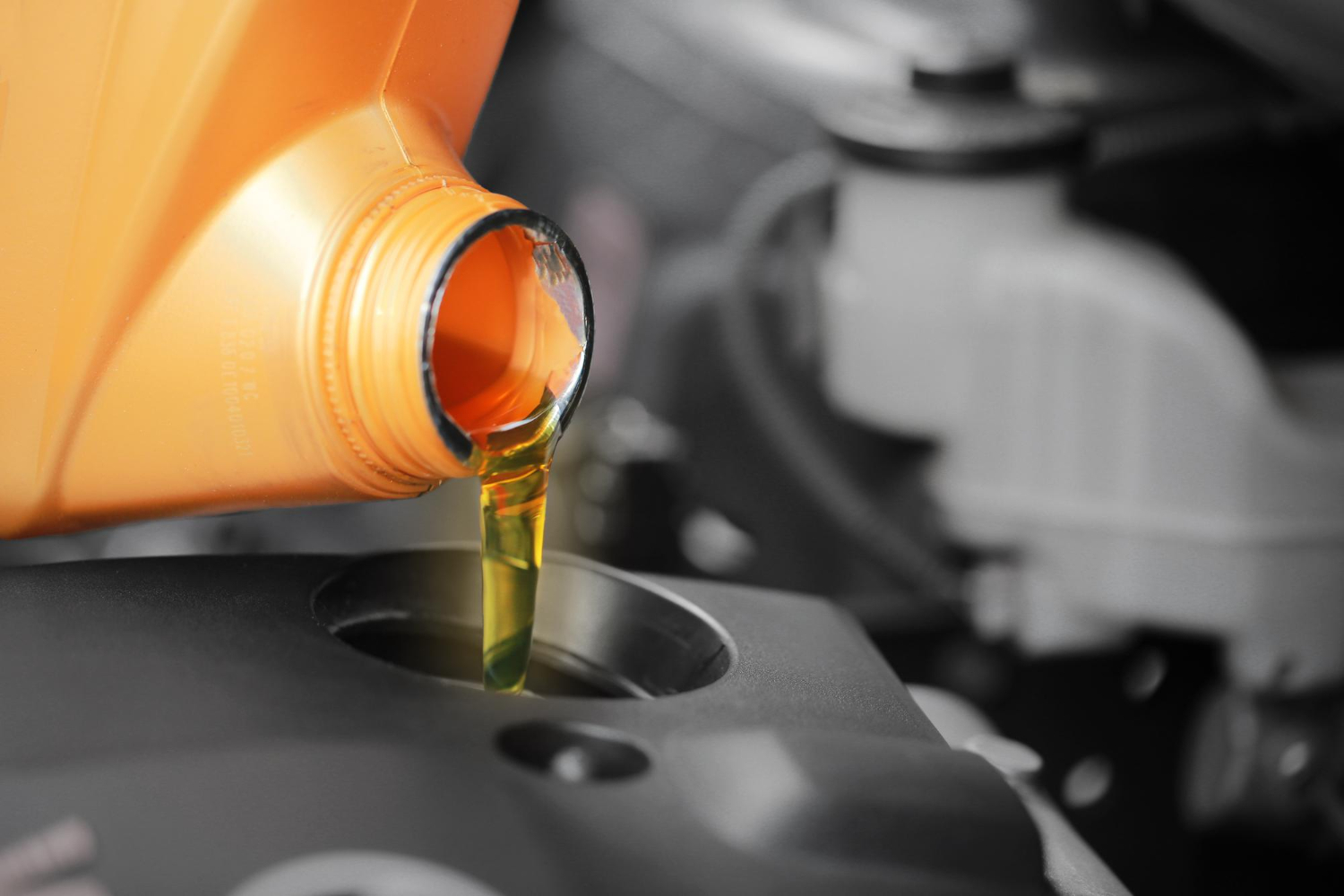
Engine oil lubricates moving components, reduces friction, helps manage heat, and carries contaminants towards the oil filter. Its condition gradually changes through exposure to oxygen, moisture, temperature fluctuations, and combustion-related contaminants.
Although engine oil is primarily associated with operating time and distance, it also has a time-based service life. This means a vehicle that travels only a few hundred kilometres each year may still require an oil change according to the manufacturer’s calendar-based maintenance schedule.
Leaving oil unchanged simply because the odometer shows little movement can allow its protective properties to decline.
Short trips can make the problem more noticeable. When an engine starts from cold, moisture can accumulate inside the crankcase as part of normal operation. During a sufficiently long drive, the oil warms up and helps the moisture evaporate through the engine’s ventilation system.
Frequent short journeys may not provide enough time for this process. Moisture and combustion by-products can contribute to sludge formation and corrosion under certain conditions. A car that spends long periods parked between brief journeys may therefore experience different oil-related risks from a vehicle that completes regular, longer trips.
Oil quality also depends on the product used and the engine’s design. Modern engines may require specific synthetic oils with particular viscosity ratings and manufacturer approvals. Using the wrong oil can affect lubrication, cold-start protection, fuel efficiency, and component durability.
Even the correct oil eventually accumulates contaminants and experiences chemical changes. Oil filters also collect particles during operation and must be replaced according to the recommended service interval. Simply topping up the engine with fresh oil does not remove all the old oil or replace a saturated filter.
Regular maintenance remains important even when annual mileage is low. Vehicle manufacturers commonly specify service intervals based on kilometres, time, or whichever limit occurs first. Owners should consult the maintenance schedule for their particular model rather than following a universal rule.
4. Rubber Hoses and Seals Become Brittle With Age
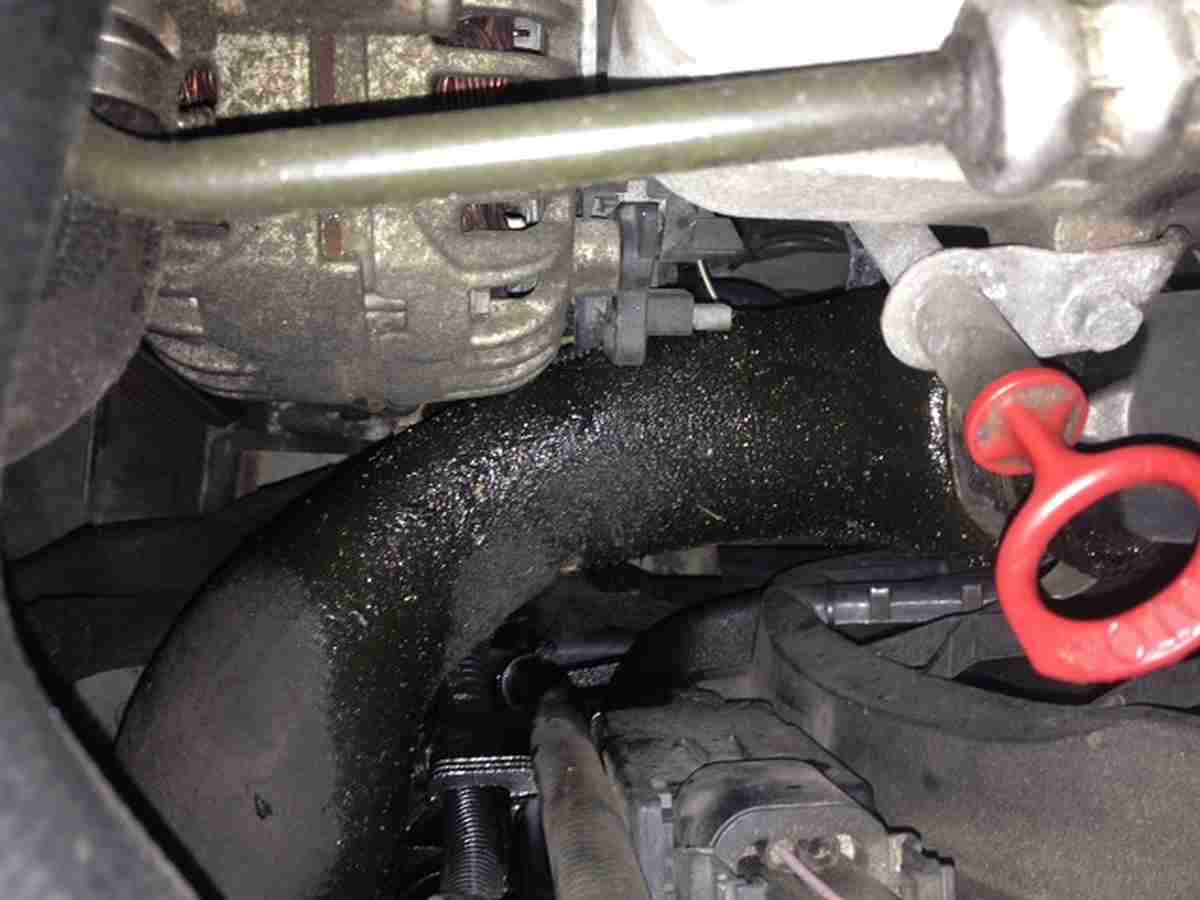
Rubber hoses and seals play essential roles throughout a vehicle. Coolant hoses transport engine coolant, fuel-system hoses carry fuel where applicable, vacuum hoses support engine and emissions functions, and various seals prevent fluids from escaping.
These components operate under different temperatures and pressures, but many are affected by gradual material aging. Heat, oxygen, ozone, chemical exposure, and repeated temperature changes can make rubber harder or less flexible. A vehicle with low mileage may therefore develop cracked hoses or leaking seals even when its engine has seen relatively little use.
Engine-bay hoses are particularly exposed to heat cycles. Every time an engine runs, surrounding components warm up, and the hoses expand or change shape slightly. Cooling after shutdown produces another cycle of temperature change.
Over several years, these repeated changes can contribute to deterioration. Hoses may develop soft areas, hard sections, surface cracks, swelling, or weakened connections. Coolant hoses deserve special attention because a sudden failure can cause rapid coolant loss and engine overheating. Low mileage reduces some forms of mechanical wear but does not prevent the effects of heat and age.
Seals can also become less effective as their materials age. Engine seals, transmission seals, suspension bushings, and other rubber components may gradually harden or lose elasticity. When this happens, they may no longer maintain the same tight fit against adjoining surfaces.
Oil or other fluids can begin to seep through areas that were previously sealed. Some leaks become visible only after the vehicle has been driven and the system reaches operating temperature. Others may appear as small stains beneath a parked car. Although a minor leak may seem harmless, its source should be identified before the condition worsens.
Regular visual inspections can reveal some problems before a component fails. Drivers should look for coolant residue, wet patches around hose connections, cracked rubber, loose clamps, and fluid spots on the ground.
5. Brake Fluid Absorbs Moisture Over Time
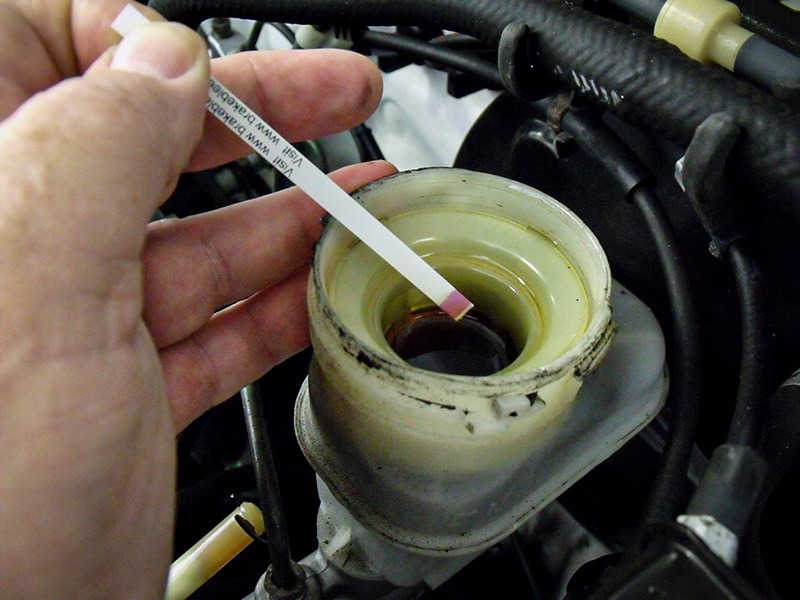
Brake fluid transfers force from the brake pedal through the hydraulic system to the components that slow the vehicle. Many passenger cars use glycol-based brake fluid, which is hygroscopic, meaning it absorbs moisture from its surroundings. Water can enter the system gradually through permeable materials and during servicing or exposure to air.
This process continues even when a car is driven infrequently. As moisture content rises, the fluid’s boiling point can decrease, potentially reducing braking performance under demanding conditions. Low mileage does not prevent brake fluid from aging.
The most important concern is that contaminated fluid may not show obvious signs of trouble during ordinary driving. Under heavy braking, heat builds up around the braking system. If the fluid’s boiling point has fallen sufficiently, vapour can form within the hydraulic system, potentially causing a soft pedal and reduced braking effectiveness.
Moisture can also contribute to internal corrosion in components such as brake lines, calipers, and the master cylinder. These problems may develop gradually and remain hidden until a system inspection or repair reveals them.
Brake fluid condition is influenced by the fluid specification, system design, climate, and maintenance history. Different vehicles may require DOT 3, DOT 4, DOT 5, or another specifically approved fluid, and these types are not universally interchangeable. In particular, silicone-based DOT 5 fluid differs from glycol-based DOT 3 and DOT 4 formulations.
Using an unsuitable product can cause compatibility problems or affect system performance. Owners should always follow the specification listed in the vehicle manual or provided by the manufacturer rather than selecting a fluid based solely on its label or apparent quality.
Most manufacturers specify a time-based brake-fluid replacement interval, commonly around two years for many vehicles, though the correct interval varies. Some vehicles require a different schedule or additional checks under particular conditions.
A technician can inspect the system, test fluid condition when appropriate, and check for leaks, corrosion, and other signs of deterioration. Brake fluid should not be judged solely by colour because appearance does not reliably establish its moisture content or boiling point. Following the correct service schedule is a straightforward way to preserve braking performance.
6. Fuel Can Become Stale During Long Storage
Fuel does not remain in perfect condition indefinitely. Petrol can lose some of its more volatile components through evaporation, particularly when stored in unsuitable containers or exposed to conditions that permit vapour loss. Oxidation can also produce deposits and gum-like substances that may affect fuel-system components.
These changes become more relevant when a vehicle sits unused for months. The exact rate of deterioration depends on the fuel formulation, storage conditions, temperature, container design, and whether the fuel system is sealed properly. A low odometer reading does not guarantee that the petrol in the tank is fresh.
Ethanol-blended petrol introduces additional considerations. Ethanol can absorb moisture, and under certain storage conditions, water accumulation can contribute to phase separation. When separation occurs, the resulting mixture may create starting difficulties or operating problems.
The likelihood and severity depend on the blend, the amount of moisture present, and the conditions in which the fuel is stored. Drivers should not assume that every vehicle using ethanol-blended fuel will experience these problems, but extended storage increases the importance of following manufacturer recommendations for fuel management.
Stale fuel can contribute to rough starting, hesitation, poor engine performance, and deposits in fuel-system components. In some cases, the engine may crank normally but struggle to start because the fuel no longer meets the conditions needed for reliable combustion.
Modern vehicles use fuel injection and electronic engine management, yet these systems cannot completely compensate for degraded fuel. Fuel pumps, injectors, filters, and related parts may also be affected if contaminants accumulate. Problems can become more expensive when a vehicle remains unused until the fuel deteriorates substantially.
7. Air Conditioning Components Can Deteriorate During Inactivity
A vehicle’s air conditioning system relies on several components working together, including the compressor, condenser, evaporator, hoses, seals, and refrigerant. Although the system may be used only during warm weather, its parts continue to age throughout the year.
Rubber seals and flexible hoses can gradually lose their ability to maintain an effective seal. Electrical connectors may also develop corrosion in damp environments. As a result, a car that has spent years covering short distances or remaining parked may develop air conditioning problems even if the cooling system has seen little active use.
Refrigerant loss is a common reason for reduced cooling performance. Automotive air conditioning systems are designed as closed systems, but small amounts of refrigerant can escape over time through seals, connections, and permeable materials. Significant loss may indicate a leak that requires diagnosis rather than repeated refrigerant top-ups.
Running the system with an inadequate refrigerant charge can affect cooling performance and, depending on the system design, may compromise compressor lubrication. Correct diagnosis is important because the refrigerant type, charging quantity, and service procedure vary between vehicles.
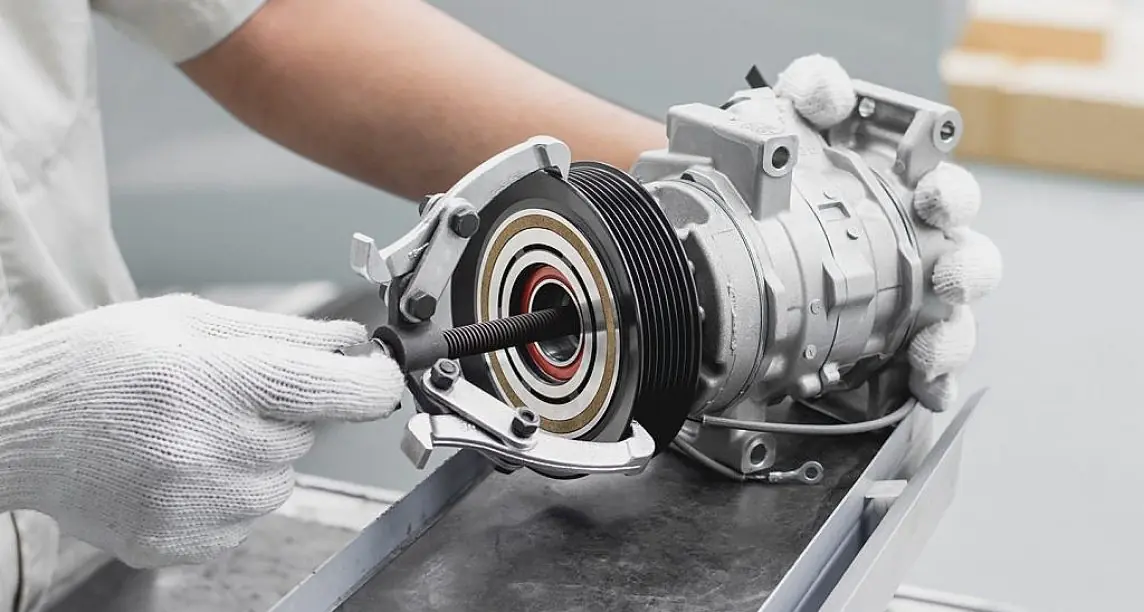
The compressor and its related components also benefit from periodic operation under suitable conditions. Depending on the system design, the compressor may be driven mechanically or electrically, and many modern systems use electronic controls to regulate operation.
In some systems, the refrigerant circulates lubricant through the components during operation. Long periods without use can leave existing leaks, worn seals, or mechanical faults undiscovered until the air conditioning is needed again. However, operating a system that is already low on refrigerant or has a known fault is not a substitute for proper inspection.
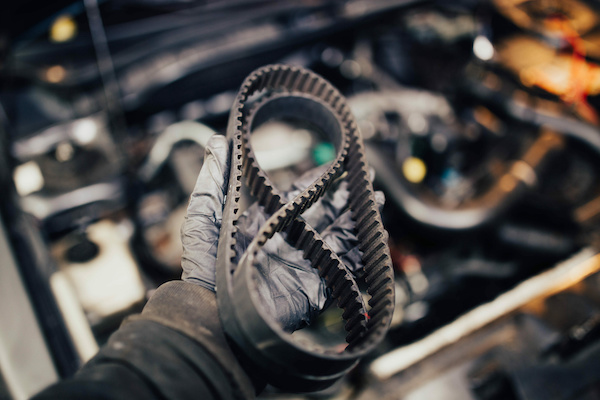
8. Timing Belts and Other Engine Belts Age With Time
Engine belts transmit power or synchronise moving components, depending on their design. A timing belt keeps the crankshaft and camshaft movements coordinated in engines that use this arrangement, while accessory belts may drive components such as the alternator, water pump, or air conditioning compressor.
These belts are manufactured from reinforced materials designed to withstand repeated movement, tension, and temperature changes. However, their materials gradually age. A vehicle may have covered very few kilometres yet still require belt replacement because the recommended service period has elapsed.
Timing belts deserve particular attention because failure can cause serious engine damage in many interference-engine designs. If a timing belt breaks or slips significantly, the pistons and valves may collide, resulting in expensive repairs. Not every engine suffers this type of damage, but the potential consequences make preventive maintenance important.
Timing belts may also deteriorate internally without displaying obvious external cracks. For this reason, a visual inspection alone cannot replace the manufacturer’s replacement schedule. Both the mileage limit and the time limit must be considered when determining when a belt needs attention.
Accessory belts can also develop cracks, glazing, fraying, or changes in tension. Their performance may be affected by heat, contamination from oil or coolant, incorrect alignment, and aging of the belt material.
Depending on the vehicle, an accessory-belt failure may cause the alternator to stop charging, the air conditioning to stop operating, or the water pump to stop circulating coolant. These consequences vary with the engine layout. A belt that appears acceptable from above may have damage on its underside or around its edges, so proper inspection is important when maintenance is performed.
Manufacturers provide model-specific replacement intervals for timing belts, and some vehicles use timing chains instead. Chains generally have different maintenance requirements, but they are not immune to wear, lubrication problems, tensioner faults, or other age-related issues.