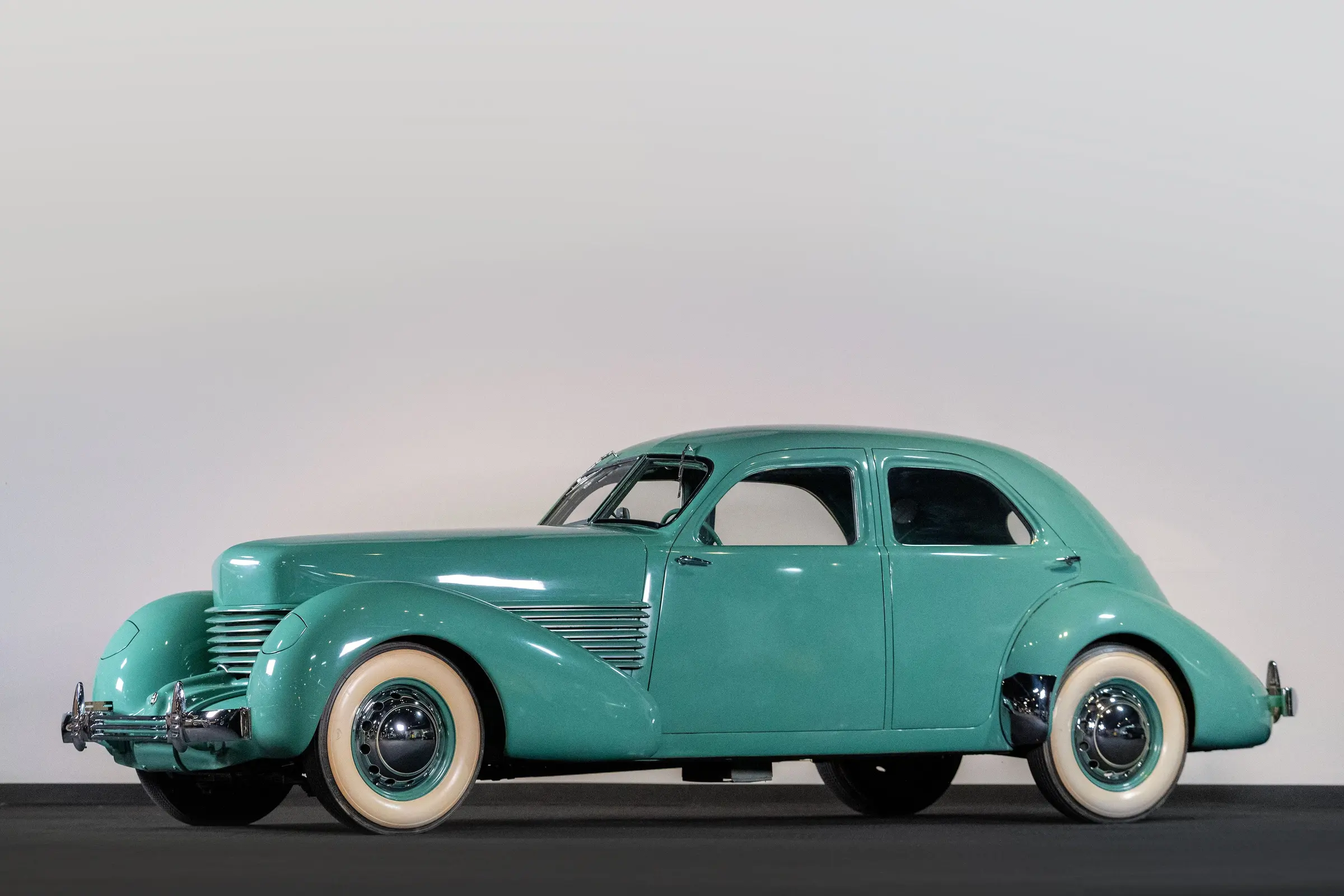
Owning an older car can be rewarding, especially when it has served reliably for years and helped keep transportation costs manageable. However, every vehicle eventually reaches a point when repairs become frequent, safety concerns increase, and continued ownership becomes difficult to justify financially.
Recognizing the warning signs early can help drivers make informed decisions about maintenance, replacement, and long-term expenses. From persistent engine trouble to serious rust and declining fuel economy, several symptoms indicate that a vehicle may be approaching the end of its useful life. Understanding these signs helps American car owners plan ahead.
1. Frequent and Expensive Engine Problems
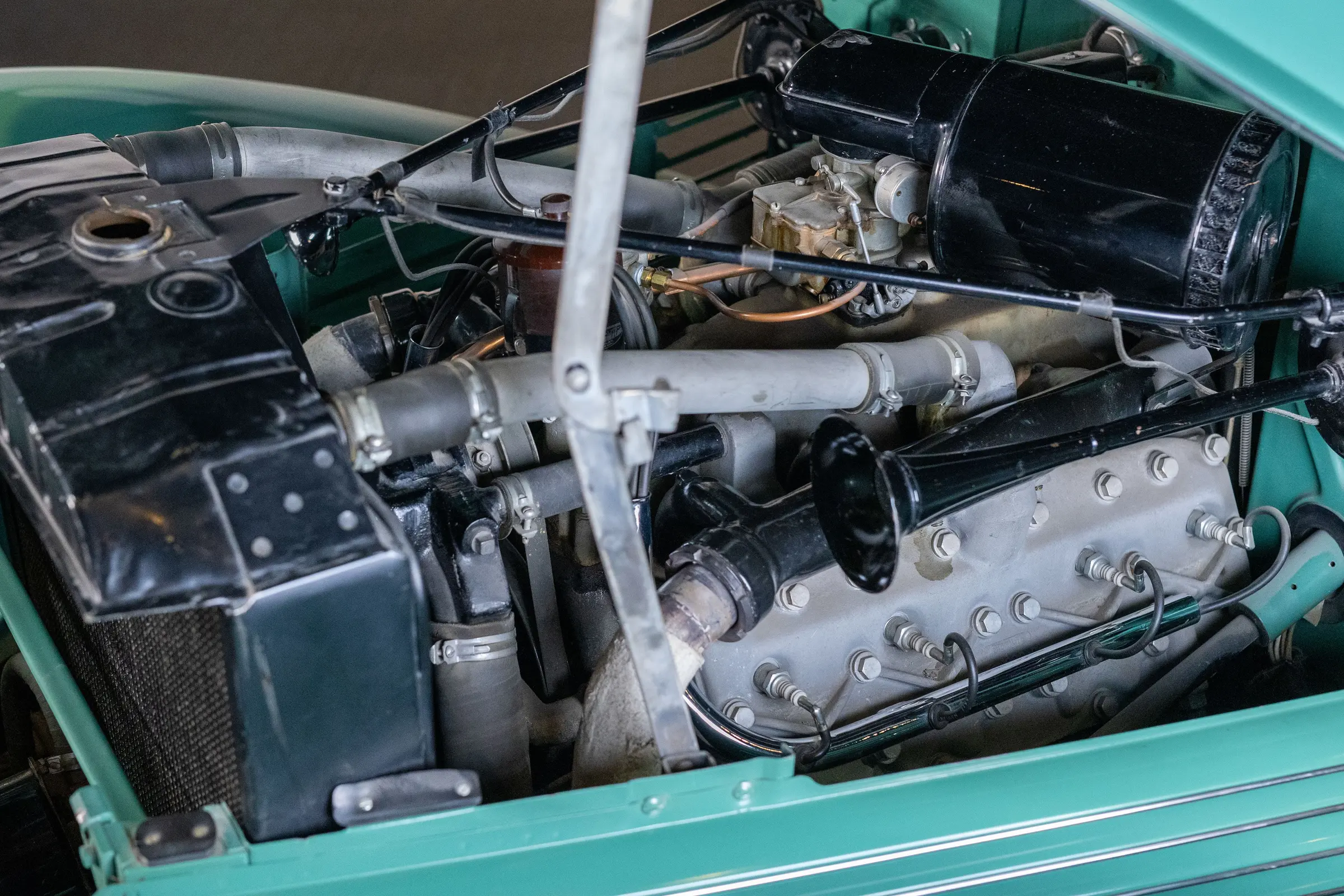
The engine is the heart of any vehicle, and persistent engine trouble can be a strong indication that an older car is nearing the end of its useful life. Occasional maintenance issues are normal, but repeated overheating, unusual knocking sounds, rough idling, and sudden power loss deserve serious attention.
These symptoms may point to worn internal components, damaged bearings, failing seals, or problems with the cooling and lubrication systems.
In the United States, where many drivers depend on their vehicles for daily commutes and long highway journeys, an unreliable engine can create substantial inconvenience. Identifying the source of these problems early helps owners determine whether repairs remain practical.
One warning sign is a persistent knocking or tapping noise coming from the engine compartment. Some sounds result from relatively minor issues, such as incorrect oil levels or a faulty accessory, while deeper knocking may indicate damage to internal engine components.
Worn connecting rod bearings, inadequate lubrication, and excessive internal clearance can produce serious mechanical noise. If the sound becomes louder during acceleration or increases with engine speed, professional inspection is important.
Continuing to drive with severe engine knocking may cause extensive damage, potentially turning a repairable problem into a complete engine failure that costs thousands of dollars to address.
2. Transmission Failure and Persistent Shifting Problems
The transmission transfers engine power to the wheels and plays a major role in how smoothly a car accelerates. As vehicles age, transmission components can experience wear from heat, friction, inadequate fluid levels, and years of demanding driving conditions.
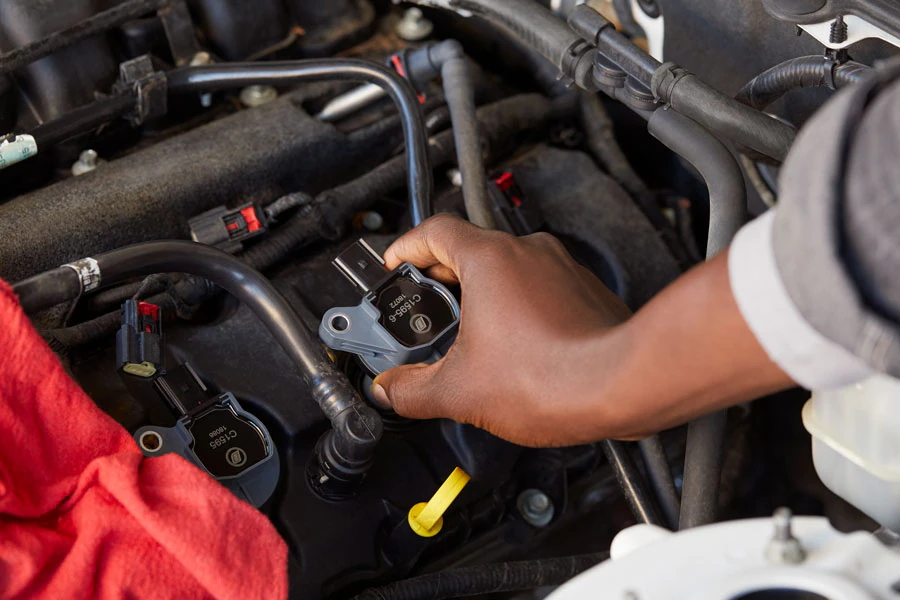
Warning signs include delayed engagement, slipping gears, harsh shifts, unusual whining noises, and difficulty selecting reverse or drive. These symptoms do not automatically mean the transmission is beyond repair, but recurring problems should never be dismissed as normal aging. A vehicle that struggles to change gears may become unpredictable in traffic, particularly when merging onto a highway or crossing a busy intersection.
Transmission slipping occurs when the engine speed rises without a corresponding increase in vehicle speed. Drivers may notice that the car revs excessively while accelerating, loses power unexpectedly, or struggles to maintain speed on an incline.
Automatic transmissions can develop slipping because of worn clutch packs, hydraulic pressure problems, damaged seals, or internal mechanical wear. Manual transmissions may experience similar symptoms when the clutch assembly wears out.
A worn clutch is often less expensive to address than extensive internal transmission damage, so an accurate diagnosis is essential before deciding that the vehicle should be replaced.
Delayed shifting can also indicate trouble. An automatic transmission that takes several seconds to engage after the driver selects drive or reverse may have low fluid, a pressure issue, worn internal parts, or an electronic control fault.
Harsh engagement, repeated shuddering, or unexpected gear changes can have several causes, including malfunctioning sensors and deteriorating transmission mounts.
Modern vehicles rely on electronic control systems to coordinate gear changes, so a diagnostic scan can reveal faults that are not immediately obvious. Prompt attention may prevent additional damage, especially when the underlying problem involves fluid loss or overheating.
3. Serious Rust and Structural Body Damage
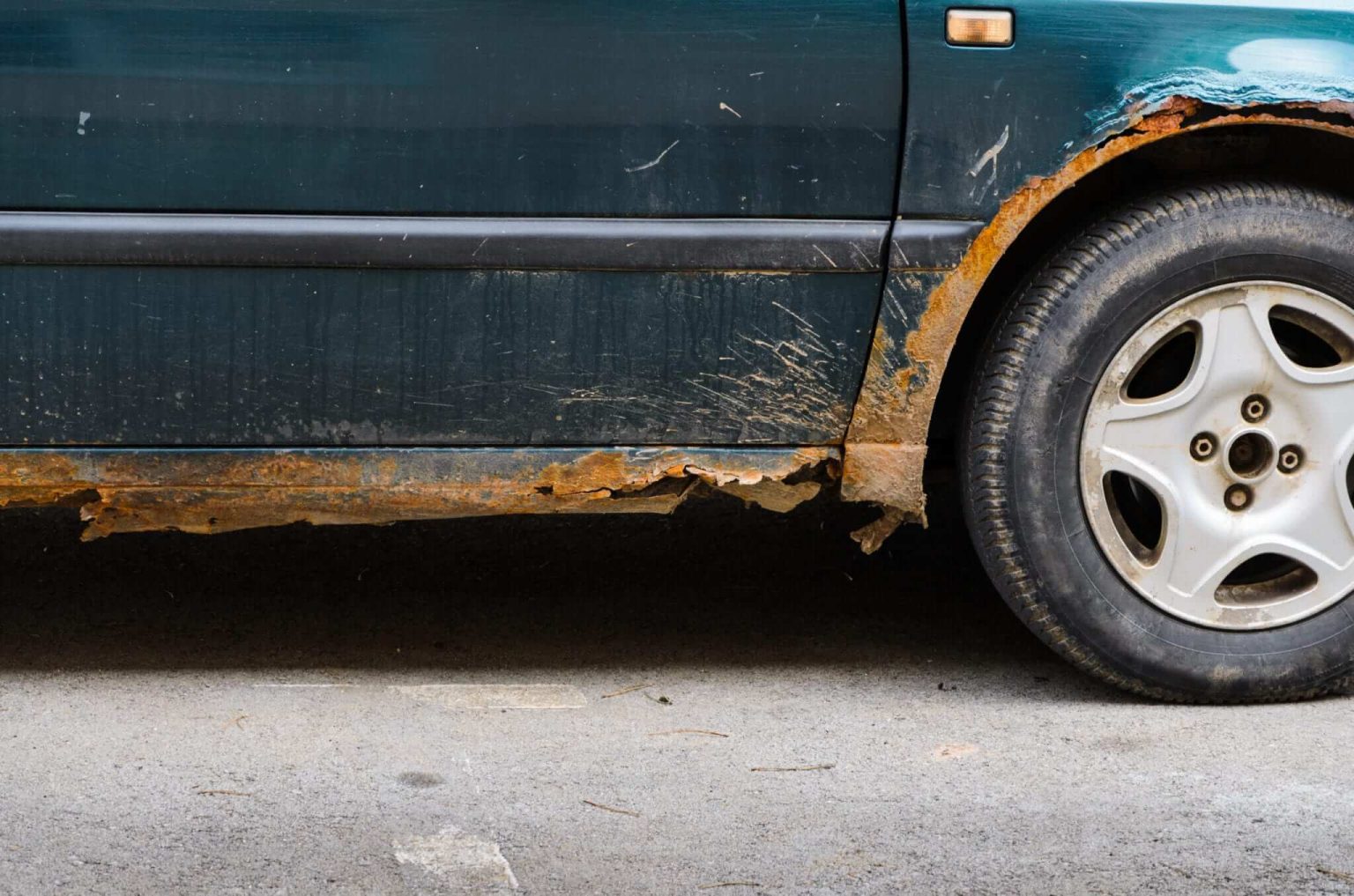
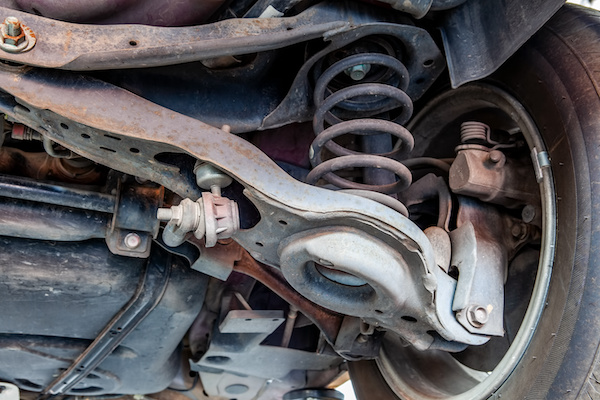
Rust is more than a cosmetic concern when it affects important structural components. Older cars exposed to road salt, coastal moisture, heavy rainfall, and repeated freeze-thaw cycles can develop corrosion beneath the paint and around vulnerable metal joints.
In many northern U.S. states, winter road treatments accelerate corrosion on vehicle underbodies, brake lines, suspension mounting points, and other exposed components. Surface rust on a small exterior panel may be manageable, but deep corrosion can weaken the vehicle’s structure. Because much of this damage occurs underneath the car, a vehicle that looks attractive from the outside may still have serious hidden problems.
Inspect the rocker panels, wheel arches, floor pans, door bottoms, and areas surrounding the trunk for bubbling paint, flaking metal, or holes. These symptoms often indicate that corrosion has progressed beneath the visible surface. Pay particular attention to the frame on vehicles built with body-on-frame construction and to structural mounting areas on unibody cars.
Rust near suspension attachment points or major structural seams can compromise the strength of the vehicle. A professional inspection on a lift is often the best way to establish how far corrosion has spread and whether affected sections can be repaired safely.
Brake lines and fuel lines deserve special attention because corrosion can create safety hazards beyond body damage. Severely rusted brake lines may leak or fail under hydraulic pressure, reducing braking ability. Corroded fuel lines can leak gasoline, creating a fire risk.
These components may be repairable, but widespread corrosion can make the work complicated and expensive. A mechanic should assess the condition of the entire affected system rather than replacing a single visibly damaged section without checking nearby components. If critical lines are badly deteriorated in several places, the total repair bill can become significant.
4. Repeated Breakdowns and Increasing Repair Bills
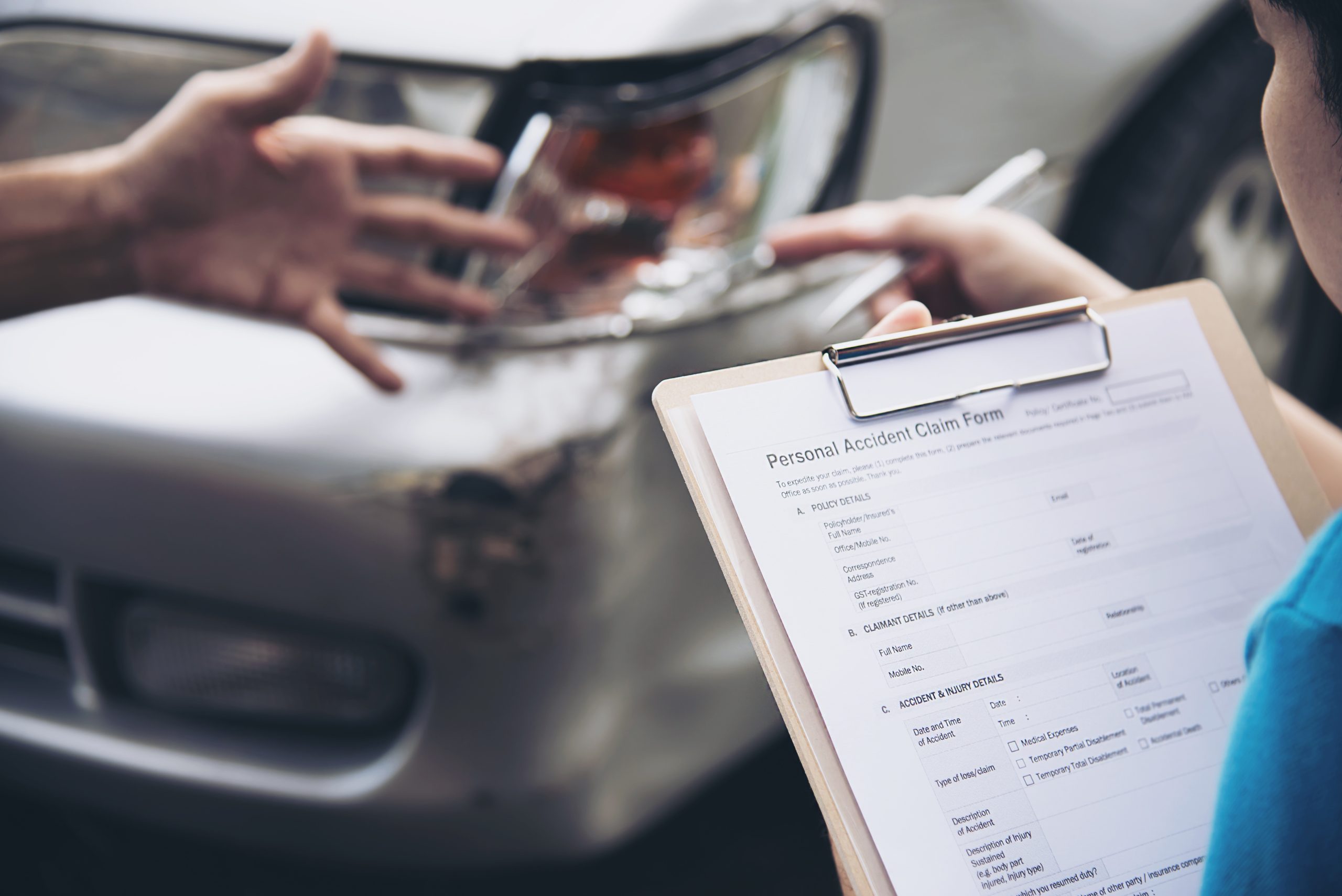
A car that regularly leaves its owner stranded may be approaching the point where continued ownership becomes impractical. Occasional failures can happen to any vehicle, including relatively new models, but repeated breakdowns often indicate that several components are aging at the same time.
The alternator might fail one month, a cooling system component the next, and a fuel pump shortly afterward. Each individual repair may appear manageable, yet the combined cost and inconvenience can become substantial. When breakdowns begin to interrupt work schedules, family responsibilities, or essential travel, reliability becomes a major factor in deciding whether to keep the car.
Keep a record of repairs, including the date, mileage, parts replaced, labor charges, and symptoms that prompted each visit. This information helps reveal patterns that are difficult to recognize when expenses are spread across several months.
If the same warning light repeatedly returns or a repair fails to resolve the original problem, request further diagnosis rather than continuing to replace parts without a clear explanation.
A trustworthy mechanic should explain the likely cause, identify any uncertainty, and distinguish necessary repairs from preventive recommendations. Clear records also make it easier to estimate the vehicle’s annual maintenance costs.
A useful approach is to compare expected repair expenses with the cost of obtaining a suitable replacement. Suppose an older car needs $2,400 in repairs over the next several months, while its current market value is approximately $3,000.
The repair estimate may seem excessive relative to the resale value, but replacing the car could require a down payment, monthly loan payments, higher insurance premiums, registration fees, and other expenses.
Keeping the existing vehicle may still be financially sensible if the repairs address known problems and the rest of the car remains dependable. The decision should reflect total ownership costs rather than resale value alone.
5. Persistent Electrical Problems and Repeated Warning Lights
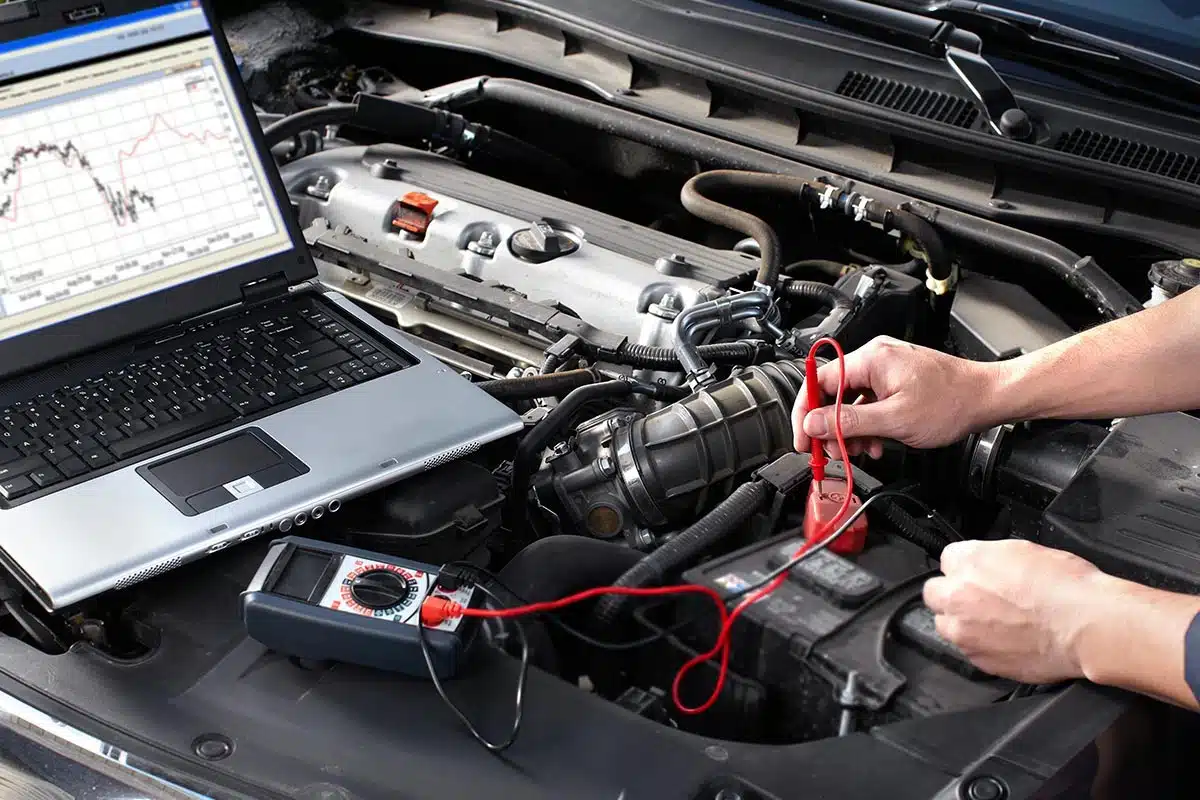
Electrical systems in older vehicles control an increasing number of essential functions, from starting the engine to operating airbags, anti-lock brakes, lighting, and electronic stability control. As wiring, connectors, sensors, and control modules age, electrical faults can become more frequent.
Drivers may experience flickering headlights, intermittent dashboard displays, power windows that stop working, unexplained battery drain, or repeated warning messages.
Some faults are simple to fix, but persistent electrical problems can be difficult to diagnose when symptoms appear and disappear without a clear pattern. The key is to determine whether the problem affects convenience, reliability, or essential safety systems.
A weak battery is a common cause of starting problems, but repeated battery failure may point to a deeper issue. An aging alternator might not charge the battery properly, while a parasitic electrical drain can discharge it when the car is parked. Loose battery terminals, corroded connections, and damaged ground wires can also create intermittent faults.
Replacing the battery repeatedly without checking the charging system may waste money and leave the underlying issue unresolved. A qualified technician can test battery condition, charging output, starter operation, and current draw to determine why the vehicle is failing to start.
Dashboard warning lights should be interpreted carefully. A check engine light can indicate anything from a loose fuel cap to a fault that threatens the catalytic converter.
Warning lights for the airbag system, anti-lock braking system, or electronic stability control may indicate that specific safety functions are unavailable or impaired.
A red oil pressure warning or an overheating warning requires immediate attention because continued driving can cause severe damage. Owners should consult the vehicle’s manual and arrange appropriate diagnostic testing rather than relying on guesswork or simply clearing stored fault codes.
6. Declining Fuel Economy and Reduced Engine Performance
A gradual decline in fuel economy can indicate that an older car needs maintenance or has developed a mechanical problem. Drivers may notice that they visit the gas station more frequently, receive fewer miles per gallon on familiar routes, or struggle to maintain speed during highway driving.
Fuel economy naturally varies with traffic, weather, driving style, tire pressure, and the use of air conditioning. Therefore, a single poor tank of gas does not necessarily suggest serious trouble. A consistent decline over several months, particularly when driving conditions remain similar, deserves closer investigation.
Several relatively simple problems can increase fuel consumption. Underinflated tires create additional rolling resistance, while a clogged air filter, faulty oxygen sensor, malfunctioning thermostat, or dragging brake can affect efficiency. An engine that runs too cold may consume more fuel than necessary, and an incorrect air-fuel mixture can reduce performance.
Routine maintenance may resolve these problems at a reasonable cost. Before assuming that the engine is worn out, compare recent fuel economy with the vehicle manufacturer’s original figures and consider whether driving conditions or maintenance habits have changed.
More serious mechanical problems can also reduce efficiency. Worn engine components may lower compression, while a failing fuel injector or ignition system fault can interfere with combustion. A damaged catalytic converter may restrict exhaust flow and reduce power, although similar symptoms can have other causes.
Drivers might notice sluggish acceleration, rough running, hesitation when climbing hills, or a need to press the accelerator harder to maintain speed. A diagnostic inspection can help identify whether the problem is caused by a repairable component or by extensive internal wear.
7. Persistent Suspension, Steering, and Braking Problems
The suspension and steering systems help keep a vehicle stable, comfortable, and controllable. Aging shocks, struts, bushings, ball joints, tie rods, and wheel bearings can gradually wear out, especially on vehicles driven frequently over potholes or rough roads.
Common symptoms include excessive bouncing, clunking noises, uneven tire wear, loose steering, and a tendency for the car to wander within its lane. Some suspension components can be replaced individually, but extensive wear across several parts may require substantial work. A vehicle that no longer responds predictably to steering inputs should be inspected promptly.
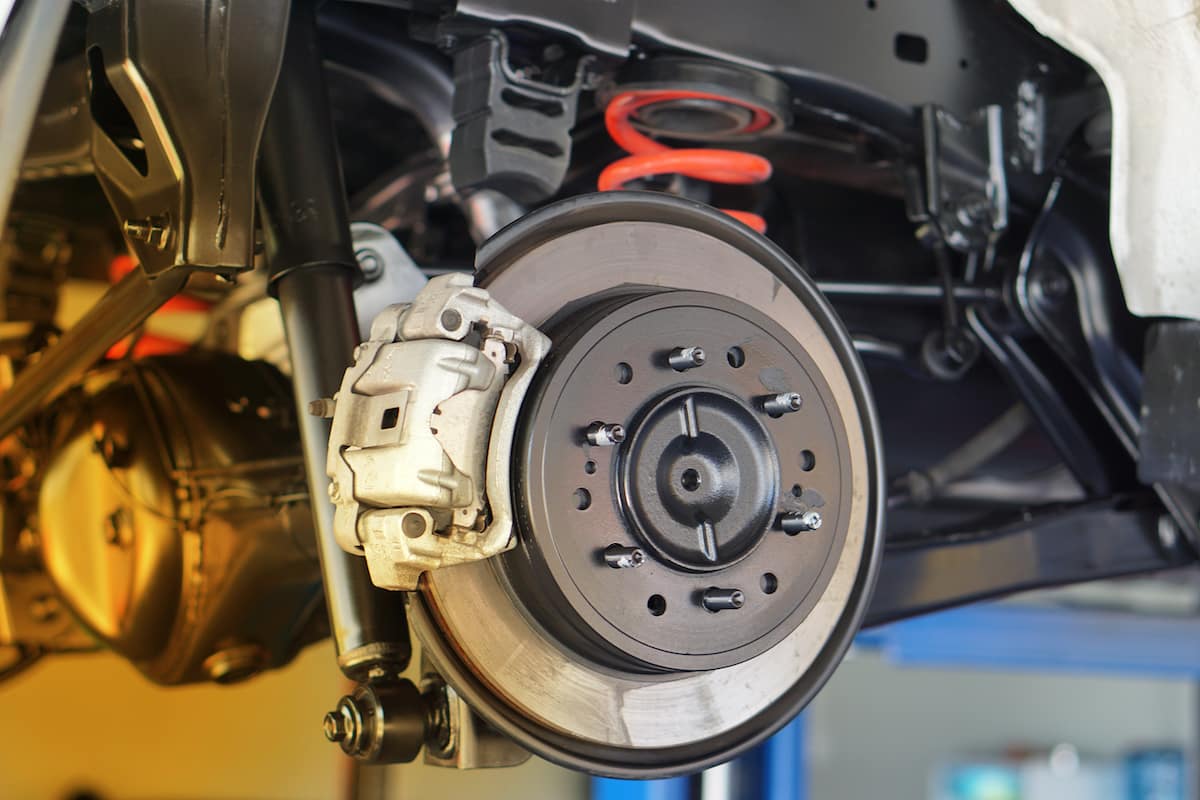
Braking problems require even greater attention because they directly affect the driver’s ability to stop safely. A soft brake pedal, grinding noises, strong vibrations, pulling to one side, or a noticeable increase in stopping distance can indicate worn pads, damaged rotors, hydraulic leaks, seized calipers, or other faults. A warning light may also indicate a problem with the braking system.
Routine brake repairs are a normal part of vehicle ownership, including for older cars, but serious corrosion or repeated hydraulic failures can complicate the work. If braking performance deteriorates suddenly, stop driving as soon as it is safe and arrange professional assistance.
Uneven tire wear can provide clues about suspension, steering, alignment, and inflation problems. Tires worn heavily along one edge may indicate incorrect alignment or worn suspension parts, while irregular patterns can point to other mechanical issues. Replacing tires without correcting the underlying cause may lead to premature wear and additional expenses.
During an inspection, ask the mechanic to check wheel alignment, suspension joints, steering components, and wheel bearings. Addressing a relatively inexpensive worn part may prevent further damage, but widespread deterioration can signal that the vehicle needs a more extensive restoration.
8. Excessive Exhaust Smoke and Unusual Emissions
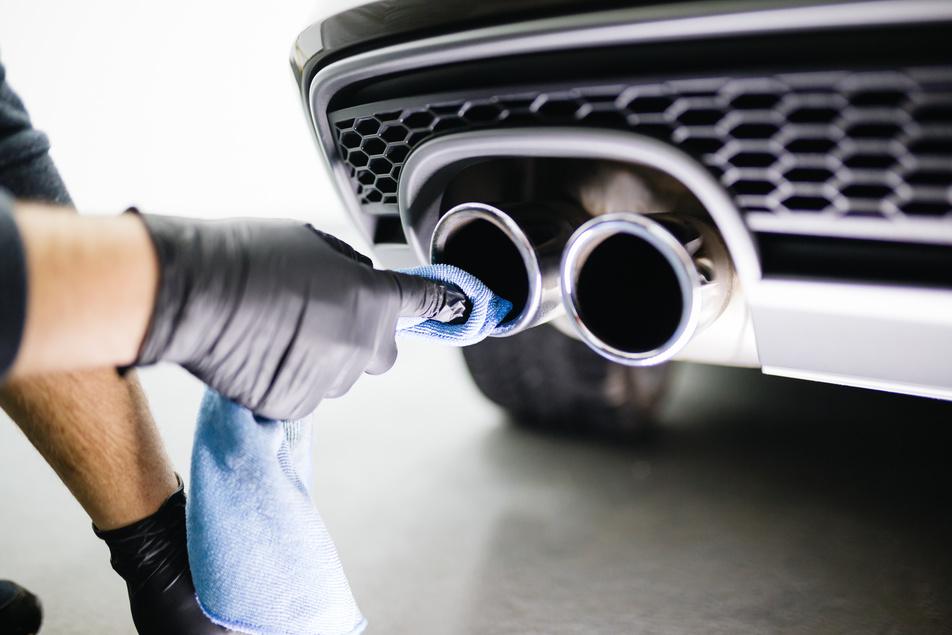
Exhaust smoke can provide useful clues about an engine’s condition. A brief cloud of vapor during cold weather is often normal condensation, particularly when temperatures are low. Persistent smoke, unusual odors, or a visible change in exhaust color may indicate a mechanical problem.
Blue or blue-gray smoke can suggest that engine oil is burning, while thick white smoke after the engine has warmed up may indicate coolant entering the combustion chambers. Black smoke can point to an excessively rich fuel mixture in gasoline engines. These observations are not definitive diagnoses, but they can help drivers describe symptoms to a qualified mechanic.
Blue exhaust smoke deserves attention when it occurs regularly during acceleration, deceleration, or startup. Depending on the engine design and circumstances, the cause may involve worn piston rings, valve seals, a malfunctioning crankcase ventilation system, or other faults.
Some causes are relatively inexpensive to repair, while internal engine wear may require major work. Drivers should also monitor the oil level and check whether consumption has increased. If the engine repeatedly loses oil or smoke becomes heavier, continued driving without diagnosis can worsen damage and increase repair costs.
9. Recurring Cooling System Leaks and Overheating
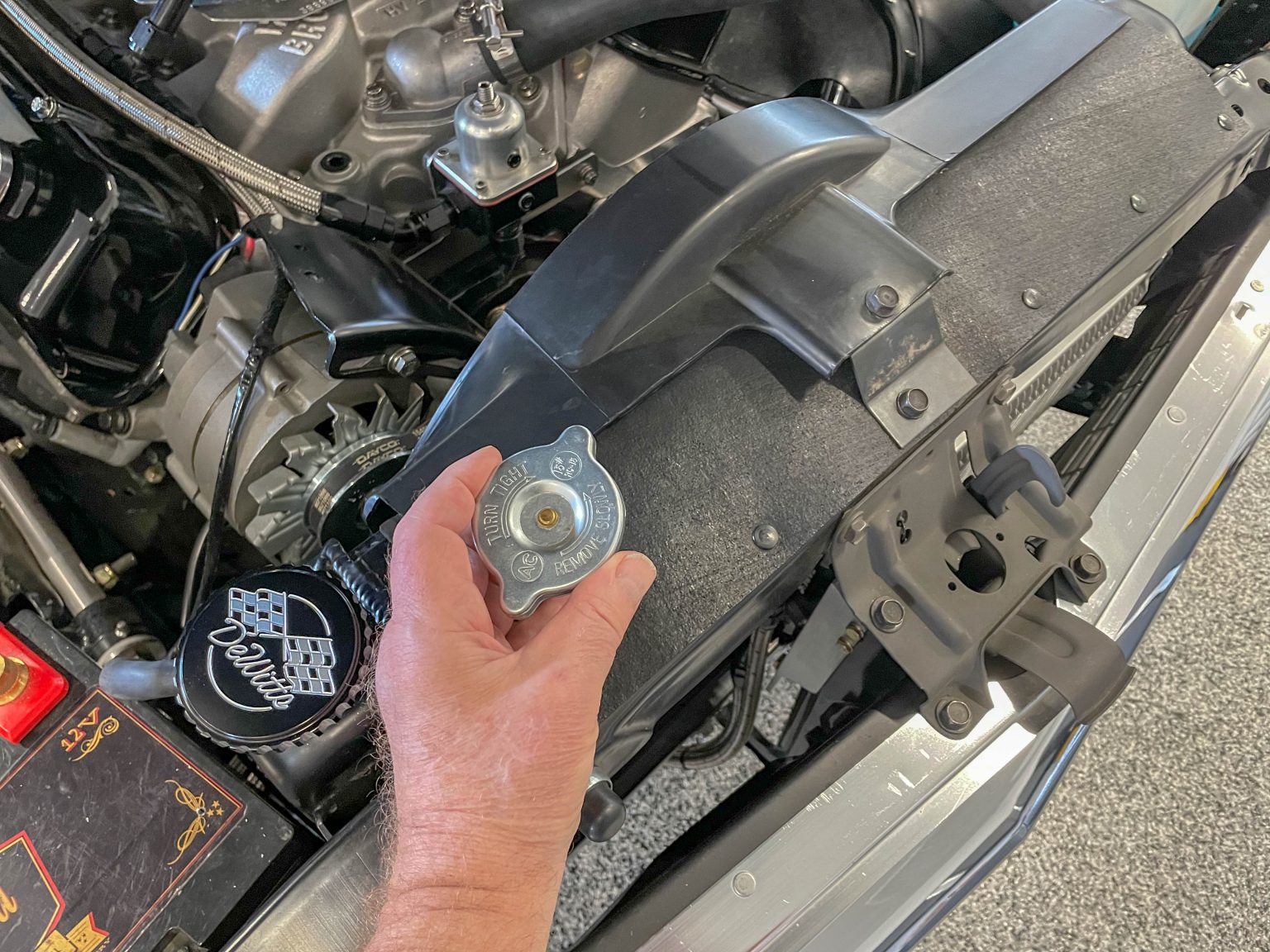
The cooling system protects the engine from excessive heat and helps maintain an appropriate operating temperature. Over time, radiators, hoses, water pumps, thermostats, clamps, and seals can deteriorate. Drivers may notice coolant puddles beneath the vehicle, a sweet smell after driving, low coolant levels, or temperature readings that fluctuate unexpectedly.
A single damaged hose is often straightforward to replace, but repeated leaks from different components can indicate that several parts have reached the end of their service life. Regular inspections can reveal developing issues before they cause an unexpected breakdown.
Coolant loss should never be treated as normal simply because a vehicle has high mileage. Some leaks are visible, while others occur only when the engine is hot and the cooling system is pressurized. A pressure test can help locate leaks in the radiator, hoses, water pump, heater core, or related connections.
In certain cases, coolant may leak internally through a damaged head gasket or another engine component. Topping up the reservoir without finding the cause may provide temporary relief, but it does not resolve the underlying problem and can allow damage to progress unnoticed.
Overheating can cause serious engine damage within a relatively short period, depending on the severity of the problem and how long the vehicle continues operating. Excessive heat can distort cylinder heads, damage gaskets, reduce lubrication effectiveness, and compromise internal components.
If the temperature gauge rises sharply or an overheating warning appears, pull over in a safe location and turn off the engine. Do not open the cooling system while it is hot. If coolant is leaking heavily or steam is visible, arrange roadside assistance rather than attempting to continue driving.
10. Age-Related Safety Concerns and Obsolete Features
Vehicle age alone does not determine whether a car is safe, but advances in automotive safety technology can make older models less protective than newer vehicles. Depending on its model year and equipment, an older car may lack features such as electronic stability control, side curtain airbags, blind-spot monitoring, automatic emergency braking, or modern crash avoidance systems.
These technologies are not equally effective in every situation, and their availability varies by model. Still, improvements in crash protection and driver assistance are important considerations when deciding whether to keep a vehicle for several more years.
Airbags, seat belts, and other restraint systems require special attention in older vehicles. An illuminated airbag warning light may indicate a fault that prevents some components from operating correctly. Seat belts should retract properly, latch securely, and show no significant cuts, fraying, or damage.
Vehicles involved in previous collisions may have deployed airbags or sustained damage to restraint components that require proper replacement. A used vehicle’s appearance cannot establish whether all safety equipment works as intended, so warning lights, repair records, and professional inspections matter.
Tires, headlights, windshield wipers, mirrors, and windshield condition also affect everyday safety. Aging tires may develop cracks, lose grip, or approach the end of their useful tread life. Dim headlights can reduce nighttime visibility, while damaged wipers and a cracked windshield can interfere with a driver’s view of the road.
Many of these issues are repairable without retiring the vehicle. However, a car that requires simultaneous work on tires, brakes, lighting, steering, and structural components may need a larger investment than its owner anticipated. A complete safety inspection helps establish which repairs are essential.