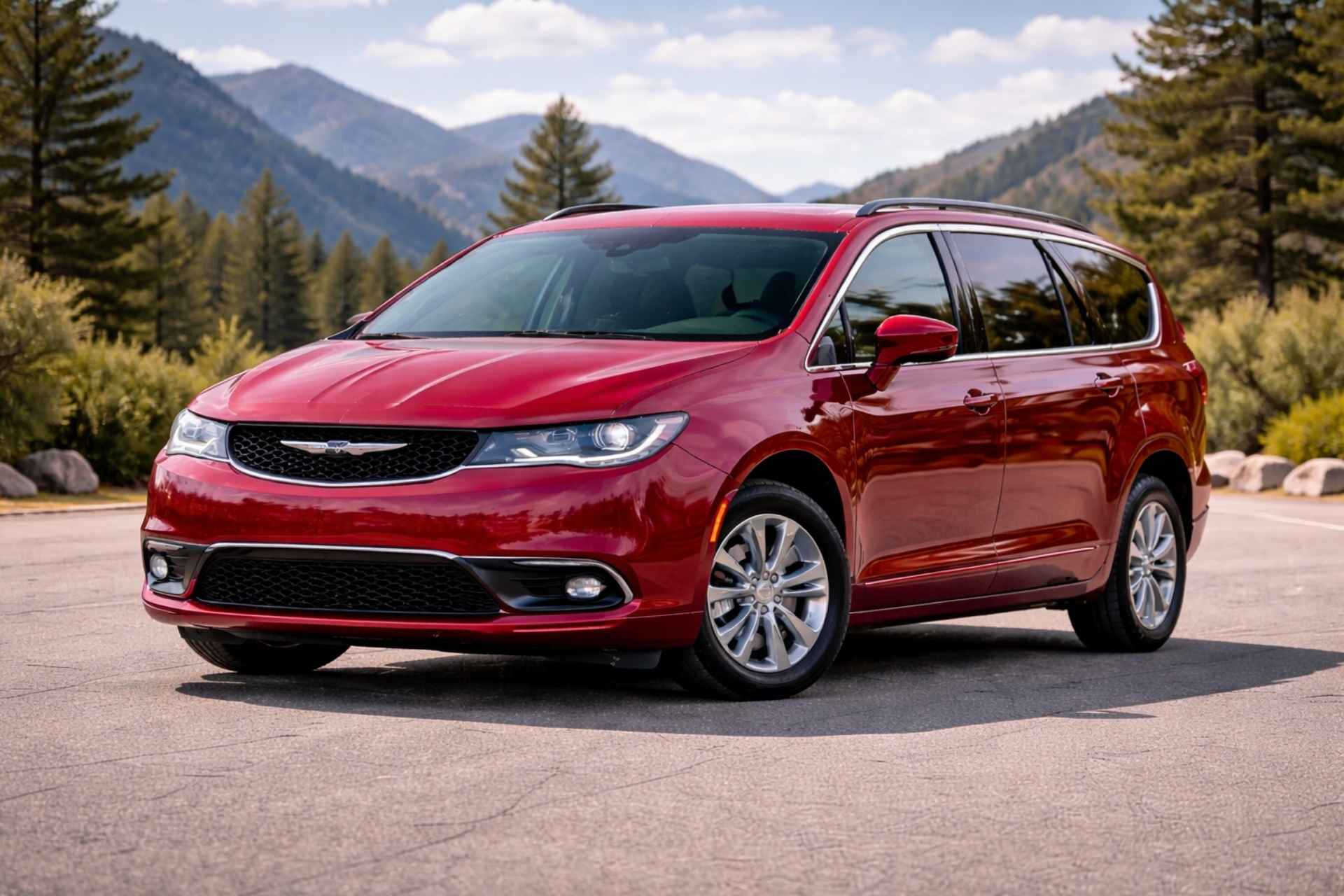
Choosing a family van requires careful attention to crash protection, passenger comfort, and everyday practicality. The National Highway Traffic Safety Administration (NHTSA) provides vehicle safety ratings that help buyers compare crash-test performance before making a purchase.
Minivans and passenger vans serve similar transportation needs, yet their designs, sizes, and available safety features can differ considerably. Understanding how these vehicles are tested makes it easier to assess their strengths and limitations.
This guide examines five minivans and five passenger vans, explaining their safety characteristics, rating considerations, and important details buyers should review before selecting a vehicle.
Five Minivans Ranked by NHTSA Safety Rating Considerations
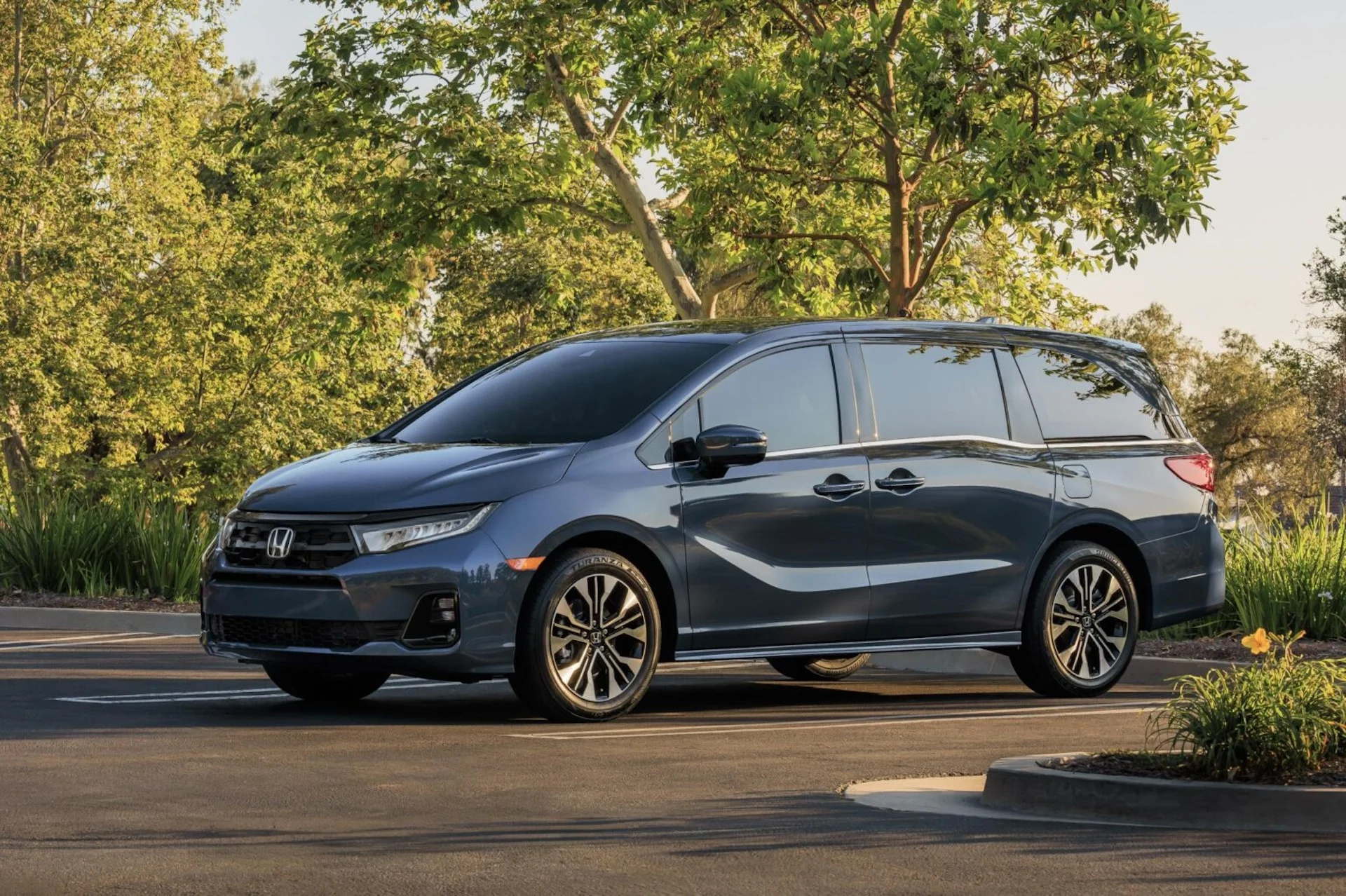
1. Honda Odyssey
The Honda Odyssey is a family-focused minivan known for its spacious cabin, flexible seating, and practical layout. Its sliding doors and relatively low passenger entry points can make it easier for children and older adults to enter and leave the vehicle.
Families often value its configurable second-row seating, multiple storage areas, and generous room for luggage. These convenience features do not establish crashworthiness by themselves, but they help explain why the Odyssey remains a common option for households that regularly transport several passengers.
When evaluating the Odyssey, buyers should review the NHTSA results for the exact model year under consideration. Relevant information includes frontal crash performance, side-impact protection, and rollover resistance, along with any published rating.
The vehicle’s generation matters because structural components and safety equipment can change over time. A rating listed for a previous Odyssey should not be transferred automatically to a newer model. Checking the correct vehicle identification details and model year helps prevent misleading comparisons.
The Odyssey’s available driver-assistance equipment is also worth examining. Depending on the year and trim, the vehicle may include features designed to assist with collision avoidance, lane monitoring, and speed management. Such systems can support safer driving, but their availability and operation vary.
Buyers should confirm the equipment fitted to the specific vehicle rather than assuming every used Odyssey has the same technology. Safety equipment is particularly important for families who frequently travel on busy roads, highways, and in congested school zones.
Passenger restraints deserve close attention in any minivan. Properly installed child safety seats, accessible seat-belt buckles, and suitable seating positions can affect how effectively occupants are protected.
Families should confirm that the Odyssey’s seating arrangement accommodates their child seats and passenger requirements. Child safety seats must be installed according to the manufacturer’s instructions and the vehicle owner’s manual. A vehicle with a strong crash-test record still depends on proper restraint use to provide its intended protection.
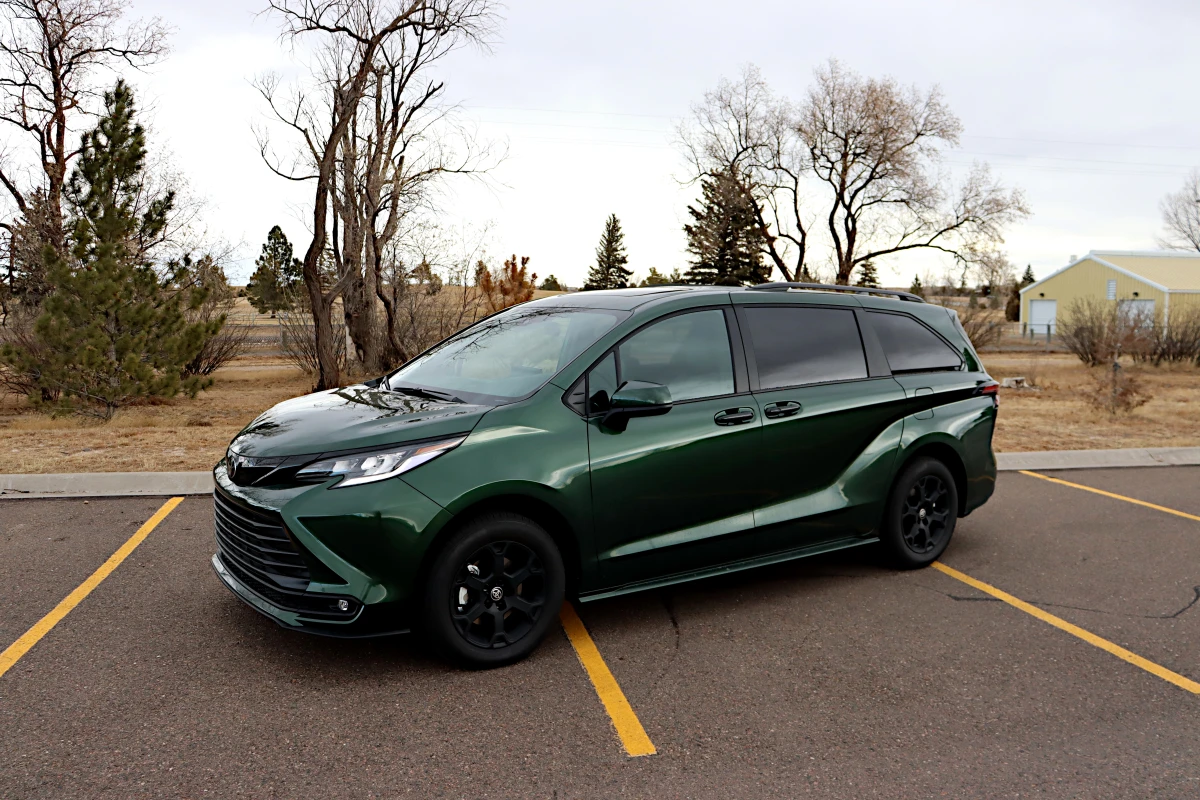
2. Toyota Sienna
The Toyota Sienna is a family minivan with a strong emphasis on passenger practicality and fuel efficiency. Recent generations have used a hybrid powertrain, although equipment and specifications depend on model year and trim. Its cabin offers multiple seating configurations, sliding doors, and space for passengers and everyday cargo.
Families may appreciate the Sienna for commuting, school transportation, and longer road trips. Its hybrid system can reduce fuel consumption compared with many conventional gasoline-powered vans, but fuel economy should not be confused with crash protection.
For safety comparisons, the Sienna’s NHTSA results should be examined by model year and configuration. Buyers should review the frontal and side-impact results, rollover rating, and any applicable score.
Drivetrain differences can matter when identifying the correct vehicle record, so consumers should make sure that the published result corresponds to the version they plan to purchase. Without matching those details, a comparison with a competing minivan may be inaccurate.
The Sienna’s active safety equipment is another consideration. Depending on model year and trim, it may offer technologies intended to help drivers detect hazards, maintain lane position, or respond to potential collisions. These systems can be useful in urban traffic and on longer journeys.
However, their effectiveness depends on road conditions, sensor performance, maintenance, and driver attention. Buyers should verify which systems are fitted to a specific vehicle and understand their limitations before relying on them.
Interior design matters when transporting families with different ages and mobility needs. Buyers should check whether the available seating configuration offers appropriate access to the rear rows, sufficient space for child safety seats, and convenient seat-belt placement.
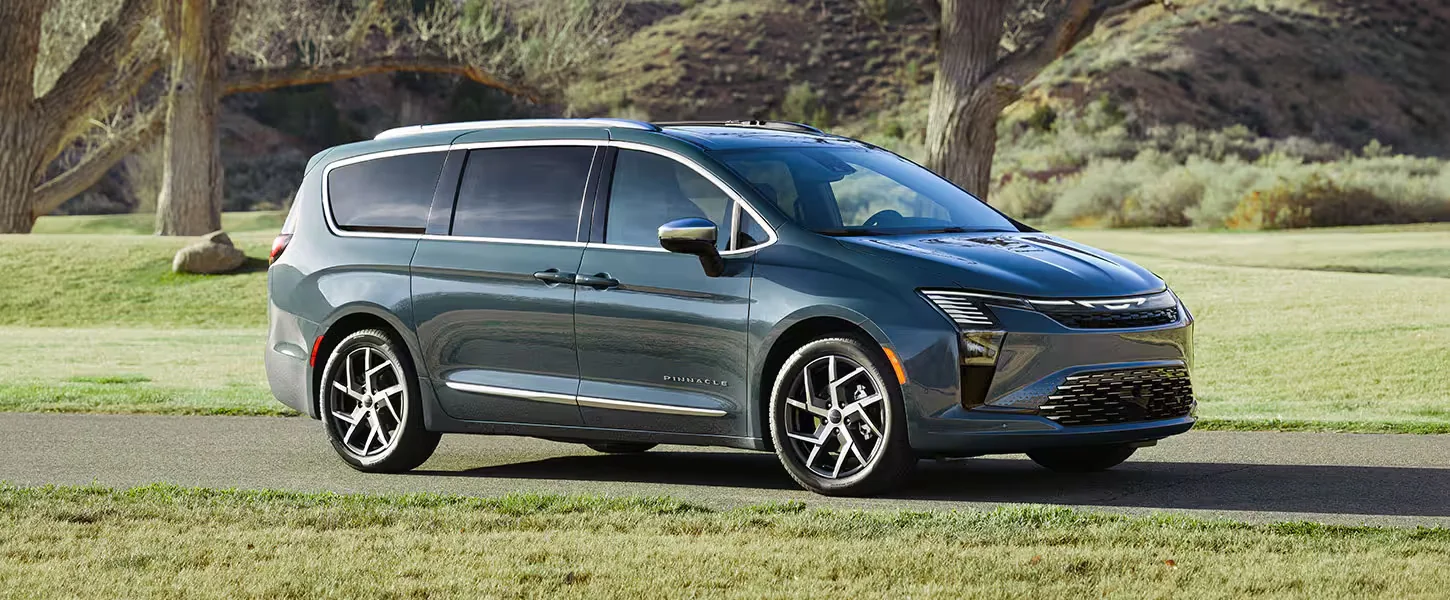
3. Chrysler Pacifica
The Chrysler Pacifica is designed to accommodate families that need flexible seating and substantial passenger space. Depending on the model year, buyers may find conventional gasoline versions and plug-in hybrid versions.
Some configurations offer seating and storage arrangements that can be particularly useful for family transportation. These differences are important when comparing vehicles because the precise powertrain and body configuration may affect which safety information applies to a particular example.
The Pacifica should be evaluated using the NHTSA record for the exact model year and version. Frontal crash, side-impact, and rollover results provide different pieces of evidence about occupant protection. A published five-star result in a particular category should not be interpreted as a five-star result in every category.
Safety features vary across Pacifica trims and model years. Some versions offer driver-assistance systems designed to warn of possible collisions, support lane awareness, or help with parking. The availability of individual features must be confirmed from the manufacturer’s specifications or the vehicle’s equipment list.
A used Pacifica may have a different collection of features from a newer vehicle with a similar name. Prospective buyers should check the equipment fitted to the exact trim instead of assuming that all examples offer identical protection.
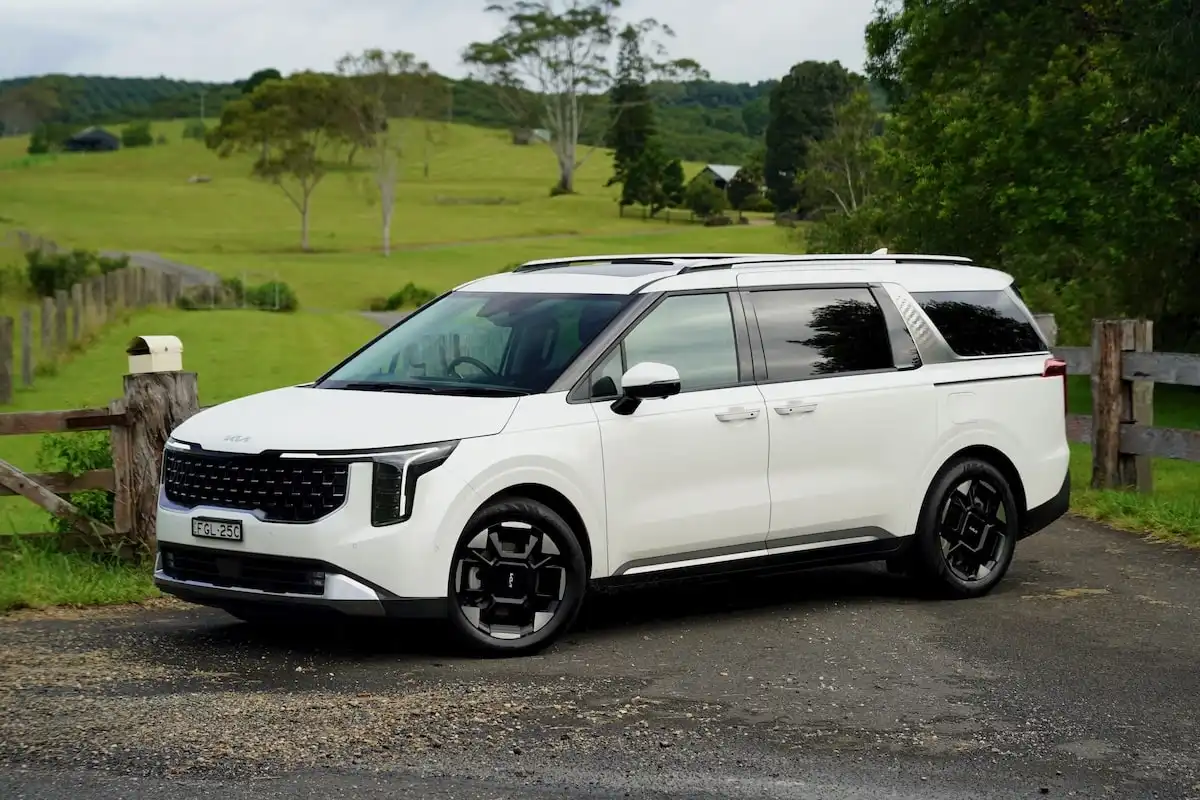
4. Kia Carnival
The Kia Carnival has a large cabin, family-oriented seating, and styling that differs from the more traditional minivan appearance. It is designed to serve households that need several passenger seats and useful cargo capacity.
Depending on the model year and market, its specifications and equipment can differ. Buyers should confirm that the vehicle being considered is the United States version if they intend to use NHTSA ratings, since safety specifications and testing records may differ for vehicles sold in other countries.
The Carnival’s NHTSA star rating should be confirmed for the specific model year before it is compared directly with the Odyssey, Sienna, or Pacifica. Buyers should look for the rating, when available, as well as individual frontal, side, and rollover results.
It is important not to substitute a rating from a different model year or a separate international safety organization. Different testing programs use different methods, so their scores are not automatically interchangeable.
Depending on the model year and trim, the Carnival may include driver-assistance features that support collision avoidance, lane monitoring, and driver awareness. The equipment list should be checked carefully because available features may differ between entry-level and higher trims.
Buyers should also investigate how these systems behave in ordinary driving and what conditions can limit their operation. Electronic safety aids are useful additions, but they cannot replace appropriate speed, safe following distance, or attentive driving.
Passenger comfort and access are practical considerations for the Carnival. Families should check the number of available seats, the ease of entering the rear rows, and the space required for child restraints.
Buyers who regularly transport adults in the rear should assess legroom and seat comfort directly. Cargo should be secured whenever the vehicle is occupied, particularly during longer trips when bags and equipment may be stored behind or beside passengers.
The Kia Carnival deserves consideration for families looking for a modern, spacious passenger vehicle. Its precise position in a star-rating ranking depends on the applicable NHTSA results and the vehicle’s model year.
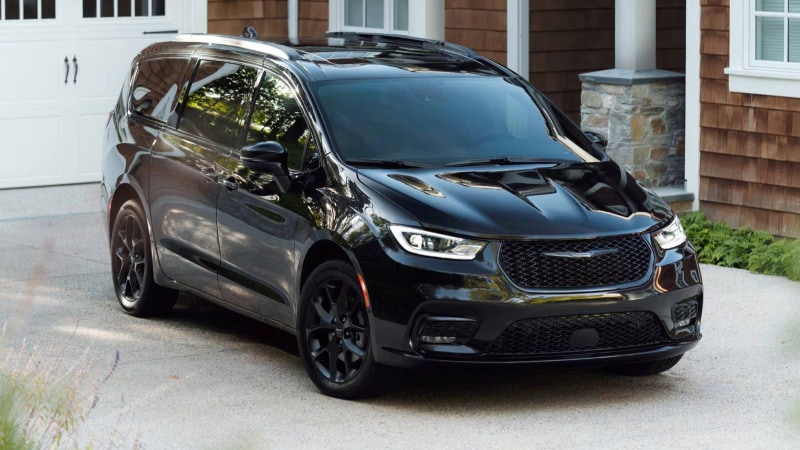
5. Chrysler Voyager
The Chrysler Voyager is another minivan option, particularly in model years and configurations where it has been positioned as a more straightforward alternative within Chrysler’s passenger-van range. Its main appeal is practical family transportation, with a cabin designed to carry multiple occupants and everyday belongings.
Specifications, trim levels, and availability vary by model year, so buyers should first establish the exact version being considered before using any safety information to compare it with competing vehicles.
The Voyager’s NHTSA rating must be tied to the appropriate model year and vehicle configuration. Consumers should examine whether the agency provides a star score and then review the individual crash-test categories.
If a rating is unavailable for the exact version, that absence should be recorded as unavailable rather than interpreted as either a strong or weak crash result. A comparison is only meaningful when the source data describes the actual vehicle under consideration.
Safety equipment can vary according to the Voyager’s year and trim. Buyers should verify the presence of features such as electronic stability control, airbags, rear visibility assistance, and any available driver-assistance technology.
Equipment lists should be checked against the specific vehicle rather than a general brochure for the model line. For used vehicles, an inspection can identify warning lights, damaged sensors, or signs that safety equipment has not been restored correctly after a repair.
The Voyager’s interior should be assessed in the same manner as other family minivans. Seat-belt access, child-seat compatibility, seating comfort, and space for luggage all influence whether the vehicle fits a household’s needs.
Five Passenger Vans Ranked by NHTSA Safety Rating Considerations
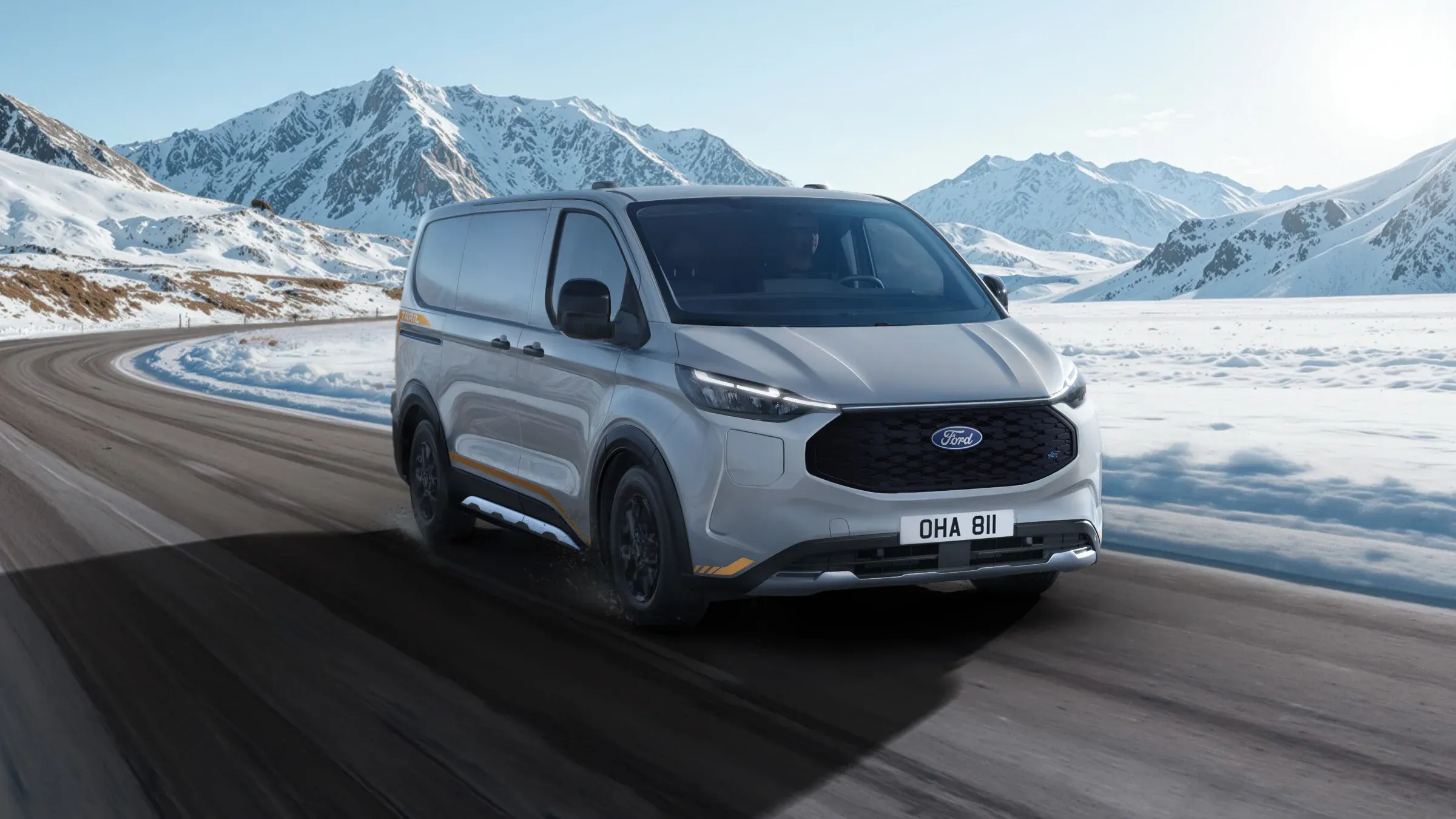
1. Ford Transit Passenger Van
The Ford Transit Passenger Van is a widely used choice for group transportation. It is offered in configurations designed to accommodate multiple passengers, with different body lengths, roof heights, and seating arrangements depending on the version.
These options can be useful for shuttle operators, organizations, and households that require substantial passenger capacity. However, a Transit designed for passenger transportation should not automatically be treated as equivalent to a cargo van or a differently configured model when reviewing safety data.
Buyers should look up the applicable NHTSA record using the exact model year and configuration. The Transit name covers different versions, and not every vehicle has an identical crash-test result.
The presence or absence of a published star rating should be recorded accurately. Individual crash-test information, where available, should be reviewed separately. It would be misleading to assign the Transit a definitive star score without verifying which version the agency tested.
The Transit can be equipped with driver-assistance systems depending on model year and specification. Buyers should establish whether the particular vehicle includes features intended to help with automatic emergency braking, lane monitoring, parking, or rear visibility.
Fleet purchasers should also examine how safety technology is maintained across multiple vehicles. A system that has been damaged, disabled, or poorly calibrated may not provide the intended assistance, so inspection and maintenance records are valuable.
Passenger vans require careful attention to seating capacity and restraint arrangements. Buyers should confirm that every occupied seat has the appropriate restraint and that the seating configuration is approved for the vehicle.
Adding seats or modifying the interior without appropriate engineering and certification can create serious safety problems. Organizations that transport children should also verify that child safety seats can be installed correctly and that the van’s seating positions meet their transportation requirements.
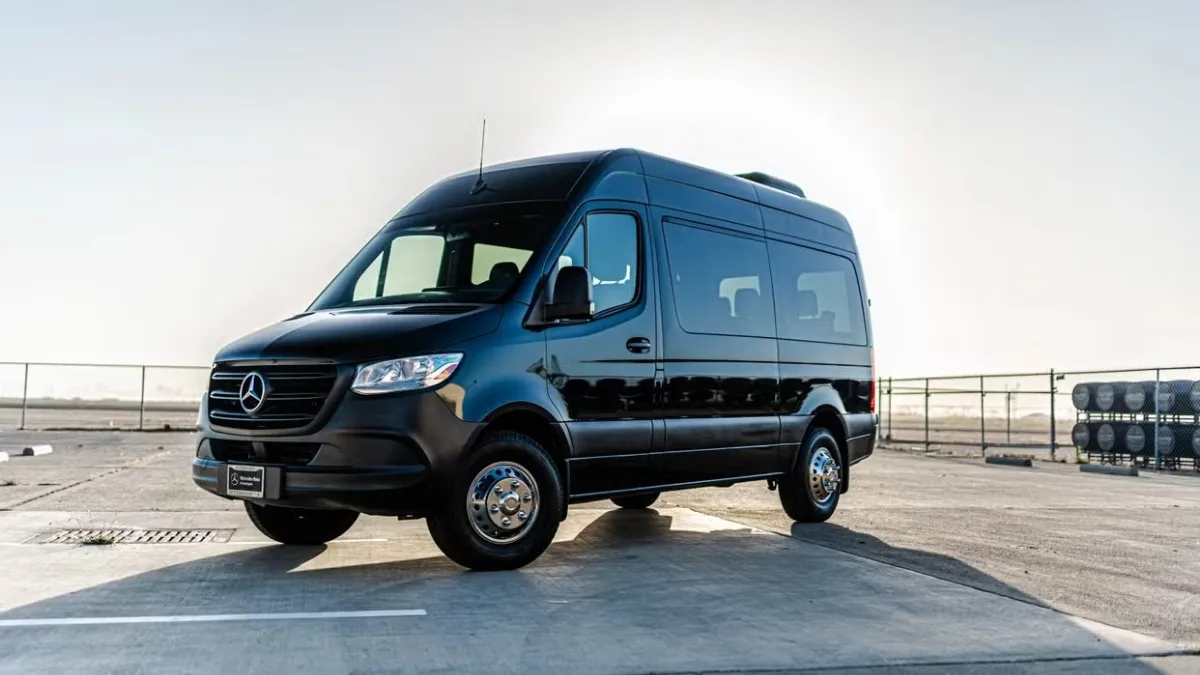
2. Mercedes-Benz Sprinter Passenger Van
The Mercedes-Benz Sprinter Passenger Van serves commercial shuttle operators, organizations, and customers seeking a large passenger vehicle. Depending on the model year and configuration, it may offer different seating capacities, body lengths, roof heights, and powertrain options.
Its size can be useful for transporting groups and luggage, but larger dimensions also mean that drivers must account for vehicle height, turning space, stopping distances, and restricted visibility in certain situations.
NHTSA star ratings should be confirmed for the exact Sprinter configuration being considered. A vehicle may have published information for some safety categories without having a comparable score available for every version.
Buyers should not interpret missing information as a failed crash test. They should also avoid transferring a result from a cargo model, a different model year, or an international version to a passenger van without confirming that the rating applies.
Available safety technology varies with the Sprinter’s year and equipment package. Some versions may offer systems designed to support braking, driver attention, lane awareness, or parking.
Buyers should check the manufacturer’s documentation for the particular vehicle and establish whether the systems are standard or optional. Sensor condition and correct calibration are important, especially for used vans that have undergone bodywork or windshield replacement.
The passenger cabin should be evaluated for access, seating, restraint placement, and luggage security. Operators carrying groups need a clear plan for helping passengers board and exit safely.
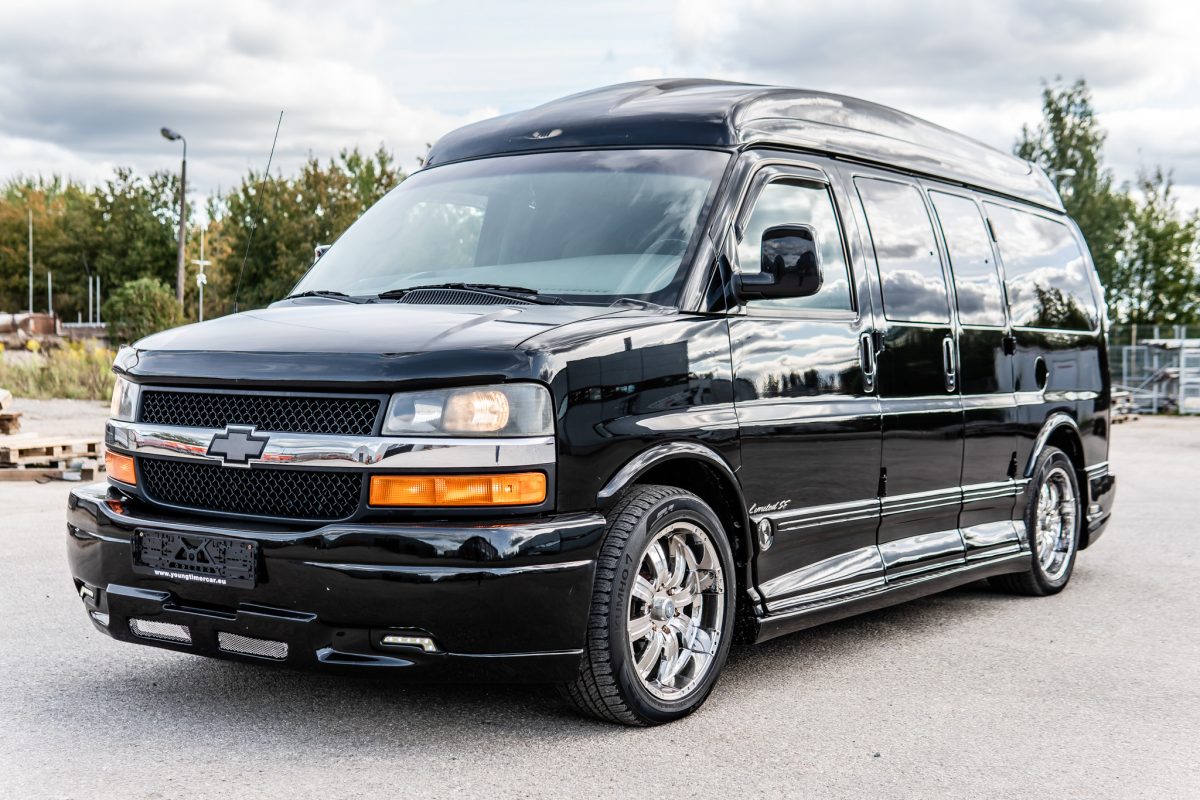
3. Chevrolet Express Passenger Van
The Chevrolet Express Passenger Van is a traditional full-size van used for group travel, business transportation, and other applications requiring several seats. Its design emphasizes a large cabin and straightforward utility.
Different model years and versions may have different seating capacities, engines, and safety equipment. Buyers should identify the exact vehicle before comparing it with newer passenger vans because older designs may have different technology and different available crash-test information.
The Express should be checked against the relevant NHTSA database entry for its model year and configuration. If an applicable rating is published, buyers should review it alongside the frontal, side-impact, and rollover information.
If the agency does not provide a comparable star rating for the specific vehicle, that limitation should be stated clearly. It is not sound practice to invent a score or assign the vehicle a low ranking simply because comparable test data is missing.
Safety equipment should be examined carefully because specifications can differ across years and trims. Buyers should verify the available airbags, stability-control systems, rear visibility features, and other equipment fitted to the vehicle.
Used examples may also have been converted or modified for commercial purposes. Any changes to the seating arrangement, passenger restraints, or body structure should be checked to confirm that the vehicle remains suitable for its intended use.
The Express is often considered by organizations that need a durable, practical vehicle with room for several occupants. Before purchase, operators should inspect the seats, seat belts, brakes, tires, steering, suspension, and airbag warning system.
A history of heavy use, poor maintenance, or collision repairs may affect the condition of the vehicle. Buyers should also confirm the permitted seating capacity and ensure that the vehicle is not overloaded when passengers and their belongings are aboard.
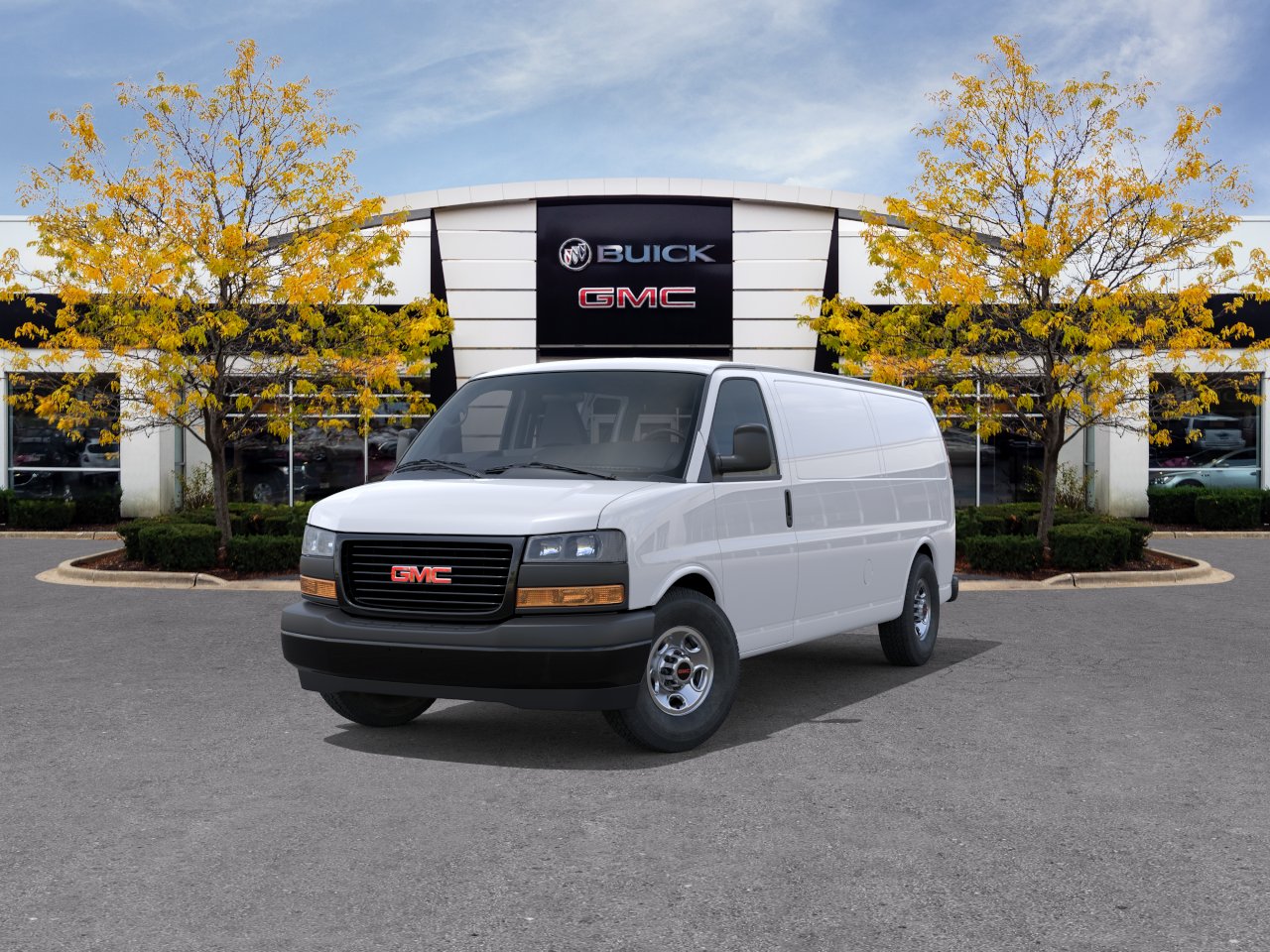
4. GMC Savana Passenger Van
The GMC Savana Passenger Van is closely related to the Chevrolet Express and serves similar transportation needs. It is used for group travel, business operations, and other situations where a full-size van is more appropriate than a minivan.
The Savana’s specifications depend on model year and configuration, including its seating layout and available equipment. Buyers should examine the individual vehicle rather than assuming that every version has identical safety characteristics.
NHTSA information should be matched to the exact Savana model year and configuration. Its relationship to the Chevrolet Express may make the two models similar in important respects, but buyers should still verify the specific published record.
A result for a related model should not be substituted automatically unless the agency’s information clearly establishes that it applies. Star ratings are useful only when the underlying test results are relevant to the vehicle being evaluated.
The Savana’s equipment should be checked against the actual vehicle specification. Buyers should look for applicable airbags, electronic stability control, rear visibility assistance, and any available driver-support technology.
The model year can affect which features are present. Fleet operators should establish inspection schedules and ensure that safety-related faults are repaired promptly, especially when a van carries passengers regularly or operates on long routes.
Passenger safety also depends on seating and loading practices. Each passenger should occupy an approved seat and use the corresponding restraint. Luggage, tools, and other heavy objects should be stored securely rather than left loose in the cabin.
The van should remain within its rated passenger capacity and weight limits. Drivers should also receive training that accounts for the vehicle’s size, turning radius, height, and handling when fully loaded.
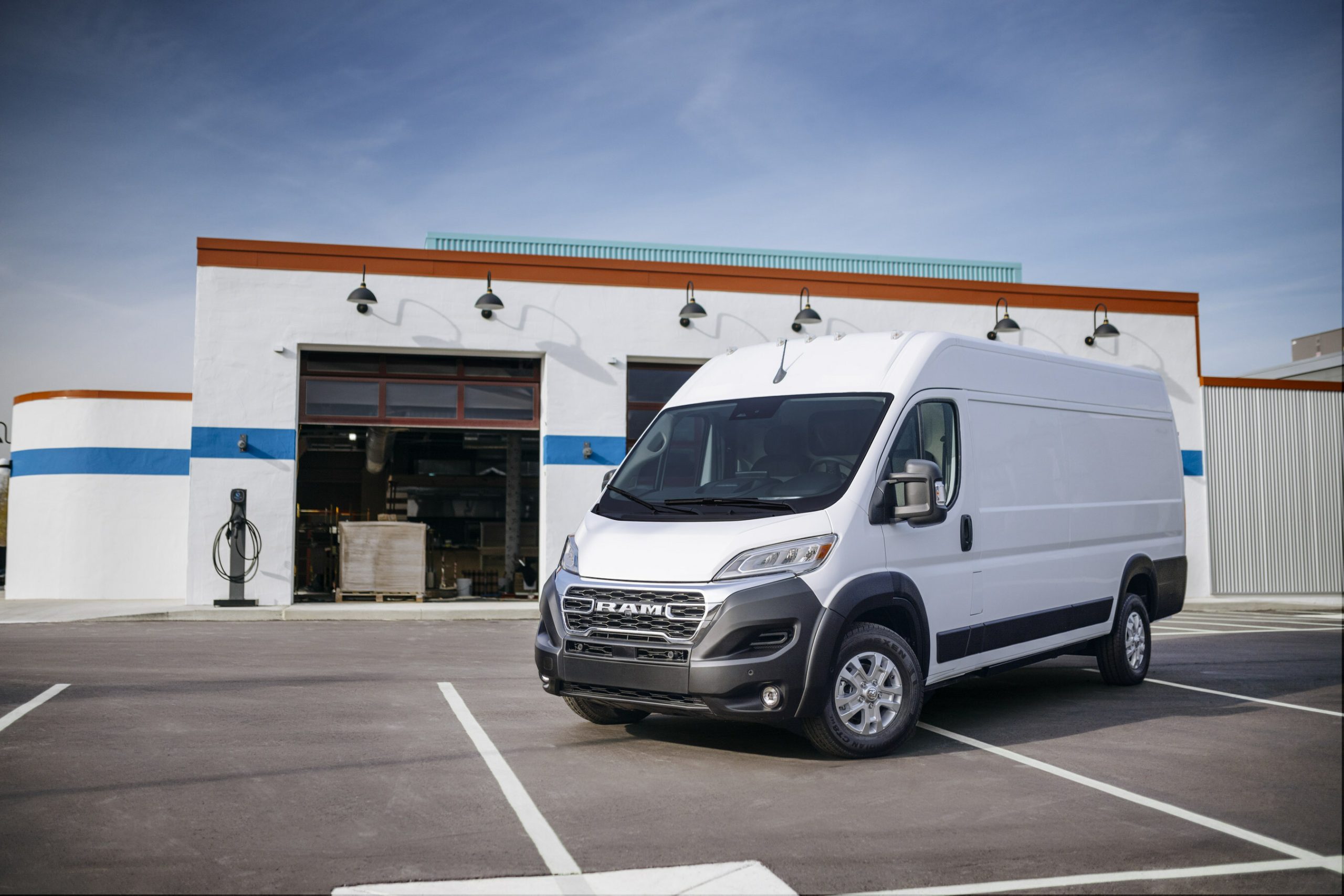
5. Ram ProMaster Passenger Configuration
The Ram ProMaster name is associated primarily with commercial van applications, and passenger-oriented configurations may depend on the model year, market, and conversion.
This distinction is important because a factory-built passenger vehicle and a commercial van converted by a third party may not have the same seating arrangements or safety certification. Buyers should establish exactly what vehicle they are considering before treating it as directly comparable to a purpose-built passenger van.
NHTSA star ratings must be verified against the precise ProMaster model and configuration. Commercial vans do not necessarily have the same published rating coverage as family vehicles, and a lack of a score should not be treated as a crash-test failure.
Where applicable results exist, buyers should examine the individual categories and confirm that they relate to the correct body style and model year. If the vehicle has been converted, the original rating may not evaluate the modifications.
A ProMaster’s safety equipment depends on its specification and any conversion work. Buyers should verify the installed airbags, electronic stability systems, driver-assistance equipment, rear visibility technology, and any additional safety components fitted during conversion.
They should also establish whether the conversion was performed by a qualified business and whether the completed vehicle meets applicable requirements. Modifications that affect seating, restraints, or structural components deserve particular scrutiny.