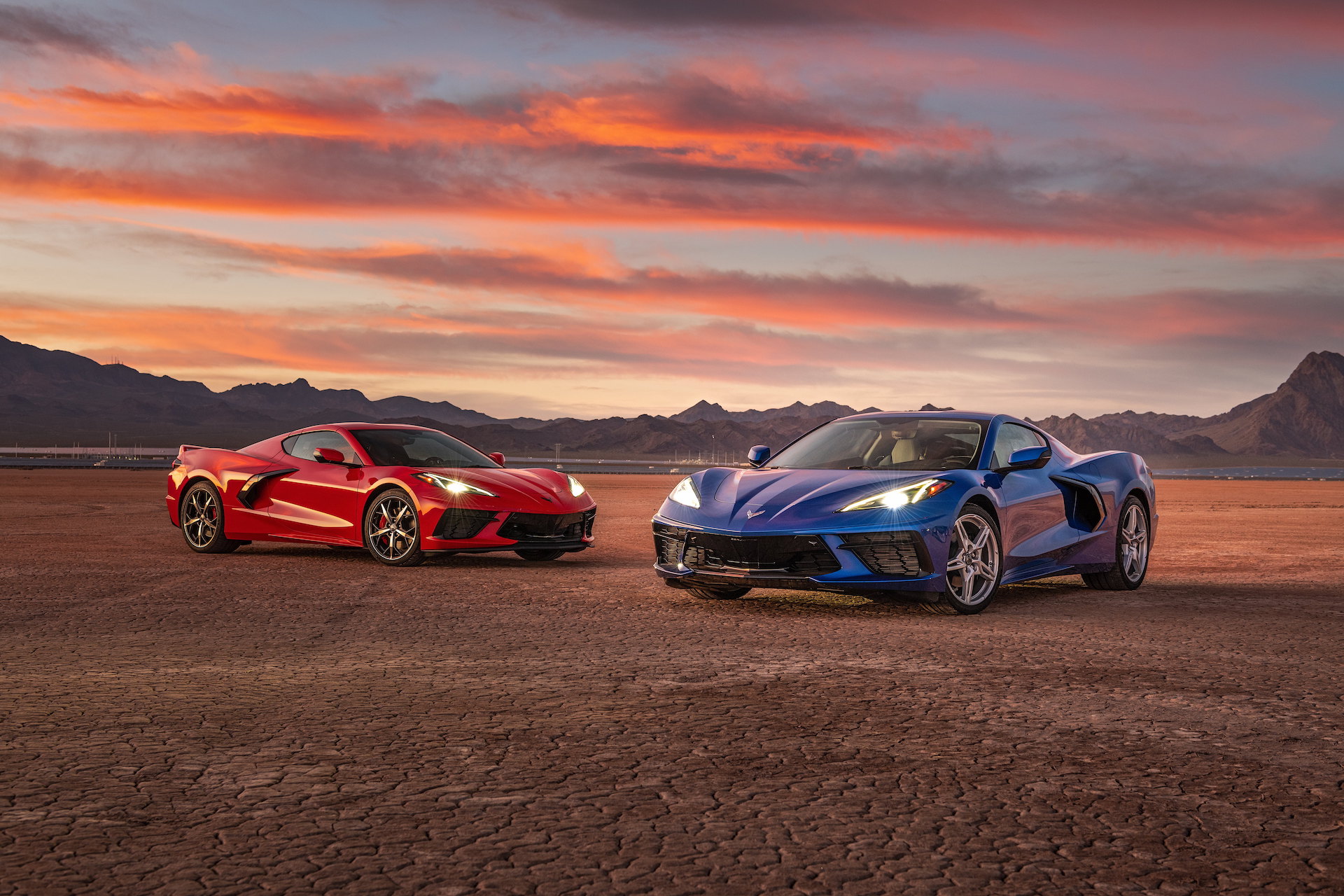
The 1990s marked a remarkable period for sports cars, bringing together powerful engines, distinctive designs, and driving experiences that still appeal to enthusiasts today. From Japanese performance icons to European grand tourers, these vehicles established reputations that continue to influence modern automotive engineering.
Many famous nameplates have survived for decades, receiving major updates in performance, technology, comfort, and safety. Comparing their original versions with their latest counterparts reveals how much the automotive industry has changed while preserving the character that made these cars memorable. Here are eight legendary sports cars and their modern successors.
1. Toyota Supra: 1990s A80 vs Modern A90
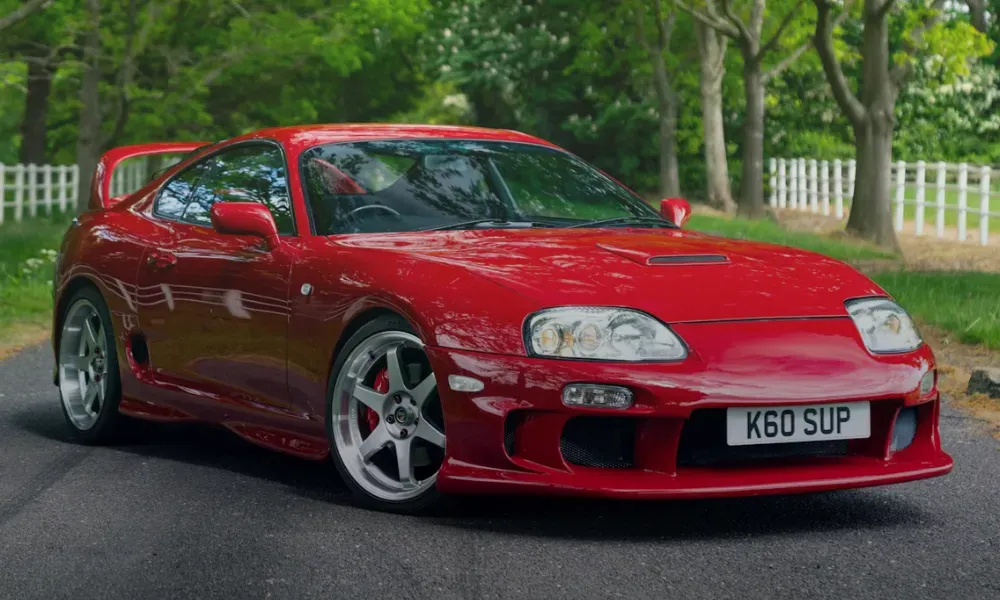
The 1990s Toyota Supra became a symbol of Japanese performance engineering, particularly through the fourth-generation A80, introduced in 1993. Its rounded body, long bonnet, muscular rear end, and distinctive rear spoiler gave it a recognisable appearance.
The twin-turbocharged 3.0-litre 2JZ-GTE inline-six engine earned widespread respect for its strong performance and tuning potential. In markets such as the United States, the turbocharged model was rated at 320 horsepower, making it a serious contender among performance cars of its era.
The original Supra’s reputation grew through its combination of straight-line speed, rear-wheel drive, and a robust engine design. The 2JZ-GTE became particularly popular with enthusiasts who wanted to modify their cars for greater power.
With suitable supporting upgrades, the engine could handle substantial increases in output, though reliability depended on the quality of the modifications and maintenance. Its popularity in street racing culture and films helped turn the A80 into a highly sought-after modern classic.
The fifth-generation Toyota GR Supra, known as the A90, arrived in 2019 after a long break in the model’s production. Developed in collaboration with BMW, it shares its platform and several mechanical components with the BMW Z4.
The modern Supra features a shorter wheelbase, a more compact body, and contemporary styling with pronounced curves and large air intakes. Depending on the market and model year, buyers could choose turbocharged four-cylinder or six-cylinder engines.
Performance has improved considerably in several measurable areas. The six-cylinder A90 uses a turbocharged 3.0-litre inline-six, with power ratings varying by model year and market. Later versions in the United States reached 382 horsepower, while certain special editions offered further chassis and equipment changes.
Modern automatic transmissions, electronic stability systems, advanced braking technology, and improved tyre compounds contribute to strong acceleration and more consistent handling than drivers could expect from a standard 1990s example.
The key difference lies in how the two generations deliver their appeal. The A80 represents a period when mechanical strength, turbocharging, and modification potential defined much of the Supra’s identity. The A90 offers more accessible performance, contemporary safety equipment, and sharper factory tuning.
However, the modern car has also attracted criticism from enthusiasts who prefer the original’s Toyota-developed engineering identity. Both remain desirable, with the A80 valued as a collector’s car and the A90 appealing to drivers seeking modern performance.
2. Nissan Skyline GT-R: R34 vs R35 Nissan GT-R
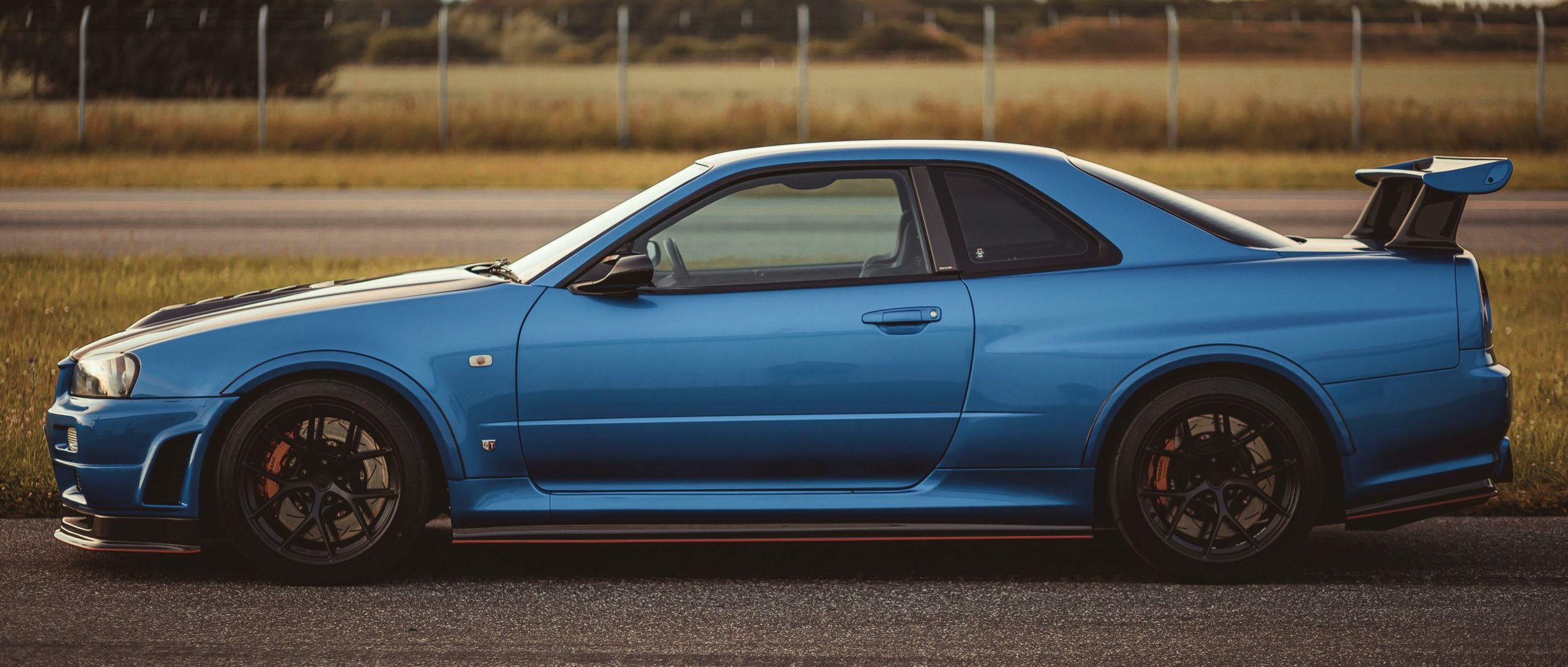
The Nissan Skyline GT-R R34, introduced in 1999, became an important part of Japan’s performance-car heritage. Its boxy proportions, aggressive front end, large rear wing, and distinctive round taillights gave it an unmistakable appearance.
Power came from the RB26DETT, a 2.6-litre twin-turbocharged inline-six engine officially rated at 280 PS in Japan under the country’s voluntary manufacturers’ power agreement. Its real-world performance and tuning potential made it a favourite among enthusiasts.
The R34 was not simply built for straight-line acceleration. Its ATTESA E-TS all-wheel-drive system helped distribute power to the wheels, while the Super-HICAS system provided rear-wheel steering on equipped versions.
Together with a relatively compact body and capable suspension, these technologies helped the car remain composed during fast cornering. The dashboard-mounted multifunction display in certain versions also provided useful information about engine and vehicle performance, giving the R34 a distinctly technical character for its time.
Nissan introduced the R35 GT-R in 2007, moving away from the Skyline name for this model. Rather than following the R34’s traditional six-cylinder layout, the new GT-R adopted a hand-assembled 3.8-litre twin-turbocharged V6.
Power increased across successive updates, with later high-performance versions producing considerably more than early models. The R35 also introduced a sophisticated all-wheel-drive system and a dual-clutch transmission, allowing it to deliver rapid acceleration with relatively little effort from the driver.
The modern GT-R combines electronic controls, launch-control technology, advanced suspension tuning, and substantial braking capability. Its wider body and carefully developed aerodynamics provide stability at high speeds, while the all-wheel-drive system helps manage the engine’s considerable output.
Over its long production life, Nissan revised the engine, suspension, transmission calibration, interior, and exterior details. The later Nismo versions focused on track performance, adding specialised components and more aggressive tuning.
The R34 and R35 represent different approaches to the same performance philosophy. The older Skyline GT-R offers a traditional Japanese sports-car experience, with a straight-six engine and a strong connection to the tuning scene.
The R35 delivers greater factory performance and advanced electronics, making very high speeds more accessible. Nissan ended R35 production in 2025, so it is no longer a new-production model in 2026. Its latest versions nevertheless remain the modern reference point for comparisons with the R34.
3. Mazda MX-5 Miata: First Generation NA vs Fourth Generation ND
The first-generation Mazda MX-5 Miata, launched in 1989 and sold widely during the 1990s, helped renew interest in lightweight roadsters. Its friendly styling, modest dimensions, pop-up headlights, and simple soft-top roof gave it a personality quite different from heavier, more powerful sports cars.
Early versions used a 1.6-litre four-cylinder engine producing approximately 115 horsepower in the United States. Later versions adopted a 1.8-litre engine, offering additional power while retaining the car’s lightweight character.
Mazda designed the original MX-5 with the belief that an engaging driving experience does not depend on high horsepower. Its rear-wheel-drive layout, well-balanced chassis, lightweight construction, and responsive manual transmission made it particularly fun to drive on winding roads.
Its suspension allowed predictable cornering, while the compact cabin placed the driver close to the controls. Affordable running costs and accessible maintenance also helped the MX-5 attract people who wanted a genuine sports car without the expense associated with many European alternatives.
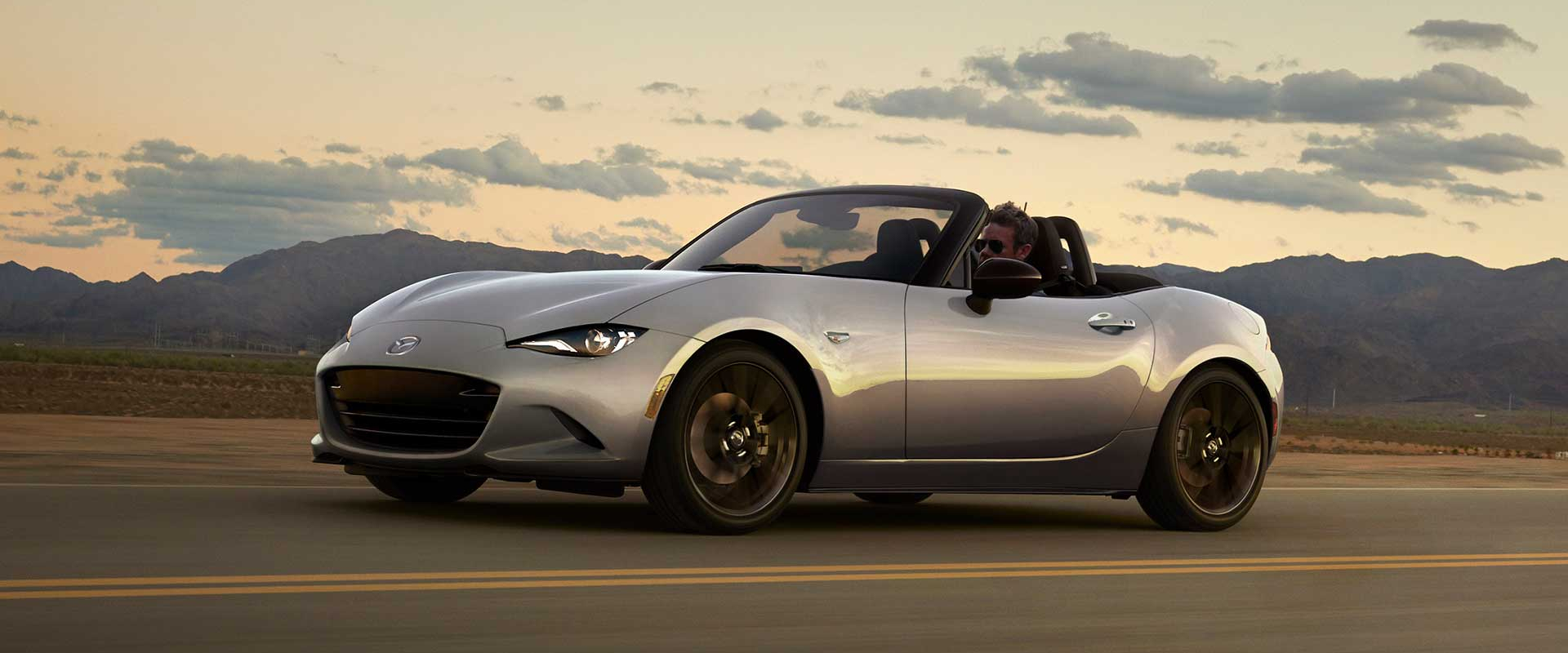
The fourth-generation ND arrived in 2015, bringing modern engineering to the same basic concept. Its body became more sculpted, with narrow headlights, flowing lines, and a compact stance.
Mazda also reduced weight through extensive use of lightweight materials and careful component design. Depending on the market and model year, the ND has offered 1.5-litre or 2.0-litre four-cylinder petrol engines, paired with manual or automatic transmissions in selected markets.
The modern MX-5 benefits from improved crash protection, contemporary electronics, better structural engineering, and more advanced lighting. Later updates introduced refinements to steering response, engine calibration, interior equipment, and driver assistance features.
Some versions include modern infotainment systems and smartphone connectivity, making everyday ownership easier. Even with these additions, the ND remains relatively simple compared with larger sports cars packed with complex suspension and powertrain technologies.
Comparing the NA and ND highlights the strength of Mazda’s original formula. The first generation feels light, direct, and mechanically simple, while the current-generation design provides greater refinement, improved safety, and more contemporary equipment.
The ND has grown in performance without losing the responsive handling that defines the MX-5. For buyers seeking an engaging sports car for everyday driving, the modern Miata remains a close spiritual successor to the affordable roadster that began the story.
4. Porsche 911: 993 Generation vs Current 992 Generation
The Porsche 911 of the 1990s is closely associated with the 993 generation, produced from 1994 through 1998. It was the final 911 generation to use an air-cooled flat-six engine, a design feature that had defined the model since its early years.
The 993 introduced smoother bodywork, improved suspension, and refined aerodynamics while preserving the familiar silhouette. Carrera models commonly used a 3.6-litre naturally aspirated engine, with power varying by specification and model year.
The 993 improved upon earlier 911s through its redesigned rear suspension, which helped make handling more predictable near the limits. Its relatively compact dimensions, precise steering, and distinctive engine sound contributed to its appeal.
Turbo versions offered twin-turbocharged power and all-wheel drive, combining strong acceleration with increased traction. The interior remained focused on the driver, featuring traditional instruments and physical controls rather than the large digital displays found in modern vehicles.
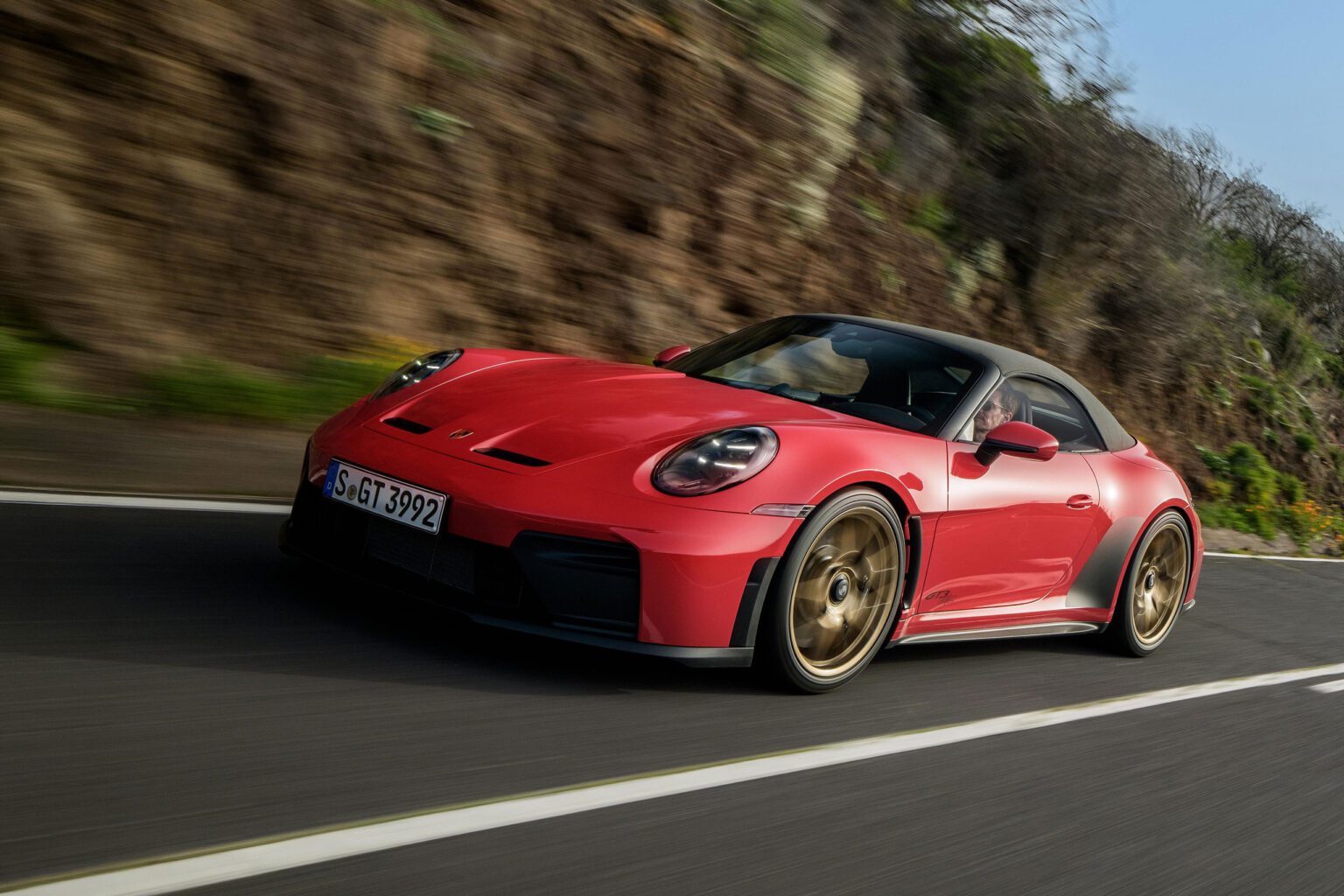
The 992 generation arrived in 2019, and the updated 992.2 debuted for the 2025 model year. It retains the rear-engine layout and familiar proportions while incorporating extensive changes beneath the bodywork.
The standard Carrera uses a twin-turbocharged 3.0-litre flat-six engine, producing more power than the naturally aspirated engine in a typical 1990s Carrera. The latest generation also offers a wide range of versions, from everyday Carrera models to highly focused track-oriented variants.
Modern 911 models benefit from sophisticated suspension systems, electronic stability management, advanced braking technology, and a range of transmission choices. Porsche has also improved cabin comfort, infotainment, lighting, and driver assistance equipment.
The 992.2 Carrera GTS introduced a performance-focused hybrid-assisted powertrain, demonstrating how electrification can support a sports car’s performance goals. This system differs from a conventional plug-in hybrid because it is designed primarily to improve performance rather than provide extensive electric-only driving.
The 993 and 992.2 serve different priorities while retaining the same core identity. The older car appeals to enthusiasts who value air-cooled engineering, traditional controls, and a strong connection to Porsche’s past. The latest version delivers greater performance, more comfort, and significantly more technology.
A well-maintained 993 can command a substantial collector premium, while the modern 911 suits buyers who want sports-car capability with fewer compromises in daily use. The model’s continued success reflects its ability to evolve without abandoning its signature layout.
5. Chevrolet Corvette: C5 Generation vs Current C8 Generation
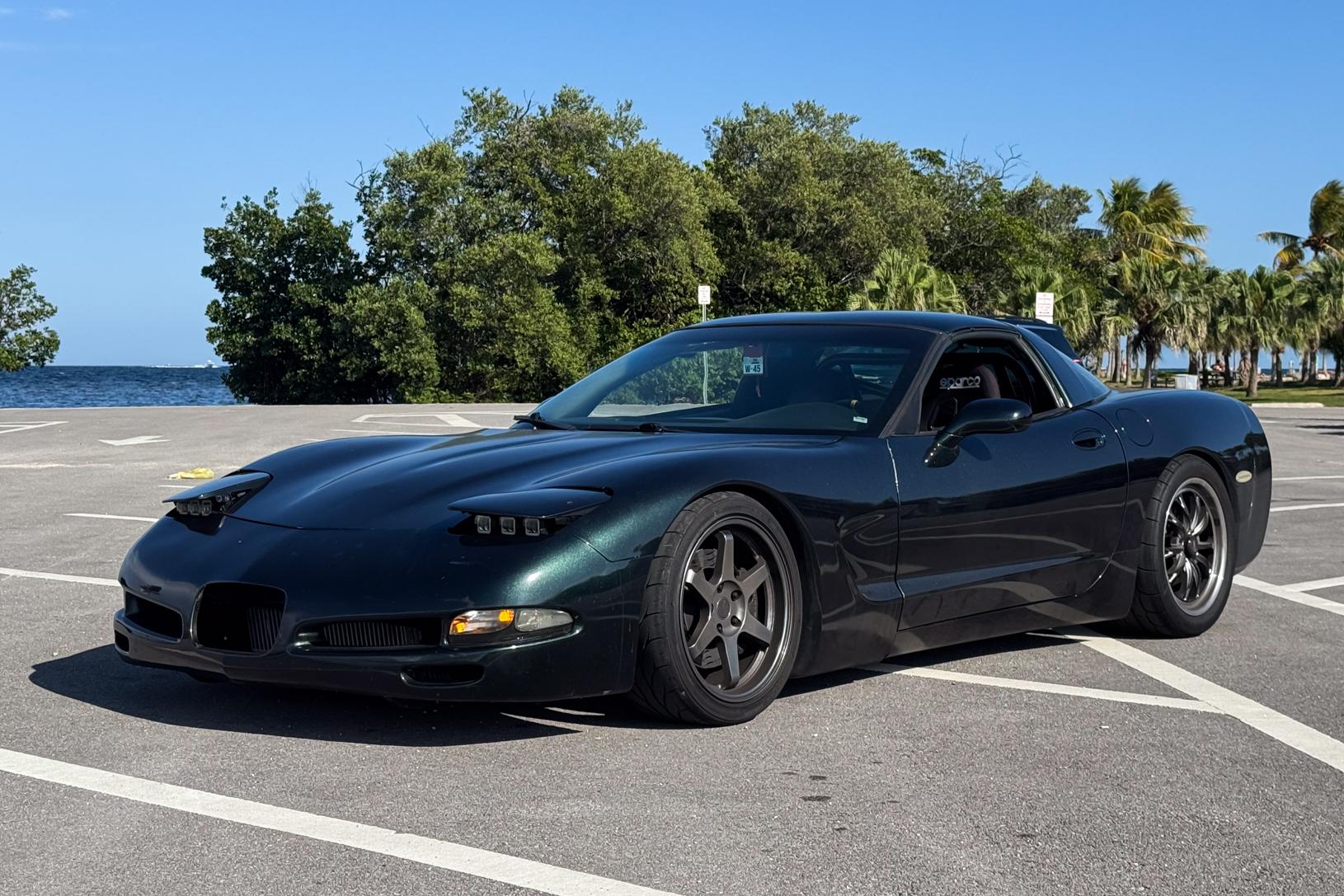
The Chevrolet Corvette C5 arrived for the 1997 model year, introducing a major redesign for America’s long-running sports-car nameplate. Its smooth bodywork, low stance, and rounded headlights gave it a modern appearance compared with earlier Corvettes.
Under the bonnet sat a 5.7-litre LS1 V8 engine, initially producing 345 horsepower. The combination of strong torque, rear-wheel drive, and a relatively lightweight structure made the C5 a capable performance car for its price.
The C5 also benefited from an improved chassis and a rear-mounted transaxle, which helped distribute weight more evenly between the front and rear.
Its fibreglass body panels reduced concerns about conventional metal bodywork, while the spacious cabin offered a practical advantage over several smaller sports cars. Buyers could choose a coupe or convertible, and later performance-focused versions, including the Z06, brought additional power, reduced weight, and track-oriented hardware.
The eighth-generation Corvette C8 arrived for the 2020 model year and represented a fundamental change in layout. For the first time in the production Corvette’s history, the standard model placed its V8 engine behind the driver rather than at the front.
This mid-engine arrangement improved weight distribution and allowed Chevrolet to pursue a more exotic appearance and driving character. The standard C8 Stingray uses a 6.2-litre naturally aspirated V8, producing 490 horsepower in its standard configuration and 495 horsepower with the available performance exhaust.
The modern Corvette offers a dual-clutch eight-speed transmission, sophisticated suspension options, large brakes, and extensive electronic controls. Depending on the specification, buyers can select magnetic ride control, performance data recording, and other equipment designed to improve track driving.
Higher-performance models expand the range considerably, with the Z06 using a high-revving 5.5-litre flat-plane-crank V8 and the hybrid-assisted E-Ray adding electric front-axle drive. These models demonstrate how Chevrolet has diversified the Corvette beyond its traditional front-engine formula.
The C5 and C8 reflect the Corvette’s development from an affordable American V8 sports car into a broader performance-car family. The C5 remains attractive to buyers who want strong acceleration, a traditional engine layout, and relatively accessible ownership costs.
The C8 delivers greater performance potential, more sophisticated engineering, and a design inspired by mid-engine supercars. Although it introduces greater technological complexity, it preserves the Corvette’s long-standing appeal by offering impressive performance at a price below that of many exotic European sports cars.
6. BMW Z3 vs Modern BMW Z4
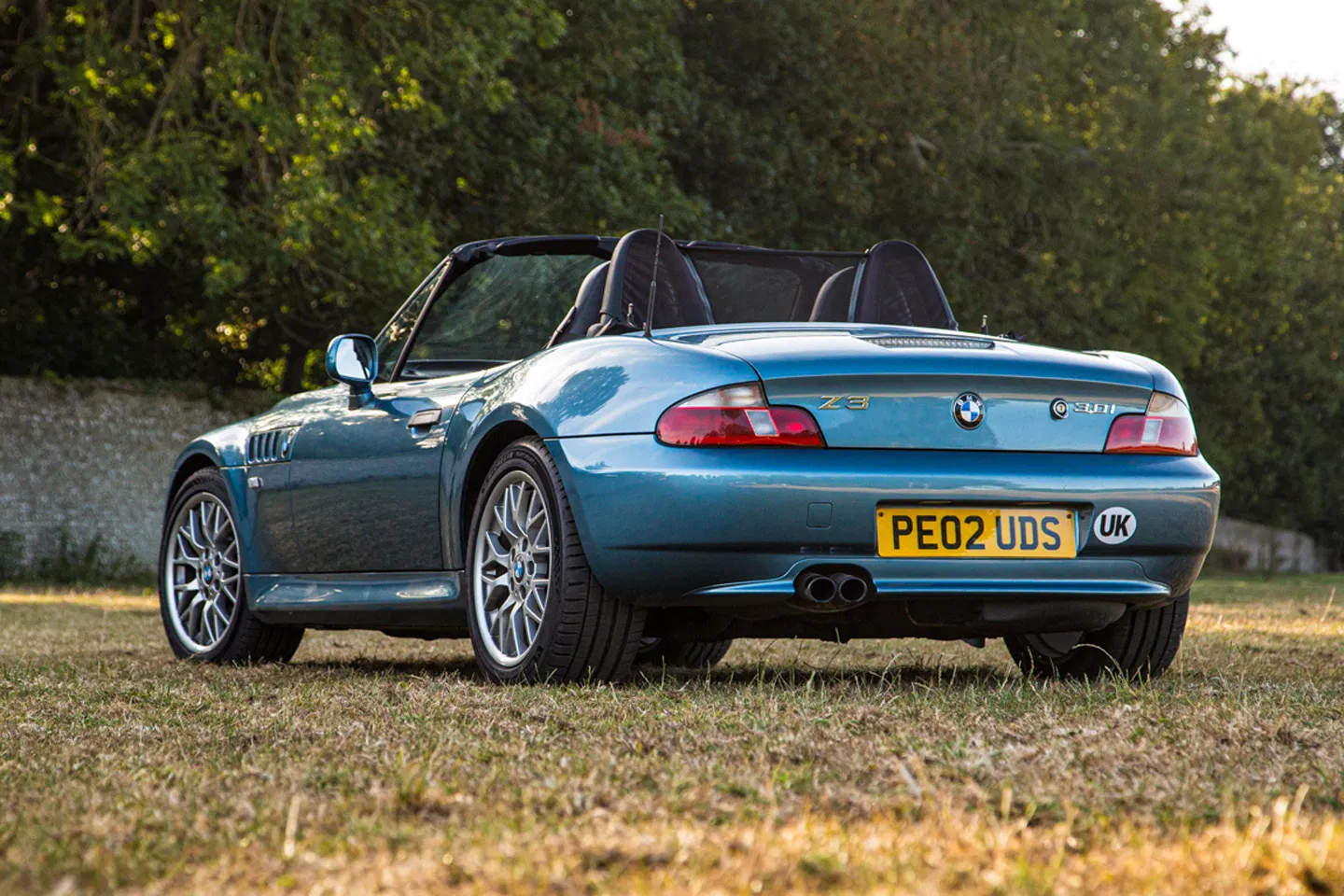
The BMW Z3 made its debut in 1995 and became a recognisable roadster of the late 1990s. Its long bonnet, short rear deck, upright kidney grille, and compact cabin gave it classic sports-car proportions.
BMW offered several engines during the model’s production, including four-cylinder units and smooth inline-six options. Depending on the version, the Z3 prioritised accessible open-top motoring or stronger performance, allowing buyers to choose a car suited to their budget and driving preferences.
The Z3’s rear-wheel-drive layout and relatively simple mechanical design helped create an engaging driving experience. Its steering, manual transmission options, and balanced proportions made it enjoyable on winding roads, while the soft top allowed drivers to enjoy open-air motoring.
BMW also developed the high-performance Z3 M Roadster and M Coupe, which used more powerful engines and specialised chassis components. The unusual M Coupe body, often nicknamed the clown shoe, has become particularly recognisable among collectors.
The BMW Z4 succeeded the Z3 in 2002, and the current third-generation G29 arrived in 2018. The latest model has a more sculpted exterior, a wider stance, and contemporary lighting. It uses a retractable fabric roof rather than the folding hardtop fitted to the preceding generation.
Engine options vary by market, with the range including turbocharged four-cylinder engines and a turbocharged 3.0-litre inline-six in the Z4 M40i.
Modern Z4 models provide greater structural rigidity, stronger crash protection, electronic stability systems, and contemporary infotainment features. The six-cylinder M40i produces up to 382 horsepower in certain markets, substantially exceeding the output of many standard 1990s Z3 versions.
A six-speed manual transmission became available for the M40i in selected markets and model years, giving enthusiasts a more traditional alternative to the eight-speed automatic. Suspension tuning and modern tyres also contribute to greater grip and more controlled body movement.
The Z3 and Z4 share a rear-wheel-drive roadster philosophy, yet they deliver different experiences. The Z3 feels more traditional, with a simpler cabin and styling rooted in classic open-top sports cars. The Z4 offers greater refinement, improved performance, and more extensive technology for everyday driving.
Enthusiasts may prefer the earlier car’s analogue character, while modern buyers may appreciate the Z4’s comfort and capability. Both demonstrate BMW’s continuing interest in combining sporting performance with premium roadster design.
7. Honda NSX: First Generation vs Second Generation
The original Honda NSX, sold as the Acura NSX in North America, arrived in 1990 and challenged established European supercars through its engineering and usability. Its aluminium body and chassis helped reduce weight, while a mid-mounted V6 engine delivered balanced performance.
Early versions used a 3.0-litre naturally aspirated V6, with later cars receiving a 3.2-litre engine in selected markets. The NSX gained recognition for its precise handling, high-revving character, and reputation for dependable everyday operation.
Honda developed the first NSX with significant attention to driver visibility, seating position, and control response. Its lightweight construction and carefully tuned suspension helped it remain composed during demanding driving.
The naturally aspirated engine encouraged drivers to use its rev range rather than rely on turbocharged torque. Unlike several exotic cars of its period, the NSX offered a comparatively approachable driving experience and was engineered to be usable beyond occasional weekend outings.
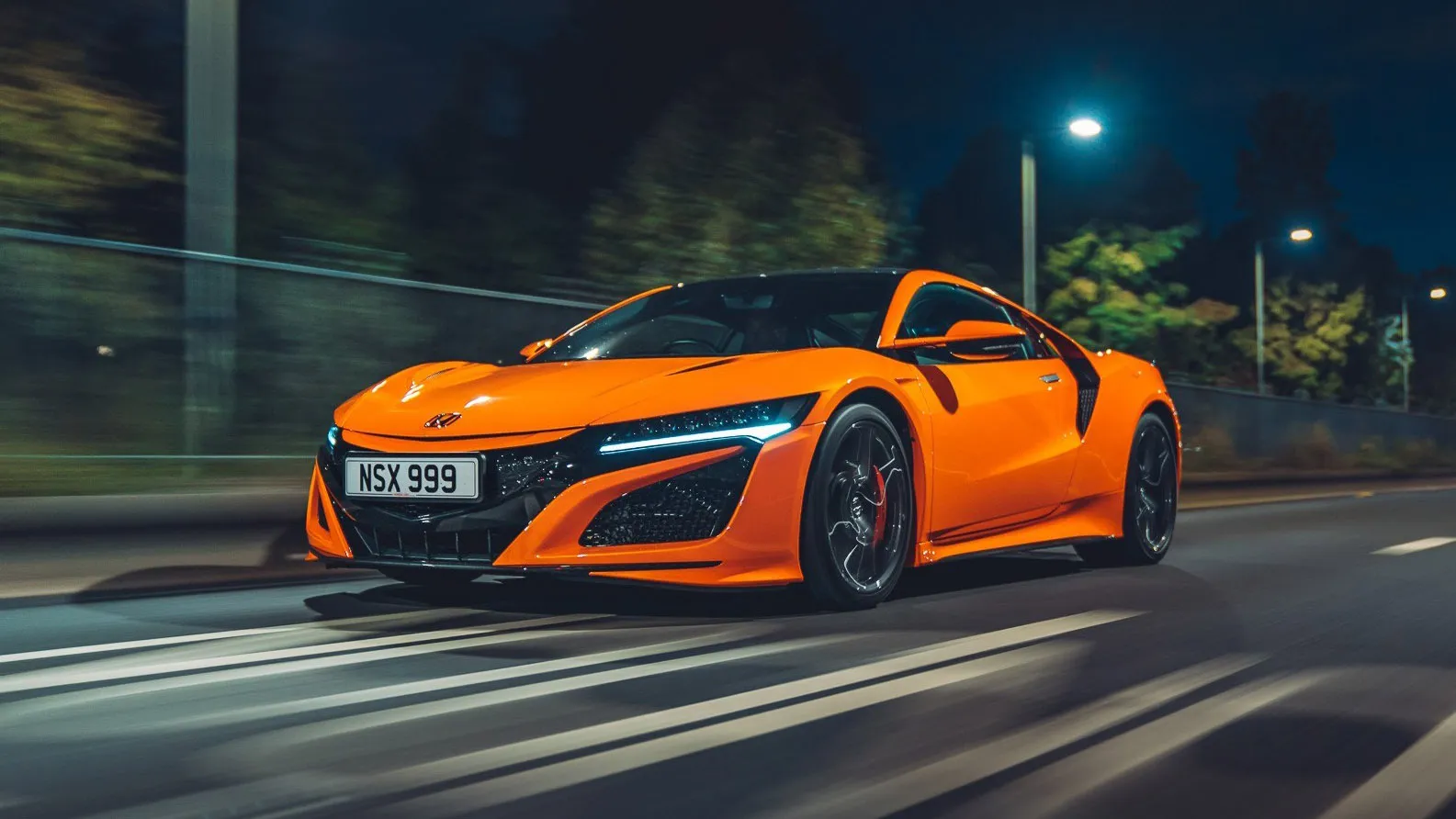
The second-generation NSX arrived in 2016, introducing a substantially different powertrain and design. It used a twin-turbocharged 3.5-litre V6 combined with three electric motors, creating a hybrid-assisted all-wheel-drive system.
This arrangement allowed Honda to distribute power across the axles and improve response during acceleration and cornering. The angular bodywork, narrow headlights, and large air openings gave the car a more aggressive appearance than the original’s restrained shape.
The newer NSX delivered stronger acceleration and a much more complex driving system. Its electric motors could respond quickly to driver inputs, while the twin-turbocharged V6 supplied sustained power at higher speeds.
Advanced torque management helped the car maintain traction through corners, and its carbon-fibre and aluminium construction supported the performance-focused design. The interior included modern digital instrumentation, improved infotainment, and contemporary comfort features, bringing the NSX closer to the expectations of a modern luxury sports car.
Honda ended second-generation NSX production in 2022, so there is no current production NSX successor as of 2026. The first generation remains admired for its simplicity, visibility, and naturally aspirated engine, while the second generation illustrates the growing role of hybrid technology in high-performance vehicles.
Their differences reflect changing priorities in automotive engineering. The original rewards mechanical involvement, whereas the newer car uses electric assistance and sophisticated control systems to deliver speed and traction.
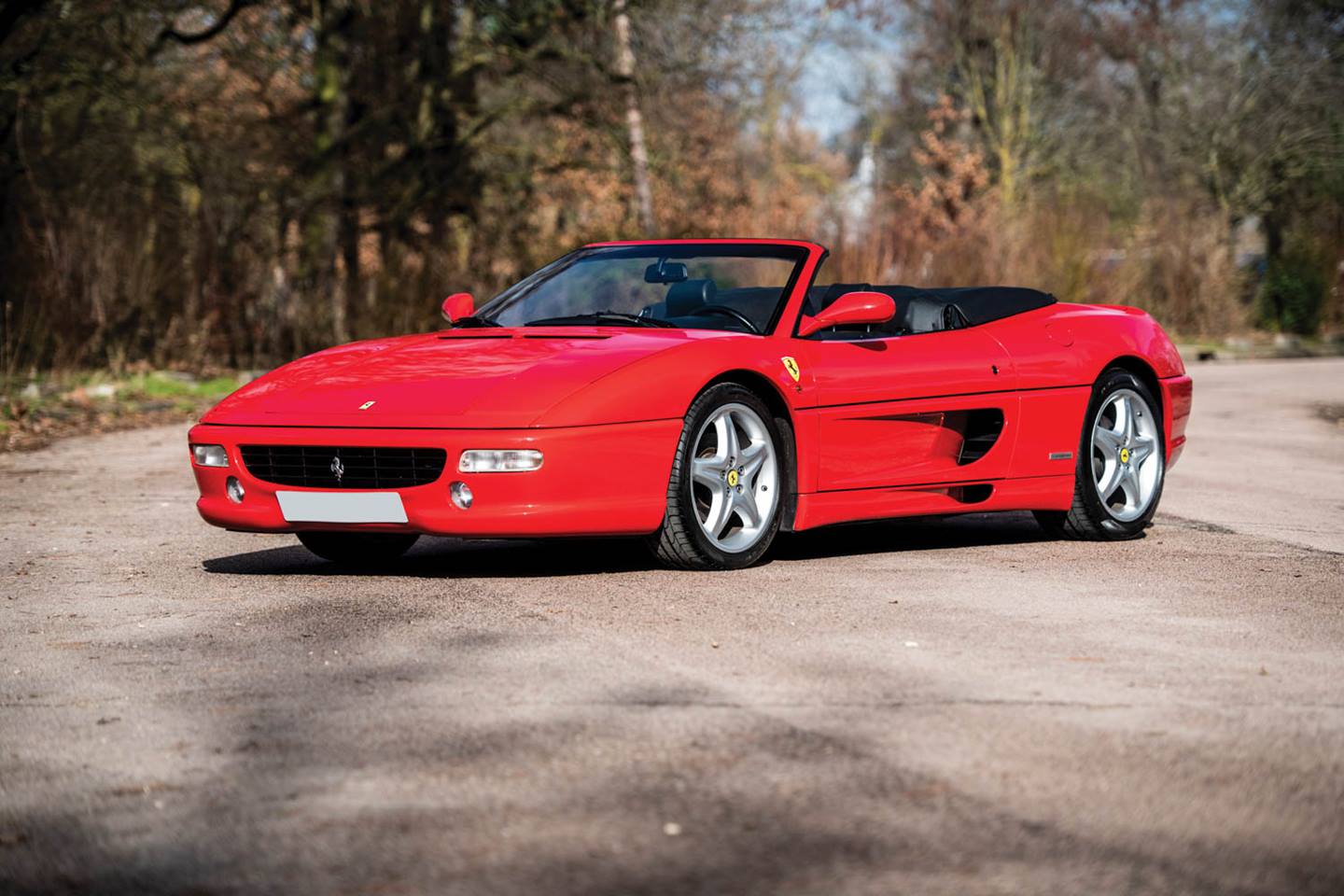
8. Ferrari F355 vs Modern Ferrari 296 GTB
The Ferrari F355, introduced in 1994, became a defining Italian sports car of the 1990s. Its low profile, sculpted sides, pop-up headlights, and rounded rear end created a design that remains widely admired.
Power came from a naturally aspirated 3.5-litre V8 with five valves per cylinder, producing approximately 380 horsepower. Buyers could choose a six-speed manual transmission, while the later F1 version introduced an electronically controlled automated manual gearbox inspired by technology developed for racing.
The F355 earned a reputation for its high-revving engine and distinctive exhaust note. Its compact dimensions, mid-engine layout, and carefully tuned suspension created an engaging driving experience on winding roads.
The steering and manual gearbox encouraged driver involvement, while the engine delivered its strongest character at higher revs. Compared with modern performance cars, the F355 offered fewer electronic driving aids, placing greater responsibility on the driver to manage speed, braking, and cornering.
The Ferrari 296 GTB, introduced in 2021, represents a substantially different approach to performance. It combines a twin-turbocharged 3.0-litre V6 engine with an electric motor, creating a plug-in hybrid powertrain.
Combined output reaches 830 metric horsepower in the standard configuration. Its compact V6 helps reduce engine dimensions, while the electric motor supplies immediate torque and supports electric-only driving over a limited distance. The design incorporates modern aerodynamic features without losing Ferrari’s emphasis on dramatic proportions.
The 296 GTB also benefits from carbon-ceramic brakes, sophisticated electronic controls, modern suspension technology, and an advanced dual-clutch transmission. Its hybrid system can deliver impressive acceleration while offering the flexibility to travel short distances using electric power alone under suitable conditions.
Drivers can select different operating modes to change how the powertrain responds. Compared with the F355, the 296 GTB offers much greater outright performance, stronger traction management, and significantly more extensive electronic assistance.
The F355 and 296 GTB illustrate how Ferrari’s engineering priorities have changed over three decades. The older model celebrates a naturally aspirated V8 and traditional driver involvement, while the newer car combines turbocharging, electrification, and advanced software to produce exceptional performance.
Collectors may value the F355 for its design, sound, and connection to Ferrari’s analogue era. The 296 GTB suits drivers seeking contemporary supercar capability, modern comfort, and the benefits of hybrid technology.