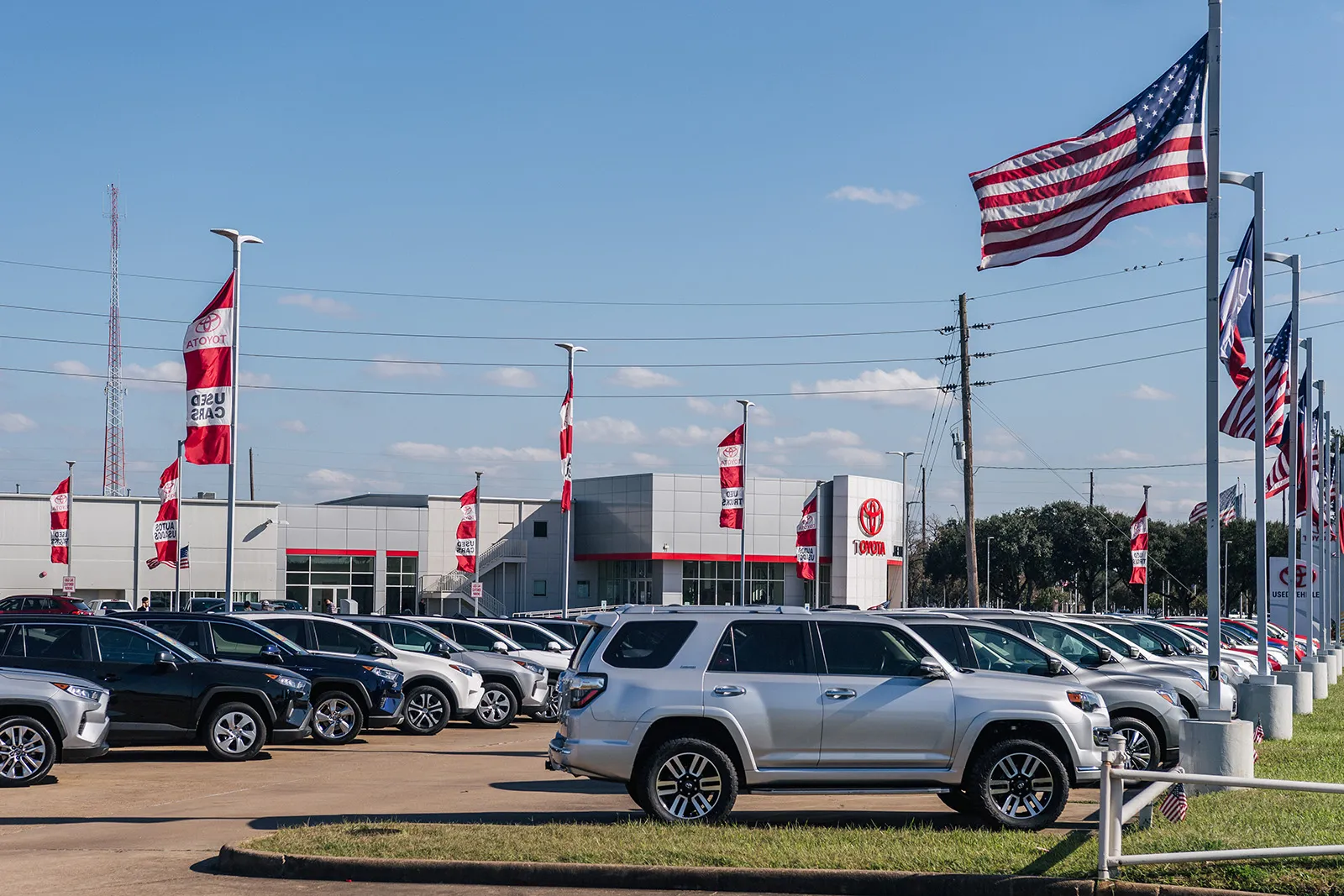
A vehicle warranty provides financial protection against certain repairs, but it does not cover every mechanical problem or service expense. Dealerships must follow the manufacturer’s warranty terms, verify the cause of a fault, and determine whether the repair qualifies for coverage.
Understanding why a dealer may refuse warranty work can help vehicle owners avoid unexpected bills and protect their consumer rights. From missed maintenance schedules to unauthorized modifications, several factors can affect a warranty claim.
Knowing these reasons before visiting a service center helps drivers prepare documentation, ask informed questions, and challenge an unfair rejection when necessary.
1. Missed or Incomplete Vehicle Maintenance
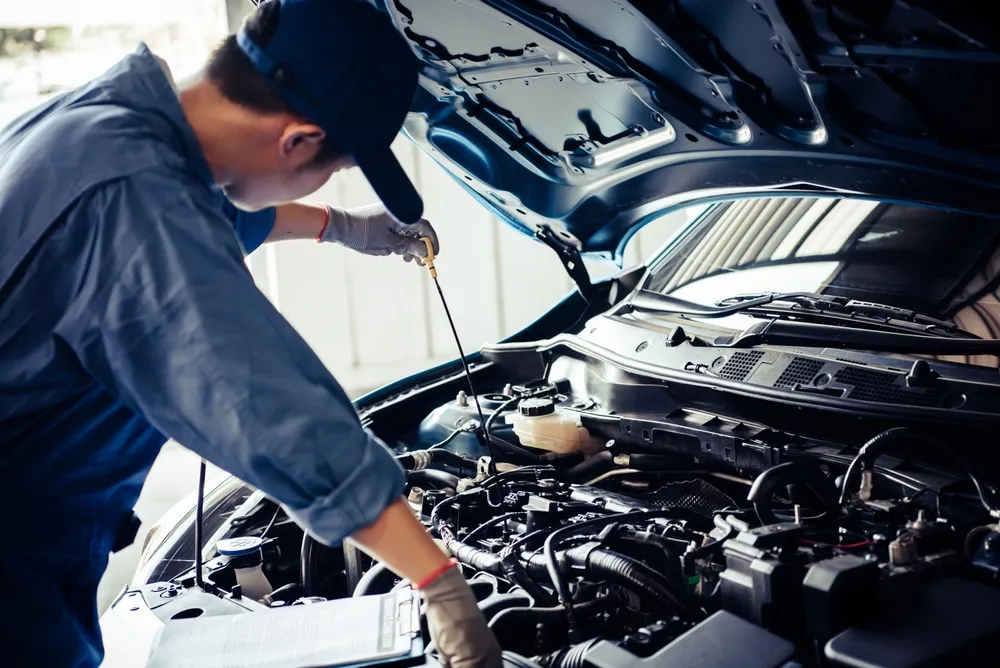
Regular maintenance is essential for keeping a vehicle reliable and preventing avoidable mechanical damage. Most manufacturer warranties require owners to follow a recommended service schedule, which may include engine oil changes, filter replacements, fluid inspections, and other routine checks.
If a dealer discovers that the vehicle has not received essential maintenance, the service department may question whether the resulting damage qualifies for warranty coverage. The exact requirements depend on the warranty agreement, the vehicle’s condition, and the nature of the reported fault.
Engine oil is a good example of how maintenance history can influence a warranty decision. Oil lubricates moving engine components, helps control heat, and carries contaminants toward the filtration system. If the oil remains unchanged for an excessive period, its protective performance may deteriorate.
Severe neglect can contribute to sludge formation, increased wear, or engine damage. When inspection findings connect a failure to poor lubrication, the manufacturer may have grounds to reject the affected claim, depending on the applicable warranty terms and evidence.
Service records help establish whether maintenance was completed at appropriate intervals. A dealer may request invoices, workshop receipts, digital service records, or details of previous maintenance appointments. If records are missing, the service department might find it harder to verify the vehicle’s history.
Missing paperwork does not automatically prove that maintenance was neglected, and it should not automatically settle the claim against the owner. Other evidence, including inspection results and receipts from independent garages, may help establish what work was performed.
Vehicle owners can reduce disputes by following the maintenance schedule provided in the owner’s manual or official service documentation. Keep dated invoices, note the mileage at each appointment, and retain records of replacement parts and fluids.
If an independent workshop services the vehicle, ask for an itemized invoice identifying the work completed and the materials used. These records provide a clearer maintenance history and may help demonstrate compliance with the warranty’s requirements when a mechanical fault develops.
Before refusing a claim, a dealer should be able to explain the relationship between the maintenance issue and the requested repair. The specific legal standards differ by jurisdiction, and warranty agreements can contain different conditions.
A missed inspection may affect coverage for a related failure without necessarily cancelling every remaining warranty benefit. Owners should request the precise contractual provision and technical findings supporting a rejection, then contact the manufacturer’s customer service team if the explanation is unclear or appears inconsistent.
2. Repairs Caused by Unauthorized Modifications
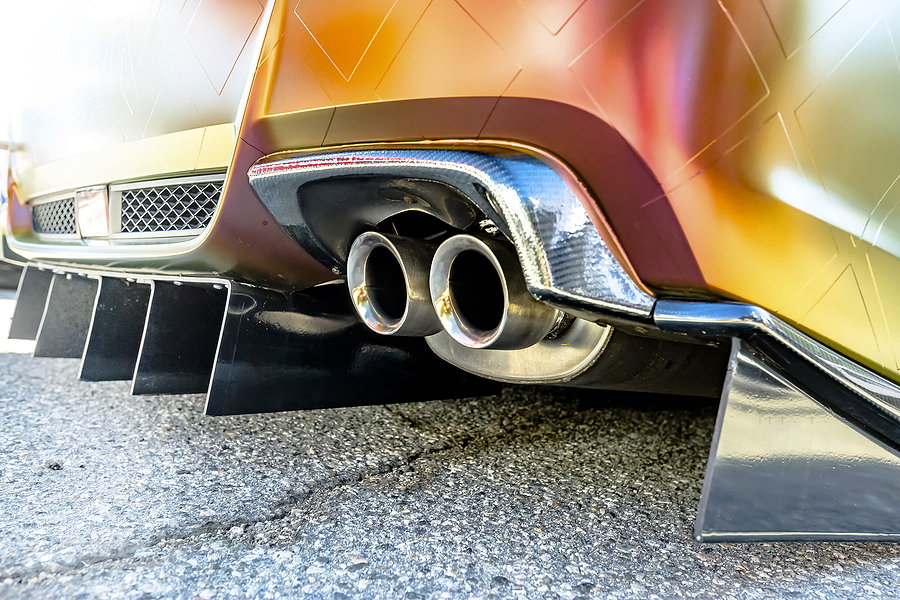
Vehicle modifications can affect warranty coverage when they contribute to a mechanical or electrical failure. Some owners install aftermarket exhaust systems, engine tuning software, suspension components, larger wheels, or upgraded electrical equipment to change performance or appearance.
Such changes are not automatically grounds for rejecting every warranty claim. The important issue is whether the modification violates a relevant warranty condition or contributes to the particular problem being investigated.
Engine tuning illustrates this concern clearly. Software changes may alter boost pressure, fuel delivery, ignition timing, or other operating parameters. Depending on the engine and the tuning method, these changes can increase stress on certain components.
If an engine or turbocharger fails after a performance modification, the manufacturer may investigate whether the change contributed to the damage. A dealer can document the findings, but a technically supported decision should distinguish a modification-related failure from an unrelated defect.
Electrical accessories can create similar problems when they are installed incorrectly. Poorly fitted lighting, alarms, audio systems, remote starters, or additional power outlets may damage wiring, overload circuits, or interfere with vehicle electronics. If an electrical fault is linked to an aftermarket installation, the related repair might fall outside warranty coverage.
However, a separately reported defect with no demonstrated connection to the accessory should be assessed on its own merits.
Suspension changes and non-standard wheel or tyre combinations can also influence a warranty investigation. Components that differ substantially from the manufacturer’s specifications may affect steering geometry, suspension loading, braking performance, or tyre clearance.
If the evidence shows that a modification caused premature wear or damaged connected components, coverage for those repairs may be disputed. Owners should check approved accessory lists and written warranty conditions before fitting parts that could alter vehicle operation.
3. Damage Caused by Improper Use or Neglect
Vehicle warranties generally cover qualifying defects under the conditions specified in the warranty agreement, rather than every failure that occurs during ownership.
Damage caused by misuse, severe neglect, or operation outside the manufacturer’s instructions may be excluded. The dealer must examine the circumstances and available technical evidence to determine whether the reported problem is a covered defect or a consequence of how the vehicle was operated.
Overloading is a common example. Every vehicle has specified weight limits, and regularly exceeding them can place additional stress on the suspension, tyres, brakes, transmission, and chassis.
If a component fails following operation beyond its rated capacity, the manufacturer may investigate whether excessive loading caused or contributed to the damage. Owners should check the vehicle’s payload limits and follow the instructions in the handbook, particularly when carrying heavy equipment or towing a trailer.
Driving through deep water can also lead to expensive repairs. Water entering an engine’s air intake may cause severe internal damage, while moisture entering electrical connections can create corrosion or malfunction.
The risk depends on the depth of the water, vehicle design, driving conditions, and the location of vulnerable components. If inspection evidence indicates that water ingestion caused the failure, warranty coverage may be excluded under applicable terms covering external damage or improper use.
Ignoring warning lights can make an existing problem significantly worse. An engine temperature warning, low oil pressure warning, or serious brake warning may indicate that the vehicle needs to be stopped and inspected promptly.
Continuing to drive under dangerous conditions can increase the damage and complicate a later warranty claim. Drivers should follow the handbook’s instructions, arrange recovery when necessary, and avoid assuming that a vehicle remains safe to operate simply because it still moves.
4. Failure to Follow Warranty Terms and Conditions
A vehicle warranty is a contractual arrangement with defined coverage, limitations, and procedures. These terms explain which components are covered, how long protection lasts, and what conditions owners must satisfy.
If a claim does not meet those requirements, a dealer may decline payment under the warranty. Owners should read the document carefully rather than relying solely on general advertising, verbal assurances, or assumptions based on another vehicle’s warranty.
Time and mileage limits are particularly important. A warranty might provide coverage for a specified number of years, a stated distance driven, or whichever limit is reached first.
Some components may have shorter coverage periods than the vehicle’s basic warranty, while emissions equipment, corrosion protection, batteries, and accessories may have separate conditions. A repair requested after the relevant limit expires may not qualify, even if the component has developed a fault.
Different warranty products may also provide different levels of protection. A new-vehicle manufacturer’s warranty, an extended warranty, a certified pre-owned plan, and a third-party service contract are not necessarily interchangeable.
Their covered components, exclusions, deductibles, approval processes, and repair requirements can vary substantially. Owners should identify the exact plan they purchased and determine which company is responsible for authorizing and paying for the repair.
Certain warranties require owners to report faults promptly or obtain authorization before particular repairs begin. If a driver arranges extensive work without following an applicable approval procedure, reimbursement may become difficult or unavailable under the contract.
However, emergency situations, consumer laws, and the specific wording of the agreement can affect the outcome. Owners should contact the responsible provider as soon as practical, describe the fault, and document any instructions received.
A dealer should explain which warranty condition applies when declining a repair. Ask whether the problem falls outside the coverage period, involves an excluded component, or fails to satisfy a procedural requirement. Request a copy of the relevant terms if they were not supplied previously.
If the decision appears inconsistent with the written agreement, contact the manufacturer or warranty administrator and request a formal review before paying for work that might qualify for coverage.
5. Use of Incorrect Parts or Non-Compliant Fluids
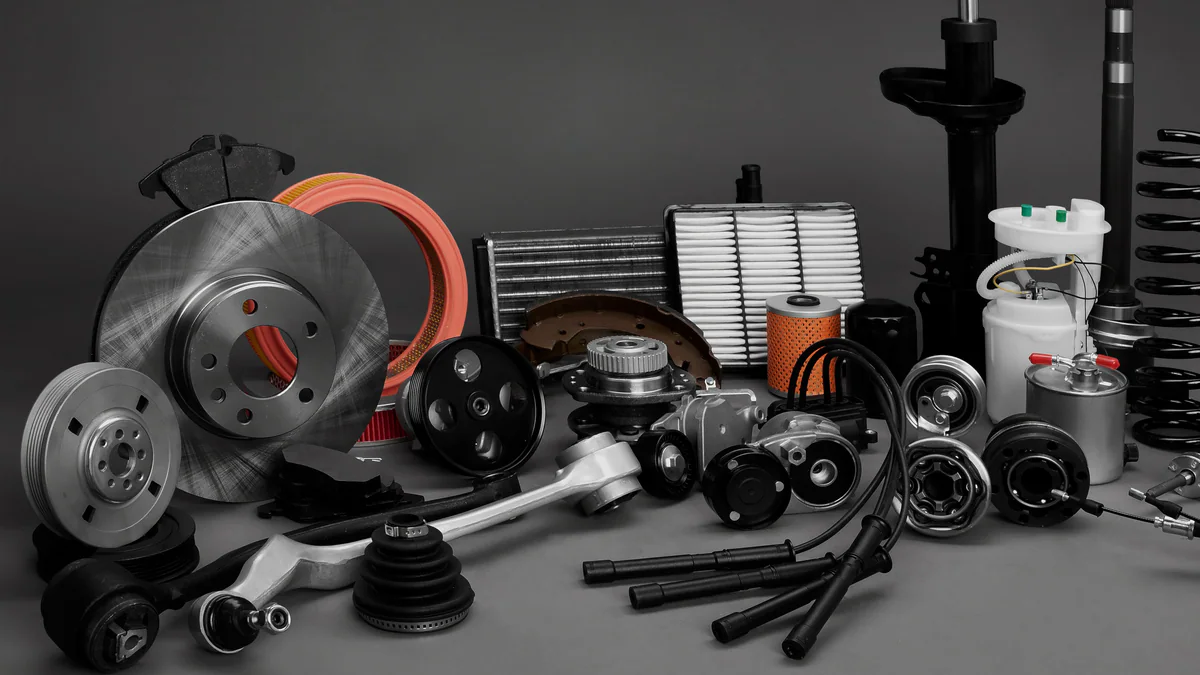
Manufacturers specify particular fluids, lubricants, filters, and replacement components to help vehicles operate within their intended engineering limits. Using an unsuitable product can sometimes contribute to premature wear or mechanical damage.
If a dealer finds evidence that an incorrect fluid or component caused the reported failure, the associated repair may be excluded from warranty coverage. The decision should depend on the product used, the vehicle’s specifications, and the connection between that product and the fault.
Engine oil requirements can include a particular viscosity grade and an industry performance specification. Selecting oil solely because it is inexpensive or commonly used in other vehicles may be inappropriate.
6. Expired Warranty Coverage
Warranty coverage has a defined duration, and a dealer may refuse a claim if the relevant protection has expired. Manufacturers commonly specify a time limit, a mileage limit, or both.
For example, a vehicle may have a basic warranty lasting three years or 60,000 kilometres, subject to the precise terms of the manufacturer’s policy. If the vehicle exceeds the applicable limit, repairs may become the owner’s responsibility unless additional coverage applies.
The date on which warranty coverage begins can also matter. Depending on the manufacturer’s policy, the starting point may be the original retail delivery date, the date of first registration, or another specified event.
Demonstration vehicles, pre-registered vehicles, and certain commercial vehicles may have different arrangements. Buyers should confirm the warranty commencement date in writing when purchasing a vehicle, as a misunderstanding at this stage can create difficulties when a repair is needed.
Mileage limits require similar attention. A vehicle may still appear relatively new while having accumulated substantial mileage through daily commuting, business travel, or long-distance driving. If the warranty expires at a particular distance, reaching that limit can affect eligibility even when the vehicle has received regular servicing.
Owners should review the odometer reading and warranty documentation before assuming that a repair will qualify for manufacturer payment.
7. Damage Resulting from an Accident or External Event
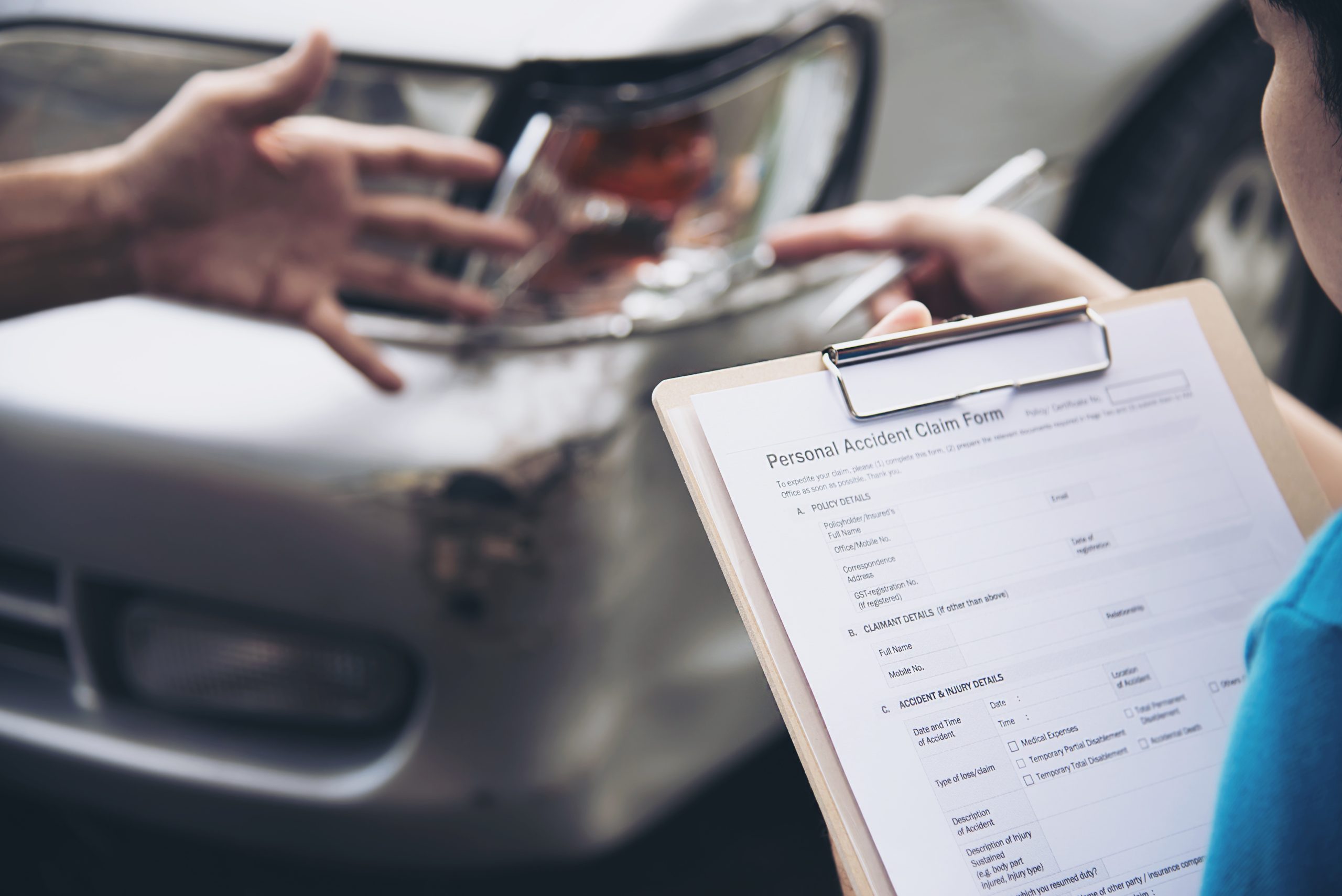
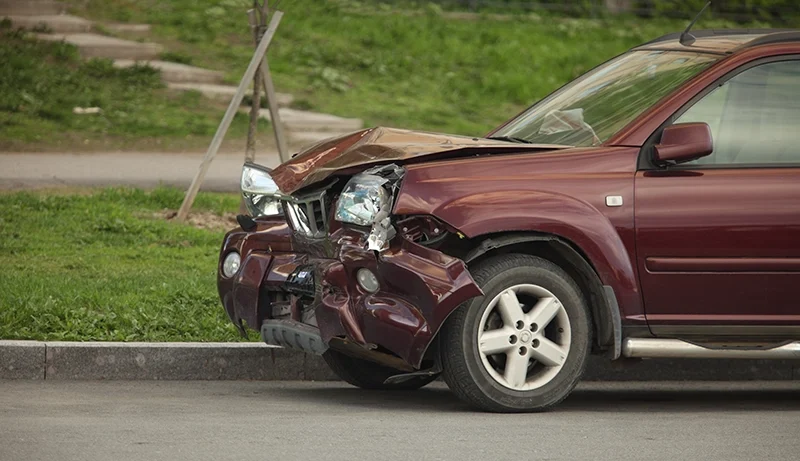
Manufacturer warranties typically distinguish defects in materials or workmanship from damage caused by external events. Collision damage, vandalism, falling objects, road debris, and certain environmental incidents may fall outside ordinary warranty coverage.
A dealer may therefore refuse to process a repair as a warranty claim when the evidence indicates that an outside event caused the failure. The vehicle might still qualify for insurance coverage or another form of assistance.
Accident damage can affect components that initially appear unrelated to the collision. A damaged radiator may cause overheating, a bent suspension arm can affect wheel alignment, and an impact may damage sensors or wiring.
If a later mechanical problem is traced to the accident, the manufacturer may determine that the repair is not covered under the standard vehicle warranty. The owner may need to approach the insurer responsible for the accident-related damage.
Road hazards can also create problems. Potholes, sharp debris, loose stones, and objects on the road may damage tyres, wheels, suspension components, or the underside of a vehicle.
Such damage is generally treated differently from a component that fails because of a manufacturing defect. Nevertheless, a dealer should assess the physical evidence before reaching an end, since a broken component may sometimes reflect a pre-existing defect rather than an external impact.
Environmental conditions may be relevant to warranty decisions as well. Floodwater, fire, severe storms, and certain forms of chemical contamination can damage vehicle systems.
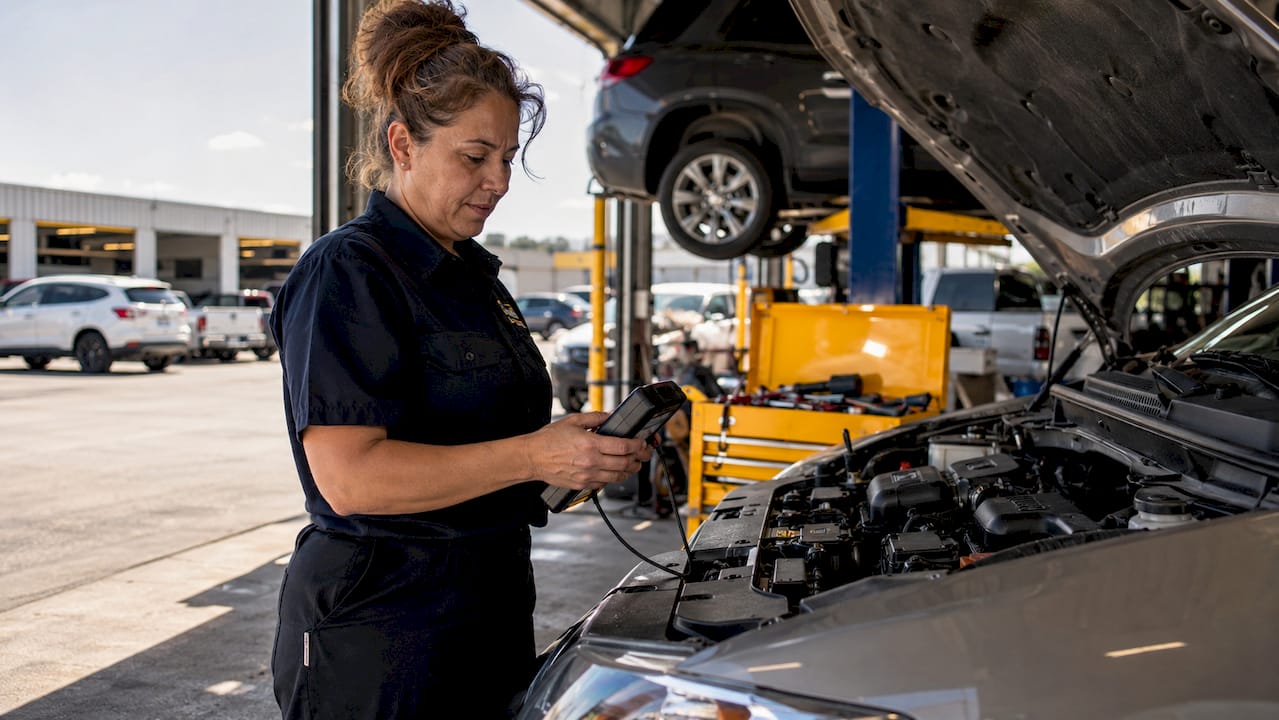
8. Unauthorized Repairs or Failure to Obtain Required Approval
Some warranty agreements require specific repairs to be authorized before work begins, particularly when a manufacturer or third-party administrator must inspect the vehicle or approve expensive parts.
If an owner arranges a major repair independently without following a clearly applicable approval procedure, the provider may refuse reimbursement. The precise consequences depend on the contract, the nature of the repair, and the consumer protection rules that apply.
This issue often arises when a vehicle breaks down away from its usual dealership. A driver may take the vehicle to the nearest garage for a quick repair, especially during a long journey.
If the work involves a warranty-covered component, the owner should contact the manufacturer or warranty administrator as soon as possible. The provider may authorize a local workshop, arrange recovery, or explain which emergency repairs can be undertaken.
Unauthorized replacement of major components can also complicate later investigations. If an engine, transmission, or electronic control module is replaced before the original fault is properly documented, important diagnostic evidence may be lost.
The manufacturer might find it harder to establish whether the original problem resulted from a defective component, an installation error, or external damage. Photographs, diagnostic reports, and retained parts can help preserve evidence for a subsequent review.
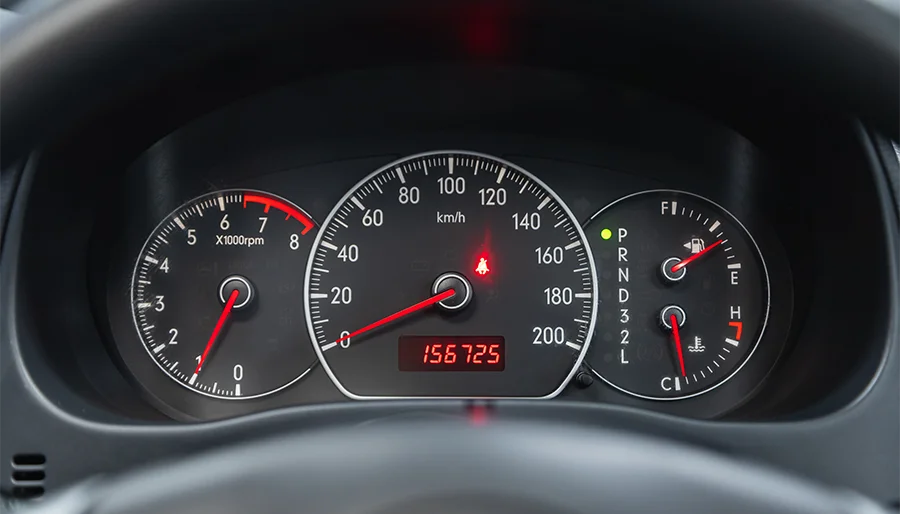
9. Evidence of Tampering or Odometer Inconsistencies
Accurate mileage records are important because warranty eligibility often depends on how far a vehicle has travelled. If the odometer reading appears inconsistent with previous service records, inspection reports, or electronic vehicle data, the dealer may investigate before approving a claim.
An unexplained discrepancy can create uncertainty about whether the vehicle remains within its coverage limits. The presence of an inconsistency warrants investigation, but it does not by itself prove that the owner has committed wrongdoing.
Odometer tampering can be particularly serious. Deliberately altering mileage to make a vehicle appear less used may affect warranty eligibility and can also violate laws governing vehicle sales and consumer fraud.
If a dealer discovers evidence of manipulation, the manufacturer may examine the vehicle’s service history, electronic records, and ownership documentation. Any decision should be based on reliable evidence and the relevant warranty conditions, rather than speculation about how the discrepancy occurred.
Electronic control units and service records may contain mileage information that can be compared with the dashboard display. Differences can sometimes arise after instrument cluster replacement, module repairs, incorrect programming, or administrative errors.
A replaced instrument cluster, for example, may require proper documentation and configuration. Owners who have undergone such repairs should retain the invoice, replacement part details, and any records showing the mileage before and after the work.
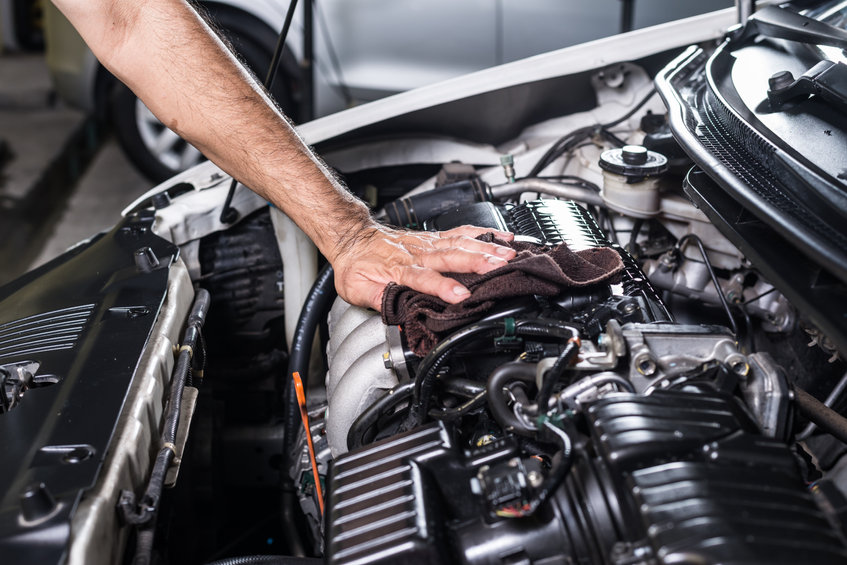
10. The Reported Fault Is Not Covered or Cannot Be Verified
A dealer may refuse warranty work when the reported issue does not involve a component covered by the relevant warranty. Certain plans cover only specified mechanical and electrical components, while others exclude routine maintenance, consumable items, cosmetic damage, and ordinary deterioration.
The owner may reasonably expect a repair to be included, but the written agreement determines the scope of coverage, subject to applicable consumer protection laws.
Wear and tear can also influence a warranty decision. Brake pads, wiper blades, tyres, clutch friction materials, and other consumable components normally deteriorate through use. Their replacement may be considered routine maintenance rather than a warranty repair.
However, premature failure caused by a manufacturing defect may qualify for coverage under the relevant terms. The dealer should consider the component’s condition, mileage, maintenance history, and evidence of abnormal wear before deciding.
Intermittent faults present a different challenge. A driver may report an occasional warning light, a temporary loss of power, a rattling noise, or an electronic malfunction that cannot be reproduced during the appointment.
If diagnostic testing reveals no fault, the dealer may be unable to justify a warranty repair at that stage. This does not necessarily mean the driver’s complaint is unfounded. Some faults occur only under specific temperatures, speeds, weather conditions, or driving circumstances.