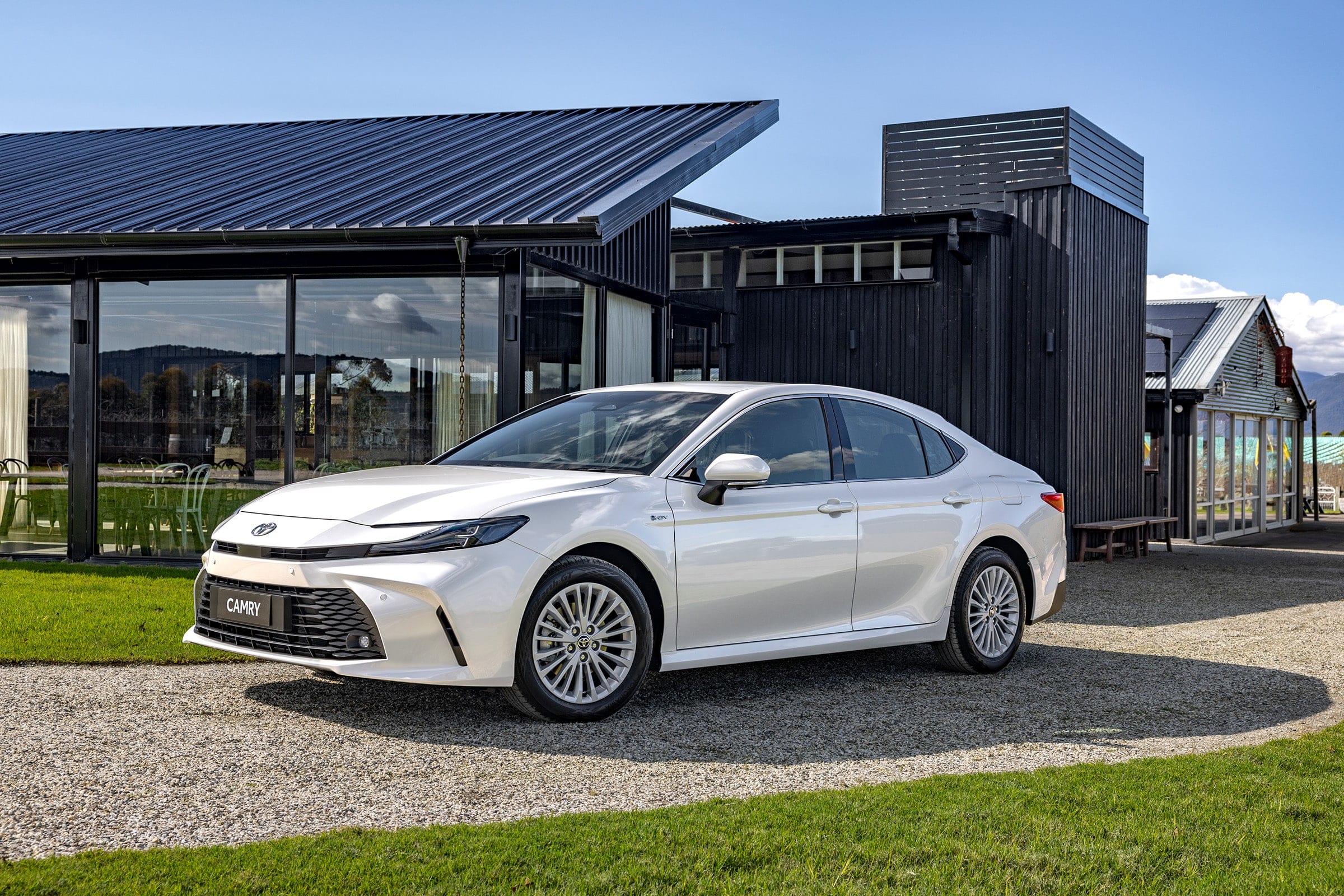
The Toyota Camry has earned its reputation as a dependable midsize sedan through decades of practical engineering, comfortable interiors, and sensible ownership costs.
Since its introduction in the early 1980s, the Camry has evolved from a modest family car into a sophisticated sedan offering powerful engines, advanced safety technology, and efficient hybrid powertrains. Each generation has introduced meaningful changes, yet some have delivered a more satisfying combination of reliability, performance, and value than others.
This ranking compares eight major generations of the Toyota Camry, examining their strengths, weaknesses, historical significance, and lasting appeal to help readers understand which models deserve the highest praise.
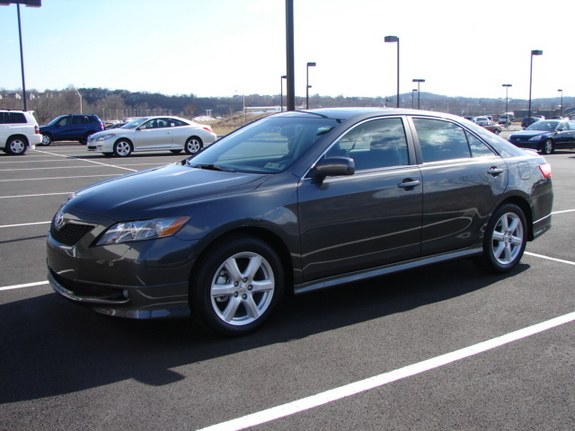
8. Sixth-Generation Toyota Camry (2007 to 2011)
The sixth-generation Toyota Camry introduced a more powerful and substantial driving experience, bringing noticeable improvements in engine performance, cabin space, and overall refinement. Toyota gave the sedan a rounded exterior design that looked more substantial than its predecessor, while the interior offered generous passenger room and a practical dashboard layout.
Available four-cylinder and V6 engines allowed buyers to choose between economical everyday transportation and stronger acceleration. The V6 models, in particular, delivered impressive performance for a mainstream family sedan, making this generation appealing to drivers who wanted comfort without sacrificing speed.
However, this generation ranks eighth because its reputation has been affected by mechanical concerns and quality complaints that deserve attention. Certain model years experienced reported oil consumption problems, particularly among some four-cylinder engines, while other vehicles faced concerns involving automatic transmissions, braking systems, and unintended acceleration investigations.
These issues did not affect every car, but they complicated the generation’s otherwise strong reputation for durability. Buyers considering a used example should examine its maintenance history, investigate applicable recalls, and arrange a professional inspection before making a purchase.
The exterior design represented a shift toward a softer, more rounded appearance. Its wide grille, curved headlights, and smooth body panels reflected the styling preferences of the late 2000s. Inside, Toyota concentrated on straightforward controls, supportive seating, and a spacious rear bench.
The cabin lacked the premium materials and modern technology found in newer sedans, yet it remained easy to use and comfortable during long journeys. For families who valued passenger accommodation above fashionable design, the sixth-generation Camry continued to deliver many of the qualities that had made the nameplate successful.
Engine choices were a major selling point. The standard four-cylinder engine provided adequate performance for commuting, while the available 3.5-liter V6 produced considerably more power and made highway overtaking effortless. Fuel economy depended on the engine, transmission, driving conditions, and model year.
The V6’s performance came with higher fuel consumption, while four-cylinder versions generally made more sense for budget-conscious owners. Toyota also offered a hybrid version, expanding the Camry’s appeal to motorists seeking lower fuel expenses without moving to a smaller vehicle.
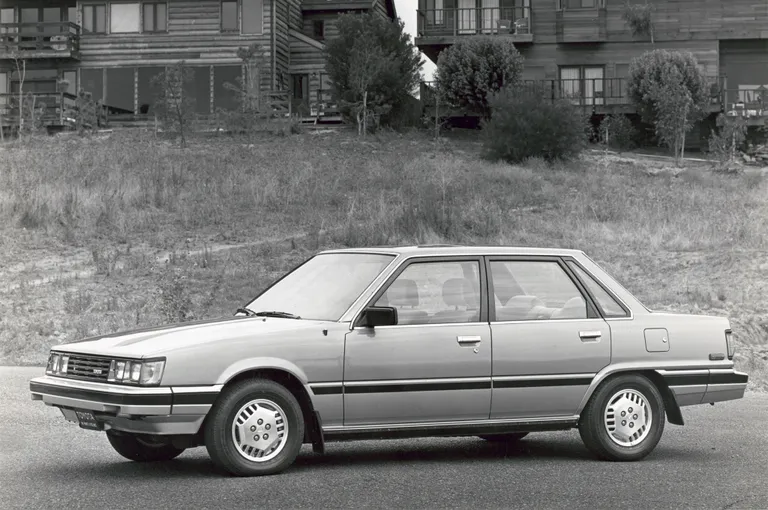
7. First-Generation Toyota Camry (1983 to 1986)
The first-generation Toyota Camry established the foundation for a model that would eventually become a major force in the midsize sedan market. Introduced in 1983 in the United States, it offered a front-wheel-drive layout, practical dimensions, and a four-cylinder engine designed for everyday use.
At a time when buyers increasingly valued efficiency and sensible running costs, the Camry provided a compelling alternative to larger domestic sedans. Its relatively compact footprint made parking easier, while its thoughtful packaging allowed Toyota to offer useful passenger space without creating an unnecessarily bulky vehicle.
Its styling was restrained, reflecting the conservative design language common among Japanese family cars of the period. The squared-off body, simple front end, and large windows prioritized visibility and practicality rather than dramatic visual appeal. Inside, the cabin was functional, with straightforward instruments and durable materials suited to daily commuting.
Modern buyers may find the interior basic, yet the design made sense for its intended purpose. The first Camry was developed to serve families, commuters, and motorists who wanted dependable transportation rather than an expensive statement of personal style.
The four-cylinder powertrain emphasized predictable operation and reasonable fuel consumption. Depending on the market and specification, the original Camry was offered with different engine and transmission combinations, including manual and automatic gearboxes.
Its performance was modest by contemporary standards, particularly when compared with current sedans equipped with turbocharged engines or hybrid systems. However, the car’s light weight and practical mechanical layout made it well suited to urban driving and routine highway journeys. Its engineering reflected an era when simplicity and efficiency were central selling points for compact and midsize Japanese cars.
The first generation also deserves credit for introducing the Camry name to American motorists. Toyota already had a strong reputation for small cars, but the Camry gave the company a product that could appeal to households needing additional space and a more substantial driving experience.
Its front-wheel-drive architecture helped make efficient use of the available interior room. The car also benefited from Toyota’s growing manufacturing expertise and attention to quality control, helping establish a foundation for the long-term reputation that later Camry generations would strengthen.
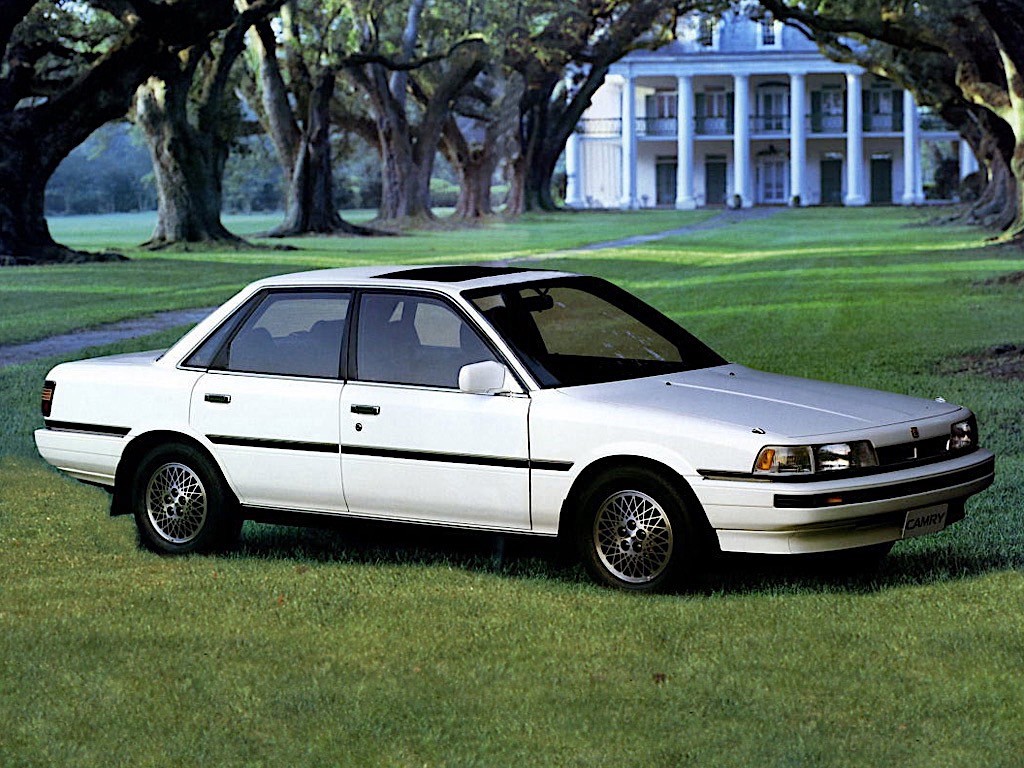
6. Second-Generation Toyota Camry (1987 to 1991)
The second-generation Toyota Camry built directly on the original car’s practical formula while making the design more mature and the cabin more accommodating. Introduced for the 1987 model year in the United States, it adopted a more aerodynamic shape and a wider stance.
The additional space improved passenger comfort, while revised engineering helped the sedan feel more substantial on the road. Toyota also continued to refine the Camry’s reputation for dependable transportation, making this generation an important step in the transition from a promising newcomer to a serious family-car contender.
A change was the introduction of a station wagon body style alongside the sedan. The wagon provided extra cargo flexibility for households carrying luggage, sports equipment, or shopping. Certain markets also received all-wheel-drive versions, giving buyers additional traction options in challenging weather.
These variations demonstrated Toyota’s willingness to adapt the Camry to different household needs rather than limiting the car to a single configuration. The wider model range helped strengthen its position among buyers who wanted practical transportation with the flexibility to handle changing family requirements.
The second-generation Camry used four-cylinder engines, with V6 power becoming available during this period in selected configurations and markets. These engines delivered a useful balance of performance and efficiency for their era.
Manual and automatic transmissions gave buyers different driving experiences, while the front-wheel-drive platform helped maintain predictable handling.
Acceleration was not a major selling point, yet the car performed its intended role effectively. Its relatively uncomplicated mechanical layout also made routine servicing manageable for independent repair shops familiar with Toyota vehicles.
5. Third-Generation Toyota Camry (1992 to 1996)
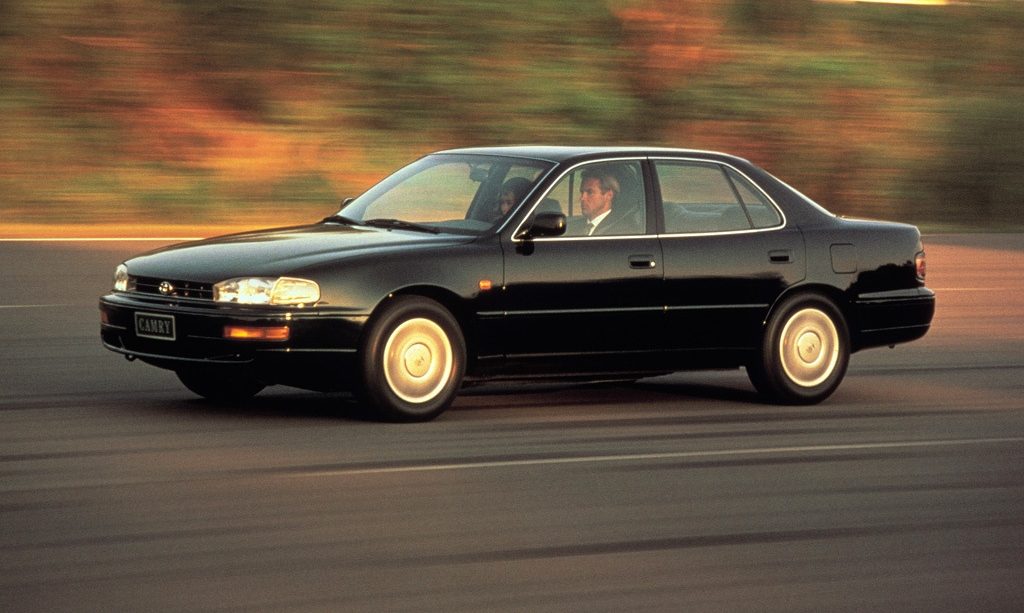
The third-generation Toyota Camry marked a major step forward in size, comfort, and mainstream appeal. Introduced for the 1992 model year in the United States, it adopted a more rounded exterior and a roomier cabin that brought the sedan closer to the expectations of traditional midsize-car buyers.
Toyota continued refining its front-wheel-drive architecture, focusing on smooth operation and predictable road manners. The result was a family sedan that felt more substantial than earlier versions without abandoning the efficiency and practicality that had helped establish the Camry’s identity.
One of this generation’s defining improvements was its more mature powertrain lineup. Four-cylinder engines remained available for buyers prioritizing economy, while the optional 3.0-liter V6 offered stronger acceleration and a smoother driving experience.
The V6 made highway travel easier and gave the Camry a more premium character than its modest exterior suggested. Transmission choices varied by model and market, with automatic gearboxes particularly appealing to American family-car buyers. These options allowed the Camry to accommodate a broader range of driving preferences without straying from its practical mission.
The exterior design adopted smoother lines and a more integrated appearance than the boxier second generation. Its rounded headlights, curved roofline, and balanced proportions reflected changing automotive tastes in the early 1990s. The interior also benefited from improved space and a more cohesive dashboard design.
Controls remained relatively simple, and the seating arrangement supported comfortable everyday travel. Higher trim levels added features that made the car more pleasant to own, while the basic models continued to offer the essential qualities expected from a dependable family sedan.
4. Fourth-Generation Toyota Camry (1997 to 2001)
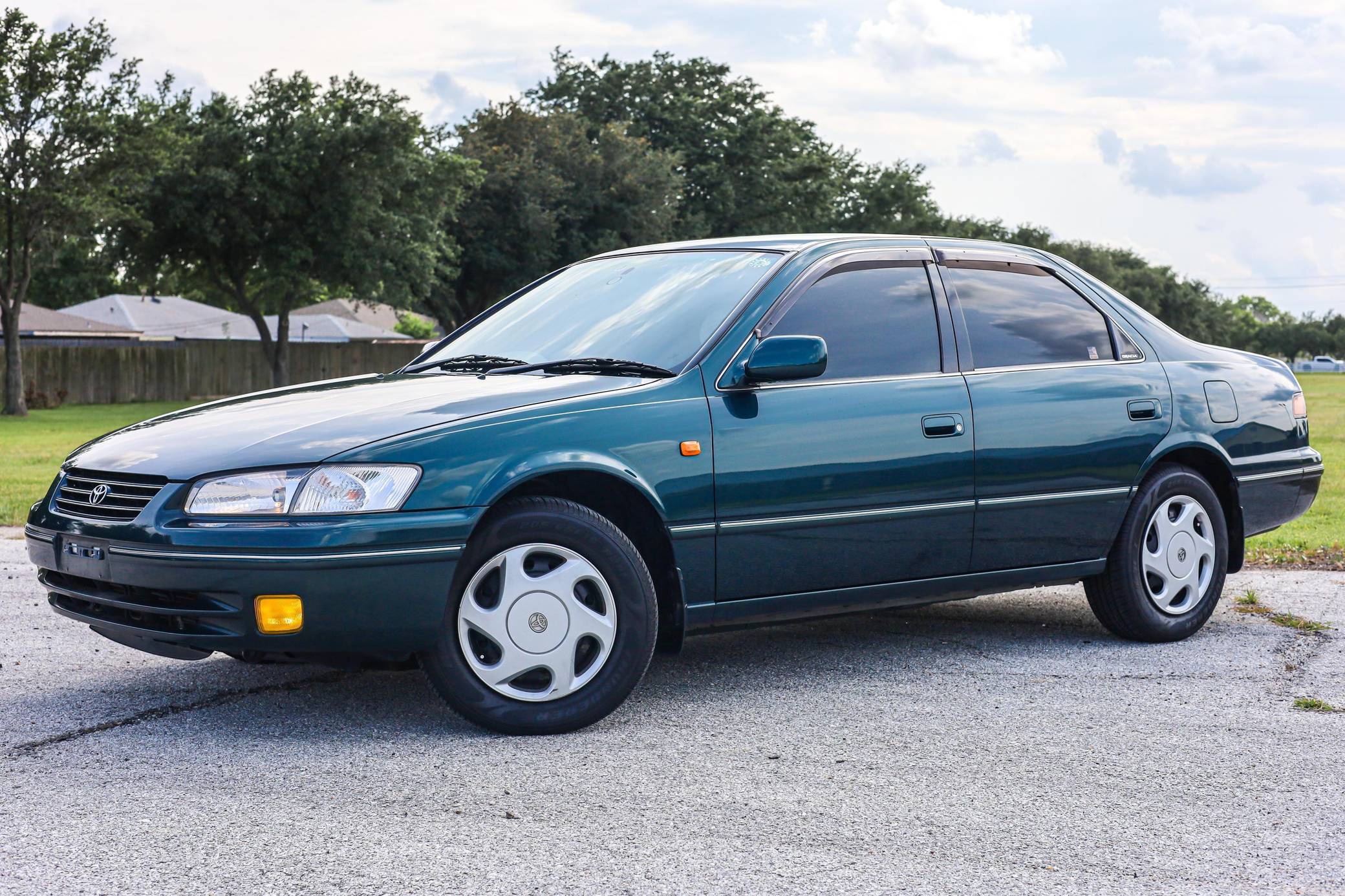
The fourth-generation Toyota Camry refined the formula further, delivering a more mature exterior, improved cabin comfort, and a stronger reputation as an all-purpose family sedan. Released for the 1997 model year in the United States, it featured smoother bodywork and proportions that gave the car a polished appearance.
Toyota concentrated on reducing noise, vibration, and harshness while preserving the straightforward engineering that buyers valued. This balance helped the Camry appeal to households seeking an unobtrusive vehicle that could manage daily commuting, school runs, and long-distance family travel.
The engine lineup included four-cylinder options and a 3.0-liter V6, providing a sensible range of performance choices. The four-cylinder models were generally the more economical option, while the V6 delivered quicker acceleration and more relaxed highway cruising.
Automatic transmissions were common, though manual versions were available in certain configurations. Power delivery was smooth rather than sporty, matching the car’s emphasis on comfort. Its suspension tuning favored predictable handling and a composed ride, helping the Camry remain easy to drive across different road conditions.
Interior quality was another strength. The dashboard featured an organized layout, clear instruments, and controls that were simple to operate. Seating comfort and passenger space made the sedan suitable for longer journeys, while the trunk offered useful capacity for groceries, luggage, and everyday cargo.
Higher trim levels provided additional conveniences, though equipment varied across model years. Toyota did not attempt to transform the Camry into a luxury car, but it delivered an interior that felt thoughtfully designed and durable enough for regular use.

3. Fifth-Generation Toyota Camry (2002 to 2006)
The fifth-generation Toyota Camry brought a more spacious cabin, a softer ride, and additional refinement to a model that was already firmly established in the family-sedan market. Introduced for the 2002 model year in the United States, it adopted rounded exterior styling and a more substantial appearance.
Toyota focused on making everyday driving comfortable and uncomplicated, giving the Camry a calm character that suited commuters and families. The design was conservative, but the vehicle’s packaging and broad appeal helped it remain a popular choice throughout its production run.
Engine options included a 2.4-liter four-cylinder and an available 3.0-liter V6, with the latter delivering stronger performance. The four-cylinder engine provided adequate acceleration for routine driving and was generally the more sensible choice for motorists concerned about fuel costs.
The V6 offered greater passing power and a smoother response under acceleration. Automatic transmissions were common, contributing to the sedan’s relaxed driving character. Although the Camry was not engineered as a sports sedan, its powertrain choices allowed it to serve a wide range of household needs.
Passenger comfort was a major advantage. The rear seat offered useful legroom, and the cabin layout made the car suitable for families traveling together. Soft suspension tuning helped absorb many road imperfections, while the seating and driving position supported long commutes.
The dashboard emphasized practical controls, and storage spaces made it easy to carry small personal items. Depending on trim and model year, buyers could find additional convenience features and upgraded interior materials. The result was a vehicle that prioritized everyday usability rather than novelty or aggressive styling.
Toyota also offered a Camry Solara coupe and convertible related to this era’s Camry platform, though these were distinct body styles rather than direct substitutes for the mainstream four-door sedan. The standard Camry remained focused on practicality, with a broad trunk, easy entry and exit, and straightforward maintenance requirements.
Safety equipment improved as the generation progressed, but modern shoppers should check the exact specifications of individual vehicles. Features such as stability control, side airbags, and other safety systems were not necessarily standard across every trim and model year.
2. Seventh-Generation Toyota Camry (2012 to 2017)
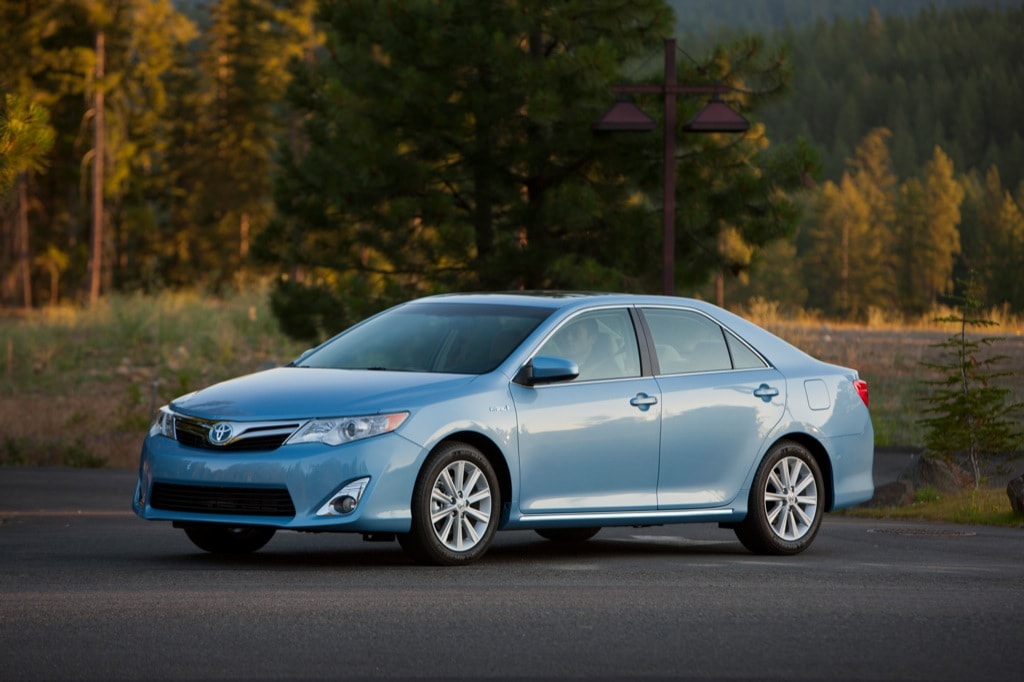
The seventh-generation Toyota Camry earned a high ranking by combining improved technology, a comfortable ride, and a broad range of powertrain options. Introduced for the 2012 model year in the United States, it retained the familiar midsize-sedan formula while refining the exterior and interior.
Toyota focused on improving the ownership experience through practical cabin features, better packaging, and updated safety equipment. A substantial refresh for the 2015 model year brought revised styling and engineering changes, helping the generation remain competitive against newer rivals during the middle of its production cycle.
Powertrain choices included a 2.5-liter four-cylinder, an available 3.5-liter V6, and a hybrid version. The four-cylinder offered a sensible combination of performance and fuel economy for everyday driving.
The V6 delivered strong acceleration, giving the Camry an advantage for motorists who wanted a mainstream sedan with genuinely brisk performance. The hybrid paired a gasoline engine with electric assistance to reduce fuel consumption, especially in urban driving. These options made the seventh generation attractive to commuters, families, and drivers with different priorities.
The interior offered generous passenger space, supportive seats, and a practical arrangement of controls. Toyota introduced updated infotainment options and available features that made the car more convenient for modern use, though the quality and capabilities of the multimedia system varied by trim and model year.
The 2015 refresh brought more extensive body changes than a typical minor update, along with improvements intended to strengthen structural performance and refine the driving experience. Rear passengers continued to benefit from useful legroom, and the trunk remained suitable for family luggage.
Driving dynamics were competent rather than class-leading. The suspension was tuned primarily for comfort, and the steering made the sedan easy to manage in traffic and parking areas. The V6 model offered more engaging acceleration, while the hybrid delivered a quieter experience at lower speeds when operating under electric power.
Fuel economy depended on the engine, trim, and driving conditions, but the hybrid was particularly appealing to motorists who covered many urban miles. Toyota’s emphasis on predictable handling and accessible controls helped make the Camry an easy car to live with.
1. Eighth-Generation Toyota Camry (2018 to 2024)
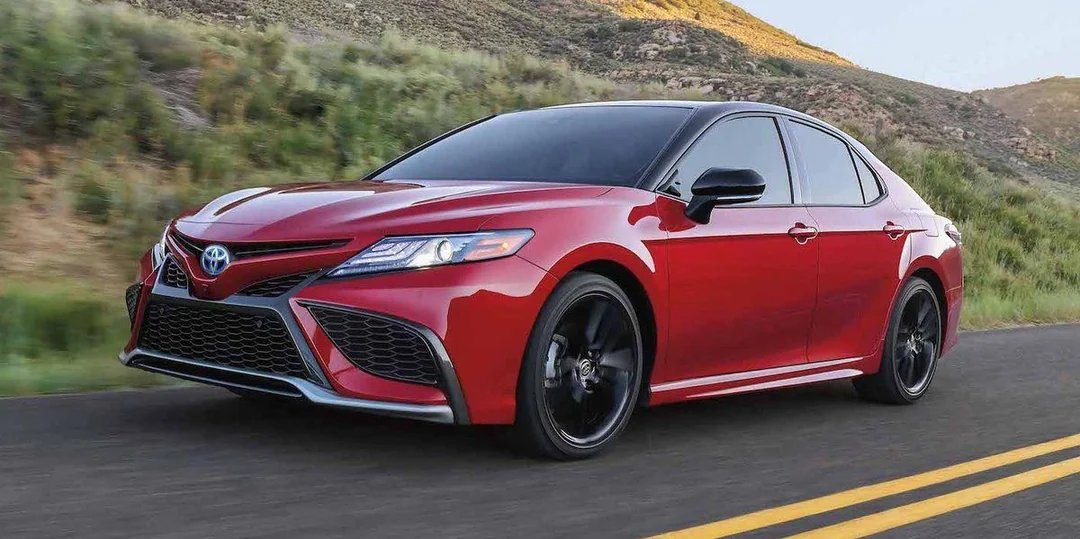
The eighth-generation Toyota Camry takes first place because it delivers the most complete combination of modern safety, efficient powertrains, improved driving dynamics, and everyday practicality among the eight generations covered here.
Introduced for the 2018 model year in the United States, it moved to Toyota’s TNGA-based platform and adopted a lower, wider stance.
The redesigned proportions gave the sedan a more confident appearance, while changes to the chassis helped improve handling and body control. This generation marked a clear departure from the Camry’s traditionally conservative driving character.
Toyota offered a 2.5-liter four-cylinder engine, a 3.5-liter V6 in selected trims, and a hybrid powertrain combining a gasoline engine with electric motors. The four-cylinder models provided useful performance for commuting, while the V6 delivered strong acceleration for drivers who wanted a more powerful sedan.
The hybrid stood out for its fuel efficiency and suitability for frequent city driving. Powertrain availability varied by trim and model year, but the range allowed buyers to choose a version that matched their budgets and driving habits.
The eighth-generation Camry also made a major step forward in safety technology. Toyota Safety Sense features became an important part of the model’s appeal, with available or standard systems depending on year and configuration. Features included technologies such as pre-collision assistance, lane-departure alerts, and adaptive cruise control, with capabilities varying by version.
The redesigned body structure and available driver-assistance features helped make the car more competitive in a market increasingly focused on safety. Buyers should confirm the exact equipment of any used example rather than assume all cars have identical systems.
Interior design became more contemporary, with a driver-focused dashboard, updated infotainment options, and a greater range of trim finishes. The cabin combined practical storage and passenger room with a more expressive design than earlier Camrys.
Ride quality remained comfortable, yet the improved chassis gave the car greater composure through corners. Sport-oriented trims added visual details and firmer tuning, while hybrid versions appealed to drivers who wanted lower fuel consumption. The result was a sedan that could serve as a quiet commuter, a comfortable family vehicle, or a reasonably engaging daily driver.