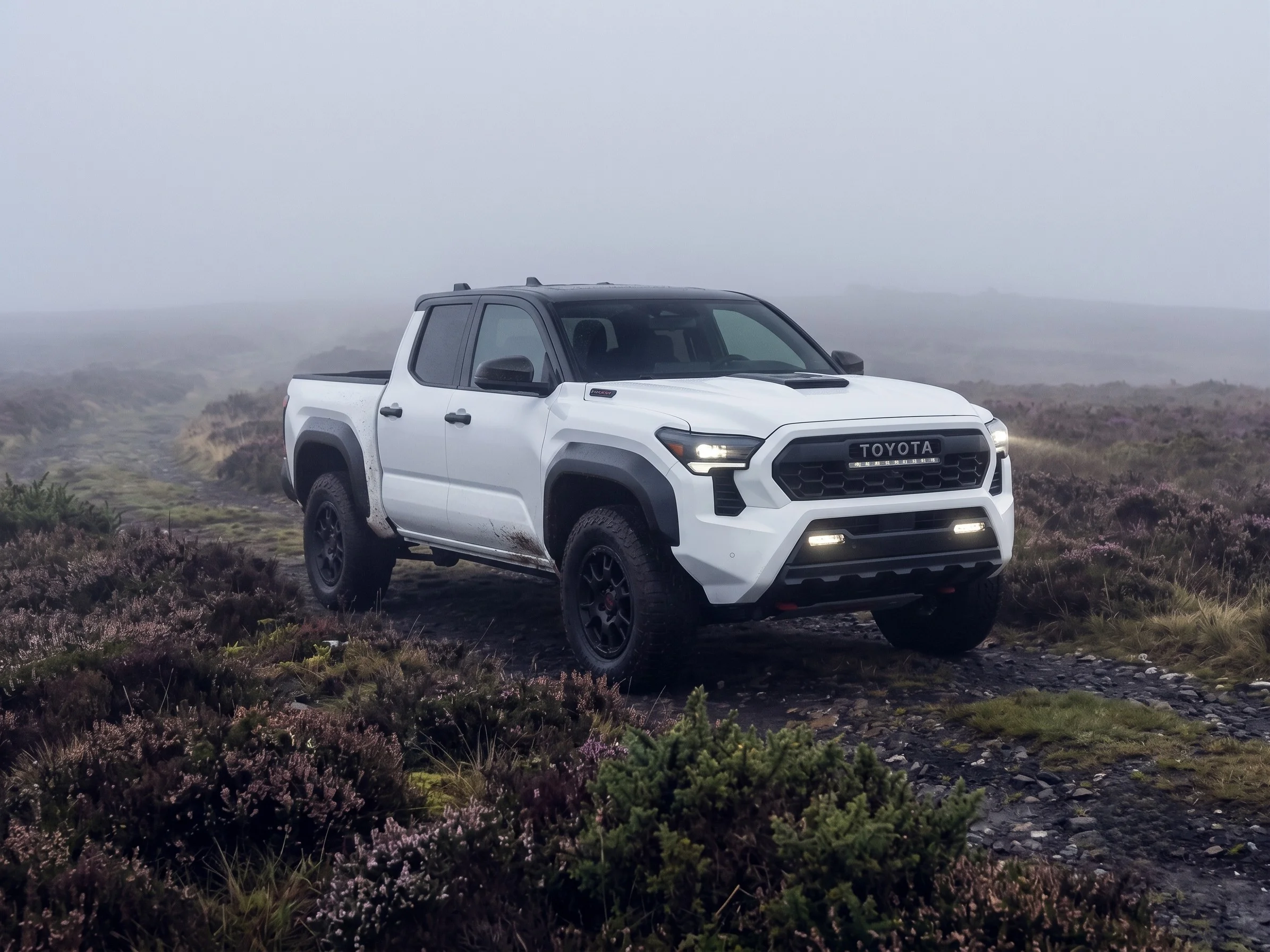
Truck frame rust can become a serious safety concern when corrosion develops inside enclosed steel sections, where moisture and road salt remain trapped for years. A vehicle may look reasonably clean from the outside while its frame gradually loses strength around crossmembers, suspension mounts, and other structural areas.
Certain pickup trucks have attracted attention because of corrosion complaints, manufacturer service campaigns, technical service bulletins, or recalls involving frame deterioration.
Understanding these cases helps used truck buyers make informed decisions and gives current owners practical steps for protecting their vehicles. This guide examines ten truck models and the evidence owners should investigate.
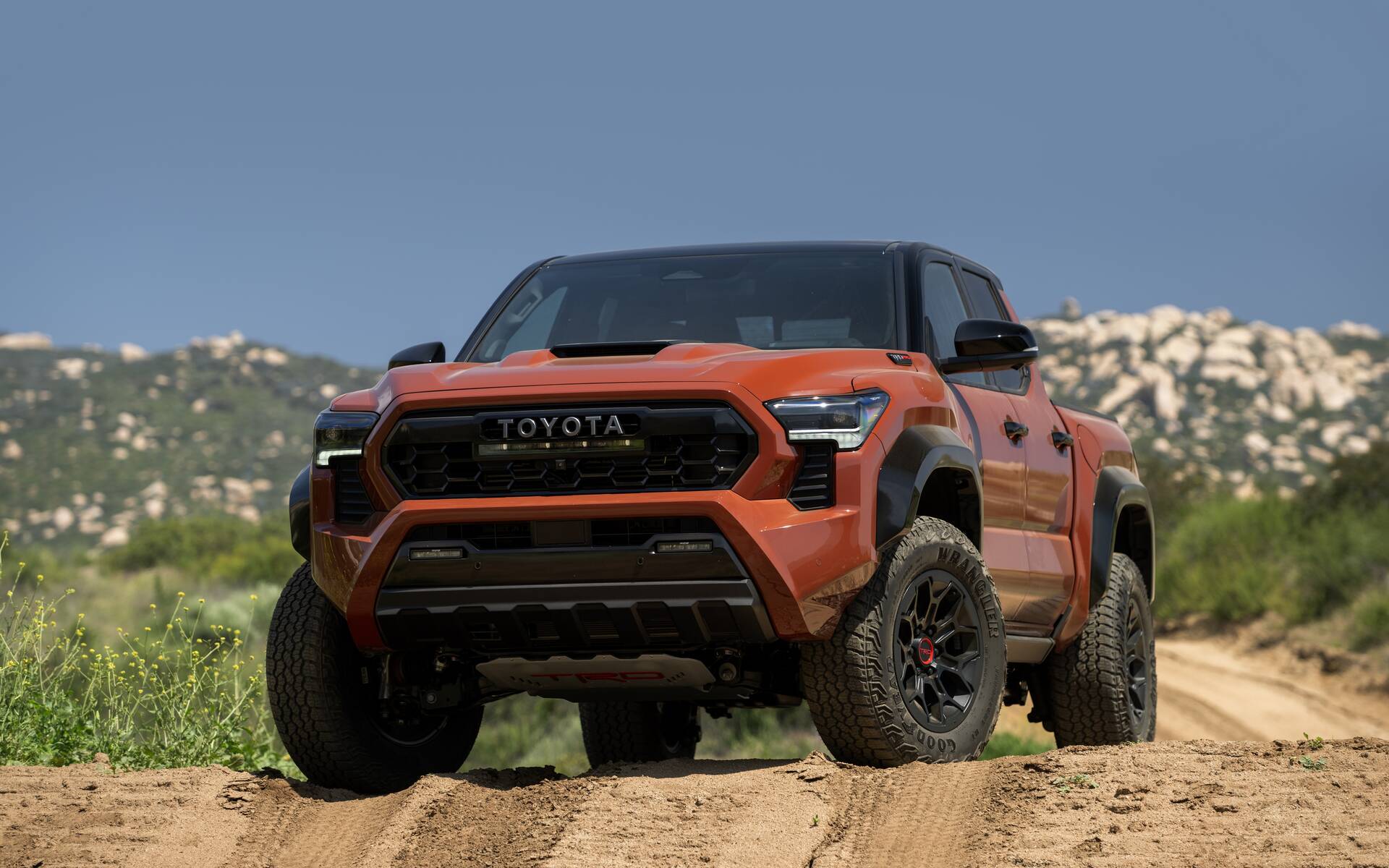
1. Toyota Tacoma: Frame Corrosion and Structural Deterioration
Toyota Tacoma pickups have received substantial attention for frame corrosion, particularly older models exposed to road salt and moisture. Owners have reported extensive rust around the frame rails, crossmembers, and structural mounting points.
In severe cases, corrosion can compromise the integrity of the chassis, raising concerns about suspension attachment points and the vehicle’s ability to withstand normal driving loads.
The risk varies considerably with model year, operating environment, maintenance history, and previous repairs. A Tacoma driven for years in a dry climate may have a very different frame condition from an otherwise similar truck used throughout northern winters.
The Tacoma’s frame corrosion history is especially relevant because Toyota introduced special frame inspection, replacement, and corrosion-related programs for certain vehicles and model years. These programs were not identical across every Tacoma generation or market.
Eligibility depended on factors such as the vehicle’s production period, location, and applicable campaign terms. Buyers should therefore avoid assuming that every Tacoma has a defective frame or that every rusty example qualifies for manufacturer assistance.
The most useful starting point is to identify the truck’s exact model year and vehicle identification number, then ask a Toyota dealer to check its campaign history and any outstanding service actions.
Corrosion inside a frame rail can be difficult to identify during a routine walkaround. Surface rust on exposed steel does not automatically mean the frame is structurally compromised, but heavy scaling, swelling seams, perforations, and flaking metal deserve closer inspection.
Areas around brackets and crossmembers may conceal deterioration that cannot be assessed properly without a lift and suitable inspection equipment. Mud and road debris can also accumulate in cavities, keeping moisture against the metal. A qualified mechanic should inspect the frame’s accessible surfaces, examine drainage openings, and determine whether corrosion has reduced the strength of any critical structural section.
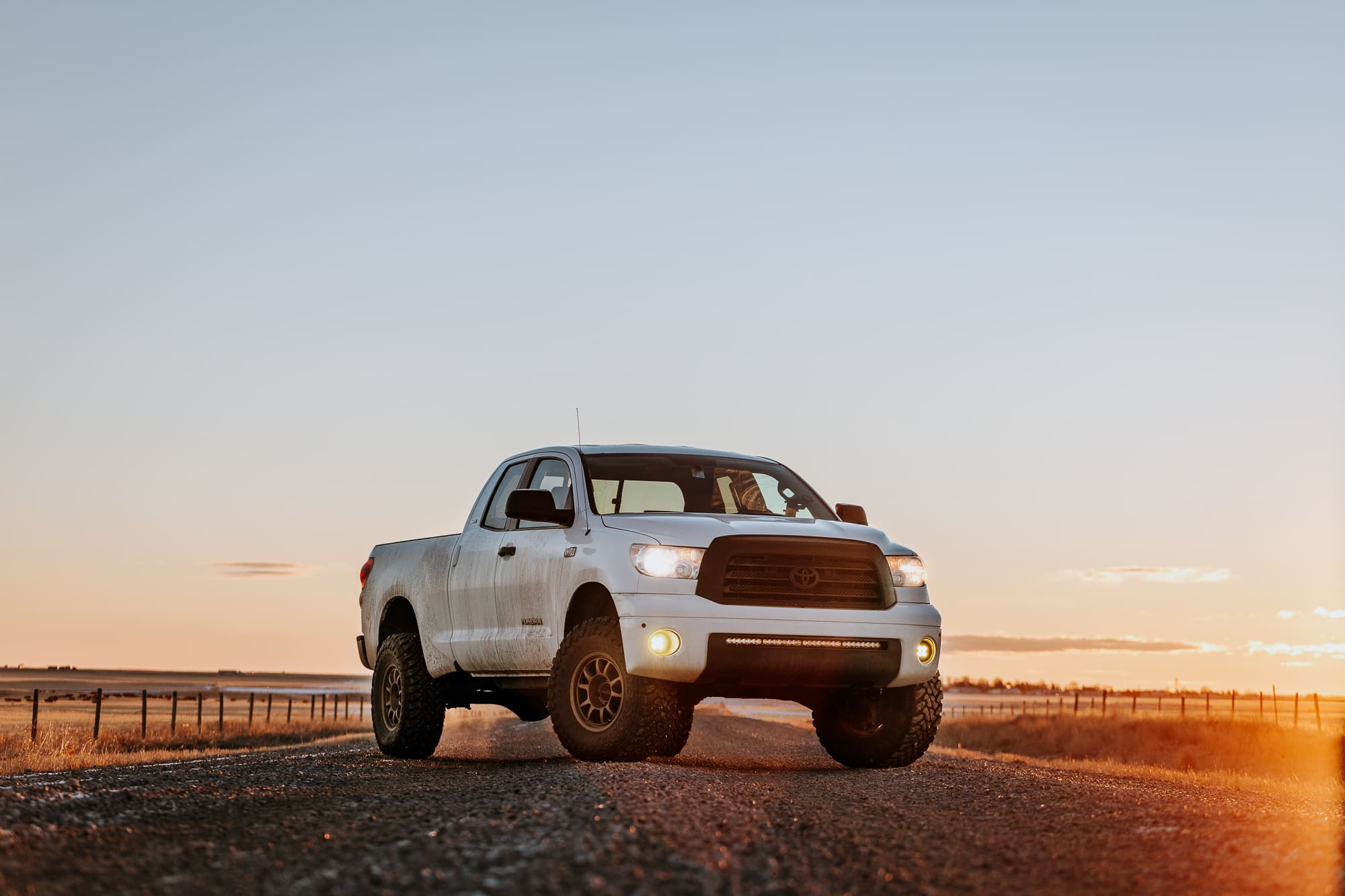
2. Toyota Tundra: Rust Problems in Older Full-Size Pickups
The Toyota Tundra has also faced well-documented concerns involving frame corrosion in certain older model years. Owners in regions that use road salt have described severe rust on frame rails and crossmembers, with some cases involving deterioration beyond ordinary surface oxidation.
Because the Tundra is a full-size pickup frequently used for towing, hauling, and work, the condition of its chassis deserves particular attention. Corrosion can reduce the strength of steel that supports the cab, bed, suspension, and drivetrain. The actual level of risk depends on the location and depth of the damage, rather than the mere presence of orange or brown discoloration.
Toyota announced corrosion-related customer support and frame replacement programs for certain Tundra model years. The details varied by year and market, so owners should verify the precise program that applied to their truck.
Some historical programs covered particular production ranges and offered inspections, protective treatment, or frame replacement under defined conditions. These measures should not be treated as a blanket warranty for every Tundra or as proof that all vehicles experienced the same defect.
A vehicle’s service records can help establish whether a dealer inspected the frame, approved repairs, or completed a replacement under the applicable program.
One of the most important inspection areas is the inside and underside of the frame rails, especially around welded joints, crossmembers, and mounting brackets. Rust can progress where water, salt, and road debris remain trapped. In advanced cases, layers of corroded metal can separate and create thick flakes that conceal deeper material loss.
A mechanic should check the chassis from multiple angles and use appropriate inspection methods to assess areas that cannot be viewed directly. Fresh undercoating should be examined carefully because a recent coating can sometimes conceal corrosion or make the frame’s true condition harder to judge.
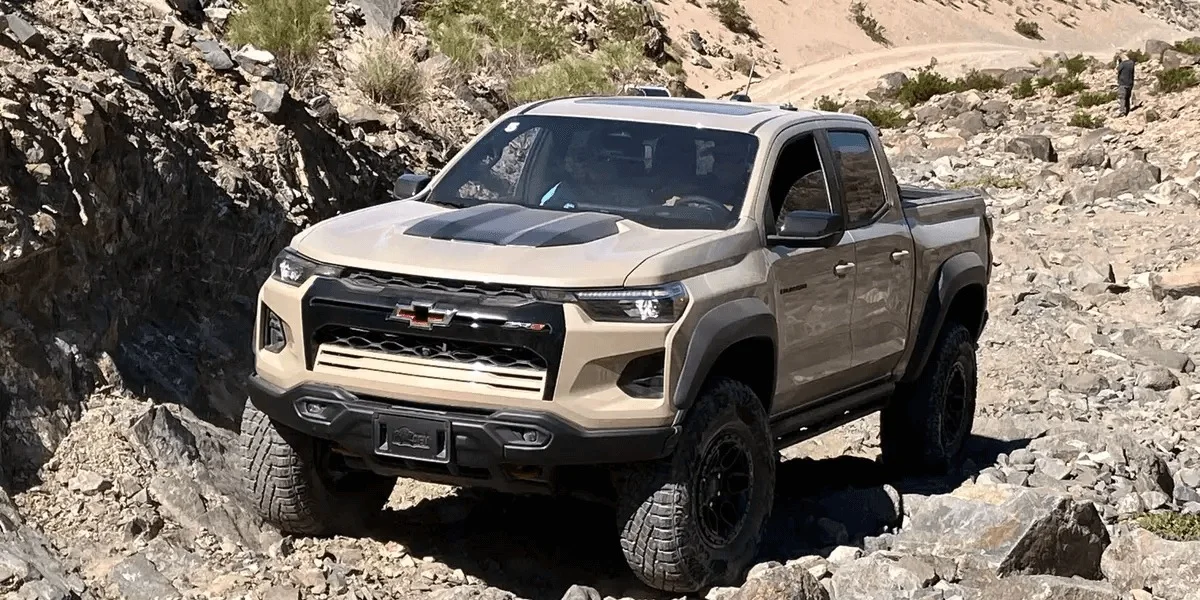
3. Chevrolet Colorado: Frame Corrosion in Mid-Size Work Trucks
The Chevrolet Colorado is a mid-size pickup used for commuting, towing, construction work, and recreational driving. Like other steel-frame trucks, it can develop corrosion when exposed to winter road salt, coastal moisture, and prolonged damp conditions.
Rust may appear around frame seams, brackets, crossmembers, and suspension mounting locations. The severity of the problem varies by generation and individual vehicle history. It is important to distinguish ordinary corrosion that affects exposed surfaces from structural deterioration that reduces the thickness or strength of load-bearing steel.
Reports of corrosion involving a Colorado should be investigated by model year rather than treated as evidence of a single defect covering the entire nameplate. Different generations have different chassis designs, manufacturing periods, and service histories.
Owners should look for applicable General Motors service information, recalls, and corrosion coverage documents that specifically identify their vehicle. A technical service bulletin may explain an inspection method or repair procedure without establishing a safety recall. Likewise, a customer complaint does not automatically mean the manufacturer issued a corrective campaign. The document’s title, date, affected vehicles, and repair instructions all matter.
The frame deserves particular scrutiny where dirt and moisture collect around welded brackets and crossmembers. Corrosion can develop in sheltered sections even when the outer surfaces appear acceptable.
During an inspection, a mechanic should look for bubbling coatings, thick scale, loose flakes, holes, cracks, and metal separation around structural joints.
The condition of suspension mounting points is especially important because these areas transmit forces generated by steering, braking, acceleration, and uneven road surfaces. Rust on nearby brake or fuel lines should also be documented because corrosion can affect more than the main chassis.
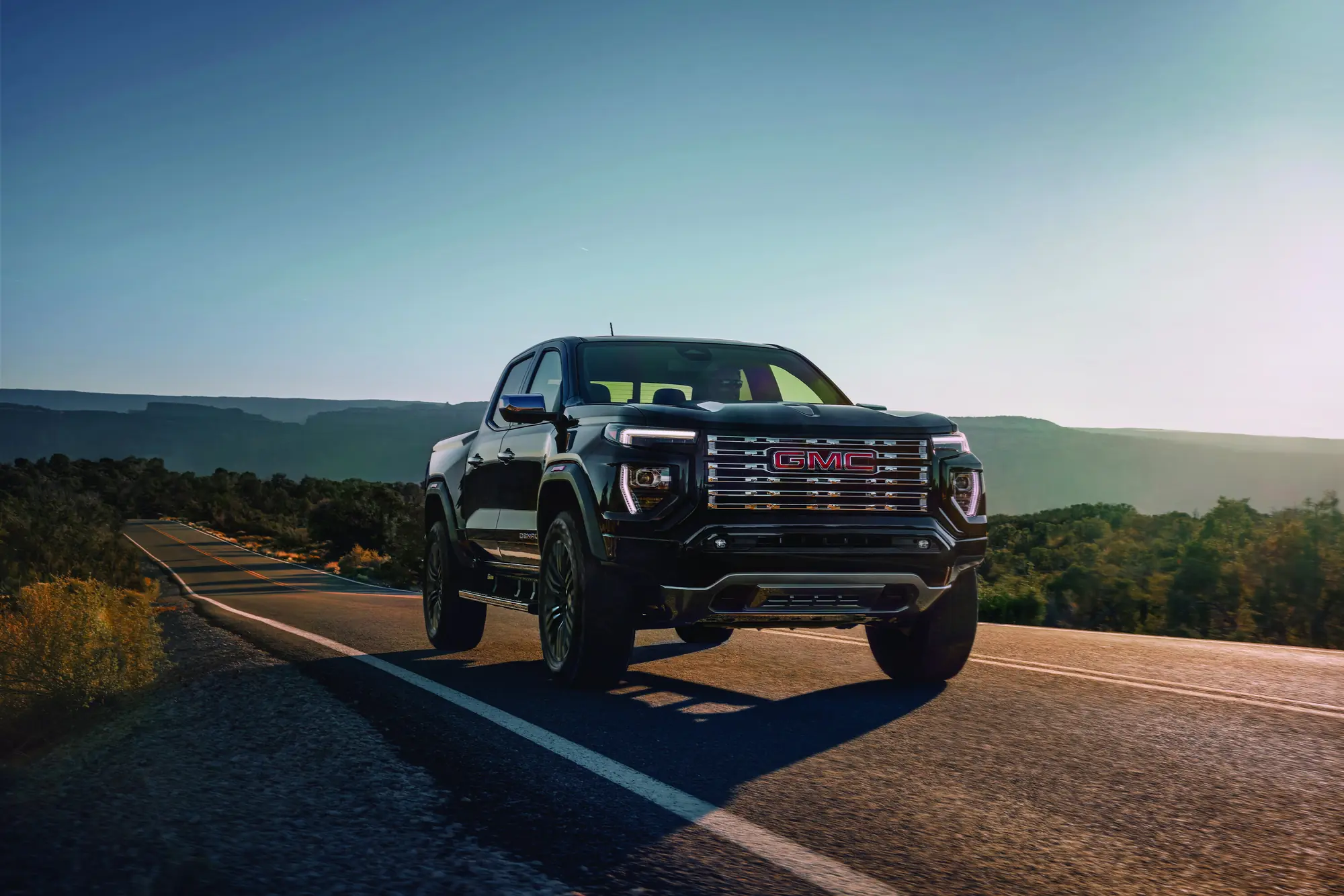
4. GMC Canyon: Corrosion Risks in Shared Mid-Size Truck Platforms
The GMC Canyon shares important platform and engineering characteristics with the Chevrolet Colorado, depending on generation. This makes it sensible for buyers to examine similar areas for corrosion, especially on trucks used in harsh winter environments.
Shared engineering does not mean every reported Colorado issue automatically applies to every Canyon, however. Production dates, frame configurations, components, and applicable service campaigns must be checked separately. Owners should use the truck’s VIN and exact model year to establish which manufacturer documents are relevant.
The Canyon’s frame can be exposed to moisture through ordinary driving, especially when mud and road salt accumulate along the underside. Corrosion may progress around welds, crossmembers, mounting brackets, and seams where protective coatings have been damaged.
Trucks used for frequent towing or heavy work deserve careful attention because structural components must continue to handle substantial forces. Even when a vehicle drives normally, hidden corrosion can weaken the metal over time. A quiet ride and straight steering do not guarantee that the chassis remains structurally sound.
Owners researching possible defects should consult NHTSA complaints, official recall information, and General Motors service documentation. Search results should be filtered to the specific Canyon model year whenever possible.
Service bulletins can describe inspection procedures, corrosion treatment, or other repairs, but they do not all indicate that a safety defect exists.
Similarly, a manufacturer’s limited corrosion warranty may cover particular forms of perforation under defined conditions, rather than every instance of visible rust. Reading the actual coverage language helps prevent misunderstandings about what the manufacturer is required to repair.
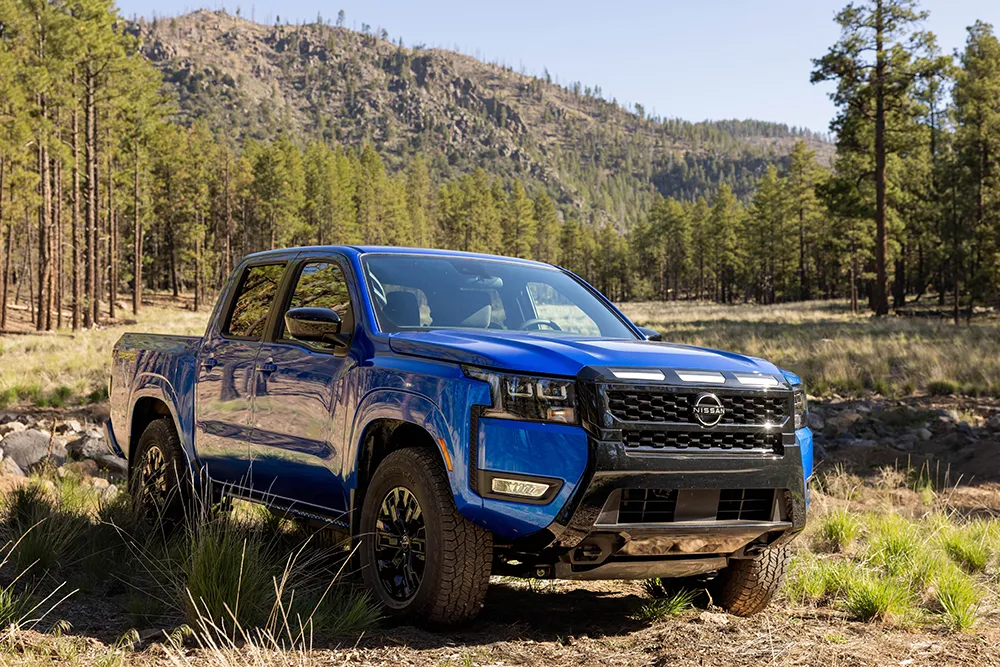
5. Nissan Frontier: Older Frames and Hidden Undercarriage Rust
The Nissan Frontier has a long history as a compact and mid-size pickup, with older examples remaining popular in the used truck market. Their value and straightforward design can make them attractive to budget-conscious buyers, but age and exposure can create corrosion risks.
Trucks driven through winters, near the coast, or on muddy roads may develop rust beneath protective coatings and inside areas that receive little airflow. The most important question is not whether an older Frontier has any rust, but whether corrosion has progressed into load-bearing frame sections or critical attachment points.
Frontier owners should research corrosion reports using the exact generation and model year. It would be misleading to claim that every Frontier has a known frame defect or that all production years were subject to the same manufacturer campaign.
A model-specific review should distinguish individual owner complaints from official safety recalls and technical service bulletins.
Nissan service information may describe an inspection or repair procedure, but a bulletin’s existence alone does not prove that a universal frame defect was acknowledged. Vehicle-specific documentation is essential before attributing a particular corrosion problem to the manufacturer.
Hidden corrosion can occur around overlapping metal sections, welded joints, and brackets where road debris collects. An inspector should examine the full length of the frame, including sections behind protective shields and near the rear suspension.
Heavy scaling, perforation, distorted brackets, or cracking around mounting locations should prompt further assessment. Corrosion inside a hollow section may not be obvious from a quick look at the outside, which is why inspection quality matters. A qualified technician can identify accessible inspection points and determine whether additional examination is needed.
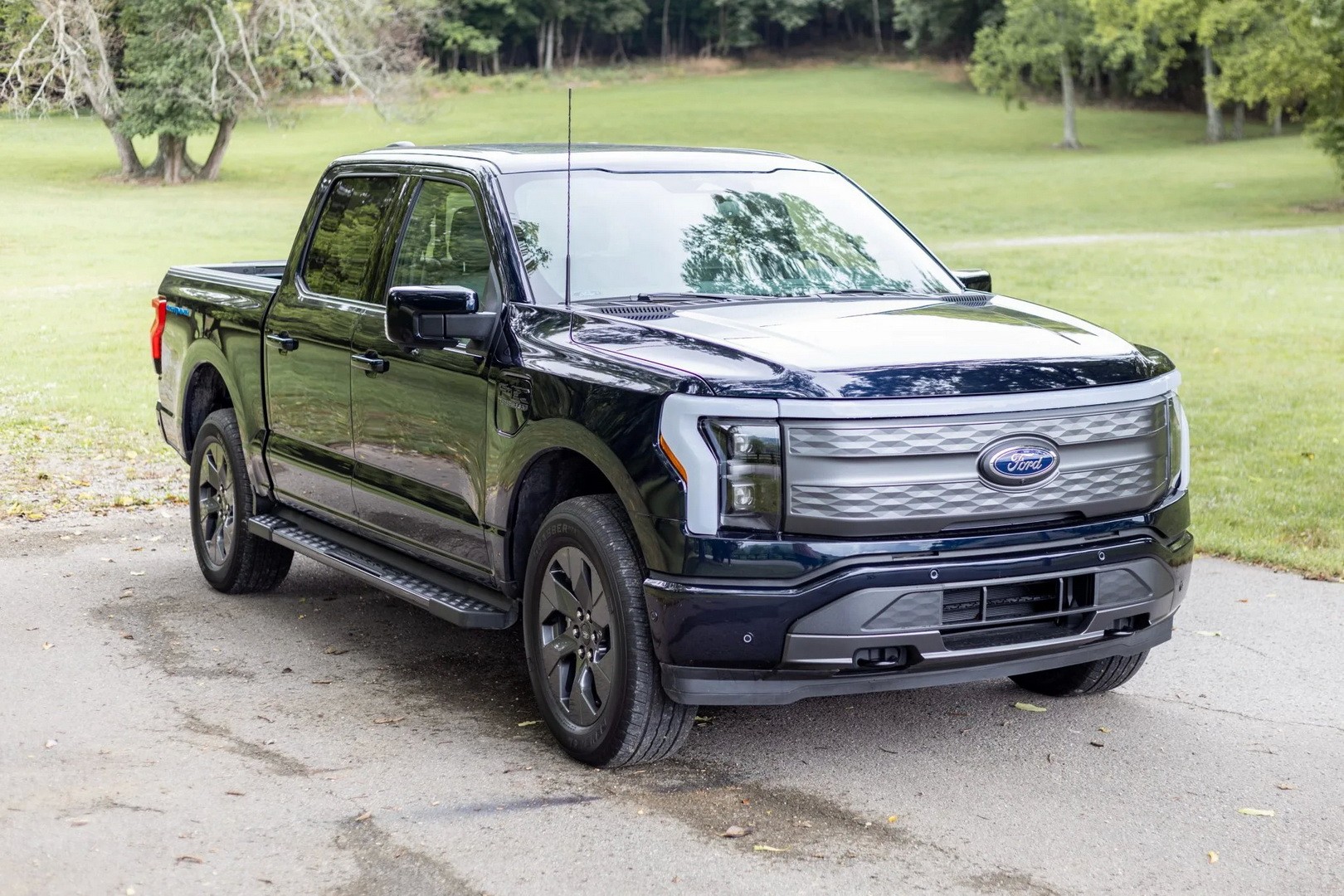
6. Ford F-150: Frame Rust, Road Salt, and Long-Term Wear
The Ford F-150 has been sold across many generations and configurations, making it essential to identify the exact year when investigating corrosion concerns. Older pickups frequently operate in regions where road salt accelerates rust, while work trucks may accumulate mud and debris that retain moisture against the frame.
Rust can affect crossmembers, mounting brackets, and exposed steel sections, particularly where coatings have been damaged. These risks are not proof that every F-150 generation has an inherent frame defect. The condition of each truck must be evaluated on its own merits.
An F-150’s chassis carries the cab, bed, powertrain, and suspension, so severe corrosion can affect important structural connections. Inspectors should examine the frame rails and crossmembers, paying attention to welded seams, mounting holes, and areas around suspension brackets.
Surface oxidation is common on older vehicles and does not automatically make them unsafe. Deep scaling, metal separation, holes, and deterioration near load-bearing points are more concerning. Because frame components can be difficult to assess while a truck sits on the ground, a proper inspection should include safe lifting and adequate lighting.
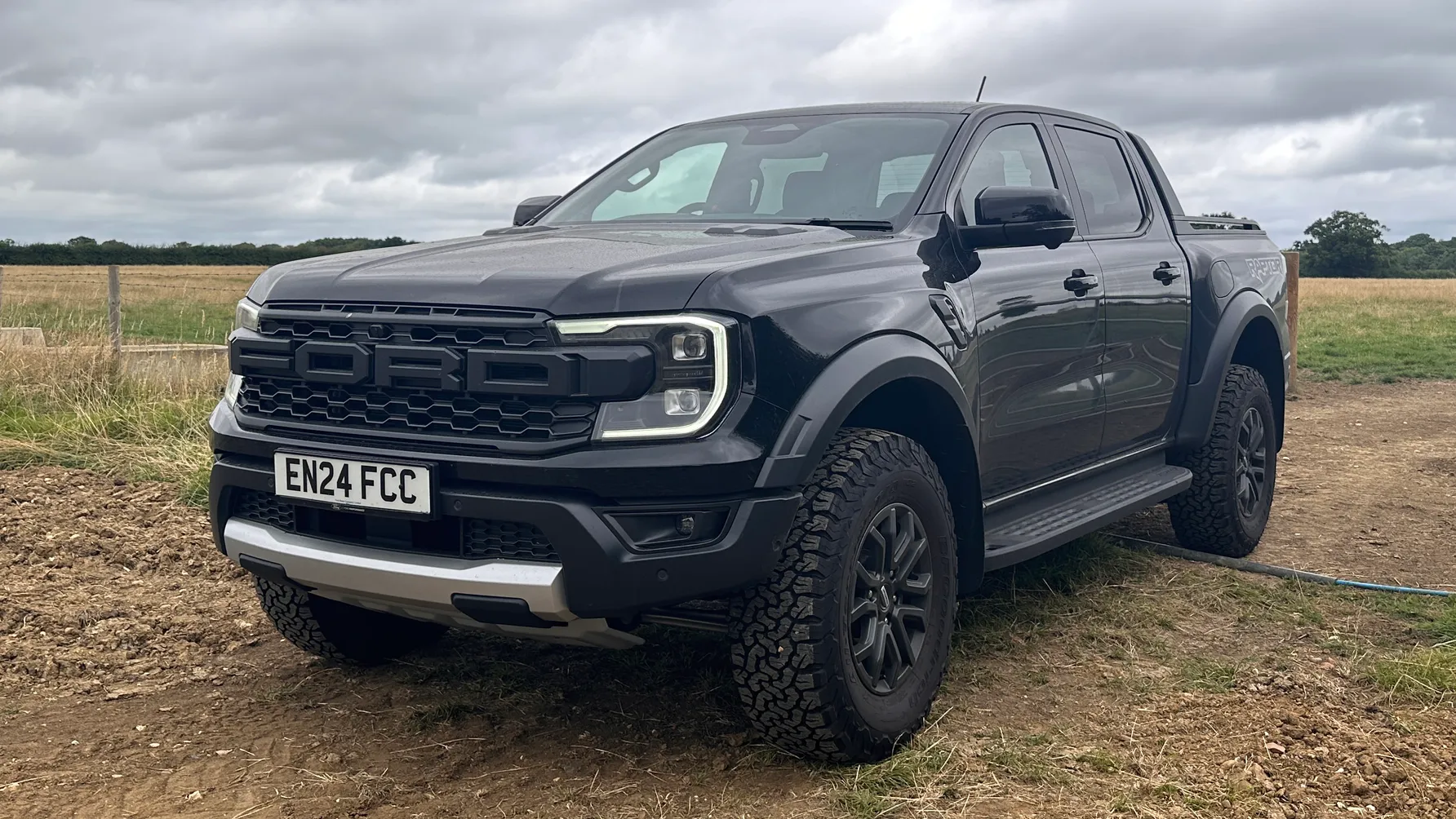
7. Ford Ranger: Older Pickup Frames and Corrosion Hotspots
The Ford Ranger has been available in different forms across several decades, and corrosion concerns must be evaluated according to the truck’s generation. Older Rangers can be found in regions with harsh winters, making frame condition an important part of any used-vehicle inspection.
Road salt, trapped mud, standing water, and damaged protective coatings can accelerate deterioration. Years of use may leave rust around the frame rails, crossmembers, suspension brackets, and body mounts. A vehicle’s age alone does not establish a structural defect, but it does make a thorough inspection increasingly important.
The frame’s condition matters because it supports the suspension and connects major vehicle structures. Rust concentrated around mounting points can be more serious than discoloration on a broad, exposed surface.
An inspector should look for holes, heavy flaking, separated seams, cracks, and areas where corrosion has altered the shape of a bracket. Previous repairs also deserve scrutiny. Poorly executed welding or metal patches may conceal a problem without restoring the chassis to a safe condition. The inspection should identify both visible corrosion and any areas that require further assessment.
When researching a Ranger, owners should consult the appropriate Ford documentation and NHTSA records for the precise model year. The long production history means a bulletin or recall associated with one generation should not automatically be applied to another.
Public complaints may describe rust damage, but they do not necessarily confirm a widespread defect or a manufacturer finding. An accurate article or buyer’s report should identify the affected year range and the specific document supporting each claim.
If no applicable official campaign can be confirmed, it is better to describe corrosion as an inspection concern than to label it a documented recall defect.
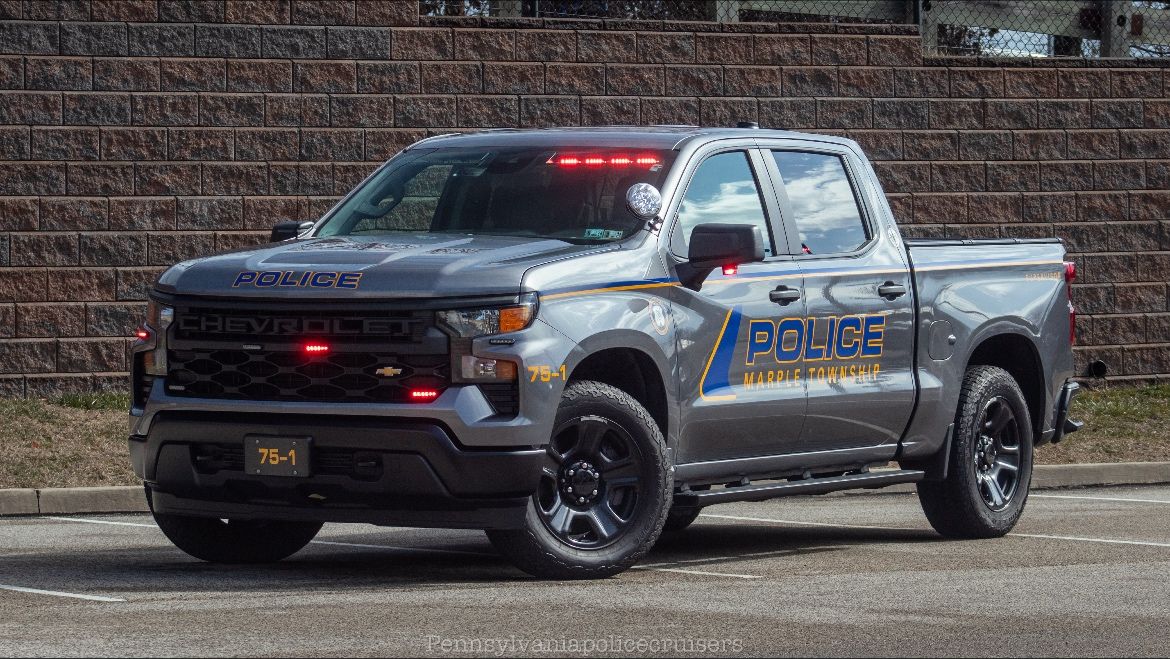
8. Chevrolet Silverado: Full-Size Truck Chassis Corrosion
The Chevrolet Silverado is a widely used full-size pickup, and older examples can experience frame corrosion after years of exposure to road salt, moisture, and debris. Its different generations, frame designs, and configurations mean there is no single corrosion history that applies equally to every Silverado.
Owners should examine the truck’s model year, maintenance history, and previous operating environment before concluding. The presence of rust on the chassis is a reason to inspect it carefully, not proof that the vehicle belongs to a defective production batch.
Severe frame corrosion can affect areas that carry suspension loads or connect the chassis to other structural components. Crossmembers, welded brackets, frame seams, and mounting locations deserve particular attention during inspection.
A thick layer of flaky rust may indicate significant deterioration, especially when the metal underneath has become thin or perforated. However, visual appearance alone cannot always establish the remaining strength of a structural component. A trained technician should determine whether corrosion is limited to the surface or has compromised a critical section.
Research should include NHTSA recall records, owner complaints, and relevant General Motors service documents. These sources serve different purposes. Recalls address defined safety defects in specified vehicles, while service bulletins provide technicians with information about particular conditions and repair procedures.
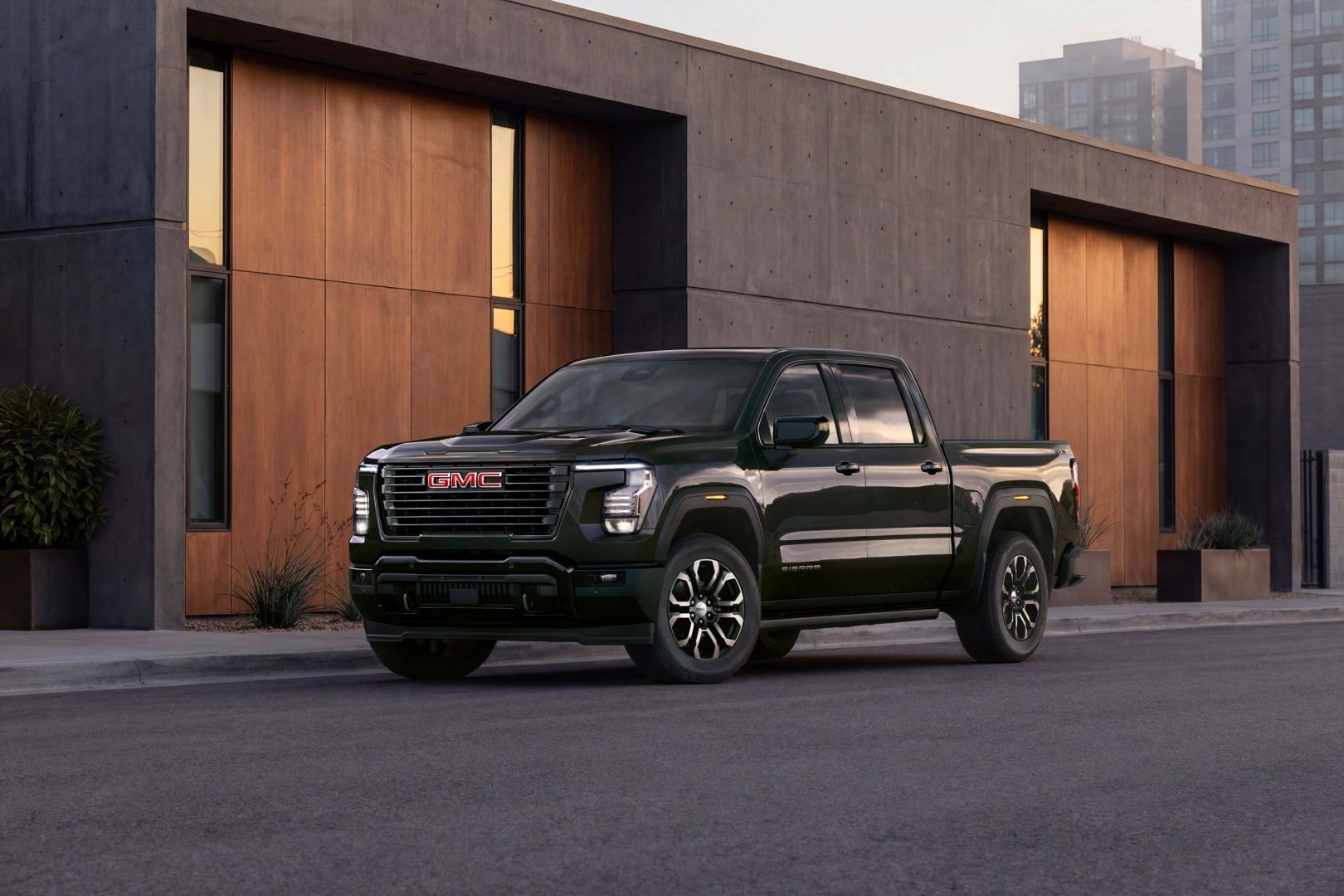
9. GMC Sierra: Frame Rust in Older Full-Size Pickups
The GMC Sierra shares some engineering and chassis characteristics with the Chevrolet Silverado, depending on model year and configuration. This relationship makes Silverado corrosion reports potentially useful when deciding what to inspect on a Sierra, but it does not establish that every reported problem applies to both trucks. Model-specific documentation remains necessary.
Older Sierras that have spent years in regions with salted roads may develop rust on the frame, crossmembers, and mounting brackets. Their actual condition depends on environmental exposure, maintenance, repairs, and the design of the particular generation.
Frame corrosion deserves attention because the chassis supports heavy vehicle components and transfers forces through suspension and structural attachment points. Rust around welded seams or mounting brackets can progress unnoticed when dirt and moisture accumulate.
Surface discoloration may be manageable, but deep scaling, holes, cracks, or separated metal require professional evaluation. Inspectors should look beyond the easiest-to-see sections and assess areas that are partly hidden by shields, bodywork, or accumulated debris. A truck that appears clean from the side may still have substantial underbody deterioration.
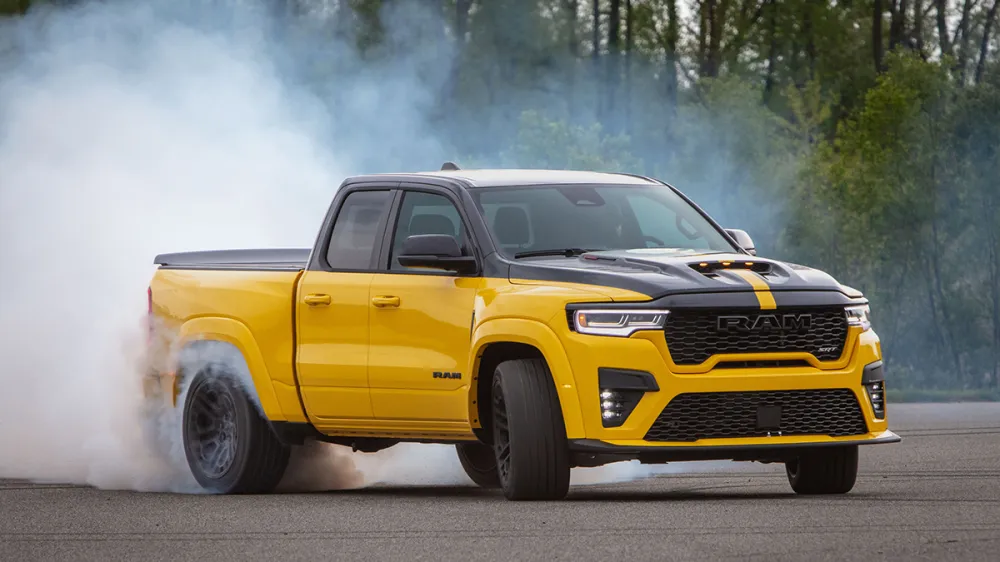
10. Dodge Ram and Ram 1500: Frame Corrosion in Older Trucks
Dodge Ram and Ram 1500 pickups span multiple generations, with differences in chassis construction, manufacturing periods, and service requirements. Older examples may develop frame corrosion after repeated exposure to salt, moisture, and road debris.
The risk is especially relevant for trucks that have been used as work vehicles or driven regularly through winter conditions. Nevertheless, a corrosion concern reported for one production period should not be generalized to every Ram model. Buyers need to identify the specific year, configuration, and applicable service history before deciding whether a particular truck has a documented problem.
The frame should be inspected for rust around the rails, crossmembers, welded joints, and suspension attachment points. Moisture trapped behind brackets or within enclosed sections can accelerate corrosion in areas that are difficult to see. Heavy scaling and loose flakes may indicate more extensive metal loss, while perforation or cracking near a load-bearing mount is a serious warning sign.
The inspection should also cover the brake and fuel lines, which may be vulnerable to the same environmental conditions. If the truck has a protective coating, the technician should establish whether the underlying metal can be assessed adequately.
Owners researching a Ram should review NHTSA complaints, official recall records, and manufacturer service information associated with the exact model year. These sources should be treated as separate forms of evidence.
A complaint describes a reported experience, a service bulletin gives technicians information about a specific condition, and a recall identifies vehicles covered by an official safety campaign. A general claim that a particular Ram has a frame defect should not be published without supporting documentation.
Where no applicable recall or corrosion bulletin can be confirmed, the article should present rust as a potential used-vehicle inspection concern.