
Toyota has recalled approximately 106,000 Land Cruiser vehicles over a fuel tube defect that could cause fuel to leak, raising concerns about vehicle safety and fire risks. The recall highlights the importance of reliable fuel system components, particularly in large SUVs designed for demanding driving conditions.
A leaking fuel tube can create a serious hazard if fuel comes into contact with hot engine parts or an ignition source. Owners of affected vehicles should pay attention to official recall notices, verify their vehicle identification numbers, and follow Toyota’s repair instructions to ensure their vehicles remain safe to drive.
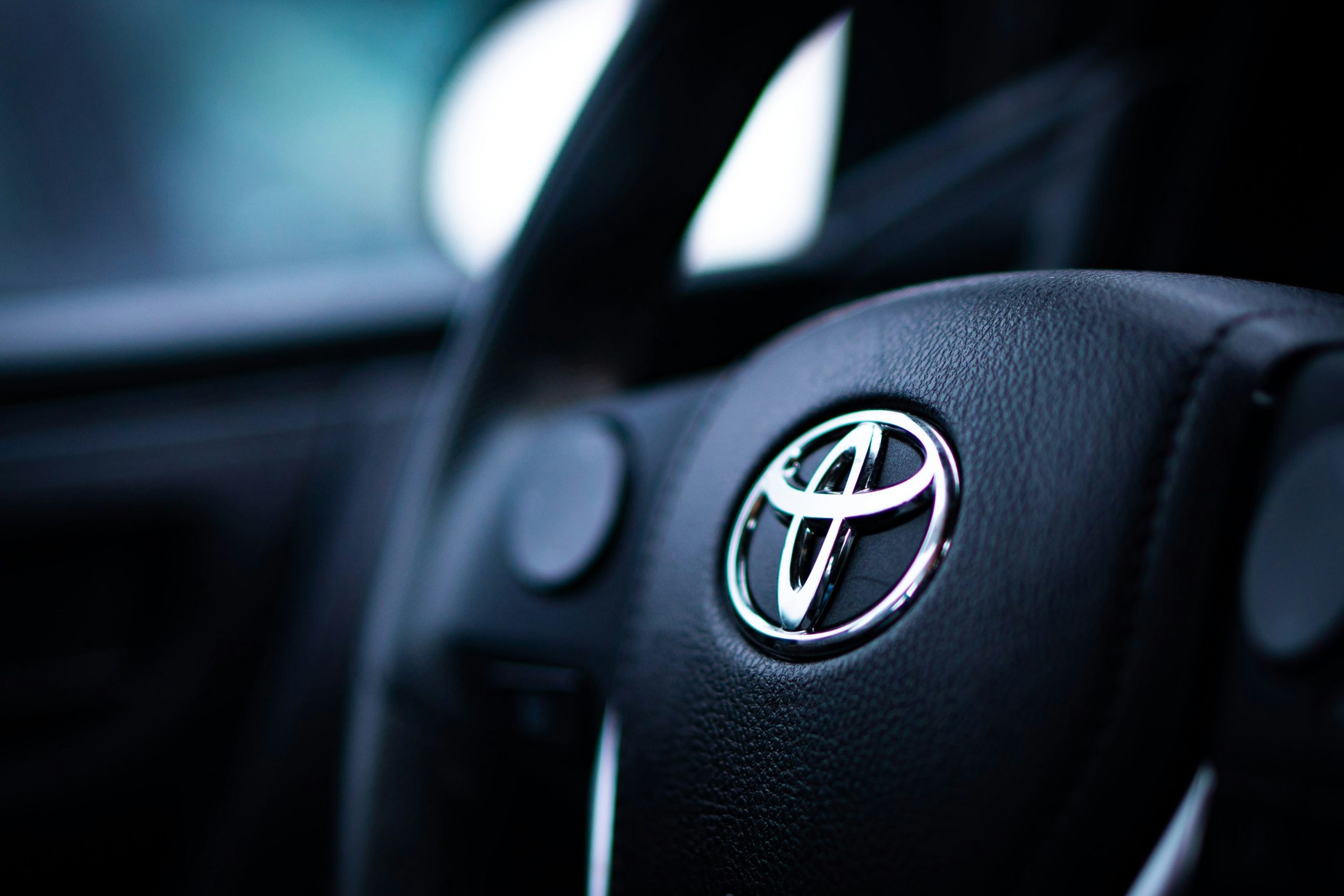
Why Toyota Recalled Approximately 106,000 Land Cruisers
Toyota’s recall of approximately 106,000 Land Cruiser vehicles centers on a potential defect in a fuel tube that could allow gasoline to escape from the fuel system. Fuel tubes carry fuel between components, making their condition essential for safe engine operation.
When a connection or tube fails to maintain a proper seal, fuel can leak into surrounding areas. This creates a safety concern that requires careful inspection and appropriate repairs. The recall aims to address the identified defect before it leads to injuries, vehicle damage, or other dangerous consequences.
Fuel leaks are particularly concerning because gasoline is highly flammable. Under certain conditions, leaked fuel can come into contact with hot surfaces or electrical components that produce sparks. If an ignition source is present, a fire could develop quickly.
Even when a leak appears minor, it should not be ignored. A vehicle may continue operating normally while a fuel system problem remains undetected, which makes manufacturer recalls an important part of automotive safety management.
The scale of the recall demonstrates why manufacturers must monitor vehicle components after products reach customers. Approximately 106,000 vehicles represent a substantial number of owners who may need to arrange inspections or repairs.
Recalls allow automakers to communicate potential safety problems and provide corrective measures. They also help ensure that a defect identified through testing, production reviews, or field reports receives appropriate attention rather than remaining an unresolved concern.
Toyota has a long-established presence in the SUV market, and the Land Cruiser name is associated with durability, off-road capability, and long-distance travel. However, a vehicle’s reputation cannot eliminate the possibility of a component defect.
Modern vehicles contain complex fuel delivery systems, electrical networks, and engine assemblies that must work together reliably. A problem affecting even a single component can have broader safety implications when that component performs an essential function.
Owners should avoid assuming that every Land Cruiser is affected simply because a recall has been announced. Recall eligibility depends on the specific vehicles identified by the manufacturer and relevant safety authorities.
Model year, production period, and vehicle identification number can help determine whether a particular SUV is included. Checking official recall information is the most reliable way to establish whether a vehicle requires corrective action.

How a Faulty Fuel Tube Can Create a Safety Risk
A fuel tube is an essential part of the system that transports fuel through a vehicle. It must withstand operating pressures, temperature changes, vibration, and the movement associated with everyday driving.
Manufacturers design fuel system components to meet demanding requirements, but defects in materials, manufacturing, installation, or connections can compromise their performance. If a tube develops a leak, gasoline may escape from its intended path and enter areas where it should never be present.
The primary concern with leaking gasoline is the possibility of fire. Fuel vapors can ignite when they encounter a suitable ignition source, particularly around hot engine components.
A fire can damage the engine compartment, wiring, hoses, and other vehicle systems. Depending on the circumstances, it may also place occupants and nearby road users at risk. This is why fuel system defects are treated seriously by automakers and vehicle safety regulators.
Drivers may notice signs of a fuel leak before receiving a recall notification. These can include a strong gasoline smell, visible liquid beneath the vehicle, or unusual fuel odors near the engine compartment.
However, the absence of noticeable symptoms does not prove that a vehicle is free from the defect. Some leaks may be difficult to detect during routine driving, and a vehicle can require inspection even when no warning signs are apparent.
A fuel leak can also affect a vehicle’s reliability. Escaping fuel may interfere with normal operation, while an unresolved defect can expose nearby components to conditions they were not designed to handle.
The precise consequences depend on the location and severity of the leak. Owners should not attempt to diagnose a suspected fuel system problem by dismantling components themselves, as working around gasoline introduces additional hazards.
Anyone who suspects an active fuel leak should stop driving when it is safe to do so, switch off the engine, and move away from the vehicle if necessary. Avoid smoking, open flames, or other potential ignition sources nearby.
Contact roadside assistance or a qualified service provider for guidance. If there is an immediate fire risk, occupants should move to a safe distance and contact emergency services.

What Affected Toyota Land Cruiser Owners Should Do
The first step for Land Cruiser owners is to determine whether their vehicle is included in the recall. The vehicle identification number, commonly called the VIN, provides a unique identifier that can be used to check recall eligibility.
Owners can consult Toyota’s official recall resources or contact an authorized Toyota dealership. Because recall coverage can vary by vehicle and market, checking the specific VIN is more dependable than relying on the model name alone.
After confirming that a vehicle is affected, owners should contact an authorized dealership for instructions. The service department can explain the applicable repair procedure, arrange an appointment, and clarify whether any special precautions are necessary before the vehicle is brought in.
Owners should mention any gasoline smell, visible leakage, or other symptoms when speaking with dealership staff. This information may help the service team assess the situation and determine the safest next steps.
Recall repairs are generally intended to correct a safety-related defect identified by the manufacturer. The exact remedy for this fuel tube issue should be confirmed through Toyota’s official recall documentation.
Depending on the findings and prescribed repair, the service procedure may involve inspecting the relevant components and replacing or correcting defective parts. Owners should not assume that a particular repair has been authorized until the manufacturer or dealership confirms the details.
It is also important to ask about repair costs and transportation arrangements. Safety recalls often provide a manufacturer-funded remedy for eligible vehicles, but owners should confirm the terms that apply to their specific case and market.
If the vehicle appears to have an active fuel leak, owners should not continue driving merely to reach a dealership. They should first obtain safety instructions from Toyota, roadside assistance, or an appropriate service professional.
Finally, owners should retain relevant recall notices, dealership communications, and repair records. These documents provide a useful history of the corrective work performed and can help resolve questions about future servicing.
Once the repair is complete, drivers should follow any additional recommendations provided by the dealership. Taking prompt action can reduce avoidable risks and help ensure that the vehicle remains suitable for regular road use.

Toyota’s Recall Response and the Importance of Vehicle Safety
Vehicle recalls are a central part of the automotive industry’s approach to managing safety defects. Automakers must respond when they identify problems that could affect the safe operation of vehicles, while regulators oversee applicable reporting and corrective requirements.
A recall gives manufacturers a formal way to notify owners, explain the concern, and arrange a remedy. It also helps prevent a known defect from affecting more drivers than necessary.
Toyota’s response to the reported fuel tube issue is significant because the defect concerns a component associated with flammable fuel. Fuel system integrity is essential in gasoline-powered vehicles, regardless of whether they are compact cars, family SUVs, or larger off-road models.
A properly functioning system must contain fuel securely during engine operation and under the conditions expected during normal vehicle use.
The recall also illustrates why regular maintenance and official safety checks serve different purposes. Routine servicing can identify many developing problems, including damaged hoses, deteriorating seals, and visible leaks.
However, a manufacturer recall addresses a specific defect that may affect a defined group of vehicles. Even recently serviced vehicles can remain subject to a recall, so owners should check official notices separately from their usual maintenance schedule.
For buyers considering a used Land Cruiser, recall history is also worth checking before completing a purchase. A vehicle may have changed ownership several times since it was originally sold, and a current owner may not have received every previous notification.
Reviewing the VIN through official channels and asking for documentation of completed recall work can provide a clearer picture of the vehicle’s safety history. Any outstanding recall should be discussed with Toyota or an authorized dealership.
Clear communication is essential throughout the recall process. Owners need accurate information about the affected vehicles, the nature of the defect, the risks associated with continued operation, and the corrective measures available.
They should rely on official Toyota announcements and relevant government safety databases rather than unverified social media posts or speculation. This approach helps prevent confusion and ensures that decisions are based on information applicable to the specific vehicle.