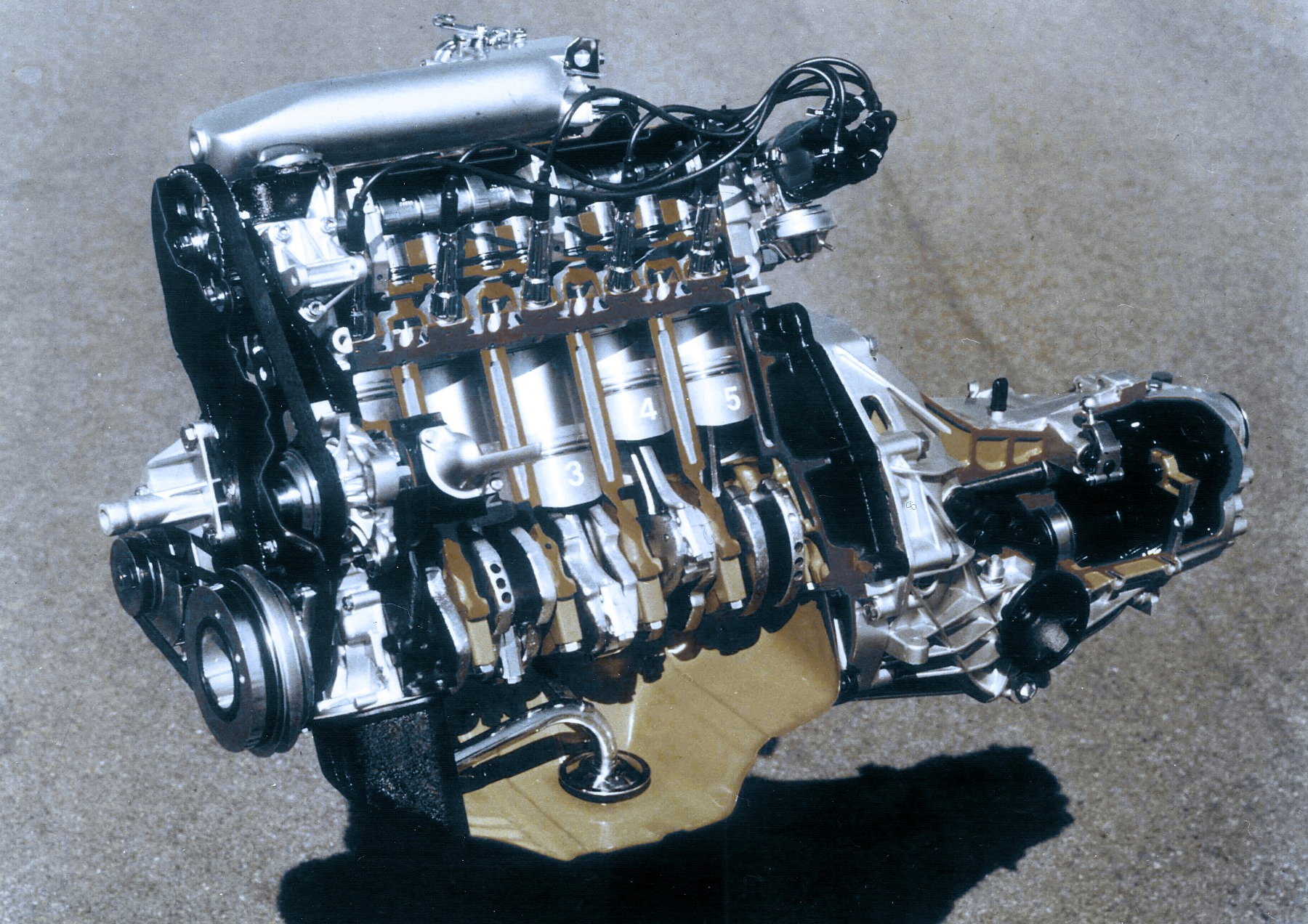
Engine oil plays a vital role in keeping your vehicle running smoothly, protecting internal components from friction, and helping control operating temperatures. When your engine starts consuming more oil than usual, it may indicate a developing mechanical problem that needs attention.
Some engines naturally use a small amount of oil during normal operation, but frequent top-ups, blue exhaust smoke, or falling oil levels can point to worn components or maintenance issues.
Understanding the common causes of excessive engine oil consumption helps drivers identify warning signs, avoid expensive repairs, and keep their vehicles reliable for longer through timely inspections and proper servicing.
1. Worn Piston Rings
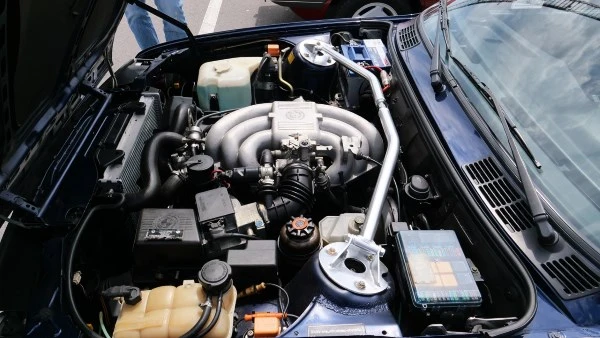
Piston rings are essential engine components that help maintain compression inside the cylinders and control the amount of oil reaching the combustion chamber. These rings sit around each piston and form a seal against the cylinder walls as the piston moves up and down.
Their job is to prevent combustion gases from escaping into the crankcase while keeping excess engine oil away from the burning fuel mixture. When piston rings operate correctly, they help the engine deliver consistent power, maintain good fuel efficiency, and use oil at a normal rate. Worn, damaged, or stuck rings can weaken this seal and allow oil to enter the combustion chamber, where it burns along with the fuel.
As piston rings wear down, the gap between the rings and cylinder walls can increase, allowing engine oil to pass into areas where it should not be present. This problem may develop gradually over thousands of kilometres due to normal wear, poor lubrication, overheating, or extended oil change intervals.
Engines that have accumulated high mileage are more likely to experience ring wear, but neglected maintenance can accelerate the process. Oil consumption may increase noticeably during acceleration, when higher cylinder pressures place additional demands on the sealing system. Drivers might find that the dipstick shows a lower oil level between services, even when no obvious leak appears beneath the vehicle.
Blue or blue-grey exhaust smoke is a common warning sign of oil entering the combustion chamber. The smoke may become more noticeable when accelerating hard or driving uphill, particularly if the engine has significant ring wear. Other symptoms can include reduced engine power, rough running, increased emissions, and poor fuel economy.
Worn piston rings may also allow combustion gases to enter the crankcase, increasing pressure and contributing to oil leaks around seals and gaskets. However, these symptoms do not automatically confirm damaged rings because faulty valve seals, turbocharger problems, and crankcase ventilation faults can produce similar signs. A proper diagnosis is important before replacing internal engine components.
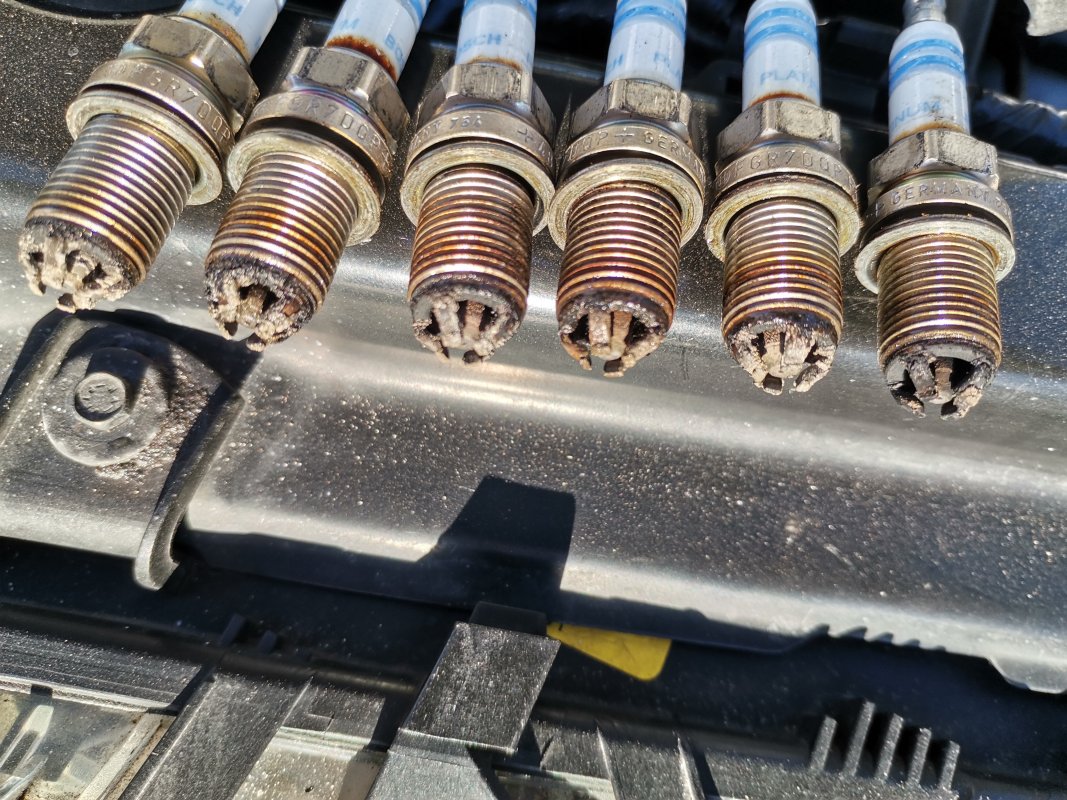
Mechanics can investigate suspected piston ring problems through compression testing, cylinder leak-down testing, and inspection of the spark plugs. A compression test measures how well each cylinder builds pressure, while a leak-down test helps identify where compressed air escapes.
Results must be interpreted carefully because valve faults, head gasket damage, and other problems can also affect compression readings. A borescope inspection may reveal cylinder wall damage or unusual deposits, offering additional clues.
2. Damaged or Worn Valve Stem Seals
Valve stem seals control the small amount of oil that lubricates the moving valves in the cylinder head. They help prevent excessive lubricant from travelling down the valve stems and entering the combustion chambers or intake and exhaust ports.
The valves repeatedly open and close to control airflow and exhaust gases, so their stems require proper lubrication to move smoothly within their guides. The seals must maintain a suitable balance by allowing enough lubrication while restricting excess oil flow. When these components become hardened, cracked, loose, or worn, engine oil can seep into areas where it may be burned during combustion, increasing oil consumption over time.
Valve stem seals commonly deteriorate as an engine ages because they are exposed to heat, pressure, and repeated movement. Rubber and other sealing materials can gradually lose flexibility, particularly when the engine frequently operates at high temperatures or receives inadequate maintenance.
Some engines may develop seal problems earlier due to manufacturing defects, poor-quality replacement parts, or prolonged overheating. Once the seals begin to fail, oil can move past the valve stems while the vehicle is parked or running. The amount consumed depends on the condition of the seals, valve guides, engine design, and driving conditions. A small leak may initially go unnoticed before oil consumption becomes more frequent.
A typical symptom of worn valve stem seals is a puff of blue smoke from the exhaust when starting the engine after it has been parked for several hours. Oil can collect near the valves while the engine is switched off, then burn when combustion begins.
Diagnosing valve stem seal failure requires careful observation and testing because its symptoms can overlap with piston ring wear. A mechanic may check when the exhaust smoke appears, inspect the spark plugs, examine the intake system, and assess the engine’s compression.
Normal compression readings do not necessarily rule out damaged valve seals because the seals control oil rather than directly maintain cylinder compression. A borescope inspection may help identify oil deposits inside the cylinders.
The condition of the valve guides should also be considered, since excessive guide clearance can allow oil past the seals even when new seals are fitted. Identifying the underlying fault prevents unnecessary replacement work.
3. Leaking Engine Gaskets and Oil Seals
Engine gaskets and oil seals prevent lubricant from escaping through the joints and openings found throughout an engine. Common sealing points include the valve cover, oil pan, timing cover, crankshaft, camshaft, and oil filter housing. Each component must maintain a secure seal while exposed to heat, vibration, and changes in internal pressure.
Over time, rubber seals can harden, gaskets can compress or crack, and mounting surfaces can become damaged. When these parts fail, oil may leak externally instead of remaining inside the lubrication system. Even a relatively small leak can lower the oil level significantly if it continues for weeks or months without being noticed.
Valve cover gasket leaks are particularly common in older vehicles. The gasket seals the upper part of the engine, where oil lubricates components such as camshafts and valve mechanisms. When the gasket deteriorates, oil can seep down the sides of the cylinder head and collect around nearby components.
Oil pan gasket leaks occur lower down, allowing lubricant to escape near the bottom of the engine. Crankshaft seals can leak around the front or rear of the crankshaft, while timing cover seals may leave oil near the belt or chain housing. The location of a wet patch can provide clues, but airflow and gravity may carry oil away from the original leak.
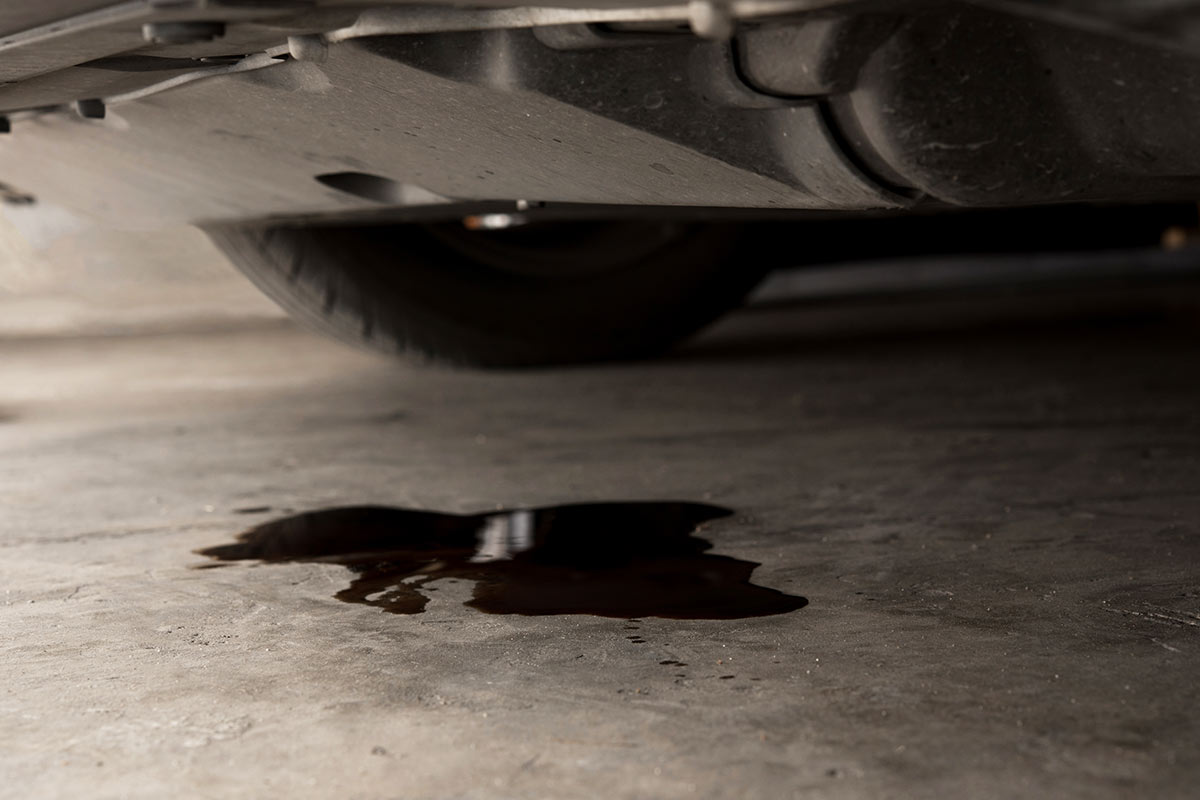
Drivers may notice dark stains on the driveway, oily residue underneath the engine, or a burning smell after a journey. When oil reaches a hot exhaust manifold or other heated surfaces, it can produce smoke or an unpleasant odour. Some leaks occur only when the engine is running, making them difficult to identify during a quick visual inspection.
Others become more noticeable after long drives because heat thins the oil and increases its ability to pass through damaged seals. A vehicle can also lose oil while moving without leaving an obvious puddle in its usual parking spot. Regular checks beneath the bonnet can help identify early signs of leakage.
A professional inspection typically involves cleaning the affected area and checking where fresh oil appears. Mechanics may inspect gaskets, seals, oil filter connections, drain plugs, and the oil pan for signs of seepage. In difficult cases, an approved ultraviolet dye can be added to the lubricant, allowing leaks to be located with a suitable inspection lamp.
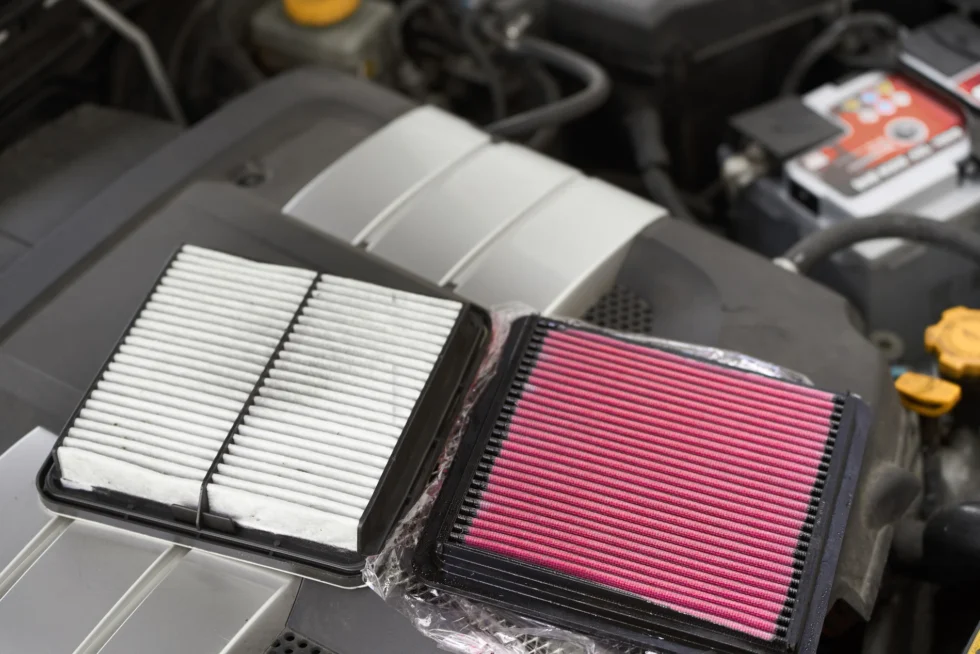
4. Faulty Positive Crankcase Ventilation System
The positive crankcase ventilation system, commonly called the PCV system, manages gases that escape past the piston rings during combustion. These gases, known as blow-by gases, enter the crankcase and must be redirected into the intake system for controlled burning.
The PCV valve or equivalent ventilation components regulate this flow while helping maintain suitable crankcase pressure. The system also helps remove moisture and fuel vapours that can accumulate in the engine oil.
When the ventilation system operates correctly, it supports clean engine operation and helps prevent excessive pressure from building inside the crankcase. A blockage or malfunction can disrupt this balance and contribute to oil consumption.
The PCV valve can become clogged with sludge and deposits, while its internal mechanism may stick or fail. Hoses can also crack, collapse, disconnect, or become blocked by accumulated residue. When ventilation flow is restricted, pressure inside the crankcase may increase and force oil past seals and gaskets.
In other cases, a faulty valve may allow excessive airflow or draw too much oil mist into the intake manifold. The result can be higher oil consumption, rough idling, or new leaks. Problems may develop gradually, making the PCV system easy to overlook when investigating an engine that repeatedly needs extra oil.
Symptoms vary according to the type of failure. A restricted system may cause oil leaks, pressure-related problems, or sludge accumulation, while excessive vacuum can lead to whistling sounds, unstable idling, or changes in engine performance. Some vehicles may show blue exhaust smoke or oil residue inside the intake pipes.
Drivers might also notice that oil consumption increases even though the engine has relatively low mileage and no obvious signs of internal wear. However, these symptoms are not exclusive to PCV faults. Intake leaks, damaged seals, worn piston rings, and turbocharger problems can produce similar effects, so a proper assessment is needed.
Mechanics can check the PCV valve, hoses, intake passages, and crankcase pressure to determine whether the ventilation system is functioning correctly. Some vehicles use a simple replaceable valve, while newer engines may incorporate ventilation components into a larger assembly.
Testing methods differ by manufacturer, so the correct procedure should be followed rather than relying on a universal valve-rattling test. An inspection may also reveal sludge, cracked hoses, damaged diaphragms, or oil pooling inside the intake.
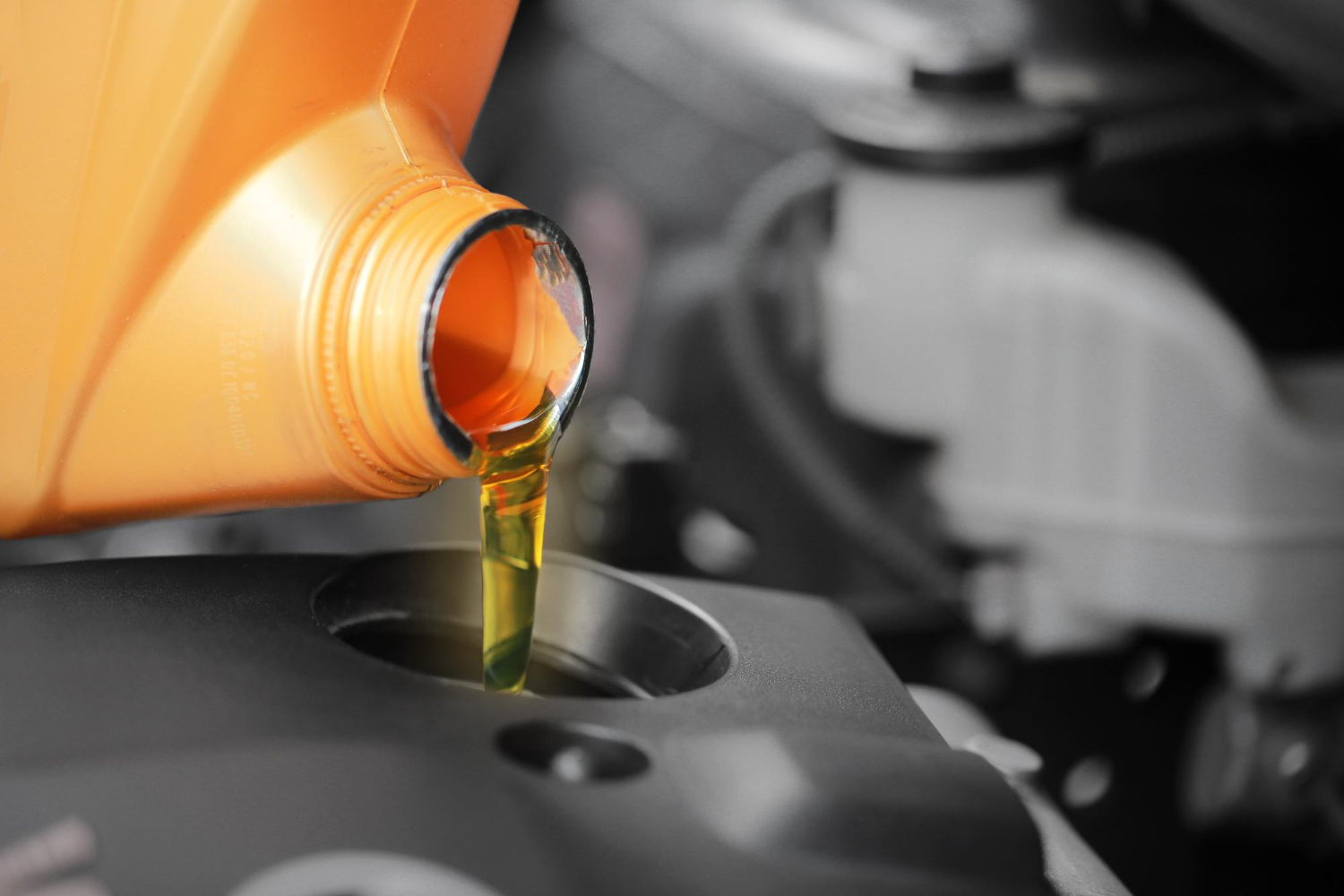
5. Using the Wrong Engine Oil or an Incorrect Oil Grade
Engine oil must meet the viscosity and performance requirements specified by the vehicle manufacturer. Viscosity describes how readily oil flows at different temperatures, and the correct grade helps ensure adequate lubrication during cold starts and normal operating conditions.
Modern engines are designed with specific clearances, oil passages, and lubrication demands, so using an unsuitable grade can affect performance. Oil that is too thin for the application under certain operating conditions may pass more readily through worn clearances or sealing points. However, viscosity alone does not determine oil consumption, and a thicker lubricant is not automatically the best choice for an engine that is losing oil.
Oil grades are identified by classifications such as SAE 0W-20, 5W-30, and 10W-40. The first number and the letter W describe cold-temperature performance, while the second number indicates viscosity at operating temperature under the relevant testing standards.
These ratings should be considered alongside the manufacturer’s required specifications and approvals. An engine designed for a low-viscosity oil may not operate correctly with a much thicker grade, particularly if its lubrication system relies on precise oil flow.
Conversely, an older engine with wear may consume more of an oil that does not suit its operating condition. The correct selection depends on engineering requirements rather than assumptions based on age alone.
Oil consumption may also increase when the lubricant lacks the required quality standards or is unsuitable for the engine’s design. Engine oils contain additives that help control deposits, reduce wear, resist oxidation, and manage contamination. Using an unapproved product may reduce the oil’s ability to perform these functions under demanding conditions.
Some engines require oils designed for turbochargers, particulate filters, or extended service intervals. Choosing an oil based solely on price or a familiar brand name can lead to an unsuitable match. It is important to confirm both the viscosity grade and the performance specification listed in the owner’s manual or official service information.
If oil consumption rises after an oil change, check the invoice, packaging, and service records to confirm that the correct lubricant was installed. Also check the oil level on level ground using the manufacturer’s recommended procedure.
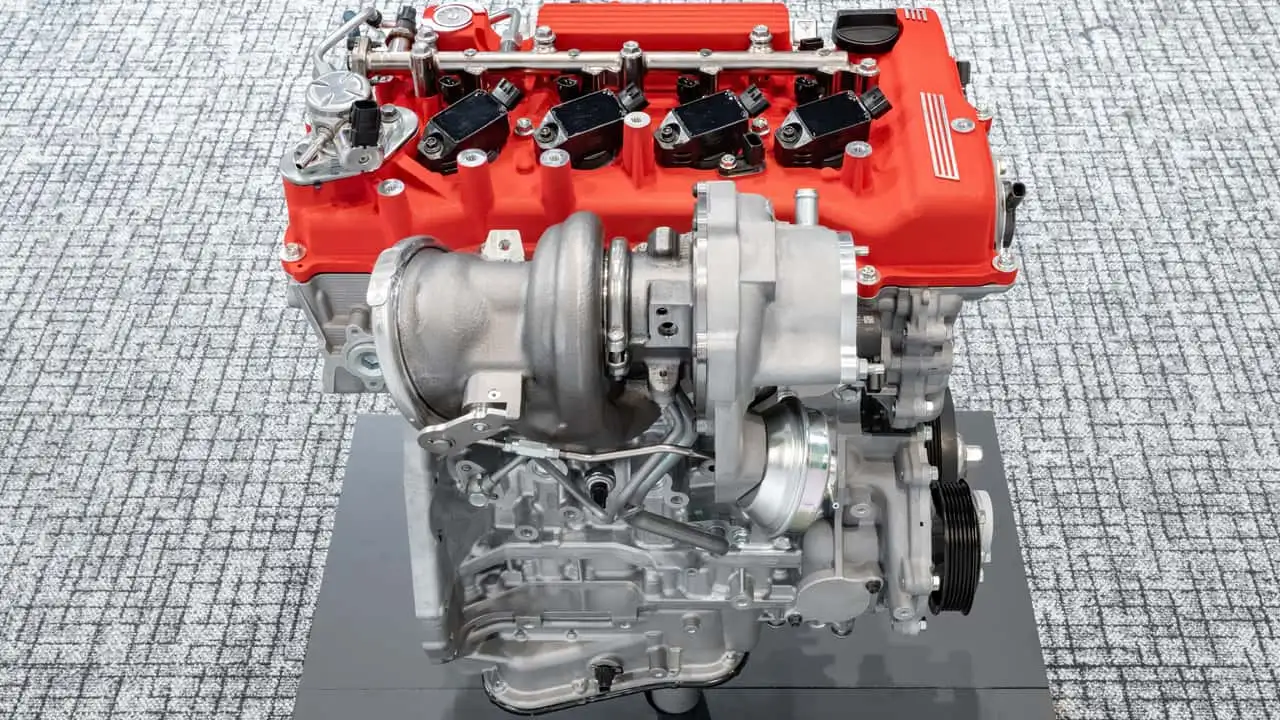
6. Worn Cylinder Walls or Engine Damage
Cylinder walls provide the smooth surfaces against which the pistons and piston rings move. Their condition is critical because the rings must maintain effective contact with the cylinder walls to control oil and seal combustion pressure. Over many kilometres, cylinder surfaces can develop wear, scoring, distortion, or an unsuitable surface finish.
These problems may result from poor lubrication, contaminated oil, overheating, foreign particles, or prolonged operation under harsh conditions. When the cylinder walls become damaged, the piston rings may struggle to maintain their seal. Oil can then enter the combustion chamber, causing consumption that may continue even after routine maintenance is performed.
Scoring occurs when the cylinder wall develops scratches or grooves, often because abrasive particles or metal-to-metal contact damage the surface. Severe overheating can also distort engine components and affect the clearance between the pistons and cylinders.
Contaminated oil may carry particles that accelerate wear, while insufficient lubrication can damage the protective oil film between moving parts. In some engines, incorrect repairs or unsuitable replacement components can contribute to excessive clearance.
The resulting damage may allow more oil to remain on the cylinder walls and pass the rings during engine operation. The severity depends on the depth of the damage, the engine’s design, and the condition of related components.
Common warning signs include persistent oil consumption, blue exhaust smoke, reduced power, increased crankcase pressure, and poor compression. Some engines may also produce unusual knocking or rattling sounds if other internal components have suffered damage.
Metal particles in the engine oil can sometimes indicate abnormal wear, though laboratory analysis or careful inspection may be needed to identify their source.
Not every worn cylinder produces all these symptoms, and other faults can create similar signs. If oil consumption increases sharply following an overheating event, an inspection is particularly important. Continuing to operate an engine with serious internal damage can increase repair costs and create a risk of sudden failure.
Diagnosis may involve compression and leak-down testing, borescope inspection, examination of the drained oil, and measurements taken during engine disassembly. Mechanics can assess cylinder diameter, taper, out-of-round conditions, and surface finish against the manufacturer’s specifications.
These measurements help determine whether the cylinder can be restored through honing or requires more extensive machining. The correct repair depends on the engine design, the availability of suitable components, and the extent of the damage.
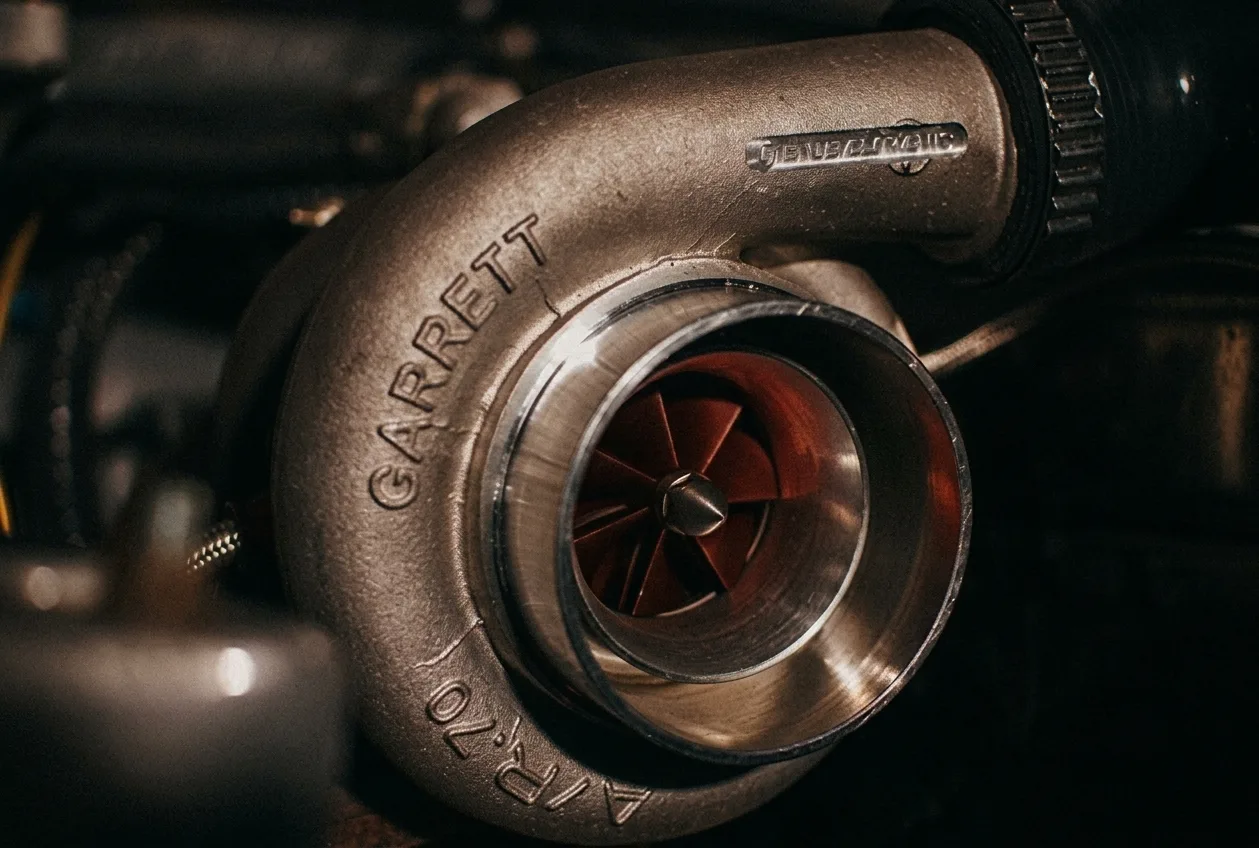
7. Turbocharger Problems and Oil Leaks
Turbochargers use exhaust energy to drive a turbine connected to a compressor, allowing more air to enter the engine and supporting greater power from a given engine size. Their rotating assemblies operate at high speeds and depend on a reliable supply of engine oil for lubrication and heat management.
Properly functioning turbocharger systems keep oil within designated passages while allowing the shaft assembly to operate under demanding conditions. When seals, bearings, oil supply lines, or return passages develop problems, lubricant may escape into the intake or exhaust system.
The engine can then burn or discharge oil, increasing consumption even when the piston rings and valve seals remain in reasonable condition.
Turbocharger oil consumption can occur when internal components become worn or damaged. Bearing wear may allow excessive movement of the rotating shaft, while problems with the oil return line can prevent lubricant from draining freely back to the engine sump.
A blocked return passage may cause oil to accumulate inside the turbocharger and escape into the intake or exhaust. Excessive crankcase pressure can also interfere with oil drainage and contribute to leakage.
These faults may develop because of inadequate lubrication, contaminated oil, prolonged high temperatures, or an underlying ventilation problem. A turbocharger should not be replaced automatically whenever oil consumption increases, since related engine systems can produce similar symptoms.
Blue-grey exhaust smoke, oily deposits inside intake pipes, reduced engine power, and unusual turbocharger noises can indicate a potential fault. Smoke may become more noticeable under acceleration, when the turbocharger is working harder, but symptoms vary by engine design and the location of the leak.