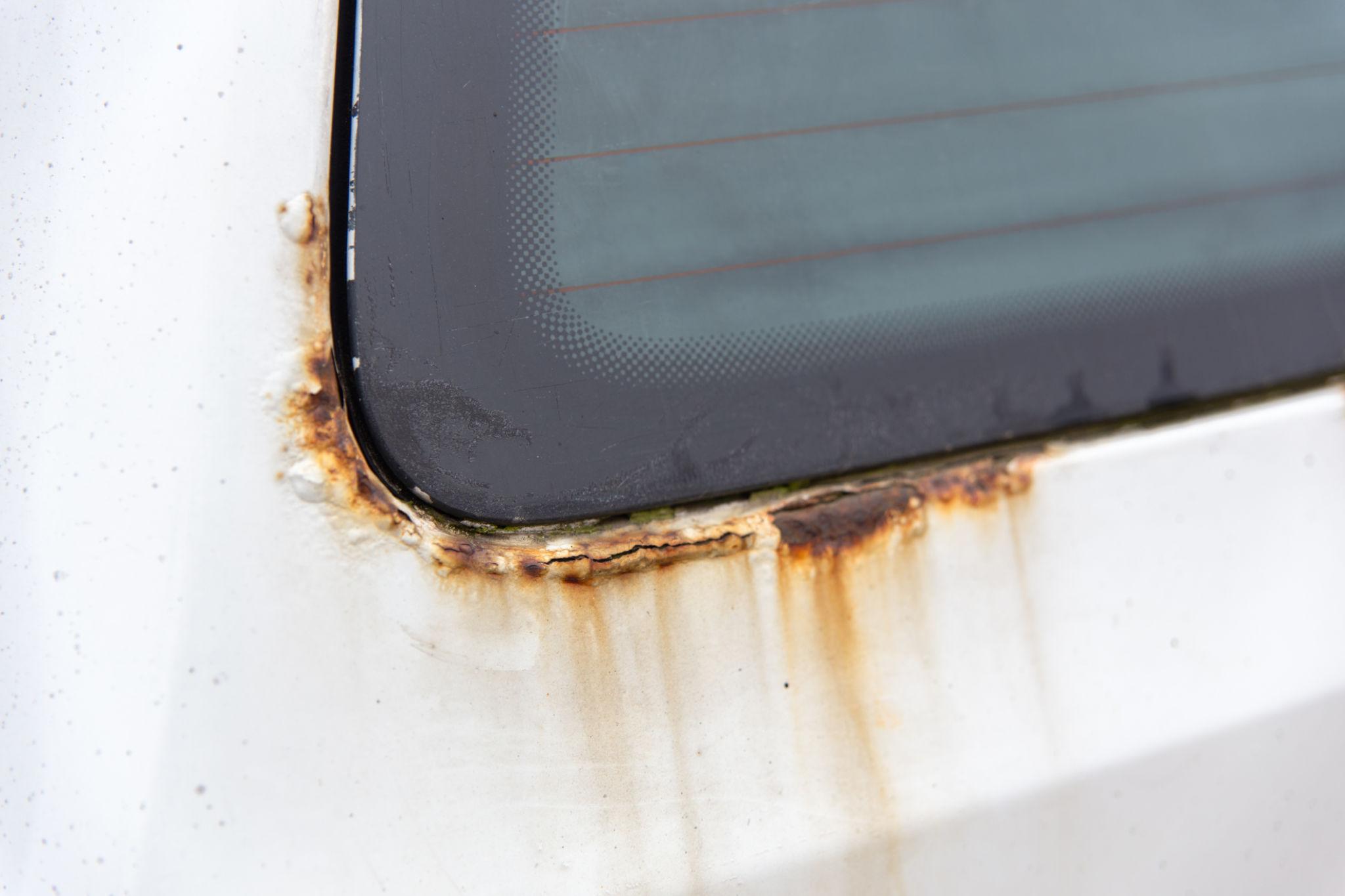
Rust rarely appears overnight in a way that catches a car owner’s attention. It often begins in hidden corners where moisture, road salt, dirt, and damaged paint allow corrosion to develop slowly. By the time a brown patch appears on the bodywork, the metal underneath may already have weakened.
Knowing where to look can help drivers identify early warning signs, protect their vehicle’s appearance, and avoid expensive repairs. From wheel arches to underbody panels, several areas deserve regular inspection. Understanding these overlooked spots makes routine car maintenance more effective and helps keep a vehicle safer, cleaner, and roadworthy for longer.
1. Wheel Arches and Fender Edges
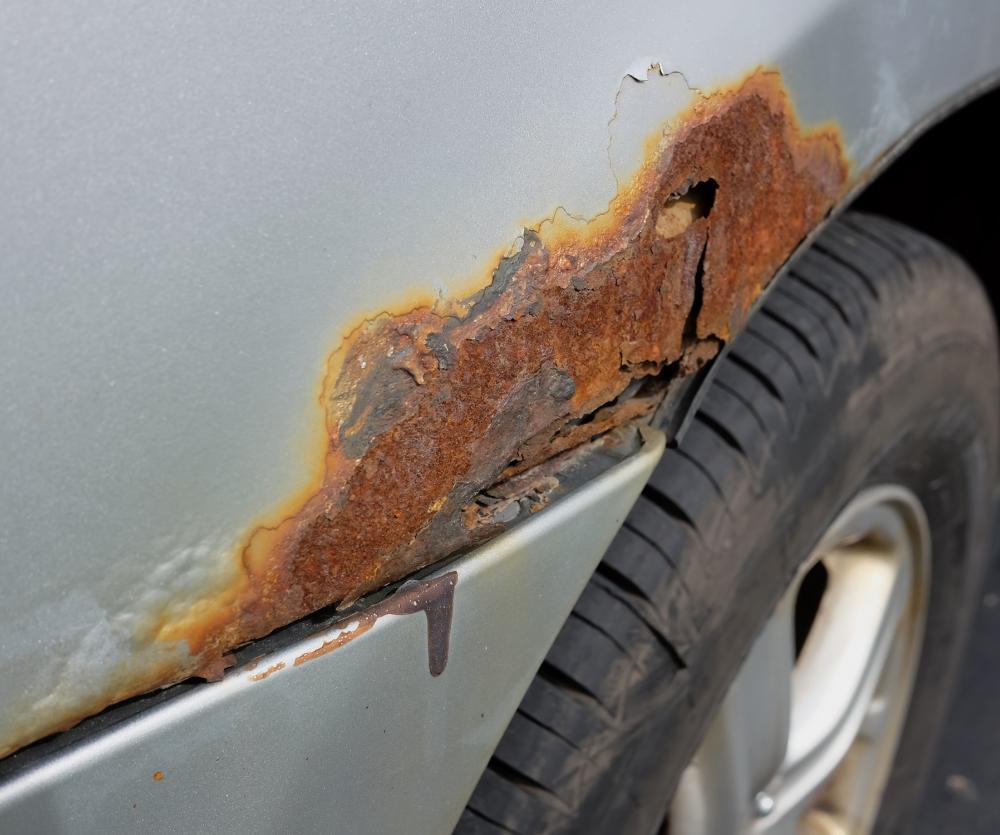
Wheel arches are among the most common places for rust to develop because they receive constant exposure to water, mud, road debris, and grit thrown up by rotating tyres.
The curved metal panels surrounding the wheels can collect dirt along their inner edges, creating damp pockets that remain wet long after the rest of the vehicle has dried. Small stones may also chip the protective paint, exposing bare metal to oxygen and moisture. These conditions allow corrosion to begin in places that are difficult to see during a normal walk around the car.
The outer lip of a wheel arch deserves particular attention. On many vehicles, this narrow edge contains folded metal seams where two surfaces meet.
Dirt and moisture can become trapped inside these joints, allowing rust to form beneath the paint. Early symptoms may include tiny bubbles, rough patches, or a thin brown line along the edge. Since the damage can begin on the inside of the panel, visible paint changes sometimes appear only after corrosion has already spread beneath the surface.
Rear wheel arches can be especially vulnerable on vehicles driven regularly through muddy roads, wet conditions, or areas where winter road salt is used. The rear tyres can throw debris into the surrounding bodywork, while the inner arch liners may conceal accumulated dirt.
A vehicle does not need to be old to develop this problem. Scratches, previous body repairs, poorly fitted liners, and neglected cleaning can increase the risk even on relatively new cars.
A practical inspection starts with parking the car on level ground, switching off the engine, and examining each wheel arch in good light. Look for blistered paint, flaking edges, uneven surfaces, and mud packed around the inner lip.
Turning the steering wheel can improve visibility around the front arches, provided the car remains stationary and safe to inspect. Never reach beneath a vehicle supported only by a jack. A qualified technician should examine areas that require access underneath the car.
2. The Underside of the Car
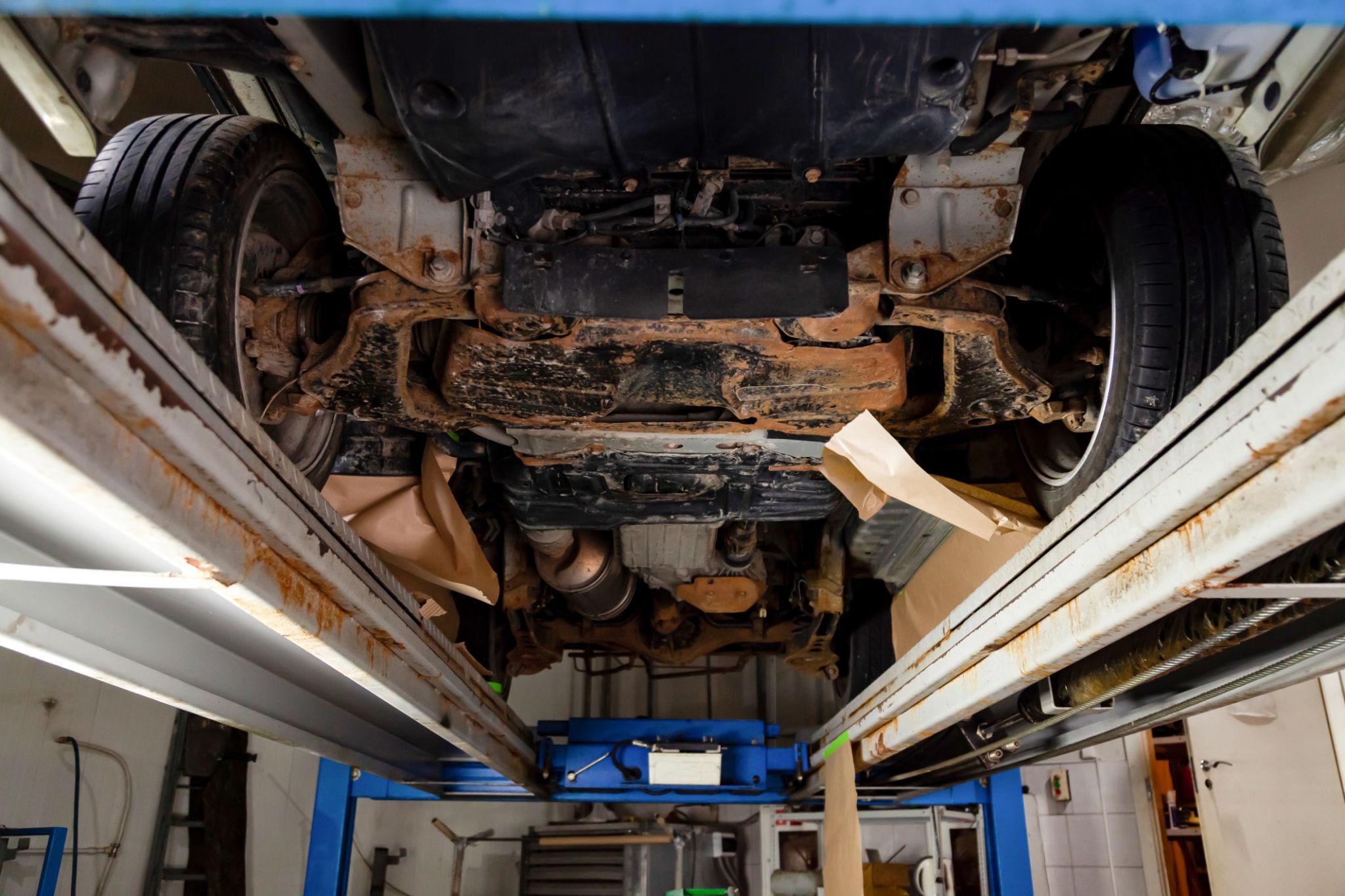
The underside of a car faces constant exposure to water, stones, dust, mud, and road chemicals. Since most of this area stays out of sight, rust can progress for months without attracting attention.
Floor panels, metal brackets, crossmembers, and exposed seams may all develop corrosion when their protective coatings become damaged. A car that looks spotless from above can still have significant rust underneath, making this area essential during regular servicing and used-car inspections.
Water can collect in shallow sections of the floor pan, particularly where dirt blocks drainage or where damaged underbody coverings allow debris to accumulate. Repeated exposure to moisture gradually affects unprotected metal.
Vehicles driven frequently on rough roads may experience additional coating damage from flying stones and gravel. In regions with heavy rainfall, persistent dampness can increase the time metal surfaces remain wet, creating favourable conditions for corrosion.
Not every rusty component underneath a car presents the same level of danger. Light surface rust on certain exposed parts may be manageable, while corrosion affecting structural sections, suspension mounting points, or load-bearing metal can compromise safety.
Brake pipes, fuel lines, and their mounting brackets also deserve careful attention. The seriousness depends on the component, the depth of corrosion, and whether the metal has lost strength, so a visual check alone may not provide a complete assessment.
Drivers can look for warning signs during routine maintenance, including flaking metal, reddish-brown deposits, peeling protective coatings, and unusual damage to underbody panels. Fresh fluid leaks, loose components, or visible holes warrant prompt professional inspection, even when rust does not appear extensive.
A workshop can raise the vehicle using suitable lifting equipment and inspect hidden areas safely. Avoid crawling underneath a car unless it is supported by properly rated equipment and secure stands.
Keeping the underbody clean helps reduce the accumulation of corrosive debris. After driving through muddy areas or roads treated with salt, rinse the underside when practical, paying attention to wheel wells and exposed seams.
Have damaged protective coatings repaired with products intended for automotive underbodies. Thick coatings should never be applied over active rust without preparation, since they can conceal deterioration and make future inspections more difficult.
3. Door Bottoms and Inner Door Seams
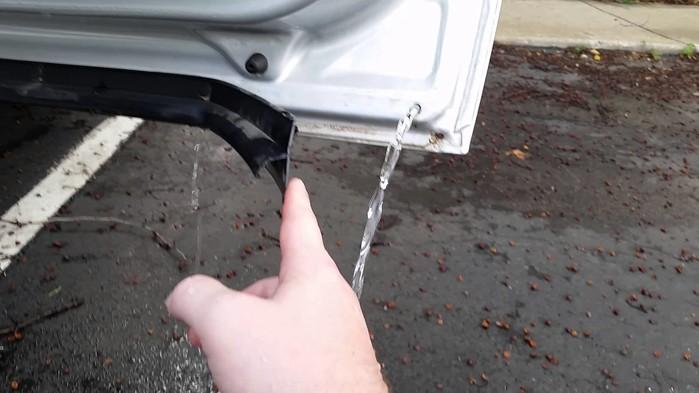
Car doors are designed to handle rainwater, but they rely on drainage openings to let that water escape. Small amounts of moisture can enter through the window seals during normal use, so doors generally include channels that direct water towards drain holes along the bottom edge.
When these openings become blocked by leaves, mud, or road dirt, water may remain inside the door cavity for extended periods, increasing the risk of corrosion in concealed metal sections.
The lower seam is particularly important because folded metal creates a narrow joint that can retain moisture and contaminants. Rust may begin inside this joint before appearing on the painted exterior.
A small blister near the bottom of a door can indicate that corrosion is developing beneath the finish. If the problem continues, paint may crack, metal may flake, and the affected section may eventually require more extensive bodywork than a simple surface repair.
Door edges can also suffer damage from repeated contact with kerbs, walls, neighbouring vehicles, and poorly fitted accessories. Even a small chip near the bottom corner can expose bare metal.
Once water reaches the damaged coating, corrosion can develop beneath nearby paint and spread beyond the original mark. Previous accident repairs may increase the risk if the seam sealer, primer, or paint was not restored correctly during the repair process.
A careful inspection should include the bottom edge of every door, the corners nearest the hinges, and the seams around the door skin. Look for bubbling paint, rusty water stains, swollen seam sealer, and clogged drainage openings.
If your vehicle has accessible drain holes, check that they are clear without pushing sharp tools deep into the door. Avoid removing interior door panels unless you know how to refit their clips, wiring connections, and moisture barriers correctly.
4. The Boot or Trunk Floor
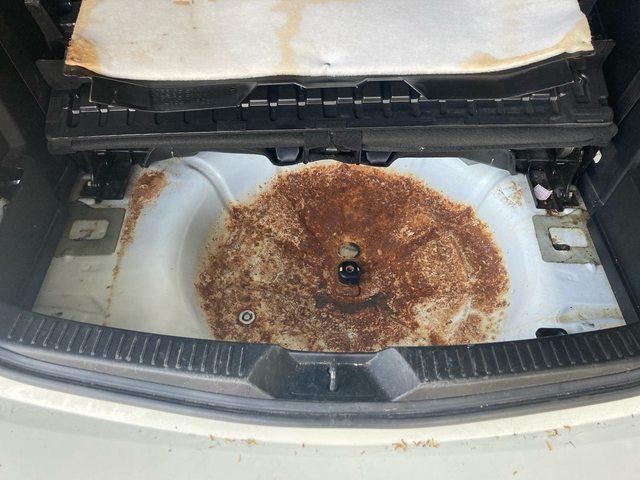
The boot floor can conceal corrosion beneath luggage, floor mats, tool kits, and spare tyres. Since these items cover the metal surface, a small leak may go unnoticed for weeks.
Rainwater can enter through damaged weatherstripping, faulty rear lights, loose body seals, or poorly fitted accessories. Once water settles beneath the boot lining, the enclosed space may remain damp long after the outside of the car has dried.
The spare-wheel well is particularly worth checking because its shape can allow water to collect in the lowest section. Some vehicles have a deep recess that retains moisture when drainage is poor. Condensation, wet luggage, and damp floor coverings can also contribute to the problem.
Rust may initially appear as faint orange staining beneath the spare tyre, later developing into rough patches or peeling paint if the area stays wet.
Rear body seams and the joints around the boot opening can also hide corrosion. These sections are exposed to rain, road spray, and repeated opening and closing of the tailgate or boot lid.
If a rubber seal becomes cracked, flattened, or displaced, water may pass into the luggage compartment. A previous collision repair can create further vulnerability when body seams or sealants have not been restored to a suitable standard.
To inspect the area, remove loose luggage and lift out the boot mat, removable floor panels, and spare tyre if the vehicle design permits.
Check the metal beneath these items for dampness, musty smells, discoloured fabric, and rusty patches. Feel the underside of removable carpeting for moisture, and examine the corners around the rear lights and body seams. If water repeatedly appears after rainfall, finding the entry point is just as important as treating the corrosion.
5. Under the Bonnet and Around the Battery
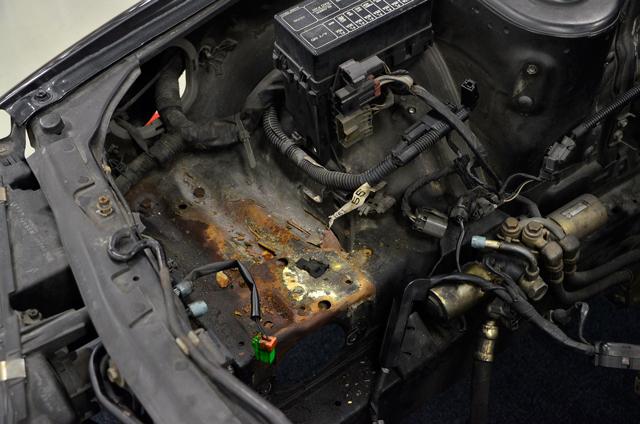
The engine bay contains several areas where moisture, heat, dirt, and chemical residue can affect metal surfaces. Battery trays, bonnet edges, inner wings, and seams around the front body structure can develop corrosion when protective paint becomes damaged.
These areas are easy to overlook because drivers tend to focus on fluid levels, engine performance, and dashboard warnings rather than the condition of painted metal surrounding mechanical components.
The battery tray deserves particular attention. Battery cases and terminals can become contaminated by dirt, moisture, or corrosive residue, while a damaged or leaking battery may expose nearby metal to acidic electrolyte.
Corrosion around the tray can gradually weaken its surface and mounting points. Battery-related damage should be handled carefully because automotive batteries contain hazardous substances, and incorrect handling can cause chemical burns, electrical shorts, or other injuries.
The underside of the bonnet can also conceal rust along folded edges and seams. Condensation, trapped grime, and damaged paint near the bonnet latch may create conditions for corrosion.
Water can enter the engine compartment during rain or washing, and its normal drainage paths may carry dirt towards seams and corners. If those areas are already scratched or poorly repaired, the protective finish may no longer provide adequate resistance.
During a basic inspection, look at the visible metal surrounding the battery, bonnet latch, inner wings, and accessible seams. Watch for flaky paint, powdery deposits, swollen coatings, or brown staining around fasteners.
Do not disconnect battery terminals or disturb electrical components unless you understand the correct procedure for your vehicle. If the battery appears swollen, damaged, or leaking, avoid direct contact and arrange professional assistance promptly.
6. Windscreen Edges and Window Frames
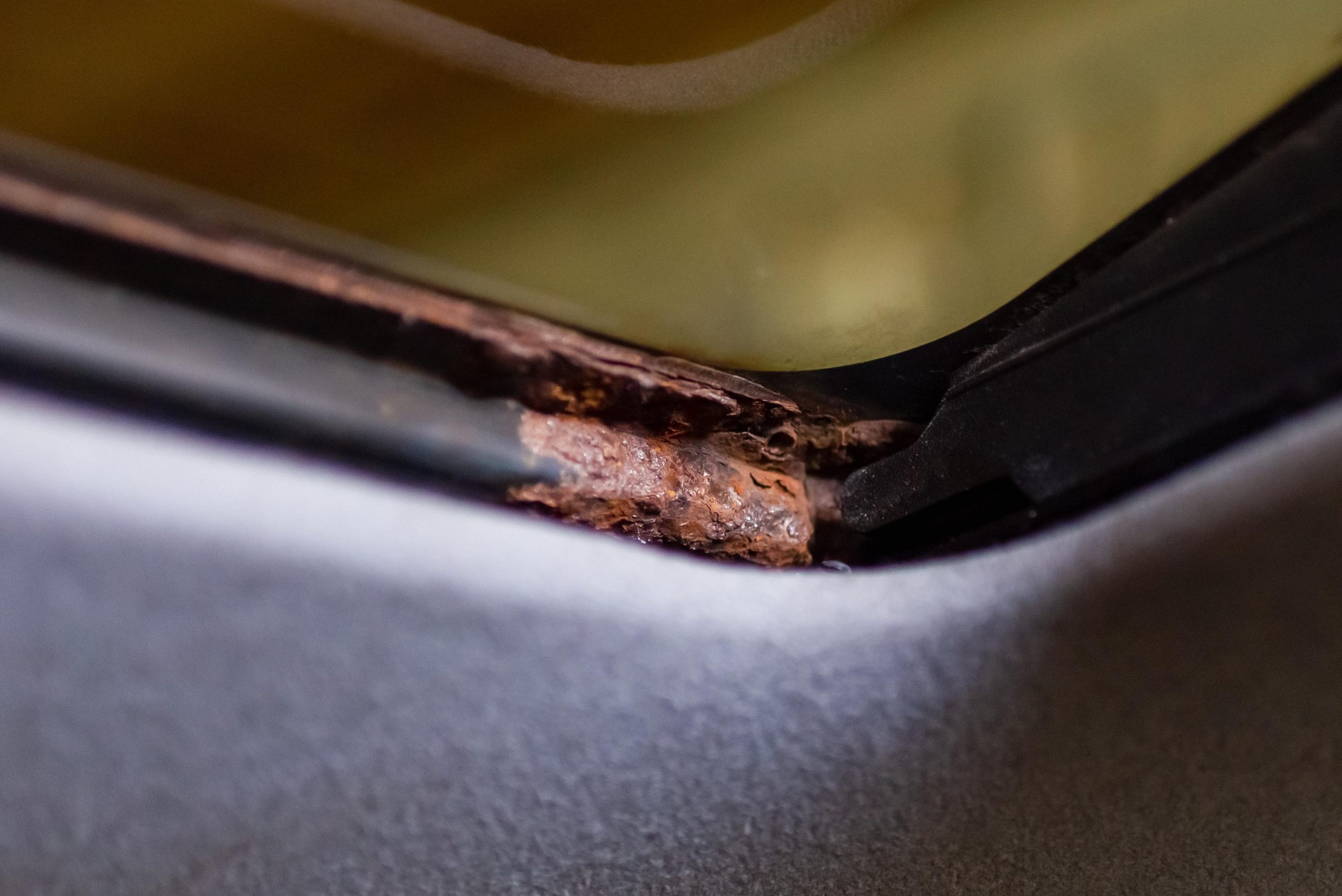
Windscreen edges can hide corrosion beneath the glass, rubber trim, or bonding adhesive. Since much of the metal sits behind a narrow border, early damage may remain invisible from the driver’s seat.
Rust can develop when paint is scratched during glass replacement, when previous repairs are carried out poorly, or when moisture repeatedly enters a damaged seal. The first visible sign may be a small paint bubble near a windscreen corner.
The lower edge of the windscreen deserves special attention because leaves, dust, and other debris can collect around the scuttle panel beneath the glass. When drainage channels become blocked, water may remain near the metal for longer than intended.
This moisture can reach seams and damaged paint, encouraging corrosion. In severe cases, deterioration may extend into areas used to bond the windscreen to the body, which can affect the integrity of the installation.
Window frames and the edges around rear glass can develop similar problems. Door window channels collect dust and moisture, while the lower edges of metal frames may have narrow seams that are difficult to clean thoroughly.
Vehicles fitted with aftermarket window films, replacement glass, or additional trim may also develop problems if installation damages the finish or interferes with drainage. The key concern is not the presence of water alone, but water combined with damaged protection and vulnerable metal.
Inspect the visible borders of the windscreen, side windows, and rear glass for paint bubbles, brown streaks, cracked sealant, or unusual gaps. Pay attention to recurring dampness inside the cabin, water marks near the dashboard, and moisture around the roof lining.
These symptoms can indicate a leak, though other causes are possible. A glass specialist or body repair professional can remove the necessary trim and determine whether the metal beneath it has started to corrode.
7. Rocker Panels and Sills Beneath the Doors
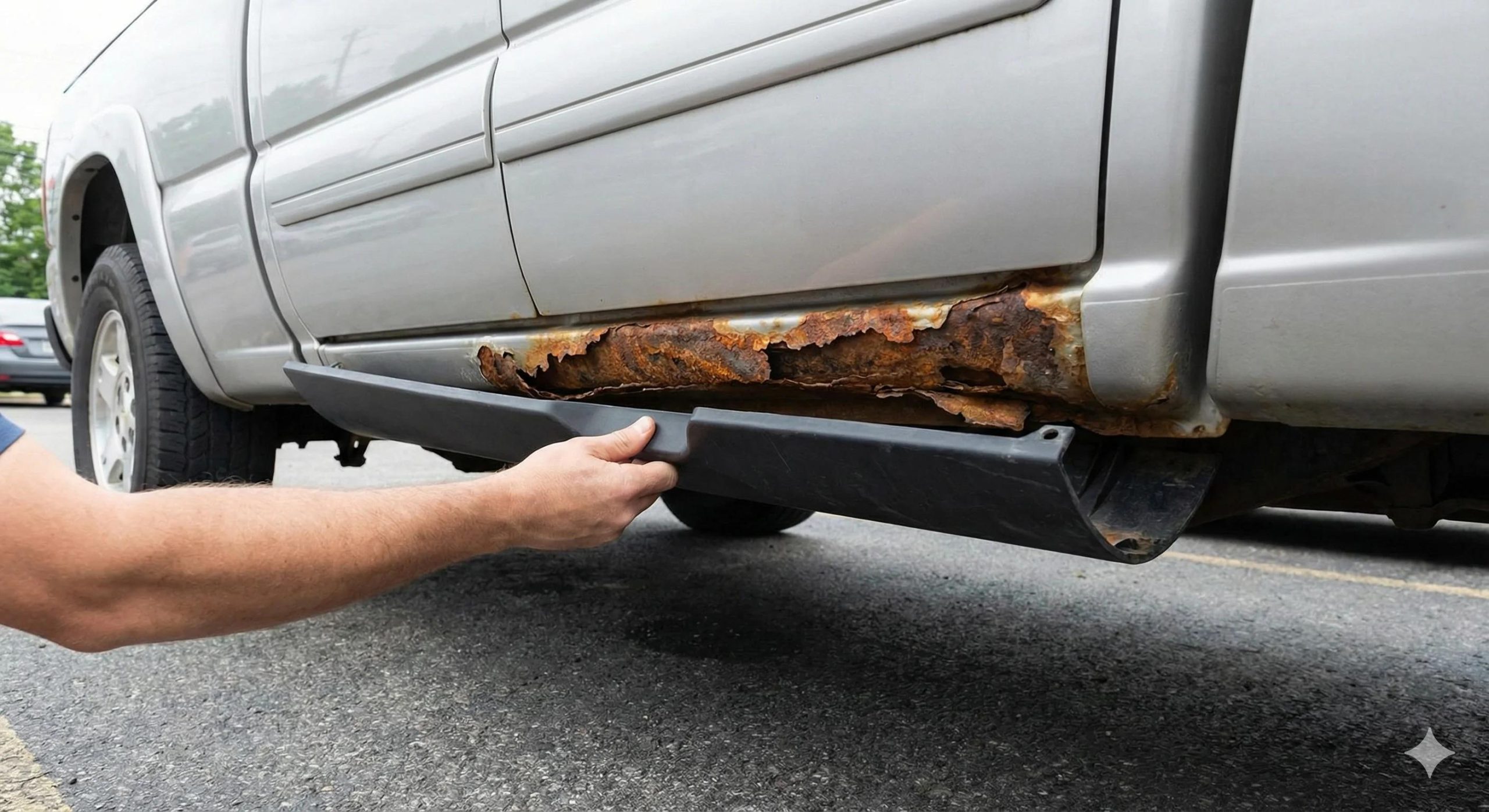
Rocker panels, commonly called side sills, run along the lower sides of a car beneath the doors. These panels are exposed to road spray, stones, mud, and water thrown up by the tyres.
Their low position makes them particularly vulnerable to impact damage, while their internal cavities may contain seams and drainage openings that are difficult to inspect. Corrosion can develop internally before any obvious damage appears on the exterior paint.
Plastic sill covers and decorative side skirts can make the problem harder to spot. These accessories may conceal scratches, trapped dirt, or rust bubbles that would otherwise be visible during a routine walk around the vehicle.
If moisture and debris collect between a cover and the metal panel, corrosion may continue unnoticed. A loose or damaged cover can also allow additional grit to enter, particularly when the vehicle is regularly driven on wet or unpaved roads.
Jacking points located near the sills deserve careful attention as well. These reinforced areas are designed to support the vehicle when the correct lifting equipment is used at the specified locations. Incorrect jacking can crush protective coatings or deform metal seams, creating openings where water can enter.
If corrosion develops around a jacking point, the metal may become less capable of safely supporting the vehicle, making professional inspection particularly important.
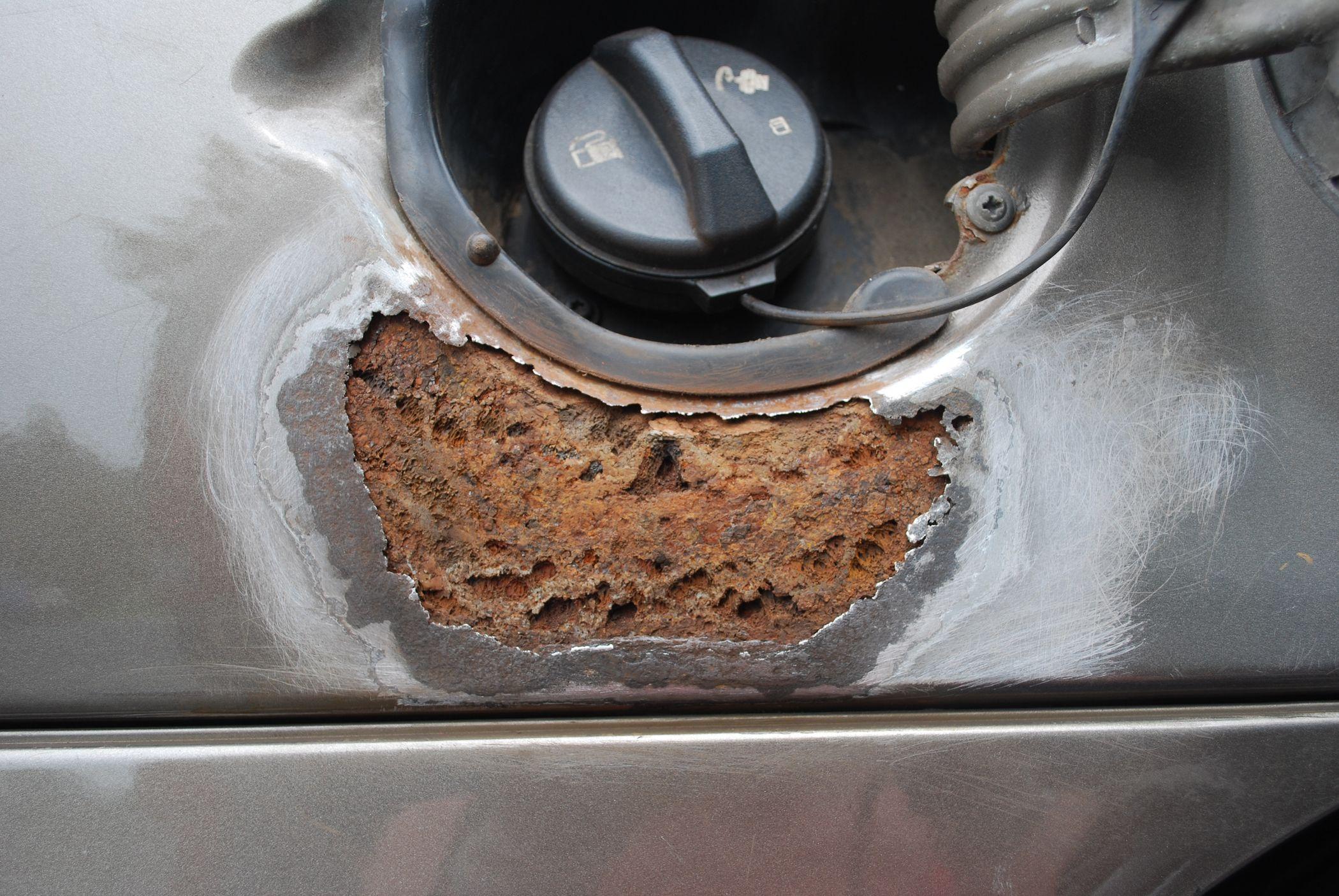
8. Fuel Filler Door and Surrounding Metal
The fuel filler area is a small section of the bodywork that often receives little attention during routine cleaning. Water, dust, and road grime can accumulate beneath the fuel flap, especially around the hinge, recessed opening, and surrounding seams.
Because this area is partly sheltered, dirt can remain trapped for long periods. Small scratches caused by fuel nozzles, cleaning tools, or everyday contact may expose the metal and allow corrosion to begin.
The recessed panel around the fuel cap can contain narrow edges where moisture collects. If the surrounding paint is damaged, rust may form beneath the coating and spread towards the outer body panel.
In some vehicle designs, the filler area also includes drainage features intended to carry water away from the opening. When dirt blocks these paths, moisture can linger around the metal and contribute to paint deterioration.
The fuel flap hinge and its mounting points are worth checking because repeated opening and closing can wear the finish around moving parts. A bent flap, loose hinge, or damaged seal may allow additional dirt and water to reach vulnerable surfaces.
Previous bodywork near the rear quarter panel can also leave this area more susceptible to corrosion if the original protective coatings and seam sealers were not restored properly.
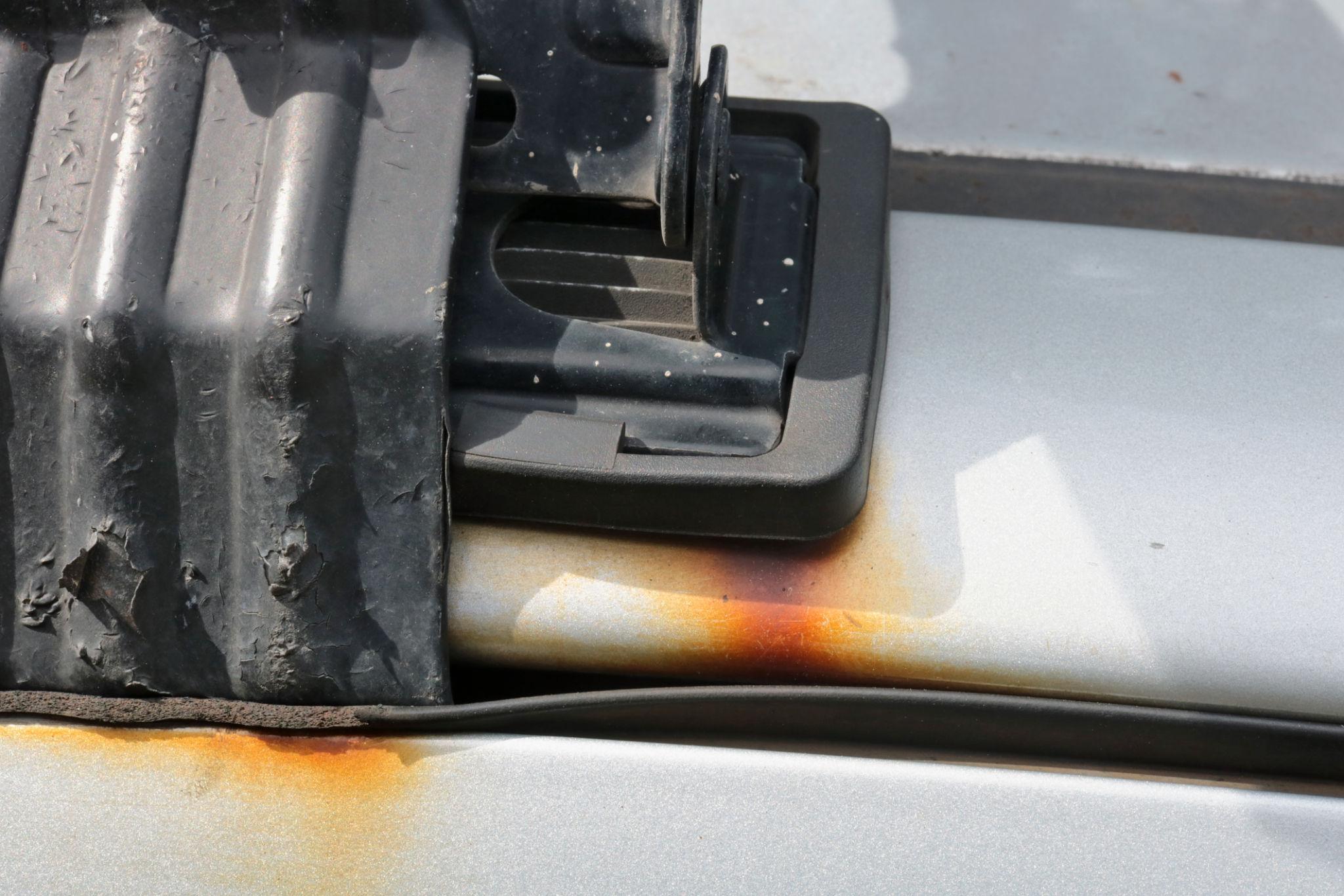
9. Roof Edges, Roof Rails, and Antenna Bases
The roof may appear less vulnerable to rust than the lower bodywork, yet its edges and fittings can trap moisture in concealed joints. Roof rails, antenna bases, roof racks, and the seams above the doors create openings or mounting points where protective paint may be damaged.
Rainwater can travel along these joints and remain around fasteners, particularly when dirt accumulates. Corrosion may start beneath a fitting long before a brown mark becomes visible on the roof.
Roof rails and aftermarket racks deserve extra attention because their mounting hardware can place pressure on the surrounding finish. Incorrect installation, loose fasteners, or worn sealing washers may allow water to enter around mounting holes.
Scratches created during installation can expose bare metal, while unsuitable sealants may fail to provide lasting protection. On vehicles fitted with factory roof rails, damaged mounting covers or deteriorated seals can create similar concerns.
Antenna bases and other roof-mounted accessories can develop corrosion where their gaskets meet the painted panel. Water may enter through an ageing seal, reach the mounting hardware, and remain trapped around the opening.
If the fitting is disturbed during an accessory replacement, the protective coating may be scratched. Interior signs such as a damp headliner, water stains near an overhead light, or unexplained moisture around roof trim may point towards a leak.
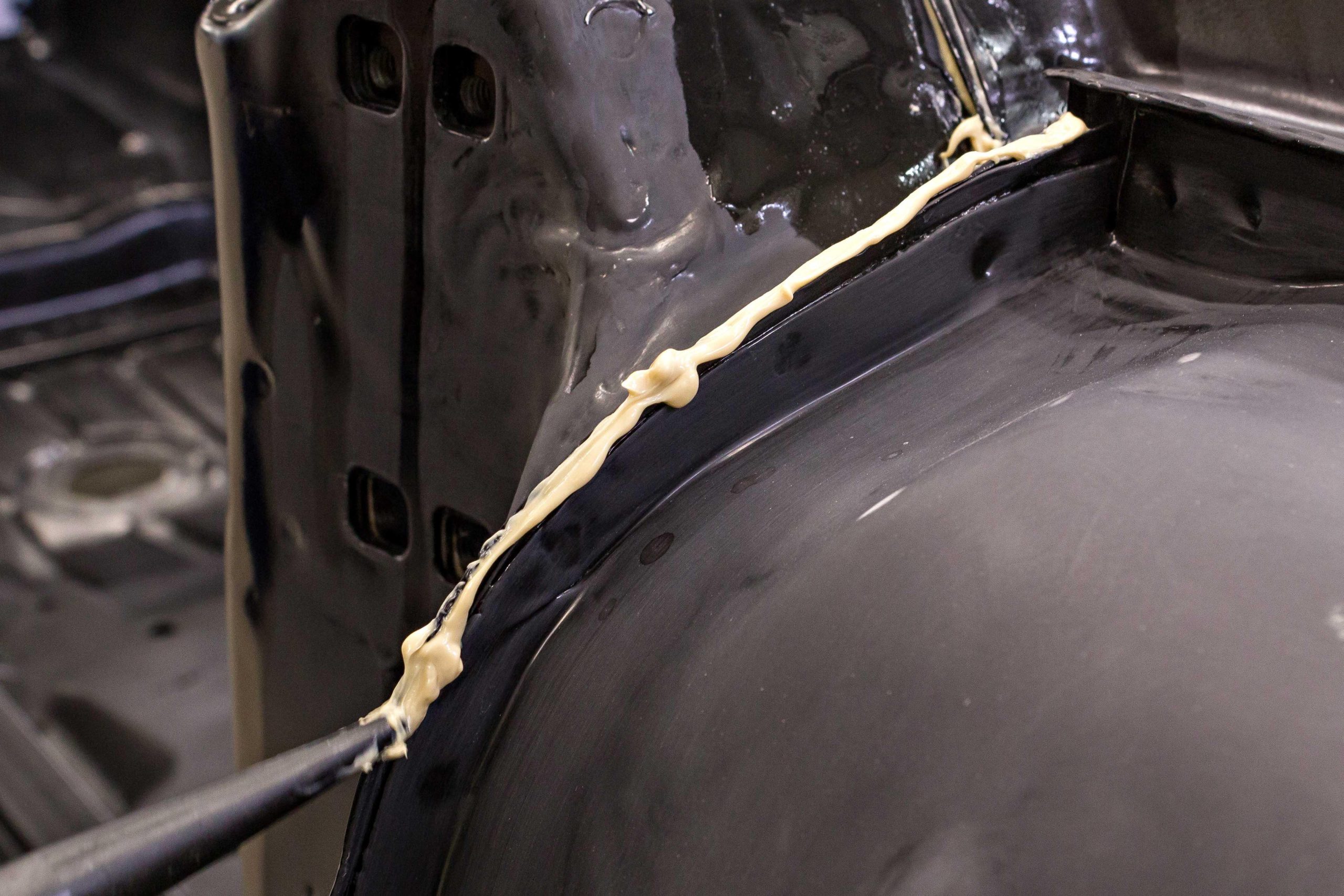
10. Hidden Seams, Welded Joints, and Body Panel Overlaps
Body panels are joined together using methods that create seams, folds, spot welds, and overlapping metal surfaces. These joints are essential to vehicle construction, but their narrow gaps can retain dirt and moisture when protective coatings deteriorate.
Rust may start deep within a seam and travel outward beneath the paint. A thin brown line or a series of tiny bubbles can therefore signal a more extensive problem than the surface appearance suggests.
Seam sealer helps prevent moisture from entering vulnerable joints, while primer and paint protect exposed metal from the environment. If these layers crack, peel, or become damaged during repairs, water may reach the underlying steel.
Age, vibration, minor collisions, and repeated exposure to changing temperatures can contribute to coating deterioration. Corrosion may progress unnoticed where panels overlap, particularly in areas that cannot be inspected without removing trim or lifting the vehicle.
Previous accident repairs can influence how well these joints resist rust. If replacement panels were fitted without proper corrosion protection, or if the original seam sealer was not restored, moisture may enter through small gaps.
Poorly prepared filler, mismatched coatings, and paint applied over existing corrosion can also hide the early stages of deterioration. These problems are not always obvious to an untrained observer, which makes repair history relevant when assessing a used vehicle.