
Rubber components play an important role in keeping a car safe, comfortable, and reliable. From sealing engine fluids to absorbing road vibrations, these parts work continuously under changing temperatures, pressure, and mechanical stress. As a vehicle ages, rubber can lose its flexibility, develop cracks, harden, or begin to leak.
These changes may start gradually, making them difficult to notice during everyday driving. Understanding which rubber components are most likely to fail helps car owners recognize warning signs early, plan maintenance, and avoid expensive repairs. Regular inspections can also improve vehicle performance and extend its service life.
1. Engine Hoses
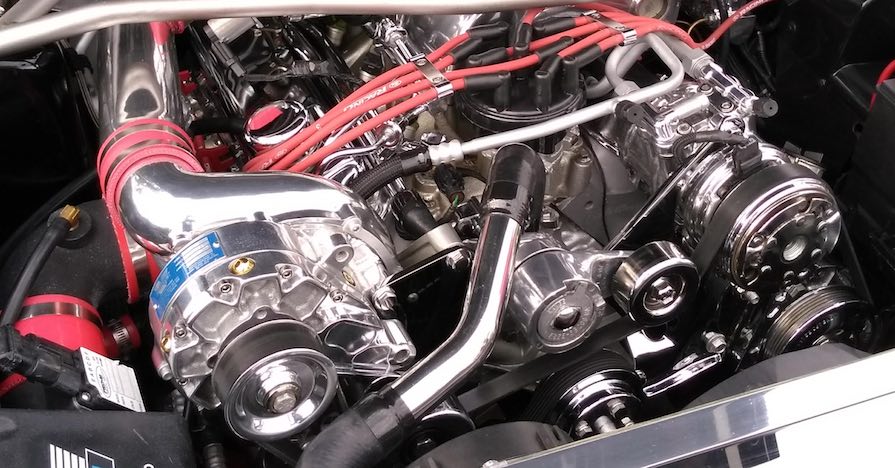
Engine hoses carry coolant, oil, vacuum, and other fluids or gases through different parts of a vehicle. Cooling system hoses are particularly exposed to high temperatures because they transport coolant between the engine and radiator.
Over time, repeated heating and cooling can weaken the rubber, making it less flexible and more vulnerable to damage. Engine movement, pressure changes, and contact with nearby components can add further stress.
Aging hoses may develop small cracks, swollen sections, soft spots, or unusually hard surfaces. These changes can indicate that the rubber is losing its ability to withstand normal operating conditions.
A hose may also become brittle near its connections, where clamps place pressure on the material. In some cases, damage remains hidden beneath the surface, so a visual inspection alone may not reveal the full extent of wear.
Coolant hose failure can cause coolant to escape, leading to overheating and potentially serious engine damage. Drivers may notice a sweet smell, visible steam, coolant puddles, or a temperature gauge that rises above its usual position.
Oil hoses can also leak, creating additional risks depending on their location and the amount of fluid lost. Any unexplained fluid loss deserves prompt attention rather than repeated topping up without identifying the cause.
Regular inspection helps identify worn hoses before they fail completely. With the engine switched off and fully cooled, check accessible hoses for cracks, bulges, leaks, loose connections, and damaged clamps.
Never remove a radiator cap while the cooling system is hot, because pressurized coolant can cause severe burns. If a hose feels unusually soft, brittle, or swollen, have it assessed by a qualified mechanic instead of waiting for a breakdown.
Replacing hoses at the appropriate time is generally more dependable than relying on appearance alone. The correct replacement must match the vehicle’s specifications, operating temperature, pressure requirements, and intended fluid.
A mechanic may recommend replacing related hoses together when several components show similar deterioration. Proper routing and secure clamps are equally important because a new hose can suffer premature damage if it rubs against a sharp edge or sits too close to a hot surface.
2. Serpentine Belts and Accessory Drive Belts
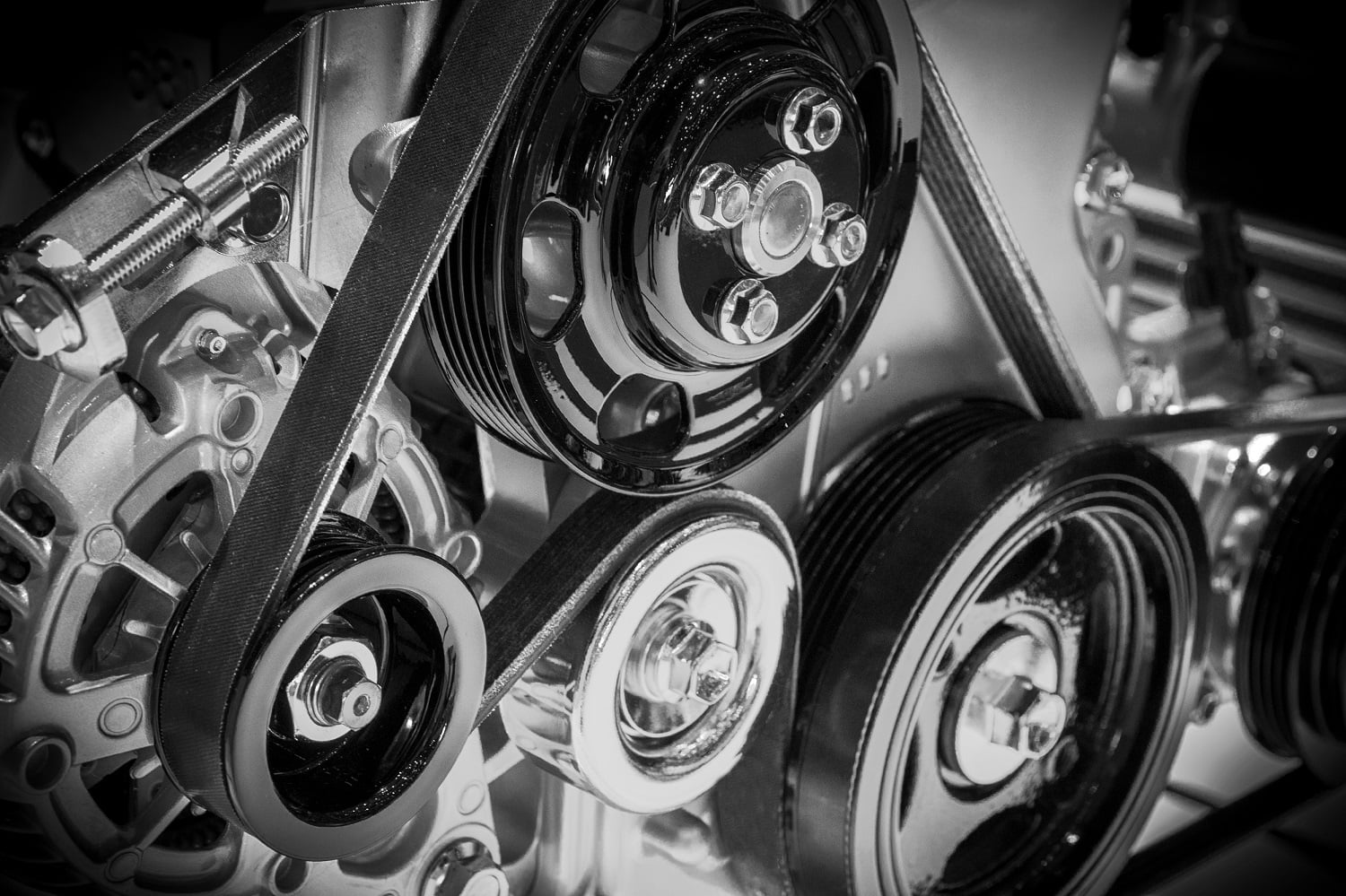
Serpentine belts and accessory drive belts transfer power from the engine to components such as the alternator, air conditioning compressor, and, on some vehicles, the water pump or power steering pump.
Many modern belts are made from reinforced rubber compounds designed to tolerate heat, bending, and continuous movement. These materials are durable, but they still deteriorate through age, friction, contamination, and repeated exposure to demanding operating conditions.
As a belt wears, its rubber can harden, crack, glaze, or lose sections from its ribbed surface. A belt may also stretch or become damaged by oil and coolant leaks.
Some newer belt designs resist visible cracking for much of their service life, so the absence of obvious cracks does not automatically mean the belt is healthy. Inspection should include the ribs, edges, condition, and the tensioning system.
A failing belt can produce squealing or chirping noises, particularly during cold starts, wet weather, or sudden changes in accessory load. Depending on the belt arrangement, failure may interrupt battery charging, air conditioning, power steering assistance, or coolant circulation.
If the belt drives the water pump, continued driving after a failure can cause rapid overheating. A battery warning light or sudden change in steering effort may also signal a belt-related problem.
Belt problems sometimes originate in components other than the rubber itself. A worn tensioner, damaged pulley bearing, misaligned accessory, or seized component can cause a new belt to wear prematurely.
For this reason, replacing the belt without checking the surrounding hardware may only provide a temporary solution. A mechanic should inspect the full drive system, including pulley alignment and tension, when investigating unusual noises or visible damage.
Follow the replacement interval specified by the vehicle manufacturer and have the belt checked during routine servicing. If it has become contaminated with oil or coolant, the source of the leak should be corrected before installing a replacement.
Use a belt with the correct dimensions and construction rather than selecting a substitute based only on appearance. Never place fingers near a moving belt or pulley, even when attempting to locate a noise.
3. Suspension Bushings
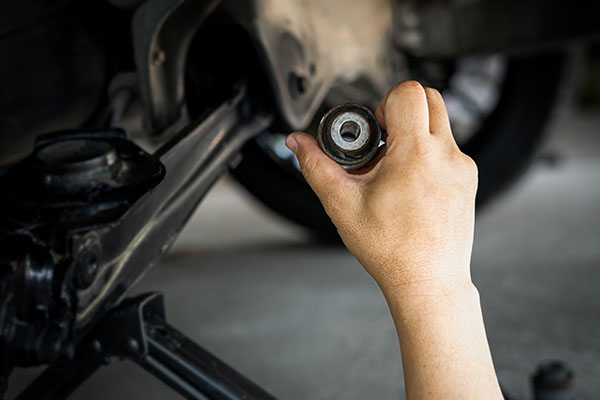
Suspension bushings are rubber or rubber-like components fitted between moving suspension parts and the vehicle’s frame. They help control movement, absorb vibration, and reduce the transmission of road noise into the cabin.
Bushings are commonly found around control arms, stabilizer bars, and other suspension mounting points. Their design allows a degree of controlled flexibility while keeping wheels and suspension components positioned correctly during braking, cornering, and travel over uneven roads.
Repeated suspension movement gradually stresses the rubber. Heat, moisture, road salt, oil contamination, and age can accelerate deterioration. The material may harden, split, separate from its metal sleeve, or deform under load.
In some designs, the rubber is bonded to metal, meaning a failed bond can allow excessive movement even when the outer surface does not appear severely damaged. Worn bushings can therefore be difficult to diagnose without a proper inspection.
Common symptoms include knocking sounds over bumps, increased vibration, vague steering, and uneven tire wear. The vehicle may also feel less stable during cornering or seem to shift slightly when braking or accelerating.
These signs are not exclusive to bushings, since worn ball joints, wheel bearings, tires, and other suspension parts can produce similar symptoms. A professional assessment helps distinguish the cause and prevents unnecessary replacement of unrelated components.
Damaged bushings can affect wheel alignment and allow suspension parts to move beyond their intended range. This can increase stress on tires and neighboring components, potentially making the vehicle less predictable during emergency maneuvers.
The effect varies with the location and severity of the damage. A small amount of age-related surface cracking may not require immediate replacement, but excessive movement, separation, or a clear change in handling should be investigated promptly.
4. Engine Mounts
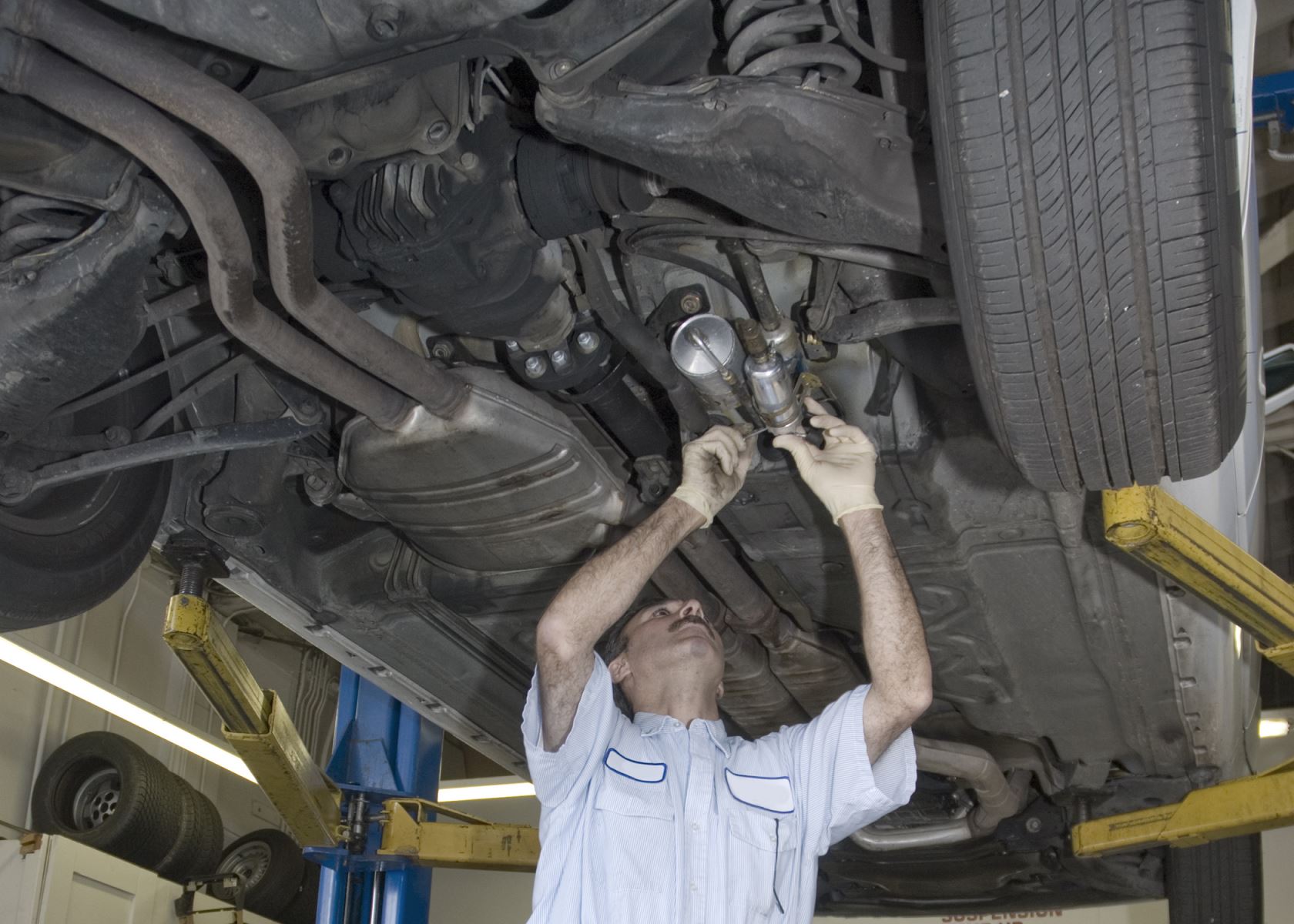
Engine mounts secure the engine and, in many vehicles, help support the transmission while limiting unwanted movement. Traditional mounts often use rubber between metal brackets to absorb vibration and accommodate the engine’s natural motion.
Other designs use hydraulic fluid or electronically controlled mechanisms alongside rubber elements. These parts must withstand engine torque, temperature changes, and continuous vibration, which makes deterioration a common concern as a vehicle accumulates years and mileage.
Rubber in an engine mount can harden, crack, tear, or separate from its metal housing. Hydraulic mounts may also leak fluid when their internal structure fails.
The deterioration may develop gradually, so drivers can become accustomed to increasing vibration without realizing that the mount is no longer working correctly. Oil leaks from nearby engine components can further weaken certain rubber compounds, making prompt repair of fluid leaks important.
Excessive vibration at idle is a frequent warning sign, particularly when the engine is running in gear while the vehicle is stationary. Drivers may also notice a clunk when shifting between drive and reverse, accelerating, or releasing the throttle.
In severe cases, the engine can move more than intended under load. These symptoms can also result from ignition problems, uneven engine operation, or transmission faults, so diagnosis should consider the entire powertrain.
A failed engine mount may place additional strain on exhaust connections, hoses, wiring, and other nearby components. Excessive movement can also affect drivetrain alignment and create noises that become more noticeable during acceleration.
The level of risk depends on the mount’s position, the vehicle’s design, and the extent of failure. A visibly separated mount or sudden increase in engine movement should be checked quickly rather than treated as a minor comfort issue.
5. Door, Window, and Trunk Weatherstripping
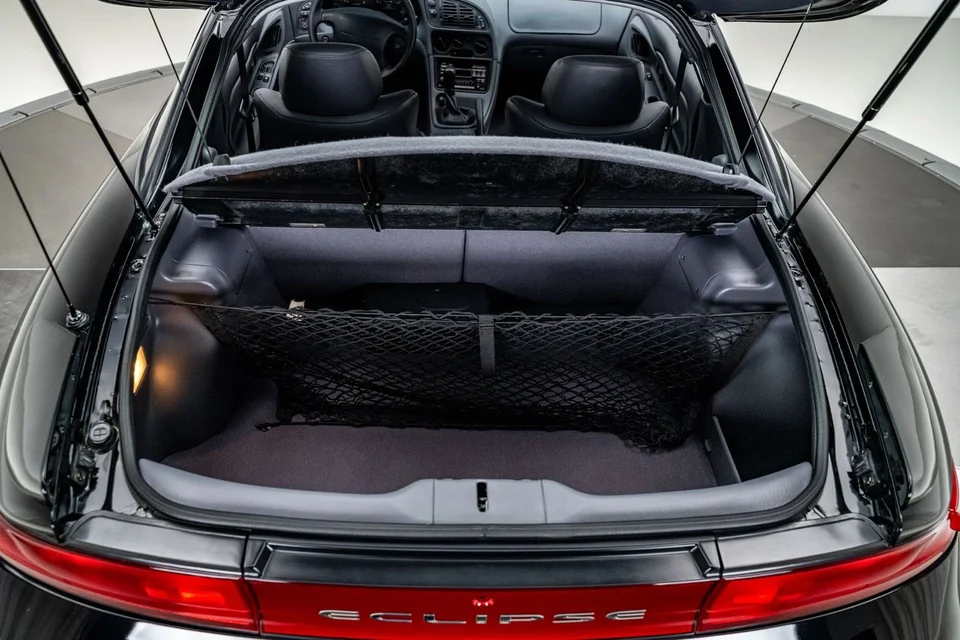
Weatherstripping consists of rubber seals fitted around doors, windows, sunroofs, and trunk openings. These seals prevent rainwater, dust, and outside air from entering the cabin while helping reduce wind noise.
They also cushion contact between adjoining surfaces and protect painted areas from direct friction. Since these parts are exposed to sunlight, rain, dirt, and temperature changes, they can gradually lose the flexibility needed to maintain a tight seal.
Ultraviolet radiation from sunlight can break down rubber over time, especially when a vehicle spends long periods parked outdoors. Heat may accelerate hardening, while repeated opening and closing can compress the seals and reduce their ability to return to their original shape.
Dust and debris trapped between the rubber and bodywork can increase friction. In cold weather, moisture may also cause seals to stick to painted surfaces or glass.
The first signs of deteriorating weatherstripping often include wind noise at highway speeds, damp carpets after rainfall, or water collecting inside the trunk.
Drivers may also notice that doors close differently or that the cabin becomes harder to keep at a comfortable temperature. A musty smell can develop when moisture remains trapped beneath floor coverings. Since water can enter through several different routes, a careful inspection is necessary before replacing seals.
Damaged weatherstripping can lead to more than an uncomfortable cabin. Persistent moisture may encourage corrosion in concealed metal areas, damage interior trim, and affect electrical connectors located near the floor or trunk.
Water entering through a window seal may also collect inside a door if the drainage system is blocked. Identifying the entry point early can help prevent more extensive repairs, particularly in vehicles exposed to heavy rain or frequent washing.
6. Radiator and Fuel System Rubber Hoses
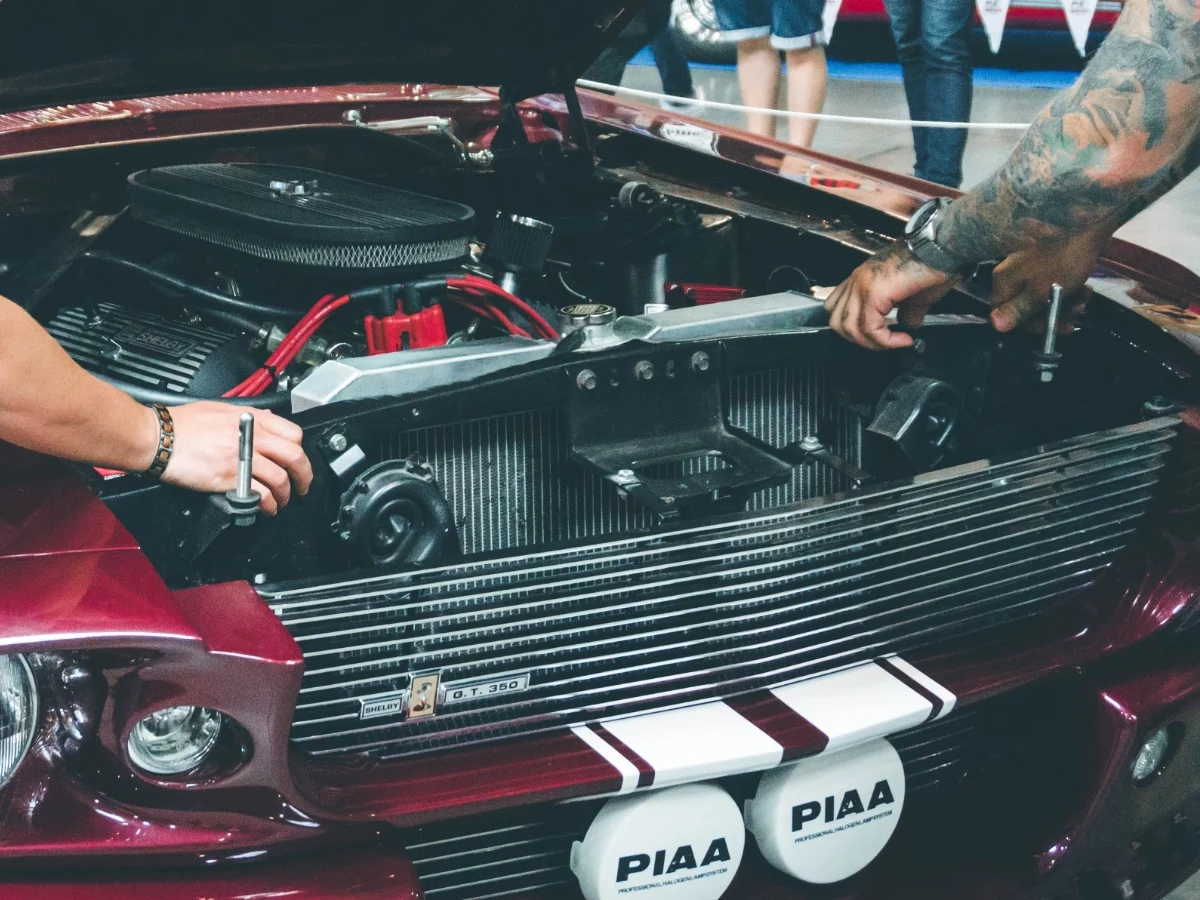
Radiator hoses and fuel system hoses serve different purposes, but both rely on materials suited to their specific operating conditions. Radiator hoses carry hot coolant under changing pressure, while fuel hoses transport petrol or diesel through designated parts of the fuel system.
The rubber compounds used in these applications are not interchangeable. Each hose must resist the fluid it carries, the temperatures it encounters, and the pressure levels specified by the vehicle manufacturer.
Coolant hoses experience repeated heating and cooling as the engine starts, reaches operating temperature, and shuts down. Over time, this cycle can weaken the hose material, especially when the cooling system has not been maintained properly.
Incorrect coolant mixtures, contamination, and excessive engine temperatures may contribute to deterioration. Fuel hoses face different challenges, including chemical exposure and, in some systems, increased pressure requirements. The correct hose construction is essential for both applications.
Signs of radiator hose deterioration include coolant residue around connections, swollen rubber, visible cracks, or a persistent loss of coolant. Fuel hose problems may produce a fuel smell, damp areas near connections, or visible leakage.
Fuel leaks require urgent attention because petrol and diesel can create fire hazards and expose occupants to harmful vapors. If a strong fuel smell or active leak is detected, switch off the engine, avoid ignition sources, and arrange professional assistance rather than continuing to drive.
The consequences of hose failure depend on the system involved. A burst radiator hose can release hot coolant and cause engine overheating, while a damaged fuel hose can interrupt fuel delivery or allow combustible fluid to escape.
Modern fuel systems may operate at high pressures, so attempting to loosen connections or investigate a suspected leak without the correct equipment can be dangerous. Repairs should follow the manufacturer’s procedures, particularly where direct fuel injection or pressurized fuel lines are involved.
7. CV Joint Boots
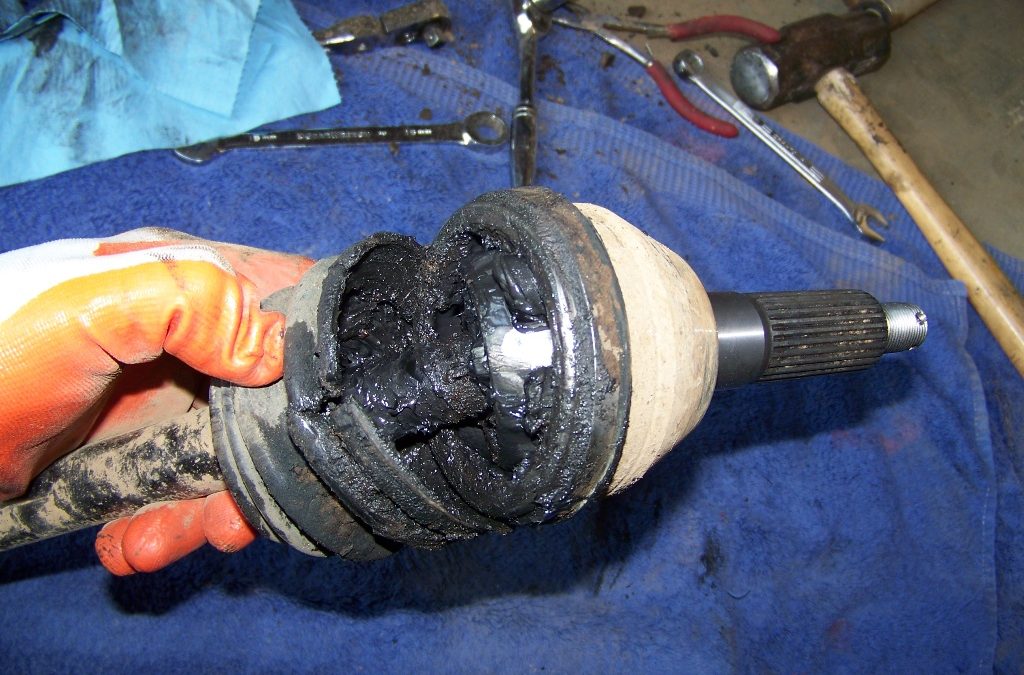
Constant velocity (CV) joint boots are flexible rubber or synthetic covers fitted around the joints of many front-wheel-drive and all-wheel-drive vehicles.
They protect the joint’s moving surfaces by keeping grease inside and preventing water, grit, and road debris from entering. CV joints allow power to reach the wheels while accommodating suspension movement and steering angles. The protective boot is a relatively small component, yet its condition directly affects the service life of the joint it covers.
The boots repeatedly flex as the suspension moves and, in many cases, as the front wheels turn. Heat, age, road debris, and contact with sharp objects can gradually weaken the material.
A boot may develop small splits in its folds before a larger tear becomes visible. Clamps at either end can also loosen or fail, allowing grease to escape. Because the boot sits near moving drivetrain parts, correct positioning and secure fastening are important.
Grease splattered across the inside of a wheel, suspension parts, or nearby bodywork is a common sign of a damaged CV boot. A torn boot may also allow dirt and water to reach the joint, contaminating the lubricant.
Some drivers notice clicking sounds while turning, particularly during tight, low-speed maneuvers. Such noise can indicate internal joint wear, but a mechanic should inspect the drivetrain before confirming the source.
Driving for an extended period with a damaged boot can turn a relatively limited repair into a more expensive one. Once contamination damages the CV joint’s internal surfaces, fitting a new boot alone may no longer solve the problem.
A badly worn joint can produce persistent noise, vibration, or loss of smooth power delivery. Severe drivetrain damage can compromise vehicle operation, so unusual clicking sounds or a visibly split boot should be assessed promptly.
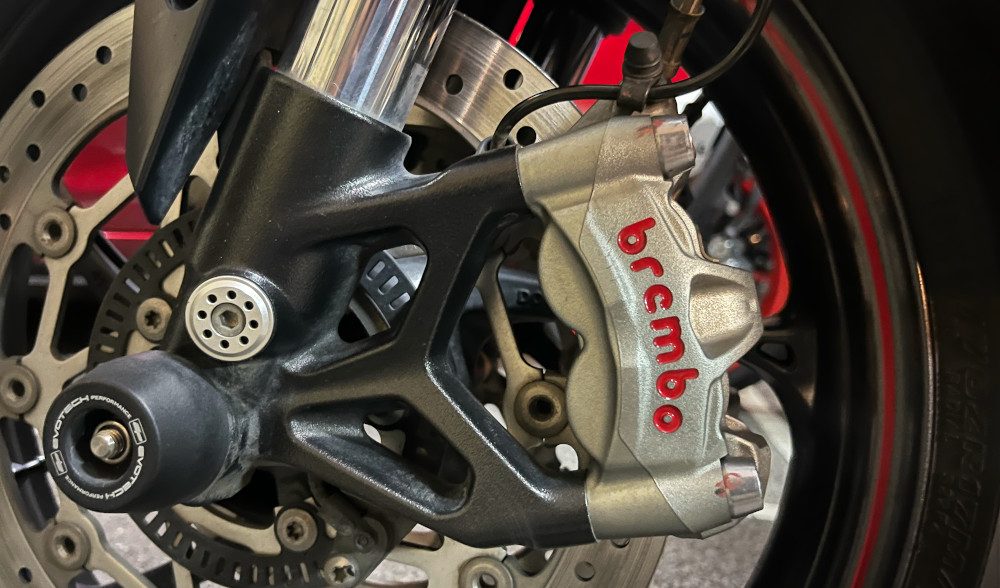
8. Brake System Rubber Components
Rubber and rubber-like materials are used in several parts of a vehicle’s braking system, including flexible brake hoses, seals, and certain internal components.
Flexible brake hoses connect rigid brake lines to moving suspension or wheel assemblies, allowing the wheels to travel without placing excessive strain on the hydraulic lines. These hoses must withstand hydraulic pressure, environmental exposure, and repeated flexing while maintaining a dependable seal.
As a vehicle ages, brake hoses may develop surface cracking, corrosion at their fittings, swelling, or internal deterioration. Damage can occur through exposure to road debris, chemicals, heat, and repeated movement.
Internal damage is especially concerning because a hose may appear acceptable from the outside while its internal structure has weakened or become restricted. Age alone does not confirm failure, but the condition of every hose deserves careful attention during brake inspections.
Warning signs of brake hose problems include visible fluid leakage, a soft or inconsistent brake pedal, or changes in braking response. In certain cases, an internally damaged hose may restrict fluid return, potentially causing a brake to remain partially applied.
Drivers might notice a burning smell near a wheel, unusual heat, or the vehicle pulling to one side. These symptoms can have several causes, so the braking system needs a proper diagnosis rather than an assumption that the hose is responsible.
Brake system deterioration must be treated seriously because the consequences can affect stopping ability and vehicle control. If a brake hose is leaking, the brake pedal suddenly feels abnormal, or braking performance changes significantly, stop driving as soon as it is safe and arrange recovery.
Do not rely on adding brake fluid to compensate for a leak. Brake fluid loss can reduce hydraulic pressure, and the entire system may require inspection and appropriate repairs before the vehicle returns to service.
