A truck’s advertised towing capacity can make it look stronger than it really is. Manufacturers publish impressive numbers, but those figures do not always reflect what happens when a loaded trailer meets steep hills, strong crosswinds, or long highway miles.
The difference between a truck that tows confidently and one that struggles often comes down to payload, axle ratings, engine performance, braking, cooling, and the specific configuration. Some pickups genuinely deliver the capability promised in their brochures, while others require careful compromises. Understanding these differences helps buyers choose a truck that can handle their trailers safely, comfortably, and reliably.
5 Trucks Where the Tow Rating Is Real
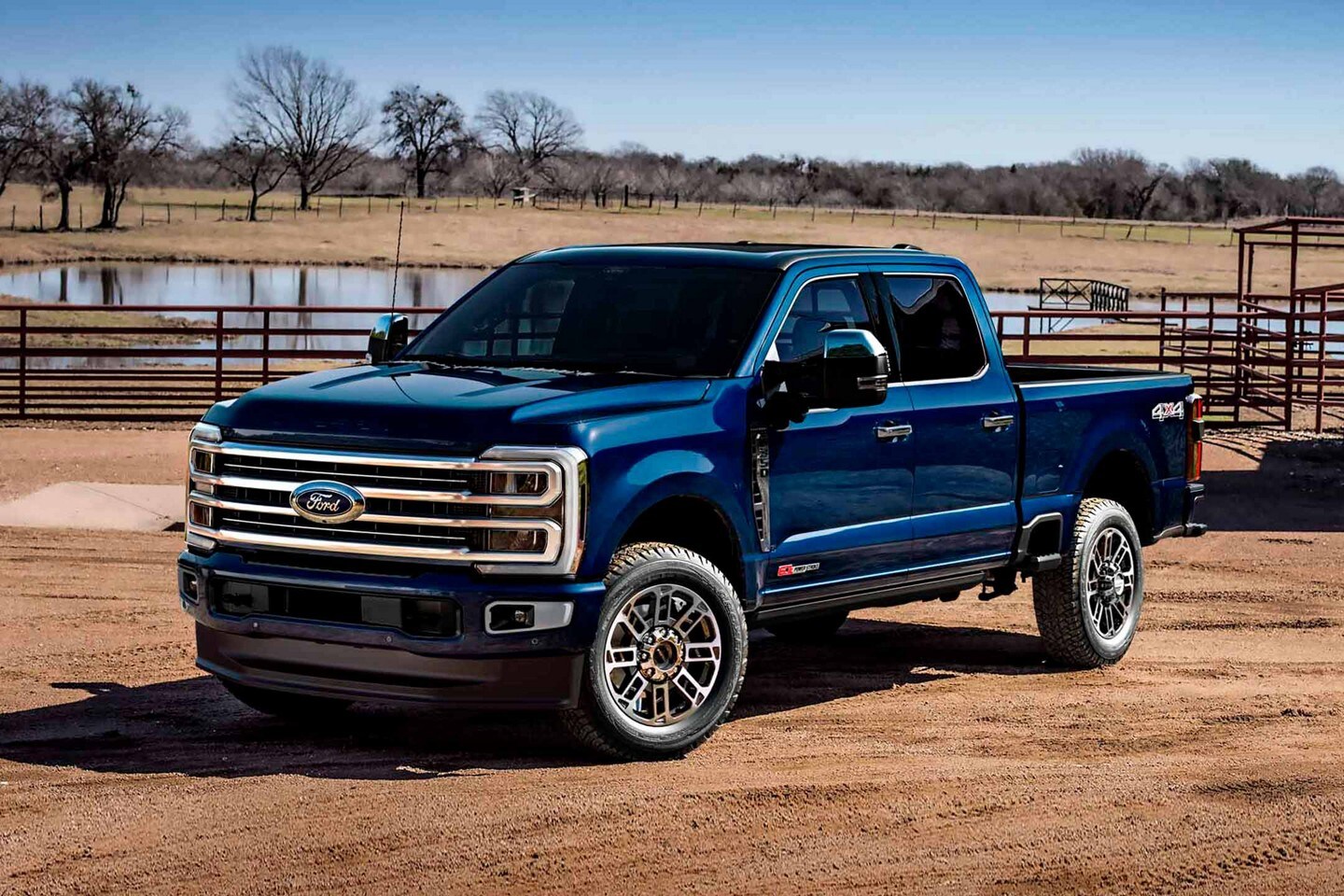
1. Ford F-350 Super Duty
The Ford F-350 Super Duty earns its reputation by combining a heavy-duty chassis with powertrain options engineered for demanding work. Properly configured versions can tow substantial conventional and fifth-wheel trailers, making the truck suitable for large recreational vehicles, commercial equipment, livestock trailers, and substantial workloads.
Its available diesel powertrain delivers strong torque, while the heavy-duty transmission and frame provide a foundation for repeated towing duties. The important distinction is that its capability comes from the entire vehicle design, not just a large engine or an impressive marketing figure.
Configuration determines how much of that capability an owner can actually use. Single-rear-wheel and dual-rear-wheel versions have different load-carrying characteristics, and engine, axle, cab, and drivetrain selections affect published ratings. A properly equipped dually can provide greater rear-axle capacity and stability for suitable fifth-wheel applications.
Buyers should still verify payload, rear axle limits, tire ratings, and hitch requirements before connecting a heavy trailer. The F-350 is a convincing example of a truck whose towing figures can correspond to genuine working capability when the vehicle is configured correctly.
Its value becomes particularly clear during long-distance towing. Heavy-duty cooling systems, available integrated trailer brake controls, trailer monitoring features, and suitable transmission gearing help support sustained operation. These systems cannot eliminate the effects of steep grades or poor loading, but they contribute to a more controlled experience.
Properly matched tires and brakes remain essential, especially when descending long hills with a loaded trailer. Drivers must also allow additional stopping distance and avoid assuming that a powerful diesel engine makes every trailer combination easy to manage.
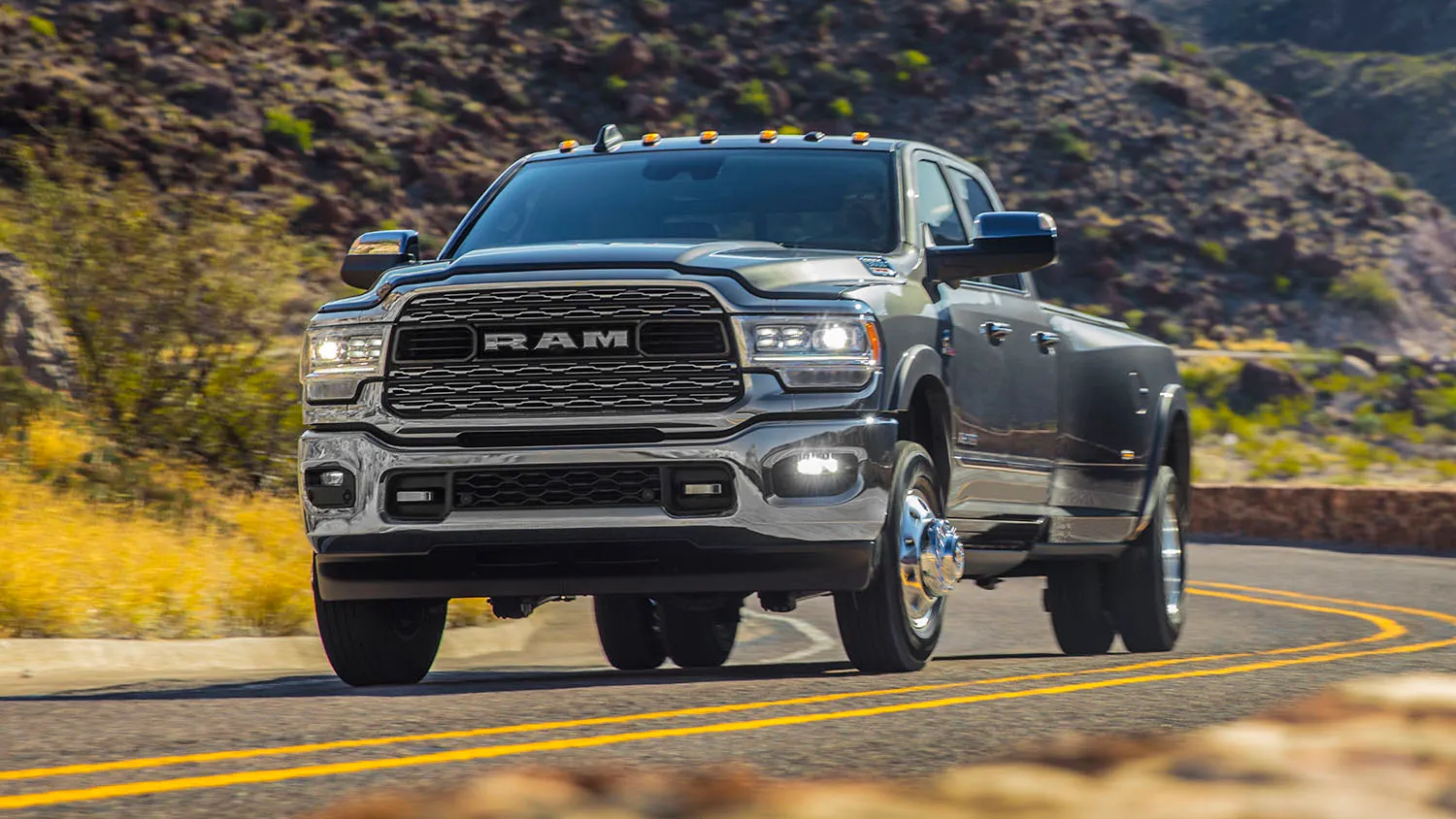
2. Ram 3500 Heavy Duty
The Ram 3500 Heavy Duty is another strong choice for drivers who need a pickup capable of towing substantial loads. Its available diesel engine options, heavy-duty frame, and towing-oriented driveline configurations make it suitable for demanding fifth-wheel, gooseneck, and conventional trailer applications.
Properly equipped versions can achieve very high manufacturer-rated towing capacities, depending on the model year and configuration. The numbers are meaningful because the truck is engineered for heavy loads, provided buyers understand that the highest advertised rating applies only to specific combinations of equipment and conditions.
The available rear-wheel configurations make a significant difference in how the truck handles weight. Dual-rear-wheel models generally provide more rear tire capacity and a wider support base, which can be useful when towing large fifth-wheel trailers. However, adding rear wheels does not automatically make every trailer combination legal or safe.
GVWR, axle ratings, payload, hitch limits, and the trailer’s actual loaded weight must still be checked. A high tow rating cannot compensate for a truck whose bed payload is insufficient for the fifth-wheel’s pin weight and the passengers aboard.
Diesel torque is a major advantage when starting on inclines and maintaining speed with a heavy trailer. Appropriate transmission ratios help keep the engine in a useful operating range, while available exhaust braking can assist with speed control on long descents.
Drivers should understand that exhaust braking supplements the service brakes rather than replacing them. Correct trailer brake adjustment, functioning brake controllers, appropriate tires, and balanced loading remain vital. A well-maintained Ram 3500 with a compatible trailer can provide a confident towing experience over substantial distances.
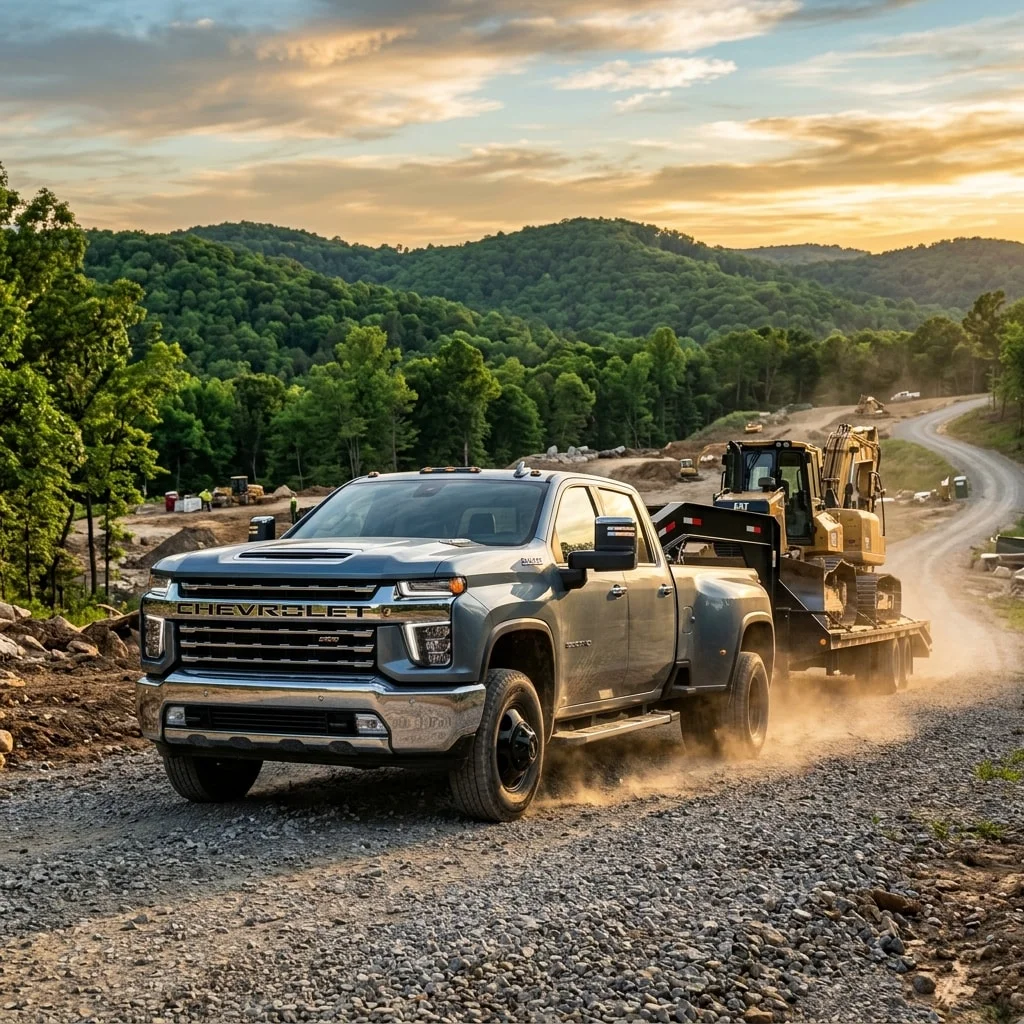
3. Chevrolet Silverado 3500HD
The Chevrolet Silverado 3500HD is designed for work that exceeds the comfortable limits of many light-duty pickups. Its heavy-duty frame, available diesel powertrain, and substantial axle and suspension options support demanding towing applications.
Properly configured models can handle large fifth-wheel trailers, heavy equipment, and commercial loads within their published limits. For owners who need a truck to work regularly rather than occasionally pull a small camper, the Silverado 3500HD offers a platform built around substantial load requirements.
The available Duramax diesel engine and compatible transmission provide strong pulling performance, especially when a trailer adds considerable resistance on hills. However, engine strength is only one part of the truck’s capability.
The chassis, cooling systems, axle ratios, brakes, and tire specifications all affect what the vehicle can safely manage. A buyer choosing a truck for frequent heavy towing should compare the actual ratings of the available configurations rather than assuming every Silverado 3500HD has the same capacity.
Dual-rear-wheel versions are especially relevant for heavy fifth-wheel use because they can offer additional rear tire capacity and a wider stance. This may improve the truck’s ability to support substantial pin weight within its certified limits.
Even so, owners must account for passengers, cargo, hitch equipment, and any accessories installed after purchase. A heavy tool chest or aftermarket bumper can reduce the payload remaining for trailer weight. These details often determine whether a particular truck is a good match for a real-world towing setup.
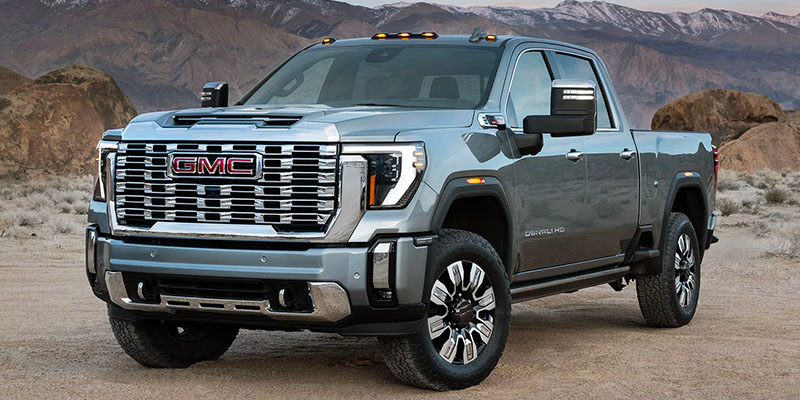
4. GMC Sierra 3500HD
The GMC Sierra 3500HD shares much of its underlying heavy-duty engineering with the Chevrolet Silverado 3500HD, making it a credible choice for substantial towing. Depending on the model year and equipment, it offers powerful engine options, a robust chassis, and configurations suited to large fifth-wheel trailers and demanding commercial duties.
Its high towing figures reflect the capabilities of a truck built to carry and pull substantial loads. Buyers should nevertheless consult the appropriate manufacturer’s towing guide because equipment differences can materially affect the published limit.
GMC’s available diesel powertrain provides the torque needed for heavy trailers, while the heavy-duty transmission and driveline support sustained pulling when properly maintained. For long journeys, this combination can be especially useful when traveling through hilly terrain or transporting heavy equipment.
The truck’s ability to maintain control still depends on the trailer’s loading, the hitch arrangement, tire condition, road conditions, and driving technique. A strong engine does not make an unstable trailer safe, so correct weight distribution remains essential.
For owners choosing a Sierra 3500HD for fifth-wheel towing, payload deserves particular attention. The trailer’s pin weight presses directly onto the truck, consuming a significant share of available payload.
Passenger weight, luggage, tools, bed accessories, and the hitch must be counted as well. Some configurations can offer substantial payload capacity, but the door-jamb label on the specific truck provides the practical starting point. Buyers should compare that figure with a realistic estimate of the fully loaded trailer rather than using its dry weight.
The Sierra can also appeal to drivers who spend long hours behind the wheel and value cabin comfort alongside work capability. Available driver assistance, camera, and trailer monitoring systems can make maneuvering and checking a connected trailer more convenient.
Trim levels and equipment packages influence both price and feature availability. Buyers should weigh these conveniences against the cost of optional equipment, since premium features do not necessarily increase the vehicle’s permissible towing capacity.
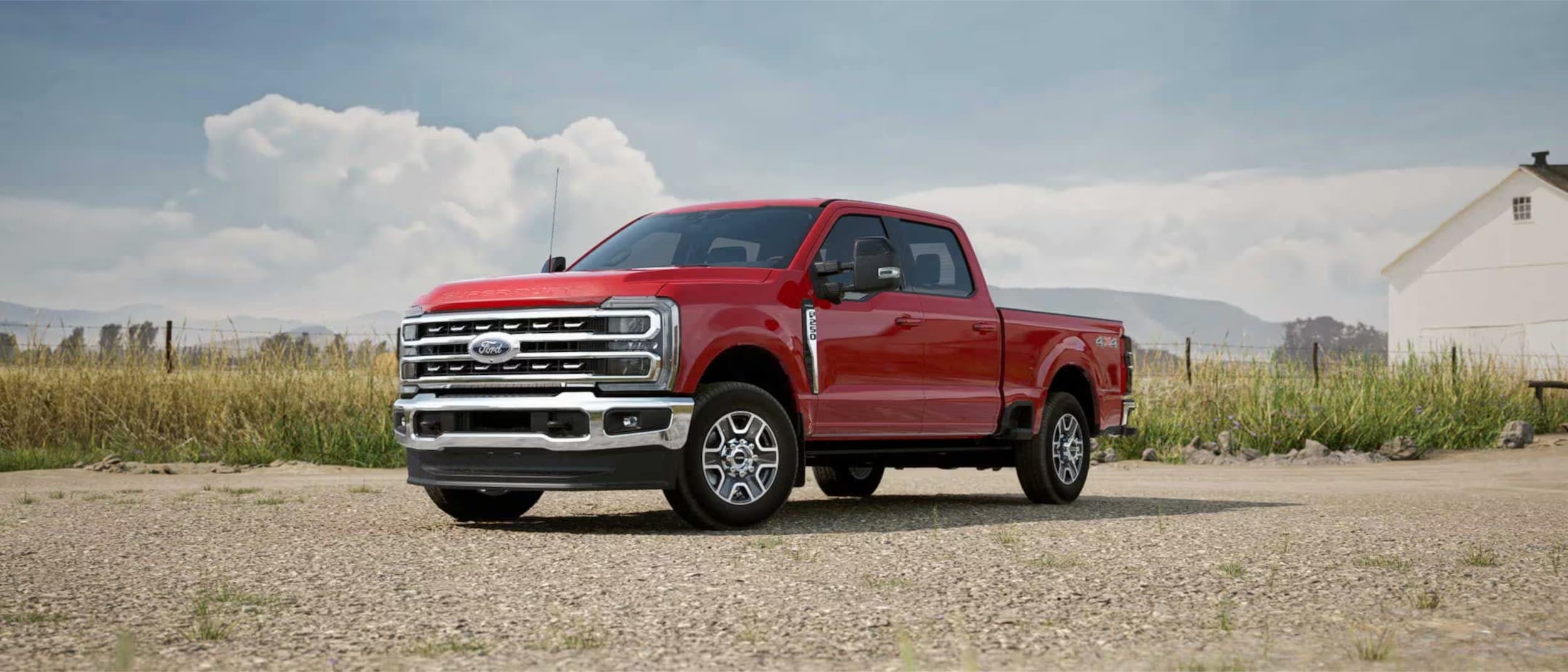
5. Ford F-250 Super Duty
The Ford F-250 Super Duty offers a useful middle ground between a heavy-duty work truck and a pickup that many owners can comfortably use every day. Its frame, available powertrains, and towing equipment support trailer weights that would exceed the practical capabilities of many midsize and light-duty trucks.
Depending on the year and configuration, the F-250 can be suitable for substantial travel trailers, equipment trailers, and certain fifth-wheel applications. It is a genuine towing vehicle, provided the chosen setup falls within the truck’s certified limits.
The F-250’s advantage lies in its combination of power and a chassis designed for heavier work. Available diesel and gasoline engines provide different strengths, with diesel models generally offering substantial low-speed torque.
Buyers should compare engine output, axle ratios, transmission options, and the manufacturer’s ratings for the exact configuration. The highest advertised number may belong to a particular cab, drivetrain, or equipment combination that differs from the truck sitting on a dealer’s lot.
Payload becomes particularly important because some F-250 configurations may have less payload available than a heavier-duty F-350 despite sharing much of the same basic platform. Equipment, trim, cab style, and other specifications can affect the difference.
A large fifth-wheel trailer may place enough pin weight on the truck to make payload the limiting factor before maximum trailer capacity is reached. Checking the door label and weighing the actual vehicle when necessary helps prevent assumptions based on model names.
5 Trucks Where the Tow Rating Can Be Misleading
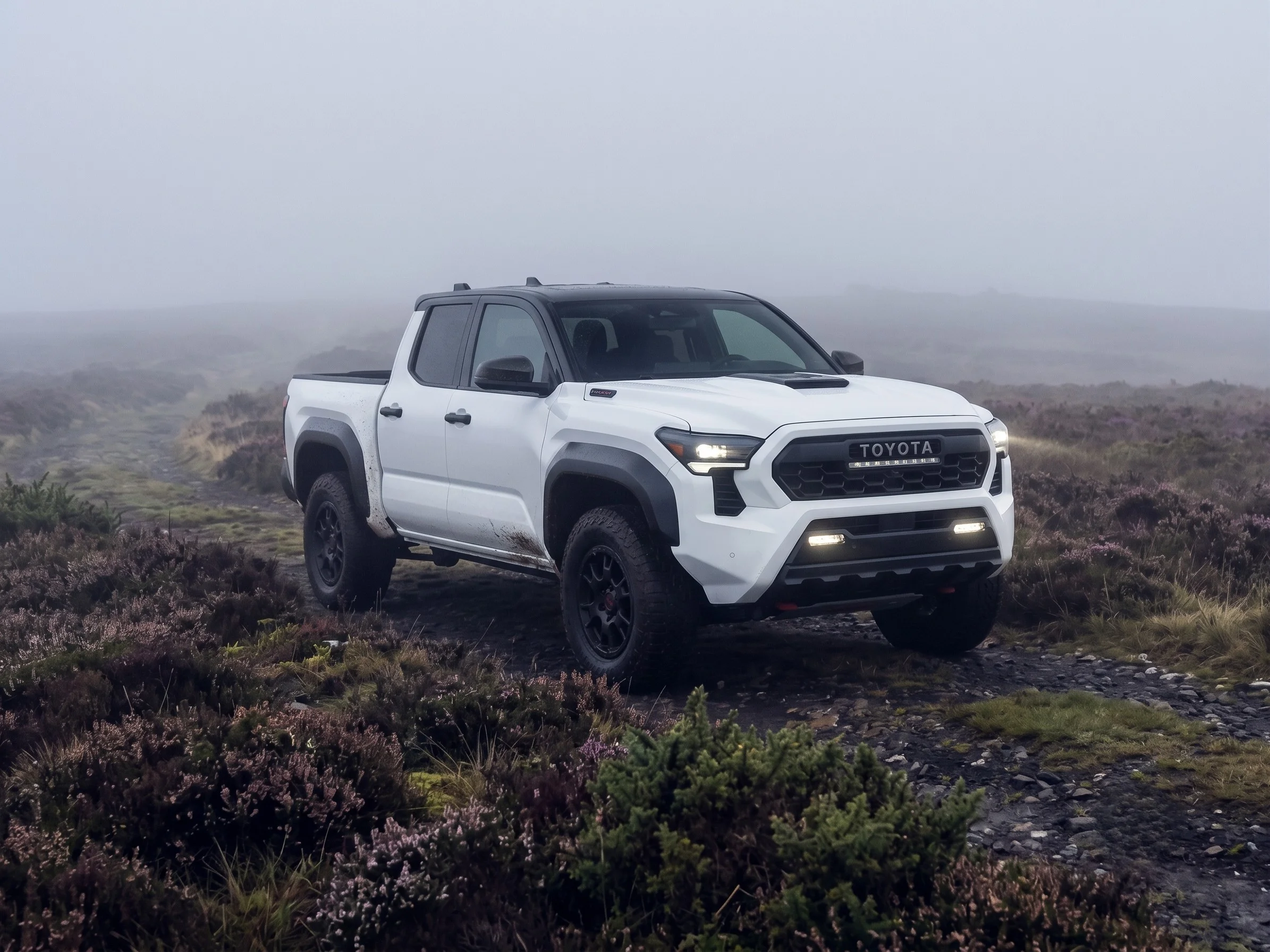
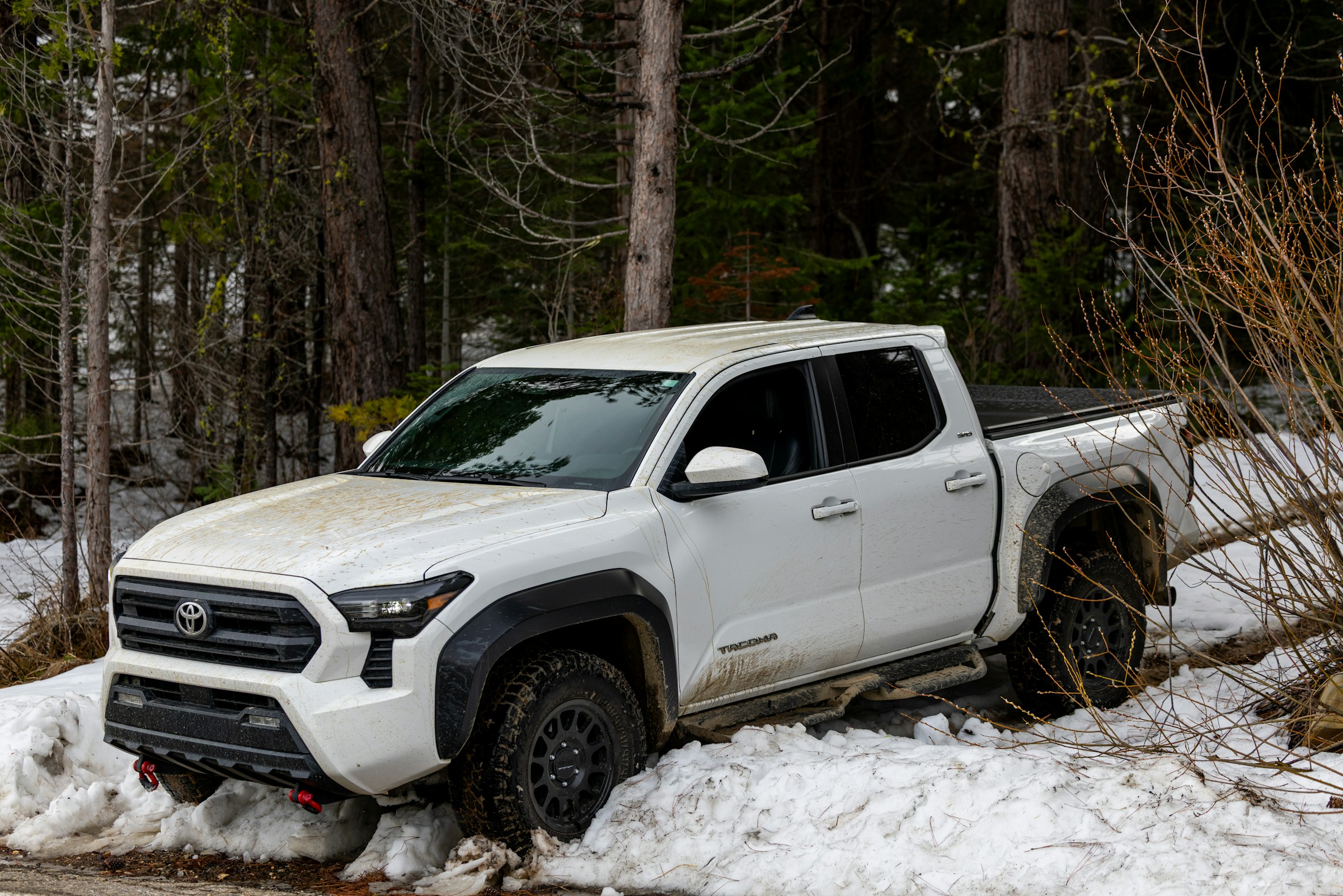
1. Toyota Tacoma
The Toyota Tacoma is popular for its manageable size, off-road capability, and everyday usability, but its maximum towing figure should be interpreted carefully. Depending on the model year, engine, drivetrain, and configuration, certain versions have manufacturer-rated towing capacities around 6,000 to 6,500 pounds.
That is substantial for a midsize pickup, yet it does not mean every Tacoma is suitable for a travel trailer weighing close to that amount. Buyers should verify the rating for the exact model and consider the fully loaded trailer rather than its advertised dry weight.
Payload can quickly become the limiting factor. A trailer’s tongue weight presses down on the hitch, and passengers, camping gear, bed cargo, and accessories also consume the truck’s available capacity.
Travel trailers commonly place a meaningful share of their loaded weight on the hitch, so even a trailer well below the maximum tow rating can create a payload problem. The door-jamb label provides a vehicle-specific starting point, while a loaded scale measurement can help confirm the actual weights.
Engine performance is another consideration when towing near the truck’s limit. A Tacoma may be capable of pulling a permitted load, but steep grades, high temperatures, headwinds, and repeated acceleration can demand more from the powertrain. Drivers may notice frequent downshifts and higher engine speeds.
These behaviors are not automatically signs of a mechanical problem, but they can make long towing journeys less relaxed than the maximum capacity suggests.
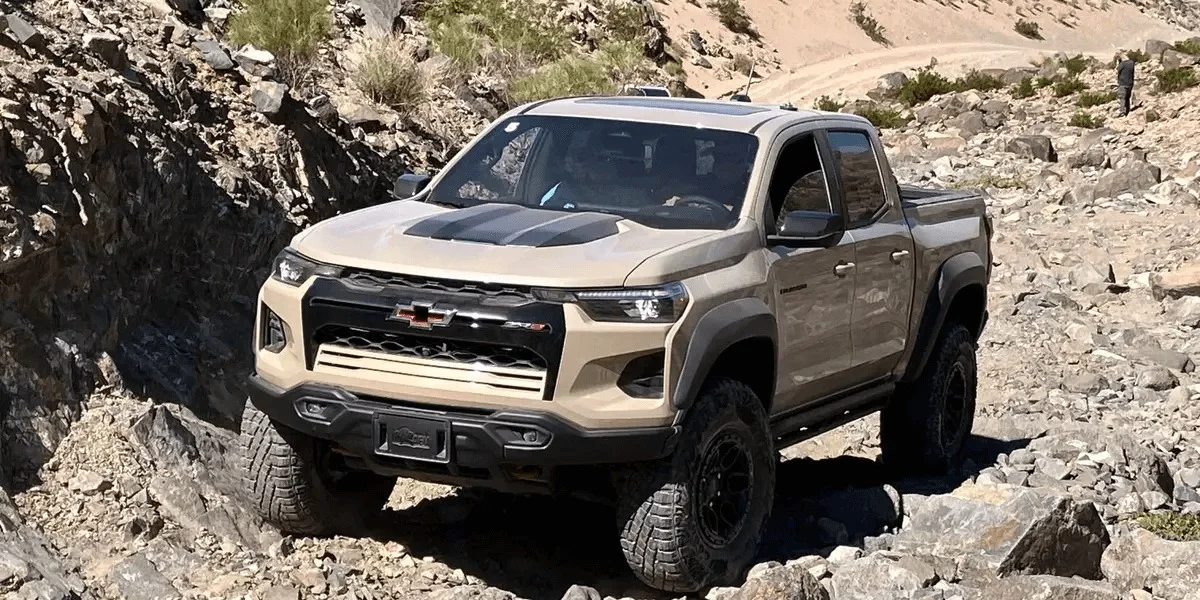
2. Chevrolet Colorado
The Chevrolet Colorado offers more towing capability than many people expect from a midsize pickup. Depending on the model year and configuration, certain versions have been rated to tow up to approximately 7,700 pounds.
That figure can make the truck look like an easy match for a large travel trailer, but buyers should not assume that every Colorado can handle that load. The maximum applies to particular configurations, and a trailer’s fully loaded weight must be considered alongside the truck’s payload and axle limits.
Payload calculations can expose the difference between advertised capability and a practical setup. Passengers, camping equipment, aftermarket accessories, and tongue weight all count toward the truck’s available capacity.
A family traveling with luggage may use a substantial portion of the payload before the trailer is connected. A trailer weighing less than the maximum tow rating can therefore push the truck beyond its GVWR or rear axle rating. The correct approach is to evaluate the complete combination rather than treating tow capacity as the only important number.
Powertrain capability also depends on the specific Colorado. Engine, transmission, drivetrain, and towing-package choices can influence performance and permissible trailer weight.
A properly equipped model may pull a suitable load confidently, but heavy towing on mountain roads or in hot weather can place greater demands on cooling systems and transmission operation. Owners should follow the manufacturer’s guidance on towing preparation, maintenance, and operating conditions, especially when regularly approaching the truck’s limits.
3. Ford Ranger
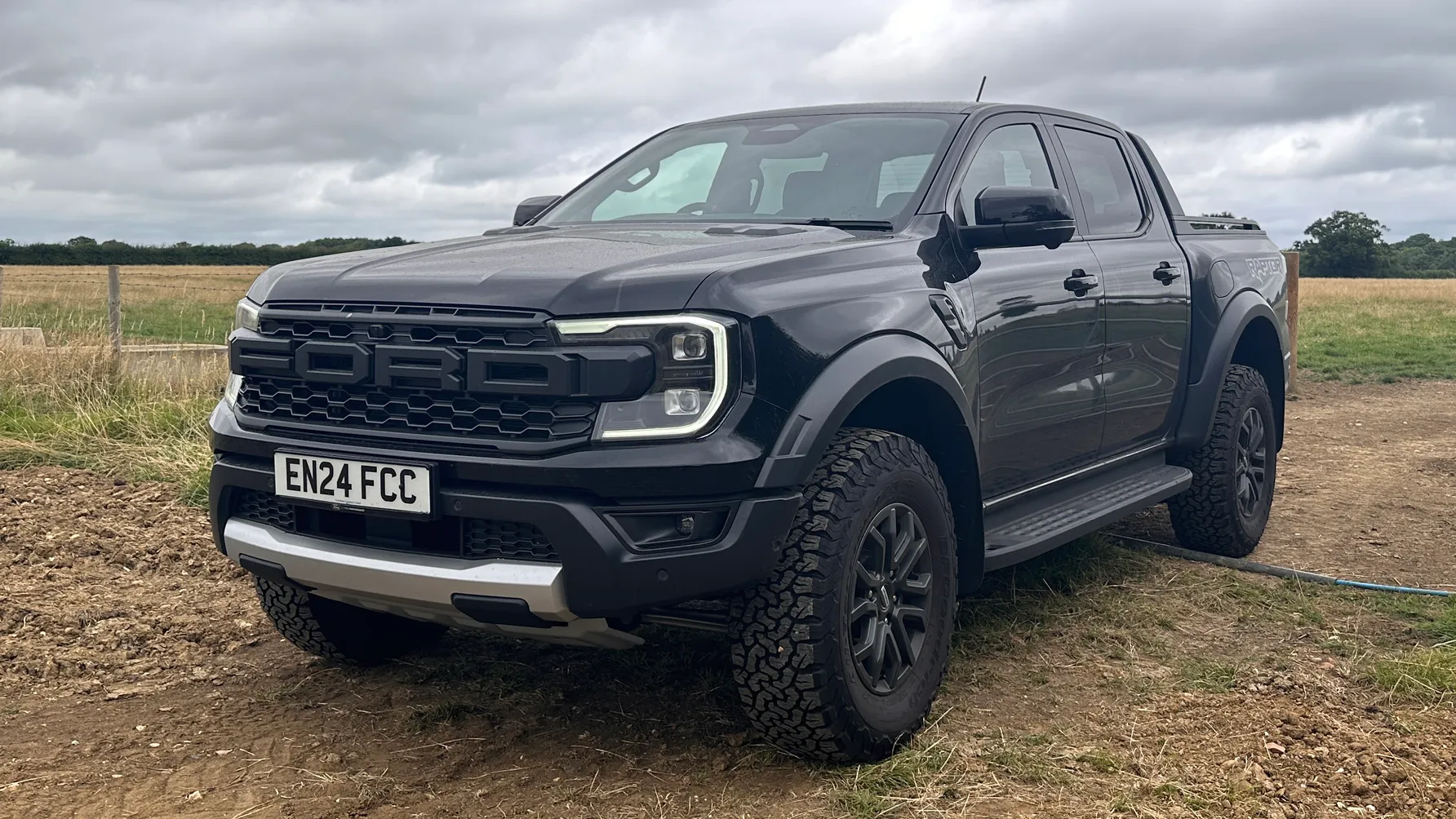
The Ford Ranger is a midsize pickup with a capable powertrain and a towing rating that can appear surprisingly high for its size. Depending on the market, model year, and specification, certain Rangers have been rated to tow around 7,500 pounds.
Buyers should check the rating applicable to their particular vehicle because capacities differ by region and configuration. Even where the maximum is accurate, it does not mean that every trailer near that figure is a sensible choice for regular highway travel.
Payload is a major reason for caution. The truck must carry its occupants, cargo, accessories, hitch equipment, and the trailer’s tongue weight without exceeding its certified limits.
A family carrying camping supplies can use up available payload faster than expected. If the trailer has substantial tongue weight, the rear axle may reach its limit before the truck reaches the advertised towing capacity. A careful weight calculation is particularly important when fitting a camper with storage compartments full of equipment.
The Ranger’s power and transmission gearing can help it pull appropriate trailers, but towing performance depends on the conditions. Steep grades, headwinds, high ambient temperatures, and frequent stop-start traffic place additional demands on the engine and cooling systems.
A truck that handles a moderate trailer comfortably on flat roads may work harder when climbing long mountain passes. Buyers who tow frequently should prioritize the actual driving conditions rather than choosing a trailer based only on its empty weight.
Stability is another concern when matching a midsize pickup with a tall travel trailer. Trailer length, frontal area, load distribution, tire pressure, and hitch setup all affect the combination.
A trailer that is technically within the truck’s weight rating can still feel unsettled if it is poorly loaded or exposed to strong crosswinds. A suitable weight-distribution hitch or sway-control equipment may be appropriate for some combinations, but neither should be used to justify exceeding vehicle or hitch ratings.
4. Chevrolet Silverado 1500
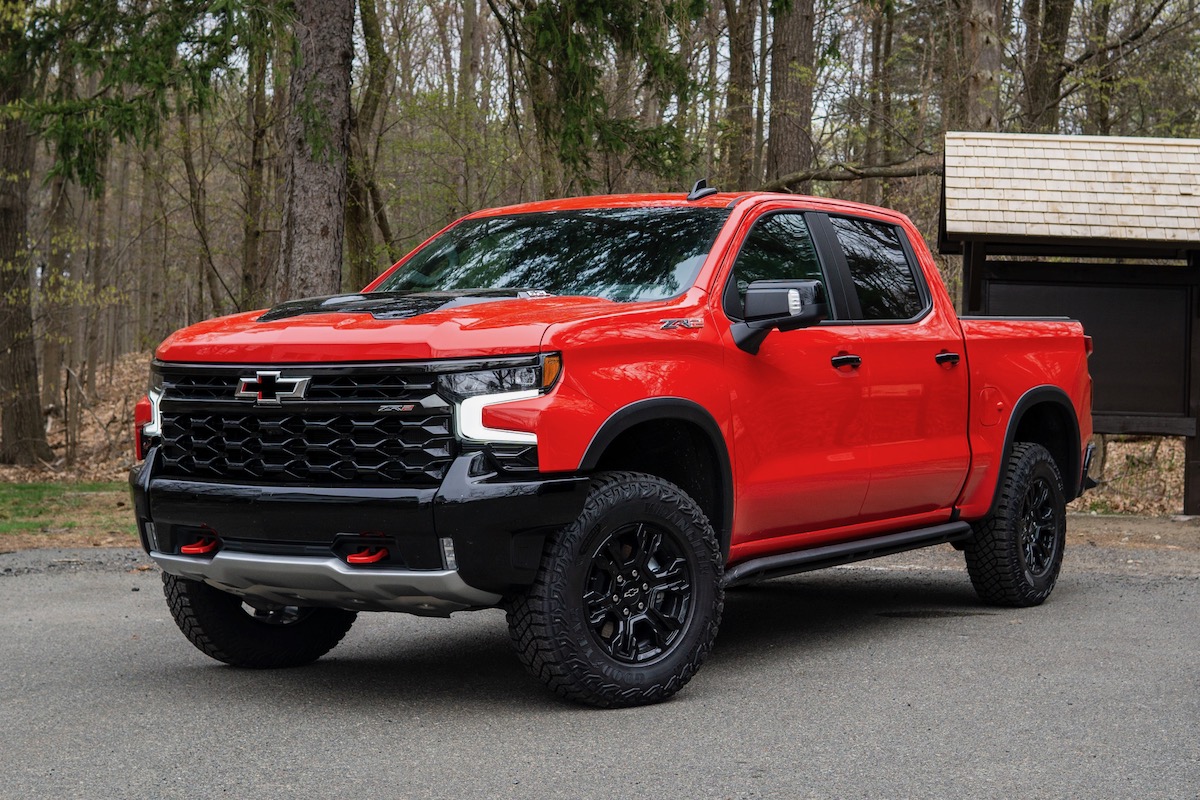
The Chevrolet Silverado 1500 is a full-size pickup available with multiple engines, cab styles, bed lengths, and drivetrains. Some properly equipped versions have been rated to tow more than 13,000 pounds, depending on model year and configuration.
This is a genuine manufacturer rating for qualifying setups, but it can create unrealistic expectations when buyers assume that any Silverado 1500 can tow a similarly heavy trailer. The actual capacity depends on the vehicle’s equipment, and payload can become the limiting factor well before the headline maximum is reached.
Half-ton trucks must balance passenger comfort, everyday usability, and load-carrying requirements. A Silverado with a comfortable trim package and additional equipment may have less payload available than a lighter configuration.
Once passengers, luggage, accessories, and hitch hardware are included, the remaining capacity for trailer tongue weight may be much lower than expected. A large travel trailer can therefore exceed payload or rear axle limits even when its total weight falls below the truck’s published maximum towing capacity.
Engine selection also changes the towing experience. Certain powertrains deliver strong torque and can pull heavy loads effectively, while other configurations may be better suited to moderate towing.
Transmission ratios, cooling equipment, axle gearing, and the installed towing package all contribute to performance. Buyers who regularly tow should examine the specifications for the exact truck, including the ratings associated with the selected engine and drivetrain. A model name alone cannot establish its real capability.
5. Ram 1500
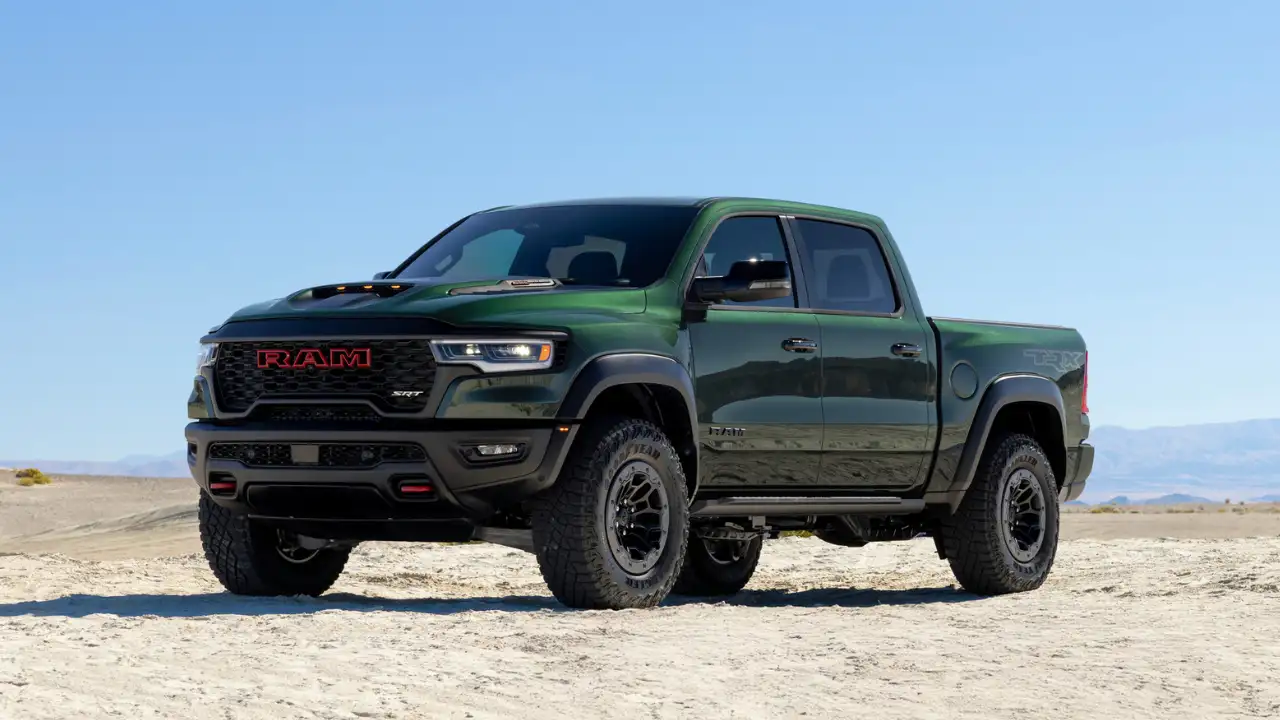
The Ram 1500 is known for its comfortable ride, powerful engine choices, and broad range of configurations. Certain properly equipped versions have carried maximum towing ratings around 12,000 to 12,750 pounds in some model years, though the precise figure depends on the configuration and year.
These ratings can be valid, but they should not be treated as a universal measure of what every Ram 1500 can tow. A truck’s specific payload, axle ratings, engine, drivetrain, and equipment determine the usable capacity for a particular trailer.
The truck’s comfortable cabin and road manners make it appealing for long journeys, yet buyers must still account for payload. Passenger weight, luggage, bed cargo, aftermarket accessories, and hitch equipment all reduce the capacity available for trailer tongue weight.
This is especially important when towing a travel trailer carrying water, food, clothing, and camping supplies. Its loaded weight may be significantly higher than the figure printed on a brochure, leaving less room for the occupants and cargo carried by the truck.
Powertrain options influence the way the Ram 1500 performs under load. Certain engines offer strong acceleration and suitable torque for towing, while axle ratios and transmission behavior affect how effectively that power is used.
Cooling capacity and the manufacturer’s towing package requirements should be checked before selecting a trailer. Drivers who regularly travel in hot weather or over mountain routes need to consider sustained engine and transmission loads rather than relying solely on a brief demonstration drive.